How to Turn a Real Animal Into an Amigurumi Design
How to Turn a Real Animal Into an Amigurumi Design
If you’re asking How to Turn a Real Animal Into an Amigurumi Design, start with a photo that tells a story you can translate into yarn. A clear image with strong shapes and simple lines translates best into crochet stitches. Choose a photo with recognizable features, minimal busy backgrounds, and colors you can match in yarn. If you plan color changes later, pick a photo you can adapt or be ready to improvise.
Choose your reference photo
You want a photo that tells a story you can turn into yarn. Start with a clear picture of the subject you want to turn into an amigurumi. Look for strong shapes and simple lines—easy to translate into crochet stitches. Your reference photo should show the subject at its most recognizable, not in a crowded scene or with busy backgrounds. If you plan to swap colors later, choose a photo with colors you can match in yarn, or be ready to improvise.
Next, think about pose and expression. A pose with a clear silhouette makes the pattern easier to follow. If you’re aiming for a cute character, a straightforward, friendly pose beats a complex, dynamic one. Your goal is to capture enough detail to guide you, without overwhelming the design with tiny features. Keep the subject centered or cropped so the important shapes aren’t lost at the edges.
Finally, consider lighting. Soft, even light avoids harsh shadows that hide details. If you can, shoot in natural light with minimal glare. A well-lit photo helps you notice the proportions you’ll translate into stitches, like the size of the head relative to the body and where the limbs should attach. A good reference photo is the backbone of a clean, repeatable pattern.
photo to amigurumi pattern guide
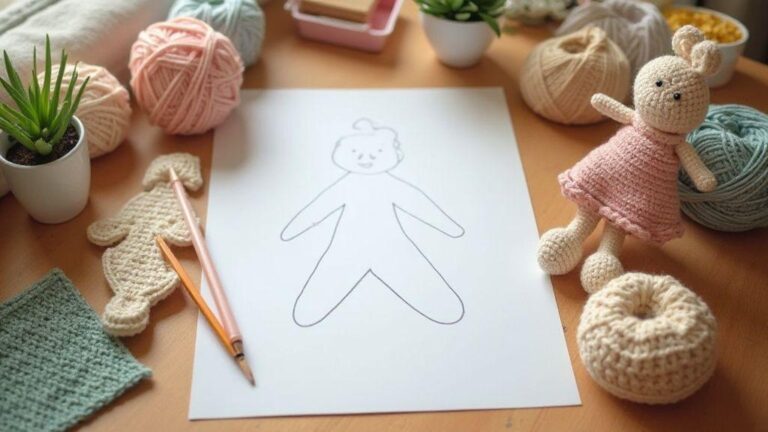
Your photo becomes the blueprint for your pattern. Start by tracing the main shapes: head, body, limbs, and unique features. Break complex features into simple blocks you can crochet, like a round head, a tubular body, and curved limbs. Use the photo to note where color changes happen and where shading might influence your yarn choices. This guide helps you convert the image into manageable steps you can crochet in a predictable order.
Next, map out proportional relationships. Decide how big you want the final figure to be and scale your features accordingly. If the photo shows a large, fluffy tail, translate that into a larger tail piece or extra stitches in that area. Your aim is to retain the character’s essence while keeping a pattern that’s comfortable to follow.
Finally, plan your textures. If the photo shows fur, decide how you’ll mimic that with stitch patterns or added yarn. If there are stripes or spots, plan color changes and intarsia or embroidery after assembly. This stage turns a flat image into a tangible, cozy amigurumi you can crochet stitch by stitch.
creating amigurumi patterns from photos
Begin by outlining the core shapes and how they connect. Use a simple, repeating stitch for the main body, then add ears, arms, or paws in the places shown by your reference. Don’t shy away from simplifying details that don’t read well in yarn. The photo is a guide, not a hard rule. Your pattern should be playable, forgiving, and fun to make.
Then, translate colors and textures into practical steps. Decide where to switch yarn colors and how many rounds each piece needs. If your reference shows shading, plan subtle color changes or appliqué details after the main assembly. Keep your instructions clear and sequential so you can follow your own pattern easily.
Finally, test and adjust. As you crochet, compare your piece to the photo and adjust proportions if needed. If the head feels too large, reduce rounds; if the limbs look short, add a few more. Your process improves each time you convert a photo into a pattern.
Best photo angles for conversion
Choose angles that reveal the subject’s most recognizable shapes. A straight-on view often works best for front-facing characters, while a three-quarter view can add personality and depth. Avoid extreme angles that distort proportions or hide key features you’ll need for the pattern. The clearer the view, the easier your conversion will be.
Look for clear lines that translate into stitches. A clean silhouette helps you map the arms, legs, and body without guesswork. If you’re aiming for a specific pose, pick an angle that communicates it without turning the subject into a blur of shapes. Remember, your goal is to guide your crochet, not to reproduce every tiny detail.
Capture all essential features in one shot. You want to see the head, torso, and limbs comfortably without cropping important bits. If you can, take multiple photos from a few angles and pick the best one. The right angle makes your amigurumi design feel intentional and polished.
Spot your animal’s defining shapes
You’ll notice that every animal is built from a few simple forms. When you spot these defining shapes, your amigurumi comes to life with balance and character. Start by looking for the big blocks—the head, the body, the limbs—and think in terms of spheres, ovals, cylinders, and triangles. This mental map saves you from overcomplicating the piece and helps your stitches read clearly from a distance. As you sketch or plan, group features into these shapes and let the rest fill in as small details.
Next, test proportion. If the head is a large sphere and the body a slim cylinder, your toy will feel different from a chunky form. Try quick pencil or yarn skein tests to see how the shapes sit together. If something reads off—say the neck looks too long—adjust that one shape rather than reworking everything. Your goal is a clean silhouette that reads instantly as the animal you’re aiming for.
Finally, keep the silhouette consistent across poses. Think about how the shape looks from the side, front, and a cuddly angle. If your shapes retain their identity in each pose, your amigurumi will look intentional and cute no matter how you squish or pose it. Spotting these shapes early makes the rest of your design smoother and more satisfying to finish.
simplifying animal features for amigurumi
You’ll gain charm when you simplify features to the essentials. Focus on a few recognizable cues—like a lion’s mane or a panda’s patches—and translate them into bold, easy-to-stitch forms. Use large color blocks, clear borders, and soft curves to convey identity without crowding the piece with tiny stitches. You’ll find your work becomes faster and sturdier, too.
When you translate eyes, noses, and ears, aim for iconic shapes rather than exact textures. A simple circle for an eye with a tiny white highlight reads as lively without chasing realism. Ears can be triangle or rounded flaps rather than complex folds. Fewer, bolder details read better in yarn and stay approachable for beginners while still expressive.
Test with practice pieces. A quick mini-sculpt of the head and neck can show you if the simplified features sit well together. If the viewer can identify the animal at a glance, you’ve nailed the simplification.
translating animal anatomy to amigurumi
You’ll bridge biology and yarn by mapping anatomy into stitchable shapes. Start with the bones’ guidance—think where the spine bends and where limbs angle. Then convert those angles into simple lines and blocks. This keeps your amigurumi strong and poseable.
Next, consider weight and balance. The larger the head, the more the body needs to counterbalance it. Use slightly heavier yarn or a denser stitch on the upper torso to help the toy stand or sit without tipping. If your animal has a long tail, make it a separate crocheted piece rather than a single strand. This keeps things tidy and swap-friendly.
Keep anatomy readable to viewers who aren’t crochet pros. Use clear separations between head, body, and limbs with minimal joins. A few simple joins or color changes can imply joints, ribs, or muscle without turning your amigurumi into an anatomy textbook. Your goal is to respect the animal’s truth while delivering a friendly version.
Pick defining marks and shapes
Choose bold marks that instantly say what animal you’re stitching. Big ears, a striped back, or distinctive patches become your guiding shapes. Exaggerate them just a touch to read from a distance. When you pick these features, you set your design’s personality and readability.
Focus on a few defining shapes rather than many small details. A bright eye patch, a big round nose, or a fluffy tuft on top can define your character with minimal stitches. Place these marks where they’ll be most visible and easiest to sew in securely. Your final piece will feel cohesive, not cluttered.
Use color blocks to emphasize the defining marks. Strong color choices with clean boundaries help your shapes pop. Test colors on scraps first; the right contrast makes your amigurumi instantly readable. Your goal is a piece that communicates the animal’s essence with confidence and charm.
Map anatomy to amigurumi shapes
You’ll break down how real bodies become cuddly amigurumi by mapping bones, muscles, and posture to simple shapes. Think of a torso as a rounded block and limbs as tubes. This keeps the design recognizable and crochet-friendly. Starting with bold shape blocks lets you adjust size and proportion without losing character, keeping patterns consistent from head to toe.
Push and pull shapes to create personality. A big chest block reads bold and strong, while a smaller head with a soft neck reads shy and friendly. Small changes in joint angles or limb thickness shift the whole feel. Keep core forms intact while letting details breathe.
Test your map by mocking a quick silhouette. If the outline reads as the animal you want, you’re on track. If not, tweak major blocks until the shape reads clearly at a glance.
translating animal anatomy to amigurumi
Take the animal you love and translate its bearings into craft-friendly blocks. Convert a long neck into a slender curved tube with a larger head block perched on top; for a bear, a stout torso with short limbs; for a bird, a slim body with a small wing block against the back. Each choice preserves the animal’s essence and stays crochet-friendly.
Map limbs, tail, and ears to simple shapes. A tail might be a small cone or tube; ears become rounded triangles or domes. Keep pieces proportional so your creature stays balanced in yarn, not top-heavy. Test proportions by sketching a rough silhouette. Once the silhouette feels right, you’re ready to draft a basic pattern.
draft basic body blocks for patterning
Start with three essential blocks: head, torso, and limbs. The head is a sphere or rounded block that holds the expression. The torso anchors the model with a gentle taper to the hips. Limbs are simple cylinders or tubes ending in rounded paws or feet. Keep blocks consistent to reproduce the design across sizes.
Add minor blocks for ears, tails, and snouts. Small blocks attach to the main blocks to convey personality. Keep everything stitch-friendly: small blocks connect cleanly to larger ones. Test by sewing a quick sample for balance. If the balance is off, adjust the head-to-body ratio or limb thickness.
Map major forms to amigurumi shapes
Map the major forms—head, chest, hips, and limbs—to distinct shapes. The head becomes a rounded sphere; the chest and hips read as wider blocks to shape the torso, while limbs stay slim tubes ending in rounded hands or paws. This separation helps you shape expressions without crowding.
Place major features on the blocks at the right angles. Eyes sit on the head block, ears on top, and a snout protrudes from the front. Attach limbs at strategic points to keep the figure balanced and poseable. Assigning features to blocks maintains pattern consistency across sizes.
Set your proportion and size
When starting an animal amigurumi, the most important decision is overall proportions. Proportion acts as the blueprint that keeps your creature balanced, cute, and presentable. Decide early how tall, wide, and chunky you want your figure to be to guide shaping and stitching. Your finished piece should feel cohesive, so choose a look you love and follow simple rules to keep it consistent.
Your proportion plan should cover body length, limb length, and head-to-body ratio. For a pudgy mascot, push toward a rounder head and shorter limbs. For a sleeker critter, elongate the torso and narrow the face. Set a constant scale for all parts so they read as one character. Consistency is your best friend.
Consider display and play context. A pinable mini versus a plush for hugging changes which seams you hide and which shaping details you emphasize. Keep a quick sheet or photo reference as you work to stay on track.
proportion and scale for animal amigurumi
Your scale choice drives every detail from ear size to tail curl. A larger scale yields bold, chunky parts; a smaller scale yields delicate features. Use a single grid or measurements for all parts. Start with a base unit (for example, a 1.5-inch head height) and translate every other part to that unit. If you adjust one part later, recheck all others against the base unit.
Test your scale with a quick rough version or swatch for the head and body. It’s about feel in hand and sight, not perfection at first stitch. If the head looks too big or legs too short, tweak the numbers before committing to full pieces.
Choose finished size first
Choosing finished size first gives you a clear destination and prevents mismatched parts. Plan the target height and width to suit display needs—shelf, backpack, or bedtime buddy. This choice guides yarn weight, hook size, and shaping of each piece.
Once you’ve set the size, mark a simple face map and limb plan that fits your target. Crochet with intention, not guesswork. If you dream of a 6-inch pocket buddy, avoid oversized limbs or a head that disrupts the scale. Your size drives texture and detail, so keep the look cohesive from start to finish.
Adjust features to your chosen scale
With size locked in, adjust each feature to fit. Eyes, noses, and mouths should read clearly at a glance, so tweak their positions and sizes to stay proportional. In small plushes, tiny eyes read as cute; in larger designs, bolder facial features help readability from a distance.
Ears, tails, and paws should echo the overall scale. If the body grows, you can shorten limbs to keep a friendly silhouette, or lengthen them for agility. Small changes to one feature imply others, so keep proportions harmonious.
Test adjustments on a simple sample. View from different angles and at arm’s length to ensure expression reads well. If something looks off, reposition rather than forcing stitches.
Draft a simple pattern from photos
Turn clear photos into a simple pattern by focusing on a front, side, and key close-ups. Capture the silhouette and main details with minimal notes. Draft a loose outline of stitches and proportions, reserving room to adjust as you crochet.
Keep the approach practical. Use basic shapes for head and body, then add rounds to achieve the right thickness. Leave space to tweak as you crochet. If a feature seems tricky, sketch quick notes like increase here or bend this part to stay focused.
Decide seams and joins, outlining an assembly order that makes sense (head to body, limbs to torso, facial features last). This keeps the project steady and less frustrating.
drafting amigurumi patterns from reference
When drafting from reference material, start with a small sketch that matches the photo’s proportions. Bold lines map major shapes; dotted lines mark joins. Translate this into actionable crochet steps with clear increases and decreases. Note color stripes or patterns so the final piece reads balanced.
Check your reference against your plan. If a feature seems off, revise quickly on paper before stitching. Your goal is a faithful yet practical pattern you can crochet with confidence.
photo to amigurumi pattern guide
Turn a photo into a step-by-step guide you can follow. Define head, body, arms, legs, and accessories, then break each piece into simple rounds. Write short instructions like, head: 6 magic rings, then 6 rounds. Add a small visual cue for tricky areas and mark color-change rounds to keep the pattern clean. Use photos as a compass, not a rigid map.
Sketch pattern pieces and notes
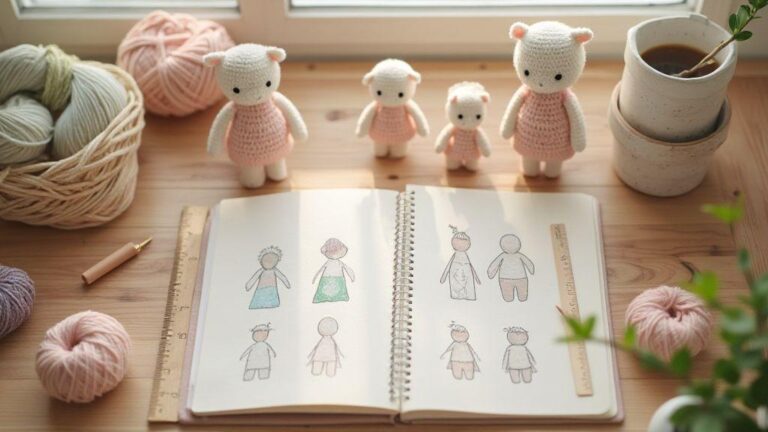
Start with simple sketches of each piece—head, body, arms, legs, ears, fins, or distinguishing parts. Add notes about seam placement and suggested stitches to stay organized when cutting, crocheting, and sewing.
simplify details, keep your animal’s character
Identify the animal’s most recognizable traits and highlight them with bold, readable shapes. Bold silhouettes help the piece read from a distance and preserve personality: a fox’s pointy ears, panda’s round cheeks, or a bear’s heft. Exaggerate key marks slightly and use color blocks to emphasize them.
Test your design with a quick mockup. Check that the simplified features read at various distances. If a detail disappears, replace it with something more visible. The balance between charm and readability is the trick.
convert real animal to amigurumi pattern
If turning a real animal into an amigurumi, start with the most recognizable traits. Pin down silhouette shape, ear size, and tail curve, then draft a pattern map. Translate textures into stitches, using color blocks to reference patterns rather than replicating every spot. Test readability and adjust placement of features to maintain balance.
remove or combine small details safely
Tiny details can clutter. Remove them or blend into larger shapes. For example, whiskers can be a single line of embroidery after assembly. Small eyes or noses can become a single focal point that reads well from a distance. Combine patterns into a few bold cues to keep the piece readable and less maintenance-heavy.
Test after removing details. If the character loses identity, reintroduce a stronger cue—like a distinctive tail curl or ear shape.
Keep signature traits only
Highlight one or two defining traits and center your pattern around them. Remove secondary quirks that don’t add to likeness. A focused design reads clearly and is easier to assemble. When someone picks up your piece, they should feel the animal’s vibe immediately.
Pick yarn, hook, and colors for your piece
Amigurumi thrives on the right tools and colors. Start with smooth, forgiving yarn and test a few scraps to match your hook size. Choose a comfortable hook that matches yarn weight. For color, aim for contrast and readability of eyes and tiny features.
Color choices shape personality, so use a limited palette that reads as the animal. A main body color with 1–2 accents for ears, nose, or paws works well. Subtle tonal variation yields a soft look; solid blocks yield bold effect. Check colorfastness, especially for darker shades that may bleed.
choosing yarn and colors for animal amigurumi
Begin with a base color for most of the body, then add 1–2 accents for features. Test combinations on a small sample to ensure harmony. Medium weight yarn is a good starting point; switch to sport weight for crisper edges if needed. A fluffy look may use textured yarn and a larger hook to achieve readable fur. Colorfast yarns help maintain color after washing.
match texture and weight to fur type
Fur length and density guide texture. Short, sleek fur needs tight stitches on smooth yarn. Long, fluffy fur benefits from looser stitches and fuzzier yarn. Test a small rectangle to feel texture and seam readability. Different fibers yield different personalities, so experiment with swatches.
For a crisp fox, a tight weave on smooth yarn; for a teddy bear, plush yarn with a softer hand. The same animal can be expressed with different fibers for varied personalities, so test before committing.
Sculpt eyes, nose, and expression for your amigurumi
Choose a simple eye style that fits your character—safety eyes for crispness or embroidered dots for handmade feel. Place eyes to set mood: wide eyes read playful; close, slanted eyes read sly or sleepy. The nose is a small bump or dot; keep it understated unless a bold feature is needed. Practice on scraps to see how light catches each option. Balance is key—eyes too large dominate the face; eyes too small flatten expression.
For the mouth and cheeks, use simple curves to convey emotion. A gentle smile, a neutral line, or a soft downturn can read different moods. A blush or tiny highlight can add warmth without crowding.
Build in layers. Start with a smooth base face, then add eye and mouth details with precise stitches. Subtle highlights with felt or tiny yarn bursts help eyes pop. View from a distance to ensure the face reads clearly.
sculpting facial features in amigurumi
Plan facial features with a tiny map. Start with light anchor stitches for brows and mouth, then adjust. Use a single strand for delicate lines; thicker yarn thickens features. Eyes can be recessed or flush, depending on style. A few tight stitches for the nose create a charming bump. Angle eyebrows or skip them for a simpler look. Place lashes sparingly for femininity or playfulness.
Depth comes from tension shifts around eye sockets and mouth. Keep features inset to avoid distorting the head. Practice on a mini face first to see how stitches read on a small scale.
placement and expression tips for realism
Place features with symmetry, but small deviations add charm. Align eyes slightly below the vertical center for a friendly look. The mouth sits a third of the way down from the eyes. Tilt the mouth and adjust eye angle to shift mood.
Expression is a story told by tiny shifts. A raised inner brow softens a stern face into curiosity. A tiny smile or cheek line can show mischief. For a sleepy look, bring eyes closer and soften the mouth. Photograph in natural light to test how features read and adjust.
Test often. View from multiple angles and at arm’s length. If something looks off, reposition rather than re-stitch. A face should be recognizable from a distance and up close.
Test, refine, and document your pattern
Turn an idea into a repeatable pattern by jotting every step, from sketch to stitch. Test to spot where the pattern stumbles, then document changes so you can repeat success. Use clear, beginner-friendly terminology and provide concrete examples for each stage. Your notes should guide others as well as your future self.
Organize your documentation like a compact guide: big-picture goals first, then exact steps, then common pitfalls and fixes. Share your design thoughts and rationale to save readers time and build trust.
amigurumi animal design tutorial
Choose a base silhouette, sketch a few versions, and pick one that’s playful and not too complex. Decide on sizing to fit your display, then shape head, body, and limbs with texture and character in mind. Write clear, repeatable steps for each part, maintain consistent abbreviations, and adjust proportions, muzzle shapes, and ear sizes to capture the animal’s personality while keeping the project achievable.
test fits and size adjustments
Create sample parts to gauge balance and test different yarn weights or hook sizes. If limbs seem too long or the head too heavy, adjust pattern counts or shaping. Document exact changes for reproducibility, noting how balance shifts with each tweak.
Make prototypes and revise
Build quick miniatures to test seams and alignment. Use findings to revise the pattern before publishing. Each revision should simplify construction, improve stability, and keep the cuteness intact. With each pass, you’ll approach a design that’s delightful and dependable.
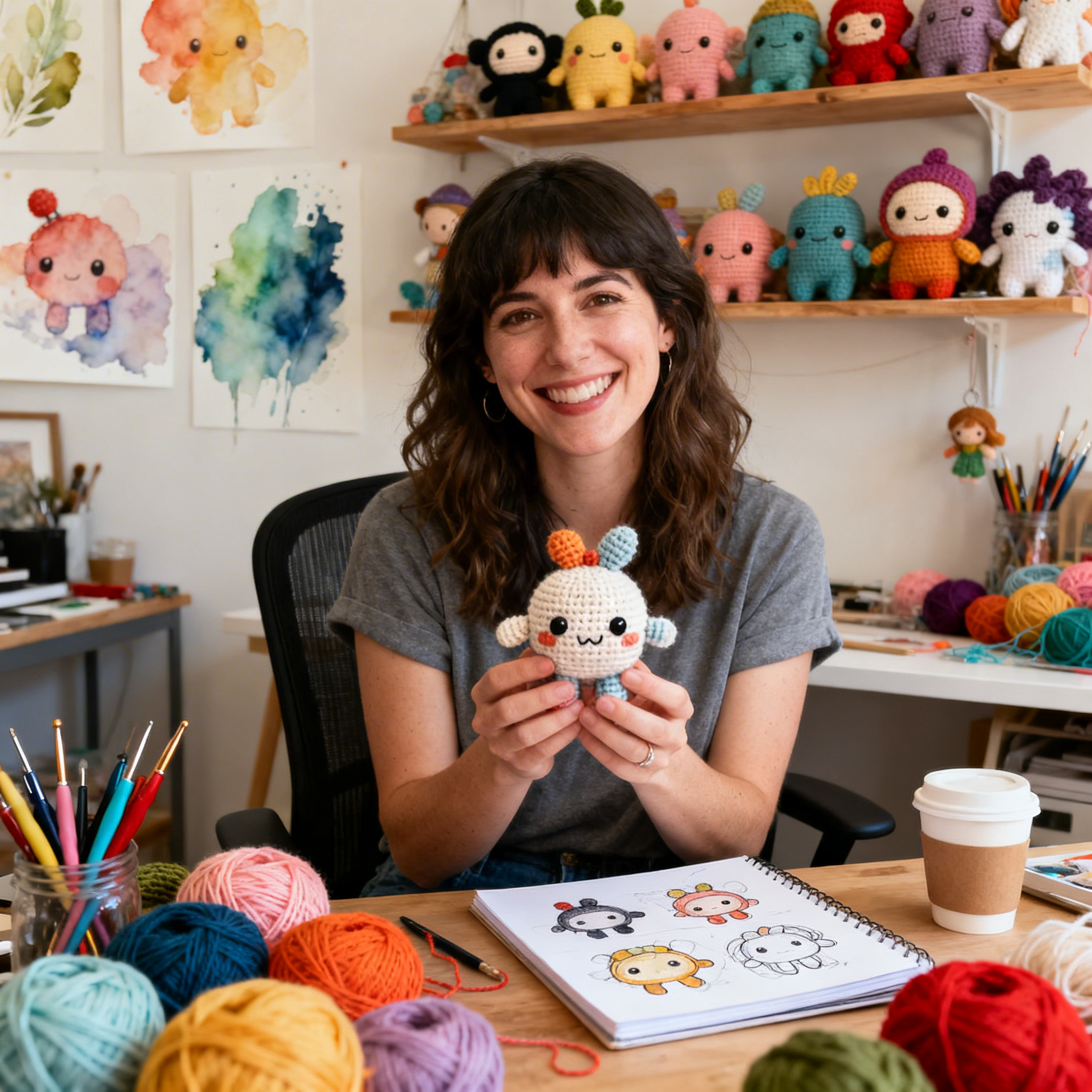
Clara Fern — Crochet Artist & Amigurumi Designer
Clara Fern is a crochet artist and amigurumi designer based in Austin, Texas. With 9 years of experience working with yarn and hook, she transformed a lifelong passion for handcraft into a creative mission: making amigurumi accessible, fun, and deeply rewarding for crafters of all levels.
Clara discovered amigurumi during a trip to Japan in 2017, where she fell in love with the art of bringing tiny characters to life through crochet. Back home in Texas, she spent years studying color theory, design principles, and advanced crochet techniques — developing her own signature style that blends kawaii aesthetics with original character design.
Through maclafersa.com, Clara shares everything she has learned — from choosing the right yarn and reading your first pattern, to designing fully original amigurumi characters from scratch. Her writing is known for being clear, detailed, and genuinely helpful, with no steps skipped and no secrets kept.
When she’s not crocheting, Clara enjoys watercolor painting, visiting local yarn shops, and drinking way too much coffee while sketching new character ideas.