Clara Fern

Clara Fern — Crochet Artist & Amigurumi DesignerClara Fern is a crochet artist and amigurumi designer based in Austin, Texas. With 9 years of experience working with yarn and hook, she transformed a lifelong passion for handcraft into a creative mission: making amigurumi accessible, fun, and deeply rewarding for crafters of all levels.Clara discovered amigurumi during a trip to Japan in 2017, where she fell in love with the art of bringing tiny characters to life through crochet. Back home in Texas, she spent years studying color theory, design principles, and advanced crochet techniques — developing her own signature style that blends kawaii aesthetics with original character design.Through maclafersa.com, Clara shares everything she has learned — from choosing the right yarn and reading your first pattern, to designing fully original amigurumi characters from scratch. Her writing is known for being clear, detailed, and genuinely helpful, with no steps skipped and no secrets kept.When she's not crocheting, Clara enjoys watercolor painting, visiting local yarn shops, and drinking way too much coffee while sketching new character ideas.

How to Prevent Wobbly Heads in Amigurumi Dolls

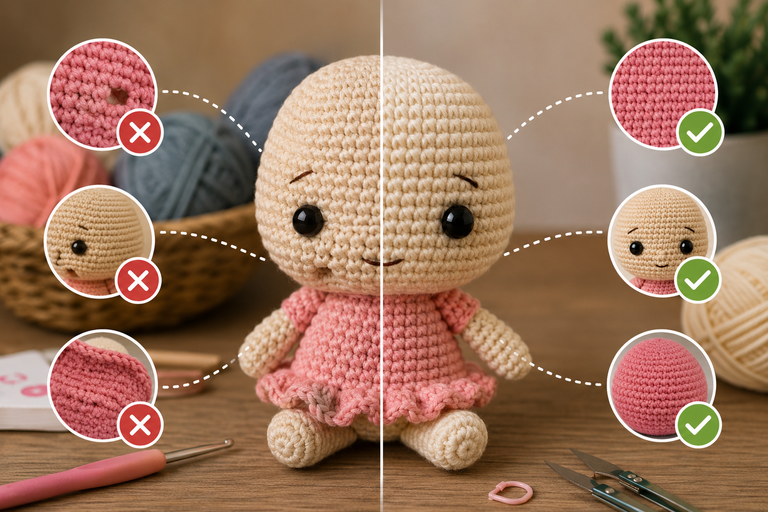
Introduction Few things are more frustrating than completing an amigurumi doll only to discover that the head wobbles precariously on the neck, threatening to topple over at the slightest touch. A wobbly head undermines the entire project, making even a beautifully crafted doll appear amateurish and unstable. The problem stems from a combination of factors: …

Free Amigurumi Whale Pattern You Can Finish in One Day

Introduction The whale is an ideal amigurumi project for beginners seeking a quick, satisfying result. Its simple oval body, small fins, and minimal assembly make it possible to complete in a single day of casual crocheting. The whale teaches fundamental amigurumi techniques while remaining forgiving of minor imperfections—the whale’s rounded shape naturally hides inconsistencies. This …

Free Amigurumi Bee Pattern With Simple Shapes

Introduction The bee is a delightful amigurumi project that combines simple shapes with charming character. Its round body, small wings, and expressive face make it instantly recognizable and endearing. The bee pattern teaches essential amigurumi techniques—increasing, decreasing, and basic assembly—while remaining accessible to beginners. This article provides a complete, easy-to-follow bee pattern with detailed instructions, …

Free Amigurumi Turtle Pattern for Beginners

Introduction The turtle is an ideal first amigurumi project for beginners. Its simple geometric shapes—a rounded body, four stubby legs, and a small head—require only basic crochet stitches and straightforward construction techniques. Unlike more complex amigurumi that demand advanced shaping skills, the turtle teaches fundamental principles while producing a charming, recognizable result within a few …

Professional Finishing Secrets Used by Top Designers

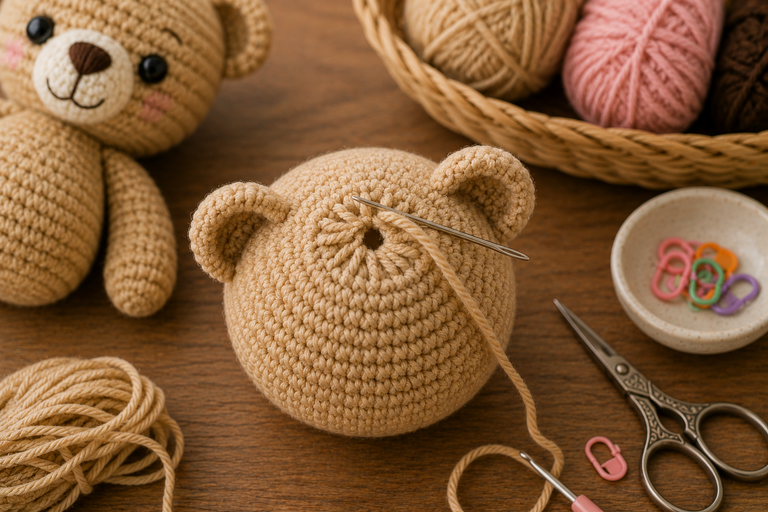
Introduction The difference between amateur amigurumi and professional-quality pieces often comes down to finishing details. While the basic structure and construction might be identical, the way a piece is finished—how seams are hidden, how loose ends are secured, how the overall shape is refined—separates charming handmade toys from museum-quality sculptures. Professional amigurumi designers have developed …

How to Replace Safety Eyes After Assembly

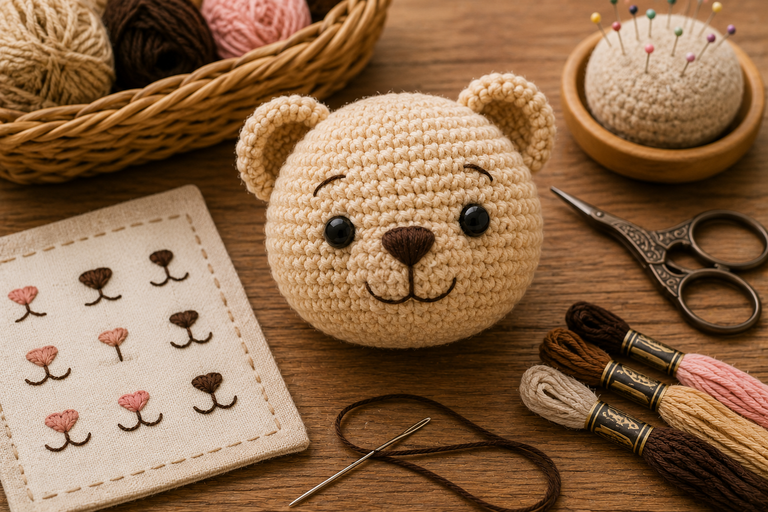
Introduction Safety eyes are a standard feature in amigurumi, providing character and expression to finished pieces. However, safety eyes occasionally need replacement—a child loses interest in a toy and wants different-colored eyes, an eye becomes loose or damaged, or a maker simply wants to refresh an older piece. Replacing safety eyes after assembly presents a …

How to Repair a Damaged Amigurumi Seam

Introduction Even the most carefully constructed amigurumi eventually experiences seam damage. A beloved toy dropped one too many times, a seam that separates under the stress of enthusiastic hugging, or stitches that gradually work loose over years of play—these are inevitable consequences of creating toys meant to be loved and handled. Rather than accepting a …

Best Reinforcement Techniques for Heavy Amigurumi Pieces

Introduction Heavy amigurumi pieces—large stuffed animals, life-sized dolls, or densely packed sculptures—present unique challenges that standard crochet techniques cannot adequately address. The weight of substantial stuffing creates stress on stitches, seams, and attachment points that would easily support a small toy. Seams separate, stitches split, and limbs detach under the burden of their own mass. …

How to Build Internal Structures for Large Amigurumi

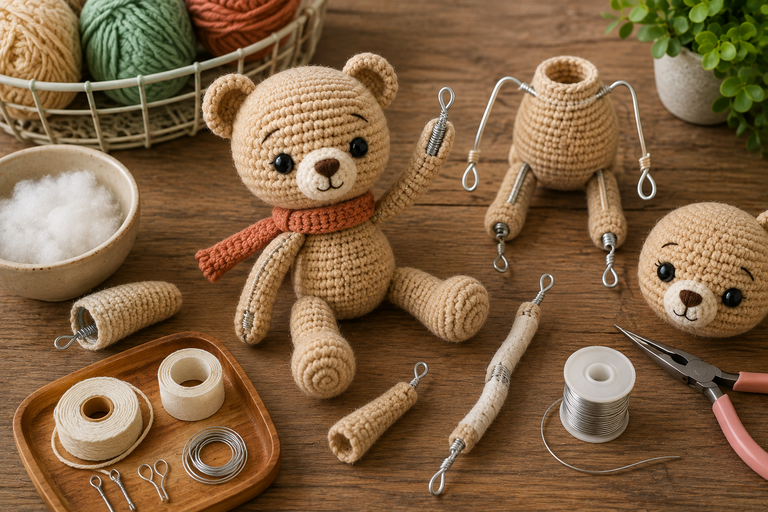
Introduction Large amigurumi projects present unique structural challenges that small toys never encounter. As pieces grow beyond a certain size, gravity, weight distribution, and the stress of handling become critical factors in determining whether a finished toy maintains its intended shape or gradually collapses into a misshapen lump. Professional amigurumi designers have developed sophisticated internal …

The Best Travel Kits for Amigurumi Makers

Introduction For dedicated amigurumi makers, downtime spent waiting in airports, riding trains, or relaxing in hotel rooms represents lost creative opportunity. A well-organized travel kit transforms these moments into productive stitching sessions, allowing crafters to advance projects, test new patterns, or start small gifts during every spare moment. The challenge lies in assembling a compact, …