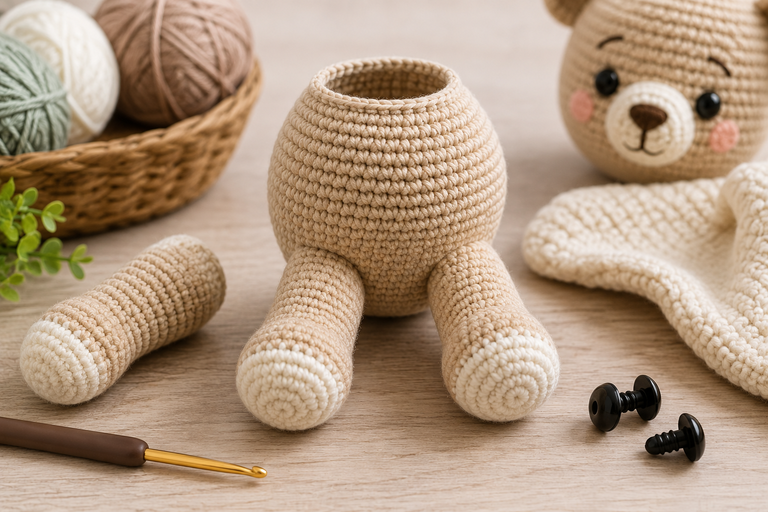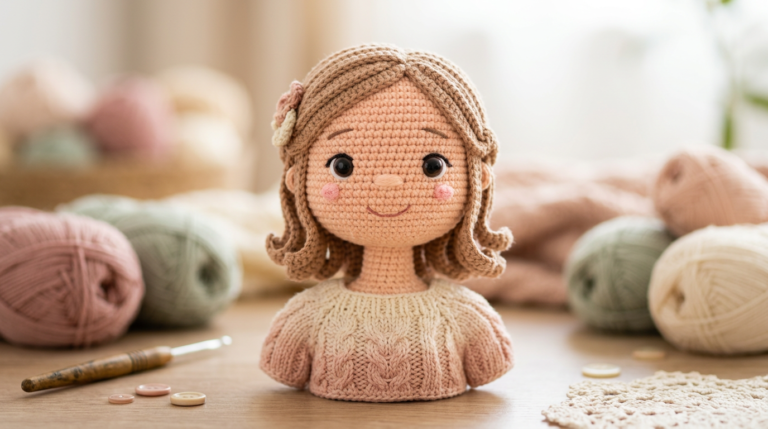
Introduction Few things are more frustrating than completing an amigurumi doll only to discover that the head wobbles precariously on the neck, threatening to topple over at the slightest touch. A wobbly head undermines the entire project, making even a beautifully crafted doll appear amateurish and unstable. The problem stems from a combination of factors: …
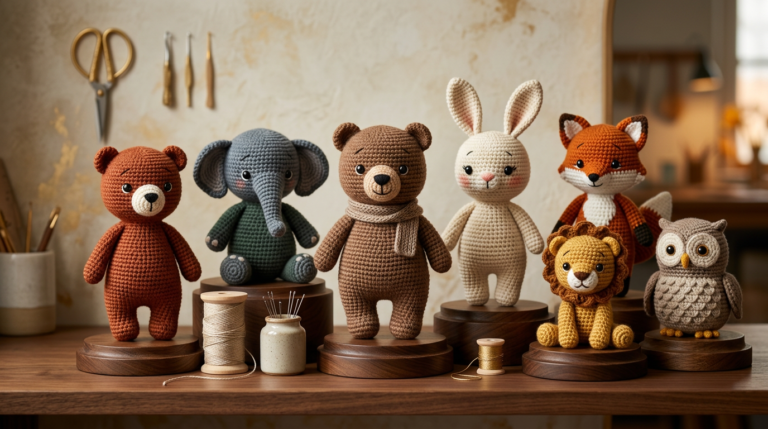
Introduction The difference between amateur amigurumi and professional-quality pieces often comes down to finishing details. While the basic structure and construction might be identical, the way a piece is finished—how seams are hidden, how loose ends are secured, how the overall shape is refined—separates charming handmade toys from museum-quality sculptures. Professional amigurumi designers have developed …
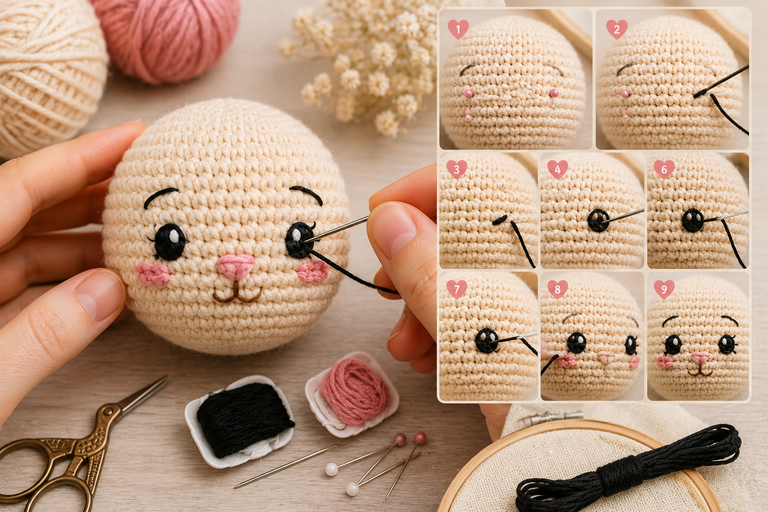
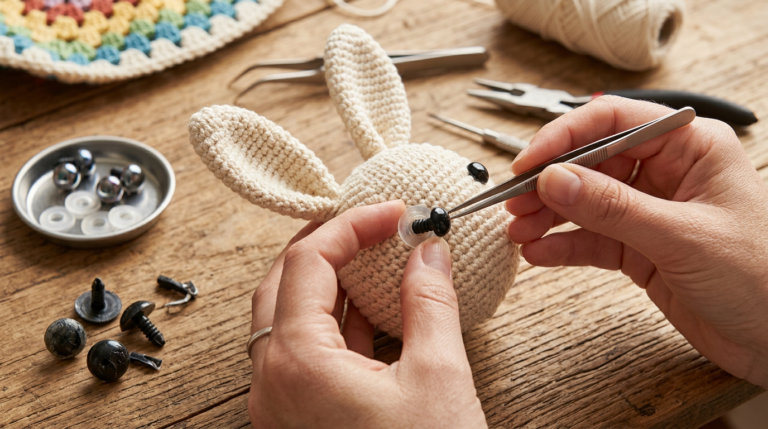
Introduction Safety eyes are a standard feature in amigurumi, providing character and expression to finished pieces. However, safety eyes occasionally need replacement—a child loses interest in a toy and wants different-colored eyes, an eye becomes loose or damaged, or a maker simply wants to refresh an older piece. Replacing safety eyes after assembly presents a …
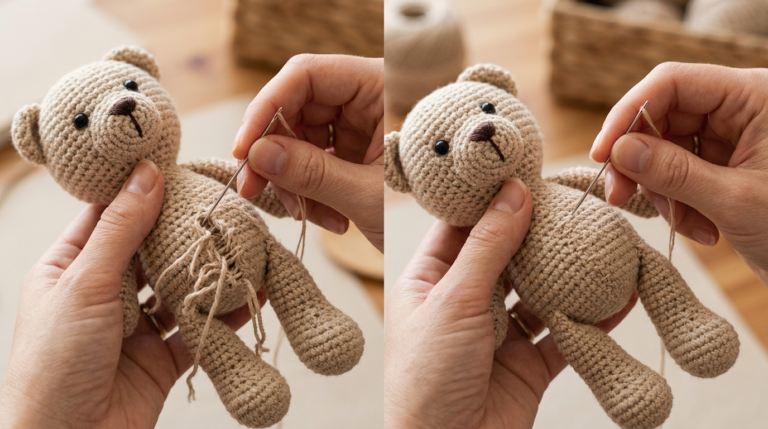
Introduction Even the most carefully constructed amigurumi eventually experiences seam damage. A beloved toy dropped one too many times, a seam that separates under the stress of enthusiastic hugging, or stitches that gradually work loose over years of play—these are inevitable consequences of creating toys meant to be loved and handled. Rather than accepting a …
Introduction Heavy amigurumi pieces—large stuffed animals, life-sized dolls, or densely packed sculptures—present unique challenges that standard crochet techniques cannot adequately address. The weight of substantial stuffing creates stress on stitches, seams, and attachment points that would easily support a small toy. Seams separate, stitches split, and limbs detach under the burden of their own mass. …
Introduction Large amigurumi projects present unique structural challenges that small toys never encounter. As pieces grow beyond a certain size, gravity, weight distribution, and the stress of handling become critical factors in determining whether a finished toy maintains its intended shape or gradually collapses into a misshapen lump. Professional amigurumi designers have developed sophisticated internal …
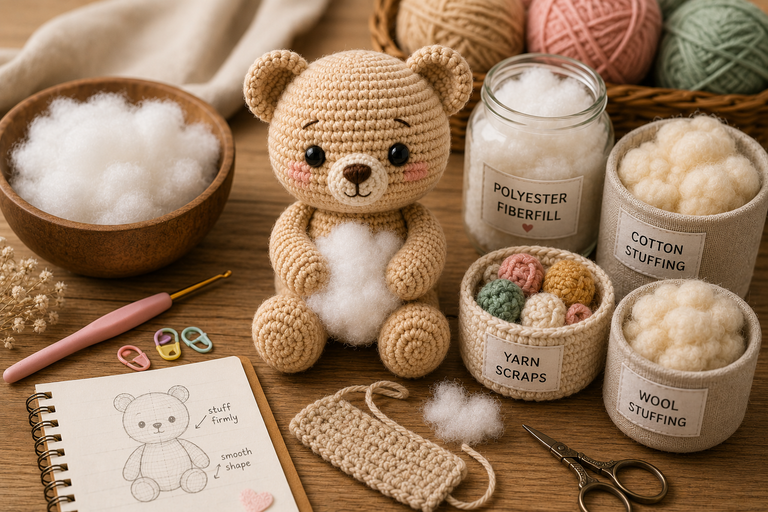
How Much Stuffing is Too Much? Finding the Perfect Firmness – Quick, easy tips to pick the right fill for comfort, avoid lumps, and get better sleep or support.
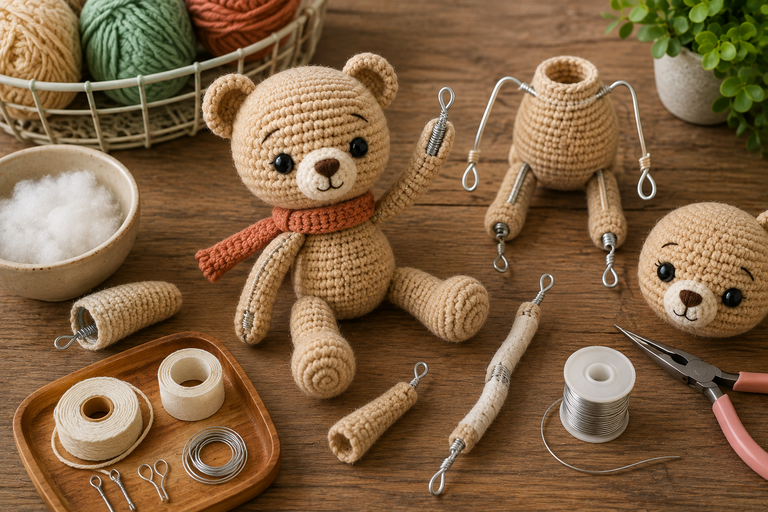
Want bendable crochet toys? How to Add Wire Armatures Inside Amigurumi for Poseable Figures reveals easy steps, tricks and safety tips to make them move.
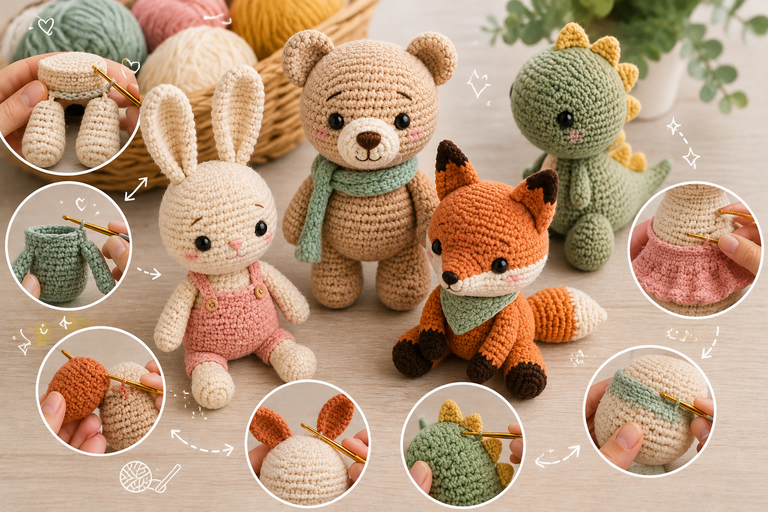
Discover How to Add a Tail or Appendage Securely to Any Amigurumi with a simple trick that stops wobble and saves your stitches, try this easy fix!
Find out How to Close the Final Round Neatly and Invisibly using quiet moves, simple steps, and hidden cues that let you win without drama.