Creating Mascot Characters for Brands Using Amigurumi
Introduction
Amigurumi mascot characters have become powerful brand assets, creating emotional connections between companies and consumers. Unlike traditional logos or mascots, handmade amigurumi characters feel personal, authentic, and memorable. Brands from startups to Fortune 500 companies are commissioning custom amigurumi mascots to represent their values, engage customers, and create shareable brand experiences. This article explores the process of creating effective brand mascot characters using amigurumi, examining successful examples and providing a framework for designing mascots that authentically represent brand identity while maximizing emotional engagement.
Understanding Brand Mascot Strategy
A successful brand mascot serves multiple functions simultaneously. It represents brand values and personality, creates emotional connections with consumers, differentiates the brand from competitors, and generates shareable content for social media marketing. The most effective mascots feel like characters rather than logos—they have personality, backstory, and emotional resonance.
Amigurumi mascots excel at these functions because they combine handmade authenticity with three-dimensional presence. A physical amigurumi mascot feels more real and relatable than a digital character, creating stronger emotional connections. The handmade quality communicates care, attention to detail, and human connection—values that resonate with modern consumers.
Translating Brand Identity into Character Design
The first step in creating a brand mascot is translating brand identity into visual character elements. This requires deep understanding of the brand’s values, personality, and target audience.
Brand Personality Mapping: Define the brand’s personality using adjectives. Is the brand playful or serious? Modern or traditional? Sophisticated or approachable? These personality traits should be reflected in the mascot’s design. A playful brand might feature a character with exaggerated proportions and bright colors, while a sophisticated brand might feature a character with refined proportions and elegant colors.
Value Representation: Identify the brand’s core values and determine how to represent them visually. A sustainability-focused brand might feature a character made from eco-friendly materials or incorporating nature elements. A technology company might feature a character with futuristic design elements.
Target Audience Alignment: Design the mascot with the target audience in mind. A mascot for children should feature bright colors, exaggerated proportions, and playful expressions. A mascot for adults might feature more sophisticated design elements and subtle humor.
Color Psychology: Select colors that align with brand identity and evoke desired emotional responses. Research shows that color significantly influences brand perception. Blue conveys trust and stability, red conveys energy and passion, green conveys growth and sustainability, and purple conveys creativity and luxury.
Designing Memorable Mascot Characters
Effective brand mascots are memorable, distinctive, and instantly recognizable. Several design principles maximize memorability.
Distinctive Silhouette: The mascot should have a distinctive silhouette that’s recognizable even in shadow form. Avoid generic shapes that could apply to multiple brands. The most memorable mascots have unique proportions, shapes, or features that make them instantly identifiable.
Signature Feature: Include one distinctive feature that becomes synonymous with the brand. This might be a unique color pattern, a distinctive accessory, or an unusual body shape. This signature feature should be simple enough to work across all applications—from physical amigurumi to digital representations.
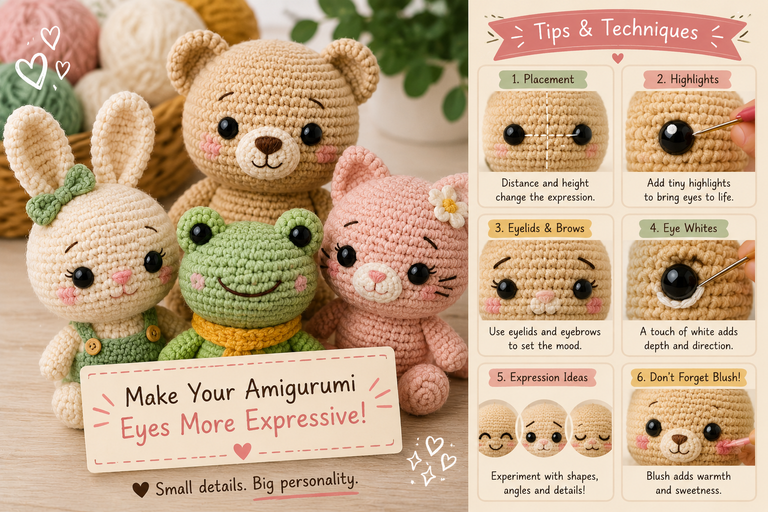
Emotional Expression: Design the mascot with a specific emotional expression that aligns with brand personality. A friendly, approachable brand should feature a mascot with a warm, welcoming expression. A playful brand should feature a mascot with a joyful, mischievous expression.
Scalability: Design the mascot to work at multiple scales—from a tiny keychain version to a large plush toy. Ensure that distinctive features remain clear and recognizable at all sizes.
Creating Mascot Variations and Extensions
The most successful brand mascots extend beyond a single character, creating a family of related characters or multiple versions of the primary mascot.
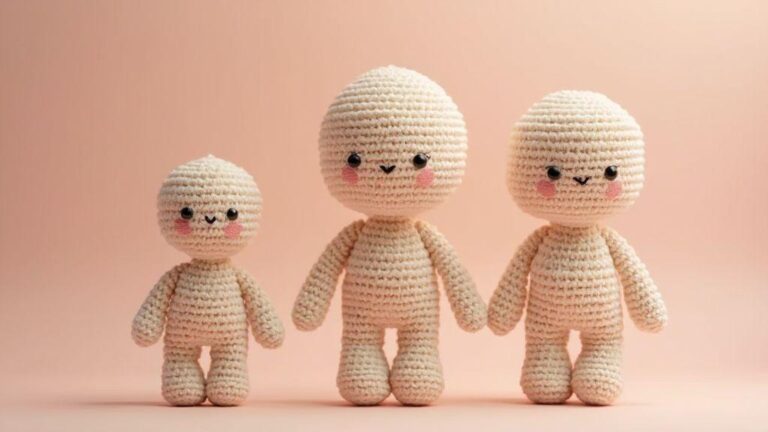
Character Family: Develop a family of related characters that represent different aspects of the brand or appeal to different audience segments. A brand might create a primary mascot plus supporting characters that represent different values or product lines.
Seasonal Variations: Create seasonal versions of the mascot—holiday-themed versions, seasonal color variations, or mascots wearing seasonal clothing. These variations encourage repeat purchases and create timely marketing opportunities.
Emotion Variations: Develop multiple versions of the mascot expressing different emotions—happy, surprised, sleepy, excited. These variations allow the brand to communicate different messages and create relatable content.
Size Variations: Offer the mascot in multiple sizes—from tiny keychains to large plush toys. Different sizes appeal to different consumers and create multiple price points for sales.
Practical Considerations for Brand Mascots
Creating a brand mascot requires attention to practical considerations beyond design aesthetics.
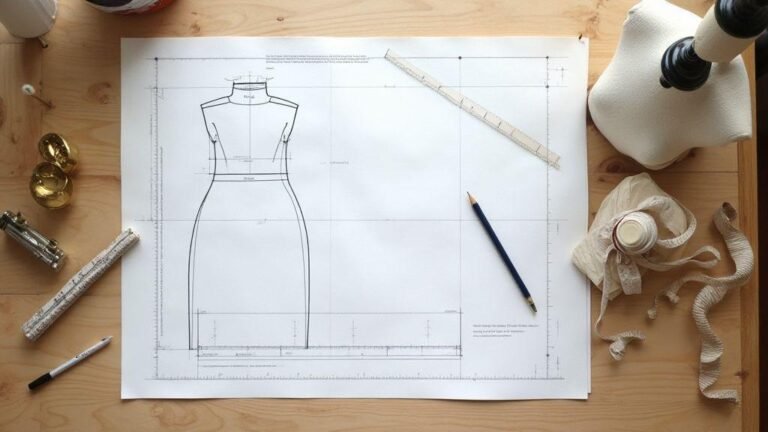
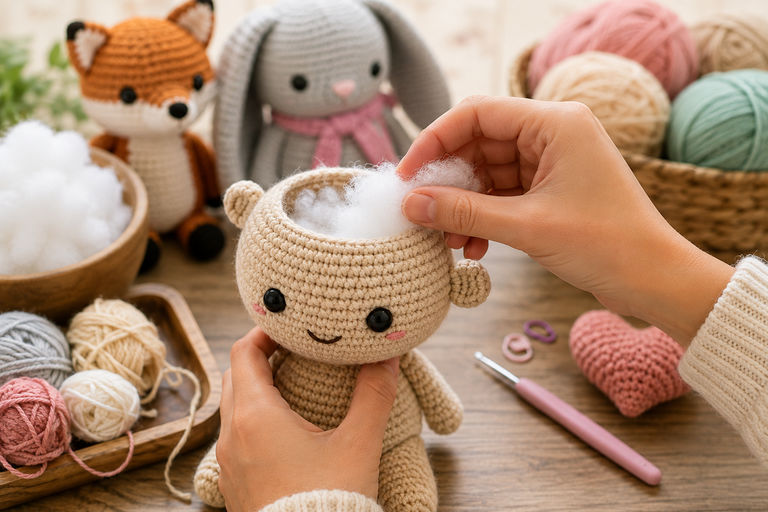
Production Feasibility: Design the mascot with production in mind. Ensure that the design can be crocheted efficiently without excessive complexity. Overly complex designs increase production time and cost, making the mascot economically unfeasible.
Material Selection: Choose materials that align with brand values and withstand the demands of a brand mascot. If the mascot will be handled frequently or given as a promotional item, select durable materials that maintain appearance through repeated use.
Consistency: Develop detailed design specifications that ensure consistency across all produced mascots. Create a design guide that specifies yarn colors, stitch patterns, proportions, and assembly methods. This consistency is critical for brand recognition.
Scalability: Ensure that the mascot design can be scaled to different sizes without losing distinctive features. Test the design at multiple scales to confirm that signature features remain recognizable.
Marketing and Engagement Strategy
A successful brand mascot requires a comprehensive marketing strategy that maximizes visibility and engagement.
Social Media Presence: Create a social media presence for the mascot, sharing behind-the-scenes content, mascot adventures, and user-generated content featuring the mascot. This humanizes the brand and creates emotional connections with consumers.
Merchandise Strategy: Develop a merchandise strategy that extends the mascot beyond the primary amigurumi. Offer the mascot on t-shirts, phone cases, stickers, and other products. This creates multiple touchpoints with consumers and increases brand visibility.
Event Presence: Feature the mascot at brand events, trade shows, and pop-up experiences. A physical mascot creates memorable experiences and generates social media content.
User-Generated Content: Encourage customers to share photos and videos featuring the mascot. User-generated content provides authentic marketing material and creates community around the brand.
Case Studies: Successful Brand Mascots
Examining successful brand mascots reveals effective design and marketing strategies.
Case Study 1: The Approachable Tech Mascot: A technology company created a mascot that combines futuristic design elements with approachable, friendly proportions. The mascot features a distinctive color scheme that matches the brand’s visual identity and appears across all marketing materials. The mascot’s social media presence shares educational content about the company’s products, creating engagement while reinforcing brand messaging.
Case Study 2: The Sustainability Advocate: A sustainable fashion brand created a mascot made from organic cotton and featuring nature-inspired design elements. The mascot’s design communicates the brand’s environmental values, and the mascot’s social media presence shares sustainability tips and educational content. The mascot has become synonymous with the brand’s commitment to environmental responsibility.
Conclusion
Creating an effective brand mascot using amigurumi requires translating brand identity into distinctive character design, developing memorable visual elements, and implementing a comprehensive marketing strategy. The most successful brand mascots feel like authentic characters rather than corporate logos, creating emotional connections that drive brand loyalty and engagement. By following the principles outlined in this article, brands can create mascots that authentically represent their values while maximizing emotional resonance and marketing impact.
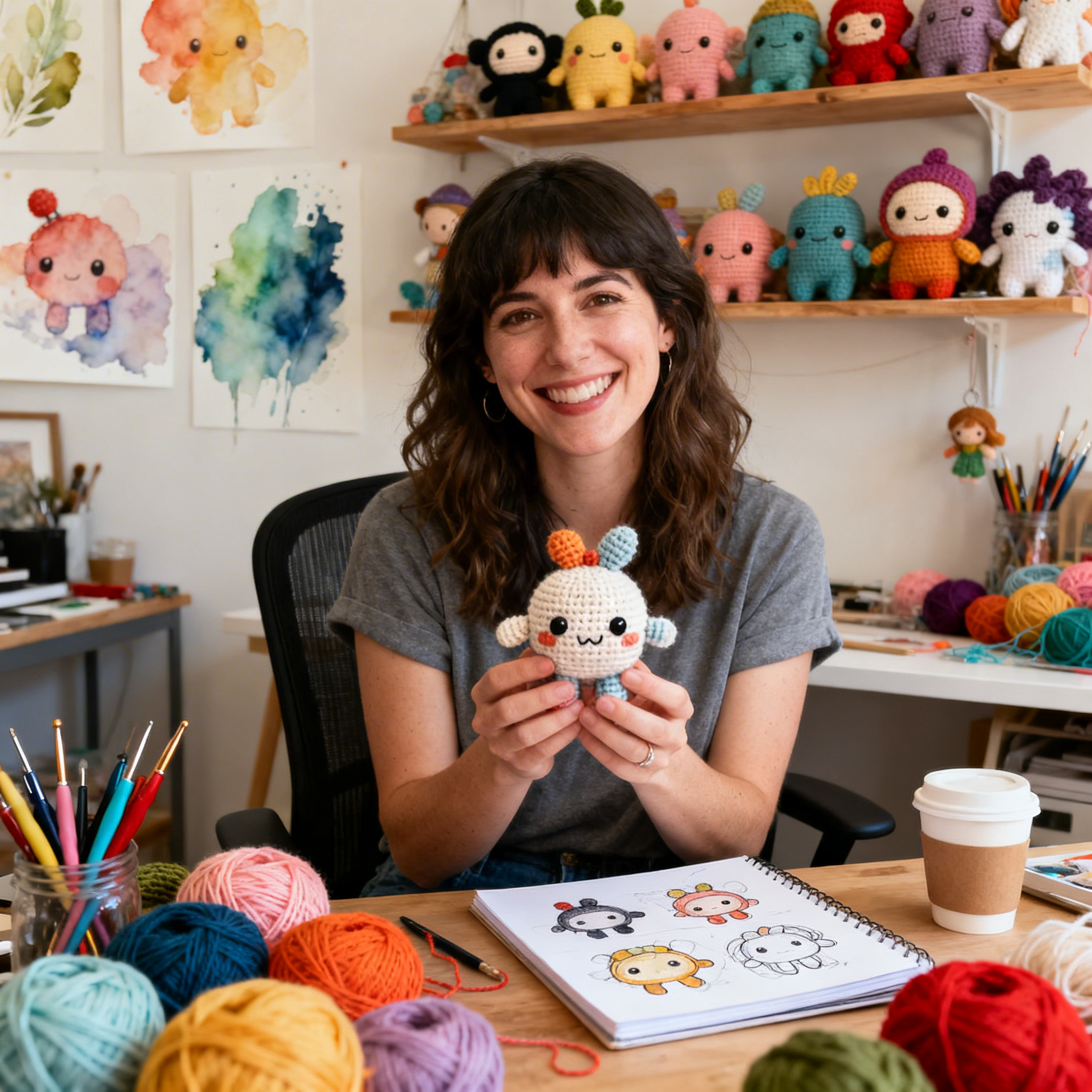
Clara Fern — Crochet Artist & Amigurumi Designer
Clara Fern is a crochet artist and amigurumi designer based in Austin, Texas. With 9 years of experience working with yarn and hook, she transformed a lifelong passion for handcraft into a creative mission: making amigurumi accessible, fun, and deeply rewarding for crafters of all levels.
Clara discovered amigurumi during a trip to Japan in 2017, where she fell in love with the art of bringing tiny characters to life through crochet. Back home in Texas, she spent years studying color theory, design principles, and advanced crochet techniques — developing her own signature style that blends kawaii aesthetics with original character design.
Through maclafersa.com, Clara shares everything she has learned — from choosing the right yarn and reading your first pattern, to designing fully original amigurumi characters from scratch. Her writing is known for being clear, detailed, and genuinely helpful, with no steps skipped and no secrets kept.
When she’s not crocheting, Clara enjoys watercolor painting, visiting local yarn shops, and drinking way too much coffee while sketching new character ideas.