How to Add a Tail or Appendage Securely to Any Amigurumi
How to Add a Tail or Appendage Securely to Any Amigurumi
How to Add a Tail or Appendage Securely to Any Amigurumi is a small project with a big payoff: a sturdy join that stays neat through play or display. This guide covers yarn choice, stitches, safety, and maintenance so tails and limbs look natural and stay put.
Choose yarn and tools for a secure tail attachment
- For a tail that stays put, match your yarn to the amigurumi’s weight and texture. If the body is dense, opt for a slightly thinner yarn to avoid bulging. Fuzzy yarns (boucle or brushed) can work for soft creatures, but fibers may cling to stuffing if you overfill.
- Test a small swatch and feel how the yarn behaves when tugged. Aim for durability without a bulky seam line.
- Use a sturdy base stitch to anchor the tail—tight single crochet or slip stitch provides strength without bulk. A back-loop-only attach can help keep the seam flat while anchoring deeply.
- Choose a color that blends with the body or matches its shading so the attachment isn’t obvious.
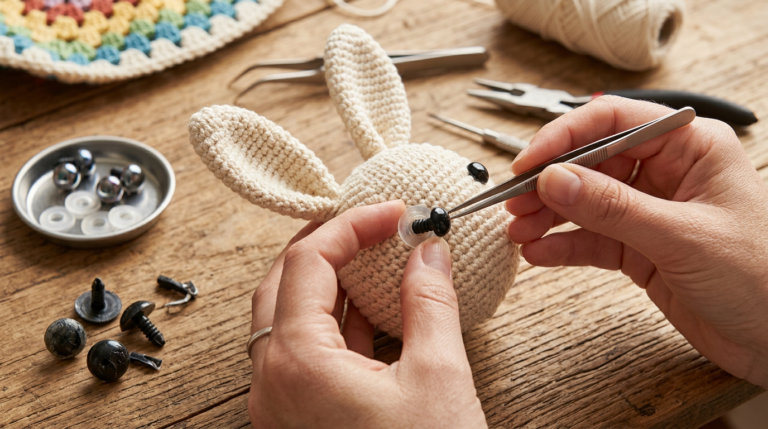
- Gather the right tools: a hook or yarn needle appropriate for the yarn, embroidery floss or strong thread for extra anchoring, scissors, and a pin to mark the placement.
Pick the best yarn and stitch for attaching tails to amigurumi
- Start with yarn that matches the body weight to keep the tail from looking out of place. If the doll is dense, stay with a slightly finer yarn, but avoid over-tensioning the stitches.
- Test tension by pulling on a loose end to avoid snapping or wobble. A subtle, blending color often hides the seam, though a contrasting color can be a design choice if desired.
- Use a strong base stitch to anchor the tail. A tight single crochet around the base or a secure slip stitch provides durability without bulk. For extra hold, work a few rounds of slip stitches in the same spot or add a small blanket stitch around the joint. Ensure stitches pass through multiple stuffing layers so the tail can’t be ripped away easily.
- Plan the base shape before stitching. A flat base lies flush against the body, while a tiny curved base helps the tail sit naturally. Pin the tail to test alignment before final stitching.
Select needles, embroidery thread, and stuffing for safety
- Use a yarn needle with a blunt tip to avoid snagging fibers. Choose a needle size that fits the yarn thickness—too large leaves holes; too small can bend the needle or break the yarn.
- Thread embroidery floss or a sturdy thread for extra anchoring, sewing through yarn and stuffing in multiple layers for reinforcement.
- Stitch safely: secure knots at the end of your thread and trim close to the knot to prevent fraying. If the toy will be handled, a small dab of fabric glue inside can help prevent unraveling, but apply sparingly to avoid stiffness. Avoid poking sharp edges through the exterior.
Materials checklist for a durable attachment
- Matching-weight yarn for body and tail
- Strong stitch option (tight single crochet or slip stitch)
- Yarn needle and optional embroidery thread for extra anchor
- Sharp scissors for clean cuts
- Pin or marker to place the tail
- Stuffing for multi-layer anchoring
- Optional: a drop of fabric glue for added security
Anchor the tail base to stop pulling and sagging
- Locate the tail base where it meets the body. Anchor firmly with a few strong stitches that pull slightly toward the body to prevent sagging. Use a short, dense stitch (whip stitch or tight ladder stitch) and compress the base just enough to maintain shape.
- Weave the thread tails back into the body to hide them. Add one or two wraps around the base to distribute tension and reduce stress on a single stitch.
- If working with stretchy yarn, consider a slightly smaller needle or hook to maintain control. Test by gently tugging the tail; if it shifts, add a reinforcing stitch across the base and reweave to blend with the body.
Reinforced attachment for crochet tails with extra wraps
- Add extra wraps around the base to spread the load, keeping wraps flush against the body. This helps prevent rotation or sagging, especially with textured or fluffy yarns.
- Tuck ends neatly and hide them inside inner stitches. For visibility, use a reinforcing thread or a second color to mark wrap lines, then bury them as you finish.
- For larger tails or heavier materials, two-stage anchoring helps: first anchor the base stitches, then add wraps at the tail root before closing the seam.
- Extra wraps act like a belt, absorbing tug forces rather than stressing the initial stitches, resulting in a sturdier, cleaner attachment.
Anchoring tails in stuffed crochet toys using safety stitches
- Use small, secure stitches that hide inside the stuffing. Safety stitches distribute tension and stay invisible from the outside.
- Begin near the base; bite into the core stuffing and weave through the body in different directions to create a reinforced square.
- Check alignment as you add stitches so the tail points naturally away from the body. Finish with a knot inside the cavity and trim, tucking the knot into the stuffing.
- For handles of higher use, add a parallel safety stitch to create a double anchor.
Sew appendages without gaps for a neat finish
- Plan with the same yarn and hook size as the body to keep tension consistent. Lightly pin the appendage and test stitches before committing.
- Use a whip stitch or mattress stitch depending on fabric and seam direction. Mattress stitch creates a nearly invisible line; whip stitch is quick and sturdy.
- When turning corners, take small, tight bites to keep the surface flat. Move slowly and maintain a continuous line of thread that hugs the amigurumi.
- Finish with a gentle tug; if the appendage wiggles, add more stitches in high-stress areas and tie off with a double knot. Weave ends back into the seam and trim close to the fabric.
Sewing appendages onto amigurumi without gaps step tips
- Dry-fit the appendage, mark attachment points, and use a thread color close to your yarn for discretion.
- Start at the base and work toward the tip with uniform stitches. If tension wavers, pause and adjust grip.
- Maintain steady tension; too tight creates a ridge, too loose shows gaps. For corners, switch to smaller stitches and distribute stress evenly.
How to attach a tail to amigurumi securely using tight seams
- Choose a tail method that matches texture. Pin the tail in several spots to prevent shifting, then stitch from the base up with small, even stitches. For curves, sew along the curve to preserve shape.
- If the tail pulls away, resew with a slightly looser tension. Near the end, switch to a locking knot and weave the tail into surrounding stitches. Test by gently tugging; it should stay put with no gaps.
- For extra strength, reinforce the base with a few extra passes through the top rows. Check the seam from both sides for a clean, tight finish.
Tight seam checklist
- Align pieces precisely; pin before stitching
- Use the same yarn, hook size, and tension as the body
- Choose the right seam stitch (mattress vs whip)
- Keep stitches small, uniform, and evenly spaced
- Do not pull too hard; maintain consistent tension
- Weave in tails securely and trim close
- Check for gaps or puckers from both sides
Use the invisible join method for a seamless look
- Plan limb attachments for even weight distribution. Weave ends into surrounding stitches so they disappear, leaving clean lines and minimal bulk.
- The invisible join shines on small amigurumi or curved shapes. With practice, ears, tails, or arms attach with natural angles and a seamless appearance.
Invisible join method for amigurumi limbs explained simply
- Mark the join point, then weave the limb into the body by threading the starting yarn and pulling ends through the seam so knots stay hidden.
- Use a snug pull to close the joint and adjust the fabric if it sits stiff. Practice on scrap to master a smooth line that looks grown-in.
Fastening amigurumi appendages with embroidery thread invisibly
- Thread a fine needle with a short length of embroidery thread. Weave through inner layers to lock ends away inside stitches.
- Keep the thread path inside the fabric’s texture; pull snug so ends tuck into the body. Trim flush after reinserting as needed to avoid protrusions.
Test and reinforce attachments for long-term durability
- Test frequently: gently tug to simulate play, reinforce weak spots with extra stitches or different joining methods, and trim stray threads to prevent snagging.
- Compare yarns and threads to find the best balance of flexibility and strength. Document which combos work best on practice tails.
- Establish a maintenance routine: weekly seam checks, test every tail, and reinforce or re-attach as needed to keep pieces sturdy.
Preventing tail detachment on amigurumi with strength tests
- Perform strength tests by applying steady force at the tail base and in different directions. If the attachment moves, add secure stitches or a stronger join.
- Test after washing and drying; heat and moisture can weaken fibers. If looseness appears post-laundering, switch to a tougher yarn or join.
Secure amigurumi tail attachment techniques for play-safe toys
- For play safety, use a firm base and internal anchors if needed. Finish with reinforcing stitches in a cross or X pattern for extra security.
- Weave and bury ends to prevent chewing or snagging, and trim flush. If a bead or button is used for weight, secure with multiple stitches and a backstitch to prevent rotation.
Reinforcement routine
- After finishing, run a final pass of tight reinforcing stitches at each attachment point. Check for gaps, trim ends, and test with a gentle tug. If movement is detected, add cross or zigzag stitches until the joint feels solid. This routine builds durability into every amigurumi you craft.
How to Add a Tail or Appendage Securely to Any Amigurumi (step-by-step recap)
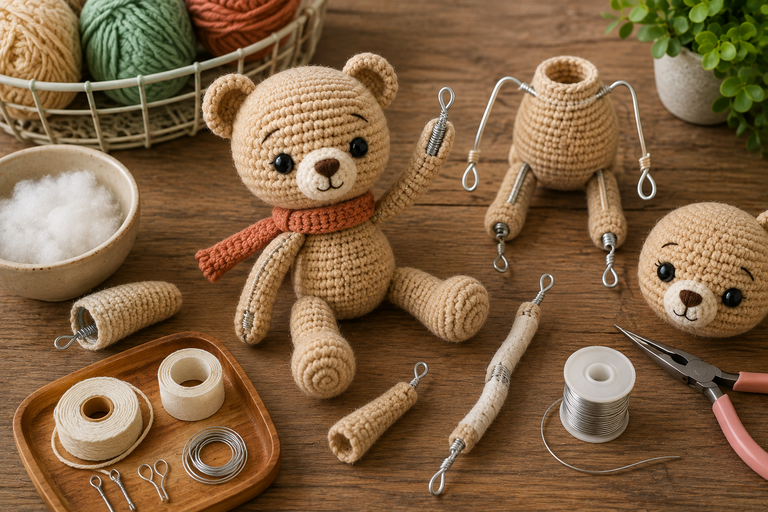
- Prepare the appendage and body, optionally reinforcing a core inside the tail for stiffness without sacrificing softness.
- Place the tail where it won’t tear with movement; pin it if needed to test placement.
- Sew with a strong, even seam, threading through multiple layers if necessary. Tie off securely and weave the ends into surrounding stitches. A dab of fabric glue inside can help lock knots, but use sparingly.
- Test with a gentle tug and adjust as needed to ensure a clean, secure finish.
Step by step amigurumi tail sewing tutorial you can follow
- Mark attachment points, insert any reinforcing core, and clamp the tail in place with pins.
- Start stitching with tight, small backstitches through tail and body. Work in a circular pattern or along evenly spaced lines.
- Knot securely and weave ends into surrounding stitches. Apply glue inside if desired, then smooth and trim.
Troubleshooting when a tail won’t sit or keeps loosening
- If the tail sits oddly, adjust the attachment point or core alignment; re-pin and resew as needed.
- Loose stitching means uneven tension or too-long stitches. Tighten stitches and add extra small stitches around the seam.
- If the tail lifts, add anchoring stitches near the base or consider a lightweight core for more secure mounting. Ensure threads pass through the correct layers and avoid bulky knots inside.
Repair and maintenance tips
- Keep tails clean and dry; trim fraying threads and resew promptly.
- Store amigurumi where tails won’t bend or crush. Regularly inspect seams and reinforce weak spots.
- When needed, re-attach or reinforce with a quick, careful repair to keep the piece intact for years.
If you’re aiming for durable, neat results, practice the steps for How to Add a Tail or Appendage Securely to Any Amigurumi, refine tension, and keep a small repair kit handy for on-the-spot reinforcement. With careful planning and steady technique, your amigurumi will look seamless and feel sturdy in every playtest.

Clara Fern — Crochet Artist & Amigurumi Designer
Clara Fern is a crochet artist and amigurumi designer based in Austin, Texas. With 9 years of experience working with yarn and hook, she transformed a lifelong passion for handcraft into a creative mission: making amigurumi accessible, fun, and deeply rewarding for crafters of all levels.
Clara discovered amigurumi during a trip to Japan in 2017, where she fell in love with the art of bringing tiny characters to life through crochet. Back home in Texas, she spent years studying color theory, design principles, and advanced crochet techniques — developing her own signature style that blends kawaii aesthetics with original character design.
Through maclafersa.com, Clara shares everything she has learned — from choosing the right yarn and reading your first pattern, to designing fully original amigurumi characters from scratch. Her writing is known for being clear, detailed, and genuinely helpful, with no steps skipped and no secrets kept.
When she’s not crocheting, Clara enjoys watercolor painting, visiting local yarn shops, and drinking way too much coffee while sketching new character ideas.