How Body Shape Influences the Emotion Your Amigurumi Conveys
Silhouette and First Impressions
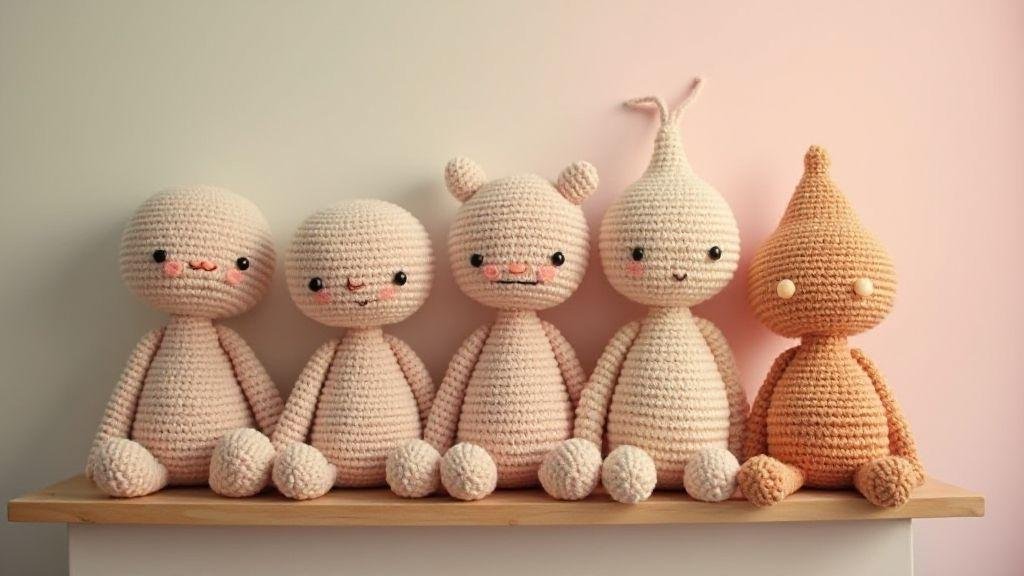
You learn quickly that your amigurumi’s silhouette sets the mood before any detail appears. A clean, recognizable outline helps readers read the character at a glance, even in a small display. A crisp shape with clear proportions reads friendlier and more approachable. When you start with a strong silhouette, you give your audience a quick emotional hook before tiny stitches or color choices catch the eye. Your first impression anchors the design, so silhouette matters from the very first chain.
Test how your pieces read from different distances. A good silhouette remains legible when viewed from afar, not just up close. If the outline gets lost when the amigurumi shrinks in a photo, you may need bolder shapes or higher contrast between major parts. The goal is a silhouette that communicates character even in a small frame, guiding the viewer’s eye toward the intended emotion.
A strong silhouette also helps you stay consistent across poses. If your character is sleepy, a drooped head and rounded shoulders should feel effortless in the outline. If they’re excited, the silhouette should be upright with an energetic stance. Adjust pose and proportions to maintain the same emotional read as details change. With practice, silhouette becomes a quick, reliable way to tell your story.
Read silhouette emotional cues
Your silhouette speaks before any facial expression or texture. A wide, low stance often signals calm or comfort, while a narrow, upright shape can feel alert or mischievous. To evoke shyness, exaggerate a tucked-in neck and rounded belly to soften the line. For bold confidence, push the chest forward and keep hips steady, making the outline feel assertive.
Limb placement changes mood too. Dangling arms may read as curious or relaxed, while arms akimbo or tucked in can signal determination or shyness, depending on hip tilt. Ears or antennae also tweak intent. Perked ears read as curious; drooped ears can signal tiredness or worry. You shape emotion by sculpting the silhouette first, then refine with small touches.
Colors and texture influence the read, but the silhouette is the first compass. If the shape doesn’t hint at the intended feeling, the rest may not read clearly. Keep testing with quick photos or pose sketches to confirm the silhouette communicates your intended emotion.
Amigurumi body shape emotion
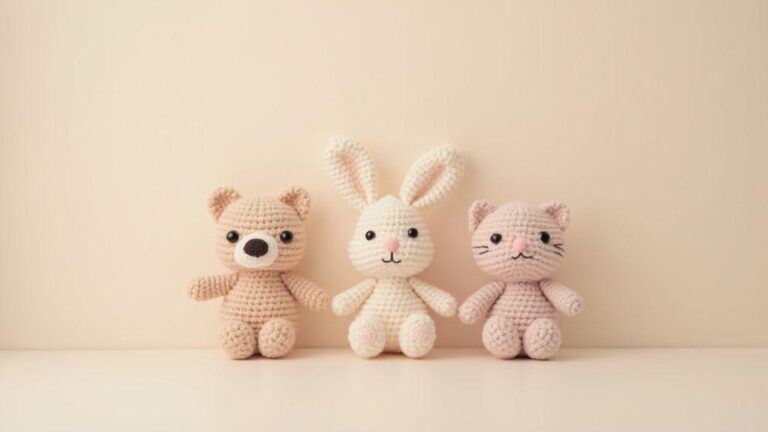
The body shape carries the heart of your character’s emotion. A plump, rounded body tends to feel approachable and cuddly, great for gentle, friendly pals. A longer, leaner torso reads energetic or adventurous. A compact, squat body with a big head gives a shy or sweet vibe, reading as cute and innocent. You’re shaping personality as much as size.
Small changes bring big mood shifts. Widen the chest and narrow the waist to imply confidence and presence, even if limbs stay simple. Shorter limbs soften the look and invite hugging; longer limbs can signal spunk or agility. Test proportions early to ensure the overall form reads clearly.
You’ll test emotion by assembling quick rough shapes before finalizing stitches. If it reads wrong, adjust the main proportions rather than tweaking tiny details. The body shape is your true emotional anchor.
Round vs Angular Shapes
You’ll notice that the shapes you choose set the mood before you stitch the eyes. Round shapes feel soft, friendly, and approachable; angular shapes feel sharp, bold, and sometimes serious. Decide the vibe first, then shape your pieces to match. For a comforting toy, lean into circles and gentle curves; for edge or drama, introduce triangles or straight lines. Your choice guides how the viewer reads the whole piece.
Round shapes invite warmth because circles have no corners to push away attention. They blend smoothly, and the yarn choice matters: springy stitches, airy increases, and evenly distributed rounds create a cuddly feel. Ears that are softly rounded, cheeks that puff with a gentle curve, and limbs that taper with rounded joints all contribute to a welcoming look.
Angular shapes create tension and focus. Sharp angles draw the eye and give your amigurumi a tougher silhouette. Use pointed ears, angled snouts, or a square jaw to signal determination or mischief. Balance edges with softer textures elsewhere so the figure doesn’t feel harsh. When you weave in angles, you tell a story of contrast—soft body with a bold outline can be striking.
Round shapes warmth
Treat round sections as the comfort zones of your toy. Use circular increases to keep curves even and avoid abrupt dips. Dimples and gentle bulges—like a tummy puff or chubby cheeks—add personality. For universal appeal, keep the head and limbs mostly round, with a larger continuous curve for the body so it reads as friendly from any angle.
Texture matters: plush yarns and balanced stitching tension. Too tight and round parts look stiff; too loose and they sag. Check balance by rotating the piece and feeling where curves wobble. If a limb flattens on one side, add a tiny stitch to restore roundness. Small, deliberate rounds have a big impact on warmth.
Angular shapes tension
Angles inject a spine of intent into your amigurumi. Plan where lines meet: cornered ears, a straight snout, a jutting jaw. Fewer increases along a straight edge help keep the line sharp, while curves soften where you want comfort. Place eyes, nose, and mouth along or near an angle to emphasize focal points. If a piece feels too aggressive, ease it by rounding a part or adding a soft belly to balance the silhouette.
Tension also comes from stitch direction and tension. Too tight makes edges bite; too loose makes them smear. Practice angular shaping on scrap pieces to dial in how yarn, hook size, and stitch count behave. With experience, angular shapes give a memorable silhouette without feeling brittle.
Pick curves or angles to guide feeling
Your overall emotion comes from a deliberate mix of curves and edges. For an inviting look, favor rounded contours around the head, body, and limbs. For alert or bold characters, place sharper angles at the ears, muzzle, or shoulders. Remember: curves soothe, angles punctuate. Use that rule to soften or sharpen as needed.
As you plan, map eye placement relative to the jawline and snout. A round face with big, soft eyes reads as approachable; add straight lines near the eyes for mischief or confidence. The line How Body Shape Influences the Emotion Your Amigurumi Conveys—shape translates mood before color or stitch texture—maps directly to this practice.
Head-to-Body Ratio for Cuteness
You can tune cuteness by adjusting head-to-body proportions. A larger head relative to the body signals youth and innocence, reading as cute. Start with a slightly bigger head or a smaller body to balance. Keep the head dominant without deforming the torso. Subtle changes, like moving from a 1:2 to a 1:1.5 ratio, shift the vibe from quirky to endearing. Think of the head as the face of the design.
Your pattern choices matter. For instant childlike charm, raise the head on the neck and shorten the torso. For a more balanced, cartoonish look, keep the body a touch longer so the head remains large but limbs stay proportionate. Test-fit by posing the head on the finished torso to confirm the silhouette reads cute at eye level.
Material weight and silhouette also shift perception. Heavier heads can tilt proportions; offset with a shorter torso or lighter head material. Audience perception changes with size, so a slightly larger head on a mini creature can still feel cute if limbs stay slender. Aim for a harmonious balance that reads intentional cuteness.
head-to-body ratio cuteness
The head-to-body ratio is the first cue readers notice. A head that dominates reads as younger and softer. Start with the head filling about half to two-thirds of the figure’s height, then adjust the torso to keep the silhouette readable. A well-chosen ratio conveys personality—tiny heads with big eyes say playful; proportional heads and bodies whisper classic toy. Subtle neck rounding to hide seams can amplify cuteness.
Limb length also matters. Shorter limbs keep the head dominant, boosting youthfulness. If you want energy, extend arms and legs a bit, but not so much that the head loses its cute crown. The overall silhouette should invite a hug.
Bigger heads boost perceived youth
A noticeably larger head signals youth. Keep the neck supportive and the jawline soft, using round shapes and large eyes to reinforce the effect. This works especially well for plushies meant to feel comforting. Avoid an top-heavy look by balancing with a shorter torso and compact limbs, or taper the waist gently.
Prototype with scrap yarn to check how the head-to-body ratio reads from distance. The scale that melts hearts quickly is a matter of balance and intention.
Adjust ratio for target cuteness
Fine-tune the ratio in small steps. For younger-looking characters, nudge the head up and shorten the body slightly. For a more mature, toy-like look, reduce the head and lengthen the torso. Keep limbs consistent with new proportions to maintain balance. Pose at eye level to see how cuteness reads, and adjust until the reaction is smiles at a glance.
If aiming for a specific read—like snuggly or curious—let the head proportion anchor the emotion. A bigger head with wide eyes and a soft smile can be pivotal to warmth and approachability. Alignment between emotion and proportion makes designs resonate more deeply.
Limb Proportions and Expressiveness
Limb size and placement change how your amigurumi feels. Proportions guide mood, energy, and cartoonish charm. Think of limbs as the frame of personality—short and chunky says cozy; long and lean says alert. When ratios are nailed, reading happens even before facial details.
Where you place joints and how you angle limbs matter as much as size. A small shift in an elbow or knee can read as relaxed, surprised, or mischievous. Proportional tweaks invite or ease movement, changing the overall feeling in a glance. Balance is key: a heavy limb on one side can tilt the figure and alter emotion.
Practice is your best teacher. Create tiny samples, compare several versions, and ask which invites a hug or a smile. Those reactions will guide better limb choices over time. Tuning proportions with care makes your amigurumi’s personality unmistakable.
limb proportion expressiveness
Limb proportions express feelings without words. Short, rounded limbs convey cuddliness and warmth; longer or slimmer limbs imply elegance, energy, or eagerness. A contrast like thick thighs and thin wrists can suggest strength with gentleness. Envision the character’s quick gesture—whether a wave or a tucked-in arm—and ensure proportions support that moment.
Joint placement amplifies expressiveness. A bent knee or cuffed ankle suggests motion or rest, while straight limbs can feel stiff or proud. Exaggerating a single limb’s thickness or bend can emphasize a trait—like a curious head tilt inviting closer inspection. Small proportional changes yield big emotional reads, so test and compare.
Short limbs add cuddliness
Short limbs instantly cue cuddliness and approachability. They create a squat silhouette that invites a hug. Pair short arms with a wide torso to emphasize warmth, or keep legs compact for a snug, grounded stance. Consistency matters: if every limb stays short in a calm, rounded design, the result reads as friendly and safe. Short limbs also reduce perceived danger, boosting kid-friendliness and shareability.
Keep joints soft and curves gentle to maximize warmth. Round joints where limbs meet the body and avoid sharp angles. A slight bend in a limb reads as inviting rather than stiff. A tiny upward leg bend or outward arm curl can enhance warmth and approachability. The goal is to invite someone to pick up and snuggle.
Pose limbs to increase feeling
Position limbs so the pose tells a story. A relaxed arm stretch signals contentment; a raised arm can imply greeting or curiosity. Tilted hips or a forward lean adds energy and anticipation. The most emotion comes from a combination of limb angles and body tilt, balanced so the pose feels intentional.
Try a simple pose set: ready-to-hug, curious peek, and shy, tucked-away. Compare how the same face reads with different placements. Small shifts create big mood changes. Once you find a pose that makes the character feel alive, save it as a go-to reference.
Posture and Mood Signals
Master how posture shapes mood by focusing on clear cues you can stitch in. Posture acts as the first line of conversation between your amigurumi and the viewer. The silhouette should read clearly at a distance, setting the mood before facial details.
Aim for intentional posture. A relaxed, open stance communicates friendliness; a tightly tucked body signals shyness or fear. By choosing limb placement, joint bends, and head alignment, you hint at who the character is and how they feel in the moment. This is your chance to guide emotion through shape before you reach for facial features.
Remember that proportions amplify mood. Small tilts of the head, shoulder angles, or knee bends can shift perception from confident to uncertain. Keep the overall silhouette readable from a short distance; a well-executed posture makes the amigurumi feel alive and relatable.
posture mood signals
Your body’s silhouette is your main mood cue. A tall, straight spine reads purposeful; a curved spine signals vulnerability. Keep shoulders squared for confidence or relaxed to imply fatigue. The distance between limbs and the torso matters—tight limbs feel guarded, spread limbs feel open.
Head position is a big mood cue. A tilted head or looking up or down changes intent. Tilt for curiosity; tuck the chin for shyness. Small facial changes react to body posture, so align eyes and mouth with the torso for coherence.
Hands and feet finish the signal. Hands on hips read boldness; hands tucked or held close suggest hesitation. Foot placement—planted vs. one foot forward—shows readiness or delay. Let these details reinforce the main mood signaled by the spine and head.
Use tilt and lean to show mood
Tilt and lean act as quick mood dials. A forward lean can convey eagerness; a backward lean signals relaxation or disinterest. For determination, a forward stance with a strong base works well. A side lean can imply flirtation, mischief, or whimsy, depending on the rest of the pose.
Consider weight distribution: a forward lean implies energy and drive; a back lean suggests calm or aloofness. Pair tilt with facial cues later to lock in the mood, but let the tilt carry the message early on.
Mix small and large angles. A tiny head tilt with a larger shoulder roll can fuse curiosity with caution. Don’t overdo it; silhouettes read first, so even subtle changes register.
Combine posture with facial cues
Combine posture with facial cues to create a complete emotional package. A straight spine with a wide smile reads confidence and warmth; a rounded back with droopy eyelids and a small frown reads tired sadness or defeat. Let mouth, eyes, and brow mirror the body’s direction for coherence.
Treat facial expressions as a second layer that confirms the posture’s story. If the pose says curiosity, raise an eyebrow and tilt the smile to reinforce it. If it says shy, soften features and soften the gaze. Tiny changes in eyes, mouth shape, and brow can shift emotion while keeping the amigurumi readable.
Symmetry, Size, and Character Uniqueness
Here you’ll explore how symmetry, size, and a touch of asymmetry shape personality and feeling. Keep stitches simple at first, then add small twists to push the message you want.
Boldly consider how even or uneven parts affect the vibe. A perfectly proportional amigurumi feels steady and friendly. A slight off-balance detail can feel quirky and memorable. Use cues to tell a story with your yarn; readers read your design in a blink, so your choices need to read clearly at a glance.
Think about how your piece sits in the world. A symmetrical head with a calm body reads as gentle and reliable. A bigger head relative to the body can read as cute and curious. Symmetry equals balance; size shifts mood, and tiny surprises spark character.
symmetry personality perception
Symmetry builds trust and approachability. A symmetrical amigurumi looks steady and ready to be a friend. For calm or cozy vibes, keep features aligned: eyes at the same height, evenly spaced, and the mouth centered. A subtle tilt or offset can add whimsy without breaking balance. Bold presence can also work with symmetry by emphasizing a strong silhouette; widen the core or add a pronounced stem for a plant-like creature. The goal is stability with room for a second look.
size perceived vulnerability
Size shifts instantly change perceived vulnerability. A larger head relative to the body suggests cuteness and gentleness, while exaggerating the head with a compact body softens edges for a comforting vibe. Short, chunky forms with round limbs read as approachable and innocent. Conversely, a smaller figure with a big head can feel cheeky or mischievous. A dense core with compact limbs can imply resilience or grit.
asymmetry character uniqueness
A touch of asymmetry gives your amigurumi a unique story. A slightly higher eye, a smile that curves more on one side, or a small ear variation signals individuality. Use asymmetry to signal personality, not chaos. For quirky characters, let one limb be a touch longer or one foot broader. A tilted nose or uneven scarf can suggest a playful, curious mind. Asymmetry hints at backstory and life lived, read quickly by the viewer.
If you’re targeting SEO for the article, the central idea to reinforce is: How Body Shape Influences the Emotion Your Amigurumi Conveys. The way you shape silhouette, body proportions, and posture before color or texture is what communicates mood at a glance. Applying these principles consistently helps your designs convey clear emotions—and makes readers more likely to connect with your amigurumi.
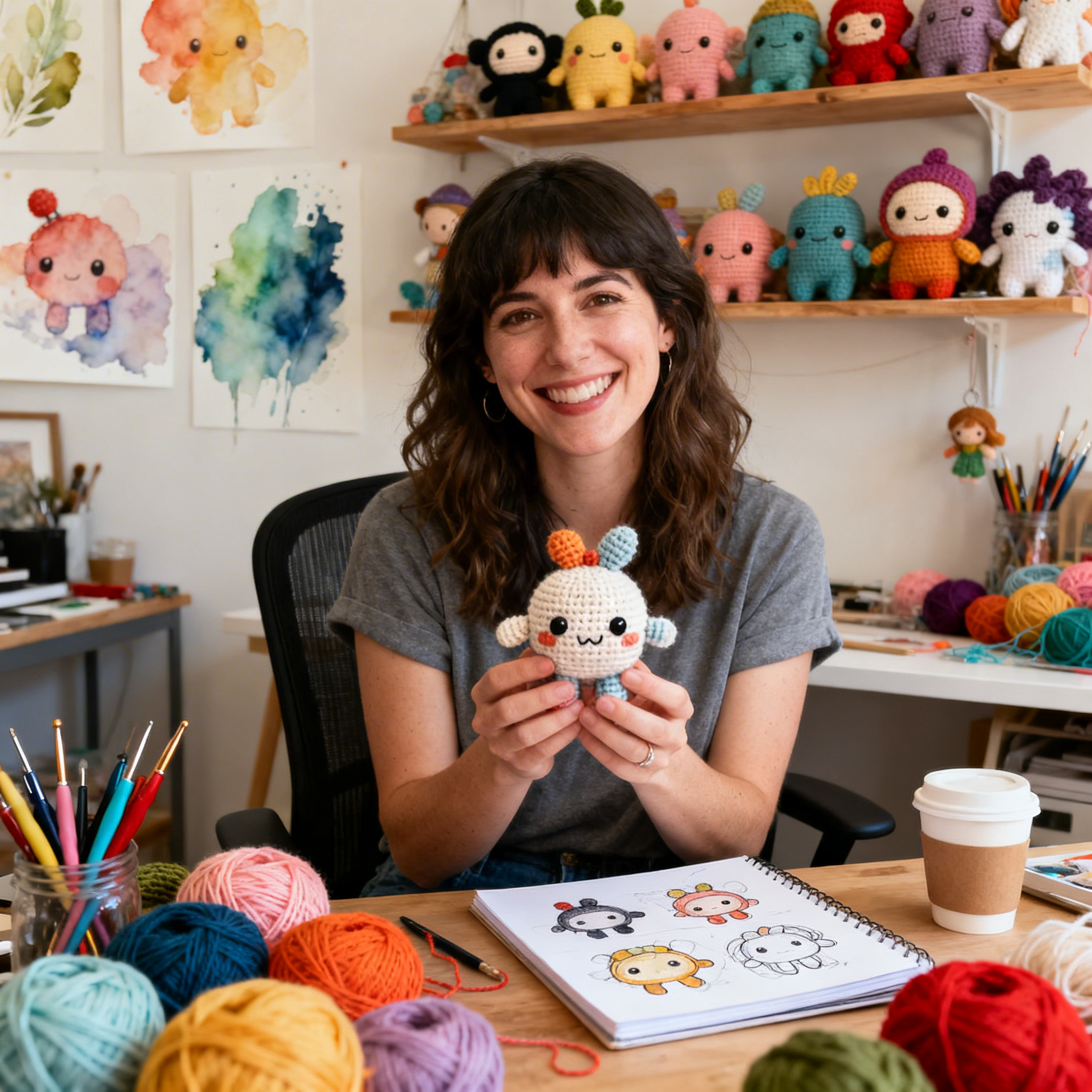
Clara Fern — Crochet Artist & Amigurumi Designer
Clara Fern is a crochet artist and amigurumi designer based in Austin, Texas. With 9 years of experience working with yarn and hook, she transformed a lifelong passion for handcraft into a creative mission: making amigurumi accessible, fun, and deeply rewarding for crafters of all levels.
Clara discovered amigurumi during a trip to Japan in 2017, where she fell in love with the art of bringing tiny characters to life through crochet. Back home in Texas, she spent years studying color theory, design principles, and advanced crochet techniques — developing her own signature style that blends kawaii aesthetics with original character design.
Through maclafersa.com, Clara shares everything she has learned — from choosing the right yarn and reading your first pattern, to designing fully original amigurumi characters from scratch. Her writing is known for being clear, detailed, and genuinely helpful, with no steps skipped and no secrets kept.
When she’s not crocheting, Clara enjoys watercolor painting, visiting local yarn shops, and drinking way too much coffee while sketching new character ideas.