Best Online Stores to Buy Amigurumi Materials
Best Online Stores to Buy Amigurumi Materials
When you’re starting or leveling up your amigurumi game, you want supplies you can trust. This guide helps you pick reliable online shops and shows you how to choose the right store for you. You’ll find yarn in every weight, hooks in handy sizes, stuffing that holds shape, and safety eyes that bring your creatures to life. Some shops focus on beginner kits, while others stock premium yarns and hard-to-find colors. Either way, you’ll gain confidence knowing you have dependable sources at your fingertips.
Stock and pricing matter. Look for steady stock and clear prices—avoid promos that push you to fill a cart with mystery yarn. Seek straightforward listings, exact color names, and transparent shipping costs. Real-life customer photos help you gauge texture and color, reducing surprises on delivery. Honest listings keep your projects on track.
Shop policies should be friendly. Easy returns on unused items save you if a color doesn’t match or a hook feels off. A clear restocking timeline helps you decide whether to order now or wait. Quick, helpful customer service about yardage, fiber content, or dye lots is a big plus. In short, choose stores that respect your time and craft, so you can focus on stitching, not shopping chaos.
How to choose the right shop for you
Choosing the right shop starts with your needs. If you’re a beginner, look for bundles that include starter kits with simple patterns. If you’re building a color archive, pick a store with a wide color range and helpful dye-lot information. Consider budget, shopping frequency, and whether loyalty points or discounts apply. Shipping speed and flat-rate options can save headaches when deadlines loom.
Product details matter. Look for clear descriptions, weight and gauge guidance, fiber content, and care instructions. If you’re sensitive to allergies, check certifications or mill details that confirm safety standards. Customer reviews are gold—read about twist, feel, and color consistency. Shops that show multiple photos of the same yarn under different lighting help you picture the final result and avoid surprises.
What to check: stock, reviews, return policy
Stock is crucial because backorders kill momentum. Prefer shops that restock frequently and show estimated replenishment dates for popular items. Reviews offer real-life signals on color consistency, texture, and durability. Look for recurring mentions of issues to avoid disappointments. A solid return policy—how long you have, who pays shipping, and whether opened items are eligible—keeps you in control if a purchase misses expectations.
Quick buyer checklist
- Confirm stock availability and restock dates.
- Read reviews focusing on color accuracy, texture, and durability.
- Verify fiber content, care instructions, and dye lot details.
- Check shipping costs, speed, and return policy.
- Compare beginner kits versus specialty yarns to fit your goals.
Where to buy amigurumi yarn online
You want yarn that makes your amigurumi sing, with clear fiber lists and helpful reviews. Start with shops that label weight, fiber, and care instructions clearly, so you know what you’re getting before you click Add to Cart. Look for color ranges that cover bold, pastel, and variegated skeins in one place to plan your character’s personality. Quick shipping and easy returns are big bonuses when you’re chasing a deadline.
Think about your go-to yarn weights. For crocheted stuffed animals, reliable worsted and DK options with consistent thickness are ideal. Bundles or starter packs let you test several colors at once. Customer photos help you see how yarn looks in real projects. A reputable store will answer questions about fiber content and washing care quickly, saving you after-delivery woes.
If you’re new to buying yarn online, start with stores that curate amigurumi-friendly brands and provide simple care notes. Avoid sites that bury fiber details or use vague terms like soft yarn. A solid option lists machine washability, dryability, and pilling. Some stores offer color cards or digital swatches to help you pick the right palette. The right shop makes reordering your favorite shades easy as your collection grows.
How to pick the right yarn weight for your toy
You want the toy to hold shape with even stitches. Start with worsted or DK—the most common amigurumi weights. Worsteds yield a sturdy look suitable for beginners; DK gives a lighter feel for delicate features. Choose non-splitting yarn with a smooth twist for crisp shapes. Always follow the pattern’s weight chart and use the recommended hook size, or swatch until you’re happy with the fabric. Test with a small swatch to ensure accuracy before committing to the full project.
Blending weights for small details is an option. Lighter yarns create delicate features, while sturdier yarns help you sculpt solid limbs. You can mix weights in small areas for texture, but only if you’re comfortable adjusting hook size and tension. Keep a small stash of worsted and DK to cover most designs.
Find organic cotton yarn for amigurumi online
Organic cotton feels great and is gentle on skin. Look for 100% organic cotton with clear certification and a tight twist to minimize fuzzing. A broad color range—soft neutrals for faces and bright hues for accessories—helps you build versatile characters. If you prefer a bouncy fabric, choose mid-to-light weight organic cotton compatible with standard amigurumi hooks.
Care is key for organic cotton. Many options are machine washable labeled easy care, though some prefer hand washing for longevity. Check for pilling and how the yarn behaves in natural light; organic cotton often photographs a touch flatter but softens after washing. A store that clearly lists fiber origin, farming practices, and dye safety helps you feel confident in your choice. Layer colors for shading easily, and consider small tests before committing to a full toy.
Yarn buying tips
- Look for clear weight, fiber, care, and color information on product pages. Bold specs save you time.
Buy safety eyes for amigurumi online
You want safety eyes that stay put and come in multiple sizes and colors. Check product descriptions for eye type (plastic discs with a post or screw-in style) and exact diameter in millimeters. Some sets include a mix of sizes or bundles with washers and backing pieces to prevent popping out. Choose non-toxic eyes that meet safety standards for children, with appropriate age warnings and sturdy backs. Compare prices per size and read reviews about durability and ease of installation. If you’re sewing eyes on knit fabrics, ensure the backing sits flush and secure after washing. Keeping a spare backs and washers is handy for big projects.
Sizes range from 6 mm to 18 mm; smaller eyes suit delicate faces, larger eyes for chunky characters. Screw-in eyes tend to be sturdier for larger amigurumi, while post-and-back eyes are quicker for small toys. Verify compatibility with your eye post and fabric, and look for locking backs to prevent loosening in wash or play.
Where to buy metal rings and fasteners
Metal washers, backings, and secure fasteners are available in craft stores and online. Seek locking backs or security washers for staying power. Compare materials—stainless steel resists rust and holds color. Check compatibility notes, as some washers fit only certain eye post sizes. Bundles that pair eyes with compatible backs can be cost-effective for multiple projects. Read reviews to see if rings lay flat or poke through after washing. Start with a small kit to test fit on a practice piece.
Safety check list
- Verify safety-tested labeling and millimeter size.
- Ensure backing and washer designs resist loosening in use and washing.
- Confirm non-toxicity and absence of sharp edges.
- Check compatibility with your eye post size and fabric.
- Review customer photos for real-world fit and durability.
Stuffing and filling for amigurumi online
Choosing stuffing matters for sit, shape, and hugs. Polyfill is common: affordable, easy to use, and plush enough for most projects. For standing or poseable toys, add a core of firmer stuffing and softer outer layers to prevent lumps. Eco-friendly plant fibers offer a sustainable option with good loft and resilience, while natural fibers like cotton or wool roving add a firmer feel for upright shapes. Foam beads or sheets provide structure without excessive weight, ideal for heads or bellies.
Mixing fillings allows you to tailor texture and weight. A core of firmer stuffing with a softer outer layer can yield both structure and cuddliness. Clean, crumb-free stuffing prevents rough patches in your stitches.
Types of stuffing and their pros
- Polyfill: lightweight, affordable, easy to compress for joints.
- Natural fibers: solid feel for upright shapes; can be pricier and require more care.
- Foam beads/sheets: add form and help objects hold shapes.
- Eco-friendly plant fibers: good loft with a greener footprint; tend to hold shape well.
- Mixed fillings: best of both worlds with tested ratios.
How much stuffing you need per toy
- Small amigurumi: firm but not dense, about the fullness of a peach.
- Medium toys: more mass to hold form; layer packing helps control curves.
- Large toys: a compact core with lighter exterior gives a plush finish. For poseable or stand-up projects, add weight at the bottom and adjust as you go. Sew slowly and check symmetry as you go.
Filling shopping tips
- Look for a mix of firmness and loft.
- Choose low-dust options to keep your workspace clean.
- Compare price per ounce and read reviews on how stuffing compacts.
- Consider hypoallergenic or plant-based fillings.
- Test a small sampler pack before stocking up.
Top picks from the Best Online Stores to Buy Amigurumi Materials
- Best for beginners: starter kits with clear instructions and patterns.
- Best for color variety: wide dye lots and color cards in one place.
- Best for organic cotton: eco-friendly options with clear care notes.
- Best for safety supplies: trusted safety eyes and reliable backs.
- Best for international shipping: global availability and transparent duties.
Crochet hooks for amigurumi online
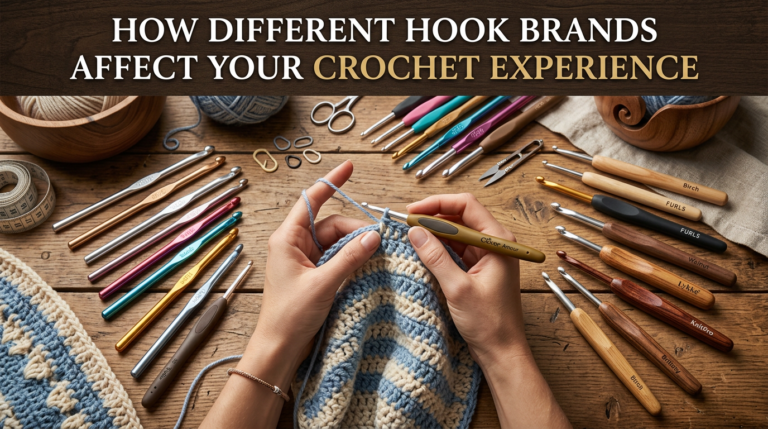
When you shop for crochet hooks, you want comfort, precision, and the right size for your stitches. You’ll find metal, plastic, and wood hooks, each with a distinct feel. Beginners benefit from a simple set covering common gauges, then expand as your grip and tension evolve. Look for smooth joins, comfortable handles, and multi-angle photos and reviews that reveal real-world use. Metric and US sizes are common; choose hooks that suit your project and your hand.
A balanced collection should include inline hooks for clean turns and ergonomic options for fatigue. The taper affects how smoothly yarn slides off the hook. Starter packs with 5–7 hooks offer broad coverage and a basis for comparing grip and balance. The best hook is the one that feels natural in your hand and keeps stitches even.
Tool sets, gauges, and what to look for
A complete amigurumi toolkit should blend versatility with simplicity. Start with a basic set that includes several hooks, a yarn needle, stitch markers, scissors, and a gauge. Clear labeling helps you identify each part quickly. Look for sturdy construction and a compact case. Stitch markers that stay put and lay flat to avoid snagging are invaluable. Scissors should cut cleanly; a dull blade slows you down. A large-eyed yarn needle makes weaving in ends faster. A compact gauge helps you verify tension as you go.
Gauges should have clear markings, durable materials, and sizes matching your projects. An ergonomic handle on tools reduces fatigue. Packaging with a zip pouch or sleeve aids quick access and safe storage. A kit praised for comprehensive sizes is a smart buy.
Affordable amigurumi supplies online for tools
You can find affordable tool sets that still feel solid. Look for multiple hook sizes, a basic yarn needle, and scissors that glide. If a price seems too good to be true, check durability reviews. Bundles with storage options help keep things organized. Customer photos and wear-and-tear notes show whether a cheaper option will last. If you crochet weekly, consider a mid-range set for steady performance. Compare shipping costs and watch for sales or bundles around holidays.
Hook selection guide
Choosing the right hook means matching size to yarn weight and your desired stitch tightness. Start with a slightly smaller hook for amigurumi to achieve crisp shapes. Test with a swatch. If it feels sticky, go up a size; if it slides too freely, go down. Ergonomic grips reduce fatigue during long sessions. Consider project size and rounds when choosing: tiny figures with many rounds may benefit from a lighter, balanced hook, while larger components may call for a sturdier handle.
Amigurumi kits and patterns online
Look for kits that include pattern, yarn, hook, and stuffing. Start with simple stitches and progress as your confidence grows. Prefer patterns with clear skill level labels and progress photos to keep you on track. The best online stores group patterns by difficulty, making it easy to find your next step.
If you’re hunting for kits, consider what you want to make: a cute animal, a tiny treasure, or a quirky creature. Check that the yarn brand and hook size match what you already own. Read reviews to know if the instructions are beginner-friendly and clear. Some kits include extra goodies like stitch markers or printable color plans. A kit with fewer color changes can speed up progress and keep you motivated.
How to pick kits that match your skill
Choose kits that match your skill level so you don’t feel overwhelmed. Look for patterns labeled beginner or easy with clear, step-by-step instructions. If you see unfamiliar terms, seek a glossary in the kit or help section. For new techniques, ensure the pattern includes photos or diagrams and a troubleshooting section. As you grow, build a small reference library of terms and stitches learned from different kits.
International shipping for amigurumi supplies and costs
Shipping from overseas matters. Check whether the seller ships to your country and the estimated delivery time. Expedited or tracked shipping is helpful for deadlines. Be mindful of import duties and customs fees; some shops quote final totals at checkout to avoid surprises. If in doubt, contact customer service about duties for your location.
Compare shipping options: standard international, economy, or free shipping promos. Buying several items can reduce per-item shipping. Some shops bundle patterns or tools to minimize costs. Local pickup or regional warehouses can also save money.
Shipping and price tips
- Look for free international shipping thresholds to combine items.
- Choose sturdy packaging to protect items in transit.
- Consider starter kits to maximize value.
- Watch for seasonal sales or loyalty programs.
- Read the store’s return policy in case a pattern doesn’t meet expectations.
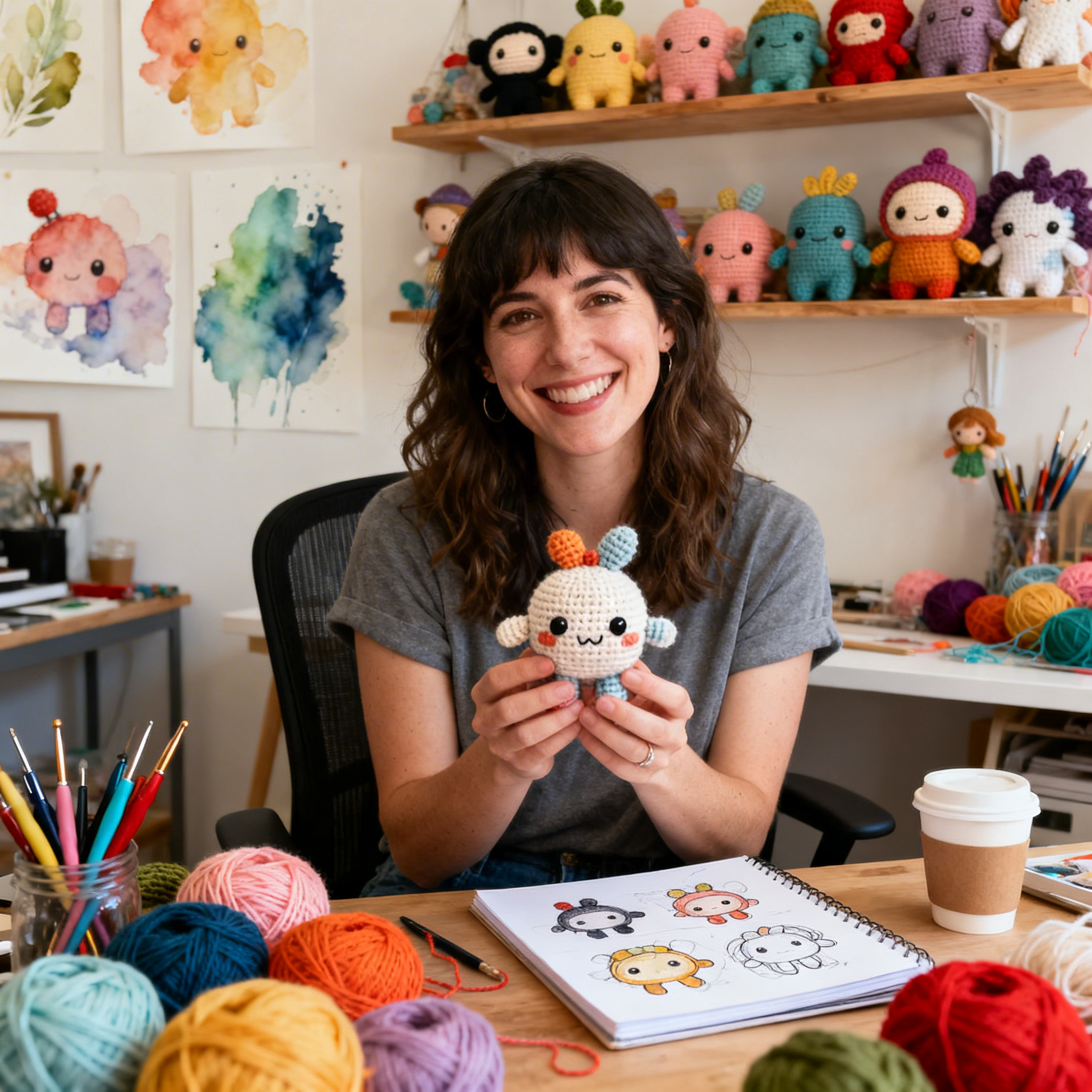
Clara Fern — Crochet Artist & Amigurumi Designer
Clara Fern is a crochet artist and amigurumi designer based in Austin, Texas. With 9 years of experience working with yarn and hook, she transformed a lifelong passion for handcraft into a creative mission: making amigurumi accessible, fun, and deeply rewarding for crafters of all levels.
Clara discovered amigurumi during a trip to Japan in 2017, where she fell in love with the art of bringing tiny characters to life through crochet. Back home in Texas, she spent years studying color theory, design principles, and advanced crochet techniques — developing her own signature style that blends kawaii aesthetics with original character design.
Through maclafersa.com, Clara shares everything she has learned — from choosing the right yarn and reading your first pattern, to designing fully original amigurumi characters from scratch. Her writing is known for being clear, detailed, and genuinely helpful, with no steps skipped and no secrets kept.
When she’s not crocheting, Clara enjoys watercolor painting, visiting local yarn shops, and drinking way too much coffee while sketching new character ideas.