How Yarn Dye Lots Affect Color Consistency in Amigurumi
Why dye lots matter for your amigurumi
You’ll notice tiny color shifts in your stitches if you don’t check dye lots. Those shifts aren’t a failure of your hook or yarn choice—they’re a natural result of how yarn is dyed. When you’re crafting amigurumi, those subtle differences can make a character look uneven or unfinished. By understanding dye lots, you gain control over the final look, turning a simple project into something polished and cohesive. Think of dye lots as the few missing puzzle pieces that keep your stuffed friend from looking like it’s wearing mismatched socks.
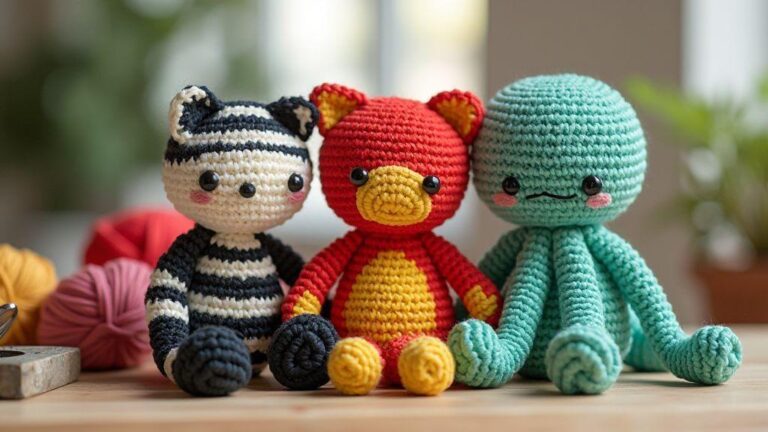
Your goal is uniform color from start to finish. If you’re using more than one skein, you must treat each skein as part of a single color family. By planning ahead, you can avoid patchy areas and keep your stitches seamless. This matters whether you’re making a cozy bear, a playful octopus, or a tiny monsters collection. The payoff is a professional finish you’ll be proud to show off.
Dye lots also affect texture perception. Even if the stitches and tension stay the same, color changes can make fabric look lighter or darker. When you’re designing, you may want to switch skeins mid-project for shading or accents. Knowing how dye lots behave helps you pick where to switch so the transition feels intentional, not accidental.
How Yarn Dye Lots Affect Color Consistency in Amigurumi
Understanding How Yarn Dye Lots Affect Color Consistency in Amigurumi helps crafters plan for a seamless finish. Dye lots determine color family, and mixing lots can cause tiny shifts that show in close-up photos or hugs. The goal is steady color from start to finish—treat dye lots like recipe cards that need to align for a polished look.
Understand yarn dye lot differences in your projects
Each skein has its own dye lot number. Those numbers are your map to color consistency. When you use two or more skeins, you’re balancing color across them. If you grab skeins without checking their dye lots, you risk a visible mismatch. Your amigurumi can end up looking like it wore two different outfits, and that’s hard to fix after you’ve stitched it all together.
Before you start, compare the skeins side by side. Lay them out and look for shade, tint, and saturation differences. If one skein looks greener under your lamp, that’s a clue the dye lots aren’t identical. You’ll likely need to alternate skeins, join the lighter color into the darker one gradually, or start fresh with a single dye lot for a large section.
Label reading saves you a lot of headaches. The dye lot number is usually near the barcode or on the ball band. If you’re buying online, ask for a single dye lot or plan to buy extra to ensure you can match colors. Saving a little time up front saves you from undoing hours later.
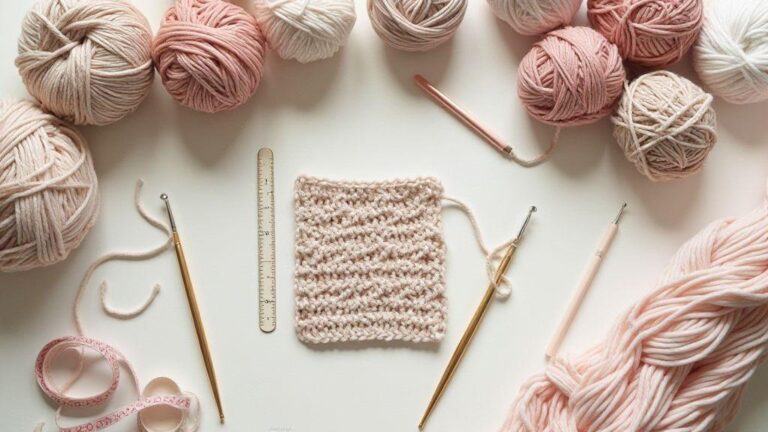
Make a quick swatch test before you dive in. A small square lets you compare how the color sits on your chosen hook size and yarn weight. If the swatch doesn’t match your vision, swap to skeins from the same dye lot or adjust your pattern plan. This tiny step keeps your project on track.
If you’re swapping brands, be extra cautious. Different brands dye with different recipes and shade ranges. Even if the color name is the same, the dye lot can behave differently. Treat each brand as a separate color family and test accordingly.
Check color variation and colorfastness yourself
You should test color variation early. Pull a few inches from each skein and compare under your main lighting. If you see a noticeable shift, plan to alternate or adjust your color placement. This is your shield against surprise patches later.
Colorfastness isn’t just for clothing. You’ll wash your amigurumi eventually, and you want colors to stay put. Gently rub a small area with a damp cloth to see if the dye rubs off. If you see color on your fingers, you may need to swap skeins or pre-wash before assembly.
Make notes as you go. Jot down dye lot numbers and any color differences you notice. Your future projects will thank you for having a quick reference. It’s like keeping a recipe sheet so you don’t lose your best color pairings.
If you detect fading risk, adjust your plan. Choose a solid dye lot for the main body and reserve a compatible dye lot for any added details. Keeping a clear plan helps you stitch with confidence.
Check label and batch info
Always read the label for dye lot and batch numbers. The batch number is your second line of defense against color surprises. If you can’t find it, ask the seller or switch skeins to a known dye lot. It’s worth the time to get it right.
Choosing yarn dye lots for your amigurumi patterns
When you pick yarn for your amigurumi, you’re choosing how your finished piece will look. The dye lot matters because it is the color’s family. If you mix lots, you can end up with tiny color differences that show up in close-up photos or big hugs. Your goal is steady, even color from start to finish. Think of dye lots like recipe cards: you want all the ingredients to match.
You’ll notice that big brands label their skeins with a lot number. You’ll want to keep track of that number as you shop. If you buy several skeins, you’ll want them to come from the same dye lot so your toys stay uniform. This matters most when you work in a single color or when your pattern uses color blocks that sit next to each other. Keeping one dye lot throughout your project saves you time, keeps you from hunting for matching skeins later, and avoids the frustration of mismatched greens or browns in the finish.
If you’re new to amigurumi, start with the dye lot you see on the label and stick with it. When you try to mix lots, you’ll likely need extra planning to hide small differences. The trick is to treat your project like a lesson in color consistency: aim for one source of color, one dye lot, and you’ll be happier with the result.
Buy all your skeins with the same lot
Before you cut a single stitch, check the dye lot on every skein. If you’re buying online, add a note to your cart asking for the same lot if the seller can’t guarantee it. If you’re in a store, physically compare labels to confirm the numbers match. This small step saves you from a world of touch-up work later.
When you gather your yarn, consider the pattern’s color sections. If you have multiple colors, you’ll still want each color block to stay within its own dye lot. That means you may need to purchase extra skeins of the same lot for peace of mind, especially if a lot gets discontinued or if you’re making a larger amigurumi. It’s worth the extra effort to keep the color story clean from start to finish.
If you’re unsure how much to buy, estimate your total yardage per color and round up. Then order enough skeins to cover that rounded total in the same lot. You’ll avoid the scramble of matching later and keep your project moving.
Tip: Following How Yarn Dye Lots Affect Color Consistency in Amigurumi, buy all skeins in the same lot to maintain cohesion.
Estimate your yardage to avoid shortages
You want to leave nothing to chance with yardage. Start by weighing your pattern’s stitches and gauge. If you have a sample swatch, measure how many yards you get per row, then multiply for the whole piece. Round up to the nearest full skein to be safe. It’s better to have a little extra than to run short in the middle of a row.
If you’re planning a big project or a rare color, add a few extra meters for stitching errors or design changes. You’ll thank yourself when you don’t have to run back to the store for a tiny amount that’s impossible to match. Keeping a yardage buffer helps you stay calm and finish with one smooth color line rather than a patchwork of accidental shade changes.
Order extra skeins now
If you can swing it, order one or two extra skeins in the same dye lot now. This gives you a cushion for any future repairs or for tweaking the pattern later. It’s a small move that pays off when you need to replace a lost stitch or fix a seam without visibly changing the color.
When you place your order, double-check the dye lot again. A quick confirmation saves you hours of color-matching headaches. And if you’re undecided about a color, pick a shade with a little flexibility in its dye lot variance. You can still keep your project cohesive while allowing for slight, natural variations.
How to match dye lots for your amigurumi when shopping
When you’re shopping for yarn, you want your amigurumi pieces to look like they were made from one cohesive batch. Dye lots can swing color slightly, and you’ll notice it most on small, simple stitches where every round shows. You’ll find that matching dye lots is less about being perfect and more about minimizing the differences you can spot in your finished toy. If you’re careful, you’ll avoid patchy looks and unhappy surprises after you bring the yarn home. Think of it as choosing the same shade from the same bottle—it makes your design feel intentional, not sloppy.
First thing: you’ll get the best results by treating dye lots like chapters in a story. Each lot can carry a tiny tint shift, so you’ll want to plan ahead if your pattern uses long runs of a single color. When you’re buying, you’ll save time by picking yarns with the same lot number or, at the very least, the same dye lot group. You’ll notice that the more you understand these differences, the less you’ll worry about tiny differences in shade. Your amigurumi will look steadier, and your confidence will grow as you stitch.
If you’re new to this, you’ll be surprised how noticeable dye lot differences can be once you’re stitching. Your goal is to avoid having one sleeve look darker than the body or a head that reads differently from the feet. By shopping with dye lots in mind, you’ll create a smoother overall color flow. It’s not about perfection; it’s about making sure your colors stay coordinated throughout the project. With practice, you’ll pick the right lot without overthinking every single skein.
Ask sellers for the lot numbers you need
When you walk into a shop or add yarn to your cart online, you’ll ask for the dye lot numbers first. A quick question like, What dye lot is this? can save you from a mis-match. You’ll expect the clerk to pull skeins from the same run, so your amigurumi stays consistent. If a store can’t confirm a lot, you’ll know to pick another vendor or mix in a single lot to keep things aligned.
You’ll also want to ask about how skeins were dyed. Some producers label lots with a code that tells you the exact batch. If you’re stitching a bigger project, you’ll want to stock up on a couple of extra skeins from the same lot, just in case you need a tiny extra piece later. In most cases, the shop will help you compare multiple skeins, which makes you feel confident you’re buying the right set.
Compare samples in good light before you buy
Always compare your sample skeins side by side, under daylight if possible. You’ll notice tiny shifts more clearly when you can see the colors next to each other. Lay the skeins out and look from different angles, because light can make a shade seem lighter or darker than it is. You’ll want the samples to look like a single color, not a gradient of tones that clash in your hand.
If you’re unsure, you’ll bring a quick swatch of your pattern to see how the colors play together. You’ll catch mismatches before you cut into a whole project. Don’t rush this step—taking a few extra minutes now saves you from ripping out rows later. You’ll feel calmer when the color feels continuous across the stitches you’ll use most.
Bring your color swatch
You’ll keep a color swatch handy for color comparisons. A simple, small card or a few fabric scraps can be your color cheat sheet. When you compare, you’ll hold the swatch next to the skeins and notice any tint differences in the same light. If a dye lot looks off, you’ll skip it and grab a skein that matches your swatch more closely. Your swatch becomes your color GPS, guiding you to the most consistent look possible.
Your color swatch also helps you plan the pattern’s color blocks. If your amigurumi uses several colors, you’ll map the color sequence on paper, so you know you’re picking the right lot for each section. This small habit saves you from mixing lots by mistake and makes your final piece feel like a deliberate, well-thought-out design.
What to do if dye lots don’t match for your crochet toys
When you notice dye lots don’t match, you feel that itch to fix it fast. You’re not alone, and you don’t have to frog everything and start over. First, take a breath and group your skeins by shade family before you crochet. You might find your mismatched skeins aren’t as far apart as they seemed when you compare them side by side. Next, decide how much of a difference you’ll tolerate in a toy. Do you want a obvious stripe or a subtle blend? Your plan will guide your stitches and color choices. Finally, keep notes on which color goes with which part of the toy. A quick sticky note with the dye lot number on each skein saves you from guessing later and helps you stay consistent.
If you’re chasing a cohesive look, you can still make the colors work together. The key is to work with the range you have, not against it. When you see a small shift, think about it like a watercolor wash instead of a solid block. Your final piece will feel intentional, not sloppy. Remember, you can often blend a close shade by gradually changing your yarn as you crochet, like stepping stones across a stream. Your goal is harmony, not perfection.
Finally, don’t panic if you don’t have the exact shade. You can turn the color shift into a design feature. Embrace the uniqueness of your toy and let the color shifts tell a little story. When you finish, you’ll have a handmade piece with character, not a factory-perfect replica. Your ability to adapt makes your amigurumi more yours, and that is the real charm.
Alternate rows so you can blend shades
You can create a smooth blend by alternating between skeins every row. Start with one shade, then switch to the other every other row. This makes the transition gentler and less obvious. If you’re working on a small area, you might alternate every two stitches for a softer edge. The trick is to keep tension even so the fabric doesn’t pucker or become lumpy. When you look at your work, you’ll notice the colors meeting in a gentle line rather than a harsh seam. If you have three shades, try changing colors every row or every two rows in a pattern that repeats. A little planning goes a long way.
Think of it like painting a wall: you don’t strip all the old color away in one stroke. You softly fade from one shade to another, so the eye reads it as a blended surface. If you see a patchy spot, you can knit or crochet more stitches over it to smooth the transition. Your goal is a balanced look where the color shifts feel intentional. Keep your edges tidy with a consistent tension, and you’ll hardly notice the dye lot differences.
Add seams or accents to hide color shifts
Seams and small accents are your best friend when dye lots clash. Plan places where color shifts won’t catch the eye, like under ears, along the back, or at the arms where a seam naturally sits. You can also add a tiny embroidery detail or a contrasting nose that uses a different shade. These touches distract from color changes and give your toy character. When you join pieces, use a soft mattress stitch so the seam lies flat and doesn’t draw attention to the color change. If you’ve got a bold accent, choose it from a shade that exists in your palette so it ties everything together instead of shouting out the mismatch.
If you’re unsure where to place seams, think about the toy’s belly or the side of its body. These areas often hide color shifts well. A stepped color shift along a seam can read as a deliberate design choice rather than a flaw. Your finished piece will feel thoughtful and cohesive, thanks to the extra planning you put into placement and stitching.
Plan stripes to hide shifts
Stripes are a simple way to disguise color shifts in larger projects. Plan a stripe sequence where each stripe uses a slightly different dye lot or shade. You can repeat a light-medium-dark pattern so the eye follows the rhythm rather than the misalignment. Keep stripe widths consistent to avoid drawing attention to the color changes. If you’re short on yarn, you can halve stripe widths and still get the same effect. The important part is that the transition from one shade to the next is deliberate, not accidental.
When you design your stripes, write down the color order and how many rows each stripe will occupy. This prevents you from mixing up the shades as you crochet. Stripes not only disguise dye lots but also give your toy a playful rhythm that kids love. Your careful planning pays off with a toy that looks intentional and charming.
Tips for blending yarn from different dye lots in your amigurumi
You’ll get a smoother look when you blend yarn from different dye lots. Think of it like mixing paints to stop harsh lines from showing up. You’ll want to pick two or three lots that are close in shade and swap them as you work, so your colors stay even. When you’re starting, grab a few skeins that look similar in person, not just on a screen, and lay them out so you can compare them side by side. Your goal is a seamless transition, not a jarring change mid-stitch.
Use a plan for how you’ll switch between lots. A simple method is to alternate between strands from different lots every few rows, or to crochet a few rows with one lot and the next few with another. This keeps the tone even instead of letting one color dominate. You’ll find it helps to label each strand with a tiny note about its dye lot so you don’t accidentally pull the wrong one in later. Remember, the more you mix thoughtfully, the more your amigurumi will feel cohesive.
Practice patience with subtle shifts. Don’t chase perfection—just aim for a natural blend that reads as one color to the eye. If you see a stripe forming, pause and re-knit a tiny section with a blended mix. Your finished piece should look intentional, not accidental. By keeping the color balance in mind from the start, you’ll avoid big surprises when you’re finished.
Work two strands together to even your tone
When you work two strands together, you’re literally blending the color as you crochet. Choose two dye lots that are the closest match you can find, and hold both strands in your dominant hand. Crochet as if you’re using a single strand, but let the fibers mingle. You’ll notice the stitches take on a softer, more even tone, and those small variations from each lot get smoothed out.
Pairing two strands also helps you fix light-to-dark shifts before they become obvious. If you start seeing a slight difference, slow down and crochet a few rows with both strands held together. This technique acts like a buffer, muting abrupt changes and giving you a consistent look throughout the piece. It’s a small step that pays off with big visual wins.
Keep tension even while you work with two strands. If one strand starts to pull tighter, you’ll create a pulled-in look. A steady grip keeps your stitches uniform and lets the dye tones mingle without dramatics. Practice on a small swatch first if you’re unsure, and you’ll carry that smoothness into your amigurumi.
Wind small balls so you can mix as you go
Wind small balls from your skeins so you can grab the exact mix you need without hunting through bags. Keeping these mini-balls close lets you switch tones on the fly, which makes the blending more natural. You’ll feel more in control when you can pull from multiple small balls instead of breaking your rhythm to cut and splice.
As you go, your plan is to blend as you crochet. If you notice a color shift creeping in, grab a small ball from a nearby lot and weave it into the next few stitches. This keeps the overall look balanced and reduces the chance of obvious color blocks showing up later. The key is to keep a mix-ready mindset so blending becomes second nature.
Store the small balls in a way that’s easy to access. A magnetic board or a small container with labeled sections can keep you organized. When you’re ready to blend, you’ll move smoothly from one shade to another, and your amigurumi will read as one cohesive piece rather than a patchwork quilt of hues.
Preventing color inconsistencies and pooling in your amigurumi
Color issues can sneak into your project and ruin a toy you’ve poured time into. You’ll learn how to spot trouble early and keep colors even from start to finish. By understanding dye lots and swatches, you’ll craft amigurumi that look consistent, no matter how many skeins you use. Think of it like painting a tiny mural: if the color chips don’t line up, the whole piece feels off. With careful steps, you’ll reduce surprises and keep your finished toy cohesive.
Color pooling happens when yarn texture and dye create random patches. You can avoid this by choosing yarns that behave similarly and by testing patterns before you go all-in. When you know what to expect, you can plan for areas that might pool and adjust your technique. Your goal is steady color flow, not accidental splotches that look like luck or fate.
Reduce color pooling impacts from dye lots in your toys
When you pick yarns, you’ll notice that some lots behave differently even if they’re the same color name. You can reduce this by using yarns that have similar dye profiles and by buying extra skeins so you can balance any quirks. If you see one skein pooling, you can swap to a matching lot or alternate rows to blend the patch with nearby color. It’s a small adjustment that makes a big difference in the finished look. Your project stays neat and your color story remains intact.
To minimize surprises, always pull from multiple skeins when starting a new piece. Tug each skein gently and compare the color shade under the same light. If one dye lot seems brighter or more blue, adjust your pattern early rather than halfway through. You’ll feel in control, not at the mercy of the dye house.
Wash and test dye lots before you start your amigurumi
Testing dye lots helps you see how the color behaves in your yarn under real-world use. You’ll catch pooling, fading, or tonal shifts before you commit to a full project. This is your safety net: a quick check that pays off with a smoother finish in the end. You’ll know which skeins play nice together and which to avoid.
Keep the tests simple: wash the swatch the way you plan to wash the final piece, then crochet a small sample to compare. If you spot any big differences, you can swap skeins or adjust your color plan before your project grows. This early step saves you time, yarn, and the disappointment of a finished piece that doesn’t match your vision.
Do a wash-and-dry swatch
A wash-and-dry swatch is your backstage pass to color behavior. You’ll see how the dye holds up, whether it softens or stiffens, and if pooling shifts after washing. Treat the swatch like your pattern: your future self will thank you for the clarity. If the swatch shows trouble, change skeins now rather than after you’ve spent hours crocheting. Your amigurumi stays true to its color plan, and you stay calm through the process.
How Yarn Dye Lots Affect Color Consistency in Amigurumi in Shopping
While shopping, keep in mind that dye lots can shift color slightly. Look for the same lot number or the same dye lot group to minimize differences across your project. Ask about dye lots upfront and compare samples in good light to keep your amigurumi cohesive from start to finish.
Conclusion: How Yarn Dye Lots Affect Color Consistency in Amigurumi
In short, understanding How Yarn Dye Lots Affect Color Consistency in Amigurumi helps you plan, test, and execute a cohesive finished piece. Check dye lots, swatch, label, and stock up from the same lot when possible. If differences appear, blend strategically with alternating rows, two-strand knitting, or purposeful seams and stripes. With these habits, your amigurumi will read as intentional, not accidental, and your color story will stay harmonious from first stitch to final seam.
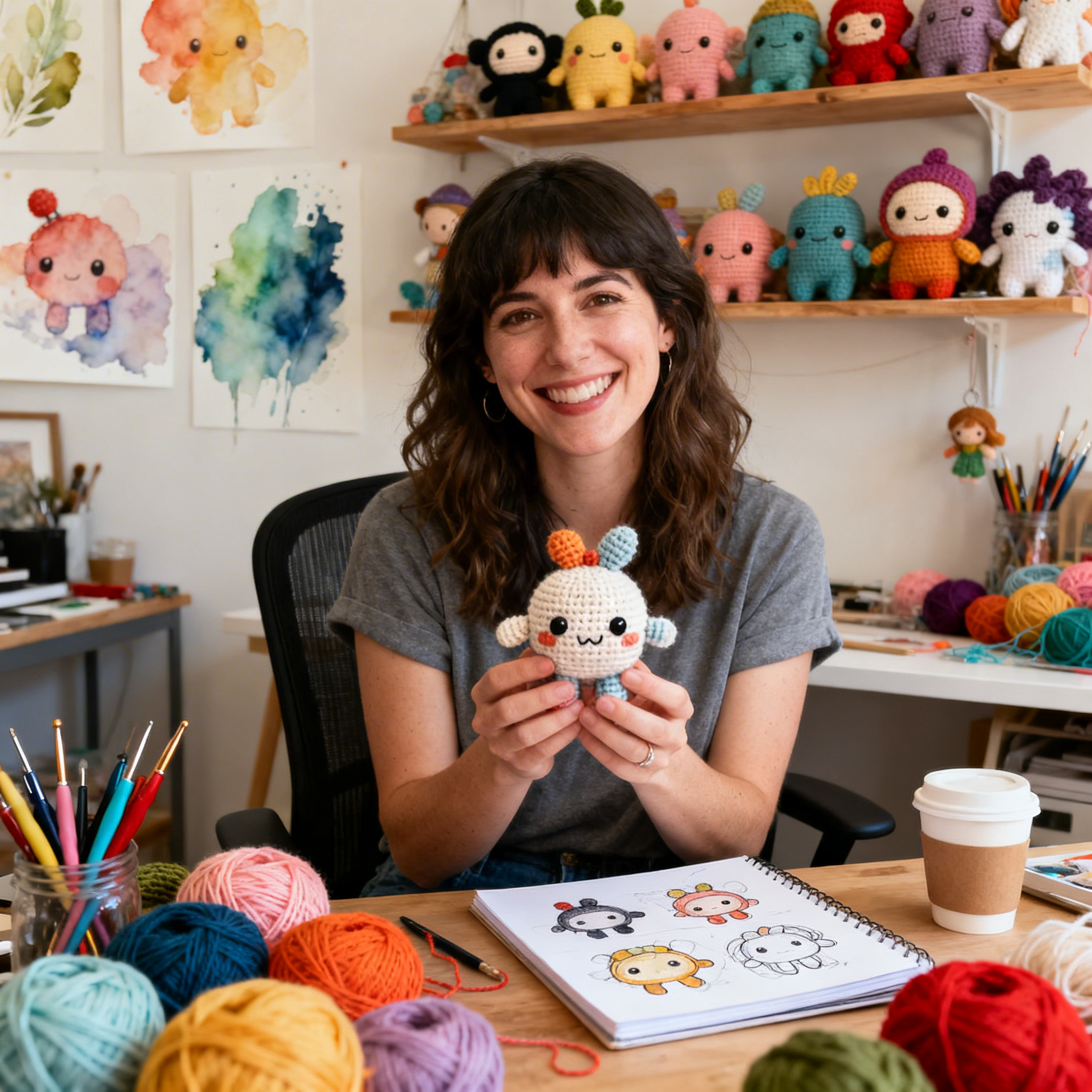
Clara Fern — Crochet Artist & Amigurumi Designer
Clara Fern is a crochet artist and amigurumi designer based in Austin, Texas. With 9 years of experience working with yarn and hook, she transformed a lifelong passion for handcraft into a creative mission: making amigurumi accessible, fun, and deeply rewarding for crafters of all levels.
Clara discovered amigurumi during a trip to Japan in 2017, where she fell in love with the art of bringing tiny characters to life through crochet. Back home in Texas, she spent years studying color theory, design principles, and advanced crochet techniques — developing her own signature style that blends kawaii aesthetics with original character design.
Through maclafersa.com, Clara shares everything she has learned — from choosing the right yarn and reading your first pattern, to designing fully original amigurumi characters from scratch. Her writing is known for being clear, detailed, and genuinely helpful, with no steps skipped and no secrets kept.
When she’s not crocheting, Clara enjoys watercolor painting, visiting local yarn shops, and drinking way too much coffee while sketching new character ideas.