How to Draft a Proportion Blueprint Before Writing Your Own Pattern
How to Draft a Proportion Blueprint Before Writing Your Own Pattern
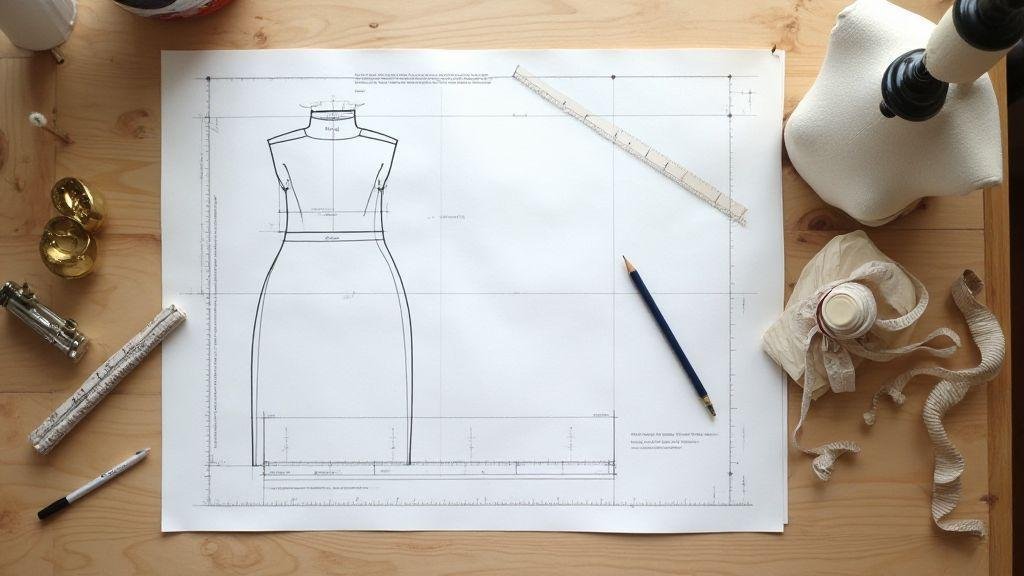
You’ll start by sketching a simple map of your amigurumi. A Proportion Blueprint helps you see how big the head should be relative to the body, arms, and legs. This first concrete step gives you confidence when you begin stitching. Think of it like a recipe: you know how many cups of each ingredient you need before you bake. Your blueprint does the same for shapes and sizes, so your final toy looks balanced and cute. Your blueprint keeps you from guessing and helps you adjust early, not after you’ve stuffed and sewn.
In this stage, jot down the overall height and width you want. You can measure a favorite toy or a character you love and translate that into your own version. The blueprint isn’t a finished pattern; it’s a guide you’ll refer to as you work. Keep it simple at first: a rough head size, a torso length, and where each limb should sit. If you’re unsure, start with a classic teddy proportion: bigger head, smaller torso, and limbs that feel balanced. This is the moment to be honest about what you like and what your hands can handle.
As you refine, use the blueprint as a running checklist. If you want a chubbier look, increase head and torso proportions. If you want a lankier toy, shorten the torso and lengthen the limbs. Your blueprint should be flexible, not rigid. You’ll likely adjust as you test stitches and measure your prototype. The goal is a reliable roadmap you can reuse for future patterns, not a one-off sketch you’ll forget.
What a proportion blueprint shows
Your proportion blueprint shows the relative sizes of major parts. It highlights head size versus body length and where limbs attach. Mark the main landmarks: head top, neck seam, shoulder points, elbow or knee lines, and the bottom of the torso. This map helps you visualize balance before you start crocheting. When you see the ratios clearly, you can keep the toy from looking top-heavy or stubby.
Note how much stuffing you’ll need in each area. Proportions aren’t just about shape; they influence fullness. A bigger head needs a bit more stuffing to stay round, while a longer torso might need extra support to avoid drooping. Your blueprint gives you a heads-up about where you’ll add or adjust stitches, so you don’t guess later.
Basic amigurumi anatomy terms
Let’s cover the basics you’ll refer to in your blueprint. The head sits on the neck area, slightly above the torso. The torso is the core, where you place most of the stuffing for stability. Limbs attach at defined points near the shoulders and hips, which you’ll mark on your blueprint. A simple scale helps you remember: head = 1 unit, torso = 1.5 to 2 units, limbs vary by feel but should align with the body’s width.
You’ll also keep track of where curves happen. A gentle curve around the cheeks or shoulders can change the toy’s character entirely. Marking these curves on your blueprint helps you translate them into stitches later. By naming these parts, you’ll speak the same language as your future patterns and keep your instructions clear.
Start with head, torso, limb marks
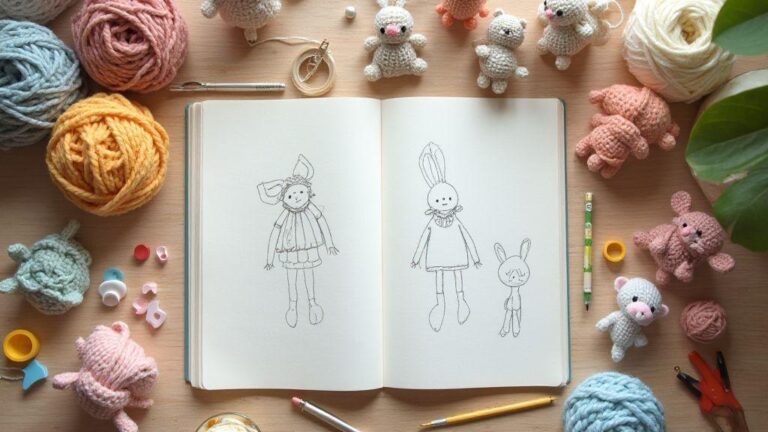
Begin by drawing the head circle and marking its center. Then add the torso length beneath, leaving space for a natural neck where they meet. Put two shoulder marks where your arms will join and two hip marks for the legs. This simple skeleton keeps you aligned as you build. As you draft, tweak these marks to test different looks. It’s easier to adjust on paper than after you’ve started stitching.
This initial map becomes your habit. When you sketch the head, torso, and limb marks, you create a framework you’ll rely on every time you draft a new pattern. You can reuse this setup with only small tweaks, saving you time and keeping your amigurumi consistent.
Measuring for Proportion Blueprint Patterns
You’ll get the hang of better Amigurumi shapes when you measure with purpose. Your goal is to keep the head, body, and limbs in balance so your creations look natural, not wobbly. Start by choosing a base size for your doll or creature, then compare all parts against that size. Measuring isn’t just counting stitches; it’s building a blueprint that guides every round you crochet. Think of proportion as the skeleton of your pattern: if one part is off, the whole toy feels off. Measure regularly to catch mismatches early and adjust before you’ve invested hours.
Steps:
- Measure stitch height and row count, note the circumference where limbs connect, and keep a running log.
- Use those measurements to compare with your pattern’s target proportions. If the head comes out larger than planned, adjust the body length in subsequent sections.
- Remember that your measurements depend on your yarn, hook size, and tension. If you switch materials, revisit your blueprint.
Tools for measuring stitches and rows
Grab a clear ruler or a soft measuring tape to read each mark easily. Use them to check stitch height, row height, and round counts without guesswork. A small stitch gauge helps count stitches in a row and catch uneven edges that throw off proportion. Record exact numbers—no rounding—to keep your blueprint precise. A simple notebook or digital note works, as long as you keep the same units.
Keep tools close to your workspace. Verify measurements after adding rows or new limbs. If you stitch tightly, rounds will compress; if loosely, they’ll spread. A highlighter helps you mark key measurements so you can scan notes at a glance.
How to record measurements clearly
Label each measurement with the exact unit, part measured, measurement, and date. For example: Head circumference at base: 8.5 cm, 16 rows before neck shaping, 06/12/2024. Be precise so you can compare against targets later. If a measurement is off, note what you did differently for reproducibility.
Keep a simple method you can repeat: bullets or a small table per project. Include yarn, hook size, and tension since those affect measurements. You’ll notice patterns like heads tend to be 2 cm larger with this yarn, which saves time on future projects.
Make a simple measurement chart
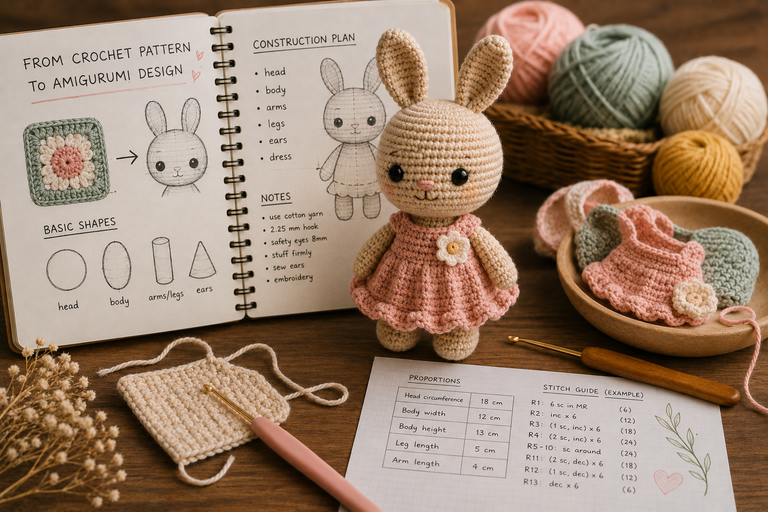
Draft a tiny chart with rows for Part, Target Size, Actual Size, Difference, and Date. For example:
- Part: Head circumference at base — Target: 8.5 cm — Actual: 8.2 cm — Difference: -0.3 cm — Date: 6/25/24
- Part: Neck length — Target: 1.8 cm — Actual: 1.9 cm — Difference: 0.1 cm — Date: 6/25/24
This chart helps you see at a glance if you’re drifting from your blueprint. Update as you go, especially when trying a new yarn or hook. If a consistent drift appears, adjust future notes so your blueprint stays aligned.
Proportion Blueprint Pattern Drafting
You’re here to build solid, reliable shapes for your amigurumi. Start with a simple plan: map every part, convert it to stitches, and then translate your lines onto paper. Think of it like laying out a tiny city before you sew the buildings. When you follow this method, you’ll see shapes come to life without guesswork. Focus on the grid, the scale, and the flow between parts so your finished piece looks harmonious.
First, check how each body part fits into the whole. Proportions should feel natural and appealing, not top-heavy or out of scale. A clear blueprint helps you spot imbalances early. If unsure, compare measurements to your target size and adjust before stitching. The goal is a comfy, balanced silhouette where every limb sits where it should.
Stay organized as you draft. Record measurements, round them to easy stitch counts, and keep notes in one place. A simple, repeatable system means you can reuse it for future patterns and maintain consistency across projects.
Map body parts to a grid or graph
Lay out each part on a grid to compare sizes quickly. Draw head, torso, arms, and legs as rough blocks first, then refine their edges. This helps prevent clashes when you sew. As you map, note joint positions and attachment points. If you’re aiming for a specific pose, mark it on the grid to test weight distribution. Use bold lines for primary shapes and lighter lines for tentative edges so you can erase and tweak without losing your place.
Convert measurements into stitch counts
Turn grid numbers into crochet-ready counts. Start with a base unit (e.g., how many stitches per centimeter) and translate each dimension. Round to easy, even numbers to keep fabric uniform. Write down stitch counts clearly near the corresponding parts on your blueprint. If a swatch shows a needed adjustment, tweak the hook size or stitch count and re-test. Consistency is key: use the same gauge, stitch type, and measuring method so every piece fits together snugly.
Trace shapes to scale on paper
Trace your finalized grid onto paper at scale. Use a light pencil first, then go over final lines with a darker pencil. Transfer bold shapes for the main body parts, ensuring proportions stay true to your blueprint. This trace becomes your direct guide for pattern drafting, turning measurements into tangible outlines you can follow. Check alignments with neighboring shapes before committing to yarn to reduce on-the-job guesswork.
Step by Step Proportion Blueprint Drafting
You’re about to build a clear plan for your amigurumi. Draft one body part at a time to keep things manageable and adjustable.
First, sketch a big-picture map of blocks: decide head height, torso width, and limb thickness. Note any special features (a big head, short limbs) so proportions stay consistent as you work.
Then convert that big picture into concrete steps. Write approximate sizes for the head, body, arms, and legs. Decide where joints sit and how parts connect. Draft, then revise until the numbers feel right for your design.
Break shapes into simple blocks
Think in blocks: a head as a sphere block, a body as a rounded cylinder, limbs as thinner cylinders. Quick block sketches help you imagine fit and balance. Use bold lines for main blocks and lighter lines for tweaks. This makes it easier to explain your plan and adjust on the page before crocheting.
Practice sizing each block relative to others. If the head is three blocks tall, the body might be four, and the legs two blocks each. Use simple math and a ruler to keep ratios tidy.
Mark shaping, decreases, and joins
Shaping adds personality. Note where to add or remove stitches to create curves and angles. Color-coded markers or simple notes keep you on track. Plan gentle decreases for natural curves on the head or neck, and mark where limbs attach to the body to ensure seams align.
Decide on joining methods (seamless vs. visible seams) and note the best technique for each part. Writing this down prevents guessing and helps maintain even tension while sewing.
Draft one section at a time
Choose a section, like the head, and draft it completely before moving on. Set size, shape, and curves in one go to avoid juggling too many variables. Keep a running note of what works and what doesn’t; if a block looks oversized on paper, scale it down before crocheting.
Scale and Create Custom Pattern from Proportion Blueprint
Your amigurumi size comes from a proportion blueprint. When you know how to scale shapes, you can create a tiny bunny or a big panda without losing balance. The blueprint shows where each body part sits in relation to the whole, keeping the character intact at any size.
Map out your pattern on paper, marking Core Dimensions for the head, torso, arms, and legs. Add a scale factor to grow or shrink pieces while maintaining harmony. Test how the silhouette shifts and adjust before you crochet a single stitch. Your goal is a consistent look across sizes.
Note how changes to one part affect others. Lengthening the arms may require a slightly thicker torso or a longer neck to maintain balance. Keep the changes small and verify with a gauge swatch before committing to the full piece.
Calculate scale ratios for size changes
Choose a base size and a target size. For example, from 10 cm to 15 cm gives a scale ratio of 1.5. Multiply every dimension by this ratio to keep shapes in proportion. Test with a quick mock-up using scrap yarn to verify the feel. If any part looks off, adjust the ratio and retest. Document final ratios clearly as Base Size and Target Size for easy repetition.
Adjust limb and head proportions safely
Lengthen or shorten limbs carefully to preserve character. If you adjust a limb, you may need a slightly thicker torso or longer neck to keep balance. Make small changes, check, then adjust again. For durability, ensure stuffing remains even and joints are secure. If the head size changes, match the neck opening and shoulder width to keep the head perched naturally. Compare with your original blueprint and revert if necessary.
Test changes with a gauge swatch
Crochet a small gauge swatch using the same yarn, hook, and tension as your final piece. Measure stitches per inch and compare to target proportions. If the swatch matches, proceed with confidence. If not, adjust hook size or stitch count and re-test. A gauge swatch is your reality check, saving time and preventing wasted yarn.
Proportion-Based Pattern Making Guide
Proportion is the backbone of any amigurumi or sewing project. Measure, scale, and balance parts to ensure your toy looks right from every angle. Start with the idea that larger heads can be cuter, while longer limbs create playful poses. Use these guides to keep shapes consistent as you crochet or stitch.
Think of proportion like a recipe: a bit more height here, a touch more width there, and your character gains new personality. Keep notes so each pattern matches your favorite builds. With practice, you’ll draft patterns quickly and with less guesswork, turning ideas into ready-to-make blueprints.
As you work, compare pieces to your blueprint. If a body part looks too long or short, adjust before sewing or crocheting to save time and avoid mismatched seams. Patience now pays off in cleaner results.
Drafting proportion blueprint for sewing and crochet
When drafting a proportion blueprint, start with a simple skeleton. Use circles or ovals for head, torso, arms, and legs, measuring in the same units for easy scale. If you know the final size, set a total height first and place parts in correct relation to that height.
Define relationships between parts: head-to-body height, limb lengths relative to the torso, and mark these ratios clearly. This makes it easy to replicate the look in every pattern you draft. Label seam allowances if sewing or stitch counts if crocheting.
Test your blueprint by comparing it to a reference toy or photo. If proportions feel off, tweak the ratios until they sit right. Practice makes it quicker to spot and fix balance issues.
Body proportion blueprint tutorial for amigurumi
Start with a round head proportion, choosing how many rounds or stitches the head will have relative to the body. A common approach is a head slightly larger than the torso for a friendly look. Map this on your blueprint with exact counts or circle sizes.
Add the torso next, ensuring the height visually supports the head. If the head is large, shorten the torso slightly to maintain balance. Mark neck connections to shoulders and any desired curvature for a natural pose. Outline arms and legs with proportional distances and include joint hints if needed. This blueprint becomes your go-to guide for every amigurumi you make.
Turn your blueprint into a written pattern
Convert measurements and rules from your blueprint into clear, repeatable steps. Start with a materials list, then describe the head, torso, limbs, and any features like ears or tails. Use simple language and short steps, numbering them for easy reference.
Insert proportional notes where they matter most, such as head-to-torso ratios or where arms begin on the torso. Bold important counts or ratio notes to ensure they’re seen during assembly.
Finish with tips for scaling the pattern and a quick troubleshooting section for common proportion problems. Your written pattern becomes a reliable map you can follow or share.
If you’re aiming to write your own pattern with confidence, this How to Draft a Proportion Blueprint Before Writing Your Own Pattern approach helps you transform rough sketches into precise, scalable, and lovable amigurumi designs.
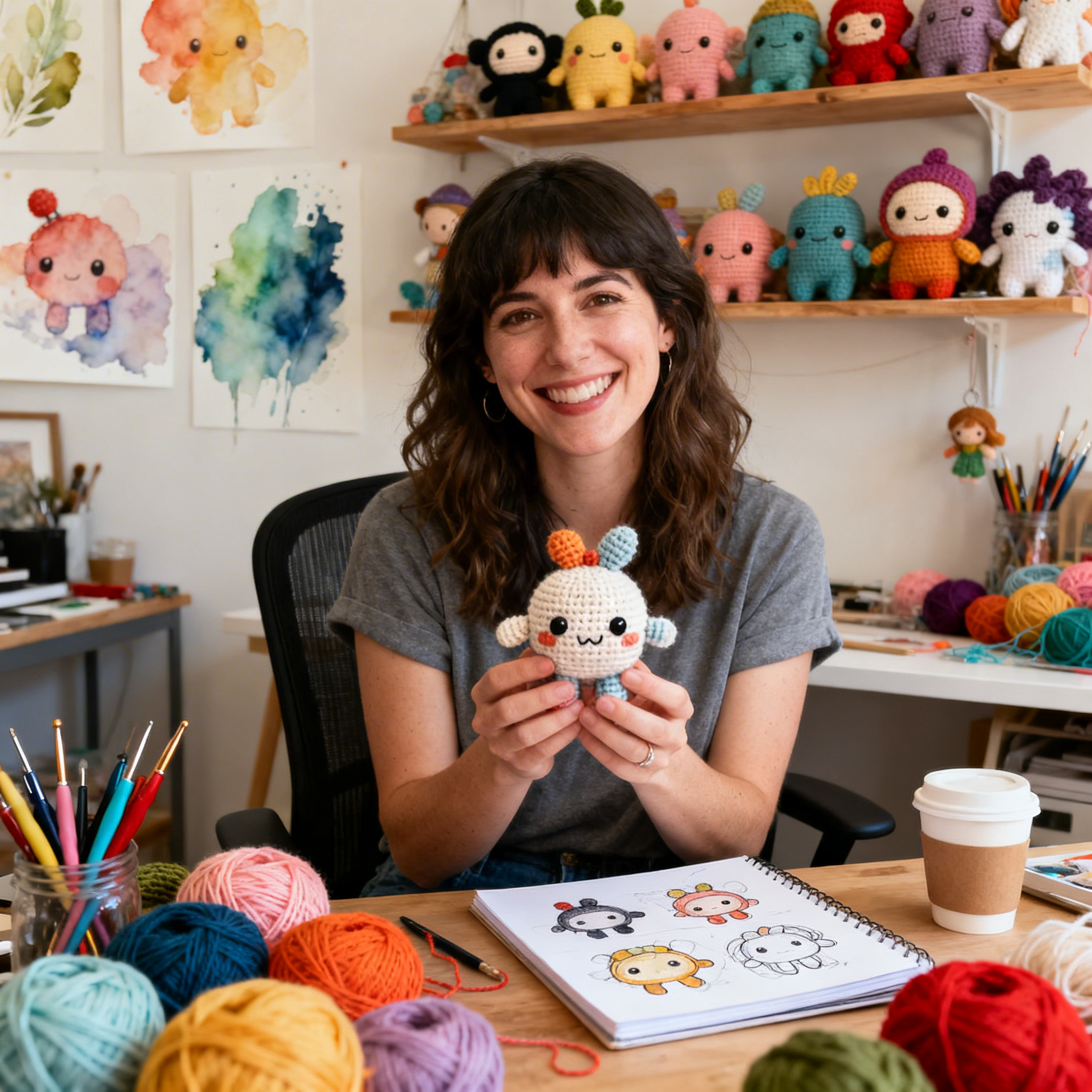
Clara Fern — Crochet Artist & Amigurumi Designer
Clara Fern is a crochet artist and amigurumi designer based in Austin, Texas. With 9 years of experience working with yarn and hook, she transformed a lifelong passion for handcraft into a creative mission: making amigurumi accessible, fun, and deeply rewarding for crafters of all levels.
Clara discovered amigurumi during a trip to Japan in 2017, where she fell in love with the art of bringing tiny characters to life through crochet. Back home in Texas, she spent years studying color theory, design principles, and advanced crochet techniques — developing her own signature style that blends kawaii aesthetics with original character design.
Through maclafersa.com, Clara shares everything she has learned — from choosing the right yarn and reading your first pattern, to designing fully original amigurumi characters from scratch. Her writing is known for being clear, detailed, and genuinely helpful, with no steps skipped and no secrets kept.
When she’s not crocheting, Clara enjoys watercolor painting, visiting local yarn shops, and drinking way too much coffee while sketching new character ideas.