How Limb Length Changes the Personality of Your Character
How Limb Length Changes the Personality of Your Character
Limb length is a quick, powerful cue that can shape how readers perceive a character before a word is spoken. By tweaking the proportions of arms and legs, you control posture, motion, and the first impression they give to the world. This article explores how limb length signals confidence, energy, and personality, and how you can use those cues consistently to deepen characterization.
First Impressions from Limb Length
You notice how a character stands, moves, and holds themselves the moment you meet them. Limb length isn’t just about height; it signals confidence, energy, and how they view their world. When you’re building someone, that first glance should whisper who they are before they speak. Short limbs suggest practicality and steadiness, while long limbs feel expansive and dynamic. Let limb length set the vibe at a glance and stay consistent.
In visual terms, think of limb length as the opening frame of a portrait. It sets a mood before you dive into details like posture, gait, and fit in a scene. If your character is a quiet thinker, pair a compact frame with deliberate, measured movements. If they’re a risk-taker, long, sweeping lines and a generous stride convey that drive to explore. The choice anchors personality—use it with intention and keep it consistent.
As you craft scenes, note how others react to your character. People notice proportions in a crowd and readers will, too. Use limb length to cue relationships: a towering ally can feel protective; a short, sturdy sidekick can feel reliable. The right balance helps your world feel lived-in and makes the character instantly legible. You guide perception with every line you write.
Visual personality cues limb length
Your character’s look sends quick signals before dialogue lands. Limb length can suggest temperament and style in a blink. Shorter limbs give a grounded, practical feel; their movements are tight and efficient. Longer limbs convey openness and agility; gestures are wider, hinting at curiosity and possibility. Use these cues to set expectations about how they handle problems or surprises.
Pair limb length with posture to sharpen the image. A compact build with a straight spine reads as reliable and calm. A taller frame with loose shoulders reads as bold and exploratory. If you want approachability, balance moderate limb length with relaxed posture to soften readers’ judgments. You control the first impression; let limb length whisper your character’s visual personality before dialogue lands.
Attire and environment matter too. Clothing that trails or hugs can exaggerate limb length and emphasize vibe. A long coat on a tall character creates drama; neat, compact clothes on a shorter character reinforce steadiness. Describe moments when the character’s limbs reveal choice—reaching for a high shelf, stepping through a narrow doorway—allowing readers to read personality through motion.
Limb proportions and character traits
Limb proportions map to traits you want your character to show. Short limbs imply practicality, precision, and endurance. They move with deliberate, tight steps, compensating with clever planning and control. This can translate to a dependable, methodical, and slightly stubborn personality.
Long limbs signal ambition, adaptability, and a love of exploration. They cover more ground physically and socially, letting you place them in bigger rooms and ideas. A tall, lanky figure feels like they’re always in motion, thinking on the run. Use these cues to craft conflicts: a long-limbed character may overreach or misread limits, while a short-limbed one may overcompensate with technique or humor. Limb proportions are a shortcut to deeper traits without extra exposition.
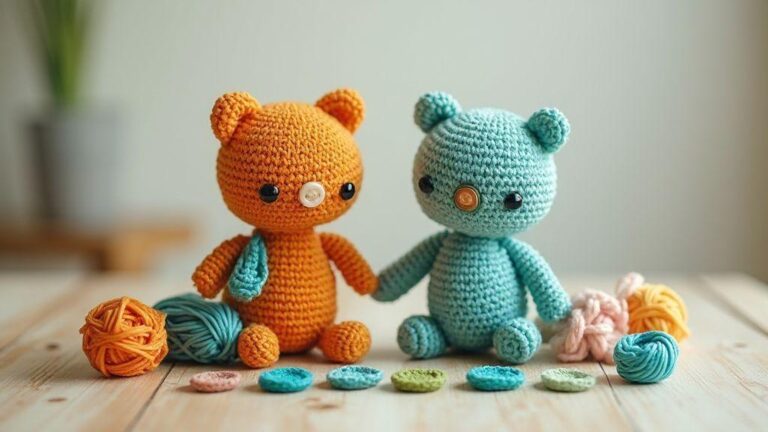
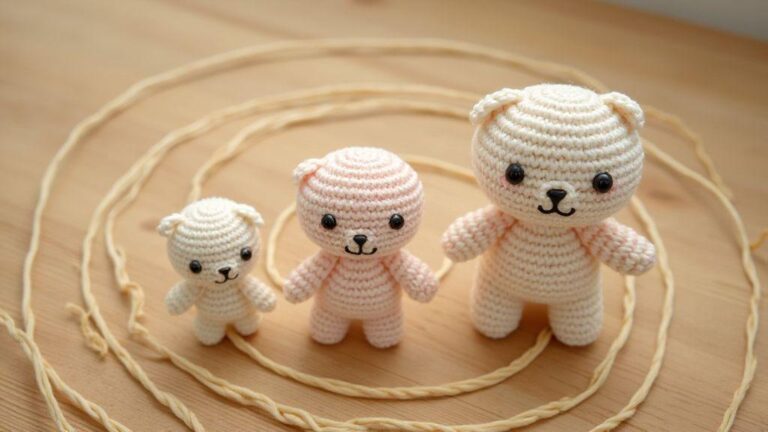
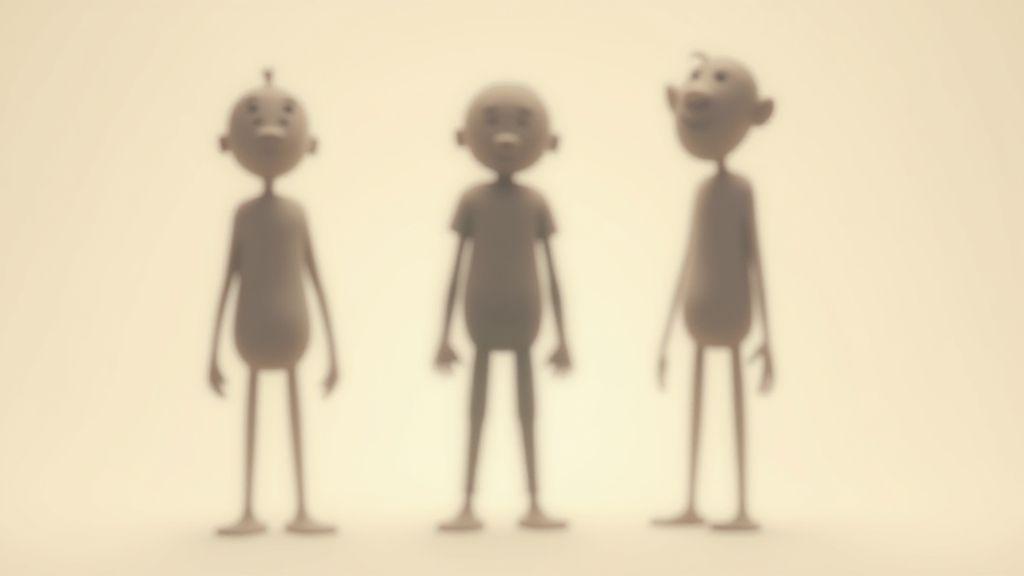
Contrast drives scenes. Put a long-limbed character beside a short-limbed one to spotlight differences in approach and pace. Dialogue can flow from their rhythms, making the moment easier to grasp. Limb length isn’t just anatomy—it’s a tool for shaping behavior, choices, and how they relate to the world.
Quick perception note
Readers form snap judgments based on limb length, posture, and gait within seconds. Plant a strong, clear impression early, then reveal nuance gradually. If you want to pivot perception later, let a small detail—like reaching for something high—reframe the takeaway without crowding the moment.
Make Your Character Look Elegant with Long Limbs
Long limbs can create grace and poise. Slender arms and legs catch light, sculpt clean silhouettes, and lend a refined, almost dance-like presence. When aiming for elegance, consider how length changes your lines—slimmer wrists, longer fingers, taller posture that reads as confident without shouting. Let length do the talking while keeping detail sharp where it matters most.
Pair long limbs with deliberate proportions. Longer limbs exaggerate reach, making poses more fluid. Balance matters: ensure the torso remains grounded so the silhouette feels intentional, not fragile. Test sketches from different angles—side views reveal how leg lines align with the spine; three-quarter views show how arms frame the body. The right balance keeps elegance readable at a glance, even in small thumbnails.
Light interacts with extended forms: long limbs catch highlights along their length, guiding the eye from shoulder to fingertip or hip to knee. Use subtle shading to emphasize taper and avoid chunky masses that kill elegance. The result is a sophisticated feel when long lines lead the eye in a clean, uninterrupted flow.
Long limbs personality perception
Long limbs often signal poise and control. They’re read as self-assured and calm, with extended reach implying ease in handling tasks. If you want more dynamism, let limbs bend with intent—sharp angles in movement suggest decisiveness. Imagine someone reaching for something with a deliberate sweep; that motion communicates confidence without shouting.
Limb interaction with space matters. Open stances feel approachable and in command; tucked limbs read as shy or guarded. For a bold, elegant aura, keep limbs elongated and fluid, allowing joints to settle into gentle curves. Let limb length tell part of the story before dialogue.
Movement and reach signals
Reach is a silent communicator. A long arm across the frame can signal ambition or invitation; a quick whip of a leg signals urgency and grace. Use cues to shape scenes—slow, expansive reaches feel regal; quick, precise motions read as practiced and purposeful. For elegance with energy, mix sweeping gestures with crisp, controlled actions at key moments. Map motion beats where reach stays legible, so readers feel the character’s presence even in still images.
Design notes: highlight elegance with clean lines and minimal clutter. Use continuous curves, subtle joints, and tapering fingertips. Cooler tones on exposed surfaces emphasize length; warmer hues stay near grounded areas to keep length feeling refined rather than separate.
Short Limbs and Sturdiness or Childlike Warmth
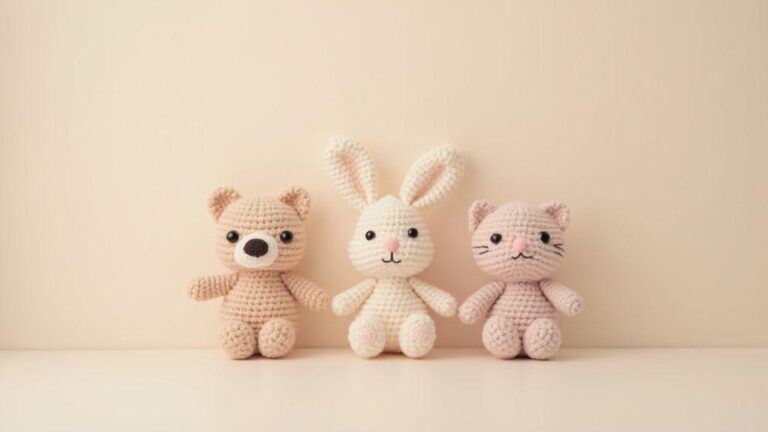
Compact, sturdy characters carry a charming, relatable energy. Short limbs signal practicality, resilience, and a readiness to act without fuss. This makes the character feel approachable and safe, like a beloved toy or loyal companion. Lean into short limbs to convey someone who weathered rough days with steadiness and warmth.
A compact frame reads as grounded in a bustling scene full of taller, flashier figures. Use silhouette to guide the viewer’s eye toward action, showing deliberate movement rather than flamboyance. The result is a personality readers trust, embodied in body language that says, I’m here for you, and I’ll get us there safely.
Pair short limbs with a warm facial expression and soft silhouette edges to create a welcoming presence. It’s not about softness; it’s about reliability with a friendly vibe. This combination gives your design instant emotional depth.
Short limbs character design psychology
Short limbs signal practicality and approachability. A sturdy, low center of gravity emphasizes steadiness and resilience, suggesting a personality that plans carefully and acts when needed. People tend to project warmth onto characters with small, rounded shapes, so soften edges and avoid harsh angles to foster empathy. Short limbs can cue a calm, dependable hero who meets challenges without losing composure. Use small, confident gestures to reinforce this psychology.
Keep a warm, approachable mood across gestures and actions. The audience should feel drawn to lean in and learn their story. Pair physical cues with deliberate behavior—steady steps, small rituals—that reinforce a reliable, kind persona.
Stability and compact posture
A stable, compact posture communicates readiness and endurance. A low center of gravity signals you can handle what comes next. The body language should map intention: a slightly bent knee stance or tucked shoulders can suggest you’re ready to pivot or shelter someone else. A readable silhouette in crowded scenes gives your character an instant sense of reliability.
Styling hint
Choose rounded shapes and soft edges for a welcoming look, paired with shorter limbs to underline sturdiness. Keep clothing practical yet expressive—durable fabrics, reinforced seams, and small details that hint at resilience. Warm earth tones and gentle blues amplify safety around your character.
Styling tricks: compact hood, sturdy belt, or boots with chunky tread communicate readiness without shouting. Accessories should feel useful, reinforcing that your character is built to get things done.
The idea that How Limb Length Changes the Personality of Your Character can guide your sketches—let that phrase steer silhouettes, postures, and outfits. Design to balance reliability with a pinch of charm, inviting readers to know more.
Limb Proportions Guide Action and Ability
You want clear guidance on how limb proportions shape what your character can do and how fast they can move. Reach, leg length, and arm span affect balance, leverage, and stamina. Longer limbs enable faster ground coverage and farther reach; shorter limbs boost control and precision. Use these cues to align design choices with the actions you want the character to perform.
Think of the character as a tool with strengths. For quick speeds, favor longer limbs for broad, fast strokes and longer strides. For heavy lifting or powerful swings, tilt toward proportions that maximize leverage. The goal is to make limbs work as an integrated system, supporting scenes from chase sequences to precise tasks.
A simple rule: longer limbs for broad, dynamic actions; shorter limbs for controlled, repeatable tasks. Tiny changes ripple through posture, tempo, and rhythm—use this to shape believable scenes within your design world.
Limb length influence on behavior
Limb length nudges how they move and react. Longer arms offer more reach and wider escape angles; they tend to sweep with open, expansive motions. Shorter limbs anchor with tighter control, quicker recoveries, and a steadier stance, suggesting a personality that steadies a team and nails precise tasks.
Timing shifts with length. A long-legged stride covers ground in fewer beats, aiding urgency in a chase. Shorter legs slow tempo but allow deliberate steps, ideal for stealth or careful work. Body language, posture, and rhythm convey these differences even without explicit explanation.
Tweaks to cue resilience or vulnerability can shift perception. An unusually long arm relative to the torso might reach opportunities fearlessly or stumble due to pace. Compact limbs can imply a grounded, pragmatic approach—someone who thinks before moving.
Fit for speed or power
Choose limb proportions to support speed or power. Speed-focused builds use longer limbs for broad, fast strokes and extended stride length, creating a light, gliding tempo. Power-focused builds lean toward thicker limbs for strength and leverage, producing heavier, deliberate motions.
Ask: Which moments define the character? If speed wins, push for longer, leaner limbs. If power seals the deal, favor sturdier proportions. Pair the right limb length with the task to keep action feeling earned.
Function-first tip
Test proportions with simple tasks before finalizing the look. Do a quick five-step drill—reach, grab, lift, swing, sprint—for both a long-limb and a short-limb version. Note which actions feel natural and which feel cumbersome. Let results guide your choices to keep movement believable in motion.
Use Limb Length to Amplify Emotion
You control mood by shaping limbs. A leg forward in a tense moment signals urgency; open arms invite trust or show vulnerability. Limb length acts as an emotion dial: small, tight movements signal restraint; long, expansive ones convey confidence or despair. Use this as a primary tool to lock in a scene’s energy.
Adjust tiny details like knee bend or how far a hand reaches toward another character. A short, pressing stance can feel claustrophobic; a stretched pose can imply longing. Readers notice these subtleties faster than dialogue. Keep changes intentional and repeatable so the audience recognizes your character’s body language rhythm.
Pair limb length with posture and facial cues for a composite mood. A relaxed stance with long arms might read as openness, but a tense face keeps the emotion unsettled. You’re crafting a compact visual sentence readers can read without heavy narration.
Limb length emotive expression in characters
Limb length tells a story before dialogue lands. Tall, long-reach figures feel capable; compact figures seem wary or guarded. Map signals to traits: bravery with wide strides, insecurity with tucked elbows. The key is consistency—let limb length align with who your character is across scenes.
When showing emotion through limb length, give readers a quick, visceral cue. A splayed hand can broadcast confidence or dominance; a dropped shoulder and tight palm hints at doubt. A single well-timed pose can carry the weight of a page. Use recurring gestures for each mood to reinforce the pattern.
Quick go-tos: tense moments with rigid arms and a stiff stance; moments of joy with broad, open gestures and a lean into the scene. Keep cues consistent with your character’s voice and backstory so the limb-length language feels earned.
Gesture clarity and mood
Clear gestures cut through clutter. A pointed finger rather than a whole-arm gesture shifts mood from directive to declarative or accusatory. Ensure signals stay legible even if prose moves briskly.
Mood should drive gesture choice. A long, sweeping arm can signal triumph; if the feet are planted and the hand still, the moment signals control rather than celebration. Align gestures with scene beats. Use longer-limb actions for emphasis and compact gestures for tension. Readers should be able to see the mood in the pose, keeping writing vivid without extra fluff.
Practice with a beat sheet mapping moods to limb-length choices. In scenes, pick one or two poses that embody the mood. Signpost the emotion with a visible cue so readers grasp it instantly, even on a skim.
Social Signals: Age, Health, and Culture
Age, health, and culture show up as social signals that anchor realism. Readers notice cues in speech, attire, and action pace. Age adds texture—seasoned ease or fresh jitters. Health signals posture, energy, and recovery time, shaping how they handle stress or danger. Culture threads through etiquette, humor, and interpretation of gestures. Tuning these signals grounds the character in a believable world.
Consider how signals clash or harmonize. An older character may carry wisdom but struggle with new tech. A visibly healthy fighter might move quickly up a climb, while someone with a chronic ailment pauses for breath. Culture shapes etiquette moments—greetings, space, politeness. Layering age, health, and culture creates tension and warmth, guiding readers through stakes in each action. When you weave these signals with purpose, you build a believable world where social signals carry weight alongside plot twists.
Anthropometric signals personality in characters
Anthropometric cues—height, build, muscle tone, gait—shape how readers read your character before dialogue. A tall, broad figure exudes confidence; a wiry frame suggests agility and caution. A limp or brisk walk can convey endurance and history without long exposition. These signals become first impressions and drive initial interactions.
Pair anthropometrics with action. A tall character reaching for a high shelf shows reach; a shorter one navigating a crowded space relies on wit and speed. These anchors help readers visualize scenes and keep pace. Weaving body signals into dialogue and choice creates a vivid personality readers will root for or critique.
Cultural bias and norm cues
Cultural bias and norm cues live in the background until you bring them forward with intention. Characters carry norms in listening, responding, and interpreting. A joke in one culture may fall flat in another; a ritual gesture can unlock trust or close a door. Use small cues—food choices, routines, greetings—to ground scenes.
Let bias inform, not overpower. Show growth or stubbornness as bias surfaces and is challenged by circumstance. Contrast can illuminate character: resisting a norm may be tested by choice. Culture should feel natural, not didactic. Readers stay engaged when cultural cues help solve problems or reveal priorities.
In each scene, notice who notices what and why. Misreadings can create tension or humor, especially for characters from unfamiliar backgrounds. By weaving bias and norm cues with purpose, you deepen relationships and sharpen decisions toward the character’s growth and story direction.
Research-backed note
Understanding how cultural norms shift with time and place helps craft authentic scenes. Ground choices in observed patterns rather than stereotypes, citing concrete examples—greetings across generations, or health assumptions shaping interactions in public spaces. This credibility keeps readers immersed.
Cast Roles Fast with Limb Shapes
Limb proportions help shape characters quickly. Use limb shapes as the script you don’t need to write aloud—the way a character moves reveals who they are. Bold silhouettes help readers spot roles at a glance, so keep contrasts in limb length and width obvious and consistent. Motion should communicate role; a long, slender limb set reads as agile and clever, while stubby limbs read as resilient or stubborn. Test silhouettes against quick sketches to decide hero, villain, or comic cues.
Limb shapes aren’t cages—mix traits to surprise readers. A tall, wiry hero might move with surprising clumsiness; a compact villain can exaggerate every gesture. The best casts come from intentional contrasts. Let readers learn why a character moves as they do.
Role shortcut
If pressed for time, assign one dominant limb trait to define the role and layer a secondary trait to keep it interesting. For example, hero with notably long legs for speed plus a grounded torso; villain with elongated arms and a heavy jawline; comic with one exaggerated limb proportion and a contrasting feature. This keeps design fast and readable while allowing subtle variation.
Animation and Rigging Limits by Limb Size
Limb size sets the rules for animation flow. Big limbs feel powerful but are harder to pose in tight spaces; small limbs move quickly but can look light or fragile. Expect limits in reach, swing, and pose exaggeration. Plan around limb size early to keep silhouettes readable and believable.
Treat limb size like a constraint, not a disguise. Long arms may need longer tween times to sell a punch; short limbs require tighter arcs and quicker transitions. Maintain a consistent rhythm across actions so the character reads well in all frames. Think of limb size as a musical score that guides tempo and emphasis.
Joint placement and motion range
Joint placement affects pose readability. For long limbs, place joints slightly apart to avoid a stretched look; for short limbs, keep joints closer for crisp bends. Longer limbs benefit from broader arcs in big actions; short limbs excel in tight curves and quick shifts. Test extremes to ensure a believable silhouette, and adjust IK handles as needed.
Joints communicate personality through movement. Authority should feel reinforced by placement; a goofy vibe can arise from playful overshoots while staying true to the character. Keep movement readable and grounded in limb size.
Rigging for long vs short limbs
Rigging long limbs requires more falloff in weight and controlled deformers. Plan exaggeration limits early; longer control curves keep midsagittal stability in dramatic poses. Rig smooth motion to avoid a noodle look.
Rigging short limbs needs tighter deformation zones and crisp bends. Moderate twist limits and micro-joints maintain clarity in rapid poses. Processing limits matter: short limbs may require more frequent pose snapshots, so ensure the rig handles quick keying without jitter.
Across sizes, align rigs with personality. A heroic figure benefits from forgiving rigs; a mischievous character can carry subtle wobble. The goal is consistency so readers feel the same character in every frame.
Performance tip
Build a size-aware library of poses. Save archetypes adjusted for long and short limbs, then swap limb sizes to test silhouette and timing. Keep pose keys to two or three strong arcs per limb length; test in silhouette first to confirm readability.
Performance tip
In extreme actions, watch weight and gravity. For long limbs, exaggerate torso weight shifts to sell the stretch; for short limbs, emphasize tight core movement to imply force without overextending. Balance preserves personality within rig limits.
Test, Iterate, and Measure Limb Effects
You shape character perception by testing how limb length reads. Run quick tests to see how readers respond to different cues, then refine to sharpen the personality. Use data and intuition together to catch misreads early and keep the vibe authentic. Set clear test goals like does a longer forearm read as hands-on? or does a shorter leg convey speed and shyness? Keep tests simple, repeatable, and fast. If a version feels off, pivot with confidence.
Document changes and link them to reader perception. Log observations, note which limb cues align with the desired personality, and plan the next tweak. This cycle keeps your design honest: it’s about what readers read, not just what you intended. With consistent testing, the final look feels inevitable, and readers will say, Of course—that’s who they are. That clarity is the real win for your character’s voice.
User tests on limb perception
Start with a small, representative group and present options that differ only in limb dimensions. Ask simple questions like: Which version reads as more confident? or Which reads as kinder or more stubborn? Use fast feedback to lock in authoritative signals and test again with a tweaked prompt. If longer limbs read as more authoritative, test further variations to confirm.
Watch for nuance: longer limbs can seem capable but distant. If readers miss the intended trait, adjust pose, gesture, or clothing to align with the limb changes. The goal isn’t a single read but a believable personality formed by silhouette, proportion, and behavior. Keep tests short, questions sharp, and observations actionable.
Document readings and tie them back to the core question: How Limb Length Changes the Personality of Your Character. If a result surprises you, retest with a different stance or prompt. The reader’s gut reaction is your compass, mapped into a design true to your character.
Metrics for how limb length affects character personality
Create a simple scale for traits like confidence, warmth, approachability, and aggression. Score each version after quick prompts to build a read map linking limb proportions to personality impressions. Track consistency across scenes, and note how much of the read comes from limbs alone versus the full silhouette. Use these insights to guide refinements and defend design choices with data.
Keep a simple, repeatable framework: test, measure, and iterate. Use the results to decide where to invest future tweaks, always aligning with the core idea of How Limb Length Changes the Personality of Your Character.
Simple A/B test method
Test two versions at a time with other variables constant. Show versions A and B in the same scene and ask which reads as more of a given trait. Use a two-question survey focused on one or two signals. If Version B wins, advance it to the next scene and retest. If Version A wins, stay or try a small adjustment to Version B. Keep samples small but representative and run several rounds to confirm trends. Tiny changes in limb length can shift how readers perceive a character, and A/B tests prove which shift lands best.
Clara Fern — Crochet Artist & Amigurumi Designer
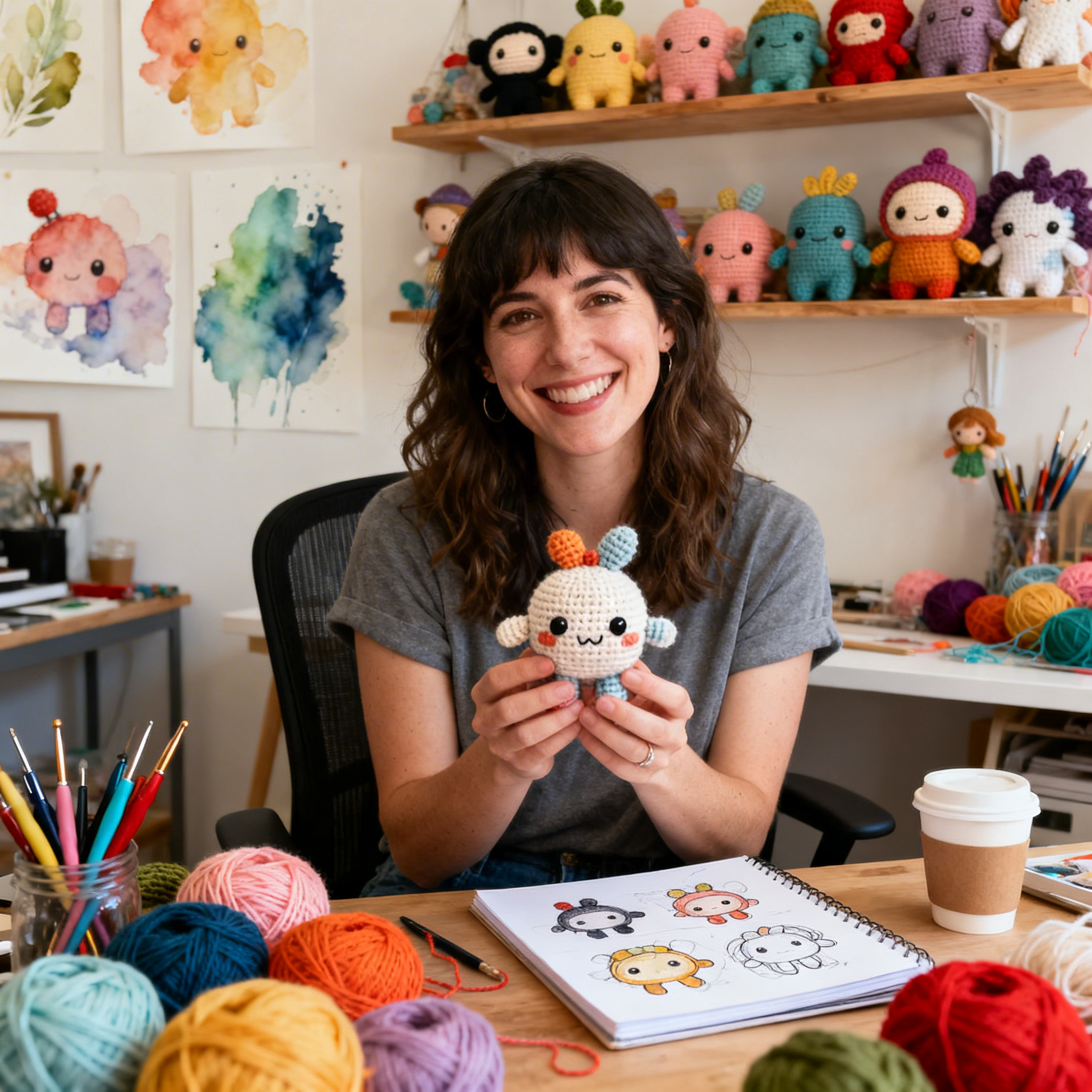
Clara Fern is a crochet artist and amigurumi designer based in Austin, Texas. With 9 years of experience working with yarn and hook, she transformed a lifelong passion for handcraft into a creative mission: making amigurumi accessible, fun, and deeply rewarding for crafters of all levels.
Clara discovered amigurumi during a trip to Japan in 2017, where she fell in love with the art of bringing tiny characters to life through crochet. Back home in Texas, she spent years studying color theory, design principles, and advanced crochet techniques — developing her own signature style that blends kawaii aesthetics with original character design.
Through maclafersa.com, Clara shares everything she has learned — from choosing the right yarn and reading your first pattern, to designing fully original amigurumi characters from scratch. Her writing is known for being clear, detailed, and genuinely helpful, with no steps skipped and no secrets kept.
When she’s not crocheting, Clara enjoys watercolor painting, visiting local yarn shops, and drinking way too much coffee while sketching new character ideas.