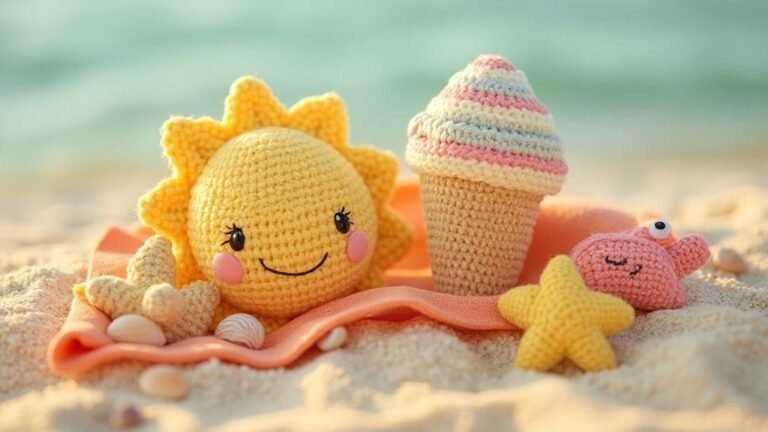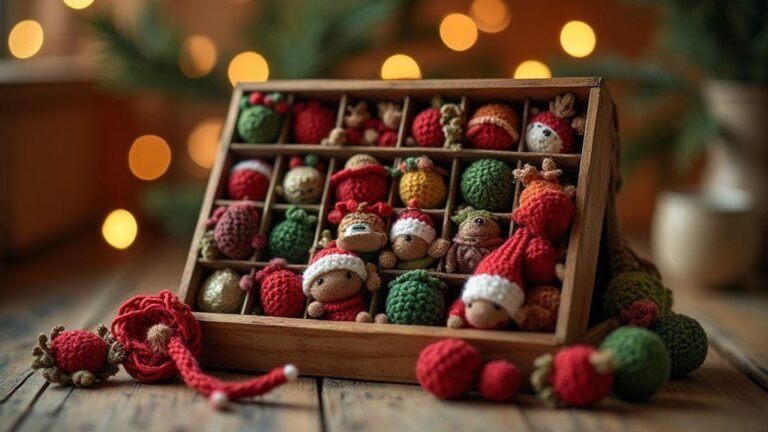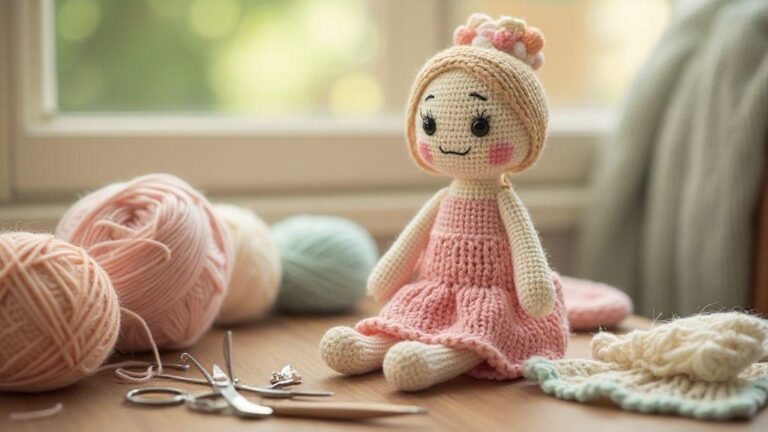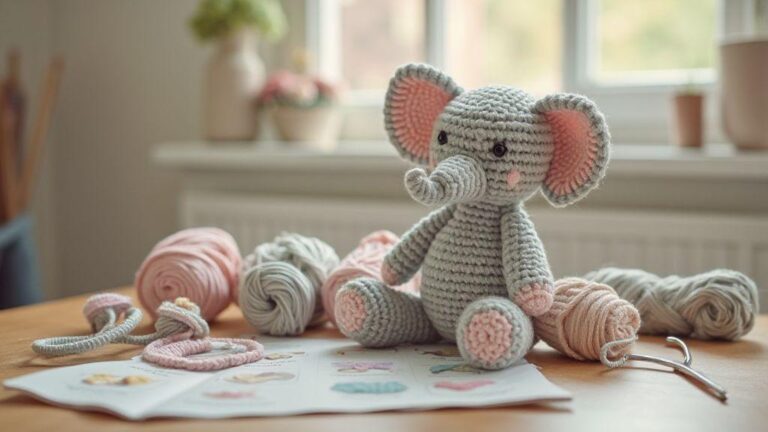
Roundup: The 15 Best Free Amigurumi Patterns for Beginners in 2025
What the roundup covers
You’re about to dive into a carefully chosen list of beginner-friendly amigurumi patterns. Each pattern is free, easy to follow, and designed to help you build confidence as you stitch. You’ll find dolls, animals, and simple character figures perfect for practicing basic shapes, increases, and decreases. This section explains what to expect and why these picks stand out. You’ll notice a mix of small and larger projects so you can pick what fits your mood and yarn stash. The goal is a solid starting point that keeps you excited and coming back for more.
You’ll also see notes on what you’ll need for each pattern—hook size, yarn weight, and other supplies—so you can plan a single session or a weekend project. If you’re unsure about a stitch, this roundup points you to patterns with clear technique explanations, beginner-friendly photos, or step-by-step instructions. By the end, you’ll feel ready to pick a pattern, gather supplies, and start stitching with confidence.
Lastly, these picks stay true to the beginner spirit: approachable, forgiving, and fun. No unfamiliar fancy stitches—just friendly shapes, simple color changes, and quick wins that give you fast progress. You’ll finish with a cozy toy you’re proud to show off and skills you’ll reuse next time.
Roundup: The 15 Best Free Amigurumi Patterns for Beginners in 2025
You’ll find 15 patterns chosen for ease and clear instruction, spanning dolls, animals, and character figures. For each pick you’ll see why it works for beginners, what you’ll learn, and what you need to get started. Some include photos, videos, or extra tips to smooth the process. This isn’t about perfection on the first try—it’s about building confidence stitch by stitch so you can finish something cute and be ready for a tougher pattern next.
Some patterns are small and quick; others let you practice shaping with a few simple parts. You’ll see a mix of yarn textures and colors to experiment while staying simple. If you’re unsure where to begin, start with the easiest option and graduate to a slightly more complex one. Your technique will improve after a handful of practice projects.
Free amigurumi patterns 2025 at a glance
You’ll get a quick tour of year’s picks: all free and beginner-friendly, with clear instructions and tips that help new crocheters. The variety includes small critters, friendly dolls, and simple character shapes—perfect to match your vibe. This at-a-glance view helps you decide fast what to start today.
You’ll also notice practical details like yarn suggestions and hook sizes tucked in the notes. Those reminders keep your project moving, so you don’t pause to hunt for supplies mid-row. If you’re juggling several options, this snapshot helps you choose based on how quickly you want results or how many color changes you’re ready to handle.
Why these picks matter
These choices are designed with beginners in mind. Each pattern breaks down steps clearly and avoids overwhelming you with complex stitches. You’ll build confidence as you finish basic shapes and layer on more details. The goal isn’t perfection; it’s progress you can see in a cute finished toy. This is how you turn a simple project into real learning and real fun.
How you pick beginner friendly amigurumi patterns
You want patterns that are gentle to start with, but still fun enough to keep you motivated. Look for patterns labeled beginner or easy, with simple shapes and minimal color changes. Start by scanning the photo and notes: if the project shows big, obvious seams and a small stitch count, that usually means it’s beginner friendly. Patterns that break the work into clear, repeatable steps are the ones you can reliably finish without frustration.
Next, check your own comfort level. If you’re still learning to crochet, pick patterns that use only single crochet stitches in the rounds, and avoid patterns that jump into complicated increases or color work too soon. A good beginner pick will give you a sense of accomplishment in a short time, so you stay excited to try the next one. As you grow, you’ll start spotting patterns that add just a bit more challenge, and that’s when you’ll level up.
Keep a small stash of easy basics you already know, like a simple round head or a basic bunny shape, and use those as templates. When you see a new pattern, think, Can I reuse a part I already know how to make? This helps you build confidence quickly. And don’t hesitate to skip techniques you’re not ready for, replacing them with your own simple version. Your goal is to finish, not to perfect every detail.
Spot the best amigurumi patterns for beginners
Look for patterns that clearly outline the basic pieces first, with plain wording and step-by-step instructions. Patterns that include a photo or diagram for each part help you visualize what you’re making and reduce guesswork. You’ll find the best beginner patterns give you a tiny, friendly project to finish in one sitting, like a small animal or a cute doll head.
Also, favor patterns that use a simple color palette and limit color changes. Fewer balls of yarn to juggle equals fewer places you can trip up. If a pattern explains each color change in a short, clear line, that’s a big plus. You want a pattern that feels doable, not intimidating. When you see this combination—clear steps, simple colors, and a quick finish—you’ve found a winner.
Finally, check the pattern’s supplied tips. The best beginner patterns include notes on tension, common mistakes, and how to fix a loose stitch. These tips save you from unraveling hours of work and help you learn faster. If a pattern hides its difficulties behind fancy jargon, keep looking.
Look for short, clear stitch lists
A short stitch list is your best friend as you start. It keeps you focused and stops you from feeling overwhelmed. Prioritize lists that only mention the stitches you already know and repeat in easy rounds. You’ll enjoy a smoother ride when you can pair each line with a quick, repeatable motion you’ve practiced.
Clear lists also label rounds or rows precisely. You want to know exactly where to stop and how many stitches you should have. When you see a pattern that states, R1: 6 sc in magic ring; R2: 2 sc in each stitch, you’re getting into a rhythm that builds confidence fast. Short lists reduce mistakes and make it easy to track your progress.
If a pattern uses abbreviations you don’t recognize, skip it or look up the terms before you start. You shouldn’t need a dictionary to crochet a simple bear or cat. The best outcomes come from straightforward language that you can follow aloud while you crochet.
Use pattern skill labels
Skilled labels help you pick wisely. Patterns that label difficulty—like Beginner, Easy, or Level 1—signal you’re in the right lane. You’ll save time by sticking to those labels as you grow. When you see a clear skill label, you know what to expect in terms of stitches and technique.
Tools and yarn you need for easy amigurumi
You’ll get started faster when you have the right tools in one place. Gather a few basics, and you’ll see how easy it is to create cute dolls, animals, and characters. Your goal is to keep everything simple and comfy, so you won’t feel overwhelmed by fancy gear. The most important thing is to have clean, dependable tools that stay in good shape as you practice. You’ll notice a big difference in how your stitches look when your hooks glide smoothly and your yarn doesn’t fray.
A simple set means one or two crochet hooks in common sizes, a blunt tapestry needle for sewing parts, and a small pair of scissors. Pick a few stitch markers to mark your rounds; you’ll stay on track and avoid losing count on tight rounds. A light, bright lamp helps you see stitches clearly, especially for tiny amigurumi. For stuffing, keep a small bag of polyester fiberfill handy. It’s soft, easy to shape, and won’t clump. When you don’t have a fancy kit, you can start with what you already own and add items later as you get comfy.
You’ll save time when you buy a few carefully chosen extras that don’t break the bank. A stitch count gauge isn’t essential, but it can be handy if you want to copy a pattern exactly. A small container to sort beads, eyes, and tiny accessories keeps your desk neat and your pieces free of missing parts. If you ever mail a friend a little doll, a few zip bags help you keep parts organized. Keeping your tools organized helps you enjoy the process and finish more projects.
Must-have hooks, stuffing, and needles
You must have a reliable hook that feels good in your hand. A size range from E to G works for most beginner patterns, but you’ll need to match the hook to your yarn weight. A smooth hook helps your stitches stay even, and a comfortable grip keeps your hand from getting tired. If your hook feels sharp or rough, switch it out; comfort matters when you’re stitching for fun or a little deadline.
For stuffing, choose a fluffy, fiberfill option. You want your pieces to hold shape without looking lumpy. Start with small amounts and add gradually, shaping as you go so your doll or animal ends up balanced and cute. You’ll also want a blunt tapestry needle to sew parts together and weave in ends cleanly. A dull needle is safer and easier to guide through stitches without splitting yarn.
Needles aren’t just for sewing. You’ll use a yarn needle to weave in ends and to attach tiny eyes or noses. Having a few extra sharp points isn’t necessary; a couple of blunt needles do the job and reduce snagging. If you only have a regular sewing needle, you can still make it work, but a proper tapestry needle makes finishing smoother and quicker.
Choose yarn weight for simple amigurumi patterns
Start with lighter yarn, like fingering or DK weight. Lighter yarn shows your stitches clearly and helps your shapes stay neat. You’ll find it easier to see where to place increases and decreases, which is perfect when you’re learning. As you practice, you can experiment with thicker yarn, but keep your first projects simple so your pieces stay proportional and adorable.
For beginners, a medium-weight yarn (DK) is forgiving. It grips the hook well and doesn’t slip through stitches as much as finer yarn can. Choose a solid color yarn for your first patterns; you’ll spot mistakes faster and fix them without frustration. If you want to add texture later, you can try a lightly textured yarn, but stick with the basics at first to build confidence.
Keep a starter kit
Put together a small starter kit you can grab at a moment’s notice. Include a few hooks (sizes needed by your chosen patterns), a couple of yarn skeins in light colors, a bag of stuffing, a tapestry needle, and a couple of stitch markers. Keep your kit in a sturdy box or bag so you can take it anywhere and pick up a project when you have spare time.
You’ll benefit from labeling your kit items with simple notes like for round 2s or tiny parts only. This helps you stay organized and saves time when you’re mid-project. When you finish a project, return the tools to the kit so you’re ready for your next easy pattern, and you won’t lose a thing.
Follow easy amigurumi tutorials step by step
Amigurumi can feel tricky at first, but you’ll get it by breaking it into small steps. You start with simple shapes, like a round ball for a head or a little oval for a body, then add a face or tiny arms. When you follow a tutorial, you’ll see a clear pace: single stitches, then increases, then decreases. You’ll notice your work becomes smoother as you practice. Each step builds your confidence, so you feel ready to move on to a new pattern or a tiny character. Keep your yarn tension steady and pause when you need to check your stitch count. If a step seems confusing, rewatch a part of the video or re-read the photo guide. You’ll be surprised how fast your hands learn the rhythm.
You’ll also learn to swap yarn colors without wrecking the shape. Copying a tutorial exactly helps at first, but soon you’ll adapt it. Maybe you want a panda with red cheeks or a kitty with blue ears. The core is the same: start small, increase to form a round shape, then decrease to close the piece. These tutorials guide your hands and mind, so you don’t feel overwhelmed. As you complete each step, you’ll notice your stitches become even and your rounds more precise. That momentum keeps you going to tackle more complex patterns later.
When you finish a tutorial, you’ll have a tiny achievement you can show off. Your first doll, animal, or character will feel personal because you made it. With practice, you’ll move from coffee-stained notes to clean, written steps you can follow again. Your confidence grows as you compare your work to the photo guides and see how small details—like a nose or a tiny bow—spark life into your amigurumi. Remember, every master started with simple steps like these.
Use simple amigurumi patterns step by step guides
A simple pattern guide starts with a basic loop and a few rounds of single crochet. You’ll learn to keep count and maintain a tight fabric so your stuffing doesn’t show through. As you follow along, you’ll see shorthand like RND for rounds and inc for increases become familiar. When you finish the first ball, you’ll add a small neck or head shape to turn it into a character piece. These guided steps help you build a solid foundation you can reuse for many patterns.
These guides often include a photo sequence for each round. Photos help you verify your stitches and keep your tension consistent. If you get stuck, pause at the round you’re on and compare your stitches to the picture. Before long, you’ll recognize patterns: how a single increase makes a larger round, or how a decrease shrinks the piece smoothly. You start trusting your hands to do what your eyes saw in the tutorial, which makes learning faster and more enjoyable.
You’ll also see tips on finishing touches, like weaving in ends and attaching limbs. A little tip here or there saves you from fuzzy ends and loose pieces later. By following the steps, you’ll create reliable parts that fit together nicely. When you complete a simple pattern, you’ll feel ready to try a tiny animal or a cute character next, building your skill with each project.
Watch easy amigurumi tutorials and photo guides
Watching a video helps you catch motion your eyes miss in a photo. You’ll see how the hook enters the loop, how tight the stitches should be, and how the piece grows round by round. A good tutorial will slow down at tricky parts, like shaping ears or adding a smile. When you hear the rhythm of the stitches, you’ll feel more confident to try it yourself. Pair the video with the photo guide so you can pause and compare each step.
Photo guides give you a step-by-step snapshot of the exact stitch and placement. They’re handy when you want to double-check your work without playing a video from start to finish. You can save a photo guide and revisit it as you work on your doll or animal. Between video and photos, you’ll have a clear map from start to finish, which makes learning easier and faster.
If you’re short on time, you can watch a short clip first, then read the written steps and study the photos. Consuming information in different formats helps you remember the moves better. Soon, you’ll recognize patterns in tutorials you watch: a common way to form the head, or how creators place ears to balance the figure. Your brain links the motion to the outcome, so you’re ready for your next project.
Best amigurumi animal patterns free for beginners
You’re just starting out, and you want warm, simple projects that build your confidence. These free patterns keep things easy with basic stitches, clear shapes, and forgiving progress. You’ll find animals that are cute but not complicated, so you can practice tight joining, color changes, and stuffing without getting overwhelmed. Look for patterns that use straightforward rounds, simple ears, and little accessories. As you try each one, you’ll notice your tension improves and your stitches become more even. This is how you build momentum—one friendly critter at a time.
When you pick your first amigurumi, choose a small project with minimal color changes. A tiny panda or bunny lets you master the magic ring, increasing and decreasing, and finishing with a neat seam. Keep your hook size consistent with the pattern’s recommended gauge, and don’t rush the stuffing. You want a cuddly shape, not a lumpy one. If you ever feel stuck, pause, count your stitches, and compare your rounds to the pattern. Small adjustments now save frustration later.
As you explore these patterns, you’ll also learn what makes a pattern beginner-friendly: clear abbreviations, simple body parts worked in order, and a few finishing touches that bring your critter to life. You’ll enjoy the process as much as the finished toy. And remember, every creator starts with a few scrappy stitches before they find their rhythm.
Top amigurumi animal patterns free you can try
You’ll start with a classic small bunny, the easiest shape to get right because the ears aren’t too tall and the body is compact. Look for a pattern that uses a simple magic ring, then a few rounds of single crochet, followed by minimal color changes. When you stuff, do it in small amounts and shape gently so the bunny stays soft and huggable. This one teaches you how to join limbs cleanly and how to close the head with a neat seam. It’s the kind of project that makes you say, I can do this, after just a few rounds.
Next, try a little bear or fox with a round head and stubby limbs. Patterns like these often use tiny pieces that you sew on, which is perfect for practicing color changes and embroidery for eyes. The key is to keep your stitches snug and your stuffing well distributed, especially around the head. If you choose a fox, you’ll learn how to form pointy ears without turning them into lumpy triangles. This is a gentle step up from the bunny and helps you grow your technique while staying friendly to your hands.
Another solid option is a compact kitty with a straight body and tiny tail. This project teaches you how to work in the back loops only to create texture, and how to add whiskers or eyes with safe methods. Keep your tension even, and don’t overfill the tail. With a few rounded curves and a few simple color changes, you’ll feel steady progress. These patterns reinforce the basics and give you a small victory you can carry into larger creatures.
Safety and sizing for stuffed animals
You want your amigurumi to be safe for kids and pets, so always check the recommended age and materials on each pattern. Use soft, non-toxic yarn and tightly weave seams so stuffing doesn’t peek through. Keep an eye on the stuffing amount—too much can stretch stitches, while too little can leave gaps. A well-finished piece feels sturdy in your hands and stands up to gentle play.
Measure your final toy and compare it to the pattern’s listed size. If it’s a touch smaller or larger, adjust your hook size or the number of rounds slightly, but do so gradually. This keeps the overall shape intact while matching your own tension and gauge. Always choose a yarn color that hides a few mis stitches, and consider using a stitch marker to track rounds accurately.
Finish with safety eyes or embroidery
If you’re new to eyes, start with embroidery for a soft, kid-friendly look. Stitch tiny dots or simple brows with dark yarn or contrasting color, and practice making neat, even stitches. If you opt for safety eyes, insert them before you close the head and secure the backing tightly so they don’t wiggle loose. Test fit before final closing, and use a bit of yarn or a small felt patch behind the eye for extra security. This final touch defines your character and boosts your confidence in the finish.
Where to find more amigurumi beginner projects free
You want more free patterns you can actually finish, right? Start by looking for beginner-friendly patterns that explain stitches clearly and include photos for each step. Free projects often feature simple shapes you can reuse, like a small doll head or a basic animal body. When you find a pattern that feels doable, bookmark it and try one small detail first, then add on as your confidence grows. This keeps you from feeling overwhelmed and helps you enjoy the process while you learn.
Next, check for patterns labeled as beginner or level 1 on crochet sites. Those usually break things into short steps and show progress photos. If you want a mild challenge, pick one with a tiny color change or a simple facial feature. You’ll be surprised how much you learn by expanding a familiar shape. Look for projects that use common stitches like single crochet and increasing rounds so you don’t need a library of specialized terms.
Finally, try combining patterns you already like into a mini collection. For example, a basic cat, a bear, and a tiny doll share simple round shapes. You can tweak colors and clothes to make them feel unique. This practice makes pattern reading and crochet math more comfortable. As you keep exploring, you’ll notice your confidence grows and you spot new free patterns that fit beginners.
Use amigurumi patterns roundup lists and blogs
You already know roundups are handy. A good roundup gathers several beginner-friendly patterns in one place, saving you time and narrowing your search. When you read a roundup, skim for patterns that use familiar stitches and simple assembly. If a roundup explains each step and shows progress photos, that’s a big win for your learning curve. You’ll feel less stuck and more capable as you move from one small project to another.
A quality roundup often links to full tutorials with tips, photos, and troubleshooting in one place. This helps you compare different styles—like a cute teddy vs. a quirky monster—so you can choose what fits your mood that day. If you prefer a specific character or animal, pick roundups that group those themes together. It’s like having a mini library of low-pressure projects you can rotate through.
Look for roundups that mention beginner-friendly terms and list the skill level at the top. That way you know what you’re getting into before you start. If you find a roundup titled Roundup: The 15 Best Free Amigurumi Patterns for Beginners in 2025, you’ve landed on a treasure trove. It’s a quick way to discover fresh ideas without chasing every single blog.
Join groups for free crochet amigurumi patterns
Joining groups gives you access to free patterns shared by other crafters who are happy to help. In groups, you’ll see patterns explained in real comments, plus tips from people who’ve already finished the project. You can ask questions like, What yarn did you use for this? or How many rounds did you do for the head? and get practical answers. That support can save you a lot of trial and error and keep you motivated.
Groups also offer challenges and themed prompts. When you see a thread about a doll you want to try, you can follow along with others and share your progress. Seeing someone else’s version can spark new ideas for color choices or small details. If you’re shy about sharing your early attempts, remember that most people are encouraging, and your work might inspire a beginner just like you.
If you’re not sure where to start, ask for pattern links or recommended beginner-friendly patterns in the group intro post. Most members will drop a few favorites that match your skill level and interests. You’ll quickly build a little circle of pattern resources you can trust, making your crochet journey feel less lonely and much more doable.
Save favorites and bookmarks
Saving your favorites is the fastest way to build your own mini library. When you come across a pattern you love, click save or bookmark it, so you can return without hunting again. Create simple folders like Dolls, Animals, and Characters to keep things organized. A quick save means you can glance at what you’ve collected, then pick a project that fits your mood for the day.
Keep a running list of patterns you want to try next. Jot down what you like about each one—color palette, size, or stitch focus—so you choose plans that match your goals. Bookmarking also helps you track your progress and see how your crochet skills improve over time. You’ll feel proud when you look back and see how many beginner patterns you’ve completed.
Spotlight: Roundup focus for beginners
For a compact, ready-to-use library, consider Roundup: The 15 Best Free Amigurumi Patterns for Beginners in 2025. This curated collection keeps selection simple, with clear instructions and little jargon. It helps you build a reliable starter toolkit and a growing repertoire of cute projects you can finish with confidence. If you’re gathering ideas for your next sessions, this roundup is a practical reference you’ll return to—Roundup: The 15 Best Free Amigurumi Patterns for Beginners in 2025.
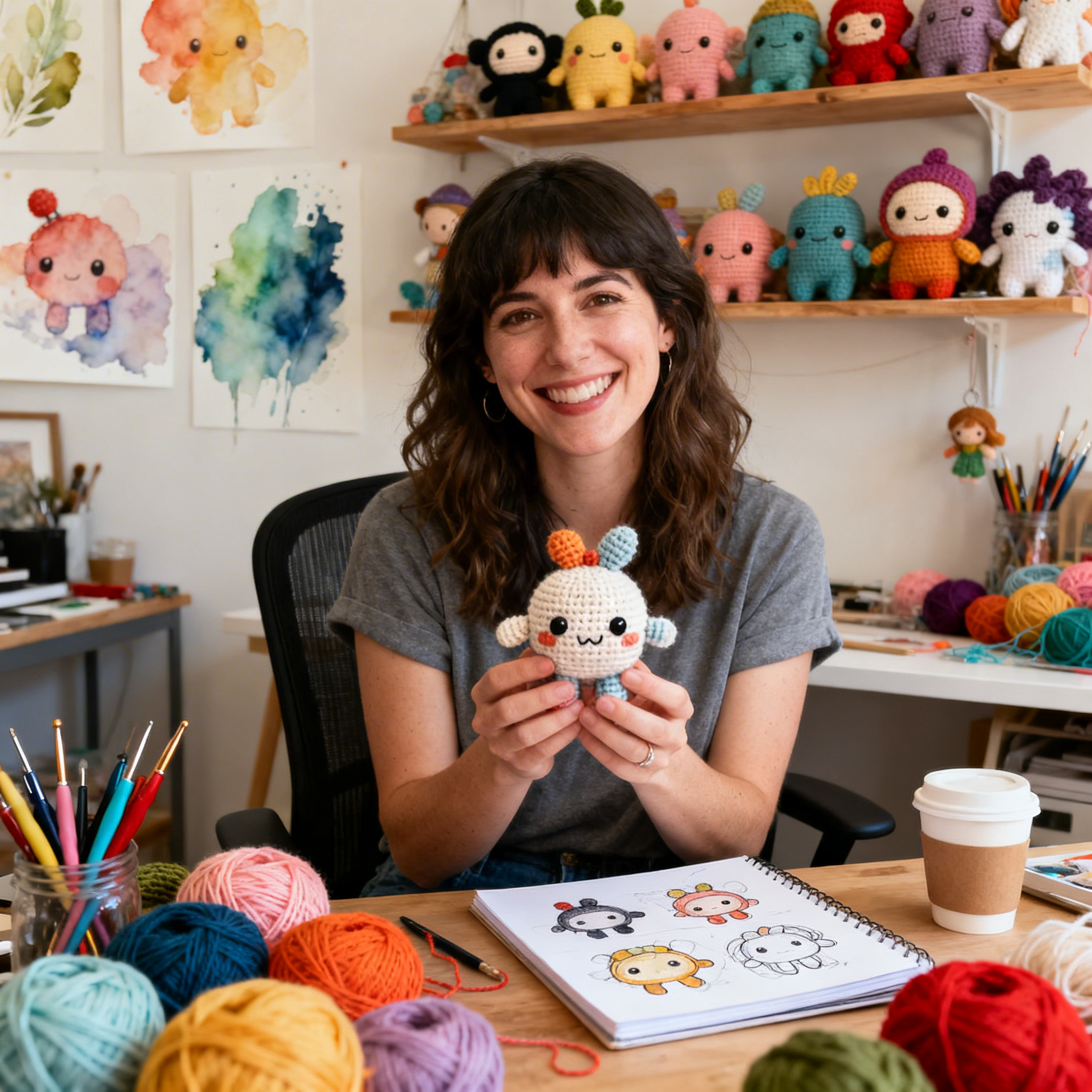
Clara Fern — Crochet Artist & Amigurumi Designer
Clara Fern is a crochet artist and amigurumi designer based in Austin, Texas. With 9 years of experience working with yarn and hook, she transformed a lifelong passion for handcraft into a creative mission: making amigurumi accessible, fun, and deeply rewarding for crafters of all levels.
Clara discovered amigurumi during a trip to Japan in 2017, where she fell in love with the art of bringing tiny characters to life through crochet. Back home in Texas, she spent years studying color theory, design principles, and advanced crochet techniques — developing her own signature style that blends kawaii aesthetics with original character design.
Through maclafersa.com, Clara shares everything she has learned — from choosing the right yarn and reading your first pattern, to designing fully original amigurumi characters from scratch. Her writing is known for being clear, detailed, and genuinely helpful, with no steps skipped and no secrets kept.
When she’s not crocheting, Clara enjoys watercolor painting, visiting local yarn shops, and drinking way too much coffee while sketching new character ideas.