Free Spring Amigurumi Patterns: Flowers, Chicks and Lambs
Why choose Free Spring Amigurumi Patterns: Flowers, Chicks and Lambs
These patterns blend simplicity with charm, offering clear steps and helpful tips to finish stitches neatly. Flowers, chicks, and lambs feel bright and cozy, like a small spring garden you can hold. Finished pieces bring soft texture and gentle smiles to life, and the approachability makes them great for beginners. You can mix colors, sizes, and expressions to fit your style, and since they’re free, you can try several ideas without cost—perfect for experimentation.
How these free spring amigurumi patterns save you money
Skip pricey kits and tutorials. Use yarn you already have, and follow exact stitches and sizes to minimize waste. Reuse scraps and adapt colors you own to keep costs down. You’re free to swap weights and hues, building a charming collection of flowers, chicks, and lambs without breaking the bank.
Best uses for your flowers, chicks and lambs
These tiny amigurumi work as decor, gifts, or cheerful desk companions. A small bouquet in a mug, a chick in a basket, or a pair of lambs on a shelf can brighten any space. They’re also thoughtful handmade presents that are easy to personalize with color and expression. Great for practicing texture and form, they help you master shaping rounds, petals, and beaks while staying adorable and durable.
Quick list of what you need
- Yarn in spring colors, plus a small amount of contrast for details
- A crochet hook that matches your yarn
- Safety eyes or embroidery for eyes, plus a needle for weaving ends
- Stuffing and scissors
Your essential materials for spring amigurumi
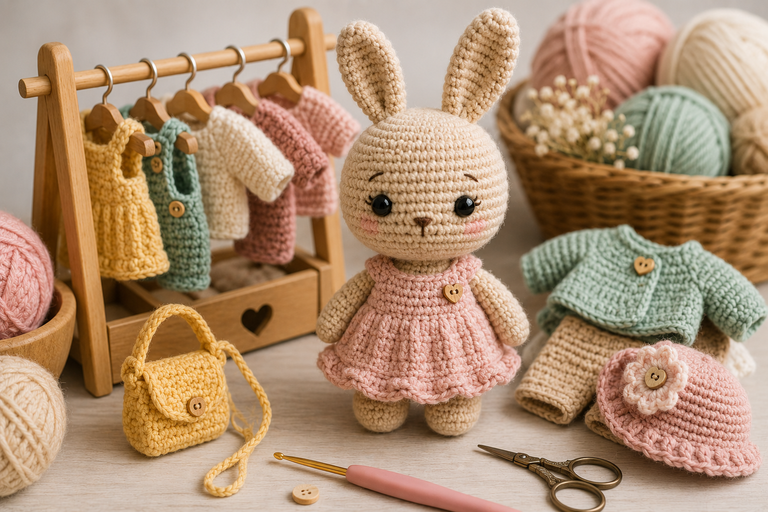
Spring is calling you to crochet. Start with light DK or sport yarns in bright colors plus neutrals for faces. A medium-sized hook that matches your yarn weight and a spare for color changes help keep stitches neat. Keep scissors, a yarn needle, and stitch markers handy to stay organized as you work through each piece. A tidy kit makes it easier to complete flowers, chicks, or lambs with minimal drama.
Beginner-friendly add-ons help your pieces stay sturdy: soft stuffing that holds shape, safety eyes for personality (or embroidery for a baby-friendly option), and a blunt tapestry needle for clean joins. Store yarn by weight or color, label skeins with project notes, and keep stuffing and safety components in a clear tub. A calm, organized space supports steady progress from first stitch to final snip.
Best yarns and hooks for easy spring crochet amigurumi
Choose breathable, soft DK or sport weight yarns in bright hues, plus a couple neutrals for shading. Look for yarn labeled soft or smooth; avoid overly fuzzy textures. A reliable hook in the 3.5–4.0 mm range usually works for DK, with a spare on hand for color changes. For tiny petals or lamb ears, a cotton blend or mercerized cotton yields crisp stitches. If you prefer washable options, a superwash yarn can simplify care. Test a swatch to ensure the fabric holds shape after washing.
Safety eyes, stuffing and small tools for durable toys
Safety eyes add character, but place them securely or opt for embroidery for baby-safe toys. Use light stuffing that fills gently yet holds shape. A blunt tapestry needle, scissors, and stitch markers help keep seams tidy and rounds consistent. Consider non-toxic stuffing and toy-safe yarns to keep pieces suitable for little hands.
Learn basic stitches for spring amigurumi
Amigurumi starts with building blocks you can master. Focus on tight, even tension with a small hook and light yarn. Carry yarn neatly when changing colors to keep seams tidy. With practice, increases become smoother, decreases cleaner, and shapes more recognizable, letting you pattern flowers, chicks, and lambs with confidence.
Magic ring, single crochet and slip stitch explained
- Magic ring creates a neat, tight center with no hole.
- Single crochet builds a sturdy, compact fabric.
- Slip stitch joins rounds invisibly and finishes edges cleanly.
How to increase, decrease and shape pieces
- Increases add stitches to create outward curves.
- Decreases pull shapes in to form heads, tails, or limbs.
- Shaping blends increases and decreases with careful placement to create features like noses or wings.
Reading simple pattern abbreviations
Common abbreviations include CO, sc, INC, and DEC. Keep a small notes section to mark color changes, rounds, and shaping. As you grow comfortable, patterns read more quickly and you finish faster.
Free spring amigurumi flowers pattern ideas
Explore playful spring blooms that practice simple stitches while yielding cheerful, fresh blooms. Combine small flowers into bouquets or garlands for décor or gifts. Personalize by varying colors and weights; imperfect petals often add charm. If you’re short on time, repeat a couple of flower styles across larger pieces to keep a cohesive rhythm.
Simple flower motifs for bouquets and garlands
Use easy, duplicable motifs: a small round center with teardrop petals for daisies or simple blooms. For garlands, keep motifs light and spaced, with tiny leaves between blooms. Add a pollen dot for texture with a tiny French knot. Spring palettes—pale pinks, yellows, greens, and blues—help create a cohesive display. A few variations in center or petal depth can add interest without complicating the pattern.
Color choices and yarn weight for realistic blooms
Soft cotton or smooth acrylics read as realistic petals. Layer two or three shades per bloom for depth. Lighter weights yield dainty petals; mid-weight yarns give bolder blooms for garlands or bouquets. Test swatches to ensure the color sits well and the shape holds. Mixing textures—satin or mercerized yarns with matte yarns—adds life to arrangements.
Small flower embellishment ideas
Attach tiny blooms to keychains, card tails, hats, or scarves for quick personalization. Create borders with small flowers along edges for a springtime trim. A tiny bouquet on a tote or bag adds a playful touch that’s easy to customize.
Free amigurumi chicks pattern and cute builds
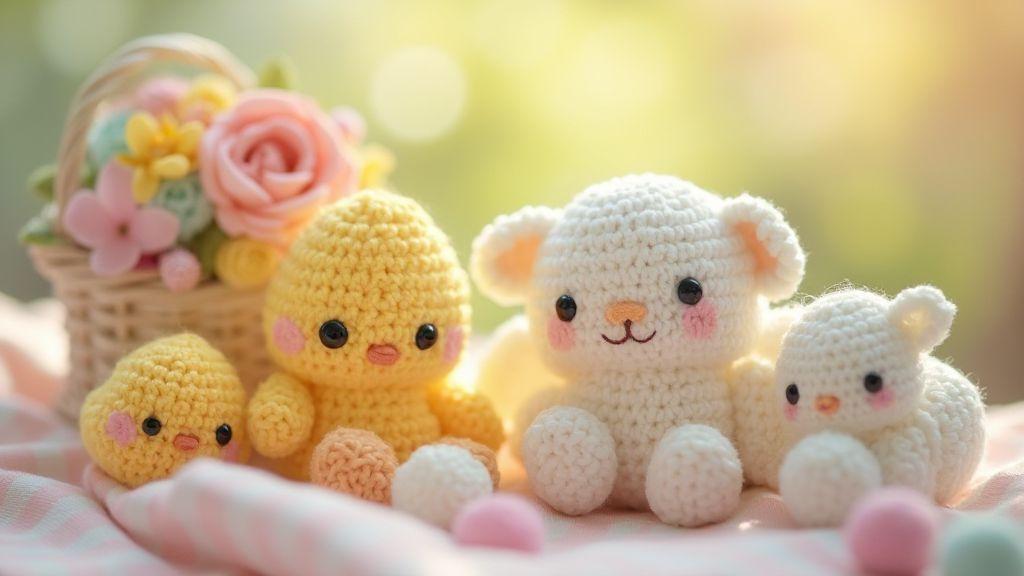
You’ll find a warm, beginner-friendly chick pattern with bright eyes and a tiny beak for character. Clear steps guide you from head to plump body, with tips for neat stitches and durable construction. This pattern pairs well with other tiny animals for a mini barnyard scene or as a cheerful standalone gift. Customize with different colors or accessories like a pastel bow or a leafy nest.
Shaping beaks, wings and feet for a cute chick amigurumi pattern free
- Beak: a few tight stitches in orange on the face.
- Wings: simple oval shapes sewn to the sides.
- Feet: tiny arcs or triangles at the base for stable posing.
Add a touch of texture with subtle feathering along the wing edges. Position the beak slightly off-center for personality. Keep stitches snug to prevent warping.
Adding safety features for baby-friendly chicks
Secure seams and use soft stuffing to avoid sharp edges. Double-stitch outlines and tuck ends inside. Opt for baby-safe yarn and non-toxic stuffing. If possible, embroidery for eyes reduces choking hazards. Avoid detachable pieces and place decorations firmly.
Size and color variations
Adjust hook size and stuffing to alter scale. Sunny yellows, pastel tones, or a white chick with pale beak are all options. Texture changes—like fuzzy yarn—create a cuddly feel.
Free lamb amigurumi pattern and woolly textures
This beginner-friendly lamb uses soft, woolly textures and simple shaping to emphasize a plush finish. The halo of yarn adds dimension without extra embellishments. Swap in a darker muzzle or subtle pink details for personality while keeping the look wholesome. Balance stitch count with texture so the lamb remains proportional as you add limbs and facial features.
How to crochet curly fleece for adorable lamb crochet pattern free
Begin with a loose foundation and practice single crochet to steady stitches. Short rows create a halo around the body, giving a curly coat that stays fluffy. Use small increases and gentle decreases to shape a rounded fleece. If curls bunch, ease tension by sliding the hook through the top loop only.
Assembly tips for head, body and legs
Line up head and body for a natural neck and stitch securely. Place legs evenly for a steady stance. Lightly stuff and adjust to preserve the neck line. Add tiny facial features carefully to keep the look neat.
Beginner amigurumi spring projects you can finish fast
These quick wins are designed for weekend or few-evening finishes. They build confidence with steady practice and deliver visible results you can show off. Expect to complete small flowers, a chick or two, and a tiny lamb or bouquet, all with clean finishes and manageable color changes.
Easy patterns like flowers and chicks for beginner amigurumi spring projects
Start with simple rounds and color changes to see progress quickly. The chick pattern provides a warmup for shaping rounds and adding a beak and eye. Practice color carries and end finishing to achieve polished results. Use these beginner patterns as a springboard to more complex pieces.
Patterns that teach you amigurumi flower tutorial free
Step-by-step instructions cover petals, leaves, and stems with consistent tension. Finishing touches improve realism while keeping patterns free to try. You’ll learn to read pattern abbreviations and maintain clean joins while practicing color work.
Project checklist
- Gather a spring color palette of pastels
- Use a comfortable hook for clean stitches
- Have scissors and a yarn needle ready
- Start with a daisy or tulip, then a chick, and finish with a lamb or bouquet
- Check tension every few rounds
- Weave in ends neatly
- Stuff lightly for soft, cuddly shapes
Spring baby shower amigurumi patterns for gifts
Spring baby showers are perfect for thoughtful handmade gifts. Flowers, animals, and chicks create a cohesive, seasonal set that’s comforting and playful. Start with easy shapes and save the fancier ones for later if you prefer. A coordinated trio using baby-safe yarns and gentle stuffing makes a memorable presentation.
How to make matching sets for spring baby shower amigurumi patterns
Choose a color theme and repeat small elements across pieces for cohesion. Use a common base color with two or three accents for flowers, beaks, or scarves. Swap textures—fuzzy yarn for flowers, smooth yarn for lamb bodies—to add depth without complicating the design. Accessories like bows or ribbons can unify the set without delaying completion.
Packaging and labeling add a personal touch. Present the set in a clear bag or decorative box with a care label. Include a small card describing each character and mention the Free Spring Amigurumi Patterns: Flowers, Chicks and Lambs for more inspiration. This thoughtful presentation elevates the gift and invites more stitching in the future.
Packaging, labeling and care instructions for gifts
Label care instructions clearly to help busy parents. Use simple icons and concise text like Gentle hand wash, lay flat to dry. Include a brief note about pattern sources and invite the recipient to explore Free Spring Amigurumi Patterns: Flowers, Chicks and Lambs for more ideas.
Washing and storage tips
Wash gently in cool water with a mild detergent and air-dry flat. Store in a breathable container to prevent musty smells and protect from dust. These steps extend the life of your handmade gifts and keep them ready for future photos or showers.
Finishing, stuffing and care for your amigurumi
Choose stuffing that balances softness with support, filling in stages to keep shapes even. Tight, neat seams (preferably mattress stitch) help the piece hold its shape. When sewing with multiple colors, maintain even tension to avoid puckering. Avoid relying on glue for structure; use glue only for temporary positioning if needed.
Hide ends within seams and add safety labels in discreet areas for baby use. Regularly check seams and replace any loose threads. With careful care, your amigurumi will stay cuddly and true to shape through many hugs.
Long-term care and repair tips
If stitches loosen, restitch with matching yarn. If the form sags, add a little more stuffing and resew the opening. For major repairs, replace damaged parts securely. With proper care, your amigurumi will continue to charm for seasons to come.
Final note
Free Spring Amigurumi Patterns: Flowers, Chicks and Lambs offer a delightful, budget-friendly way to explore spring crochet. Whether you’re a beginner or an experienced crocheter, these patterns provide clear guidance, adaptable ideas, and a cooperative library you can build on. Explore more with Free Spring Amigurumi Patterns: Flowers, Chicks and Lambs as you stitch your way through a season of handmade joy.
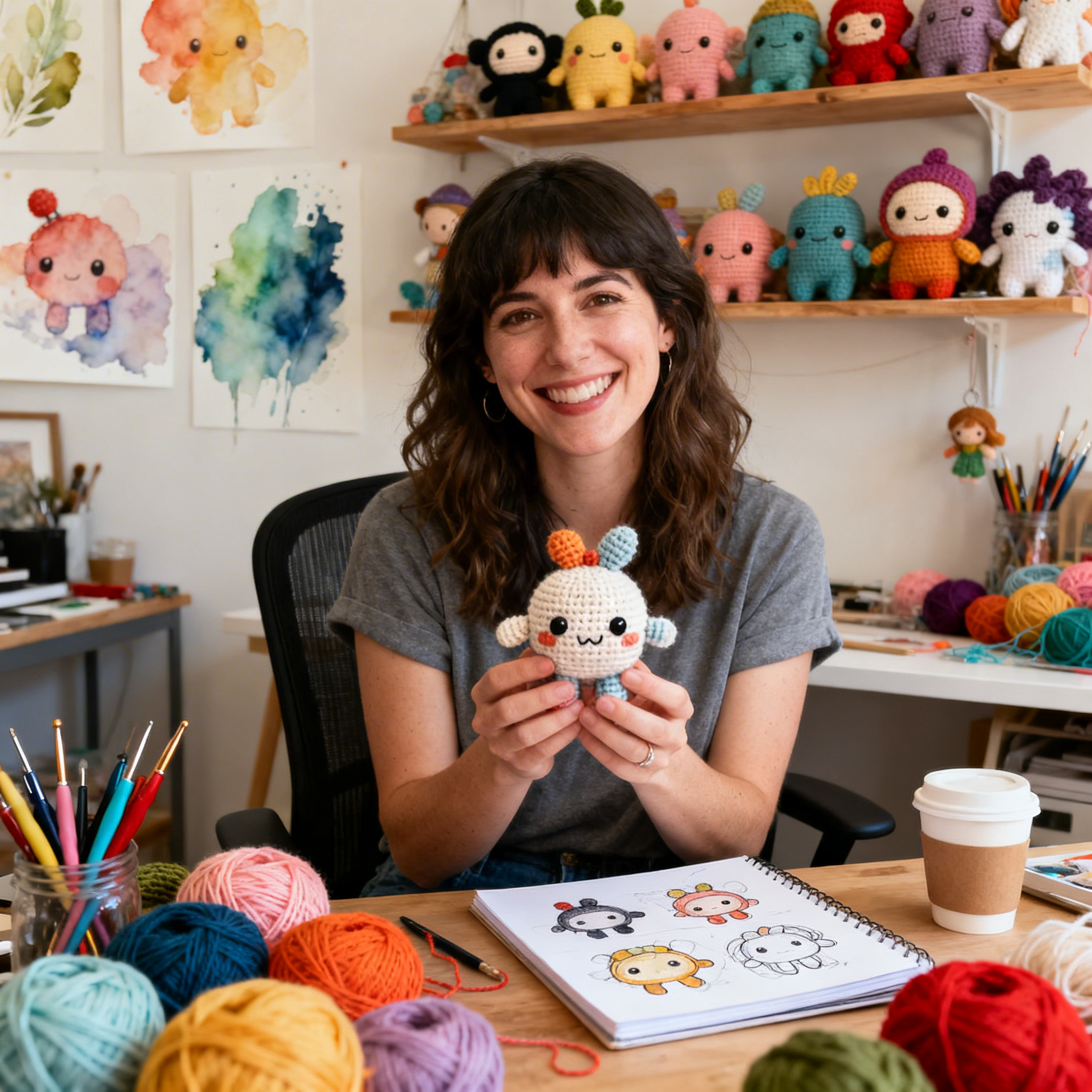
Clara Fern — Crochet Artist & Amigurumi Designer
Clara Fern is a crochet artist and amigurumi designer based in Austin, Texas. With 9 years of experience working with yarn and hook, she transformed a lifelong passion for handcraft into a creative mission: making amigurumi accessible, fun, and deeply rewarding for crafters of all levels.
Clara discovered amigurumi during a trip to Japan in 2017, where she fell in love with the art of bringing tiny characters to life through crochet. Back home in Texas, she spent years studying color theory, design principles, and advanced crochet techniques — developing her own signature style that blends kawaii aesthetics with original character design.
Through maclafersa.com, Clara shares everything she has learned — from choosing the right yarn and reading your first pattern, to designing fully original amigurumi characters from scratch. Her writing is known for being clear, detailed, and genuinely helpful, with no steps skipped and no secrets kept.
When she’s not crocheting, Clara enjoys watercolor painting, visiting local yarn shops, and drinking way too much coffee while sketching new character ideas.