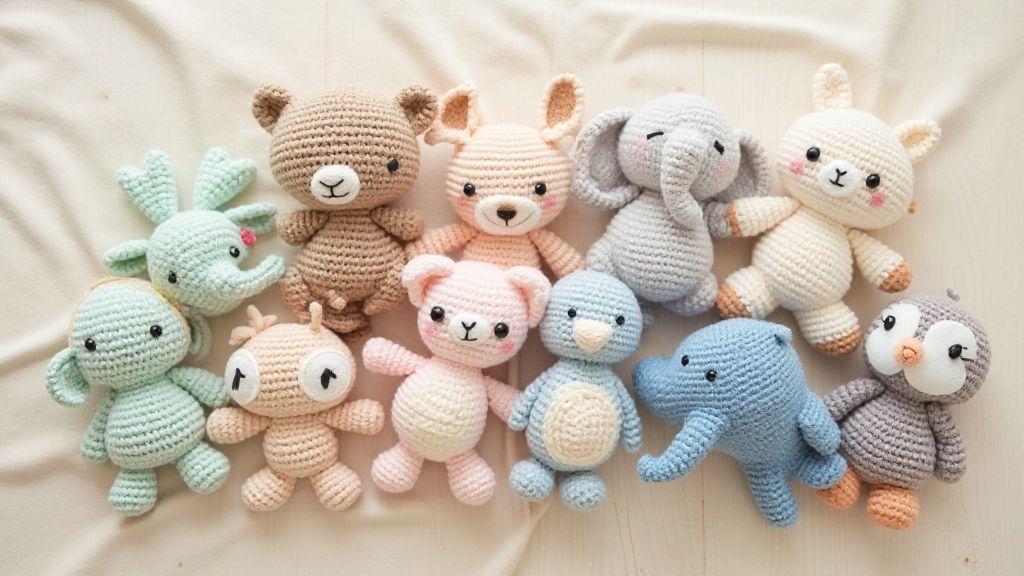
10 Adorable Free Amigurumi Animal Patterns for Beginners
Why free amigurumi animal patterns for beginners suit you
You’re just starting out, and that’s exactly when free patterns shine. With no cost and plenty of variety, you can test ideas without worrying about wasting yarn or time. When you see a pattern labeled free, you’ll grab it, print it, and try it today. You’ll learn faster by comparing stitches, sizes, and finishes across several simple animals. This is your chance to build confidence with small wins, like finishing a tiny head or ears that actually look right.
The right beginner patterns feel forgiving. They use simple stitches, clear diagrams, and step-by-step notes you can follow without rereading a dozen pages. Truly beginner-friendly patterns include photos at each step and tips for tricky spots. That guidance helps you avoid guessing and keeps your project moving forward. As you complete more creatures, you’ll start recognizing which tricks work best for your hands and your tension.
Free patterns also give you a safe place to experiment. You can tweak colors, adjust sizes, or switch materials and see how it changes your end result. You’re in control, and that autonomy makes learning exciting rather than frustrating. By looping through several patterns, you’ll uncover your preferred animal types and how different stitches shape the final look.
What beginner-friendly animal amigurumi patterns teach you
You’ll learn to read a pattern with confidence. It starts with the materials list, then the stitching order, then the shaping techniques. You’ll practice basic stitches and seaming, which become your building blocks for every project. By following clear steps, you’ll understand how a tiny change in tension or stitch count can alter the size and texture of your ami.
You’ll pick up color-work basics. Many beginner patterns use two or three colors or simple color changes. You’ll learn to change colors smoothly, weave in ends neatly, and keep your yarn from tangling. You’ll also see how different yarns feel and how your choice of hook size affects results. This hands-on knowledge is worth its weight in tiny buttons.
You’ll discover finish work that matters. The pattern will show you how to stuff evenly, attach limbs securely, and add a cute face. Those finishing touches transform a plain ball into a friendly animal. The small details—like a tiny nose or perked ears—make your amigurumi look polished and cute. Those wins add up and keep you motivated.
How cute beginner amigurumi animals build your skills
Cute animals are stepping stones. They keep your hands steady while you practice, so you stay patient and consistent. When you finish a simple puppy or chick, you’ll see real progress in stitch smoothness and seam steadiness. Momentum will carry you into more complex patterns without fear.
Each pattern is a mini lesson in design. Different shapes come together: a sphere becomes a head, a cylinder a limb, and a cone a beak. Recognizing those shapes helps you plan faster next time. You’ll also learn how to adapt patterns to your style—changing scale, swapping features, or adding tiny accessories.
As you build more creatures, you’ll improve troubleshooting. You’ll spot mistakes like uneven stuffing or loose joins early and fix them on the next project. This practical problem-solving makes you a quicker, more confident maker. You’ll feel pride every time you complete a new animal on your own.
Key beginner benefits
- You get low-risk practice with quick, satisfying results. The first few creatures boost your confidence and keep you hooked.
- You gain a growing toolkit: stitch familiarity, tension control, color changes, and simple shaping techniques that translate to every future project.
- You build a personal library of go-to patterns. The more you complete, the easier it is to pick a new pattern and say, I got this.
Materials and tiny tools you really need
You’ll keep your crochet clock ticking smoothly with the right kit in front of you. Start with a simple set of basics and you’ll see how fast projects come together. The right materials make shapes pop and keep your wrists happy. With these basics, you can jump into the 10 Adorable Free Amigurumi Animal Patterns for Beginners with real confidence.
- Choose a yarn that’s easy to work with and forgiving on beginner hands. A light worsted weight (weight 4) is a sweet spot: sturdy enough to hold shape, soft enough to avoid stiffness. A couple of colors helps your animal patterns come to life.
- Grab a smooth crochet hook in a comfortable size for your yarn—usually around 3.5–4.5 mm for beginners. The hook should feel balanced, not slippery, so your stitch rhythm stays steady.
- Extras: stitch markers, a yarn needle, small scissors, and a tape measure. These tiny tools keep your project from slipping into chaos.
- Safety and finishing matter as much as speed. If you’re making for little hands or pets, consider hypoallergenic stuffing. Use eyes and noses that are safe for your audience. Check that stuffing isn’t too fluffy for tiny pieces. Keep a small bag of fiberfill handy for adjustments.
When you’re ready to bundle all this into a simple routine, you’ll find your creativity unlocked. The right setup isn’t just about looking nice; it’s about gaining confidence to try new patterns like the 10 Adorable Free Amigurumi Animal Patterns for Beginners without fear.
Yarn and hook choices for easy crochet animal patterns free
Choose yarn that glides through stitches and feels comfortable. For beginner-friendly patterns, pick a soft, plump yarn that doesn’t split easily. A smooth acrylic or cotton blend gives you clean, even stitches. If you want deeper color, a cotton blend is nice—though it can be stiffer at first until you get more practice. You don’t need a huge palette; two or three versatile shades will bring simple animal faces to life.
Hooks matter as much as yarn. Start with a size matching the yarn label—usually around 3.5–4.5 mm for light worsted weight. A grip-friendly handle saves your wrist, and a polished tip helps stitches slide easily through. If you’re unsure, a beginner’s kit with a few sizes and a comfortable grip is a good investment. Consistency is king: sticking to one hook size for most of a pattern keeps gauge stable and shapes round.
As patterns call for different textures or stitches, your versatile yarn and reliable hook let you tackle the 10 Adorable Free Amigurumi Animal Patterns for Beginners with confidence. When you branch out, try a slightly smaller hook for tighter stitches on faces or a bigger hook for smoother limbs—just keep tension steady so your animals stay cute and proportional.
Stuffing and safety supplies to buy
Stuffing brings your creatures to life. Look for soft, squeezable fiberfill that’s easy to press into limbs and ears. For toys for kids or pets, choose hypoallergenic stuffing and avoid loose bits that could pose a choking risk. Start with a small bag to test fit and refill as needed.
Safety eyes or noses add character, but choose secure options appropriate for your audience. If the pattern uses safety eyes, ensure the backing is tight and the size is suitable for small hands. For babies, embroider eyes and noses with yarn for a safer finish. Begin with one simple eye style and add more as you grow. Always sew eyes and features on before stuffing fully to keep turning and tightening easy.
Keep extras on hand: additional stitch markers, a sharp tapestry needle, sewing pins, and small scissors. A tidy workspace helps you move from one pattern to the next with confidence.
Tools checklist
- A selection of yarn in 2–3 colors, plus a neutral shade for mouths or details
- A comfortable crochet hook in sizes around 3.5–4.5 mm
- Fiberfill stuffing in a few small bags
- Safety eyes and noses (or embroidery thread for facial features)
- A blunt tapestry needle for weaving in ends
- Small scissors and stitch markers for counting and placement
Materials and tiny tools you really need (continued)
Having your basics ready helps you move through patterns like the 10 Adorable Free Amigurumi Animal Patterns for Beginners without hunting for a missing needle. The right balance of simplicity and function keeps your sessions enjoyable and your momentum steady. And if you’re chasing inspiration, you’ll always have the 10 Adorable Free Amigurumi Animal Patterns for Beginners as a reliable reference.
Core stitches in simple amigurumi tutorials for beginners
Amigurumi hinges on small, snug stitches that shape cute forms. Start with a few core stitches, then build as you gain confidence. Practice keeps stuffing neat and the form stable. The key is consistency—keep your tension steady and count your stitches.
Keep your yarn and hook at a comfortable pace, especially when chaining and turning. If a row feels loose, try a slightly smaller hook or a firmer pull. When you finish, you’ll appreciate how these core stitches hold their shape and keep stuffing in place. Your goal is clean seams and even curves, not speed.
If you’re aiming for a simple, reliable start, use these core stitches in your first project. They’ll help you create the basic shapes you’ll see in the 10 Adorable Free Amigurumi Animal Patterns for Beginners and beyond. Practice, and you’ll notice your tension and seam alignment improve with each piece.
Magic ring and single crochet explained
A magic ring is your doorway to a tight, round start. Wrap yarn around your fingers, pull the loop to close, and chain once to anchor. Then work your first stitches into the ring for a neat center.
Next is single crochet. Insert the hook, yarn over, pull through one loop, yarn over again, and pull through both loops. Keep stitches small but even. Close the round with a slip stitch or continue rounds to grow the shape. The magic ring single crochet combo is the backbone of many beginner amigurumi patterns, giving a firm start that won’t unravel.
Practice with a small piece until you’re confident before tackling a full animal.
Increase, decrease, and invisible join basics
Increases shape your amigurumi; they add stitches in a round. Decreases remove stitches to taper or close a piece. Keep stitch counts correct so the circle stays flat and smooth. Increases might occur in every stitch or in patterns like one-in-two, depending on the goal. Be deliberate with tension to avoid bunching.
The invisible join blends seams. After finishing a round, pull the last stitch tight, insert your hook into the first stitch of the round, and slip stitch to join. The seam hides, keeping surfaces smooth. Practice on a tiny circle until the join disappears.
As you gain comfort, you’ll adjust shapes by adding or removing stitches, and the invisible join will keep everything neat. It’s about steady tension and careful counting.
Stitch basics
You’ll encounter slip stitches, single crochets, and tiny increases. Practice them on scrap to switch between rounds and rows smoothly. Your aim is uniform stitches so the overall toy sits evenly. When ready, apply these basics to larger sections—the body or limbs—and watch your confidence grow.
Where to find free downloadable amigurumi patterns
You’re looking for adorable patterns without paying. The best sources are dedicated craft blogs, teaching hubs, and community pattern libraries. You’ll find beginner projects and clever twists for experienced crocheters. Start with sites that post free patterns regularly and organize collections by animal type. A well-curated list makes it easy to find something you’ll actually want to make.
When collecting patterns, consider the format. PDFs are easy to save and print, but some sites offer step-by-step photo tutorials or videos. If you’re visual, video guides can be a lifesaver. If offline, download PDFs and keep them in a dedicated folder. Note which patterns are beginner-friendly to build confidence without getting stuck.
If you’re chasing the vibe of 10 Adorable Free Amigurumi Animal Patterns for Beginners, look for patterns that start simple and introduce new techniques gradually. A good collection will indicate difficulty, yarn, and hook size to save extra trips to the store. As you collect, you’ll build a personal library you can return to again and again.
Trusted sites with free amigurumi crochet patterns animals
Reliable sites deliver quality patterns with beginner-friendly tutorials, helpful photos, and clear materials lists. A site that updates regularly and groups patterns by animal type helps you jump in with confidence. Look for printable pattern sheets and stitch glossaries, and see if they offer video or photo series for extra guidance.
Start with a curated list of beginner-friendly animal patterns to build momentum. Good sites link to related patterns, helping you stay in the same style family as you learn. User reviews can help gauge how easy a pattern is in practice.
How to save and print PDFs safely
Download PDFs only from trusted sites with secure URLs (https). Save patterns in a dedicated folder like Amigurumi Patterns, and rename files with the pattern name and date. For printing, choose standard sizes (A4 or Letter) and print only pages you need to save ink. Print color photos in grayscale if possible and consider double-sided printing to save paper. If you prefer reading on a tablet, mark pages with a highlighter.
Top free sources
- Beginner-friendly collections cluster patterns by skill level.
- Animal-themed sets help you stay motivated.
- Clear materials lists keep you from stalling mid-project.
- Step-by-step photos or videos give extra reassurance when learning new stitches.
Quick amigurumi projects for beginners to finish fast
Amigurumi is great for quick wins. Start with small shapes—spheres and cylinders—so you feel progress fast. Finishing a tiny piece brings momentum and encourages you to tackle more.
In fast projects, plan your rounds, switch to a comfortable hook size, and keep ends tidy from the start. Choose patterns that fit a single sitting or a weekend, so you aren’t left with unfinished yarn drama. A small stash of bright scraps adds personality to your first creatures.
If you want a head start, pick a pattern that uses a single color and a couple of simple stitches. Don’t worry about perfection—the first amigurumi should be cute and a little wobbly. The joy is in finishing, learning, and growing with every stitch you count.
Mini animals you can do in a few hours
Finish these in one sitting or a few hours: a sleepy cat, a smiling bunny, or a cheerful chick. Use tight stitches for a compact shape so stuffing doesn’t show through. Safety eyes or tiny embroidery add personality without complicating the pattern. As you practice, you’ll read patterns more easily and adjust tension with confidence. These minis are perfect starter options: adorable, portable, and easy to gift.
Weekend projects for new crocheters
Weekend projects should feel like a project but finish by Sunday night. Choose with clear shaping steps and simple color changes. Plan the head, body, limbs, and a few cute details. Break the pattern into chunks: head, body, limbs, details. If you stall, take a short break and return with fresh eyes. Celebrate small milestones—ears, arms, finishing the final stitch. Patterns with few colors and simple features help your crochet space stay organized and your skill grow.
Best amigurumi patterns for beginners to start with
Starting with the right patterns builds your confidence stitch by stitch. Look for rounds with basic stitches, minimal seaming, and clear instructions. You’ll learn about your tension, whether you prefer soft yarns or sturdier fabrics, and you’ll finish feeling capable rather than frustrated.
Simple shapes: ball, oval, and cylinder
These shapes are your fastest route to confidence. A ball teaches even increases, an oval helps with rounded bodies, and a simple cylinder makes sturdy limbs. Practice a small ball to feel a round, hollow center become stable; an oval helps you adjust increases; a cylinder forms reliable arms or legs. Use these shapes together to build a basic character—ball head, oval body, cylinder limbs. It keeps projects manageable and gives you measurable progress.
Best cute beginner amigurumi animals to try first
Choose animals that balance easy construction with adorable results. Look for patterns with straightforward assembly, minimal color changes, and clear guidance for features like ears and noses. A small bunny, smiling cat, or chubby dinosaur are excellent options to practice facial features without heavy detailing. As you finish each, you’ll notice your technique improves—stitches become more even, color transitions smoother, and finishing more polished.
Starter pattern picks
Seek beginner-friendly patterns that walk you through basic stitches, color changes, and simple assembly. Look for rounds with photos or diagrams, tips for finishing touches like stuffing amount and seam closing, and clear steps for attaching features. These elements make your first amigurumi journey smoother and more encouraging.
How to follow step-by-step amigurumi animal patterns
Amigurumi patterns can feel tricky at first, but you’ll get it by breaking them down and staying organized. Check what you need and how the steps fit together. Read aloud to catch anything that doesn’t make sense and fix it before you misstep.
Map out your plan: consider the finished size, yarn weight, and hook size. Practice on a tiny swatch to match the gauge. Read at a calm pace, and break large sections into micro milestones. Keep notes on what you did, such as stitch counts and color changes. Over time, you’ll recognize the rhythm: chain, single crochet, shape the head, shape the body, sew parts together. This helps you choose patterns you love, like the 10 Adorable Free Amigurumi Animal Patterns for Beginners, and make them your own.
Read pattern abbreviations and counts
Patterns include abbreviations like sc (single crochet) or inc (increase). Memorize the core ones you’ll use most, and count aloud to stay on track. When a pattern uses color changes, note where to switch and how many stitches each color covers.
- Memorize core abbreviations to speed progress
- Highlight exact stitch counts per row
- Write down color order and switch points for neat color work
Use row markers and take simple notes
Row markers help you stay oriented from row to row. If you don’t have markers, use a scrap of yarn or a paper clip. Keep simple notes in the pattern margins or a notebook: row totals, color changes, and tension tweaks. Consistent shorthand and personal tweaks become powerful shortcuts for future patterns.
- Place a row marker at the start of each new row
- Maintain consistent notes for quick reference
Finish, stuff, and assemble for neat toys
Finish, stuff, and assemble with clean lines and careful details so your toys look polished. Test symmetry, stuff evenly, and sew parts with invisible stitches. Align features before permanent stitching. If needed, tuck a bit of stuffing into seam allowances to fill gaps. Weave in tails and trim flush for a tidy finish. A well-finished toy sits proudly on a shelf or in a child’s arms.
Sewing limbs and hiding yarn tails
Match curves and lengths when sewing limbs. Use a nearly invisible seam (ladder or invisible seam) where limbs meet the body. If a limb resists, a tiny dab of fabric glue on the inside edge can help before stitching. Hide tails by pushing ends inside and weaving through multiple stitches to anchor. Trim tails flush and weave once more to seal.
Add safety eyes and simple embroidery
Place safety eyes symmetrically and secure backs tightly. For a baby-friendly toy, embroider eyes with yarn for safety. A few simple stitches add a smile, nostrils, or cheeks. Use straightforward stitches for a clean look that doesn’t overwhelm the design.
Assembly checklist
- Confirm symmetry of limbs and features
- Stuff evenly to maintain shape
- Use invisible stitches at seams
- Weave yarn tails securely inside
- Add eyes and embroidery with careful spacing
- Do a quick quality check by posing the toy
Care, safety, and gifting your handmade animals
A well-cared-for amigurumi lasts and keeps its charm. When gifting, treat each piece as a keepsake, with care instructions and a tiny story about how you made it. Ensure safe materials, sturdy seams, and easy-to-clean fabrics for kids. For babies, keep designs simple, durable, and washable, with embroidered features rather than detachable parts.
Washing and toy-care for amigurumi
Spot-clean with mild soap and a soft cloth, then air dry. For deeper clean, hand wash in lukewarm water and avoid harsh scrubbing. Drying flat helps retain shape. Check seams regularly and re-stitch any loose areas. Store in a cool, dry place away from direct sunlight to prevent fading.
Safe choices for babies and kids
Choose skin-friendly, easy-to-clean materials and avoid small parts. If you include decorations, ensure they’re firmly attached. Round shapes and high-contrast colors are kid-friendly. Attach care instructions to the gift so caregivers know how to wash and handle the toy properly.
Care and safety rules
Inspect for loose threads after play and repair promptly. Use securely anchored eyes or embroidery, and pick stuffing that stays soft but resists clumping. For households with babies, keep designs simple, durable, and easy to wash.
How to save and print PDFs safely (recap)
- Download PDFs from trusted sites with https
- Save in a dedicated folder and rename with pattern name and date
- Print only needed pages; use grayscale for color photos to save ink
- Consider double-sided printing to save paper
- Use a tablet if you prefer reading online, and mark pages for easy reference
Final quick notes
- The 10 Adorable Free Amigurumi Animal Patterns for Beginners is a great starter collection and a reusable reference as you grow.
- A consistent toolset and organized pattern library make learning smoother and more enjoyable.
- Keep your workspace calm, your tension steady, and your enthusiasm high as you build your amigurumi skills.
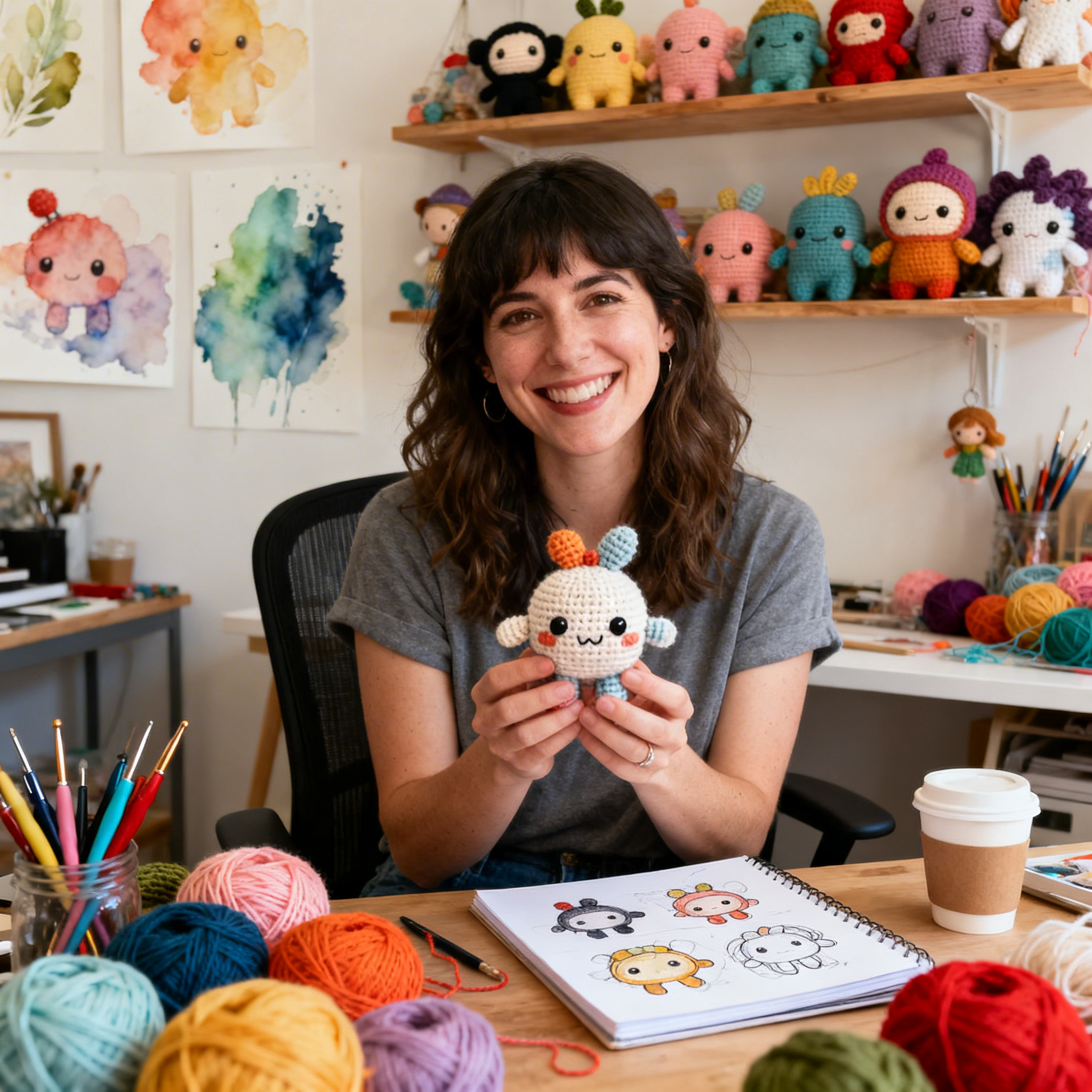
Clara Fern — Crochet Artist & Amigurumi Designer
Clara Fern is a crochet artist and amigurumi designer based in Austin, Texas. With 9 years of experience working with yarn and hook, she transformed a lifelong passion for handcraft into a creative mission: making amigurumi accessible, fun, and deeply rewarding for crafters of all levels.
Clara discovered amigurumi during a trip to Japan in 2017, where she fell in love with the art of bringing tiny characters to life through crochet. Back home in Texas, she spent years studying color theory, design principles, and advanced crochet techniques — developing her own signature style that blends kawaii aesthetics with original character design.
Through maclafersa.com, Clara shares everything she has learned — from choosing the right yarn and reading your first pattern, to designing fully original amigurumi characters from scratch. Her writing is known for being clear, detailed, and genuinely helpful, with no steps skipped and no secrets kept.
When she’s not crocheting, Clara enjoys watercolor painting, visiting local yarn shops, and drinking way too much coffee while sketching new character ideas.