How to Sew Amigurumi Parts Together Invisibly
Tools for invisible amigurumi join
When you aim for a seamless look, your tools become your secret sauce. Set up with purpose so stitches disappear and the toy looks polished from every angle. Choosing the right tools changes how easy the invisible join feels in practice—you’ll notice the difference when you can pull a thread and the seam behaves like it’s never there.
A small kit that travels with your project keeps the process smooth, helps you keep tension even, and prevents hunting for the right needle. With practice, your fingers will learn the rhythm—slip, catch, and hide. The goal is a join that looks natural, as if the two halves grew together. If you’re asking How to Sew Amigurumi Parts Together Invisibly, these tools and setup will help you get there.
Needles, thread, and yarn choices
Your needle choice sets the stage for invisibility. A finer needle threads through tight spots without leaving holes, keeping stitches tucked neatly. For most amigurumi, a slender tapestry needle is ideal, gliding through fabric with minimal resistance. Match your thread to the yarn weight with a smooth, light thread that fades into the surface. Weave along the same path crocheted, guiding thread through stitches in small, deliberate motions.
Yarn color and fiber affect how the join reads. If your yarn shows slight fuzz, choose a thread that carries the same texture without clumping. Often you’ll use the same yarn as the body for texture consistency. If joining pieces with different shade batches, aim for a close match and blend with a tiny amount of near-black or near-white as needed. Practice on a scrap to see how tension and fiber type influence the final look, then adjust before joining the real pieces.
Pre-cut a tail long enough to weave through multiple stitches. A longer tail offers flexibility to anchor the seam and re-tighten if needed. Keep working yarn neat and untangled—tangled tails ruin a clean finish. With the right needle, thread, and yarn choices, you’ll practice the invisible technique with confidence.
Pins, stitch markers, and stuffing tools
Pins and stitch markers are navigation aids. Mark exact joining points so you don’t lose your place as you sew. A removable marker helps you track row ends, keeping the invisible join precise. Place markers at critical spots—where pieces meet or seams must align—to stay straight and even.
Quality stuffing tools matter too. A blunt tool helps pack lightly near the seam, preventing outward lumps. Small stuffing forks or the dull end of a crochet hook can nudge fibers into place without poking through the fabric. When stuffing is even, the shape stays consistent and the seam stays flat.
In short, pins lock positions, markers preserve alignment, and gentle stuffing maintains buoyancy without showing the seam. With practice, invisible joins become reproducible with steady hands and minimal fuss.
Pick a blunt tapestry needle
A blunt tapestry needle is your stealth tool. It slides through stitches without snagging and leaves little trace. The blunt tip reduces the chance of splitting yarn, keeping the fabric smooth. It’s especially helpful in tight spots where a sharp needle might poke through delicate areas. Keep it handy and notice the difference in how clean your joins look.
How to Sew Amigurumi Parts Together Invisibly
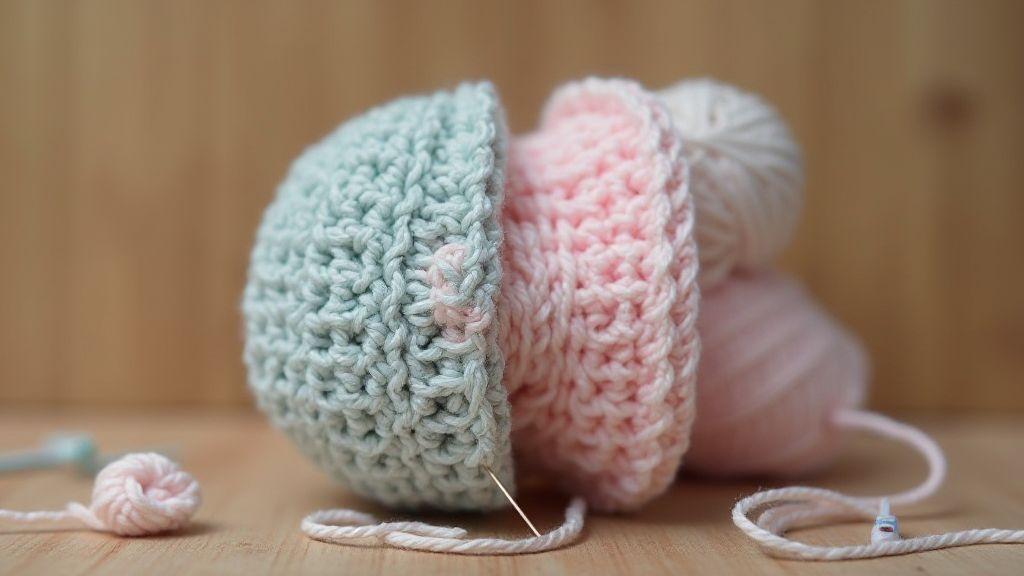
When you start, place pieces so edges align precisely. Thread your blunt needle with a long, manageable tail, then weave through interior stitches, catching only a few fibers at a time. Work slowly, pulling firmly but gently to avoid distorting the surface. After each pass, check the exterior for any slight bunching—this means you’ve gone too deep or pulled too hard. Adjust your angle and re-thread as needed. Near the end, tuck the final tail back into the body to seal the seam invisibly. With practice, you’ll master How to Sew Amigurumi Parts Together Invisibly and create pieces that look connected, not stitched.
Basics of seamless amigurumi sewing
You’ll achieve a clean, professional finish with a single, continuous motion. Start with snug, even tension and use a sturdy, contrasting yarn for the seam so you can see your work clearly. The goal is to hide the seam inside the shape, not bulge it. Keep stitches small and uniform and avoid rushing. Let the fabric guide the yarn; align edges, pinch seams to hold, and work with the fabric rather than against it. Finish with a tiny tug to settle the stitches and weave the ends with care. A well-sewn piece feels nearly invisible to the touch, the hallmark of professional finishing.
Right tools help you stay consistent: a blunt-tipped needle, small scissors for trims, and labels for multiple parts. Practice makes seamless; the more you stitch, the cleaner your finishes become.
How ladder and mattress stitches differ
Ladder stitch is your go-to for invisible joins: stitch through the edges with the needle parallel to the seam, then pull tight to close the gap without bulk. It hides inside the fabric, producing a smooth, flat finish that disappears from view—ideal for curved parts.
Mattress stitch creates a snug, nearly seamless edge along a straight seam. Work through the fabric’s bars, matching tension to the project’s grain. It yields a clean line that lies flat, good for longer seams or joining panels. Practice both to instinctively choose the right method.
When to choose an invisible join crochet pieces
An invisible join is best when you want the assembly to look like one piece, especially on faces, paws, or highly visible areas. It’s ideal for tiny parts where bulky seams would be distracting. If you’re photographing or showing the piece, invisible joins shine. Some projects benefit from a visible seam for rustic charm or extra joint strength, but for most cute amigurumi, invisible joins keep the toy soft and cohesive. Practice with small swatches to master the technique before tackling larger parts.
Keep even stitch tension
Tension shapes the piece: pull too tight and you warp the shape; too loose and gaps appear. Find a steady rhythm so yarn glides through each loop with even pressure. A trick is to wrap the yarn around a finger and release as you pull to keep tension even without squeezing the fabric. Check by lightly tugging the seam—no slack or puckers, please.
Practice builds confidence, which yields a smoother finish. If you notice variation, slow down and re-check grip, needle angle, and how far you pull each time. The goal is a uniform line that feels invisible when you handle the piece.
Amigurumi mattress stitch step-by-step
You’re finishing your amigurumi and want the seams to vanish. Align the two fabrics by edge stitches, thread a needle with a length of yarn, and catch the edge loops from each side. Pull gently to set the stitch without puckering. Inserting the needle diagonally across the seam, catch a stitch from one side and the corresponding stitch from the other. This crosswise path hides the seam inside the fabric, creating a continuous surface.
Work in short, consistent steps. After every couple of stitches, give the seam a tiny tug to even out gaps. If a loop shows through, adjust to grab a deeper loop on one side. Weave the yarn tail into the seam at a 45-degree angle when you finish, then trim. The result should be a clean, invisible join you can barely feel. Practice keeps you moving smoothly from one piece to the next.
Keep tension light and steady, and compare from both sides. A thinner yarn can help on small pieces. Align edges consistently so the seam lies flat. The more you practice, the more your pieces read as one surface, no obvious seam.
How the mattress stitch hides seams
The mattress stitch hides seams by weaving along the edge with a diagonal path that sits beneath the surface. Catch one stitch from each side alternately, then pull until the seam merges with the fabric. The visible line disappears as the fabric reads as a single piece. Adjust stitch depth as you pull to lay the seam flat. The ridge between stitches helps disguise the seam by blending with the texture. If a line shows through, switch to thinner yarn or tighten a touch, but don’t overdo it. The goal is a seamless read as one surface with smooth lines that stay polished.
Best use cases for amigurumi mattress stitch
Use mattress stitch when joining flat pieces into three-dimensional shapes—for example, heads to bodies, cheeks to faces, or limbs to torsos. It’s especially helpful for curved parts, where the diagonal path helps the fabric hug the shape. It works well with color changes near seams, keeping color blocks neat since the seam hides inside the edge. It’s also great for tiny parts like ears or noses, where you want to minimize bulk. Mattress stitch is your go-to for professional-looking amigurumi you’re proud to show off. If someone asks How to Sew Amigurumi Parts Together Invisibly, this technique often delivers the clean finish they notice.
Invisible whip stitch amigurumi technique
The invisible whip stitch hides seams so edges melt into the fabric. It takes practice, but once you nail the rhythm, your pieces hold together without revealing the join. Keep the tail behind the needle and pull through slowly enough to feel the fabric settle without puckering. If you see a bump, adjust your grip and try again on a fresh seam. Aim for a continuous, hidden thread path that disappears in the texture.
How to make a hidden whip stitch
Align edges and pick up a single loop of yarn from each side, avoiding tails. Insert the needle beside the edge and pull through to form a tiny stitch that tucks against the surface. Catch only a couple of threads from each side, not the whole chunk. Maintain even spacing and a straight line, exiting close to the base rather than the outer surface. When finished, tug the tail to snug the last stitch and trim close to the fabric. With practice, the seam reads as one surface rather than a line of stitches.
Hiding threads and tails inside the piece
Plan tail paths as you go. Run tails along hidden edges or under seam lines so they don’t peek out. Weave inside, not across the surface, and use small, tight motions so tails sit flat as part of the fabric. If needed, push the tail through with a small embroidery needle and anchor it by crossing a few stitches. Trim close to the fabric, not the surface. Run your hand over the piece to ensure nothing sticks out. This detail keeps your amigurumi durable and gift-ready, showing quality craftsmanship.
Anchor with small knots
Anchor tails with tiny knots tucked inside, enough to hold but not create surface knots. Weave the ends into nearby stitches and trim close. This prevents unraveling if the fabric flexes and keeps the finish clean and smooth.
Use the ladder stitch for neat joins
The ladder stitch hides inside the fabric, making gaps disappear and giving a solid feel. Tighten to align like ladder rungs, resulting in a professional finish. It works for small paws or larger seams and translates across different yarns and hook sizes. The key is steady fingers, a calm pace, and patience. Ladder stitch is the quiet worker that delivers invisibility, especially on curved shapes where whip stitches leave texture. If you’re joining color changes, plan entry points so transitions sit inside, not on the surface.
Tighten without puckering
Keep fabric flat and aligned as you tighten. Pull just enough to close the seam without wrinkling edges. If puckering appears, loosen slightly, recheck alignment, and re-tighten gradually. The goal is a smooth surface with the seam tucked away.
How amigurumi ladder stitch works
Thread the yarn, anchor at the seam line, and pull edges toward one another to create an invisible join inside. The stitches sit between fabric ridges like a hidden zipper. Place knots and loops along the seam line, inserting the needle inside the fabric to keep the outside smooth. With steady rhythm, you’ll achieve clean, invisible seams that read as one piece.
When to use ladder stitch instead of whip stitch
Choose ladder stitch for clean, invisible seams on curved shapes or hollow closures. If you want the seam to disappear entirely, ladder stitch is the better choice. Whip stitch can be faster for quick fixes or edges where concealment isn’t required, but ladder stitch yields a polished finish.
Attach amigurumi limbs invisibly with pinning
Pin limbs exactly where they should join the body to test alignment from multiple angles. Keep limbs perpendicular for a clean look. Secure the position with temporary threads or light pins so you can sew with confidence without distorting the fabric. If a limb twists, readjust before stitching. Pinning invisibly pays off when you later hide stitches and keep limbs attached securely.
Match stitch rows and mark points
Match stitch rows so the seam line disappears under the stitches. Mark join points with contrasting thread or a fabric pen to guide alignment. If increases or decreases occur at the join, map changes first to maintain depth and shape. Sew in short, deliberate stitches and compare both sides for symmetry. Following marks helps the limb sit steadier and the finish look polished.
Basting with scrap yarn before sewing
Basting with scrap yarn lets you test fit before permanent sewing. Baste along the joint with short, loose stitches to adjust without tearing or creating holes. Once happy, remove baste and sew with a continuous whip stitch or mattress stitch. If movement occurs, rebaste in a new position. For tricky curves, baste in several short segments to keep portions adjustable. The goal is to keep fabric flat and seam invisible.
Check limb symmetry
Ensure both limbs mirror each other for a balanced look. Stand back to compare; if one limb is off, re-pin before finishing. Measure lengths, widths, and center distances to confirm equality. Test by gently moving both limbs; they should swing and sit with equal ease. A symmetrical finish helps the piece stand and look professional.
Hidden stitch amigurumi for small features
Keep small ears, noses, and tails seamless by planning placement and using a thread color that blends with the base yarn. Use tiny stitches and even tension so features sit flat. Attach ears before stuffing to ease needle passage and avoid bulky bumps. For noses, test alignment with pins, then stitch with short passes of a contrasting color if you want emphasis. Reinforce tails with several small stitches and stitch along curves in short steps to prevent distortion. Double-check flush fit to fabric.
Sewing on ears, noses, and tails
For ears, anchor at the join with a few tight stitches to prevent tilting. Tugs at the edge check secure placement. Noses require tiny stitches and a subtle color difference; a slightly lighter or darker shade reads as a nose without shouting. For tails, use short reinforcement stitches at attachment points and follow the curve in small steps to avoid puckering. Finish with a tiny knot tucked inside.
Use short threads and tiny stitches
Short threads reduce tangling and keep control. Tiny stitches sit flatter and reduce bulk. Maintain a steady in-and-out rhythm for uniform stitches. If thread frays, rethread rather than forcing it. Aim for stitches that barely peek through the opposite side.
Hide knots inside stuffing
Push knots into the stuffing after finishing a seam. If there are multiple knots, space them to avoid pinching a seam. A small pin can hold the end while you work, then tuck the end into fluff. If a knot threatens the surface, rework the last stitches and bury the knot again.
Invisible sewing techniques crochet for durability
Choose matching thread and a tiny needle; sew through back loops or inside stitches so thread hides as you pull tight. Practice on scrap first to ensure a seamless final piece that holds up to play. Focus on even tension and spacing; use a small whip or ladder stitch to close gaps without distorting the fabric. Let the thread weave into the fabric for a durable finish.
When finished, press lightly with hands (not a hot iron) to settle seams. A little steam can help relax fibers before final ends are set. The result is a clean outside and strong internal hold.
Reinforce high-stress joins
For limbs and heavy parts, add extra reinforcement. Consider a second stitching layer through the densest join area. A touch of fabric glue inside can lock in place without changing the outside look. Use multiple short stitches radiating out from the join to distribute stress.
Hide end threads inside the body by weaving through nearby stitches and trimming close. If a tip peeks out, push it back under with a needle. Test with gentle tugs to ensure the join remains solid.
Weave in ends and trim safely
Weave ends with a blunt needle, zigzagging inside the stitches to lock ends. Keep the weave close but not puckering. Trim close to the weave, leaving a tiny tail. Change directions as you weave to catch more fabric, especially with multiple color ends. A neat weave is almost invisible and adds a professional touch.
Test pull strength
Test the seam by pulling gently in multiple directions. If the join holds, you’ve achieved a durable finish. If there’s give, add reinforcement or extra passes. Check for slack or gaps and correct before moving on. Strong joins let you play with the piece confidently. How to Sew Amigurumi Parts Together Invisibly starts with clean, invisible joins, careful ends, and solid pulls.
Troubleshooting invisible join amigurumi finishes
If joins show, check tension and yarn consistency. Uneven yarn or overly tight pulls cause gaps. Use a smaller hook for finishing passes or switch to stiffer yarn for final passes to keep stitches snug. Weave ends in the opposite seam direction to keep lines clean. Practice with a scrap to dial in tension.
Plan seams by layout and test-fit before sewing. If you see a light shadow between parts, stitch from the inside to keep the outside flush. Sew slowly and pull evenly to avoid a wobbly line. A quiet stitch line is your best friend for a seamless finish.
Weave ends carefully to lock them inside the stitches. If a contrasting color shows, switch to a blended thread for invisibility. If resewing, unpick only enough to re-align and re-sew with mindful pressure. Precision pays off in a clean, invisible join.
Fix gaps and visible seams
Gaps usually mean pulling too tight or uneven filling. Relax the final pass slightly and fill the space evenly. If a line shows, add decorative stitches beneath the seam to hide it while reinforcing the join. Use mattress stitch-like techniques on flat surfaces and weave ends inside to prevent ridges.
If rejoining after stuffing, loosen the last round and resew with a tighter, shorter stitch to lay the fabric flat. Recheck alignment from multiple angles to catch lines that appear only from certain directions. For stubborn gaps, consider a tiny filler stitch just inside the seam and weave along the seam to lock it in.
Repair loose limbs and reattach parts
A loose limb can break the illusion of a single piece. Clean up loose fibers, then re-tighten with a tight whip stitch hugging the surface. If reattaching, pin first and test weight balance before sewing. Use a longer continuous thread to avoid many knots. Sew in small, even stitches along the attachment edge, then tuck the end inside and weave through neighboring stitches to secure. Check from multiple angles to ensure it sits naturally.
If the joint remains loose, reinforce with a bit of stuffing around the base before finishing. Test by gently tugging on the limb to confirm security.
Inspect all joins
Do a full inspection of every join. Look for light gaps, puckers, or threads peeking through. Move the amigurumi to catch seams visible only from certain angles. Use bright light or a magnifier to spot tiny gaps. Weave ends in a zigzag path inside so they disappear. Compare with a well-sewn sample if needed and keep notes on what works for your next project.
End of article.
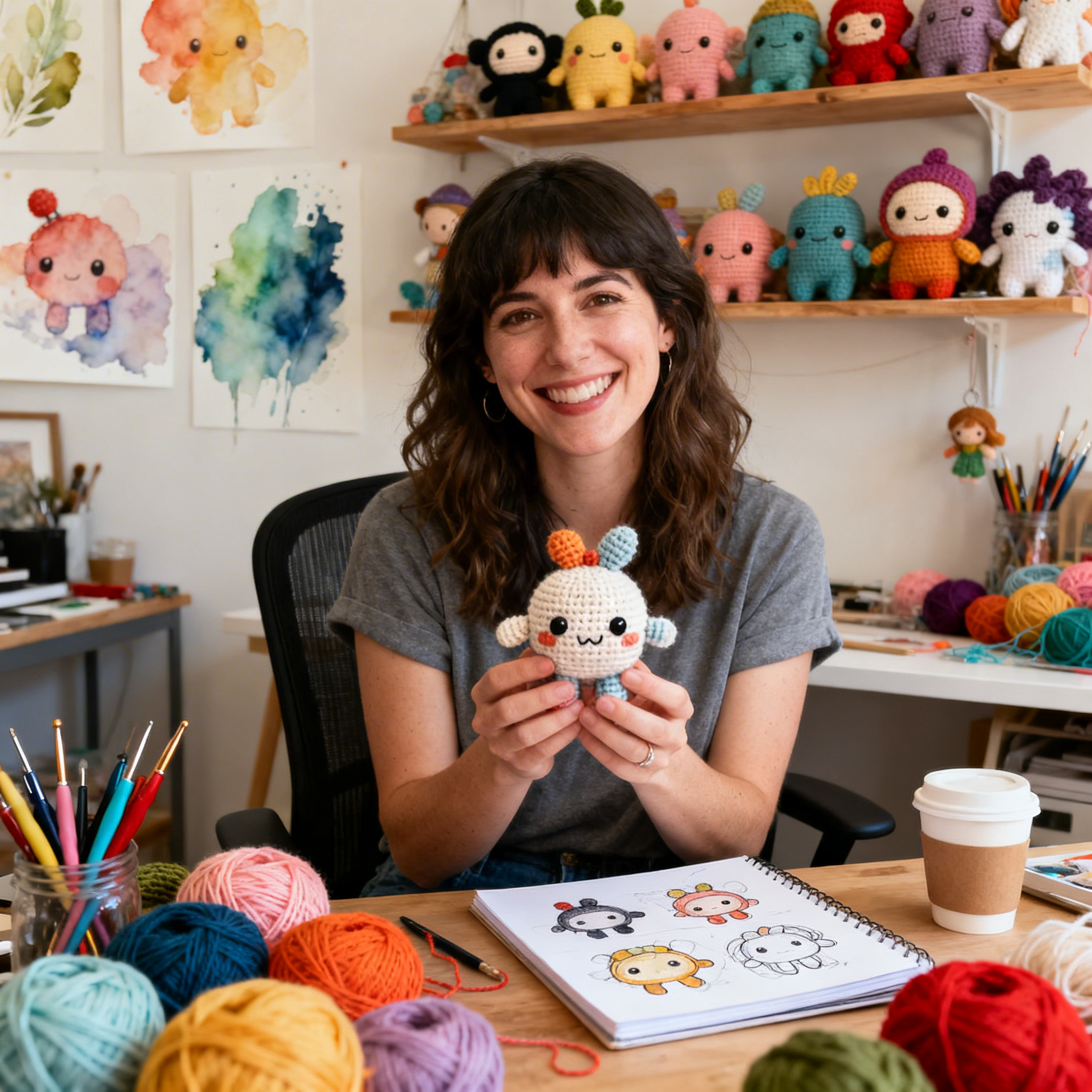
Clara Fern — Crochet Artist & Amigurumi Designer
Clara Fern is a crochet artist and amigurumi designer based in Austin, Texas. With 9 years of experience working with yarn and hook, she transformed a lifelong passion for handcraft into a creative mission: making amigurumi accessible, fun, and deeply rewarding for crafters of all levels.
Clara discovered amigurumi during a trip to Japan in 2017, where she fell in love with the art of bringing tiny characters to life through crochet. Back home in Texas, she spent years studying color theory, design principles, and advanced crochet techniques — developing her own signature style that blends kawaii aesthetics with original character design.
Through maclafersa.com, Clara shares everything she has learned — from choosing the right yarn and reading your first pattern, to designing fully original amigurumi characters from scratch. Her writing is known for being clear, detailed, and genuinely helpful, with no steps skipped and no secrets kept.
When she’s not crocheting, Clara enjoys watercolor painting, visiting local yarn shops, and drinking way too much coffee while sketching new character ideas.