How to Add Noses, Buttons and Accessories Safely for Children’s Toys
Meet ASTM Toy Safety Standards
You want toys that are safe for every child. By following ASTM standards, you protect kids and your reputation. These rules cover materials, construction, labeling, and testing. Aligning with ASTM reduces hazards and shows caregivers you care about safety. You’ll feel confident your products meet real-world expectations, not just marketing claims. The process helps you spot weak spots early so you can fix issues before they reach shelves.
Safety is a team effort. From design to packaging, each step matters. Checking components, finishes, and assembly methods minimizes risk. This mindset saves time and money: issues don’t linger and trigger recalls. Think of it like building a sturdy bridge—every bolt and plate must fit perfectly to keep everyone safe and confident in your brand.
Staying current with ASTM means ongoing improvement. Regular reviews of processes, materials, and testing ensure you keep up with new findings and consumer expectations. Continuous compliance shows regulators, retailers, and families you’re serious about safety. That trust translates into steadier sales and fewer headaches.
How to Add Noses, Buttons and Accessories Safely for Children’s Toys: This article guides you through applying ASTM-aligned safety practices to add noses, buttons, and accessories safely.
Read labeling and age rules
Read and follow labeling rules to guide caregivers and kids correctly. Labels tell you who the toy is for, how to use it safely, and what warnings apply. Include clear age ranges, small-parts notices, and care instructions on every package. Labels should match the product’s actual features to prevent surprises at home. Accurate labeling saves calls, returns, and complaints.
Age rules aren’t optional. They reflect how development affects risk. Mark toys for older children accordingly and explain why. If a toy has small parts that could be a choking risk for younger children, put that warning front and center. Clear, consistent labeling helps buyers make safer choices quickly.
During QA, verify every label detail: product names, model numbers, and safety notes. If a label can be misread or faint, fix it before production. A strong label is a trusted promise to families that safety is considered in every step of use.
Understand small‑parts tests
Small parts tests are your first line of defense against choking risks. Test with appropriate equipment to see if tiny pieces detach or could be swallowed by young children. If any part could come loose, redesign or remove it. This is about protecting a child’s life, not just ticking a box.
Perform repeatable tests that reflect real-world play—consider how kids chew, pull, and mouth objects during normal use. If the toy withstands pulling or twisting without releasing hazardous fragments, you’re on the right track. Document every test so you can show inspectors how you arrived at a safe design.
Remember finishes and tiny fasteners can hide risks. Even a seemingly small accessory can become a problem if not secured properly. Testing helps you catch issues before they reach the market, providing data to justify design changes.
Avoid choking risks
Eliminate choking hazards. Keep small pieces out of reach for younger children. Ensure removable parts are large enough not to be swallowed. Use clear, bold warnings when any exception exists. Your aim is to make safety obvious at a glance.
Also review how pieces assemble. If a part can pop off with normal play, redesign or add secure fastenings. Use child-safe materials and finishes that resist loosening. Prioritizing choking risk in every step reduces recalls and protects your brand’s trust.
Choose age-appropriate toy accessories
Choosing the right toy accessories is smart for safety and fun. Age-appropriate options reduce choking hazards and small parts that can be swallowed, while helping the toy be used as intended—boosting learning and imagination. Matching accessories to development stage yields calmer play and fewer worries.
Consider what your child can handle today, not what they’ll handle later. If a toy has tiny parts, assess whether your child is ready to handle them without putting pieces in the mouth. Durable, well-matched accessories promote steady play.
Read packaging labels and age suggestions—they’re based on safety standards and real-world use. If an accessory seems too complex or too small, set it aside for now and revisit later. Trust your instincts about what’s safe for your child.
Match parts to child age
Age matching is a primary safety line. For toddlers, avoid parts that can be pulled off in one bite or that have small magnets or detachable bits. For preschoolers, allow a bit more variety but still avoid tiny items. For older kids, you can introduce more options, but remain mindful of fine-motor and choking risks.
If unsure, run a quick test: can your child pick up, manipulate, and store a piece without risk or frustration? If yes, you’re likely on the right track; if not, simplify the set or choose larger, clearly labeled pieces. Durability matters too—sturdier parts withstand rough play and reduce sharp edges or broken bits.
Use age-appropriate toy accessories guides
Guides offer practical, easy-to-follow rules. Checklists that match parts to age ranges help you shop or assemble confidently. Keep a notebook with trusted age guidelines and refer back as your child grows or you add new accessories. When guides disagree, prioritize the more conservative option for safety.
Follow small-parts guides
Check small-parts guides before buying or handing over a toy. They help spot tiny items that could be choking hazards. If a guide flags a piece as small, don’t assume your child will outgrow it—wait until safety criteria are met. During cleanup, keep small parts away in containers with tight lids, and teach children to put pieces away after play.
Secure button attachment
A securely attached button is the first line of defense. Use strong materials and smart techniques so buttons stay put after rough play, washing, or tugs. Pick threads and fabrics that balance strength with the toy’s softness. Test stitch lengths and tensions on scraps before finalizing.
Before finishing, check the overall feel: a securely attached button should not wobble but should be easy to press. If needed, reinforce with more stitches or a secure backing. This attention to detail makes the toy safer and longer-lasting.
Use reinforced stitching for toys
Reinforce stress points with extra stitching. Use double or triple stitches around the button anchor and consider backstitch or box stitch patterns to distribute load. Match thread to fabric and avoid snagging. After stitching, gently tug to simulate a child’s pull. If looseness occurs, add another pass in a cross or star pattern.
Use secure button attachment methods
Choose attachment methods that minimize movement and maximize security. Sew-through or shank buttons can work, but adapt to fabric thickness. Add a backing behind the button for extra grip. For frequent washing, consider washable thread or heat-set finishes. Test on scrap fabric and rework if needed.
Test pull strength
Simulate real use with steady force in multiple directions. If the button holds after repeated pulls, you’re in a safe range. If it slips, reinforce the stitching or switch to a more secure method. Keep notes on which technique works best for each fabric and button type.
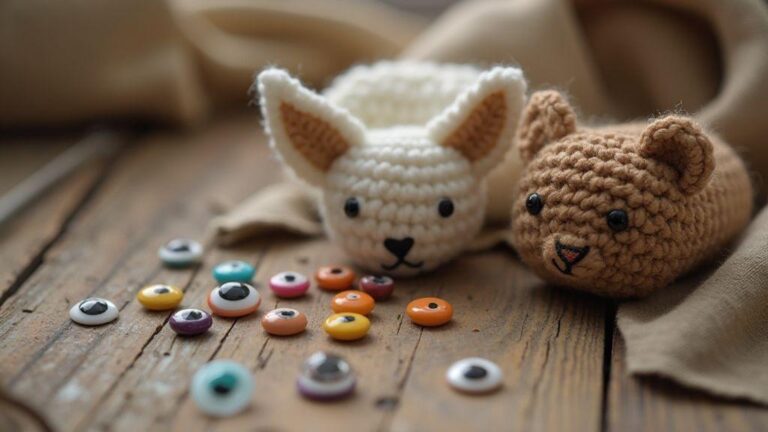
Safe safety eyes installation
Plan safety eyes placement carefully to prevent parts from coming loose. Use appropriate backs and secure anchoring where the eye sits. Ensure a solid finish that looks professional and reading as safe play.
Double-check for loose threads or gaps around the eyes. A quick tug test helps reveal issues to fix before finishing. A neat back and clean front convey durability and care.
Follow safety eyes installation steps
Choose backs that fit snugly. If backs spin or slide, switch styles or sizes. Drill a clean hole and press the eye through until the head rests on the fabric. Attach the back firmly and test by gentle front tugging. Reinforce with felt if needed to prevent stretching around the hole.
Inspect the finished look: eyes should be flush with the surface and aligned. If something seems off, adjust before declaring the piece done.
Use locking washers or molded backs
Locking washers or molded backs provide long-lasting safety eyes without glue. Install with care—seat the back until it clicks. If the back spins, switch to a different type or size. For fabric pieces, reinforce with a small stitch near the back. After installation, tug firmly to confirm security.
Inspect attachment points
Carefully inspect each attachment: loose threads, gaps, or uneven fabric around the eye. Ensure backs are seated fully. If problems appear, reseat or reinforce with an extra stitch. Make eyes secure in the same way for consistency.
Child-safe fasteners and snaps
Choose fasteners that hold pieces securely without posing choking or injury hazards. Use products rated for children and made with durable, kid-friendly materials. Test fasteners in real play by yanking, tugging, and bending. If anything loosens or sticks out, the fastener isn’t right for children. A balance of safety and usability comes from fasteners that are hard to open by curious toddlers but easy for adults to manage.
Organize fasteners to keep tiny parts from scattering during cleanup. Use labeled containers to separate sizes and materials.
Use snap fasteners for toys rated for kids
Snap fasteners are strong, simple, and easy to manage. Choose rounded, smooth-edged snaps rated for children with a snug fit. For fabric toys, opt for low-profile snaps; for wood or crafts, coated metal snaps are fine if edges are smooth. Concealed snaps that sit flush reduce hazard perception.
Avoid cheap or loose snaps. Test grip by pulling in multiple directions and confirm both sides stay aligned when fastened. A secure closure reduces choking hazards and sharp edges after repeated use.
Choose child-safe fasteners with no sharp edges
Inspect edges for safety. Look for smooth, rounded edges and low-profile designs. Prefer fasteners labeled as child-safe. If unsure, test by running a finger along the edge to check sharpness. Avoid metal fasteners with exposed burrs and plastic parts that can crack into small pieces.
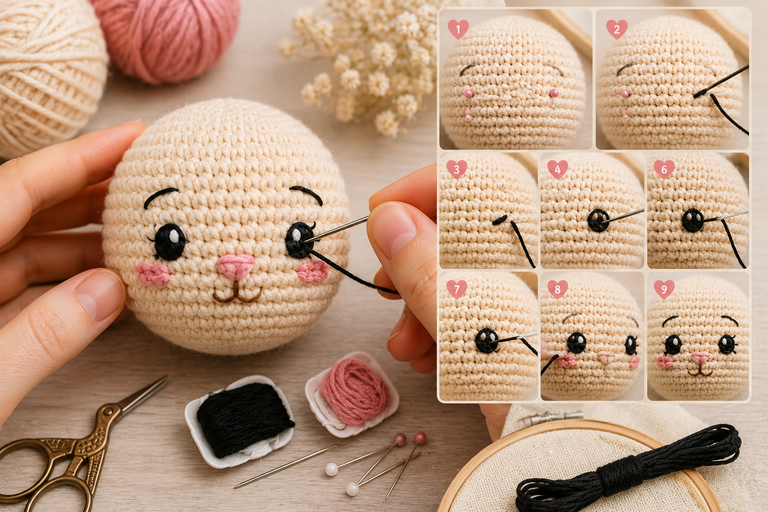
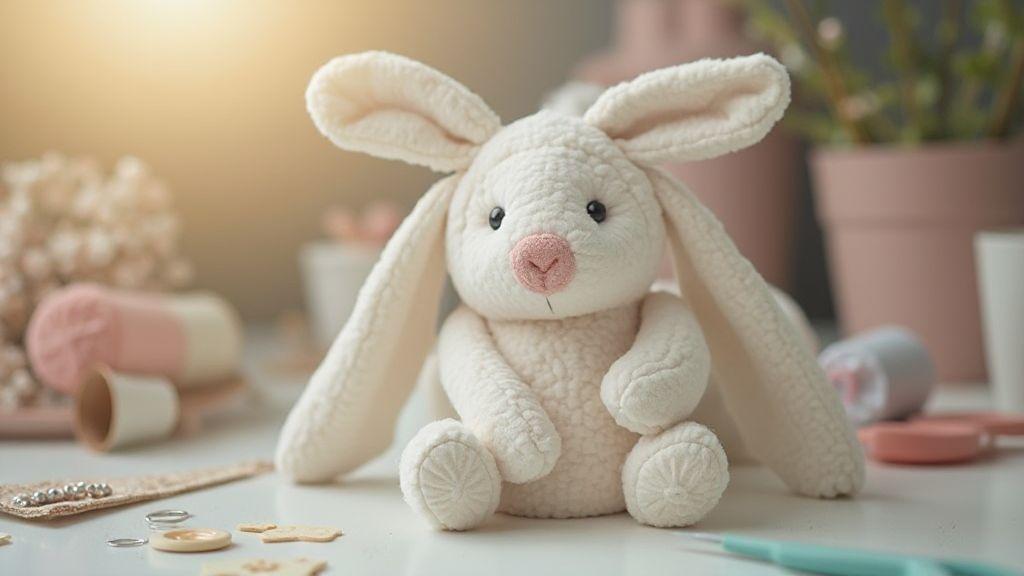
Embroidered noses alternative
An embroidered nose offers a safer, neater finish with no loose threads. Choose a simple, rounded shape and use dense stitching for durability during play and washing. Align thread color with fabric tone to keep a soft, friendly look.
Test on scrap first—pull, twist, and wash to catch issues early. A well-done satin or fill stitch provides a plush appearance while staying durable.
Use dense satin stitch for durability
Dense satin stitch creates a smooth surface that resists snagging and fraying. Keep stitch spacing tight so color sits flush and edges remain rounded after play. For extra resilience, consider doubling the satin stitches or adding a light underlay.
Add backing or interfacing for strength
Backing or interfacing adds stability to the nose area. Use a light fusible interfacing or soft woven backing to prevent distortion during sewing or washing. Fuse carefully to lie flat and avoid bulk at the stitch line.
Eliminate hard parts
Avoid hard components near the nose. Choose soft, pliable materials and minimize padding that could push the nose out of shape. Test with kids’ play scenarios and adjust stuffing as needed.
Make accessories machine-washable
Choose fabrics that withstand repeated washing and colorfast dyes. Label all parts clearly to separate washing instructions. Test swatches for colorfastness before batch production.
Plan washing: use mesh bags for small pieces, pre-attach fasteners or decorative elements that won’t snag. Test wash cycles with representative loads to ensure durability. Use gentle cycles with cold water and air-dry when possible; avoid high heat.
Secure seams and trims
Sew with strong stitches and reinforce stress points. Use backstitch or double stitches at corners and seam intersections. Anchor trims firmly to resist washing stresses. Test with a few machine cycles to identify weak spots.
Finish edges to prevent fraying: use edge-seal or bias tape as appropriate and lock threads at seams.
Use machine-washable accessories materials
Select machine-washable fabrics and durable trims. Avoid delicate textures that snag easily. Use embellishments that tolerate washing, like stable appliqués or heat-set vinyl, and secure small pieces with multiple stitches. Pre-wash fabrics to reduce dye transfer and pair prints with solid backgrounds to hide fading.
Test wash cycles
Run focused wash tests with samples of each fabric type and attachment. Note issues like shrinking or color bleed and adjust design accordingly. Simulate real-use loads and temperatures to confirm long-term durability.
Tools and materials you need
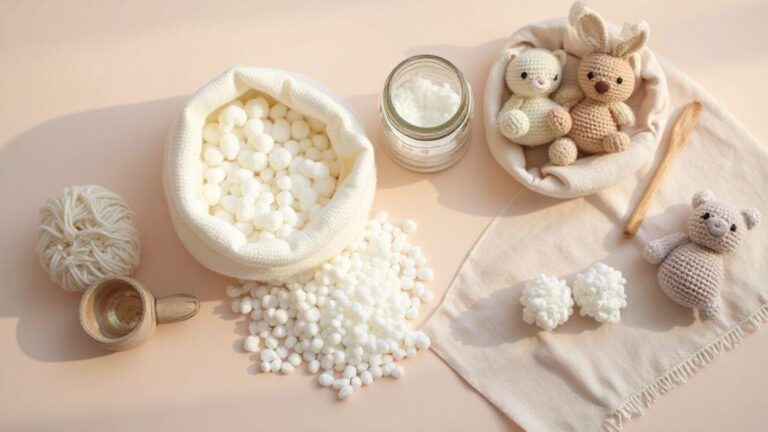
Keep reliable tools and materials for safe repairs. Essentials include sharp scissors, a craft knife, durable needles (blunt needles for toy work), tweezers, a good light, and labeled storage for noses, buttons, and accessories. Use toy-grade thread that matches fabric color and strength, and a few washers or discs to reinforce weight-bearing areas. Maintain a clean, safe workspace and have safety items like safety scissors and a seam ripper handy.
How to Add Noses, Buttons and Accessories Safely for Children’s Toys checklist
Start by selecting toy-grade noses, buttons, or accessories sized to fit your toy and minimize choking risk. Mark placement with a fabric marker on a flat surface. Use a blunt needle for gentle threading; anchor with a small stitch or dab of safe glue before finishing. If sewing, apply tight, even stitches to prevent wobble. For buttons, use a shank button or sew-through holes on a double-thread path to prevent twisting.
Position tiny pieces with tweezers. If gluing, apply a thin, even layer and allow curing time. Gently tug to check security; reinforce with more stitches or hypoallergenic glue if needed. Trim excess thread and tidy edges. Do a multi-angle visual check to confirm balance and natural look on the toy.
Use toy-grade thread, washers, and blunt needles
Choose toy-grade thread that matches fabric and color. Use fine threads for small stitches and thicker threads for reinforced seams. Keep a palette of thread colors for invisible repairs. Use washers sparingly to reinforce weight-bearing areas and blunt needles to minimize fabric damage.
Maintain tool safety
Store tools upright or in closed containers. Keep blades labeled and out of reach when not in use. Clean and dry tools after use; replace dull needles promptly. A tidy workspace prevents injuries and keeps finishes professional.
Test, document and repair safely
Maintain a consistent, transparent process to prove safety to inspectors, parents, and retailers.
Perform pull tests to prevent choking hazards
Apply a steady pull to noses, buttons, and accessories as a child would. If anything loosens, fix immediately and document results. Include test date, parts tested, force used, and outcome, with photos when possible.
Keep repair logs and photos for traceability
Record every repair: findings, actions, and why the fix works. Add before-and-after photos for traceability. Include dates, part names, methods, replaced components, and outcomes. Store these with product files and update them with recalls or design changes.
Follow recall guidance
If a recall occurs, act quickly: pull affected units, notify stakeholders, and maintain a clear chain of custody for inspected pieces. If you repair and re-release, demonstrate compliance with safety requirements and recall criteria. Document all steps, including batch and lot numbers, and photos of corrected parts. This protects kids and preserves brand integrity.
How to Add Noses, Buttons and Accessories Safely for Children’s Toys concludes with a reminder: rigorous testing, documentation, and safe attachment practices keep playtime joyful and risk-free.

Clara Fern — Crochet Artist & Amigurumi Designer
Clara Fern is a crochet artist and amigurumi designer based in Austin, Texas. With 9 years of experience working with yarn and hook, she transformed a lifelong passion for handcraft into a creative mission: making amigurumi accessible, fun, and deeply rewarding for crafters of all levels.
Clara discovered amigurumi during a trip to Japan in 2017, where she fell in love with the art of bringing tiny characters to life through crochet. Back home in Texas, she spent years studying color theory, design principles, and advanced crochet techniques — developing her own signature style that blends kawaii aesthetics with original character design.
Through maclafersa.com, Clara shares everything she has learned — from choosing the right yarn and reading your first pattern, to designing fully original amigurumi characters from scratch. Her writing is known for being clear, detailed, and genuinely helpful, with no steps skipped and no secrets kept.
When she’s not crocheting, Clara enjoys watercolor painting, visiting local yarn shops, and drinking way too much coffee while sketching new character ideas.