Free Mini Amigurumi Patterns: Tiny Projects Big on Cuteness
Start your first beginner mini amigurumi pattern
You’re about to make your first tiny critter or doll, and you’ll see how small details add up to big cuteness. Start simple: pick a basic pattern, gather your yarn, and follow along step by step. Turning your work, keeping a loose but even tension, and checking stitches early will save you frustration later. Track your progress; every small finished piece builds confidence for your next project.
Treat this like a learning sprint: you don’t need perfection on your first try—just clean, even stitches and a clear grasp of the basics. When your hands are busy, your mind can settle into the rhythm: pull tight enough to hold shape, not so tight that stitches warp. Repeating the same tiny steps across different patterns will tighten your technique and make your mini creations more consistent and enjoyable.
You’re not alone. If something feels tricky, pause, recheck the pattern, and skim your notes again. Steady practice turns confusion into clarity, and your mini amigurumi collection will grow with you. The more you crochet, the more confidently you’ll translate simple stitches into charming little characters. This guide also highlights Free Mini Amigurumi Patterns: Tiny Projects Big on Cuteness to fuel your learning.
Pick basic stitches you can learn
A few core stitches unlock most beginner patterns. Start with single crochet, increases, and decreases to shape heads, bodies, and limbs without overwhelm. Practice on a small swatch of rounds and rows until your tension feels even. The rhythm of these stitches becomes meditative, and your hands remember the motions.
Notice how each stitch affects texture: a tight single crochet yields a firm fabric for heads and limbs; a looser stitch creates softer, squishier parts. Keep a light touch and use a small hook if needed. Document your results—hook size, tension, and fabric behavior—so you know which settings to try next time.
When you’re confident, combine these basics into simple shapes. Use increases to widen sections and decreases to taper. Practicing rounds versus rows helps you see the form taking shape, so you can plan the silhouette before you sew or join pieces. Small changes in stitches create big differences in your minis.
Read pattern notes and gauge before you start
Pattern notes are your map: they tell you rounds, color changes, and where to sew pieces. Read once for the big picture, then read again to catch details like where to place increases or skip a stitch. If something seems off, re-check the instructions early—fixing it now saves time later.
Gauge ensures consistency and proportional size. Crochet a small swatch with the pattern’s yarn and hook, measure, and compare to the gauge. If you’re off, adjust by changing the hook size or tension. This small step saves head-scratching later and keeps your dolls or animals proportional.
Notes also warn about materials and finishing touches. Note yarn weight, hook size, and any special stitches. Pay attention to color changes and where to switch yarns. Understanding these details helps you finish with clean joins and neat finishes. Your future self will thank you for reading upfront.
Stitch abbreviations to learn
Learn these common abbreviations to read beginner amigurumi patterns quickly: SC (single crochet), INC (increase), DEC (decrease), BLO (back loop only), FLO (front loop only). If you encounter something unfamiliar, pause and look it up. This keeps stitches tidy and your project on track.
Beyond the basics, you’ll meet slst (slip stitch), MR (magic ring), and ch (chain). Master MR to start rounds cleanly, and use ch as the foundation for many shapes. The more you know, the less you stall on new patterns. Practicing abbreviations makes pattern navigation automatic and boosts your confidence as you build your mini collection.
As you memorize them, mark abbreviations in your notes in bold or color to help memory. You’ll see patterns become more approachable with practice.
Gather tools for your tiny amigurumi projects
You’ve got the pattern—now pick the right tools to bring it to life. The right setup influences shaping, seam lines, and handling small pieces. The right yarn, hook, and stuffing can make a big difference in the final look.
Choose tools that feel comfortable in your hands and fit your pattern’s needs. If you’re new, start with a basic setup that covers most beginner projects, then tweak as you gain confidence. A tidy workspace with extra pins, needles, and small scissors keeps pieces organized and ready.
Remember: tools are part of your creative process. A comfortable setup makes crocheting more enjoyable and helps you reach the goal of completing pieces for Free Mini Amigurumi Patterns: Tiny Projects Big on Cuteness.
Choose yarn, hook, and stuffing that match your pattern
Your yarn sets texture and size. Use the recommended yarn weight and don’t switch mid-pattern. A smaller hook with finer yarn creates neat tiny stitches, perfect for big-eyed faces. For beginners, a reliable worsted-weight yarn in a bright color helps you see stitches clearly.
The hook should fit your yarn and grip. A comfortable aluminum hook with a medium size works well for many patterns. It should glide smoothly to keep stitches even. For stuffing, use a material that holds shape but is easy to push into small rounds; polyester fiberfill is a common starter option.
Matching your pattern means following its suggested yarn weight and hook size. Deviating can affect size and details. When using Free Mini Amigurumi Patterns: Tiny Projects Big on Cuteness, you’ll find notes on what works best for each design. Keep a small color stash ready for quick starts.
Use mini crochet amigurumi supplies for neat results
Tiny projects reward tidy details. Use small scissors to trim ends, a stitch marker to track rounds, and a locking marker to secure tricky parts. Tiny pins help keep components in place as you sew or join.
A fine yarn needle weaves in ends cleanly for a polished finish. For eyes or facial features, choose safety eyes sized for minis or embroider features with fine thread. Practice with these mini tools to improve assembly and finish.
Keep supplies organized in a small box or tray. Label compartments so you grab what you need quickly, saving time and reducing stress as you work.
Essential tool checklist
- A comfy hook size for your yarn
- Scissors for clean cuts
- Locking stitch marker or colored yarn to mark rounds
- Polyester fiberfill or preferred stuffing
- Yarn needle for weaving ends
- Tiny safety eyes or embroidery thread for facial features
- Small storage box for tools and scraps
Try quick amigurumi crochet patterns you can finish
You can dive into Free patterns that stay cute and simple. Quick projects finish in one sitting, boosting your momentum. Start with small dolls, animals, or characters that use a few stitches. Patterns labeled one hour help you see results fast. A tiny hook and light yarn keep things neat and manageable, and finishing a small piece gives you momentum for the next pattern.
Keep materials organized and within reach: hook, yarn, needle, and scissors. After finishing, lightly stuff and seal with a touch of crochet glue if needed. Each finished piece strengthens your skills and fuels your next idea.
With free patterns, you can pace yourself—start with a one-hour challenge, then progress to a tiny animal or character you love. Consistency beats occasional long sessions, and small wins build confidence for bigger projects.
Pick one-hour tiny amigurumi projects to practice
Choose projects clearly labeled as one hour or quick finishes. Use simple shapes—balls, ovals, small heads—to build a complete figure quickly. Seams don’t have to be perfect; basic joins and careful stuffing yield great results. The goal is to finish, learn, and reuse new colors or small accessories.
Set a timer, crochet with steady stitches, and refer to gauge and stuffing notes if you get stuck. Color changes and tiny buttons or eyes add charm without slowing you down. Photograph your piece and compare to the pattern’s photo to spot improvement areas.
Keep a small project journal: note changes like using a larger safety eye or adjusting stuffing. These notes become your personal shortcuts for future patterns, helping you finish more efficiently.
Use simple joins and fast finishing techniques
Simple joins save time and look tidy. Use basic slip stitches to attach limbs or ears, and weave in color changes neatly. A tight slip stitch around edges helps collars or outfits stay put.
Fast finishing saves time and keeps details neat: stuff lightly to avoid misshapen heads, then seal with minimal fiberfill. Use a blunt-tipped needle to weave ends in one pass. If possible, crochet an extra row and hide ends inside as you go to reduce finishing rounds. A quick tail trim and light smoothing give a polished look.
Keep stitches even and maintain consistent tension. Uniform joins and tucked-in ends make even basic amigurumi look finished and cute.
Speed-up assembly tricks
- Use one main color and switch colors only for tiny accents
- Attach limbs before closing the body to weave ends in as you go
- Stuff in short, steady bursts for a firm shape
Find small amigurumi patterns free online
Discover tiny treasures by searching for free mini amigurumi patterns online. Look for beginner-friendly patterns that use only a few stitches—single crochet, increases, and decreases. Save patterns you trust with clear photos and simple lists, and bookmark reliable sites for future projects.
As you save patterns, note what you enjoy and what challenges you. Tiny projects teach tension, gauge, and finishing details like stuffing and sealing seams. The goal is steady progress, not perfection.
Search trusted sites for small amigurumi patterns free
Start with well-known craft blogs and amigurumi sites that post free patterns with clear photos, simple materials lists, and step-by-step instructions. Pay attention to comments or tips from other makers. Look for printable PDFs for quick access.
Explore community platforms where hobbyists share patterns. Pattern roundups or starter project lists can save time. Note pattern IDs or titles to revisit later. Good signs include easy instructions and clear photos.
Avoid sites that hide instructions behind paywalls or require log-ins just to view steps. You want a smooth, frustration-free start to your tiny project journey.
Download amigurumi pattern PDF free and save copies
When you find a pattern you love, download the PDF if available. PDFs keep formatting intact and print clean copies. Save patterns in a dedicated folder organized by character type or difficulty to pull the right pattern quickly.
Check the PDF before saving: ensure it lists yard requirements, hook size, and clear steps. If a PDF is cluttered, choose a simpler option. It’s fine to start with a basic mini animal or doll and progress later.
If a PDF isn’t available, save the webpage link or screenshots of essential steps. A digital library keeps momentum and provides quick access to exact instructions.
Verify pattern licenses
Before you start, check the pattern license. Some patterns are free for personal use, others permit commercial use or require attribution. If you plan to sell finished minis, look for patterns labeled for commercial use or explicit sale rights. When in doubt, contact the author for clarity.
Make cute amigurumi keychain patterns yourself
Turn simple shapes into adorable keychains. Start with a tiny bear or smiling star. Crochet tightly so pieces stay put, choose soft yarn and light stuffing for a sturdy, pocket-friendly finish. Weave ends securely to prevent snagging. Scale the design to under 1–2 inches for easy handling.
Choose contrasting colors for features to read well in a small piece. Pinch and seal seams as you go to prevent stuffing from seeping out. Practice a quick sequence: body circle, attach limbs, then add a tiny face. You’ll soon have a tiny character ready to hang on keys or a bag.
Scale designs to keychain size and weight
Scale early: reduce stitches and use a smaller hook to shrink size without losing shape. For a plush toy, halve the body size and keep the head proportionally larger for balance. Lighter stuffing helps the keychain hang smoothly and avoids bulky tails. Test a few stitches and stuffing amounts until you find the right feel.
Consider the hardware: a small metal ring adds weight and helps hang straight. If metal is a concern, opt for plastic or nylon. Keep proportions intact for charm at a smaller scale, with fewer decorative elements to preserve clean seams and stuffing.
Attach hardware safely and secure seams
Attach a small jump ring or keychain loop at the top. Reinforce the area with extra stitches so the loop doesn’t pull out. Anchor the connector into the stuffing with a small needle and stitch over the spot a few times. Add a tiny backing piece of fabric or crochet a micro patch around the loop to spread stress.
Sew with even tension to avoid puckered seams. Hide thread ends inside the stuffing. Two rows of tight stitches around the loop create a durable anchor. Ensure the final piece sits flat and the hardware is secure without wobble. If the piece tilts, balance with stuffing on the opposite side.
Keychain finishing tips
- Keep finishes tight: weave ends, seal stuffing, trim yarn close to seams
- Do a dry run: clip a loose loop to the top to test stability
- Consider a light fabric glue around the loop junctions for extra security if you’re comfortable
Create tiny crochet animal patterns you love
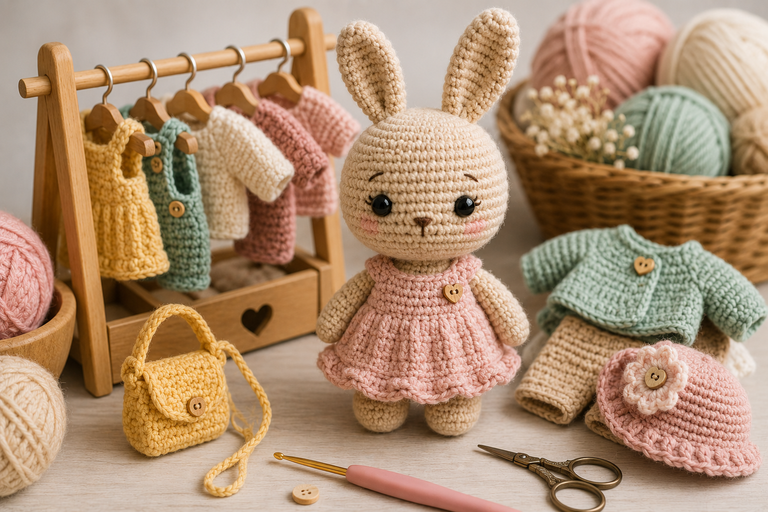
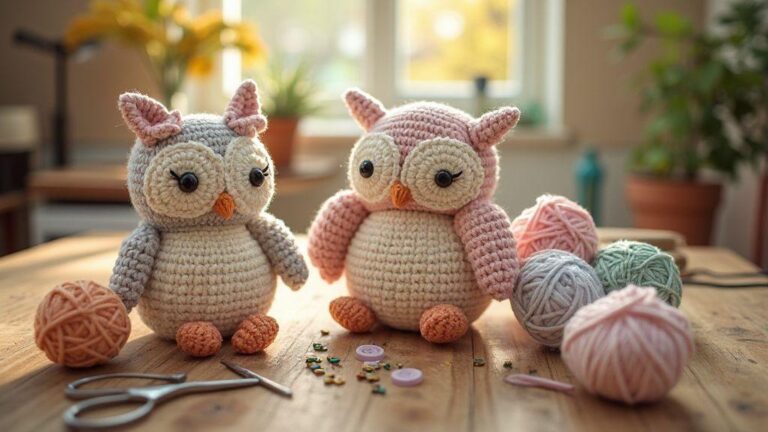
Start small and cute. Use simple shapes like spheres for heads and ovals for bodies, then add tiny ears or tails for personality. Keep skeins labeled so you can reuse favorites without digging through piles. Your first tiny project should use only half-double or single crochet stitches, plus a few color changes. Have a tiny sewing kit handy with a yarn needle, safety eyes, and matching thread. Soon you’ll have a little family of animals to gift or display.
If you want to stretch your skills, add a small scarf, hat, or blanket to your minis. Simple color changes or a tiny yarn bow can customize patterns without overcomplicating them. Remember: enjoy the process and end with something you’re proud to show off.
Embroider faces to give your mini crochet amigurumi personality
Face details bring characters to life. Start with simple eyes—tiny French knots or glued-on safety eyes work for beginners. A small embroidered mouth or whiskers adds charm without overcomplicating the pattern. Use contrasting yarn for facial features so they stand out. Practice on a scrap first, then transfer to your amigurumi. Neat, simple stitches read as friendly.
As you gain confidence, experiment with expressions: a raised eyebrow, a tiny blush, or a wink. Keep stitches small to prevent bulking around the eyes or mouth. Over time, you’ll develop a personal style.
Adjust stuffing and safety parts for children
For kids, use stuffing that holds shape but stays squeezable. Avoid overstuffing, which can push seams apart, and under-stuffing, which makes pieces floppy. For very young children, replace tiny decorative features with embroidered details.
Safety parts matter: use safety eyes with backing or embroidered eyes. Place eyes higher to keep them out of reach. For toddlers, skip small parts or secure them well. If the item will be washed, choose colorfast yarn and simple stitches that withstand gentle washing. Label care instructions for safety.
Sizing and safety tips
Aim for a safe size for small hands, typically 3–4 inches tall. Secure limbs with extra stitches or light glue where pattern permits. Use soft yarns and avoid sharp edges. Test stuffing in a small area to check feel; if stiff, reduce stuffing.
For gifts to children under 3, choose patterns with minimal small parts and secure attachments. Favor larger safety eyes or embroidered features to reduce choking hazards. Double-check every seam and attachment, then perform a gentle tug test before handing off.
Free Mini Amigurumi Patterns: Tiny Projects Big on Cuteness
This guide centers around Free Mini Amigurumi Patterns: Tiny Projects Big on Cuteness to help you start strong. Explore trusted sites for beginner-friendly patterns and download patterns as PDFs to build a reliable personal library. Remember to verify licenses and adapt as you learn. With steady practice and careful finishing, your tiny patterns will bloom into a charming, portable collection.
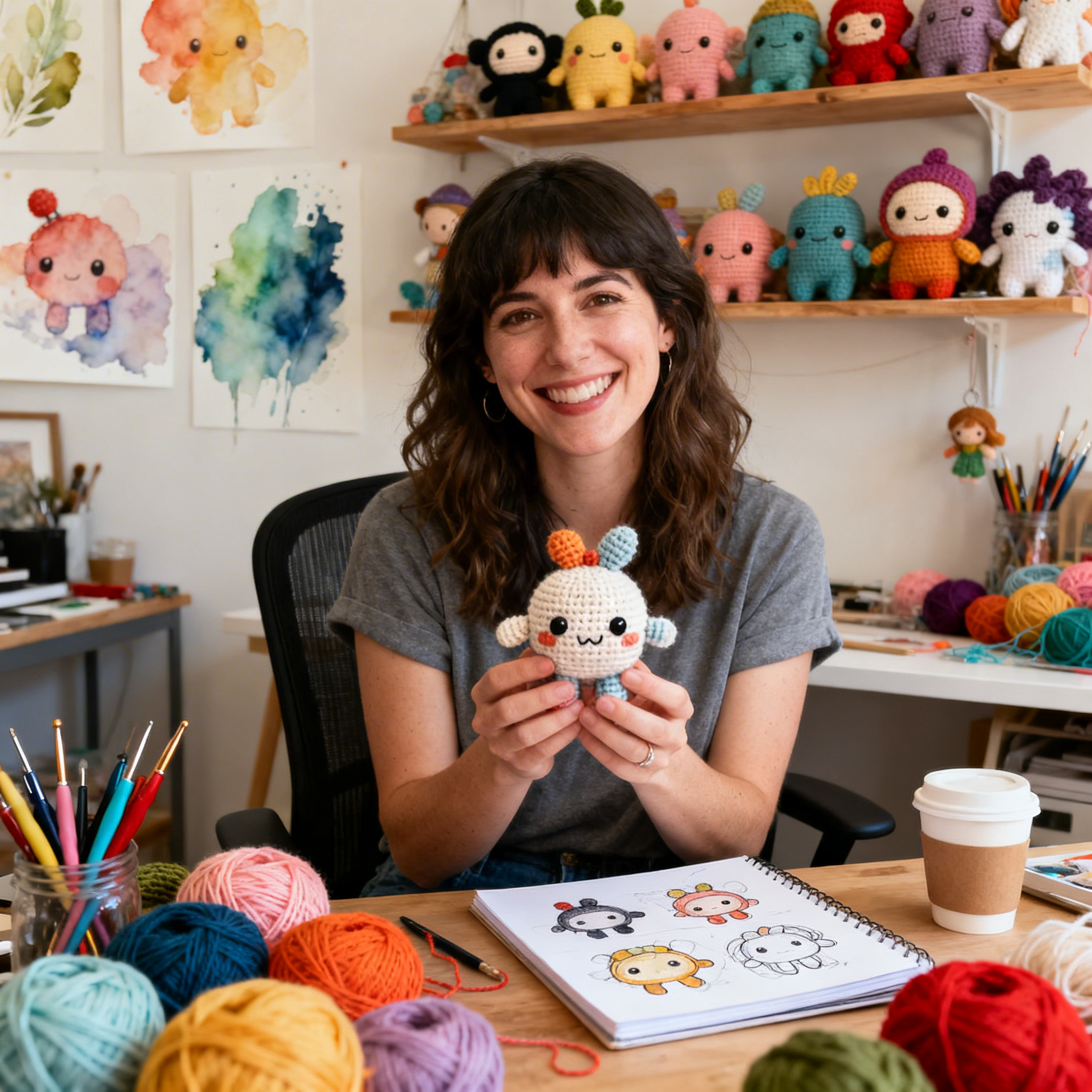
Clara Fern — Crochet Artist & Amigurumi Designer
Clara Fern is a crochet artist and amigurumi designer based in Austin, Texas. With 9 years of experience working with yarn and hook, she transformed a lifelong passion for handcraft into a creative mission: making amigurumi accessible, fun, and deeply rewarding for crafters of all levels.
Clara discovered amigurumi during a trip to Japan in 2017, where she fell in love with the art of bringing tiny characters to life through crochet. Back home in Texas, she spent years studying color theory, design principles, and advanced crochet techniques — developing her own signature style that blends kawaii aesthetics with original character design.
Through maclafersa.com, Clara shares everything she has learned — from choosing the right yarn and reading your first pattern, to designing fully original amigurumi characters from scratch. Her writing is known for being clear, detailed, and genuinely helpful, with no steps skipped and no secrets kept.
When she’s not crocheting, Clara enjoys watercolor painting, visiting local yarn shops, and drinking way too much coffee while sketching new character ideas.