How Yarn Weight Affects the Size of Your Amigurumi
Yarn weight vs finished dimensions
Swap yarn weights and you’ll see a noticeable size difference in your amigurumi. Thicker yarns make a bigger toy quickly, while thinner yarns stay compact. Your gauge matters as much as your hook choice, so expect patterns to grow or shrink with the yarn you pick. For a standard mini plush, start with a medium weight like DK or worsted and adjust your hook to balance stitch tightness and overall feel. When a pattern says 5 mm hook for worsted weight, use that as a starting point and test a small swatch to keep stitches sturdy and the fabric from looking too loose or too stiff. Your finished size follows the yarn weight, but the exact dimensions come from how tightly you crochet and how many stitches you use.
Different brands of the same weight can yield different results. One brand’s light worsted might feel chunkier than another’s, even with the same label. Check fabric density by pressing a swatch: if it stays firm with little give, you’re on track; if it flattens easily, tighten your tension or switch to a slightly smaller hook. Think of yarn weight as a dial you adjust to reach your target size, not a fixed rule. With practice, you’ll predict more accurately how big your amigurumi will be just by the weight you choose.
Remember to check the pattern’s intended finished size, but don’t be afraid to experiment. If you want a friend-sized toy instead of a keychain, go up a weight or crochet a bit looser for a softer look. The key is to keep notes: yarn weight, hook size, tension, and result. That way your next project will be closer to your target with fewer guesses.
How yarn weight changes amigurumi size
When you switch from light to heavy yarn, your finished piece grows because each stitch covers more area. A thicker yarn with the same hook fills out faster and creates a chunkier silhouette. If you love tiny, delicate features, stay with lighter weights or go up a hook size to compensate and keep proportions right. Your gauge tells the tale: tighter stitches mean smaller dimensions, looser stitches mean larger ones. Test a small swatch to know your exact scale before you dive in.
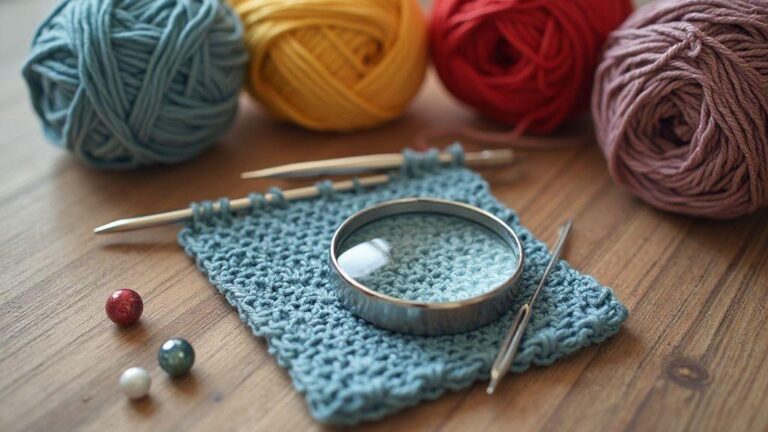
Your pattern’s stitch count matters too. With heavier yarn, the same number of stitches covers more space, making limbs and body parts longer and thicker. Sketch a rough size map and compare it to your swatch. Don’t worry about perfect symmetry at first—practice helps you nail proportion. If you’re unsure, crochet a small test piece and lay it against a ruler to gauge the scale.
Consider the fabric’s feel: a thick yarn with tight stitches can feel chunky, while a soft loose yarn adds cushion. Your final choice should balance size with fabric texture. For a cuddly, big toy, go heavier; for a neat, compact figure, stay lighter and fine-tune tension.
Estimate finished dimensions from yarn labels
Labels can be your best friend for size planning. Look for the recommended gauge or the number of stitches per inch. If the label shows 22 stitches and 28 rows per 4 inches, you have a quick density clue. Use that as a starting point to estimate final dimensions and compare your swatch to the pattern’s target. If your swatch is looser, expect a bigger finished piece; tighten up and you’ll land closer to the pattern size.
Compare the yarn’s weight category to similar projects you’ve completed. If a previous project with the same weight came out bigger, your amigurumi may too. For a quick check, crochet a simple 4×4 inch square in your chosen yarn and measure; multiply those dimensions to estimate growth based on the pattern’s stitch count. Keep a small notebook of swatch results—yarn name, weight, hook size, tension, and measured size—to build a personal reference guide for predicting size with real numbers.
Quick swatch measurement tip
Make a quick 4×4 inch swatch in your pattern’s typical stitch. Count stitches per inch, then multiply by the pattern’s total stitch count to estimate overall size. If your swatch has 6 stitches per inch and the pattern calls for 60 stitches across the body, you’re looking at about 10 inches in width. Keep the swatch tight enough to reflect your usual tension, but not so tight it warps the fabric. A note on your swatch page about hook size and yarn weight makes future projects faster and more predictable.
Gauge and tension control
Gauge and tension are two levers for your amigurumi’s final size. Knowing your gauge helps you predict final dimensions before finishing. Tension is how tightly you crochet each stitch: pull tight and things shrink; loosen and they grow. Practice both to stay consistent across projects. Keep a calm rhythm and check your work often. You can think of gauge as the plan for your recipe: steady measurements yield predictable results, while tension is the heat that shapes the texture.
If you’re unsure about your gauge, keep a small notebook with hook size, yarn brand, and whether you crochet tight or loose. Over time, patterns will emerge for which combinations give your desired size. Every yarn and hook feels different, so rely on your notes rather than just the numbers. When you’re close to a final size, measure and adjust by swapping hooks in small increments and rechecking gauge. This keeps you in control and helps you learn how Yarn Weight Affects the Size of Your Amigurumi over time.
Make a gauge swatch to predict size
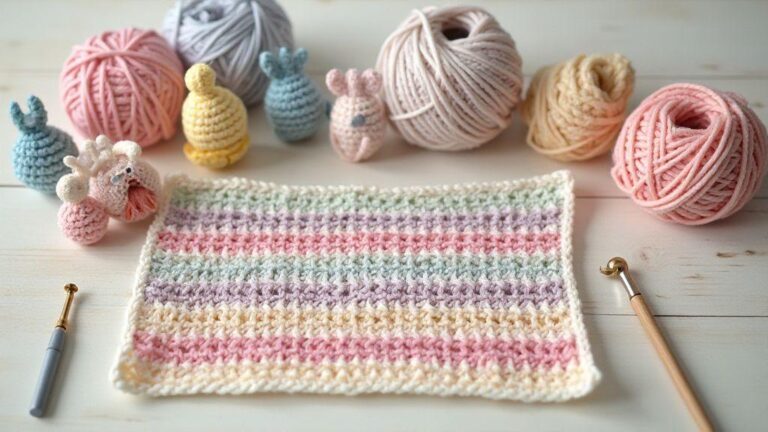
A gauge swatch is your personal magic trick. Chain a multiple of stitches that yields a neat square after you crochet the required stitch. Count stitches and rows in a 1×1 inch area. If you’re off, switch to a different hook size or adjust tension until you hit around your target (for example, 4.0 stitches per inch and 4.0 rows per inch). Compare your swatch to the project piece: if the swatch is smaller, your amigurumi will be smaller; if larger, it will be bigger. Keep your swatch with your pattern notes and re-check gauge if you switch yarn batches.
Tight tension makes smaller amigurumi
Tight tension shrinks your final piece. If you tend to pull tight, try a larger hook or looser technique to balance size. If you crochet loose, switch to a smaller hook or slow your pace a touch. The key is consistency—steady grip and pace yield uniform parts. Record your hook and yarn when you find a comfortable balance, so future projects stay predictable.
Record rows and stitches per inch
Keep a log of rows per inch and stitches per inch for your chosen yarn and hook. If you need a certain scale, compare to your target size and adjust next time. Those numbers become a reliable map guiding future amigurumi projects.
How Yarn Weight Affects the Size of Your Amigurumi
Your yarn weight directly changes your final measurements. Heavier yarn with a larger hook creates bigger stitches and a chunkier figure, while lighter yarn with a smaller hook tightens the fabric and reduces overall size. For a precise height, start with a swatch at your chosen weight and hook, then calculate how many extra rows or stitches you’ll need to reach your goal. Keep the same stitch type to preserve texture, but tweak the number of rows to hit your target. Often the right size comes from a small test piece first.
Balancing different weights to hit exact dimensions helps you see how the silhouette shifts. A bigger head or shorter limbs can look off if the body grows too large for the rest of the proportions. Adjust rows or reduce scalp area while keeping facial features consistent. Maintain even density across all parts so the amigurumi feels cohesive. Measure as you go, and use your notes to guide every project.
Hook size and stitch density
Your hook size should fit the yarn weight and your personal tension. If stitches feel too loose and the fabric seems airy, your hook is likely too big; if the fabric is stiff or sunk, the hook is probably too small. Aim for clean stitches and a fabric that holds shape without feeling rigid. Test with a swatch, and keep notes of how each hook and yarn combination behaves to reproduce consistent results.
Tension also matters. If you tend to pull tight, use a bigger hook to compensate; if you’re looser, a smaller hook helps tighten things up. When you’re close to the target size, measure and adjust by swapping hooks in small steps. This hands-on approach helps you master How Yarn Weight Affects the Size of Your Amigurumi over time.
Yarn thickness impact on look
Yarn thickness changes your amigurumi’s personality. Thicker yarns create a bold, chunky look with fewer stitches per inch and more visible texture, which suits playful, oversized characters. Finer yarns yield delicate details and a smoother surface, reading more like a sculpture than a toy. Test a swatch to match hook size and yarn with the look you want.
Bulky yarns create chunkier size and quicker fill, but they can exaggerate mistakes and require more stuffing. Fine yarns allow tiny features but demand tighter tension control and a smaller hook. Balance is key: aim for stitches that hold shape without feeling stiff.
Bulky yarn creates chunkier amigurumi size
Bulky yarn yields bigger rounds and more pronounced limbs, great for a bold, cuddly toy. It may show mistakes more easily and requires more stuffing. If you want a giant, friendly character, bulky yarn is your ally.
Fine yarn lets you add small details
Fine yarns support crisp eyes, tiny paws, and refined expressions. They demand careful tension and often a smaller hook, but the result is a polished look with subtle shaping.
Consider stitch density for stuffing visibility
Stuffing becomes more noticeable with different weights. Bulky yarns can carry more fill without losing shape, while fine yarns need lighter stuffing to avoid showing seams. Plan accordingly to keep the character’s silhouette true.
Fiber content and size stability
Fiber content influences size stability. Natural fibers (cotton, wool, linen) can stretch or relax with wear and washing, while synthetics (polyester, acrylic, nylon blends) tend to hold their shape better after finishing. When choosing yarn, consider how much wiggle room you want between gauge and final size. If you want a snug, consistent look, synthetics are your friend; for a softer, more natural feel that may relax over time, natural fibers are worth considering.
Care requirements also matter. Natural fibers may need gentler washing and air drying to maintain dimensions, while synthetics tolerate washing and air drying more readily. Plan a test swatch and size check after washing to predict how your amigurumi will behave in real life.
Natural fibers can stretch over time
Natural fibers tend to relax and stretch with use or washing. If you need precise dimensions, size down a little in your initial measurements or choose a fiber with less elasticity. Expect more stretch in weight-bearing areas like limbs or heads, and factor that into your design. Testing helps you anticipate shifts that come with natural textures.
Care steps influence natural fibers
Hot washing or high-heat drying can tighten or relax fibers, nudging size. If you wash often or dry aggressively, expect some change. Air drying preserves shape longer but may feel stiffer until fibers relax. Include gentle care instructions in your plan to set expectations.
Practice with a mini version
Create a small swatch in your chosen natural fiber, stuff lightly, and measure after a gentle wash. Compare to your pre-wash gauge to understand how much your piece grows or relaxes. This prepares you to adjust patterns confidently.
Synthetics tend to keep finished dimensions
Synthetic fibers maintain a steadier shape after finishing, helping you reproduce consistent results across multiple amigurumi. Blends with acrylic or nylon offer a middle ground—stability with a touch of softness. Always check fiber content on the label; the ratio affects how much the item will shrink or stretch after washing.
Check fiber content when planning size adjustments
Know whether your yarn is 100% natural, 100% synthetic, or a blend. This helps you predict how the finished piece will hold size and how much to adjust your pattern. Keep a quick reference note with gauge, final dimensions after finishing, and any changes after washing. This becomes your go-to guide for future projects.
This is how you control the size outcome
By choosing the right fiber and testing early, you can keep your project on target. Set aside extra yarn for experiments, so you don’t run out mid-project when nailing exact dimensions.
Pattern scaling and size adjustments
Pattern scaling helps you achieve the final plush you envision. Start with a target size and work backward to decide how much to scale. If your model should be roughly 6 inches tall, adjust not just height but limb and head proportions to keep the look cohesive. Use the same stitch type to preserve fabric texture, and scale in small increments with checks along the way to avoid surprises.
Think about yarn and hook as part of scaling. Heavier yarn and larger hooks produce chunkier fabric; lighter yarn and smaller hooks yield a tighter, smaller piece. If you scale by more than 20%, you may need to adjust features like eyes, ears, and limbs to maintain balance. Write down the new gauge, stitch counts, and row totals so you can reproduce the scale. Practice and keep notes to preserve symmetry and proportion.
Change yarn weight or hook to scale patterns
If scaling up, choose bulkier yarn and a larger hook to maintain proportions. You may enter a new gauge, so recalculate stitch counts and rows. Keep the stitch type the same to preserve texture, and plan for fewer rows overall since stitches cover more space. Record changes for future projects.
If scaling down, opt for a lighter yarn and a smaller hook. Expect to add rows to keep proportions and adjust facial details to fit the smaller body. Test with a swatch first to see the yarn and hook behavior, and keep gauge notes for future scaling.
Adjust stitch counts and row numbers for fit
When sizing changes, recalculate stitches and rows. Translate target height and width into stitches per inch, and adjust limb lengths and head diameter accordingly. Update arm, leg, and neck connections to keep symmetry. Maintain a clear record of the new numbers and test fit frequently.
Test scaled size with a small swatch
Create a quick swatch in the new size to verify gauge and fabric feel before committing to the full project. Measure height and compare to target. If the swatch mismatches expectations, adjust your hook size, yarn weight, or stitch count and retry. This saves you from ending with a misfit amigurumi.
Conclusion
Understanding how yarn weight, fiber content, and gauge affect the size of your amigurumi helps you plan with confidence. By testing with swatches, recording your results, and adjusting hooks, tensions, and stitch counts, you can consistently hit your desired dimensions. Remember: the key phrase to guide your craft is How Yarn Weight Affects the Size of Your Amigurumi—and using that knowledge to tailor each project to your vision.
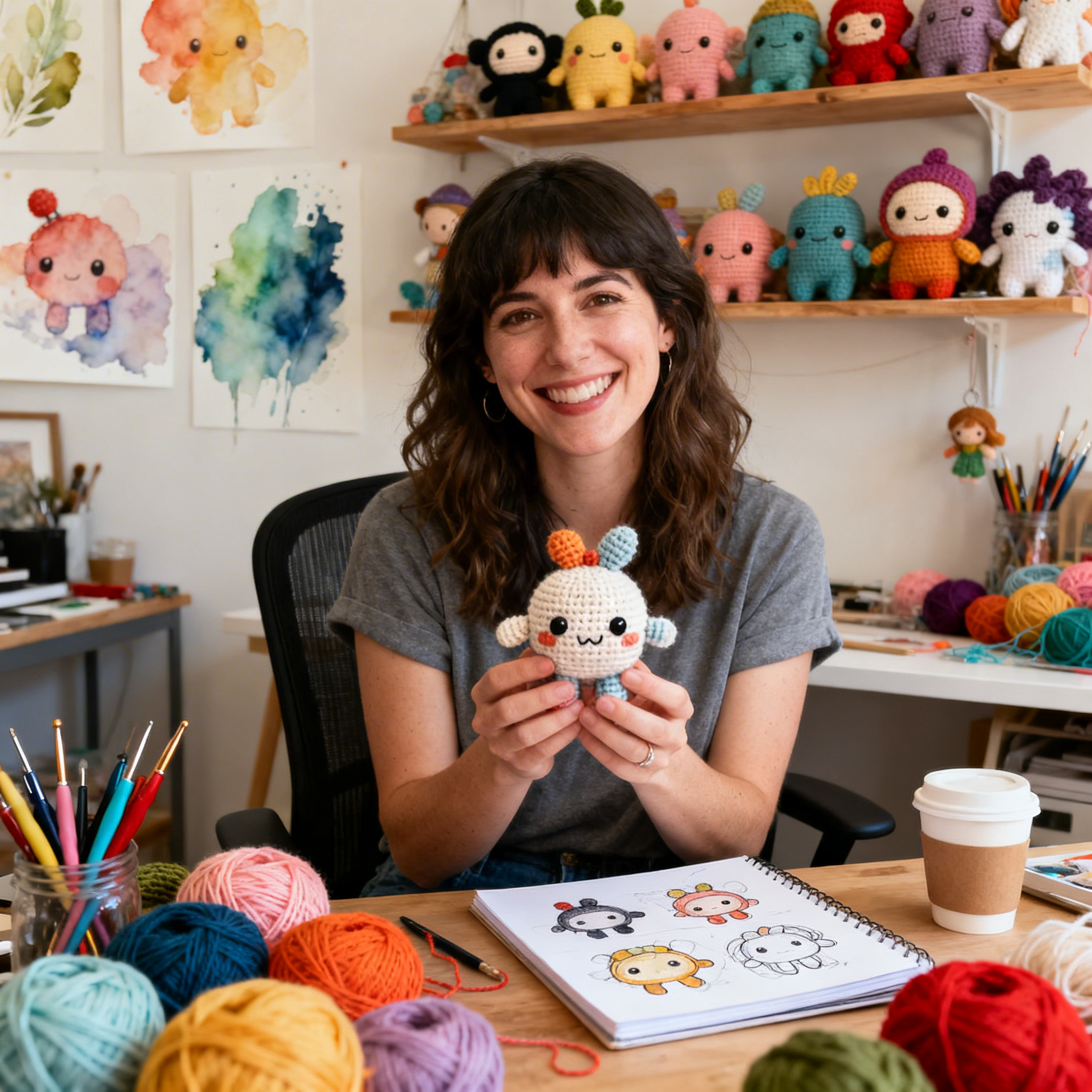
Clara Fern — Crochet Artist & Amigurumi Designer
Clara Fern is a crochet artist and amigurumi designer based in Austin, Texas. With 9 years of experience working with yarn and hook, she transformed a lifelong passion for handcraft into a creative mission: making amigurumi accessible, fun, and deeply rewarding for crafters of all levels.
Clara discovered amigurumi during a trip to Japan in 2017, where she fell in love with the art of bringing tiny characters to life through crochet. Back home in Texas, she spent years studying color theory, design principles, and advanced crochet techniques — developing her own signature style that blends kawaii aesthetics with original character design.
Through maclafersa.com, Clara shares everything she has learned — from choosing the right yarn and reading your first pattern, to designing fully original amigurumi characters from scratch. Her writing is known for being clear, detailed, and genuinely helpful, with no steps skipped and no secrets kept.
When she’s not crocheting, Clara enjoys watercolor painting, visiting local yarn shops, and drinking way too much coffee while sketching new character ideas.