Must-Have Amigurumi Tools Beyond Hooks and Yarn
Stuffing Materials and Tools
You need the right stuffing and tools to give your amigurumi the shape and feel you want. The goal is even, soft filling that doesn’t clump. Start by choosing stuffing that’s safe for your project and easy to work with, then pair it with the right pokers and tools to smooth and finish. Your finished piece should be sturdy yet cuddly.
Must-Have Amigurumi Tools Beyond Hooks and Yarn
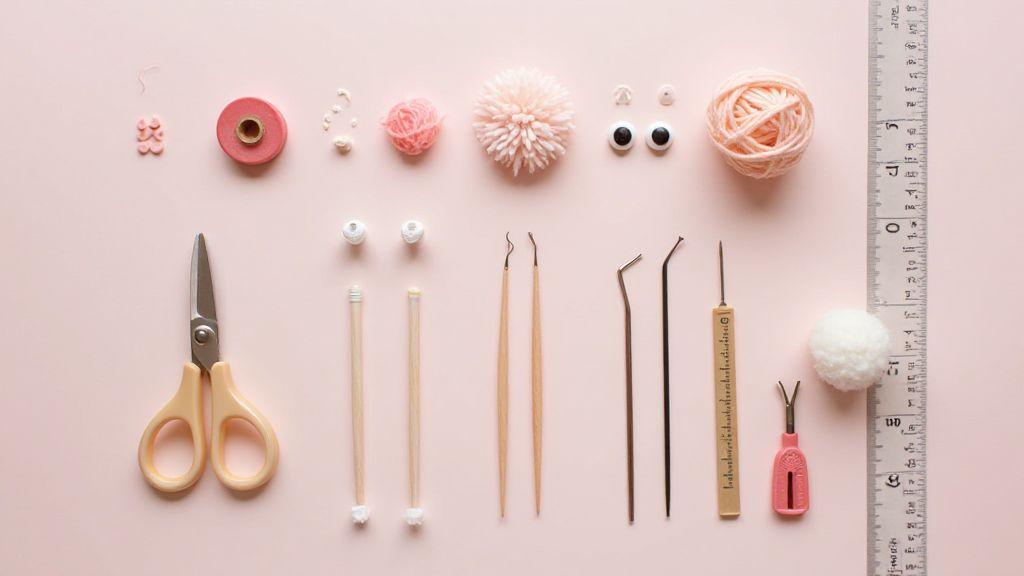
In addition to hooks and yarn, these tools elevate craftsmanship: stuffing tools, stitch markers, blocking tools, and precision needles, helping you shape, finish, and safely secure parts. This section highlights those must-have tools for better results.
Choose amigurumi stuffing materials
Choose your stuffing by feel and the look you want. Polyfill is the default because it’s soft, affordable, and readily available. It works well for most body parts and keeps a gentle bounce. For a firmer feel, mix in a small amount of firmer stuffing or scraps to hold shape.
Natural options like wool roving or cotton batting give a different texture and weight, great for a handmade finish. A plumper effect without added stiffness can come from blending in soft fibers with polyfill. If the amigurumi will see lots of play, test a small sample after washing to ensure it holds up.
Ensure even distribution for smooth curves and neat seams. Don’t overfill; leave a touch of give near joints for clean seam lines. Stuff parts before sewing to maintain a tidy look.
Use stuffing tools and pokers
Use simple tools to place stuffing precisely. A small chopstick or blunt knitting needle helps push stuffing into tight corners without tearing fabric. If you have a dedicated amigurumi stuffing tool, use it to reach small spaces and tamp evenly.
Fill large areas first, then narrow sections to keep density even and avoid lumps. Tease stuffing into crevices to maintain the final shape. Around edges and limbs, smooth as you go to minimize visible seams.
Prevent lumps with stuffing tools
Work slowly, adding tiny amounts at a time from the far end toward the body. If a lump appears under a seam, redistribute stuffing with your tool to smooth it out. Re-seal the opening and gently pat to settle the stuffing evenly.
Eyes, Noses and Safety Parts
You’re making a friendly little creature, so your safety parts matter as much as looks. Choose the right pieces from the start to avoid redoing the face later. Look for safety parts that meet safety standards and fit the scale of your amigurumi. For beginners, round safety eyes and small noses that snap firmly into fabric are good choices. Treat decorative options as backups only after testing for stability. The goal is a cuddly toy that’s safe for kids and pets.
Shop for parts labeled for toy use and compare size to your stuffing. A good match prevents snagging or loose bits. If unsure about size, measure your yarn gauge and compare to product specs. If the piece wiggles after insertion, choose a different option. You’ll thank yourself when the face stays intact through many hugs.
Keep a stash of compatible fasteners on hand to avoid mid-project hunts. Don’t ignore age guidelines—smaller parts can be a choking hazard for little ones. For under-three projects, opt for larger eyes and noses that can’t be pulled out easily.
Pick safety eyes and noses
When you pick safety eyes and noses, you’re choosing security and expression. Opt for pieces with tested eye inserts that lock into the fabric and come with a backing that can’t pop off easily. For beginners, a single color and simple size keeps the look cohesive. Plan placement before insertion—mark spots with a fabric pen or baste stitches to guide symmetry.
Secure pieces with fabric glue for amigurumi
Fabric glue adds security after sewing in parts. Apply a small dab around the edges of the backing and let it set before continuing. If you prefer not to glue, you can reinforce with a tiny stitch around the backing—be mindful of adding stiffness near delicate areas.
Let glue dry completely before posing or adding stuffing. If a wobble remains, a second dab around the seam can stabilize it. Use glue sparingly to keep the face flexible for expressive hugs.
Check fastenings for toy safety
Always double-check fastenings before gifting or selling. Give a gentle tug on each eye and nose to confirm it’s secure. If any piece shifts, re-sew or re-glue with care. Parts with two locking methods—sewn-in plus glued backing—offer extra safety for years of play.
Finish by tracing a finger along the face to feel for rough edges or loose threads. Trim stray ends and reseal if needed for a clean, snag-free finish.
Sewing and Finishing Needles
You’ve got your yarn and hooks, but your finished amigurumi deserves clean, professional seams. Sewing and finishing needles are the quiet workhorses that turn rough joins into tidy, durable edges. The right needle reduces snagging and improves color changes, especially around small features. Aim for a sharp point and a size that fits your yarn weight.
Use a range of needle sizes to match different yarns. For finer yarns, choose thinner needles; for bulkier yarns, thicker needles glide through without snagging. A comfortable handle helps you work without fatigue. Keep a small sewing kit handy with multiple needles for different tasks, so you’re never scrambling mid-project. Store needles clean and organized to prevent rust and keep tips sharp.
Tapestry needles for amigurumi
Tapestry needles have a blunt tip and a long eye, ideal for weaving in ends and stitching surfaces without splitting yarn. Use them to hide color changes or secure small parts like eyes and noses without distorting fabric. Keep a couple of sizes on hand for different end-finishing needs.
Embroidery needles for detailing
Embroidery needles are perfect for fine detailing—facial features, eyelids, and tiny highlights. Their sharp point and slender shaft allow precise placement without bulky seams. Choose fine tips and short lengths for tight corners, and keep assorted needle types for different textures?
Hide seams with neat stitching
Neat stitching hides seams and gives your amigurumi a polished look. Use a ladder or whip stitch with a small, sharp needle, keeping the thread taut but not stretched. Practice to master tension and achieve seamless lines visible from all angles. Start on a practice piece to dial in tension, and match thread color to body yarn for inconspicuous seams—or contrast for decorative edges.
Shaping and Structure Tools
You’ll shape your amigurumi by planning how the pieces stand and move. Start with a light plan: where will the arms bend, head tilt, and body hold a pose? Test firmness with your hands as you go to keep stitches even and the form steady. This is where technique becomes character.
Control the form through tightness and placement. Increases create roundness; decreases pull things in for a compact torso or head. Keep color changes and seam lines tidy so they don’t distract from the silhouette. The goal is a clean, sturdy core that supports pose and play.
Refine shaping by testing movement. Gently bend limbs to gauge flexibility without loosening the core. If a limb looks off, tighten a round or adjust the seam. Your shaping plan should feel like a script for a tiny performance—structured yet lively.
Wire armature for amigurumi
Thread a thin wire or jute armature inside to hold shapes. Measure the limb interior, bend the wire to fit, and leave extra length at joints for anchoring with tight stitches. Wrap sparsely at first, then add support where you expect movement. Cover the armature with yarn as you normally would, using tight single crochet to secure it and keep the surface smooth.
If a joint needs more bend, wrap a smaller amount of wire around the main armature inside the limb. Test the pose after major steps. If the yarn pucks or the frame shifts, adjust the wrapping or add tight rounds around the joint. A well-wired armature provides lasting stability without compromising stitch integrity.
Use blocking tools for crochet toys
Blocking helps set shapes after finishing. Start with a light wash and shape the piece to its final form while damp. Pin edges so seams meet neatly and surfaces stay smooth. Re-wet and re-pin as needed, and let dry fully before handling again. Blocking previews the final pose and can adjust features for a polished display.
Check blocking results by gently testing the pose. If a limb sags or a seam peeks, re-pin and re-wet as needed. The aim is a firm, balanced shape with clean lines that withstand play and handling.
Create firm poses with internal support
Plan your pose and place internal supports like a small dowel, wire, or extra yarn layers. Secure each support with tight crochet around it so nothing shifts, hiding supports well for a natural look. Test the pose by gently lifting the figure and reinforce any wobbly parts with extra tight rounds at the core. Finish with subtle stuffing in just the right places to support the pose without bulk. The result is a toy that holds its pose under play and hugs.
Marking and Measuring Helpers
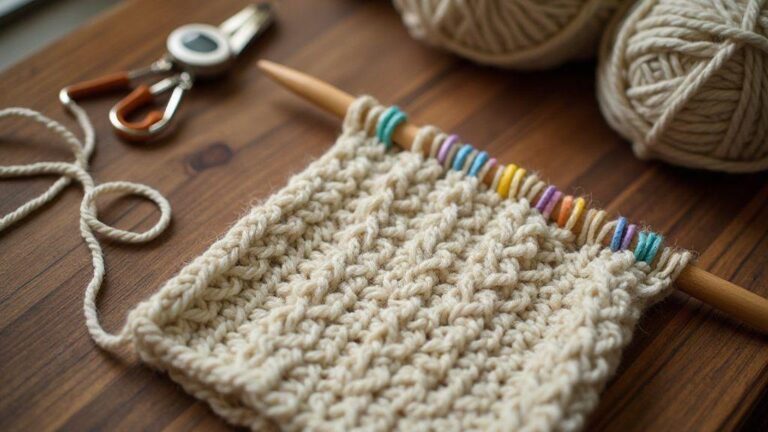
You’ll love how markers and rulers save you from messy stitches and skipped rounds. Stitch markers sit where you want to pause, marking the start of a round or increases. Remove or move them as you work. A simple hairpin or tight elastic can substitute, but a proper stitch marker stays put and won’t snag yarn. Markers make counting rounds crystal clear and prevent mistakes.
Measuring helpers keep your project honest. A measuring tape checks height and width, ensuring proportional pieces. A small ruler helps verify symmetry across ears and body parts. Color-coded markers track milestones—start, increases, decreases, final seam—for a steady rhythm and fewer surprises.
Stitch markers for amigurumi
Stitch markers help you stay on track. Clip one at the first stitch of a round and move it as you complete rounds. Place markers at color changes to avoid losing your place. For increases, keep a marker at the root of new stitches to visualize round growth. A marker at the very first stitch is handy for small pieces, and extra markers for limbs or ears reduce mistakes. When finished, remove all markers gently.
Simple counting and gauge tips
Counting stitches periodically keeps shaping consistent. If you stray, fix it early before you commit hours. Gauge matters less for tiny items but helps with neat assembly. Keep a small notebook or phone note for counts. If stitches feel tight, try a larger hook for a looser gauge; if loose, switch to a smaller hook. A routine of start, count, mark, adjust helps you sew with confidence.
Track rounds and increases easily
Track rounds and increases to keep even shaping. Use a marker at round start and note increases in a notebook. For head or body symmetry, plan ahead—place a second marker where a new stitch should appear. This reduces tiny mistakes and yields a balanced toy.
Cutting and Trimming Essentials
You’re fine-tuning with purpose. Cutting and trimming shape the final look, so use steady hands, a plan, and the right tools to avoid frayed ends or bulky edges. Precision trims keep your stitches neat and your piece cohesive.
Precision scissors for yarn crafts
Choosing precision scissors for yarn crafts gives clean, tiny cuts that don’t snag yarn. Look for sharp blades, a comfortable grip, and a snug cut to avoid frayed ends. Practice your cuts on scrap first to ensure smooth, controlled snips. Keep separate scissors for yarn and thread if possible to reduce residue transfer.
Keep blades clean and safe
Blades should be wiped after several snips to remove lint and fibers. Store scissors safely away from curious hands. Periodic cleaning and resharpening help prevent snagging and ensure clean edges.
Trim ends close without fraying
Trim ends by slicing just past the end of the thread, leaving a tiny tail for security. Trim seams tight against the stitch line to avoid disturbing the weave. After trimming, feel along the edge for stray fibers and trim as needed. A neat finish reduces snag risk and helps your amigurumi look polished.
Must-Have Amigurumi Tools Beyond Hooks and Yarn: Quick Checklist
- Polyfill, wool roving, or cotton batting
- Stuffing tools: chopsticks, blunt needles
- Stitch markers and color-coded markers
- Measuring tape and small ruler
- Tapestry needles
- Embroidery needles
- Sewing and finishing needles
- Blocking tools
- Wire armature or internal supports
- Fabric glue for securing parts
- Precision scissors for yarn crafts
- Cutting tools and trimming solutions
- Safety eyes and noses with proper backings
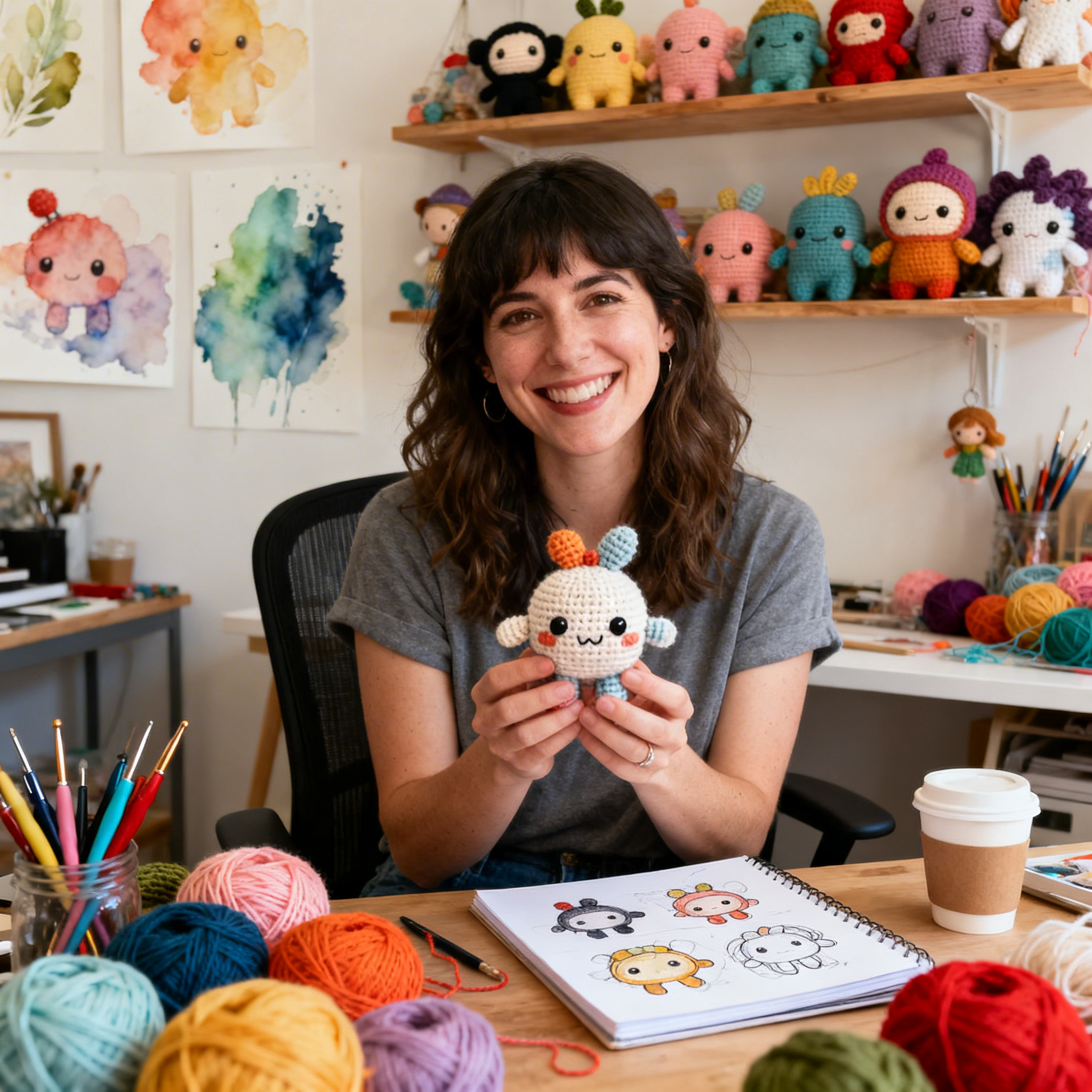
Clara Fern — Crochet Artist & Amigurumi Designer
Clara Fern is a crochet artist and amigurumi designer based in Austin, Texas. With 9 years of experience working with yarn and hook, she transformed a lifelong passion for handcraft into a creative mission: making amigurumi accessible, fun, and deeply rewarding for crafters of all levels.
Clara discovered amigurumi during a trip to Japan in 2017, where she fell in love with the art of bringing tiny characters to life through crochet. Back home in Texas, she spent years studying color theory, design principles, and advanced crochet techniques — developing her own signature style that blends kawaii aesthetics with original character design.
Through maclafersa.com, Clara shares everything she has learned — from choosing the right yarn and reading your first pattern, to designing fully original amigurumi characters from scratch. Her writing is known for being clear, detailed, and genuinely helpful, with no steps skipped and no secrets kept.
When she’s not crocheting, Clara enjoys watercolor painting, visiting local yarn shops, and drinking way too much coffee while sketching new character ideas.