How to Stuff Your Amigurumi Evenly Without Lumps
Pick the Best Stuffing Material
You want your amigurumi to hold shape and feel soft, so choosing the right stuffing is your first big move. The material should be light, easy to work with, and not cause trouble when you sew. The type you pick changes how your toy sits and how long it lasts. Think of it like choosing the right pillow filling for a comfy, durable pillow that won’t lump or flatten after hugs. The best approach is to choose a stuffing widely used by crafters, affordable, and easy to find in stores or online.
When you pick stuffing, consider the finish you want. For a crisp, defined shape, choose a filling that stays in place and resists shifting. For a softer, cuddle-worthy feel, pick something loftier. You’ll also want a filling that doesn’t shed fibers into your yarn or irritate sensitive skin. By weighing these factors, you’ll land on a stuffing that makes your amigurumi look good and endure play.
Finally, check allergen and washability factors. Some fillings are washable; some aren’t. Choose a material that cleans easily and dries quickly. If you plan to gift your amigurumi, consider the safety of the stuffing for kids or pets. The right stuffing makes your project feel complete and lasting, not a guess.
Why polyester polyfill works best
Polyester polyfill is lightweight, flexible, and holds shape well. It’s easy to stuff evenly and won’t creep or shift much once packed. It’s soft but not too soft, so your stitches stay neat. It’s inexpensive, widely available, and comes in different lofts, so you can choose the firmness you want. This makes it a reliable default for most amigurumi.
Polyester polyfill is washable and durable. If your toy gets grubby, you can clean it without worrying about damage or color bleed. It’s also less likely to irritate sensitive skin compared to some natural fillings, which helps if your project is a gift for a child. Overall, polyfill gives you a consistent feel across projects and saves time, especially when you’re crafting many pieces.
If you’re concerned about seams showing through or lumps forming, polyester polyfill’s smooth consistency helps you avoid those issues. You can compress it in tight spots and still keep a clean silhouette. For many makers, polyfill is the most forgiving stuffing material, letting you focus on shaping and finishing rather than fighting to keep the fill evenly distributed.
How to Stuff Amigurumi Evenly Without Lumps
To get a clean, even fill, start with small amounts. Press, not poke, the polyfill into hollow areas. Use your fingers or a stuffing tool to push the filling into arms, legs, and neck, keeping steady, consistent pressure. If you notice a lump forming, remove a bit, smooth it out, and re-fill gradually. Patience here pays off in the final look.
Work in stages. Fill the head first to a comfortable firmness, then move to the body, arms, and legs. This helps you keep proportion and avoid overstuffing one section while another stays flat. As you go, keep the surface even by gently pressing with your fingers to flatten raised spots. If you’re sewing parts on, stuff thoroughly but leave a small void to close up and attach seams without shifting the fill.
Finally, check your work from all angles. Look for wobbles or soft spots and fill them as needed. If you see a seam line pushing a little, tweak the stuffing to smooth it out. You want a uniform silhouette that looks inviting from every side. With practice, you’ll master how to stuff your amigurumi evenly without lumps.
Best stuffing for amigurumi polyfill tips
- Use small amounts at a time; it’s easier to manage than cramming in a big chunk.
- Gently pat the piece after stuffing to settle the fibers and avoid pockets.
- Keep a consistent firmness by comparing areas as you go, adjusting as needed.
- Don’t overfill near joints; leave space for stitching without stressing seams.
- If you notice a line or bump forming, smooth it with your finger and recheck the overall shape.
How to Stuff Your Amigurumi Evenly Without Lumps
You want a smooth, even surface with no lumps. Start with a firm but not hard head, then shape the body and limbs consistently. Keeping a steady rhythm as you fill will help you reach that even finish you’re after. Remember, the goal is a well-balanced toy that’s comfy to hold and looks polished from all angles.
If you’ve got stubborn spots, try a narrow tool or the blunt end of a crochet hook to nudge filling into hard-to-reach corners. You can also wrap tiny amounts of polyfill around problem areas to smooth them out. It’s the little tricks that keep the texture uniform across the whole amigurumi.
When you finish, do a final pinch test: squeeze the piece and feel for even resistance. If you detect a soft spot, add a touch more stuffing there and blend it with the rest. Your final check should leave you with a toy that holds its shape, sits well, and feels right in your hands.
Best stuffing for amigurumi polyfill tips
- Keep a small bag of polyfill nearby and add in tiny increments to control firmness precisely.
- Use a blunt tool to pack fibers into tight areas without creating extra seams.
- Regularly compare different parts for balance as you fill, adjusting as needed.
Prepare Your Tools for Even Filling
Good stuffing starts with the right tools. Gather what you need and check each item for cleanliness and sharpness. With your tools ready, you can focus on a smooth, steady fill that keeps your amigurumi soft and even. The goal is to avoid lumps, and a proper setup helps you spot and fix them fast.
Amigurumi Stuffing Tools and Needles
Your stuffing toolkit matters as much as your yarn. Keep a few options so you can switch shapes and densities as you sew. A small bag of polyester fiberfill works well, but natural fibers can give a firmer feel if you prefer. Keep a couple of sizes of needles handy—thin plastic stuffing needles for tight spaces, and a blunt steel needle to shift stuffing without tearing stitches. Your eyes should be on control: steady hands, gentle pressure, and a mind that spots uneven pockets before they harden into lumps. Always test a small amount in a corner first to see how it behaves.
Think about needle length and tip shape. Shorter needles reach tight spaces; a sharp tip helps nudge stuffing into tiny nooks. If you rely on a stuffing fork or a blunt-point needle, you can tease fiber into curved areas more easily. Keep needles clean and dry, wiping between sections to prevent fiber from sticking. Your goal is predictable flow, not brute force—let the stuffing slip into place with measured pressure.
Use chopsticks, tweezers, and stuffing needles
Chopsticks are allies for stubborn pockets. They give precise control without tearing the work. Use one stick to press and the other to lift and guide fiber into place. Tweezers are perfect for pulling out clumps or threading tiny bits into tight corners. When you feel a lump, switch to tweezers to grab the fiber and smooth it from the inside. A dedicated stuffing needle blends both worlds: its slender shaft slips through the fabric and helps you push, pull, and settle fibers evenly.
As you combine tools, your control improves. Break the fill into small portions rather than dumping a lot at once. With chopsticks and tweezers, nudge each bite into a rounded shape, then use the stuffing needle to settle it down. If a spot is stubborn, pause, re-align, and re-check surrounding stitches. Patience plus the right tool mix keeps your amigurumi evenly filled and lump-free.
Stuff Small Parts Without Lumps
You want clean, smooth shapes when stuffing tiny amigurumi parts. Start with a firm, steady hand and plan your fill. Use light, even pressure as you push the stuffing into arms, legs, and tails. If you feel a lump forming, pause and smooth the area with your fingers before adding more stuffing. Small parts fill more evenly when you work in small amounts at a time. Check symmetry with the other side as you go.
When you’re nearly done, do a final light compression to settle the fibers. This gives you a firm, even surface ready for closing. Think about the scene your amigurumi will inhabit—slightly denser head can balance a long tail, while a lighter body helps keep the overall feel proportional.
Use Tiny Bits and a Needle for Paws and Ears
For paws and ears, tiny pieces of stuffing give you the control you need. Use a narrow, straight needle to tuck stuffing into tight corners and along curves. Work slowly, feeding small pieces in bit by bit and smoothing as you go. This minimizes lumps and creates clean edges.
Keep bites small enough to push in without tearing. If dealing with an odd shape, place a bit at the tip first, then fill toward the base. After closing the opening, gently press to blend with the rest of the piece. If you see a tiny bump after stitching, pull back gently and reinsert a smaller piece. With practice, you’ll master perfectly stuffed paws and ears using this precise method.
Small part needle and pick tips
Tiny tools make a big difference. Use a fine needle to weave through fabric and position stuffing exactly where you want it. A small pick helps you tease fibers into hard-to-reach spots without tearing the yarn. When you finish, run the needle through a few stitches to anchor the stuffing, then secure with thread.
Keep tools clean and sharp. Dull tools push fibers rather than pull them, which creates lumps. Work in good light so you can spot uneven spots early. If you’re unsure about a corner, slow down—the extra seconds pay off in a smoother finish.
Layer and Pack in Small Steps
Amigurumi stuffing isn’t a single big shove of fiber. Layer and pack in small steps for a smoother finish. Start by filling the first quarter of the shape, then pause to feel for gaps. When you press, you should feel a gentle, firm resistance—not a hard brick. This gives you control over how each section holds its form.
As you continue, use small amounts and test often. If you see a hollow spot, add a little more and re-press before moving on. If you overstuff a part, you can adjust later. Aim for a consistent density across the piece, with no obvious lumps. The right amount is less about volume and more about touch and balance.
Your amigurumi should feel solid but still slightly squashable. Layering in small steps helps you see where you need more fullness and where you’re done. With practice, you’ll notice fewer fixes and a cleaner finish.
Amigurumi Stuffing Techniques for Even Fill
You’ll want a few go-to moves to keep the fill even. Start with a small amount of stuffing, then compress gently between your fingers to shape curves. If you spot a tiny dip, add a touch more and press around it to blend with the surrounding fill. Keep density consistent from one segment to the next.
Use your fingers as a mold: press outward from the center, letting the material spread evenly. When shaping a round head, work in small increments around the circumference to avoid flat spots. After finishing a section, smooth the surface with your fingertips so no fiber peeks through stitching. Keep stuffing clean and dry—lint or tiny fibers show up after sewing.
If you see a ridge, flatten it with light pressure and re-distribute behind the seam. Your goal is a soft, uniform surface that feels natural to the touch. With practice, your hands will automatically adjust to the right density.
Add Small Amounts, Then Shape and Compress
Always add in small doses. It’s easier to correct a little overfill than to undo a big lump. After placing a pinch, pause to shape it. Use your fingers to press from the inside toward the outside, guiding the fill to align with the intended curves. This keeps edges clean and helps you avoid bulges along seams.
Shape as you go. Each addition should be molded to match nearby areas. If you’re filling a limb, work from the center outward to maintain roundness. Near a joint, test how it moves after each addition. The stuffing should allow flexibility where needed while maintaining form elsewhere. Keep checking from different angles to catch uneven spots early.
Compress with purpose. A light press can level a mini bump, while a firmer press sets the density you want. Don’t crush delicate parts; use a gentle palm squeeze to settle everything. Your finished result will look even and professional when you keep this rhythm: add, shape, and compress in small steps.
Layering Method for Steady Shape
Layering is your friend for a steady, predictable shape. Start with a base layer for core support, add a mid-layer for volume, and finish with a light top layer to smooth surfaces. As you place each layer, test overall balance by feeling along the surface. If you detect a dip or ridge, adjust neighboring layers to even things out.
Think in zones: build the body in sections—torso, limbs, head—so you can verify symmetry as you go. After finishing each zone, lightly compress the surface to merge it with adjacent areas. Layering also helps you control density where you want it most—like the chest or cheeks—without overdoing the rest. Practice first with a simple shape, then apply the method to more complex amigurumi.
Distribute Fill Around Seams and Curves
Spread stuffing evenly around every seam and curve. Pull the stuffing into small batches so you can shape each area without overpacking. Maintain a steady hand and press gently to feel how the fabric accepts the fill. When moving from one curve to the next, pause to check for lumps and adjust before moving on.
Layer fill to follow natural contours of each part. If you notice a hollow spot, add a little more near the seam and smooth toward the center. Your goal is a uniform silhouette where fabric holds its shape without sagging or ridges. This minimizes awkward bulges at joints and keeps a clean, professional finish.
Smooth transition areas between pieces. Tuck stray fibers back into the fabric and flatten the surface with your fingers. Light touch and careful distribution yield a seamless look that feels solid, not squishy.
Distributing Stuffing Evenly in Amigurumi
Work in small portions, stopping often to check the shape from different angles. If you see a low spot, add more fill and press evenly. Keep edges neat by avoiding overfill near seams, which can push stitching apart. Use a gentle, patient touch—rushing creates lumps. When the fabric stiffens, back off a bit and smooth.
Keep consistent pressure as you push toward the edges. For a bulbous head, fill the crown first, then the cheeks, and taper toward the neck for a natural, rounded form. For longer limbs, fill from the end toward the joint, then hold the shape while you stitch. Close the seam with no visible indentations or pockets.
Push Fill to Edges with a Tool for Symmetry
A modeling tool or blunt crochet hook helps you push fill into tight corners and along edges, keeping seams invisible. Rotate the piece as you work, pushing from multiple angles to maintain uniform thickness. If a ridge forms, ease the fill back out slightly and re-fill with a lighter touch. Your amigurumi will look balanced from every view.
Seam Smoothing and Edge Filling
After stuffing, smooth the seams by running your finger along stitch lines to feel for tension gaps. If you detect a dip, add a tiny amount of fill and re-smooth so the seam disappears under the surface. Edge filling is about finishing with precision—focus on transitions between fabric and fill so you don’t see where one ends and the other begins.
Grip near the seam and coax the fill toward the edge. When satisfied, close the final seam with a tiny amount of extra yarn or the original stuffing to lock everything in. The finish should be quiet and tidy, with no puckers or holes.
Balance Tight Versus Loose Stuffing
The balance between tight and loose stuffing creates a toy that stands up well, feels comfy, and reads as polished. Tight stuffing provides structure for poses; loose stuffing adds cuddly softness. Alternate between the two: set the core with firmer stuffing, then tuck in softer filling around curves and edges. Adjust by part: joints and neck suspect firmer stuffing; cheeks and tummies benefit from a softer touch.
Different fabrics respond differently. Dense yarns show lumps with overstuffing; looser weaves can swallow more filling without visible seams. Adjust to your material, not the other way around. Your goal is consistency across parts so the toy reads as a single, deliberate creation.
When to Stuff Firm for Posture or Soft for Cuddles
If your amigurumi needs to hold a pose, go firmer. Pack in snug, equal amounts from base to edge and test the pose often. Firm does not mean hard; it means predictable resistance to keep shapes crisp.
For cuddle-worthy parts, start with a soft core and add tiny pockets of firmer fill where you want shape, such as under the chin or around the cheeks. This yields a friendly look and a hand-hugable feel.
Switch between firmness with the right tools: small changes in packing density, a fingertip poke to judge resistance, and a quick squeeze to test. If a seam shows when soft, add fill behind it and blend outward. If a part looks flat, a pinch here and there adds subtle roundness without changing overall silhouette.
Tension Choices for Even Fill
Consistent tension is your quickest route to even fill. Stuff in small steps, pausing to check symmetry on both sides. If you spot a bulge, smooth it by redistributing a few grains of stuffing. Uniform pressure from the center outward helps seal the look and avoids puckers along seams. Your hands will tell the story: smooth, even resistance across the surface means you’re on the right track.
Use Needle Techniques to Prevent Lumps
Needle techniques help you sew and stuff smoothly, preventing lumps. Keep tension even and use small, deliberate stitches to blend stuffing with yarn. Think of the needle as a tiny painter’s brush, shading in fiber where you need quiet gaps or shallow valleys. If you spot pinched spots, ease the stuffing with gentle stitches. Practice on simple shapes to feel how to avoid ridges and achieve even fill.
Avoid Lumps in Amigurumi Stuffing
Avoid lumps by using the right amount of stuffing. Break it up in your fingers before insertion so bulk goes where you want it. Pause often to check symmetry. If a hard pocket forms, pull out a small amount and redistribute. Lightly fluff the area and resume layering with care. Keep the exterior neat by tucking loose fibers away as you go.
Thread and Pull Small Fiber Clusters into Corners
Corners are where lumps hide. Use your needle to thread tiny fiber clusters into those tight spots. Tap the needle into the corner, grab a few fibers, and pull them into the interior. Move slowly in short rounds to avoid overstuffing the corner and creating a sharp tip. After finishing a corner, smooth the surface and recheck the area.
Needle and Pick Moves to Remove Lumps
To remove lumps, use needle moves and a picking action. Insert the needle beside the lump, push fiber toward the center, and wiggle to loosen. Refill surrounding spots to balance the surface, then reseal with tight stitches. Finish with a light outer pass to camouflage the adjustment.
Check and Fix Lumps Before Closing
When finishing, locate dense spots by a gentle feel. If you find lumps, remove a few stitches to redistribute stuffing, then rework the seam to keep the surface smooth. The goal is a consistent, rounded body so your amigurumi sits right. To prevent future lumps, learn where they hide and stuff in small, steady increments. If a leg looks thicker, adjust to even it up. Your hands are your best measurement tool here.
If a lump appears near the end, open a few stitches, move stuffing, and re-seal with tight stitches. A blunt yarn needle helps shift stuffing gently and lock in the new shape.
How to Prevent Lumps When Stuffing Crochet Toys
Lumps often show up where stuffing gets trapped. Fill gradually in small amounts and press gently to settle. Alternate stuffing with small scraps or unthreaded yarn to fill difficult curves. When you finish a section, run your fingers along the surface to feel for dips or high spots and adjust as needed.
Open a few stitches to redistribute dense areas if needed. Gently pull fabric to loosen stuffing and spread more evenly, then re-stitch to keep surface smooth and flat.
Finish and Maintain an Even Fill Over Time
Plan your finish and regular checks to keep your amigurumi smooth and professional. Start with a firm but gentle stuffing approach, then seal seams cleanly. Consider durability and how the shape will hold up to play or display. A plush yet firm result lasts longer, with no obvious lumps or shifting stuffing. Remember, evenness isn’t a one-time job—it’s a habit you build into your finishing technique.
Keep a steady grip when inserting stuffing and a small amount ready to adjust any uneven spots. If you see a bump, coax it flat with the end of your hook or a blunt tool. Don’t overfill, and pause to check from different angles. A little extra care now saves you from fiddling later.
Keep seams neat as you close them. Use a few tight whip stitches to lock in the last bits of filling and restore shape around joints. After finishing the main body, do a final pass to ensure evenness and a soft, consistent feel. Your patience at this stage translates to a plush, professional look that lasts.
Even Stuffing Amigurumi Tutorial Step by Step
Start with a small amount of stuffing and add in layers, pausing to check symmetry as you go. Push stuffing into corners and around curves with the end of your hook to avoid air pockets. If you see a valley or lump, adjust by adding or removing a pinch of stuffing and smoothing with your fingers. Maintain a steady rhythm so each section gets the same amount of fill.
Compare the front and back as you progress. If one side seems flatter, add more stuffing there and re-shape. You want a uniform silhouette from every angle, not just the obvious view. Even distribution means your finished amigurumi holds its shape when snuggled or displayed.
When nearly done, do a final pass head to toe, pressing gently and smoothing. Run your fingers along seams to ensure no hard spots under the surface. If you find a lump, work it out with the hook or a felting needle, then re-close the seam cleanly. The end result should feel balanced and soft, with no obvious stiff lines.
Refluffing, Washing Care, and Adding Fill Later
If your amigurumi loses fluff after washing or long use, refluff to restore shape. Gently pull fibers back into place, focusing on flattened areas. A light mist of water can help relax stuffing slightly for redistribution, but don’t soak. Once dry, you may add a touch more stuffing to regain the original feel.
For cleaning, spot wash with a mild detergent and air dry completely before reshaping. If you need to readd fill, remove a small amount from areas that feel too firm, add fresh stuffing, and reseal with tight stitches. This keeps your piece looking fresh without losing form.
If you plan to re-stuff, do it in small steps. Add stuffing gradually and balance as you go to prevent new lumps. Your careful approach makes revival look intentional, not rushed.
Storage and Care to Keep Shape
Store your amigurumi in a cool, dry place away from heavy pressure. A bin with a lid or a dedicated shelf works well. If you stack pieces, avoid crushing any part and consider light stuffing in surrounding items to maintain shape. Regularly check for flattening and adjust as needed. Keeping the shape when not in use is as important as how you stuff it during making.
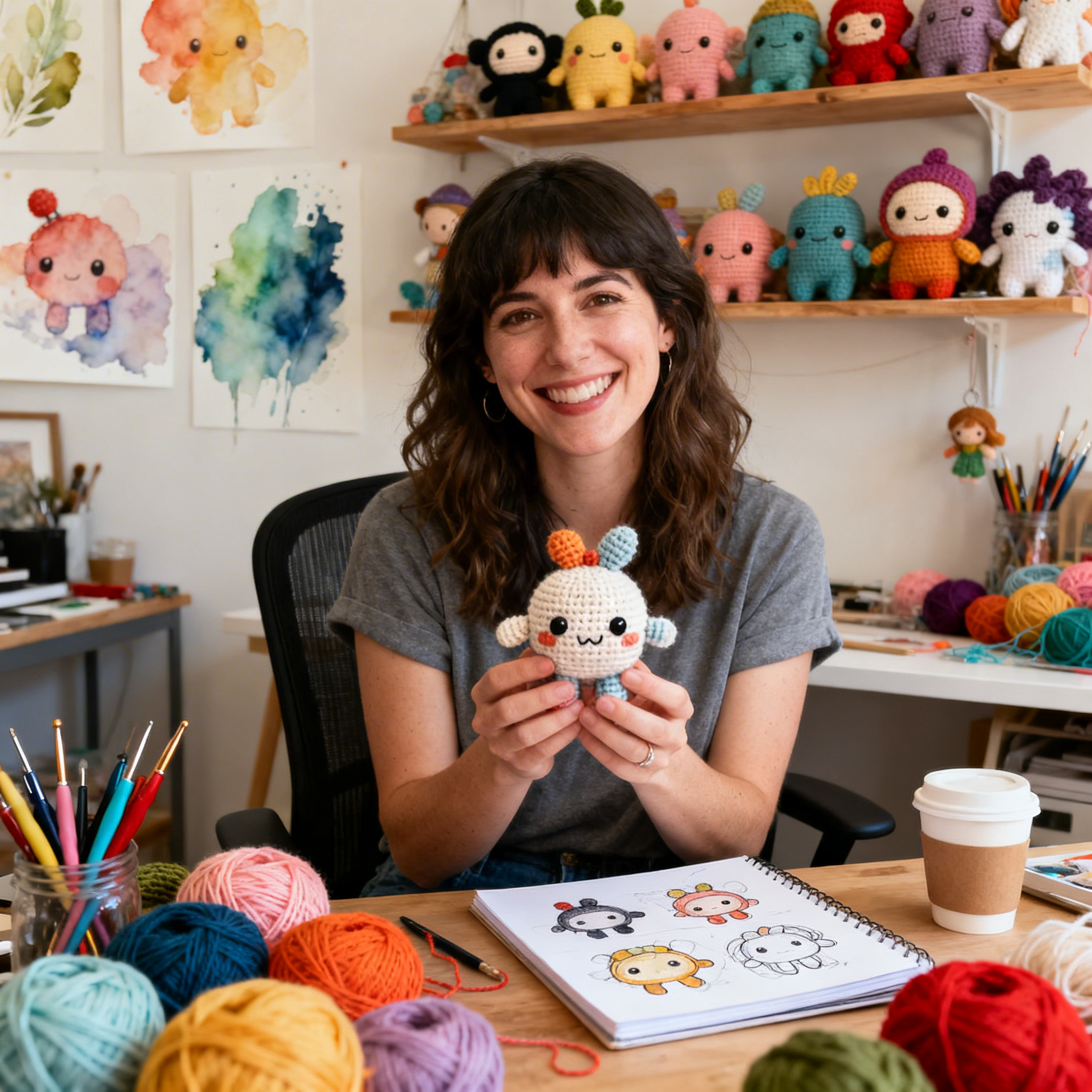
Clara Fern — Crochet Artist & Amigurumi Designer
Clara Fern is a crochet artist and amigurumi designer based in Austin, Texas. With 9 years of experience working with yarn and hook, she transformed a lifelong passion for handcraft into a creative mission: making amigurumi accessible, fun, and deeply rewarding for crafters of all levels.
Clara discovered amigurumi during a trip to Japan in 2017, where she fell in love with the art of bringing tiny characters to life through crochet. Back home in Texas, she spent years studying color theory, design principles, and advanced crochet techniques — developing her own signature style that blends kawaii aesthetics with original character design.
Through maclafersa.com, Clara shares everything she has learned — from choosing the right yarn and reading your first pattern, to designing fully original amigurumi characters from scratch. Her writing is known for being clear, detailed, and genuinely helpful, with no steps skipped and no secrets kept.
When she’s not crocheting, Clara enjoys watercolor painting, visiting local yarn shops, and drinking way too much coffee while sketching new character ideas.