How to Mix Yarn Textures for More Interesting Amigurumi
Selecting yarn for amigurumi texture
You want your amigurumi to feel cozy and have real character, so picking the right yarn sets the tone from the first stitch. If you’re wondering How to Mix Yarn Textures for More Interesting Amigurumi, think about how the toy will be touched, displayed, and played with. For a soft, plush feel, choose yarns that bloom a little when worked; for crisp features, a yarn with tighter twist can be your best friend. Your choice shapes how the final piece meets the eye and the hand.
Your first instinct should be to test a small swatch before committing. Wrap a tiny piece, squish it, and imagine the toy a child will hug. The texture should support your design goals—plush, fuzzy, or smooth—and stay easy to work with. Texture isn’t just look; it’s interaction. A yarn that feels nice to touch can make your amigurumi feel alive.
Balance texture with practicality. If the toy will sit on a shelf, texture adds personality without sacrificing durability. If it’s a child’s companion, choose a yarn that wears well and holds shape. Think about how your yarn choice ages with play, not just today.
Compare natural and synthetic fibers
Natural fibers offer warmth and a cozy handfeel. Soft cotton or wool yields plush results and can bloom with wear, adding depth. They can be pricier and may felt or shrink if not cared for. They’re a lovely choice for gentle toys with an organic look.
Synthetic fibers stay consistent and affordable, wash-friendly, and resistant to shrinking. They offer bright, durable hues and reliable shape retention. They’re ideal when you want resilience for busy play and easy care.
Match your vibe: natural fibers for warmth and artisanal feel; synthetics for durability and color clarity. Note natural fibers vary in depth, while synthetics stay uniform. Let your design guide this choice, beyond price.
Match fiber to your toy’s use
For heavily handled amigurumi, choose soft, forgiving yarns that are easy to wash and resist shedding. A gentle twist reduces fuzz while keeping a cuddly surface. For display pieces, texture and sheen can shine without constant handling. Heavier yarns support form and survive rough play; lighter options emphasize delicate features. Color changes and fiber behavior matter for contrast and expression—some fibers dye differently and affect the final look, so pick fibers that work with your pattern and color choices.
Washability and care tips
Choose yarns you can wash without fear. If the toy is for kids or gifts, opt for machine-washable options or easy-care blends. Check the label for temperatures and cycles, and consider a gentle hand-wash option for delicate pieces. Remember: natural fibers may felt or shrink with aggressive washing, so reserve them for decorative pieces or handle with care.
Using bulky and fingering yarn amigurumi
Mix bulky and fingering yarns to unlock texture and personality. Bulky yarns give chunky shapes and bold silhouettes, while fingering yarns offer delicate details and smooth finishes. Plan which parts of your design will be bulky and which will need fingering to keep the overall look balanced. The bulky foundation provides stability; fingering accents add tiny eyes, whiskers, or small stitches without overpowering the form.
Bulky for shape: bulky yarns create sturdy limbs and round bodies with fewer stitches, great for big, huggable pieces. Use a larger hook to keep the fabric firm and avoid gaps. Fill limbs first for smooth edges, then crochet around to maintain a neat silhouette. The bulky foundation carries the design while you sprinkle in personality with fingering accents.
Fingering for detail: use fingering to weave tiny features and delicate patterns without overwhelming the bulk. It’s crisper and smoother, but requires more stitches to maintain density. You can switch colors at small sections to hint at fur or markings without overpowering the form. The contrast between bold bulk and fine detail makes the character feel alive.
When you choose bulky for shape
Bulky for the main form speeds up the build and gives a chunky personality fast. It yields plush texture that kids love to cuddle. Use a larger hook to keep the surface even and avoid holey gaps. For smooth limbs, fill before working around to preserve a clean edge. Let bulky provide the silhouette while using fingering for personality.
When you choose fingering for detail
Fingering adds tiny features—eyes, mouth, facial expressions, and decorative stitches—that might be lost on bulky yarn. Maintain consistent tension to avoid ladders. Switch back to bulky for the body if you need a strong frame. Color changes can hint at fur patterns without overwhelming the overall form.
Change hook and tension
When transitioning from bulky to fingering, adjust hook size and tension. Use a smaller hook for fingering to keep stitches tight and uniform; for bulky sections, a larger hook speeds up work and keeps fabric soft. Maintain consistent tension across textures to make transitions cohesive. Practice a few sample rounds that alternate textures to feel and see how the fabric behaves.
Yarn texture pairing guide amigurumi
You’ll love how texture brings your amigurumi to life. Start by pairing textures that contrast enough to be visible yet harmonize within the same color family. A soft, fuzzy yarn next to a smooth one makes stitches pop and adds tactile surprise.
Begin with a character plan. A cozy teddy might mix plush and cotton for warmth and structure; a woodland creature could pair a glossy strand with a matte one to mimic fur that catches light while staying grounded. Keep focus points in mind and decide where texture should stand out.
Keep texture simple at first, then layer in detail. Start with a base color block and add a fuzzy fringe or edge highlights to aid readability from a distance while rewarding close inspection with subtle texture.
Pair smooth with fuzzy for contrast
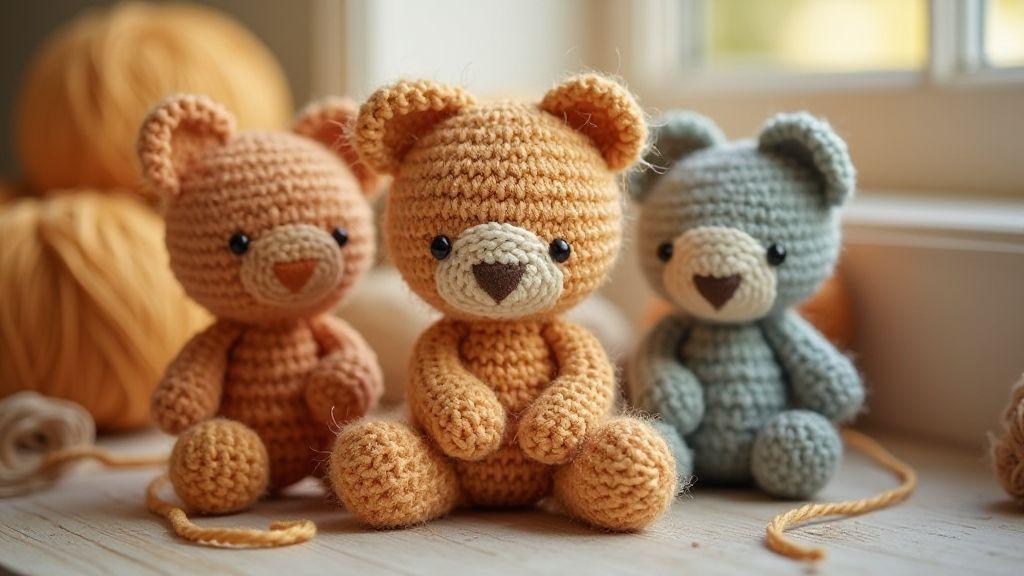
You’ll notice the pairing when you hold the piece: smooth yarns keep lines clean while fuzzy yarns add warmth and a soft edge to cheeks, ears, or tummy. The contrast makes your character feel alive rather than flat.
Light interaction matters: smooth yarns reflect evenly, fuzzy ones catch light in halos. Use this to emphasize limbs or facial features with a gentle highlight along edges.
Define shapes without extra embroidery by pairing a smooth body with a fuzzy muzzle or paws. For small knits, limit fuzzy areas to avoid overwhelming the form. Transitions should feel crafted, not stitched.
Finish with tidy transitions. Easing the fuzzy yarn into view with a peek of smooth yarn along a seam keeps the piece feeling deliberate.
Pair shiny with matte for depth
You’ll notice a deeper sense of depth when mixing shiny and matte yarns. Shine catches light; matte stays steady. Reserve shiny yarns for accents like eyes, buttons, or tiny ornaments, and keep the body matte to anchor the piece.
This pairing helps features read clearly. A glossy edge on a beak or belt can pop against a matte body, guiding the eye to key details. Be mindful of scale—too much shine on a small piece can overwhelm; reserve gloss for small areas.
Place texture where you want mass and sparkle where you want emphasis. The combination adds form and material variety, making your character more believable.
Place textures to show form
Texture maps the shape. Use smooth or matte on broad surfaces to keep silhouettes clean, then add fuzzy or shiny accents at edges or features to suggest height, depth, and volume. Treat stitches like lines on a sculpture: dense stitches in smooth yarn create planes, while a fuzzy edge can curve around a feature to imply roundness.
Texture placement is visual storytelling. Use contrasts at joints, snouts, or ears to emphasize movement or personality. A well-placed texture choice can turn a simple block into a character with attitude.
Textured yarn amigurumi techniques
Textured yarn opens a world of character. Bouclé, eyelash, and loop yarns create highlights and shadows that make characters pop. Place boucle around the nose for subtle texture, or eyelash yarn along fur to imply hair. Balance texture with stitch tightness so stuffing stays neat and shapes stay solid. Keep tension consistent so texture shows without collapsing the form. If unsure, test a quick swatch to see how fibers interact with your chosen hook size and gauge.
Add loop, bouclé, and eyelash yarn
Loop yarn adds raised ridges for dimension; bouclé provides curls that peek out irregularly for a natural fuzz; eyelash yarn gives hair-like strands that shimmer without stitching every strand. Place loop accents where you want depth, then run eyelash yarn along edges for a wispy finish. A simple trick is to use smooth yarn for the interior body and reserve boucle or eyelash for outer surfaces that should grab attention. If a texture feels overpowering, reduce the rows of texture to keep the shape clean.
Modify stitches for more texture
Dial texture up or down by altering stitches. Make stitches a touch taller in textured sections to create subtle ridges. Use slip stitches or back-loop-only areas to appear more rugged. For fur-like texture, alternate rows of single crochet with partial stitches or mini increases to create irregular bumps. For tiny limbs, keep texture light to maintain flexibility. Use a smaller hook for texture zones to keep the silhouette crisp while adding depth. Maintain consistent tension across textures.
Secure ends and joins
After finishing a textured area, secure ends firmly to prevent unraveling. Weave ends through nearby stitches to hide tails while locking texture in place. At joins, pull yarn snugly so seams aren’t visible but texture remains continuous. For boucle or eyelash accents, secure ends behind the texture layer to avoid bulk. A final finger burnish helps set texture so it reads clean from all angles. Finished ends should withstand gentle play, especially on the face and limbs.
How you combine yarn types safely
Mixing yarns unlocks cool textures, but plan ahead. Test small swatches to see how fibers behave together. Smoother yarns slide against each other; fuzzier ones grip. Consider the final feel and how stitches will hold up over time. Safety with fibers matters just as much as look, especially with kids.
Think about stretch. Some blends stay springy; others sag. If you want a firm, playful shape, pair yarns with similar elasticity. A simple rule: match stretchy with stretchy so fabric doesn’t warp. For a more rigid finish, combine fibers with lower stretch but similar thickness. You’ll thank yourself when your toy keeps its shape and stitches stay neat.
Test care together. Some fibers (like acrylic) handle heat and washing differently from natural fibers. If blends require different care, plan for longer maintenance—hand-wash or spot-clean, and lay flat to dry. A care note on the project helps owners treat it properly. When in doubt, opt for blends with similar care instructions.
- Match stretch and shrink behavior
- Avoid mixed fibers needing different care
- Label blends for washing
Match stretch and shrink behavior
Blend yarns that stretch similarly to avoid misshapen results during weaving or after washing. Crochet a small test swatch and tug gently in all directions; if it recovers similarly, you’re good. Bloom or relax after washing should be similar across fibers to keep colorwork tidy and joints solid. Aim for a cohesive fabric, not a mismatched patchwork.
Avoid mixed fibers that demand different care. If one fiber needs hand-washing and another machine washing, expect extra maintenance. Prefer blends with the same care label or compatible instructions. If mixing is necessary, outline care expectations in a note so users know how to treat the piece.
Label blends for washing: a simple care note on the inside tag or project journal helps owners avoid mishaps. If you’re selling or gifting, include care instructions in packaging for clarity.
Amigurumi texture blending tips for patterns
You want your Amigurumi to pop, not blend in. Blend textures with care so each section reads as intentional. Choose textures that contrast enough to be visible but harmonize within the same color family. Think how a fluffy yarn might pair with a tighter plied yarn to suggest scale, fur, or armor. Texture blending happens in three repeatable steps: choose a dominant texture for the main body, add a secondary texture for details, and test the combo with a small swatch to see how light catches the stitches. The right blend helps your Amigurumi hold shape and warmth while staying cohesive. Document your observations so patterns remain reliable and easy to follow.
If you stay mindful of how each texture behaves, you’ll avoid common pitfalls like heavy yarns collapsing under stitch work or fluffy yarns obscuring shaping. Your readers will value clear notes on what works, making your pattern a trusted reference. Remember: texture is a storytelling tool—use it to give your character personality without shouting. How to Mix Yarn Textures for More Interesting Amigurumi can be a roadmap when you apply it with intention.
Read multi-texture yarn crochet patterns
Patterns mixing cottons, wools, and synthetics are common when blends are purposeful. Read the full pattern to note where texture shifts occur—limbs, face, or accessories. Look for cues like color bands, stitch density, and tension notes. If a section splits between smooth and fuzzy yarns, expect a visible transition; use a subtle seam or decorative stitch to soften it. Check yarn weight, hook size, and gauge. If tension changes with texture, test a tiny swatch before committing. A pattern that anticipates texture shifts saves time on tweaks later and helps readers recreate the look confidently.
Swatch each texture change first
Before a big project, make a tiny swatch for each texture change. This shows how stitches behave, fabric density, and color reads in different light. If a fluffy yarn hides stitch definition, switch to a tighter stitch or smaller hook. If a smooth yarn reads too flat next to a rough one, tweak with a subtle outline or edging. Your swatch is your truth-teller—treat it as a required step. Record stitch count, gauge, and texture tests so you can guide readers with practical expectations. A wow swatch can inform hook size or tension notes for the final piece.
Keep notes on color interactions and texture pairings. A texture that wowed you on the swatch should inform your pattern’s guidance, helping readers achieve a similar effect.
Use contrast yarn textures for eyes and trims
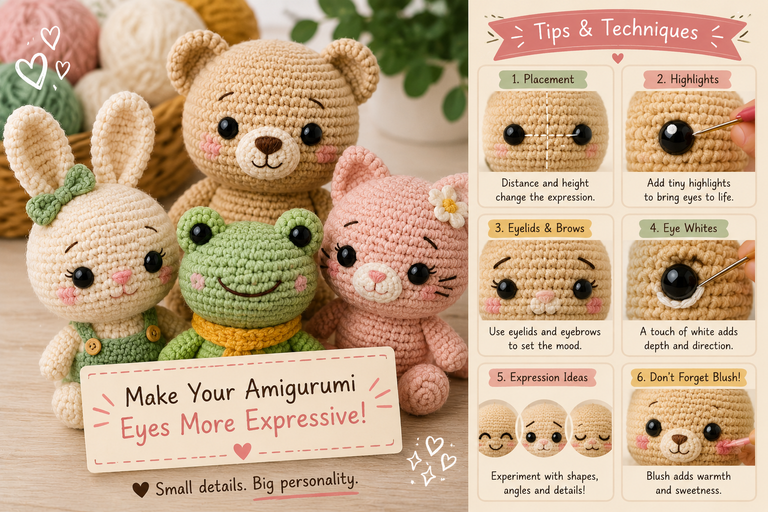
You want eyes and trims that pop without shouting. Contrast textures guide the eye gracefully. Try a shiny smooth yarn for highlights against a matte body to direct attention precisely. For eyes, use a yarn that holds its shape to form clean pupils, and pair with a lighter reflecting yarn for specular highlights. Trims benefit from crisp edges—fine, crisp yarns outline seams or cuffs to frame the face from a distance.
Test small swatches to compare shine and matte effects side by side. The goal is to guide the viewer’s gaze naturally without overwhelming the piece. A little experimentation goes a long way in achieving readable features and cohesive texture interplay.
Pick fuzzy yarn for hair and fur
Fuzzy yarns add warmth and volume to hair and fur without extra stitches. Use a slightly longer loop height so fuzz reads as hair rather than edge. Layering helps—base color with small sections of a second shade for depth. A touch of metallic-fleck yarn can add subtle highlights for a painterly look. Be mindful of fuzz overpowering facial features; keep volume proportional to the head and trim stray fuzz for a clean silhouette.
Pick smooth yarn for faces and limbs
Smooth yarns yield neat faces and sturdy limbs. They hold stitches well and keep facial features readable. If fuzz swallows detail, swap in a smoother complement to preserve expression. Practice on a tiny figure to avoid reworking a full piece.
Place trims to guide the eye
Trims act as visual highways. Place them thoughtfully to direct the eye from head to body or along a hat brim to a smile. A crisp edge on the neck or cuff creates a visual pause, helping the viewer rest before moving on. Use contrasting color or stitch to create deliberate lines that guide attention to the right places.
Position trims to frame the face and highlight expressions. A single ribbon or braided edge can transform a plain piece into a storytelling moment. Trim around patches to create a spotlight on the feature rather than the surrounding space.
Keep trims proportional to the amigurumi’s size. Too much detail on a tiny piece clutters the design; too little, and it looks unfinished. A balanced approach feels intentional and polished.
Mixing fibers for amigurumi durability and feel
You want your amigurumi sturdy and soft at the same time. Mixing fibers lets you tailor stiffness, bounce, and warmth to suit play and display. Think of your project like a sandwich—durability on the outside, warmth and feel inside. Test small swatches as you go to see how fibers react to pulling, pinching, and stretching. If you want poseable pieces, use firmer fibers in the core and softer fibers on the surface for comfort.
Choosing blends gives you control over texture as you sew. For example, a sturdy wool core can provide structure, while a fluffy outer layer adds coziness. A touch of smooth acrylic can keep the surface even and easy to clean. The key is testing swatches and noting how fibers behave with your hook size and gauge. Your mix determines stitch behavior, look, and washability. Try different combinations on small tests before committing to larger pieces.
Your choice matters: woodland critters may need rugged fibers for outdoor feel, while backpack-friendly toys benefit from softer outer layers. The fiber mix influences how you stitch, how it looks, and how it washes. Experimenting with small tests leads to a durable, lovable finished piece.
Wool blends add bounce and warmth
Wool blends provide bounce and resilience. Natural elasticity helps stitches spring back, keeping shapes after play. A touch of mohair or alpaca softens the surface while preserving structure. Wool grips itself for steadier seams and offers warmth in hand. Some blends bloom or puff after washing, so test shrinkage and loft with a swatch before committing.
Acrylics give easy care and color choice
Acrylics are durable, heat-set well, and easy to wash. They come in a wide color range, helping you keep crisp edges and clean color transitions. When mixed with wool, acrylics anchor the surface and help maintain shape after handling. For care, machine washing is common, but avoid high heat; cool rinse and lay-flat drying protect blends. Start with a small acrylic proportion to see how the blend holds up.
Match stuffing to surface texture
Stuffing should mirror the surface texture. Plush, fuzzy surfaces benefit from firmer, loftier fill to maintain volume, while smooth surfaces can use lighter fill to keep lines sleek. If your yarn mix is very soft, consider firmer stuffing to prevent squish from flattening details. For sturdy yarns, lighter fill can keep the piece cuddly rather than rigid. Test by filling a head or limb first to gauge firmness and surface feel.
Start small to practice mix yarn textures amigurumi
Starting small yields quick wins. Pick a tiny project where texture is the main feature. Observe how yarns behave side by side, how light catches the surface, and how texture changes row by row. Keep it simple: two or three yarns max, with one bold texture and a couple of softer ones. This helps you understand tension and stitch choices before tackling larger pieces.
Texture is not just look—it affects how you touch and feel the piece. A fuzzy yarn can soften lines; a smooth yarn makes colors pop. You can add a bit of metallic or boucle for a sparkly finish without overwhelming the design. As you practice, note what works and what doesn’t to guide larger projects.
Keep goals clear: learn how fibers sit together and how tension shifts with each yarn. The swatch work reveals how a texture reads boldly, softly, or subtly and how colors carry the story. This foundation supports precise, thoughtful decisions in bigger projects and makes the journey exciting rather than overwhelming.
Try a keychain or mini toy first
Begin with a keychain or mini toy to test textures without committing to a large piece. Use one standout texture and two supporting ones to see how they interact on a small surface. Tiny pieces help you predict how textures will feel on a full-sized amigurumi and reduce yarn waste.
Small projects give a tangible result to judge texture and color balance. If a texture feels loud, dial it back in the next tiny piece. If it reads dull, add a contrasting accent. Each tiny win builds confidence.
Keep a swatch notebook of combos
Document every texture combo in a swatch notebook: yarns, hook size, tension, and how textures read from different angles. This becomes your map for future amigurumi and saves time. Note what surprised you and what didn’t to guide future designs. Color pairings deserve their own notes—record how a color reads against a texture and how it shifts the mood.
Build a simple pattern library
Start a pattern library with core textures and their combinations. Include notes on gauge, stitch height, and texture interactions at different angles. This becomes your design backbone for future projects, helping you mix textures with confidence. Over time, you’ll forecast how textures read as rough or soft, where to place bold textures for emphasis, and how to build character and personality into each piece.
As patterns accumulate, you’ll gain a better sense of texture reads and combinations, turning your library into a practical toolkit for creativity.

Clara Fern — Crochet Artist & Amigurumi Designer
Clara Fern is a crochet artist and amigurumi designer based in Austin, Texas. With 9 years of experience working with yarn and hook, she transformed a lifelong passion for handcraft into a creative mission: making amigurumi accessible, fun, and deeply rewarding for crafters of all levels.
Clara discovered amigurumi during a trip to Japan in 2017, where she fell in love with the art of bringing tiny characters to life through crochet. Back home in Texas, she spent years studying color theory, design principles, and advanced crochet techniques — developing her own signature style that blends kawaii aesthetics with original character design.
Through maclafersa.com, Clara shares everything she has learned — from choosing the right yarn and reading your first pattern, to designing fully original amigurumi characters from scratch. Her writing is known for being clear, detailed, and genuinely helpful, with no steps skipped and no secrets kept.
When she’s not crocheting, Clara enjoys watercolor painting, visiting local yarn shops, and drinking way too much coffee while sketching new character ideas.