
How to Create a Cohesive Color Story Across a Set of Characters
Color theory basics for your characters
Color choice shapes how your characters feel to the audience. You’ll see that a splash of color can cue a mood, hint at a trait, or make a moment feel bigger. Your job is to pick colors that support who your characters are and how they interact. When you choose colors wisely, you help your readers understand a character in a single glance. Think of color as a quick whisper about your character’s inner world.
Your characters live in your world, so color needs to stay consistent. If you change a character’s color, you should have a reason that ties to their growth or the scene’s tone. Consistency creates trust with your audience. Keep a simple rule: a character’s main color stays the same, while accents shift with mood or situation. This makes your color story easier to follow and more powerful.
Finally, use color to guide attention. For action or emotion, brighter or more saturated colors grab the eye. For calmer moments, you’ll lean toward softer hues. This balance helps your audience feel where to look and what to feel. When your colors feel intentional, your characters feel real.
Learn the color wheel
The color wheel is your map. It groups colors into families so you can mix and match with purpose. Primary colors are the core; secondary colors sit beside them, and tertiary colors offer subtle options. You’ll often pair colors that sit near each other for harmony, or opposite colors for contrast. Knowing this helps you choose bold or quiet looks without guesswork.
Try creating a quick palette: pick one main color for a character, then choose two or three supporting tones from nearby hues for outfits, props, and backgrounds. If a scene needs energy, lean into warmer tones like reds and yellows. For calm, cool blues and greens work wonders. Remember, your goal is to support the story, not decorate it, so keep the palette readable and repeatable.
Use hue, saturation, value
Hue is the color family you pick. Saturation shows how strong or muted that color is. Value tells you how light or dark the color appears. Together, they let you fine-tune a look without changing the hue entirely. A character with high saturation feels vibrant and bold, while low saturation reads as subdued or weary. Dark values can add mystery or menace, bright values draw attention, and mid tones often read as approachable.
When you design a scene, start with hue to set the vibe, then adjust saturation to fit energy, and tune value for depth or contrast. If a character shifts mood, you can tweak one of these elements rather than reworking the whole palette. Small changes, big signals to your reader.
Quick color wheel tips
- Use complementary pairs to create bold contrast without shouting at your reader.
- Build harmony with adjacent colors to keep scenes cohesive.
- Save a few quick swatches on your phone or notebook so you can snap to them on the fly.
- Test colors on your characters’ skin tones in the same lighting you’ll use in your scenes.
- Keep a balance: one dominant color, two supporting hues, and one accent for focus.
How to Create a Cohesive Color Story Across a Set of Characters
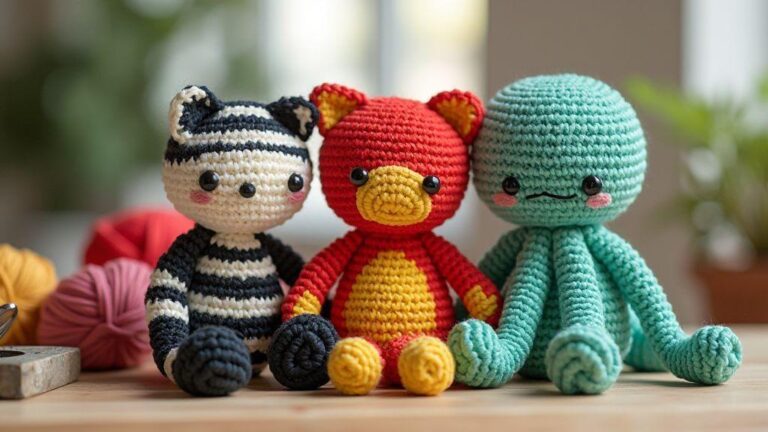
Your goal is a unified look across characters so readers feel they belong to the same world. Start by giving each character a primary color that echoes their core trait. Then pick supporting colors that share a hue family, so they look related without matching exactly. You’ll keep your set readable by limiting the palette this way, which also helps you maintain visual rhythm as the story unfolds.
As your cast grows, use temperature shifts to signal relationships and conflict. Warmer tones between allies can show trust, while cooler tones between rivals can signal distance. If you want a surprise twist, give a seemingly similar character a subtle value change—perhaps a lighter shade or a touch more saturation—to hint at inner differences. The payoff is in the small, consistent cues readers notice without realizing.
If you keep these ideas in mind, you’ll craft a cohesive color story that feels intentional and alive. For a quick reference, map each character to a color family, note its hue, saturation, and value, and reuse those notes as you develop scenes. Readers will sense the thought you put into every frame, and that makes your world feel real.
Set a limited palette for character sets
You’re not painting a mural; you’re creating a cast you can recognize at a glance. A limited palette helps your characters feel related without looking identical. Start by deciding the core mood you want to convey—bold and energetic, soft and friendly, or dark and mysterious—and map colors to that feeling. You’ll save time later when you don’t have to argue about every shade. When you pick your set, you’ll be able to reuse colors across scenes, outfits, and accessories so everything reads as one story, not a jumble.
Think of your palette as a musical chorus. The main notes (your core colors) repeat, while the supporting tones (your accents) add texture. If you overdo it with too many hues, the chorus clashes and the listener loses the tune. By locking in a few reliable colors, you give your audience quick recognition cues. You’ll notice that characters feel more connected when their clothing and hair pick from the same limited set, even if their roles differ.
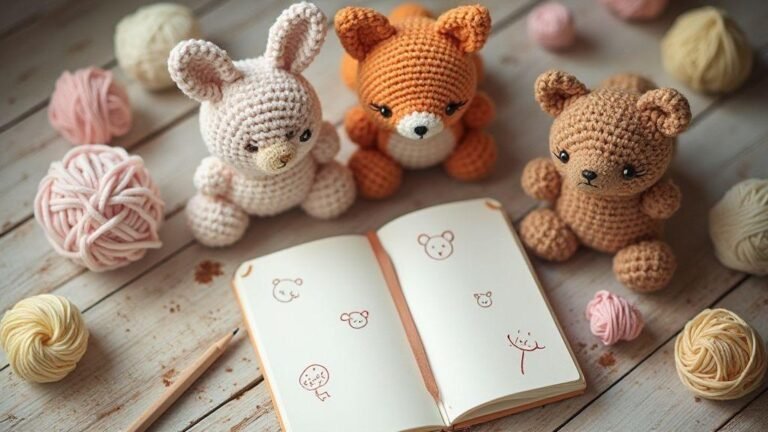
As you test, keep a color board handy. Pin screenshots, fabric swatches, and digital swatches that match your choices. When you design a new character, you’ll know instantly which colors fit without second-guessing. This consistency makes your world feel real and intentional, and your readers will trust your visual storytelling more.
Choose core and support colors
Your core colors are the heartbeat of your characters. They should be the ones you’d notice first in a frame or a scene. Pick two to three that carry emotional weight and stay consistent across appearances. Your support colors are lighter companions that lift the core colors without stealing their spotlight. Think of the core as the main melody and the support as the harmony that fills in the gaps.
When you choose, test contrast. Your core should pop against your backgrounds, while your support colors should blend nicely with neutrals. If you’re unsure, gray is a reliable friend: it can pull a blue away from looking too cold or soften a harsh red without dulling its energy. Keep your core and support colors distinct enough to avoid muddiness, but close enough to feel belonging.
Use your core colors for big moments—outfits, accessories, and key props. Let the support colors appear in secondary items—scarves, belts, or accents on a cape. This approach keeps characters visually tied together while giving each one a unique signature.
Use neutrals to unify
Neutrals aren’t boring; they’re the glue that makes your colors read as a family. Use whites, grays, beiges, or soft blacks to ground your scenes and prevent color clashes. Neutrals give your core and support colors room to breathe, so every shade can shine without fighting for attention.
Think about texture and material when using neutrals. A matte gray fabric will feel different from a polished black leather, even if they read the same color on screen. That variance helps you convey mood and character traits without introducing a new color. If you’re worried about dullness, lean on subtle warm or cool undertones in your neutrals to keep things lively.
You can also use neutrals to separate characters in crowded scenes. A shared neutral backdrop lets each character’s color cues stand out, so you don’t lose track of who’s who. Neutrals are your quiet backbone—solid, dependable, and always in service of clarity.
Limit to 4–6 hues
Four to six hues keep your designs readable and cohesive. Too many colors and you scatter attention; too few and you risk monotony. Start with four, then add a fifth or sixth only if you truly need it to distinguish a character or a moment. You’ll find most scenes stay legible within this range.
Map each hue to a character or a role. If two characters share a scene, give them slightly different tones within the same hue family to keep them separate while preserving unity. Keep a simple palette guide: name each color, note its purpose, and show example swatches on outfits and props. This living document saves you hours down the line and helps you answer how to create a cohesive color story across a set of characters without reinventing the wheel.
Coordinate color temperature across characters
Map each character’s temperature—warm, cool, or neutral—before you pick costumes or props. Pair warm characters together for a sunny vibe, cool characters for precision, and neutrals as the glue. Temperature is a visible personality cue; keeping a consistent thread helps readers read relationships and mood at a glance. If one character shifts temperature without reason, you break the visual logic. Decide a rule: these remain warm, those stay cool, and this group stays neutral.
Consider lighting as your ally. If two warm characters share a frame, soften the scene with amber light or late-afternoon tones. If you contrast a warm with a cool character, let the cool one’s light skew blue to emphasize tension. Always test swatches on camera to verify tones read correctly. A simple base color plus a consistent accent gives you a reliable system for editing and directing. When scenes come together on temperature cues, you’ll feel the cohesion.
Warm vs cool group roles
Define which roles lean warm and which lean cool. Warm roles read as approachable and energetic; cool roles read as analytical or reserved. When you clearly separate groups, you give readers intuitive cues about who’s driving the story and how to place costumes and lighting. If the warm group dominates, temper the frame with a cool character to prevent color fatigue. If the cool group leads, bring in a warm character to brighten key moments and guide the eye. Neutral tones act as buffers, keeping transitions smooth and readable.
Balance temperatures in scenes
Balancing temperatures in a single scene is where the magic happens. If two warm characters share the frame, add a cooler prop or background element to prevent glow overload. If you pair warm and cool characters, use lighting to separate them: amber for warm tones, blue-tinged light for cool. Test grayscale to ensure warmth and mood read without color. Simple adjustments keep the scene cohesive.
Use temperature to group characters
Group characters by temperature for quick storytelling. Place similarly warm characters together to show unity; pair warm and cool groups to indicate conflict, using neutrals to bridge gaps. Small choices compound: a warm character in a warm setting with warm props signals alliance, while a cool character in a cool environment signals distance. Tiny decisions knit your cast into a believable world.
Keep palette consistency across characters
Start with a core palette of three to five base colors that appear in every character’s clothes or accessories. Map each character to a primary color from this core and add one or two supporting hues. Test outfits side by side to ensure harmony. Light changes across scenes should keep base colors steady while tones shift with mood and setting.
Consider how light affects color. Document how palettes shift in varied scenes. Base colors should feel steady; tones can move with mood and setting. If a character gains a new item, let it include a base color from your core plus a new accent that remains inside the harmony. When all characters honor the same palette, your world feels crafted, not random.
Share undertones across outfits
Choose a subtle undertone for each character—cool, warm, or neutral—and weave it into fabrics, textures, and trims. This keeps bold choices readable while signaling a shared mood. Carry undertones through small details like stitching or accessory echoes. If one character uses a warm undertone, mirror it in another’s accessory to read as a unit at a glance. Undertones help eyes travel smoothly across groups.
Be deliberate about contrasts. If a base tone is cool, add warmth in a pocket square or hat feather to balance. Undertones act as backstage cues that lift the whole look without shouting.
Vary accents, keep base tones
Accent colors highlight traits and story beats without breaking harmony. Keep base tones fixed, rotate accents to signal change or growth. For example, a hero might begin with a bold red accent and shift to teal as confidence grows. If two characters share a base, give them distinct accents to spotlight differences. Document the system to reuse it in future scenes, ensuring you can reproduce the color dynamics across new moments.
Tie with a shared neutral
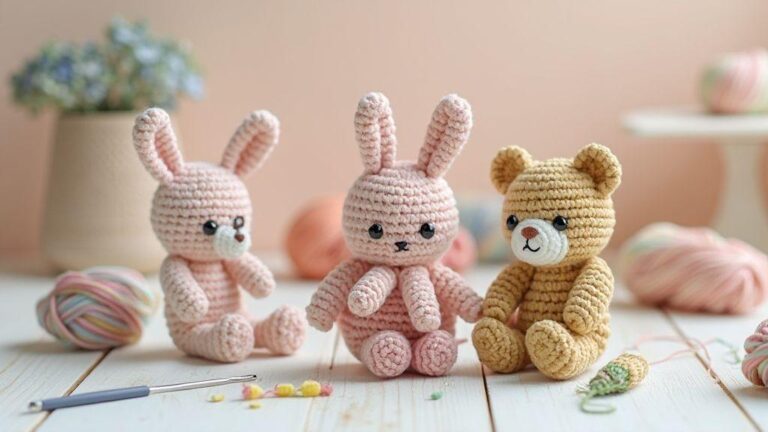
A shared neutral anchors the palette and lets bold colors breathe. Use a common neutral—warm taupe, soft stone, or cool oatmeal—as a grounding layer on every character. Neutrals provide room for core and accent tones to shine and help you introduce new characters without breaking the language.
Use value and contrast for clear silhouettes
Aim for a crisp silhouette that reads from across the room. Map light and shadow to ensure recognizable forms when you squint. If silhouettes blur, simplify shapes until the main form reads clearly. Balance contrast with depth: high-contrast silhouettes pop, while midtones add volume. Test readability on small screens; if a figure isn’t identifiable at thumbnail size, adjust posture, lines, or color blocks.
Test readability at small sizes
Shrink your composition to the smallest expected size and verify key shapes read. If the eye struggles, simplify or increase contrast around focal areas. Prioritize bold shapes and clear lines for legibility. Ensure the character can be identified by silhouette alone, then refine posture or costume as needed.
Use contrast for focal points
Contrast guides attention to focal points without shouting. Vary brightness, color, and line weight around important areas. A brighter hero, a warm color against cool surroundings, or a strong outline can pull focus. Use context and negative space to isolate the main shape, keeping surrounding details subdued. Small outline adjustments can push a focal point forward.
Apply color symbolism in character design
Color signals a character’s core traits before dialogue. Start with a tight palette that reflects temperament, and weave those signals through wardrobe, props, and environment. Test colors in different lighting to preserve mood across frames. If a color shouts too much, temper it with a softer hue to maintain balance.
Match colors to traits
Treat color as a personality tag. Energetic heroes might wear saturated blues or reds; calm mentors may lean toward greens or ochres. Use secondary accents to reinforce traits while preserving harmony. Consistency across outfits, props, and setting elements strengthens recognition and trust. Balance is key—gentle traits suit softer tones; tension can be signaled with a sharp accent.
Mind cultural meanings
Colors carry cultural meanings. If your story travels globally, map how colors read in each culture represented. Some hues signal luck in one place and danger in another. Adapt palettes per region or use neutrals with universal accents. Test with readers from target cultures and adjust to avoid unintended associations. Color shifts can signal growth, so consider ending in warmer hues as relationships deepen.
Avoid conflicting signals
Color choices should reinforce actions and mood. If a brave hero wears pastel tones in danger, signals clash. If a villain wears cheerful colors, menace may be undercut. Build a quick color map for each character and review scenes to ensure signals stay aligned. Dimensional balance is also helpful—reserve bright hues for specific moments to maintain focus.
Build a visual narrative through color
Color acts as your storyboard without words. Start with a core palette, then sprinkle accents to mark beats. The aim is to let color carry emotion so readers feel the message before dialogue lands. Test colors against each character’s arc and adjust to keep the sequence cohesive. Build a shared vocabulary of color meaning to reuse across scenes.
Track color arcs over time
Map hues as they evolve to mirror growth and plot shifts. Begin with a baseline palette and plan logical shifts at turning points. Small recurring motifs—a scarf, lamp, or poster—anchor readers and remind them where you are in the journey. Introduce new colors only when justified and retire them when they no longer serve the arc.
Use shifts to show growth
Color shifts provide visual proof of change. Gradual saturation or temperature changes can track inner journeys. Give each character a color lane: some brighten as confidence grows, others cool as doubts rise. A decisive color swap can signal a turning point. Remember that restraint often lands harder than constant change.
Track colors per scene
For every scene, record the color core, supporting tones, and accents. Note how palettes shift with tempo changes. Reuse the same accents in related scenes to reinforce memory and meaning. A consistent color thread builds recognition and truth across moments.
Manage color harmony in character sets
Define a base color for the whole group and add neighboring hues for harmony. Test palettes on quick sketches to catch clashes early. Harmony lets personality shine without shouting over it. Apply the palette consistently across textures and materials, and limit metallics and patterns to pivotal moments for cohesion. If a character has a signature color, weave it as an accessory or background cue to maintain unity.
Try analogous or triadic schemes
Analogous schemes (colors close on the wheel) offer softness with clear cohesion. Triadic schemes (three evenly spaced colors) bring energy with intentional balance. Mix analogues for calm scenes and switch to triads when you need spark in group moments. Maintain a simple rulebook: dominant color identified, secondary tones balanced, accents controlled.
Control saturation for variety
Saturation guides attention. Use lower saturation in group scenes to maintain readability; reserve high saturation for focal points. If colors feel muddy, add a targeted pop—usually in a key accessory or garment. Test skin tones to ensure faces stay readable, and adjust nearby colors as needed.
Practical testing and iteration workflow
Start with a simple test that mirrors typical scenes, then check readability, contrast, and vibe quickly. Run short experiments isolating one variable at a time. Note changes and compare before/after to spot improvements. Document versions and changes to build a reusable process. This loop keeps your color story cohesive across scenes and characters and helps answer how to create a cohesive color story across a set of characters with confidence.
Make thumbnails and swatches
Create quick, representative thumbnails to show color relationships at a glance. Keep them small but legible, including your key swatches. Use these as an early warning system to spot clashes before committing to larger work. Develop swatches for different lighting and settings, naming them clearly so you can locate them fast during iterations. When presenting, ask targeted questions to guide productive feedback.
Gather feedback and revise
Invite feedback from diverse readers—designers, writers, or colleagues outside your team. Treat feedback as data to refine, not a critique to defend. Make incremental revisions and re-test. If a shade feels muddy or contrast is weak, tweak saturation, brightness, or pairings. Maintain an iterative mindset, staying flexible as insights shift your palette toward clearer balance.
Save versioned palettes
Save meaningful steps as versioned palettes with clear labels, like Baselinev1, MoodShiftv2, or ContrastBoost_v3. Keep a changelog detailing changes and observed impacts. Build a reusable palette library you can pull from for new scenes without reinventing the wheel.

Clara Fern — Crochet Artist & Amigurumi Designer
Clara Fern is a crochet artist and amigurumi designer based in Austin, Texas. With 9 years of experience working with yarn and hook, she transformed a lifelong passion for handcraft into a creative mission: making amigurumi accessible, fun, and deeply rewarding for crafters of all levels.
Clara discovered amigurumi during a trip to Japan in 2017, where she fell in love with the art of bringing tiny characters to life through crochet. Back home in Texas, she spent years studying color theory, design principles, and advanced crochet techniques — developing her own signature style that blends kawaii aesthetics with original character design.
Through maclafersa.com, Clara shares everything she has learned — from choosing the right yarn and reading your first pattern, to designing fully original amigurumi characters from scratch. Her writing is known for being clear, detailed, and genuinely helpful, with no steps skipped and no secrets kept.
When she’s not crocheting, Clara enjoys watercolor painting, visiting local yarn shops, and drinking way too much coffee while sketching new character ideas.