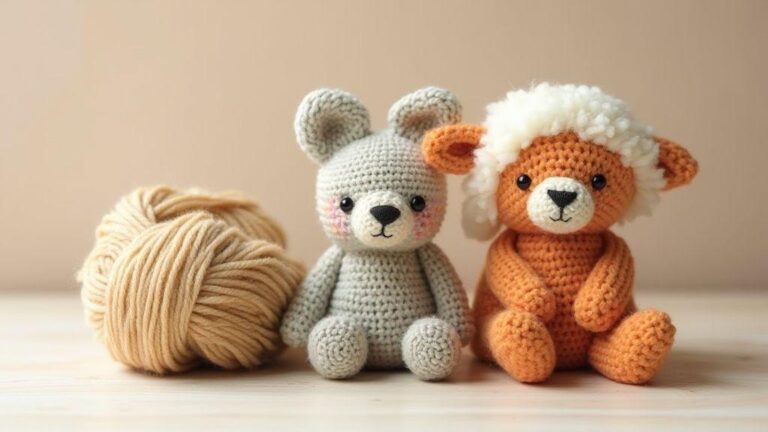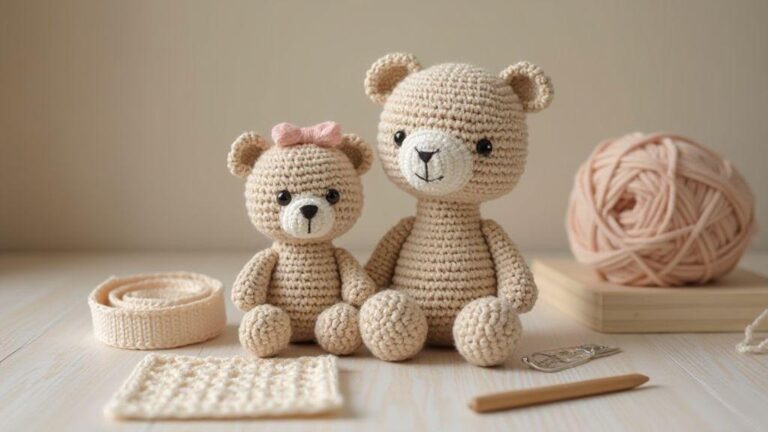
Best Budget-Friendly Yarns for Amigurumi Beginners
Fiber Choices for Amigurumi
You want your amigurumi to be cuddly and hold its shape, so picking the right fiber is key. Softness matters, but so does how the yarn behaves when you stitch and stuff. This section shows how different fibers feel in your hands and how they perform in the finished toy. Consider your project timeline too—some fibers wash easier or hold up to rough play. By the end, you’ll know what best fits your knitting or crochet style and your toy’s personality.
When you test fibers, grab small swatches first. Feel the weight, stretch, and how it behaves when you tug lightly. For a tiny teddy, you may want something firmer to hold round shapes. For a plush, wobbly look, softer fibers that compress nicely work well. Remember: the fiber you choose influences stitch definition, texture, and how your toy ages.
If you’re unsure where to begin, consider your most common projects and budget. You’ll usually find a sweet spot between cost, durability, and ease of use. Your final decision should feel like a natural extension of your crafting habits, not a compromise you dislike.
Acrylic vs cotton basics for amigurumi
Acrylic yarns are reliable workhorses: affordable, bright, forgiving for beginners, and easy to pull through stitches to maintain even tension. The trade-off is a slightly plastic feel and, in some blends, less tight shape than cotton. For toys that see lots of hugs and washing, a good acrylic is a solid choice.
Cotton offers natural feel and crisp stitch definition, keeping shapes sharp—ideal for tiny noses or paws. It can be stiffer when learning and may stretch more when wet. Cotton tends to be pricier and slower to dry, but yields a tactile, matte finish and durable plush toys.
Many crafters blend acrylic and cotton to balance softness and structure—cotton for details and acrylic for the main body. If you want a sturdy feel without sacrificing snap, blends can be your sweet spot. Try a small project with both to compare how each fiber affects stitches and overall look.
Blends that balance softness and structure
Blends give you the best of both worlds. Common mixes include acrylic with cotton or bamboo, trading stiffness for softer drape while preserving shape. A cotton-acrylic blend maintains good stitch definition and a plush feel when stuffed, and is beginner-friendly.
Wool-acrylic blends offer natural warmth with easy care, helping amigurumi stand up to play and aging. If you have sensitive skin, check the exact blend to avoid irritation. Test a small swatch to see how edges hold and how the final shape forms.
When choosing a blend, test a swatch and compare how it holds edges, stitches, and shape. Some blends hold form better with stuffing; others soften with use. Pick a blend that matches your toy’s personality—firmer for defined mouths and limbs, softer for cuddly rounds.
Pick the right fiber for toy shape
Your choice should be guided by how you want the toy to look and feel. For a fully rounded character, fibers that hold shape well, like cotton or sturdy cotton blends, are ideal. For floppy, plush friends, softer fibers with a touch of acrylic may be preferable. Always consider washing needs and how much fuzz you’re willing to trim after stuffing. A little experimentation with a few fibers will save you time on larger projects.
Best Budget-Friendly Yarns for Amigurumi Beginners
You want yarn that won’t break the bank and still helps you learn. Budget yarns are your best first tools because they’re inexpensive, easy to find, and forgiving as you practice. Look for worsted-weight skeins—the sweet spot for amigurumi: small, tight stitches that hold up well. Budget options often come in solid colors, letting you focus on shaping and stitch control.
Choose yarns that are easy to wash; amigurumi toys often see rough play, and simple washing is a big plus. Acrylic blends that are sturdy and maintain shape after stuffing are common budget picks. Bright colors help projects pop and keep you motivated. If unsure where to start, pick a basic color pack in a few shades plus a couple neutrals to practice shading and small details without overspending.
As you grow, you’ll learn which properties you value most. For beginners, consistency in thickness and stitch definition is key. Budget yarns that stay smooth under steady tension will help you spot mistakes faster. Some brands pill a bit after stuffing and posing, which is normal in a learning phase. Keep a swatch journal: note how each yarn feels, holds stitches, and washes. This habit pays off when you choose yarns for more complex designs.
Why acrylic is the top affordable yarn for amigurumi
Acrylic is forgiving for beginners: less likely to split, so stitches stay neat. It holds its shape well after stuffing and is budget-friendly, allowing you to buy multiple colors. Acrylic is widely available, easy to find, and comes in a broad color range. It’s machine washable, a big help for little hands and busy households.
When to use budget cotton yarn for amigurumi
Budget cotton is great when you want a firmer feel and crisper stitch definition. It’s ideal for small features like eyes or tiny accessories and creates a durable toy that withstands wear. Cotton can be stiffer at first and shows color changes and stitch counts more clearly, which helps you improve tension. It’s a solid choice for durable, high-quality plush toys if you don’t mind a bit more effort.
Match yarn feel to your project
Think about how the piece should feel in the end. For a soft, cuddly bear, acrylic may be best for squish and easy washing. For crisp ears or tiny noses with sharp edges, budget cotton can give cleaner lines. Your choice should align with the toy’s use and your comfort with handling textures.
Cheap yarn brands for amigurumi to try
Cheap yarn brands can be smart if you pick fibers that wash well and feel comfortable to work with. Some budget skeins hold shape after stitching; others shed or fuzz with use. Test what feels right for your project, like a tiny sweater needing a touch of stretch or a plush toy staying soft after multiple uses. Blends often offer good value, balancing price with durability.
If you’re new, start by pricing a few colors you’ll actually use. It’s tempting to grab many colors, but you’ll spend time trimming and weaving ends for skeins you won’t touch again. Budget-friendly options are everywhere—from big-box stores to online communities sharing deals. Some brands feel rough straight from the skein but soften after washing—still workable for certain projects. Your goal is yarn that holds its shape and stitches neatly without frustration.
Think of it like shopping for shoes: you want a fit that feels right from the first row. Look for smooth, split-free skeins, consistent thickness, and colorfastness that won’t bleed when washed. Grab a few skeins in different colors so you’re prepared for a range of characters. A good budget yarn often becomes your go-to for practice pieces and quick amigurumi gifts.
Popular value options like Red Heart and Bernat
Red Heart and Bernat are reliable budget choices designed for everyday crochet and amigurumi. They typically come in sturdy, machine-washable blends that hold up well in plush toys. A wide color palette and easy-care fabrics resist pilling when dried on low heat, making them beginner-friendly.
If you’re unsure where to start, pick a couple of basic colors and test a small amigurumi. You’ll find a balance between cost, feel, and performance that fits your style. These brands grow with you as you learn new techniques, keeping your hobby affordable.
Lesser-known inexpensive yarns with good reviews
Hidden gem brands can offer surprising softness and stitch definition at lower prices. Check reviews for colorfastness, ease of use, and how well the yarn blocks after washing. Look for machine-washability and minimal shedding. Test a few skeins from the same line to find consistent color, twist, and texture. A small swatch log helps you compare how fibers bloom after washing and how stitches hold.
Test small swatches before buying in bulk
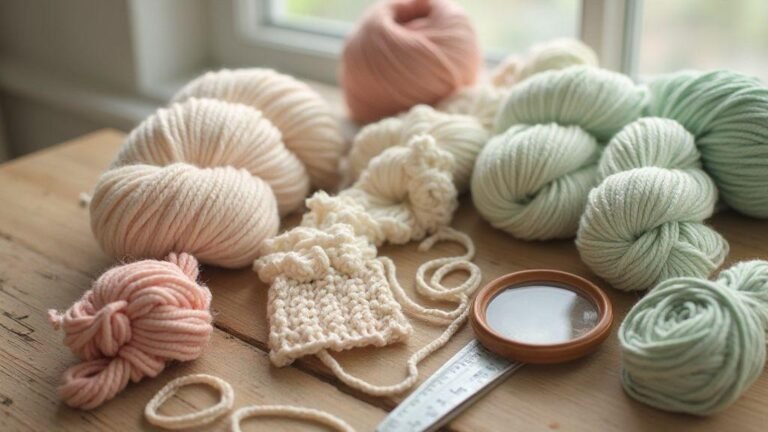
Before big purchases, test small swatches with your preferred hook size and tension. Crochet two or three tiny pieces in the same stitch pattern as your project to assess stretch, curl, shedding, and washing behavior. This saves you from bulk buys that don’t thrill you or your project. A swatch test also helps gauge softness, fiber feel, and color consistency. If a yarn passes your swatch test, you’ll feel confident buying in bulk.
Worsted weight yarn for amigurumi beginners
Worsted weight is forgiving for beginners, offering a solid balance between stitch visibility and handling. It dries quickly after spills, is widely available in many colors, and helps your first toys hold shape. Look for yarn labeled Worsted, Medium, or #4 to stay consistent across brands. Store yarn in a cool, dry place to prevent hardening or snagging as you learn.
Benefits of medium (#4) weight for first toys
Medium weight makes tension easier to control, with larger, easier-to-count stitches. It speeds progress and creates sturdy yet soft fabric. It also works with a range of hook sizes, letting you experiment with shaping and stuffing. Availability is broad, so you can easily pick up extra skeins.
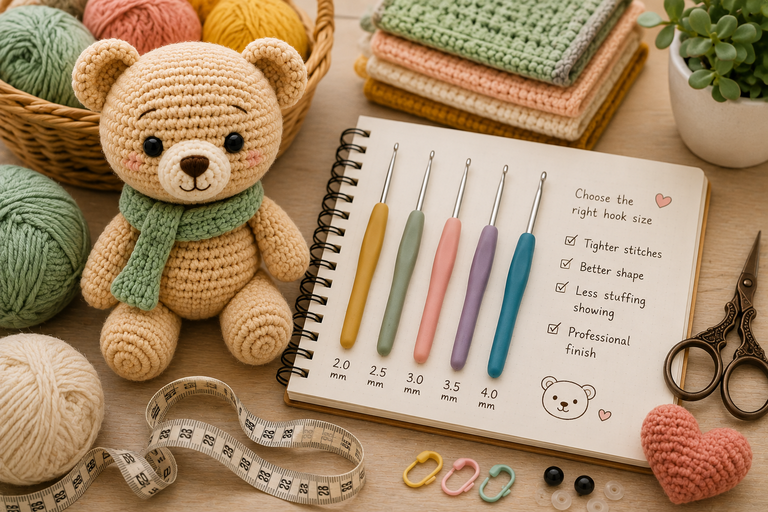
Adjusting hook size for tighter stitches
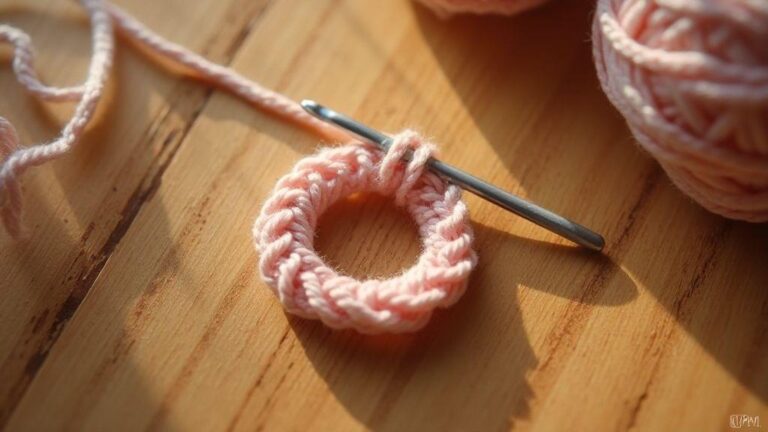
If stitches feel loose or gaps appear, try a smaller hook. Switch gradually and test with a quick gauge swatch before committing to a full project. A smaller hook tightens fabric, improves stitch definition, and reduces stuffing show-through. Keep a small stash of hooks handy to fine-tune as you go.
Use smaller hooks for firmer amigurumi
A smaller hook creates a tighter, more compact fabric, improving shape retention. Compare swatches crocheted with your current hook and a smaller one to feel the difference. This helps positions like eyes and mouths stay neat. A tighter fabric also minimizes stuffing show-through.
Best cheap acrylic yarn for amigurumi
Cheap acrylic yarns that don’t break the bank still deliver neat stitches and soft feel. Look for medium-weight acrylics that pull smoothly and hold shape after stuffing. Some value skeins are surprisingly smooth with minimal splitting. For multiple projects, buying in larger skeins can reduce cost per project. Color selection matters as much as price—opt for dependable, consistent colors that don’t bleed after washing.
What makes acrylic both cheap and durable
Acrylic is affordable and lightweight, yet can be sturdy in a finished toy. Choose yarn with a tight twist and smooth surface so stitches stay crisp and seams stay hidden. Durability comes from even tension and avoiding over-stretching at joins. Test a small swatch first to learn how it behaves. Compare against natural fibers to decide what balance of price, feel, and care works best for you.
Care tips for machine-washable toys
Machine-washable amigurumi should still be treated with care: wash on gentle with cool water and mild detergent. Use a mesh bag for tiny parts and air-dry or use a low tumble setting. If you notice loose ends after washing, sew them in before drying.
Look for consistent ply and dyeing
Check ply consistency and even dyeing across skeins to keep stitches sitting evenly and gauges predictable. Consistent ply prevents pattern distortions and makes your work look professional.
Budget cotton yarn for amigurumi projects
Budget cotton yarn is a smart starter option for testing ideas or small creatures. It comes in many weights and colorways, so you can experiment without breaking the bank. Look for a smooth twist and uniform thickness; test a few skeins from the same line to ensure color consistency and minimal shedding.
Cotton’s firmness and stitch definition
Cotton’s firmness helps stitches pop and keeps tiny features neat. It holds shapes well after finishing, reducing sagging and keeping seams clean. Crochet or knit cotton to see precise lines, which helps beginners spot mistakes and improve.
Cotton limits stretch and can be less soft
Cotton has limited stretch, so shapes stay more controlled. Budget cotton can feel stiffer, especially for beginners; finishing with a light wash or trying a cotton blend can soften it while preserving definition. Match your yarn to the project’s purpose: firmness for shape, softness for cuddliness.
Soft durable yarn for amigurumi on a budget
Soft, tightly spun yarns with a touch of acrylic or polyester balance comfort and durability. Look for machine-washable options and consider multipacks or neutral shades for mix-and-match projects. Test a swatch and knot test to ensure comfort and ease of use. DK or worsted weights are common budget-friendly choices for amigurumi and give a nice balance of body and detail.
Which affordable blends stay plush after washing
Acrylic with wool or cotton blends stay plush after washing, with acrylic adding softness and resilience. Cotton blends also hold color well, but pure cotton can feel stiff until washed. Watch for dye fastness—wash new pieces separately the first time to avoid color transfer. Choose blends that stay plush and true after washing.
Balancing softness with durability for kids’ toys
For kid-friendly toys, pick softness with durability—often an acrylic blend with nylon or polyester. These resist snagging and tearing, helping toys survive hugs, drops, and spills. Consider a few dependable worsted or DK shades to cover details. Pre-washing budget blends can improve resilience and reduce seam loosening over time.
Verify wash instructions and abrasion resistance
Always verify wash instructions on the label. Look for machine-washable lines with clear care guidance. For budget options, cold wash and low-heat drying are common. Abrasion resistance matters for toys that get a lot of handling—look for higher twist and tighter plies. Test a small piece to simulate wear and ensure plush surfaces stay smooth.
Value yarn for crochet toys and stuffing
Value yarn provides color, softness, and durability without premium prices. It should feel comfortable in hand and look right in the finished piece, enabling you to try more colors and styles. For stuffing, choose a yarn that pairs with your filling to keep stitches neat and the toy snug. Cheaper yarns may shed or look dull under bright lights, but good technique and proper stuffing keep projects polished.
How inexpensive yarns affect stuffing visibility
Low-cost yarns can show more stuffing through stitches if not tightened. Test with swatches and adjust tension to minimize show-through. Some inexpensive yarns pill or shed over time; choose denser gauges and smoother surfaces to reduce visibility.
Pairing yarn weight with fiber for even stuffing
Yarn weight affects how fill sits inside. Heavier yarns with fine fibers can create bulk at seams; light yarns with thick fill can look flat. A balance—medium weight like DK or worsted—often works best. Consider fill texture too: fluffier fills need tighter gauges, smoother yarns reduce blemishes.
Use tight gauge and quality fill for shape
Keep a tight gauge to prevent gaps and help stuffing stay put. Use quality fill that’s bouncy but firm. If you see gaps or a soft center, adjust gauge or stuffing. Practice with small tests to dial in balance.
Beginner-friendly yarn for amigurumi tips
Choose a medium-weight yarn (DK or worsted) and aim for a soft, non-splitty fiber. Cotton blends give crisp stitches, while acrylics hold color and are forgiving. Test a yarn by pulling a loop gently to ensure it won’t snag. For most beginners, a lightweight, smooth yarn stitches evenly and supports tight, controlled loops.
Match yarn and hook size: use the label’s recommended hook, or go one size smaller if stitches look loose. Avoid yarns that fray or shed heavily. Your aim is dependable yarn that behaves so you can focus on shaping and expression.
How to choose colors and avoid pooling
Pooling happens when color patterns form blobs. Choose yarns with long color repeats or solid main colors, reserving variegated yarns for small accents. Work with planned color changes to maintain predictable flow. Test colorways by comparing skeins with your project to spot pooling early. Plan a simple palette: one main color plus 1–2 accents to keep a clean silhouette.
Budget hacks: buy small skeins and sales
Look for small skeins labeled soft or amigurumi friendly for practice. Buying bite-sized portions lets you test colors and textures without waste. Track store sales and clearance events for neutrals and bright accents. Consider joining local groups or online communities for mini skeins and swaps to build a starter palette without overspending.
Make a practice toy to test gauge and feel
Create a small practice toy with the same yarn and hook you’ll use for a real project. This gauge check helps you learn tension and see how the yarn behaves in your grip. Use it to refine shaping, color, and stuffing. If stitches aren’t even, adjust hook size or grip. If the yarn fuzzes or splits, switch to a smoother option. This practice piece saves you from bigger mistakes later.
If you want a concise reference, the Best Budget-Friendly Yarns for Amigurumi Beginners guide above serves as a practical, economical starting point for selecting fibers, blends, and care methods that keep your projects cozy, durable, and easy on the wallet.
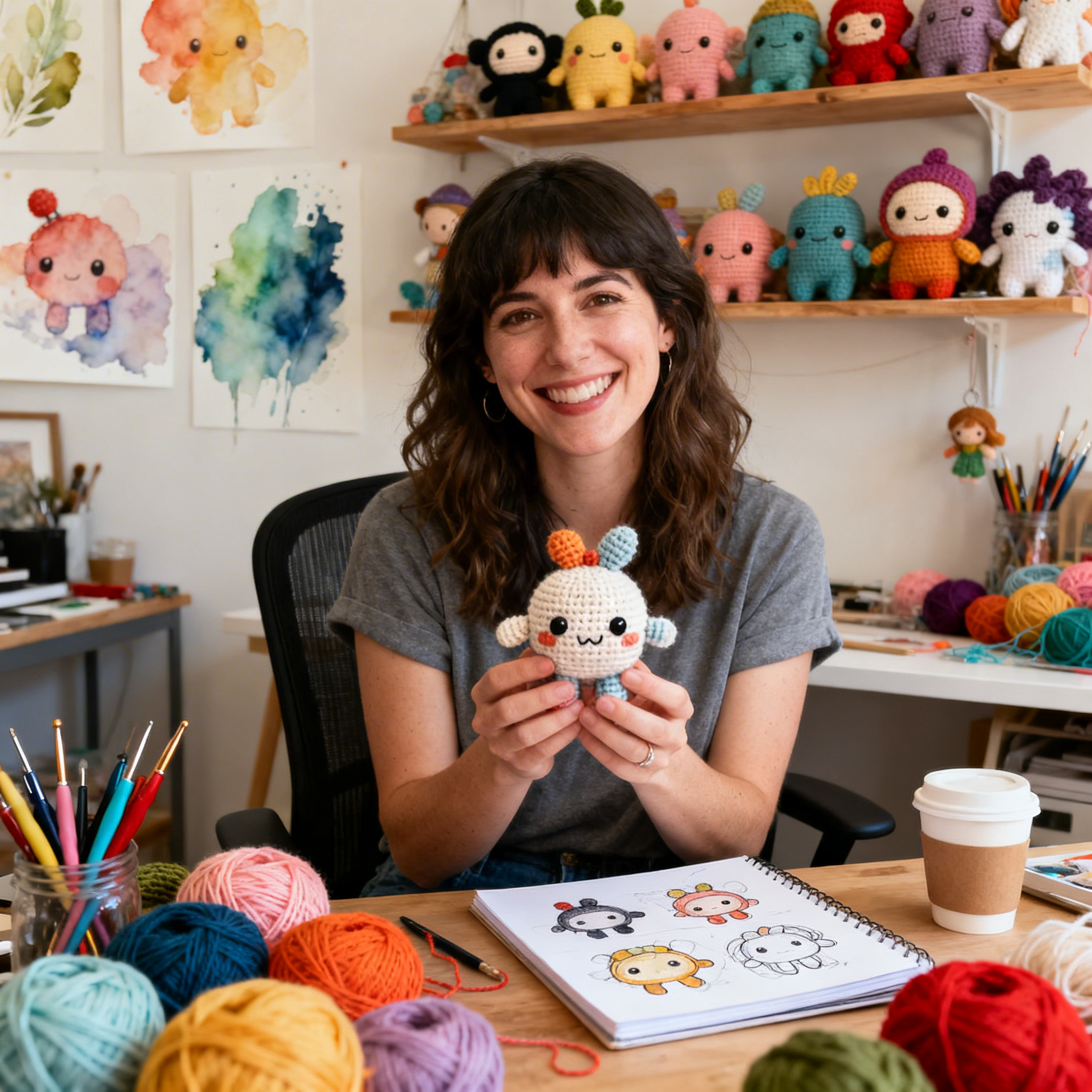
Clara Fern — Crochet Artist & Amigurumi Designer
Clara Fern is a crochet artist and amigurumi designer based in Austin, Texas. With 9 years of experience working with yarn and hook, she transformed a lifelong passion for handcraft into a creative mission: making amigurumi accessible, fun, and deeply rewarding for crafters of all levels.
Clara discovered amigurumi during a trip to Japan in 2017, where she fell in love with the art of bringing tiny characters to life through crochet. Back home in Texas, she spent years studying color theory, design principles, and advanced crochet techniques — developing her own signature style that blends kawaii aesthetics with original character design.
Through maclafersa.com, Clara shares everything she has learned — from choosing the right yarn and reading your first pattern, to designing fully original amigurumi characters from scratch. Her writing is known for being clear, detailed, and genuinely helpful, with no steps skipped and no secrets kept.
When she’s not crocheting, Clara enjoys watercolor painting, visiting local yarn shops, and drinking way too much coffee while sketching new character ideas.