The Complete Beginner’s Guide to Amigurumi Materials
Yarn types every beginner needs
Amigurumi starts with the yarn you choose. Your pick affects how your stitches sit, how easy they are to see, and how the finished figure feels. For beginners, choose something forgiving, easy to work with, and widely available. Your hands will thank you when the yarn glides smoothly and stitches stay neat. The goal is a balance of ease, texture, and how the final piece should look.
For beginners, pick yarn that isn’t too slippery or too stiff. If it splits, stitches become a fight; if it’s too stiff, the toy can look boxy. Look for yarn with a pleasant spring, consistent thickness, and minimal fuzz. Color consistency matters too for even shading as you grow your project. The more you practice with one yarn type, the more you’ll notice which projects suit which fiber.
When you finish your first projects, you’ll see how yarn choice translates to feel and finish. You’ll learn brands you like and build a small stash of go-to colors. Comfort with your yarn helps you finish more projects confidently. Start with something you genuinely enjoy using—the yarn is the base for all future amigurumi.
Amigurumi materials for beginners: fiber basics
Fiber matters because it influences grip, stitch visibility, and how the toy looks after stuffing. Choose a smooth fiber that doesn’t shed much and shows your loops clearly. For beginners, acrylic or cotton blends are common: acrylic is forgiving and affordable; cotton offers a softer feel and crisper stitch definition but can be stiffer. Blends balance handling with a nicer drape. Compare how your stitches look with each fiber and decide what you prefer after a few projects.
Check the label for fiber content and avoid fibers that hide tension or feel too soft. Look for consistent thickness, as uneven yarn shows up in the finished piece. As you gain confidence, you’ll lean toward one fiber for your favorite characters. Try a few options and note how they behave in your hands.
Compare acrylic, cotton, and blends
- Acrylic: forgiving, affordable, and durable. Stitches pop, progress is quick, but some find it plasticky to the touch.
- Cotton: premium feel with crisper stitch definition. Great for detail and a natural look, but less forgiving and may split.
- Blends: smoother handling with good stitch visibility and balanced final look. A common, comfortable middle ground.
Quick choice tip for beginners
Start with a smooth acrylic yarn in a light color and a medium weight (category 4). Keep a few bright and neutral colors for practicing shapes. As you gain confidence, try a cotton blend to feel the texture and stitch crispness.
How to choose amigurumi yarn weight
Your yarn weight sets the overall look and feel of your amigurumi. Choose a weight that balances project size and crochet tension. A medium-weight yarn with tight tension yields a sturdy, cuddly toy; a lighter yarn gives delicate detail but needs a smaller hook. Consider how the toy will be used: a frequent cuddle buddy might need firmer yarn; a decorative piece can be softer and fluffier.
Yarn weight affects size and texture. Heavier weights create chunky shapes; lighter weights reveal finer details. If you’re new, start with one weight for a project to see how patterns behave, then adjust hook size and tension as you experiment. Aim for neat fabric with even stitches.
Availability and color options matter too. Some weights have more color choices and easier store availability. Check the yarn label for recommended hook sizes and gauge. If you see a friend’s amigurumi you love, ask what yarn they used—the quickest shortcut to success.
Common yarn weights for amigurumi
- Sport and DK weights: easy to handle, neat stitches, smooth fabric.
- Worsted and Aran: sturdy, defined shapes, forgiving with tension.
- Bulky and Chunky: quick, big shapes; stitches can look chunky unless crocheted tightly.
How weight changes hook size and toy size
Weight affects both size and stitch tightness. Heavier weights usually require larger hooks to avoid overly stiff fabric, but you still want defined stitches. If you keep the same hook, the toy grows and becomes looser. Increase weight but match the hook to the label’s recommendation and adjust for your tightness. The goal is tight, uniform stitches that hold their form.
Hook size also changes the look. A slightly larger hook softens the surface; a smaller hook tightens the fabric and sharpens details. For bold features, test a mini swatch to see how different hooks alter the result.
Gauge tip for firmer stitches
To firm up stitches, crochet with a smaller hook than recommended for your yarn weight. Measure a swatch, compare to the pattern gauge, and adjust until you’re getting snug, even stitches.
Pick the best yarn for amigurumi
You want your amigurumi soft, sturdy, and easy to stitch. The yarn you choose sets the project’s feel, from stitch tightness to durability. Consider how the toy will be used: frequent cuddling or decorative display? Balance softness with durability and ease of use for your skill level. Start with a yarn that helps stitches stay even and tension steady so your stuffed creatures come out polished.
Softness matters—yarns that are too rough can feel scratchy, while overly fuzzy yarns can hide stitches. Look for labels like soft, baby, or baby-friendly, and check fiber content. Cotton blends and acrylics are popular for beginners. If you’re sensitive to wool, test a swatch first. Durability matters too: you want a yarn that holds up to hugs and washing. Acrylic blends and cotton offer good durability; a cotton–acrylic blend gives a balance of softness and shape retention. Budget matters: mid-priced, widely available brands are a solid starting point.
Best yarn for amigurumi: soft and durable options
For a dependable start, try a soft acrylic yarn labeled for amigurumi or stuffed toys. If you prefer naturals, a cotton blend gives a firm stitch with a nice finish. A lightweight bulky acrylic is good for quick projects. Avoid novelty yarns for core amigurumi practice until you’re confident; they can undermine tight stitches and shape.
When to avoid novelty yarns for toys
Novelty yarns can be tempting but often have uneven thickness, making stitches look uneven and gauging tricky. They shed fibers and snag easily, not ideal for a toy little hands will handle daily. Reserve novelty yarns for embellishments or accents, not the main body.
Your first yarn pick guide
For starters, choose a soft DK-weight cotton blend or a gentle acrylic blend in a light color. Light colors show mistakes clearly, helping you learn faster. Look for labels such as soft, washable, and amigurumi-friendly. Test a swatch to ensure stitches sit evenly. If hands fatigue, try a smoother or slightly thinner yarn. Start with a small color palette of solid shades—peaches, browns, greens, and blues—and add accents later. The Complete Beginner’s Guide to Amigurumi Materials will help you build your toolkit as you expand.
Choose the right crochet hooks for amigurumi
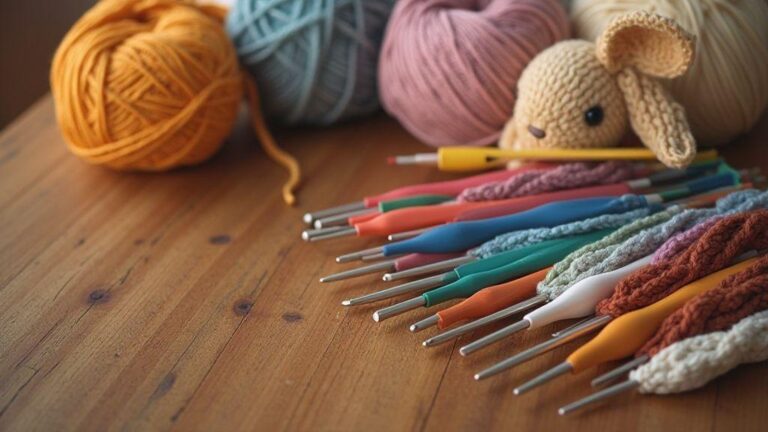
Hooks should feel like an extension of your hand. Start with a smooth aluminum hook in a mid-range size to let the yarn glide and keep tension even. Comfort matters—if your grip aches, try hooks with cushioned grips or ergonomic handles, or a shorter/tapered hook for precision. Keep a few options handy to switch as you switch yarn weights.
Crochet hooks for amigurumi: sizes to try
For most beginners, start with a hook that yields tight stitches without too much effort, typically between 2.0 mm and 3.5 mm. For worsted weight, try 3.0 mm; for lighter yarns, 2.5 mm helps lock stitches. As you gain confidence, test 2.0 mm or 2.5 mm for tight rings. For bulkier yarns, a 3.5 mm hook speeds up progress but reduces stitch density. A small set covering light, medium, and worsted weights is ideal.
Hook materials and comfort for long sessions
Aluminum hooks are slick and fast but may feel cold; plastic hooks are light but can snag. Cushioned grips reduce fatigue. A hook with a longer shaft helps reach tight rounds, while a wider handle adds comfort for long sessions. Comfort matters as much as tension.
Which hook to use with your yarn
Ensure your yarn moves with the hook. If yarn splits, switch to a smoother hook or a smaller size for tighter stitches. For fluffy yarns, a smooth rounded tip helps avoid snagging. Match hook to yarn weight first, then tune for comfort.
Compare amigurumi stuffing options
Stuffing choice affects shape, weight, and durability. Softer, springier fills yield plush, cuddly toys; sturdier fills hold form better but weigh more. The amount you use changes the feel from floppy to firm, so test a small sample first. For heavily handled toys, choose fills that resist shifting and clumping. For decorative pieces, a compact, even fill can look cleaner. Label and test to find the right balance for your project.
Amigurumi stuffing options: polyester vs wool
- Polyester stuffing: soft, light, washable, hypoallergenic, budget-friendly. Great for beginners and kids.
- Wool stuffing: natural, springy, premium feel, good for secure seams but pricier and needs more care.
Think about use: kids’ toys benefit from polyester; showpieces may shine with wool. You can mix fills for different areas, but keep stitching strong to maintain shape.
Eco stuffing choices and safety notes
Eco stuffing options offer a greener path with safety. Plant-based fills or recycled fibers that meet safety standards are common. These blends can mimic traditional fills and are often washable. Ensure non-toxicity and flame retardancy where required. Check certifications and test a patch if unsure. Eco-friendly fills don’t have to sacrifice softness or shape.
Amount of stuffing for firm shapes
For firm shapes, fill gradually and evenly. Start with less, adding small amounts to avoid lumps. If a part becomes hollow, add more fill and smooth the surface. A balanced distribution helps the toy stand and pose well while maintaining a sturdy silhouette.
Use safe eyes for amigurumi correctly
Safe eyes vary in size, shape, and attachment. Choose based on the recipient’s age and play level. Babies require secure eyes; older kids or decorative pieces allow more flexibility. Test the attachment after securing.
- Plastic disc eyes provide a classic look; safety buttons add charm but may require secure backing.
- Embedded or embroidered options avoid loose parts for babies and active toys.
- Consider embroidered eyes for full control and safety; practice placement on scrap fabric first.
Store eyes in a labeled kit and double-check backing and placement before finishing. For baby toys, embroidered eyes or securely backed safety eyes are preferred.
Types and sizes of safe eyes for amigurumi
- Plastic disc eyes, various diameters, paired with secure backings.
- Safety eyes with a post and washer for extra security.
- Glued-on eyes for non-wearable decorations.
- Embroidered eyes for a fully safe, hardware-free option.
Alternatives: embroidered eyes for baby toys
Embroidered eyes avoid hardware entirely. Mark placement, fill in with satin stitches, and secure ends inside the work. Embroidered eyes are durable through washing and give a gentle, expressive look. Practice on scrap first to match size and placement.
Secure attachment steps
Prepare your piece, position the eyes, and crease yarn behind to anchor. Push the post through, add the washer inside, and press firmly. If there’s any give, redo with a larger washer. For embroidery, stitch around the eye shape with small, tight stitches and bury thread ends. Do a quick tug test to confirm security.
Assemble beginner amigurumi tools and accessories
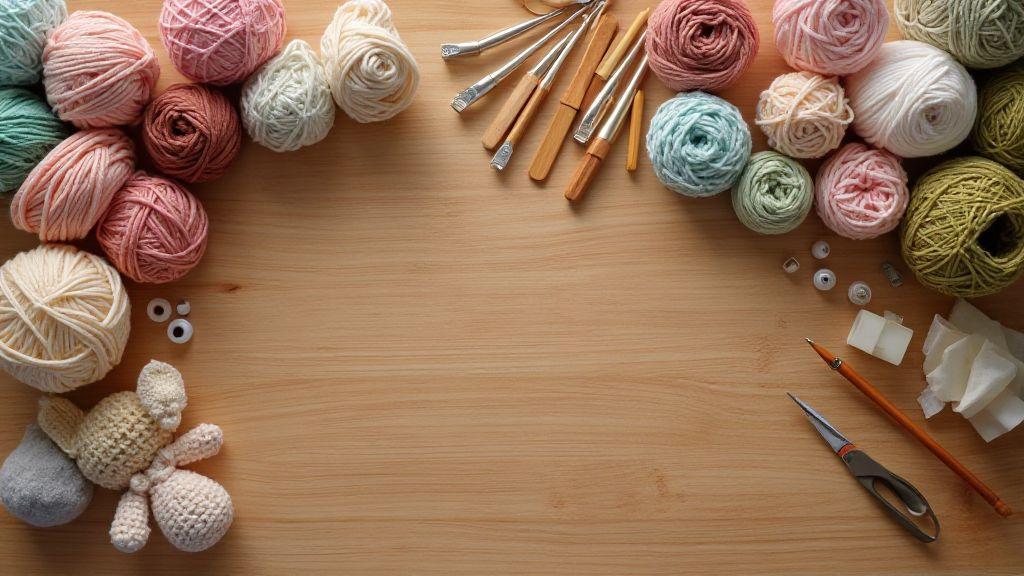
A solid starter kit speeds up progress and reduces frustration. Keep tools organized in a box or pouch for quick access. Start simple, then add as you grow.
Beginner amigurumi tools and accessories you need
- Crochet hooks in common amigurumi sizes
- Stitch markers or a row counter
- Yarn needle with a large eye
- Scissors and a small cutting mat
- Yarn in your color palette
- Safety eyes or appropriate decorations
- Embroidery scissors
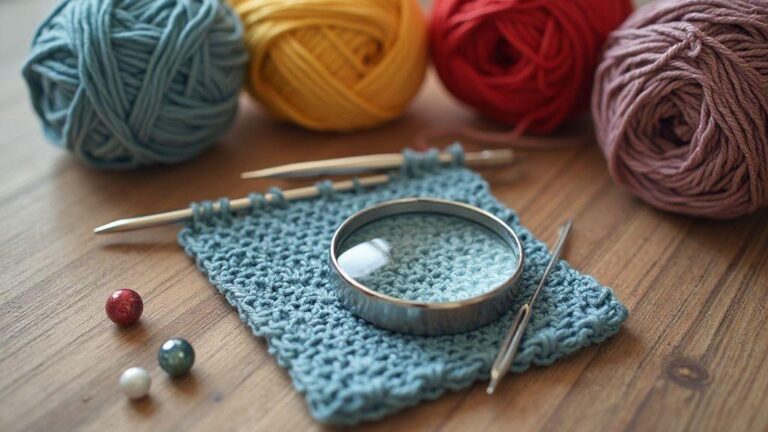
- Lighted magnifier (optional)
- Storage container for organization
Comfort matters: ergonomic handles, cushioned grips, and a comfortable grip reduce fatigue. Keep spare compartments for small decorations to prevent losing pieces.
Small tools that speed up finishing
Yarn twister, pom-pom maker, blunt-tipped tapestry needle, needle threader, stitch markers, tweezers, glue pen, or fray check help tidy seams and finishes.
Basic kit checklist to start
- Crochet hooks in common amigurumi sizes
- Stitch markers or row counter
- Yarn needle with a large eye
- Scissors and a cutting mat
- Yarn in chosen colors
- Safety eyes or appropriate decorations
- Embroidery scissors
- Lighted magnifier (optional)
- Storage box or pouch
With these basics, you’re ready to tackle your first amigurumi. Keep the setup simple and add tools as you explore different styles.
Buy washable yarn for amigurumi toys
Washable yarn keeps toys practical for daily life. Look for machine-washable or hand-washable fibers that hold shape after washing. Acrylics and cotton blends are common washable options; test swatches to confirm colorfastness and texture. Choose yarn labeled washable or care-free to reduce surprises during laundering.
What washable yarn labels mean
Labels indicating machine washable, care instructions, and temperature guidance help you plan care. Colorfastness notes matter to prevent color bleeding. Fiber content informs texture and wash experience. Acrylics are typically easiest to care for; cotton is sturdy but may shrink with hot washes. Blends offer a balance of softness and washability.
How to wash and dry your amigurumi toys
Wash with a gentle cycle or hand wash in cool water with mild soap. Use a mesh bag for machine washing. Rinse well, squeeze gently (no wringing), and air-dry flat away from direct heat. If you must use a dryer, ensure the yarn is rated for low heat.
Washing tip to keep shape
Wash with similar yarns to maintain consistent shape. After washing, reshape while damp and air-dry flat. If there’s a slight curl, reshape during drying.
Choose eco-friendly amigurumi supplies and finish safely
Choose planet-friendly materials whenever possible. Look for yarns grown and spun with low environmental impact and safe stuffing. Use non-toxic dyes and adhesives for finishes. Certifications and transparent ingredient lists help you trust what you’re using. Your choices affect softness, durability, safety, and the overall feel of your amigurumi over time.
Eco-friendly amigurumi supplies: sustainable yarns and stuffing
Sustainable yarns come from responsibly grown fibers or recycled materials. Bamboo, organic cotton, and recycled polyester blends are common and soft to the touch. Non-toxic and hypoallergenic stuffing blends are available and often machine washable. Choose color-fast dyes to keep your toy vibrant after washes.
Amigurumi finishing and safety tips before gifting
- Inspect seams and finishes; secure or embroider features to avoid choking hazards.
- Check texture and softness; ensure nothing feels rough or stiff.
- Label gifts with care instructions and safety notes, especially for young recipients.
Quick safety checklist to follow
- Inspect seams, threads, and finishes.
- Use non-toxic, hypoallergenic stuffing and dyes.
- Avoid detachable small parts; sew or embroider features on.
- Choose yarns and fillings with clear certifications.
- Wash and dry per care instructions.
- Label with safety and care tips when gifting.
The Complete Beginner’s Guide to Amigurumi Materials
In The Complete Beginner’s Guide to Amigurumi Materials, you’ll find a concise, practical overview of yarn, fiber, hooks, stuffing, eyes, and finishing. This guide collates essential tips to help you pick with confidence, practice consistently, and finish with toys you’re proud of. Use The Complete Beginner’s Guide to Amigurumi Materials as your reference as you grow from beginner to confident creator.
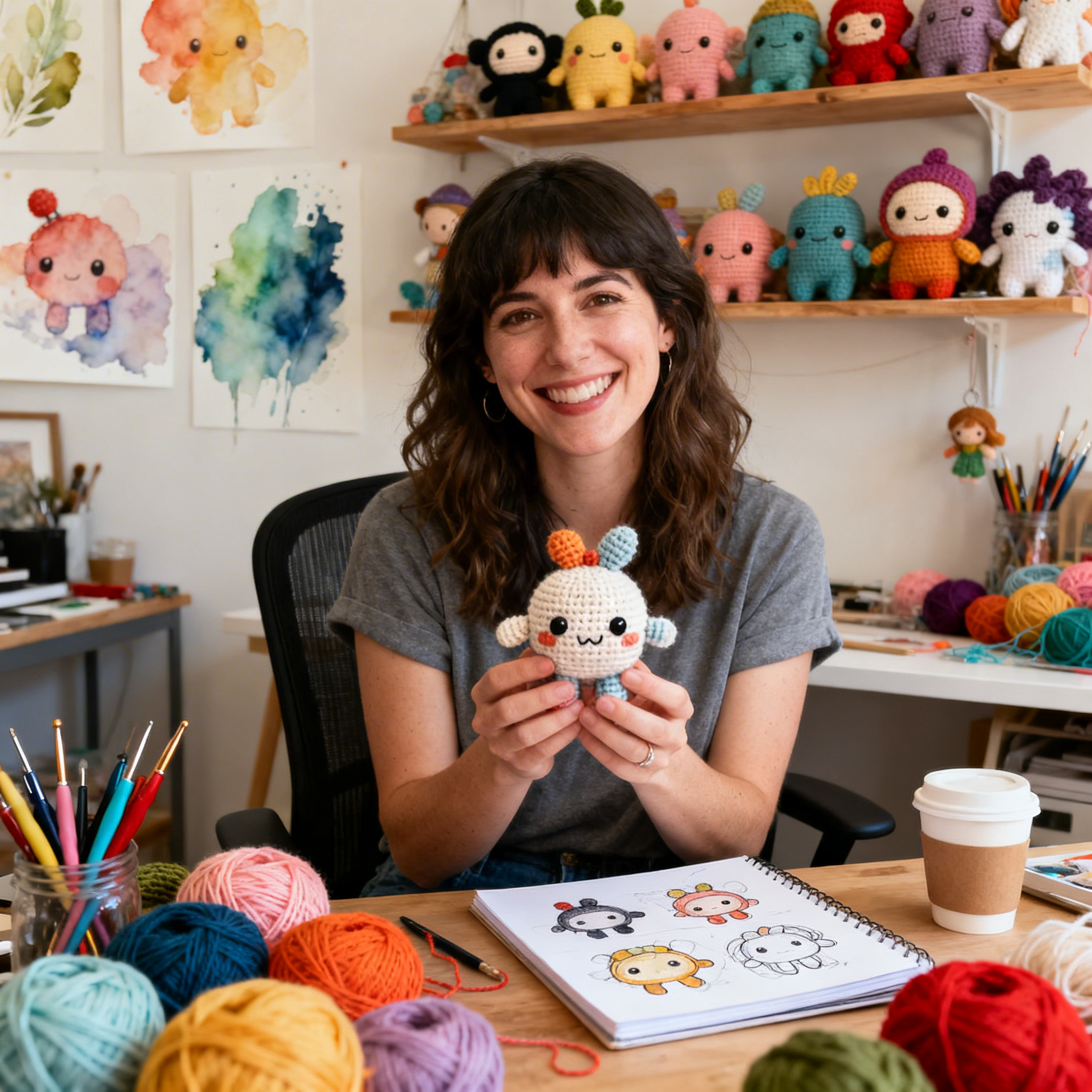
Clara Fern — Crochet Artist & Amigurumi Designer
Clara Fern is a crochet artist and amigurumi designer based in Austin, Texas. With 9 years of experience working with yarn and hook, she transformed a lifelong passion for handcraft into a creative mission: making amigurumi accessible, fun, and deeply rewarding for crafters of all levels.
Clara discovered amigurumi during a trip to Japan in 2017, where she fell in love with the art of bringing tiny characters to life through crochet. Back home in Texas, she spent years studying color theory, design principles, and advanced crochet techniques — developing her own signature style that blends kawaii aesthetics with original character design.
Through maclafersa.com, Clara shares everything she has learned — from choosing the right yarn and reading your first pattern, to designing fully original amigurumi characters from scratch. Her writing is known for being clear, detailed, and genuinely helpful, with no steps skipped and no secrets kept.
When she’s not crocheting, Clara enjoys watercolor painting, visiting local yarn shops, and drinking way too much coffee while sketching new character ideas.