Understanding the Magic Circle: The Foundation of Every Amigurumi
Magic circle crochet explained
You may have heard about the magic circle and wondered what all the fuss is about. Understanding the Magic Circle: The Foundation of Every Amigurumi starts here, because your first stitches set the tone for your project. When you begin with a tight, adjustable loop, you create a solid first row and a clean center that closes neatly. The difference shows when you braid your loops correctly and count stitches confidently. Think of it like tying a shoelace: get the loop right, and the rest follows smoothly.
Many beginners worry about knots versus loops. In this method, you don’t need a stubborn, permanent knot. You’ll pull the yarn to snug your stitches and keep the center tidy as you work outward. Your hands learn a rhythm: small wraps, a quick pull, then your first stitches. With practice, the magic circle becomes almost automatic, giving you a crisp start every time. This matters because a loose center can pull the whole piece inward and distort your shape.
Your confidence grows as you see the circle close neatly and disappear into your fabric. The magic circle is the doorway to consistent gauge and a smoother finish. Your amigurumi looks more polished when the center doesn’t bulge or gape. A neat start helps your stitches stay even from row to row, making the overall project stronger and more professional.
Why the loop starts amigurumi
The loop starts amigurumi because it locks your stitches in a tight, controlled space. You want a foundation that holds its shape without being so tight you can’t slide your hook in. The loop is the hero that reduces gaps at the top of your piece, letting you grow outward with clean joins. This starting move keeps your project compact, perfect for adorable little creatures with big personalities.
Starting with a loop also gives you flexibility. If you need to adjust tension, you can loosen or tighten the loop without ripping everything out. This saves time and frustration, especially on round-heavy projects. The loop makes shaping easier, whether you’re creating a round head, a chubby body, or tiny limbs. It’s a tiny trick that unlocks big results.
You’ll appreciate the loop when you count stitches. The magic circle provides a precise, repeatable starting point so rounds stay even. You can track progress stitch by stitch without wondering where the center hole ends and the first round begins. This clarity helps you stay confident, even on complex pieces.
Core parts of the ring
The core parts are simple but essential: the adjustable loop, the base chain (if you use one), and the first round stitches. The adjustable loop tightens or loosens the center as you go. The base chain, if chosen, sets your height for the first round. The first round stitches fill the circle evenly, creating a solid foundation that won’t collapse with increases.
As you work, keep tension consistent so the ring stays smooth. Watch for the center hole to close as you add stitches. If you see a gaping hole, you’re likely pulling too loose at the start or not filling the circle evenly. Adjust your grip and anchor point to correct this quickly, keeping your amigurumi tidy from the start.
The magic circle also influences your gauge. A well-formed ring helps stitches align tightly, so the finished piece sits uniform. You’ll find rounds fit together neatly, with fewer visible gaps where limbs join the body. This consistency helps your character stand up straight and look polished, not flimsy.
Creating a tight magic circle tips
- Keep the loop snug but not constricting your yarn. A firm, adjustable loop gives you control while keeping your hook movements easy.
- Wrap the yarn over your hook naturally, insert the hook, and pull through to form a loop you can tighten as you add stitches.
- Focus on even tension with each stitch. A loose first stitch creates a wobble that’s hard to fix later.
- After the first round, close the center with a gentle squeeze as you finish the last stitch.
- Practice with small pieces to feel the rhythm before tackling larger amigurumi.
Starting amigurumi magic loop
The magic loop unlocks a foundation that yields tight, neat rounds in every amigurumi you crochet. It’s your first real friend in crochet, offering a flexible starting point without holes. Once you master it, you’ll see it’s faster and cleaner than a fixed ring. You’ll feel confident placing stitches exactly where you want them, which is progress you can see.
In practice, the magic loop lets you pull the center tight as you go, so the first round sits snug against your work. You’ll love closing the loop completely, leaving no center gap. It’s the trick that keeps stitches even and gives you a professional finish from the start. After you master it, you’ll use this method for every project, with consistent texture.
Think of the magic loop as your starting key. It unlocks smoother buildup and fewer fiddly adjustments later. With practice, rounds come with steady tension, and your pieces grow evenly. You can adapt the loop size to different yarns and hook sizes, keeping your work comfortable and controlled.
Tools you need to begin
Before you start, gather a few basics: a hook that fits your yarn snugly, a yarn needle for weaving in ends, scissors for trimming, and a stitch marker to save you from losing track mid-round. Light-colored yarn helps you see stitches more easily, and a smooth, well-lit workspace makes a big difference.
If you’re just starting out, keep a few extra tools handy: a slightly larger hook to test the loop, a crochet clip to organize yarn, and a measuring tape to check gauge. These extras aren’t required, but they make the first amigurumi journey smoother and more enjoyable.
How to start the first round
Tie a loose slipknot and place the loop on your hook. Insert your hook into the loop, yarn over, and pull up a loop. Keep the loop gentle so you can tighten later without pinching the yarn. Chain the number needed for your base height, then crochet into the loop itself, filling the circle from the center outward. As you go, pull the center closed to avoid a visible hole. Insert a stitch marker in the last stitch to mark the round boundary, and compare with your pattern to stay on track.
Magic loop step by step
- Create a loose slipknot and place it on your hook. Leave the loop large enough to work comfortably; hold the tail to prevent it from closing too soon.
- Insert your hook into the center of the loop, yarn over, and pull up a loop. You should have two loops on your hook; keep the center loop intact to tighten later.
- Chain the required height, then crochet around the loop to fill the circle.
- When you finish the first round, gently close any gap in the center and place your stitch marker at the last stitch.
- If your pattern uses two rounds in the magic loop, slip stitch into the first stitch of the round and continue as directed. Maintain even tension.
- Finish the round by weaving in the tail later, after you complete your project or as you work, to keep the center neat.
- Practice makes perfect. If the loop feels stubborn, loosen it slightly and retry.
Adjustable ring technique
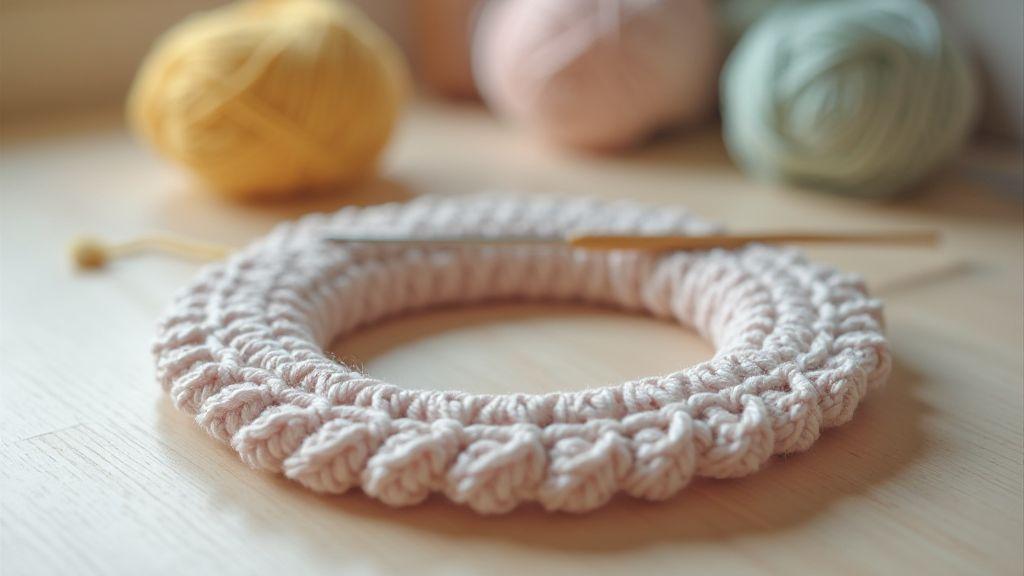
You’ll love how an adjustable ring centers your amigurumi project. Start snug but not tight, so you can grow stitches without strangling the yarn. Keep the loop loose enough to add stitches smoothly, then tighten the ring as you work. This method helps you avoid gaps and keeps the first round tidy, making the rest of your piece sit evenly. When you adjust, you control both tension and alignment—two key factors in clean, consistent stitches.
As you practice, you’ll notice the ring’s turn can create a tiny water-ring if you pull too hard too soon. You want a compact center, not a puckered one. A good adjustable ring gives you a flexible anchor: you can slip stitches in easily, then lock them down. This lets you correct mistakes quickly without ripping out large sections. If you’re new to amigurumi, this technique is your best friend for a smooth start every time.
Keep in mind that the ring isn’t just for beginners. Even pros use it to fine-tune tightness on tight rounds. It’s a reliable option when shaping small cylindrical parts like noses or limbs. With the adjustable ring, you’ll feel more in control over your fabric’s density and seam placement, helping your project look crisp from first row to final.
When to use an adjustable ring
- Use at the start of any round for a seamless, invisible center. It’s especially helpful for small, tight stitches where a regular knot might leave a gap.
- It helps for color changes or starting a new section, keeping transitions clean.
- It’s useful for symmetry in eyes, noses, or tiny ears, ensuring consistency across rounds.
When to use an adjustable ring (continued)
- It helps avoid a bulge in the first round on round pieces that sit flat.
- It’s handy for slippery yarns or fine hooks to manage slipping and stretching.
How to tighten without gaps
- Keep the working yarn snug against the loop as you pull. Don’t yank; ease the tightening with steady pressure.
- If you see a tiny hole, loosen slightly, adjust the loop size, then tighten smoothly.
- Lock the ring after adding the initial stitches by threading the tail through the ring’s end and snugging lightly, then continue.
- If using colored yarn, you can leave a touch of slack in the ring’s back to prevent overstretch.
Practice makes perfect. If a round looks off, pause, recheck your tension, and adjust gently. The goal is a uniform, compact center that doesn’t pull the rest of the stitches. With time, you’ll instinctively know when to tighten or ease.
Adjustable ring technique quick tip
- Keep the loop size just a tad larger than your hook so you can slide stitches in easily, then tighten as you go.
Closing the magic circle cleanly
A clean closing keeps your amigurumi neat and sturdy. First, ensure the stitch pull is even so the gap disappears without puckering, then snug the tail to prevent loose threads. If you plan to hide the tail, a tidy finish now saves later fiddling.
Tie off with purpose. Secure knots reduce frays or unraveling if the toy is handled. Weave the tail back through a few stitches for extra security. Check the surface for gaps or uneven patches—adjust now to avoid future repairs. The goal is a smooth, invisible finish that only you notice—unless you tell someone, then they’ll admire your craftsmanship. Understanding the Magic Circle: The Foundation of Every Amigurumi ties all these steps together, so you know why a clean close matters.
How to pull the tail to close
- Grab the tail and give a firm, steady tug to close the circle. Do not yank; maintain control.
- If there’s resistance, ease up and recheck the loop size. Aim for a snug circle without distorting the shape.
- As you pull, monitor tension around the last round to prevent a donut-shaped hole.
- Once the circle closes, lightly poke the thread back into the work with a felting needle or the blunt end of a crochet hook to prevent snagging.
- Anchor the tail securely.
Ways to hide the tail end
- Weave the tail through several stitches in multiple directions to lock it in place.
- Bury the tail inside a seam or under a folded edge where it won’t snag.
- For dark yarns or dense fabric, thread the tail through surrounding stitches as far as possible, clip close but leave a little tail to catch if it loosens.
- Optional: a tiny amount of fabric glue can help set the tail (only if the project allows).
Closing the magic circle method
A straightforward finish works every time: pull the tail tight to close the loop, weave the tail through the last few stitches in several directions, then pull again to seal. Trim close to the fabric, leaving a tiny tail for security, and lightly weave the end through surrounding stitches to hide it. This method yields a consistent, reliable finish on every project.
Count stitches in the ring
Counting stitches after forming the magic ring is your first big step. Aim for a tight, compact start, not a loose halo that boomerangs later. If you’re using single crochets, insert the hook into the ring, yarn over, pull up a loop, and repeat until you reach the target count. Keep the hook close to the ring to monitor each stitch. If the count feels off, redo from the start. A clean ring sets your project on the right footing.
Keep a steady pace as you add stitches. The magic ring should sit flat, not cupped, to help stitches sit evenly when you close the ring. If you’re working in spirals, count after each round to ensure you haven’t drifted. The goal is consistency: the same number of stitches in each round until you switch patterns. If a count diverges, adjust in the next rounds to restore balance and preserve the overall shape.
After you stitch the last loop in the ring, confirm your total. The same number should appear in every round you start. Verifying counts minimizes under- or over-stitching and keeps your pieces uniform across limbs and features.
Marking the first stitch
Marking the first stitch guides you through the roundy wilderness. Use a stitch marker or contrasting thread to mark the first stitch so you always know where rounds begin. Move the marker to the end of the last stitch when you finish a round to help with the next count. If you misplace the marker, use a contrasting yarn or a paperclip. Consistency in marker placement helps you spot mistakes early—stop, fix, and continue.
Verifying stitch count each round
Pause after each round to count, especially in the early rounds. Some sections need more increases, others stay steady. Counting helps you learn where the ring tightens or loosens, giving your amigurumi a professional look with symmetry across limbs. If counts diverge, adjust the next rounds to restore balance and preserve your shape.
Stitch count in magic ring check
Test the exact number of stitches planned for the first round. A snug ring with the marker at the first stitch confirms your count. If the count doesn’t align, reopen and reset. A correct count today saves later trouble. Think of it as checking your compass before a hike.
Beginner amigurumi magic circle mistakes
You’re learning the basics, and the magic circle is the first hurdle. Mistakes here show up later, so catching them early saves frustration. If your circle is too tight or too loose, stitches won’t sit right, and the piece won’t look as intended. Practical tension matters more than perfection in the moment. Remember, Understanding the Magic Circle: The Foundation of Every Amigurumi ties these concepts together and helps you stay confident.
Common issues include forgetting to secure the circle after the first round, which can allow the center to drift and create gaps. Counting the first round is crucial; miscounts lead to off-center blobs or bulges. If you notice a miss, rework from the start. Your foundation shapes everything that comes after, so precision is essential.
Fixing a loose center
A loose center means tightening is needed. Pull the tail through the center with a firm, even pull until the opening closes. If you see a gap or the circle keeps turning, you’re not done—pull gently, then weave the tail back to lock tension. If necessary, undo one round, re-slip stitch, and rework the center with a tighter hold. Massage the center gently to flatten it for an even surface.
Finding and removing extra stitches
Extra stitches show up as bumps or misalignment in the first round. Count every stitch in the first round and compare with the pattern. If you find two stitches in one space, remove the extra with a crochet hook, then redo the stitch correctly. If you’ve pulled out several stitches, re-create some increases to keep the round growing evenly. It’s better to redo a small section than to force the block to sit incorrectly.
Beginner amigurumi magic circle quick fix
If you’re in a hurry and notice looseness, tighten the center and snug the first round by pulling the tail and weaving through the first few stitches. It’s a temporary fix that keeps shape until you correct later. After completing the next rounds, revisit the center and tighten as needed for a correct overall fit.
Magic ring amigurumi uses
The magic ring appears in almost every beginner amigurumi project for a reason: it delivers a tight, adjustable center that won’t unravel as you crochet outward. When you pull the tail, the center closes neatly, hiding the start from view. This method keeps the first round compact and your stitches uniform, so the toy holds its shape as you add more rounds. You can use it for eyes, noses, or the body’s core, adapting to different yarn weights with a quick tension tweak or stitch count. The phrase you’ll hear from seasoned makers—Understanding the Magic Circle: The Foundation of Every Amigurumi—speaks to its central role as the anchor of your project.
With practice, the ring acts like a tiny piston, letting you control where the first stitches sit so the rest grow outward evenly. For small toys, start with fewer stitches in the magic ring; for larger bodies, add more. The ring remains invisible from the outside, keeping the rest of your stitches tidy. If you’re unhappy with the start, reopen the ring slightly, adjust tension, and pull tight again. The adjustability is why beginners love it: flexible, forgiving, and gives a clean look when you finish. Secure the tail early so nothing shifts as you work. The magic ring is simple, but it’s the backbone of your amigurumi, so treat it with care and you’ll see neater results every time.
Starting small toys and parts
Starting small builds confidence fast. Begin with a tiny animal head or a little ball, using a small magic ring and 6–8 single crochets in the first round. Keep tension even to make the piece look smooth from the start. As you add rounds, you’ll notice the shape forming without gaps or loose spots.
When making tiny parts like ears or paws, treat them as practice rounds that contribute to your overall project. Practice increases evenly, and if a piece feels flat, add a quick round in the next row to bring it to life. Consistency—steady stitches, even tension, and a tight ring you can tighten as you go—is the key.
If you feel overwhelmed, pause and compare your work to a finished tiny part you admire. Use that as a goal for new pieces. Starting small builds rhythm and makes bigger projects feel doable.
Shaping with increases from the ring
Shaping with increases from the ring gives your amigurumi character. Start with a small number of increases in the first round after the ring, then spread them out in subsequent rounds to shape smoothly. For a head, you’ll often increase in every other stitch to form a rounded dome; for a flat belly, limit increases to avoid pushing fabric outward too quickly.
Count stitches carefully after each round and maintain a steady pace. If you see an unexpected bump, it’s usually a missed stitch or a misplaced increase. Adjust in the next round by changing where you place increases. Planning ahead helps you coordinate sockets, bodies, and limbs for a clean, polished finish.
Foundation ring tutorial basics
You’re about to master a core skill that unlocks all your amigurumi projects: the foundation ring. It sets texture, tension, and stability. When you master it, stitches sit evenly and shapes stay true as you add rounds. Think of the foundation ring like the frame of a tiny sculpture—the sturdiness you establish first determines how the whole creation holds together. With practice, your gauge, speed, and confidence improve.
This foundation lesson covers how to start correctly, why the tricks matter, and how to adapt the method to different yarns and hooks. You’ll hear terms like magic ring, adjustable loop, and slip stitch, but you don’t need to fear them. Practice a short sequence you can repeat on every project. The key is consistency: even tension, accurate stitch counts, and closing the ring snugly to avoid a gap in the first row. Once you feel the rhythm, your amigurumi will look cleaner and more professional.
Short step list to practice
- Create a tight loop and slip knot to anchor your yarn.
- Form a magic ring or adjustable loop with the correct number of stitches.
- Insert your hook, yarn over, and pull through to begin.
- Close the ring snugly while keeping tension even around the circle.
- Work the target stitch count into the ring and pull tight to close any gap.
Common tutorial formats to follow
- Magic ring method: Start with a tightenable loop for a small opening.
- Adjustable loop method: A forgiving loop you can tighten as you go.
- Slip stitch starter: A fast option to get comfortable with ring tension.
- Two-loom or variations: Different grips to keep even tension and a neat center.
- Pattern-specific starts: Some patterns specify a particular foundation method.
Foundation ring tutorial checklist
- Confirm yarn and hook size match pattern requirements.
- Practice with scrap yarn to dial in tension.
- Count stitches accurately in the first round.
- Close the ring tightly to avoid a visible center hole.
- Test gauge by comparing first rounds to the pattern’s swatch.
Yarn, hook and tension for a tight center
Your amigurumi starts with a tight center. If the first stitches are loose, the whole piece relaxes and gaps appear. Choose yarn that feels smooth and suits the project size; cotton blends are common for grip. Pair the yarn with a hook size that yields snug stitches. Too large a hook loosens the center; too small makes every stitch feel tight. The right yarn and hook combination enables even stitches with less effort. Your tension matters more than any other step.
Practice hones confidence. Your grip affects how tight the center becomes. Hold the hook like a pencil for controlled movement. When pulling through each loop, think of tightening a tiny knot without warping the yarn. If you notice elongated stitches or pulling near the base, adjust your grip and speed. A steady, even motion builds a solid center that won’t wobble later. The payoff is a clean start that lets arms, ears, and paws sit neatly.
Pick the right hook and yarn
For beginners, a medium-weight cotton or cotton blend works well, with a hook size that lets you pull through cleanly without excessive tension. Test a small sample: one round should be compact but not mashed. If too loose, go down a size; if too tight, go up. The goal is stitches that sit close but breathe, giving a smooth surface for stuffing.
Consistency matters more than speed. Decide on a method you can repeat every time. Frequent changes in yarn or hook lead to inconsistent centers. Your confidence grows when you know this pairing will deliver a tight, even center again and again. You’re building a tiny work of art, and the right tools help you craft with confidence.
How tension affects the hole
Tension is the gatekeeper of a clean hole. Too tight and the hole pinches shut; too loose and it grows too large. Keep your working yarn relaxed in your other hand, guiding it rather than pulling hard. If the circle pops open, you’re likely pulling too hard or starting with stitches too tight. Ease off and rebuild the circle with gentler, even motions. A properly tensioned center locks the first round in place, forming a smooth hole to fill evenly later.
If you hear a sloshy sound or see drift in stitch placement, stop and readjust. Your hands should feel comfortable, not strained. A calm pace helps maintain even tension across all stitches. You’re aiming for a perfect balance: a small, secure hole that isn’t crushed. That balance keeps your project neat from the first loop to the last stitch.
If you’d like, I can add a brief extra section titled Understanding the Magic Circle: The Foundation of Every Amigurumi in Practice with a concise recap and quick tips to reinforce SEO placement of the keyword phrase.

Clara Fern — Crochet Artist & Amigurumi Designer
Clara Fern is a crochet artist and amigurumi designer based in Austin, Texas. With 9 years of experience working with yarn and hook, she transformed a lifelong passion for handcraft into a creative mission: making amigurumi accessible, fun, and deeply rewarding for crafters of all levels.
Clara discovered amigurumi during a trip to Japan in 2017, where she fell in love with the art of bringing tiny characters to life through crochet. Back home in Texas, she spent years studying color theory, design principles, and advanced crochet techniques — developing her own signature style that blends kawaii aesthetics with original character design.
Through maclafersa.com, Clara shares everything she has learned — from choosing the right yarn and reading your first pattern, to designing fully original amigurumi characters from scratch. Her writing is known for being clear, detailed, and genuinely helpful, with no steps skipped and no secrets kept.
When she’s not crocheting, Clara enjoys watercolor painting, visiting local yarn shops, and drinking way too much coffee while sketching new character ideas.