How to Design Amigurumi Based on Your Favorite Fictional Characters
Gather your character references
When you start designing your crochet character, solid references are your first step. Think of this like a compact mood board for crochet: focus on silhouette, key features, and iconic details that make the character pop. Collect a mix of images so you can compare shapes side by side and decide what to translate into yarn.
Look for recurring cues across art and media—like a distinctive hat, scarf, or a favorite pose. These cues help you capture the character’s essence without getting bogged down in tiny details. The goal is to translate personality and recognition into simple, crochet-friendly shapes that still read as the character.
Label your picks by silhouette, color blocks, and signature accessories. This speeds up design decisions later and keeps your references organized as you sketch patterns or plan stitches.
Collect official art, screenshots, and model sheets
Start with official art to lock in the core look. Screenshots give practical angles for movement and shading, while model sheets show multiple angles and distinctive proportions. Gather a mix of clean, high-contrast images and softer, textured looks to see where color blocks meet and where details live.
Organize by feature: head shape, torso silhouette, limb proportions, and key accessories. A tidy reference bank saves guessing later and helps you simplify without losing character.
Note signature shapes, colors, and accessories
Signature shapes become your crochet anchors. Note recurring silhouette cues—hat brims, shoulder lines, or cape edges. Colors drive the plan; decide where bold color blocks live and where gradual shading is needed with layered stitches.
Accessories add personality without overcomplicating the design. A belt buckle, scarf, or emblem can become a visual shorthand. Decide early which accessories are essential and which can be hinted with a small accent stitch. List these elements to keep the design recognizable while staying simple.
Capture this in a quick note: signature shapes, colors, accessories. It becomes your pattern-making checklist and helps you translate bold design cues into easy stitches.
Create a clear reference sheet for crochet use
Put notes on one reference sheet you can grab at a glance. Include the character’s profile, the main color palette with hex or yarn codes, and exact placements for signature features. Add simple diagrams for color blocks, yarn switches, and iconic accessories. This sheet keeps proportions honest and helps you avoid last-minute changes.
Make it practical for crochet. Mark stitch counts to match proportions, note where to reduce or increase height, and outline shaping. A compact guide lets you stitch confidently toward a piece that mirrors your favorite character.
Translate fictional characters to amigurumi
Turn your favorite fictional characters into adorable amigurumi by focusing on core shapes and colors. Choose a character with recognizable features—cape, hat, or signature pose—and translate those into simple crochet forms. A few basic stitches, joined in the right order, can capture personality without becoming a tiny museum copy. Think big, memorable shapes: round heads, compact bodies, and a few standout accessories.
Pick a color palette that matches the character but stays crochet-friendly. Use two or three bold colors plus skin or hair tones. If the character has a badge or scarf, crochet those as separate pieces and attach later for flexibility.
Map out a simple assembly plan: head, body, arms, legs, and any accessory. Planning ahead helps you avoid tangled yarn and misaligned limbs, and your finished piece should feel like the character’s energy—friendly and cuddly. With clear planning and bold color choices, you’ll turn a beloved figure into a cuddly, display-worthy amigurumi.
Break complex features into simple crochet shapes
Divide a character’s traits into easy shapes: a large circle for the head, an oval for the body, cylindrical limbs, and flat accessories. This keeps the project straightforward and forgiving as you learn. Keep facial features simple but expressive: stitched eyes, a small nose, and a mouth in a short row. If the character has hair or a hat, crochet them separately and attach to the head for easy styling.
Use texture to hint details: ribbed stitches for seams, bumpy stitches for fur, or tiny yarn dots to suggest buttons or embroidery. These small touches read as character without overwhelming the crochet.
Keep key traits while simplifying details
Choose one or two signature traits to highlight. A distinctive cape can be emphasized with bold color blocks, or a unique hairstyle can be a separate piece you attach to the head. Avoid chasing every tiny detail; bold silhouettes and clear colors convey identity from a distance.
Balance bold colors with neutral tones to keep the focal feature strong. If the outfit is bright, pair it with a neutral skin tone. Separate pieces like scarves or hats let you swap outfits without redesigning the whole figure.
Sketch basic crochet versions of features
Before you crochet, sketch the essential shapes: round head, simple facial features, hair or hat placement, oval torso, and straight limbs. Mark where to attach accessories. Loose, flexible sketches save time during crochet and let you adapt as you go.
Plan amigurumi proportions and scale
Decide overall size and how each part relates to it. Plan for stability: sturdier limbs and a firm head for play, or more poseability for display. Consider your crochet style—chunky stitches read differently from tight stitches. A clear plan keeps proportions cohesive and matches your skills.
Use amigurumi proportions and scale for balance
Balance starts with head and torso. A larger head gives a cute, cartoonish vibe; adjust the body to maintain stability. Test weight by pinning limbs and setting the figure on a flat surface.
Limb length affects balance and poseability. Short limbs read as sturdy; longer limbs add dynamism but require torso adjustments. Joints help test angles before sewing. Repeat signature features across the body to keep a cohesive look.
Decide head-to-body ratio and limb lengths
A classic 1:2 head-to-body ratio provides a friendly look; for whimsy, go to 1:1.3 or 1:1.5. Align limb lengths with the ratio for balance. Use joints or pin-test to ensure poseability and stability.
Create a sizing cheat sheet with measurements: target height, head, torso, arms, legs, neck, and approximate circumferences. Track stitch density with a swatch to anticipate shrinkage or stretch and compare to your plan after each major section.
Map amigurumi color and detail mapping
List all color blocks and decide where each will go. Group colors into zones (face/hands, clothing, accessories) to check balance. Plan shading or small details that require precise stitching. Translate the map into a practical plan: tackle color changes first to keep tension consistent and to secure tricky details early.
Match yarn shades to the character palette
List every shade seen in the character and map them to your yarn lines. Test swatches under your working lighting to compare with reference photos. Plan tonal variation to mimic shading with subtle shifts within color families. Keep a palette page with core colors and a few accents to stay consistent. Consider yarn texture, as glossiness affects how a shade reads.
Plan embroidery, appliqué, and color changes
Plan where embroidery and appliqué will live and note stitches for lines, fills, and eyes. Map color changes, deciding whether to carry yarn along the back or cut and weave in ends. For appliqué, pre-cut lightweight pieces and pin in place before sewing. Ensure durability with secure stitches and colorfast threads. A simple sequence helps: place base pieces, add embroidery or appliqué, then weave in ends and seal if needed.
Create a color key for each part of the toy
Create a color key for every part: head, body, limbs, and accessories. Note exact shade numbers and any shading or highlights. If using multiple dye lots, plan blending to maintain cohesion. Keep the key handy—on the project or digitally—so color changes stay consistent across seams.
Draft a custom amigurumi pattern design
Define a clear goal: is the character cute, spooky, or heroic? Sketch the silhouette and major features, break into parts, and keep proportions slightly oversized for charm. Choose a base yarn and accent color to create a cohesive palette. Plan construction order and finishing touches: when to switch yarns, how to place eyes, and how to secure details safely.
Write stitch counts, rounds, and gauge notes (crochet pattern drafting for characters)
Stitch counts keep patterns predictable. Start with a simple head, plan round-by-round increments, and note placements for ears or horns. Include a gauge line: stitches per inch with your yarn and hook, tested on a swatch. Plan rounds with counts and actions (increase, decrease, color change). For limbs, outline attachment points, stuffing, and closure.
Decide whether to embroider or use safety eyes, and note exact colors and stitches if embroidery. If safety eyes are used, specify size and placement with precise distances. Maintain a running checklist for every piece to avoid skipping steps.
Use clear abbreviations and material lists
Create a clean materials list: base yarn, colors, hook size, stuffing, and any accessories. Use standard abbreviations (sc, inc, dec, BLO, FLO, f.o., ssk). If a stitch is special, spell it out once, then use the abbreviation. Keep color notes tidy (A: main skin, B: accents) with yarn brands and color codes. Include a simple tools list and a brief Key Techniques section for tricky steps. A compact bill of materials keeps shopping quick and patterns cl ear.
Test each pattern section and record results
Test sections in small runs: head and neck first, then limbs, body, and features. Compare to your gauge notes and intended proportions. Log measurements, fit, and trouble spots. Track color changes, seam visibility, and fixes for next iterations. A simple pattern revision history helps you reproduce or improve designs later. If something feels off, tweak one variable at a time and retest.
Apply amigurumi facial expression techniques
Own the face to convey mood first. Decide whether the expression is happy, surprised, or wary, then choose eyes, mouth, and brows to reinforce it. Test expressions at arm’s length and adjust for readability. Balance is key: large eyes need a modest mouth to avoid a cartoonish look. Use embroidery with consistent tension or secure safety eyes, and mark placement before stitching to ensure correct alignment.
Choose eyes, mouth, and brow styles that match emotion
Eyes set the tone: large round eyes read as warm, tilting eyes suggest curiosity, or narrow eyes convey determination. Match the mouth and brows to the mood and test from a short distance. Ensure the expression reads clearly in natural light. A cohesive eye-mouth-brow trio reads the character’s emotion instantly.
Use embroidery or safety eyes with secure attachment
Secure eyes are essential. Embroider for younger children; otherwise, use safety eyes with washers and backing. Place centers symmetrically and check alignment. Embroider eyes or mouth with clean lines and consistent tension to preserve readability. Mark feature placement before stitching to ensure accuracy.
Mark exact feature placement before stitching
Lightly mark feature placements with a washable pen. Note distances from center and edges so features sit on the head’s curvature. With the map approved, you can stitch confidently and maintain readability.
Choose amigurumi materials and safety
Materials set the feel, durability, and safety of your amigurumi. Choose softly textured yarns labeled safe for children, easy to wash, and with a stable gauge. Pick a comfortable, grip-friendly hook and a washable, non-allergenic stuffing. Reinforce seams and joints to withstand play, and consider safety guidelines if you plan to sell or gift.
Pick yarn weight, hook size, and child-safe stuffing
Yarn weight affects texture and size; DK for delicate, worsted for chunky, or a forgiving mid-weight for beginners. Match hook size to yarn and test gauge. For stuffing, opt for machine-washable, non-allergenic fill. Fill to hold shape without stressing seams, especially in limbs and neck.
Select safety eyes and secure closures for toys
If making for young children, prefer embroidered eyes. If using safety eyes, choose appropriately sized pieces with secure backs and test pull tolerance. Seal openings with tight seams and consider invisible or mattress stitching to prevent gaps. Reinforce attachment points to prevent loosening.
Add a safety and materials note to your pattern
Include a safety and materials note in the pattern: yarn type and weight, hook size, stuffing, eyes or embroidery, age recommendations, and cleaning instructions. This builds trust and helps others reproduce your design safely.
Design accessories and clothing for character amigurumi
Outfits and accessories give your character personality. Start with the vibe—cozy, futuristic, or whimsical—and plan color psychology accordingly. Design a small, lightweight wardrobe that’s easy to mix and match. Test-fit outfits on gauge swatches to catch sizing issues early.
Crochet removable outfits to keep correct scale
Removable outfits preserve scale and allow quick costume changes. Use simple fastenings that don’t bulk up the silhouette. Consider stretch or elastic elements and small, unobtrusive closures like velcro or snaps. Create a few go-to pieces—a scarf, cape, or booties—to expand the character’s wardrobe without increasing crafting time dramatically.
Make small props that echo the character’s look
Props should be proportional to the amigurumi, using the same yarn weight and tension for cohesion. Keep props 1/3 to 1/2 the size of the figure for balance. Finish with neat seams and tight ends. Color the props to match the character’s palette or use a contrasting shade to highlight traits.
Draft simple accessory patterns with measurements
Draft accessories with size references: measure head, neck, chest, and arm length; plan gauge accordingly. For hats, allow about 1–1.5 inches negative ease around the circumference. Note exact stitch counts for each size to keep designs reproducible. Test-fit accessories on a swatch to confirm scale.
Test scale and refine your final design
Test in small, practical steps: print or 3D-print a sample to check balance, weight, and pose. Scale up or down while preserving key proportions. Compare the feel in hand to the on-screen view and adjust tension, seams, and safety margins. Build a repeatable method to speed future projects.
Make prototypes and adjust scaling and sizing amigurumi
Start with a small prototype to test core shapes. Compare to references and adjust neck, head height, and limb proportions. Pose the prototype to inspect balance, then refine with a closer-scale second prototype to test detail and color blocks alignment.
Finalize pattern with photos, notes, and sizing charts (how to design amigurumi characters)
Finish with a complete, easy-to-follow pattern: materials, step-by-step instructions, and a simple sizing guide. Include annotated photos of critical steps, common trouble spots, and a sizing chart showing stitches or rounds per dimension. This final package makes your design accessible and trustworthy.
Keep a revision log for future pattern updates
Maintain a simple revision log: date, changes, rationale, and outcomes. Record test results, sizing tweaks, and reader feedback. This memory helps you improve with each new amigurumi you design.
How to Design Amigurumi Based on Your Favorite Fictional Characters
A practical recap for bringing beloved characters to life in yarn.
- Gather references: collect silhouette, color blocks, and signature accessories to guide your crochet design.
- Translate to simple shapes: break features into circles, ovals, and cylinders; keep faces expressive with minimal detail.
- Map color and texture: plan your palette, shading, and where to place color changes for a cohesive read.
- Draft a repeatable pattern: write stitch counts, rounds, gauge, and material lists so anyone can follow.
- Test and refine: prototype, adjust proportions, and document outcomes to improve future designs.
If you’re following this approach, you’ll be able to transform virtually any favorite character into a cuddly, display-worthy amigurumi. How to Design Amigurumi Based on Your Favorite Fictional Characters is not just a method; it’s a pathway to reliably recreating your most-loved figures with personality and charm.
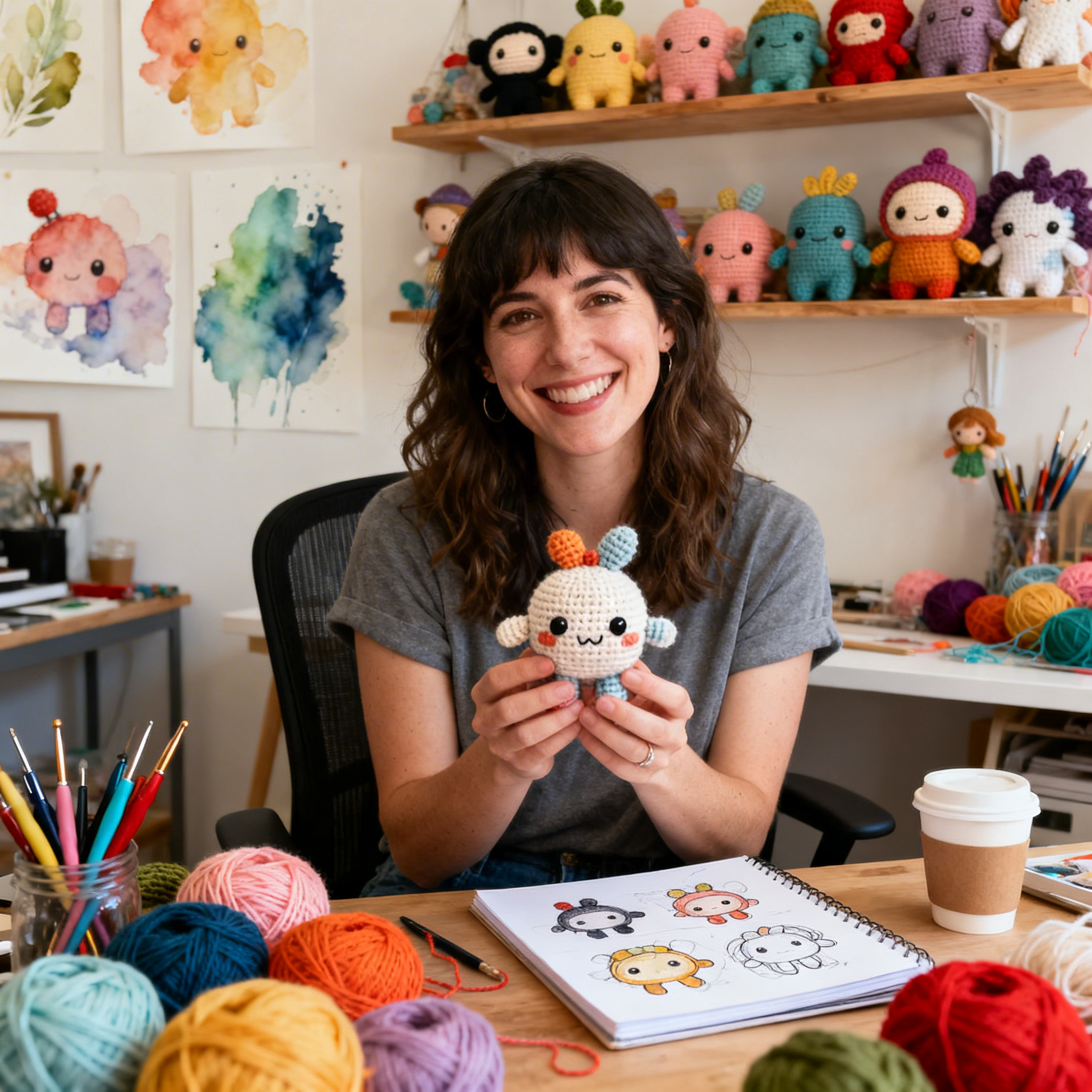
Clara Fern — Crochet Artist & Amigurumi Designer
Clara Fern is a crochet artist and amigurumi designer based in Austin, Texas. With 9 years of experience working with yarn and hook, she transformed a lifelong passion for handcraft into a creative mission: making amigurumi accessible, fun, and deeply rewarding for crafters of all levels.
Clara discovered amigurumi during a trip to Japan in 2017, where she fell in love with the art of bringing tiny characters to life through crochet. Back home in Texas, she spent years studying color theory, design principles, and advanced crochet techniques — developing her own signature style that blends kawaii aesthetics with original character design.
Through maclafersa.com, Clara shares everything she has learned — from choosing the right yarn and reading your first pattern, to designing fully original amigurumi characters from scratch. Her writing is known for being clear, detailed, and genuinely helpful, with no steps skipped and no secrets kept.
When she’s not crocheting, Clara enjoys watercolor painting, visiting local yarn shops, and drinking way too much coffee while sketching new character ideas.