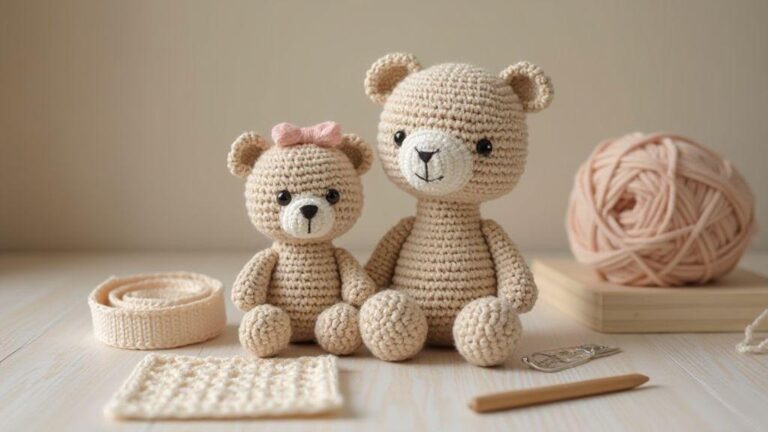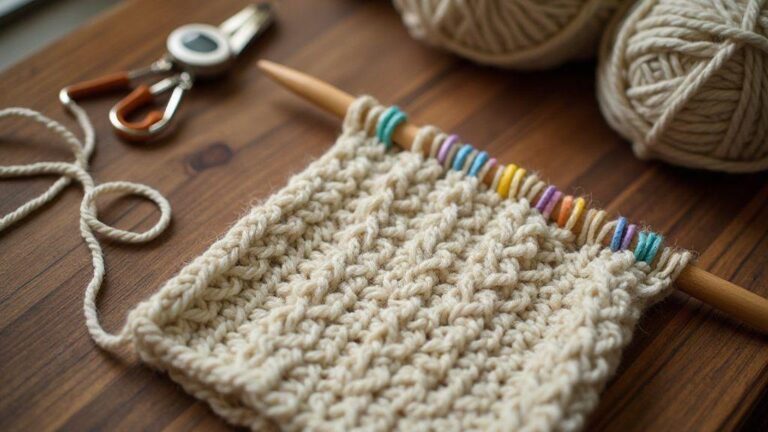
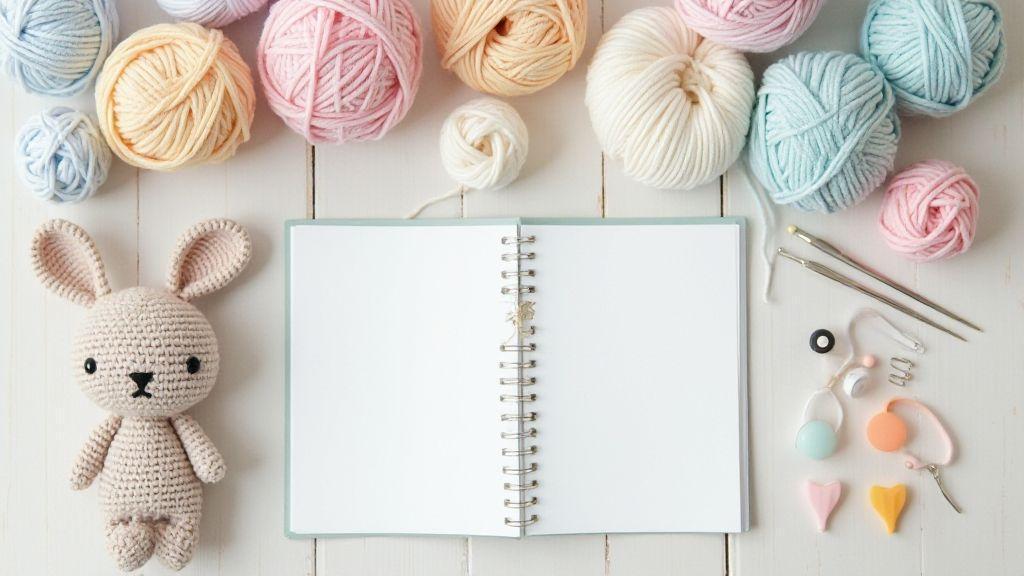
The Ultimate Amigurumi Shopping List for Beginners
Starter kit essentials for you
Starting amigurumi is about a simple, reliable toolkit you can depend on. Your starter kit should feel balanced: basic tools that do the job, plus a few extras that make your work feel magical. Think of it as a solid foundation so you can focus on shaping creatures rather than hunting for tools mid-project. With the right basics, projects flow faster with cleaner results, thanks to comfortable grips and predictable yarn behavior. The goal is consistency, not perfection, and the right starter kit keeps you moving forward. Smart buying reduces waste and saves money in the long run, helping your finished amigurumi look neater and feel more share-worthy.
The Ultimate Amigurumi Shopping List for Beginners: starter kit essentials to buy first
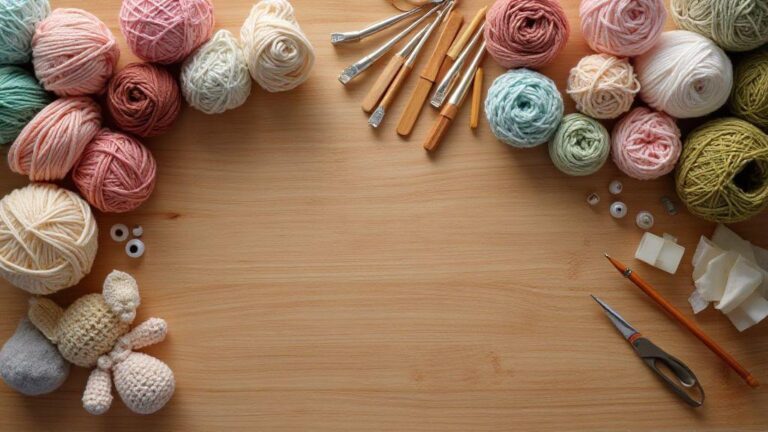
When you’re starting, focus on a core set of tools that will cover most projects: a good crochet hook set, a selection of yarn in a few colors, and a sturdy gauge hook or yarn needle. Add a stitch marker and a small pair of scissors, and you’re on your way. This base handles hats, animals, and simple characters without needing fancy gadgets.
As you grow, you’ll reach for the same items again and again. An ergonomic hook can reduce hand fatigue, and a steel or plastic yarn needle helps close seams cleanly. Keep a few stitch markers in different colors to track rounds easily, especially in the round. With these first buys, you’ll be ready to dive into your first pattern with confidence. Lock in reliability before expanding. Buy quality where it matters most—where mistakes slow you down. A good pair of scissors, a smooth tape measure, and a reliable pointy needle will save headaches later. Your early purchases should be simple but sturdy, giving you steady practice and a quick path to success.
Beginner amigurumi shopping list items
Your beginner list should be concise yet complete. You’ll want a few skeins of worsted-weight yarn in different colors, a basic crochet hook set (G/4.00 mm or H/5.00 mm are common, plus a smaller size for tight spots), and a yarn needle for weaving in ends. Add a stitch marker, a small pair of scissors, and a tapestry needle if you don’t already have one. This set covers most patterns without clutter.
As patterns grow, you’ll notice gaps to fill. A softer yarn for plush textures or a smaller hook for fine details can be added later. Extras like a beading needle for tiny features or a row counter for tricky rounds may come in handy. For now, stay focused on essentials and build confidence with every project.
Quick essentials checklist
- Yarn in a few colors (worsted weight) and a soft option for plush pieces
- Crochet hooks (a basic set, plus a smaller hook for tight spots)
- Yarn needle for weaving ends
- Stitch markers to track rounds
- Scissors for quick snips
Choosing the best yarn for amigurumi
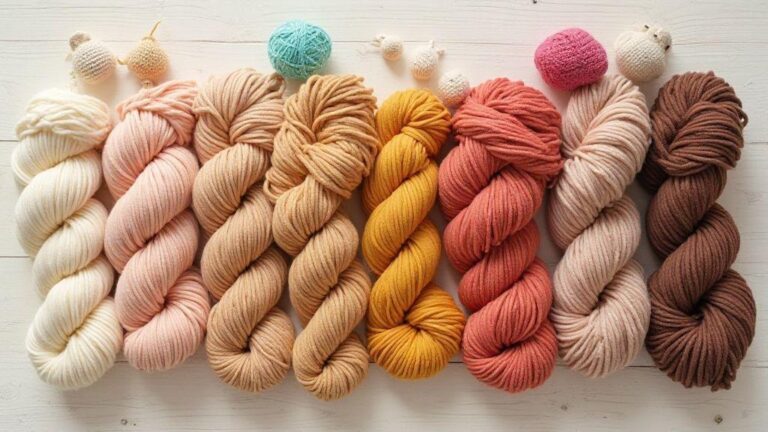
Neat, well-shaped pieces start with the right yarn. For beginners, consider how the yarn feels and how easy it is to work with your chosen hook size. Some yarns slide smoothly, others feel a bit rough. The aim is clean stitches, durable fabric, and minimal strain to see stitches clearly. Test a simple swatch to compare stitch definition and forgiveness for fixes. If making a small creature with many tight rounds, avoid overly slippery yarns that can cause gaps. For a plush toy, a yarn with a touch more stitch detail can help you follow your work. The best yarn is the one you enjoy using most. The Ultimate Amigurumi Shopping List for Beginners often includes a few staple colors in a single brand to avoid constant dye-lot changes and to stay vibrant after washing.
best yarn for amigurumi: weight and look
For classic amigurumi, most makers start with DK or light worsted yarn to create tight stitches with minimal gaps, using about a 2.5–3.0 mm hook. Finer yarn works for delicate toys; bulkier yarn pops shapes but needs looser tension to avoid gaps. Smooth, tightly spun yarns show sharp stitch definition, while softer, fluffier yarns give a cuddly feel but may blur tiny stitches. When choosing color, ensure enough skeins from the same dye lot for consistency across body parts.
fiber types: acrylic vs cotton facts
Acrylic yarns are affordable, durable, and machine washable, offering forgiving stretch and smooth stitches. They can look a bit shiny. Cotton yarns provide a matte, crisp finish with defined details but can be stiffer. A small blend of cotton and acrylic can give a balanced plush and definition. Keep a tiny stash of both fibers on hand for different effects and care needs.
Yarn care and washing tips
Acrylic is usually machine washable on gentle settings. Cotton may shrink; test care labels and consider delicate cycles with cold water. Air drying helps preserve shape and color, especially for pieces with fine details.
Picking crochet hooks for amigurumi beginners
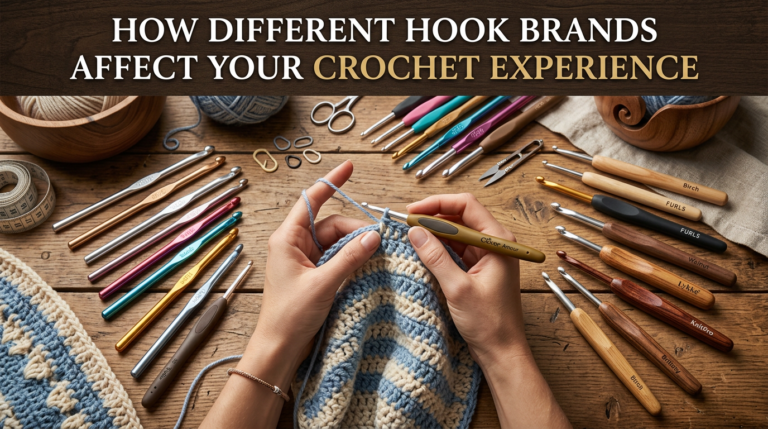
The right hook can make or break your first amigurumi. Start with a comfortable grip and a size that fits your hand, like a medium grip that sits between thumb and fingers. Smooth hooks reduce snagging, and a grippier handle helps control slippery yarn. A small set covering common beginner sizes (2.5 mm, 3.0 mm, 3.5 mm) lets you experiment without overspending. A starter set with a zipper case keeps hooks organized and easy to grab.
crochet hooks for amigurumi beginners: sizes to use
Begin with smaller hooks to create dense stitches that keep stuffing from peeking through. For DK or light worsted yarn, 3.0–3.5 mm is typical. Chunkier yarns use larger hooks (4.0–4.5 mm). Start with one set and test tension with a small ball of yarn. If gaps appear, go down a size; if stitches feel loose, go up a size. Your goal is consistent, compact stitches that hold their shape when stuffed.
hook materials and grip choices
Hooks come in aluminum, steel, plastic, and ergonomic varieties. Aluminum is light and smooth but can be slippery; steel is sturdy but slick; plastic is affordable but may wear faster. For beginners, comfort matters most. A cushioned or ergonomic handle reduces hand fatigue, letting you practice longer without soreness. Try a few in a shop or borrow to find what feels best.
Recommended hook set for starters
Choose a starter set with a few sizes (2.5 mm, 3.0 mm, 3.5 mm, and maybe 4.0 mm) in an ergonomic grip, with a smooth surface. A lightweight aluminum hook with a cushioned grip is ideal for long sessions. A case or pouch helps keep sizes visible and organized.
Safety eyes and fasteners for toys
Safety eyes and fasteners keep toys secure and age-appropriate. The right components prevent loosening and protect little mouths from detaching parts. Balance aesthetics with safety: glass eyes look crisp but can crack; plastic eyes are durable but may need backing; embroidered options offer a soft, handmade look and, in baby toys, reduce risk.
safety eyes and fasteners sizes and rules
Choose eyes that fit your gauge and toy scale. Smaller eyes suit tiny critters; medium eyes offer clear expressions; larger eyes give bold character but require secure backing. Always back with a washer or flange to prevent rotation or pull-out. For babies, embroidered eyes or sewn features are safer. If using plastic eyes, ensure tight backs and no exposed pins.
baby-safe options: embroidered eyes
Embroidered eyes provide a safe, rustic look and are easy to customize for expressions. Use steady thread tension and small stitches for a consistent gaze. Embroidered features pair well with stitched mouths and noses, creating a polished, handmade feel without risk.
Installing safety eyes safely
Mark positions, create small holes just big enough for posts, and secure from the inside with backing. Test with a gentle tug; if it wobbles, adjust backing or hole size. For baby toys, consider double backing or a safety washer. Keep a small kit with snips, a needle threader, extra backings, and test pieces for quick, confident installs.
Polyester fiberfill stuffing basics
Polyester fiberfill is soft, springy, and holds shape well, giving your amigurumi a plump, cuddly look that’s machine washable on gentle cycles.
polyester fiberfill stuffing types and feel
Low-loft fills produce compact shapes; high-loft fills yield rounder bodies. For plush heads or ears, high loft works well. A medium loft is a safe starting point, adjustable as you go. For babies, choose a safe, washable fill that won’t clump or irritate skin.
how much stuffing you’ll need per toy
Estimate by size: small toys 1/2 to 3/4 cup, medium 1–2 cups, large 3–4 cups or more for rounded shapes. Stuff in layers, testing firmness as you go, leaving a soft last layer for a natural finish. You can add more, but removing stuffing is hard.
Preventing lumps when stuffing
Stuff slowly, breaking up clumps and distributing fiber evenly. Use small amounts and push into corners to avoid hard spots. For larger parts, stuff in stages and smooth between layers. Keep the workspace clean of lint to avoid fibers sticking to stitches.
Tapestry needles and sewing supplies
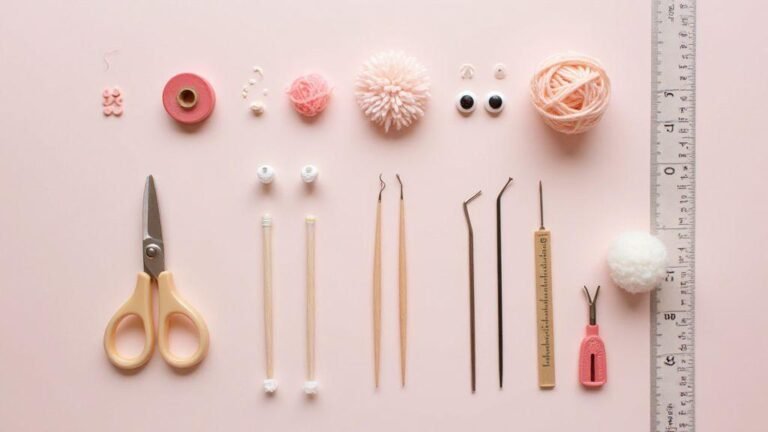
Tapestry needles (blunt, thin, with a large eye) are essential for threading through stitches without splitting yarn. Have a range of sizes to match your yarn weight and keep several on hand. Beyond needles, stock small scissors, stitch markers, and a pin cushion. A tidy workspace speeds repairs and keeps joins neat. Use light-colored yarn for testing tension and a darker shade for final assembly to see stitches clearly.
tapestry needles: sizes and uses
Smaller needles suit delicate stitching or end weaving on tiny pieces; larger needles pass thicker yarns through quickly. Start with a mid-size needle and branch out as needed. The blunt tip prevents holes and damage, keeping seams clean.
thread, yarn and fasteners for sewing parts
Use thread that blends with yarn but adds strength. Polyester or cotton-wrapped nylon threads work well for joins; lighter-weight thread works for small parts. Match body color for main seams and a slightly lighter shade for invisible joins. Test tension on a scrap before sewing. For fasteners, consider buttons, safety eyes, or embroidered features. Secure attachments with extra stitches and a dab of fabric glue for bulky parts.
Securing seams and joins
Use a snug backstitch or whipstitch to anchor edges and prevent wobbling during stuffing. Tug gently to check for loose threads. Weave ends inside the seam and trim close to the fabric. A tiny amount of fabric glue at the base can help lock ends.
Stitch markers and scissors you need
Keep stitch markers and scissors within easy reach. Markers help you track rounds, increases, decreases, and shaping. Use a mix of lockable markers and quick-to-move rings for flexibility. Sharp, small scissors are essential for clean cuts near tight spots. Dedicate a separate pair for fabrics and strings to avoid frayed edges. Together, markers and snips keep your amigurumi neat and professional.
stitch markers for shaping and counts
Mark increases, decreases, or attachment points to reproduce shapes consistently. Place markers at turning points for flat pieces to maintain accuracy.
scissors and snips for clean cuts
Small, sharp scissors yield tidy tails and invisible joins. Keep multiple scissors of varying sizes for different yarns. Proper cuts reduce fraying and improve overall finish.
cutting and finishing yarn tails
Weave tails securely and trim close. Weave tails back and forth to bury ends, then trim. For extra security, leave a bit of length and weave in two directions.
Amigurumi pattern accessories to use
A basic set of accessories helps patterns come alive and stay accurate. Start with a small set of crochet hooks, stitch markers, and a measuring tape. A few colors of yarn and a blunt tapestry needle keep work neat and seams strong. Organize your workspace with a pin bowl, a cutting mat, and labeled storage to avoid slowing down. Pattern aids like color charts and highlighters keep color changes crisp and repeats clear.
reading amigurumi pattern accessories clearly
Highlight charts, tally stitches, and keep pages flat with a clipboard or binder to reduce misreads. Check terminology and symbols before starting; skim for repeats and flow to map out the pattern in your mind.
pins, templates and notepads for patterns
Use pins to flatten shapes; templates help maintain consistency across pieces. Notepads keep gauge, stitch counts, and color changes handy for quick reference.
modifying simple patterns safely
Make small, reversible changes. Check gauge first, label modifications, and test on a swatch to avoid surprises in the finished piece.
Organizing and buying your supplies
Organize with a dedicated box or basket for yarn, hooks, tapestry needles, scissors, stitch markers, and a measuring tape. Group similar items and label sections. A simple checklist helps you see what’s missing. Set a practical budget: start with basics, then add yarn in affordable skeins. Look for quality within value—smooth hooks, reliable twisty yarn, and tools that feel comfortable in hand. Keep track of what you actually use to navigate your stash and stay inspired.
amigurumi supplies list for beginners checklist
- Crocheting hooks in sizes around E/3.5 mm, G/4.0 mm, H/5.0 mm (ergonomic handles preferred)
- Blunt tapestry needle
- Small pair of sharp scissors, stitch marker, measuring tape
- A couple skeins of worsted weight yarn in two colors
- Basic plant-based or polyester stuffing
- A couple pins or markers for rounds
where to buy affordable starter tools
Look for bundles at craft stores, online marketplaces, or local yarn shops. Compare prices and shipping times. Beginner kits often bundle essential tools in one package for easy starts. Thrift shops or swaps can offer good-condition tools at low cost.
budget starter kit plan
A solid starter kit: 2 ergonomic crochet hooks (small and medium), a blunt tapestry needle, a pair of sharp scissors, a small stitch marker, and a 2-skein set of worsted yarn in two colors. Add polyfill stuffing and a simple measuring tape. Upgrade gradually as you grow, adding more colors, bigger hooks for chunkier yarns, and an organizer to keep tools tidy. The key is starting with essentials and expanding only as you’ll use the new tools.
The Ultimate Amigurumi Shopping List for Beginners is your compass for building, organizing, and expanding a reliable toolkit. With these essentials, you’ll master the basics, finish projects with confidence, and enjoy the process of bringing adorable amigurumi to life.
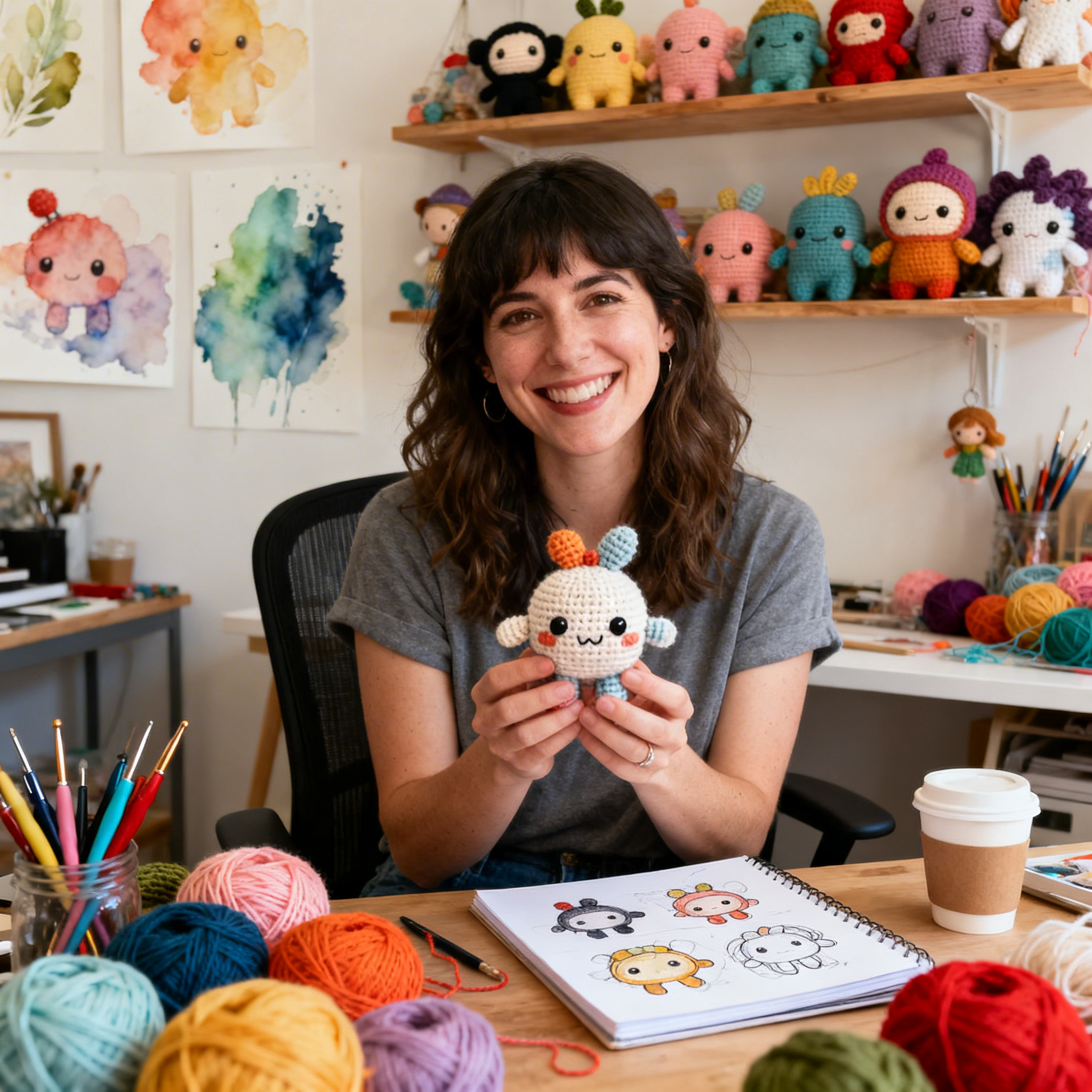
Clara Fern — Crochet Artist & Amigurumi Designer
Clara Fern is a crochet artist and amigurumi designer based in Austin, Texas. With 9 years of experience working with yarn and hook, she transformed a lifelong passion for handcraft into a creative mission: making amigurumi accessible, fun, and deeply rewarding for crafters of all levels.
Clara discovered amigurumi during a trip to Japan in 2017, where she fell in love with the art of bringing tiny characters to life through crochet. Back home in Texas, she spent years studying color theory, design principles, and advanced crochet techniques — developing her own signature style that blends kawaii aesthetics with original character design.
Through maclafersa.com, Clara shares everything she has learned — from choosing the right yarn and reading your first pattern, to designing fully original amigurumi characters from scratch. Her writing is known for being clear, detailed, and genuinely helpful, with no steps skipped and no secrets kept.
When she’s not crocheting, Clara enjoys watercolor painting, visiting local yarn shops, and drinking way too much coffee while sketching new character ideas.