How to Make an Amigurumi Snowman for Winter Décor
Gather materials and tools
You’ll get your project off to a smooth start by gathering everything you need before you crochet. A clear list saves time and prevents mid-row searches, helping you stay focused on stitches and shaping. Check your supplies to avoid interruptions and mismatched yarn or stuffing. Keep your most-used tools within reach—needles, a small pair of scissors, a stitch marker, and a tapestry needle—so your hands stay free for shaping and assembly.
Pick the best yarn for amigurumi snowman
Choose yarn that’s soft but holds its shape. A medium weight yarn such as DK or worsted keeps stitches even and the snowman plump. For a crisp finish, consider a cotton blend; for extra softness, a cotton-acrylic mix works well. Test a few inches to see how the yarn curls and how the stitches sit.
Color matters too: traditional snowman bodies are white with black for eyes and buttons and orange for the carrot nose. Add a scarf or hat in a contrasting shade for flair. If you want a wintry vibe, light gray or pale blue is nice. Remember that yarn weight affects final size, so pick a thickness comfortable for you and compatible with your hook.
Check the yardage on the label to ensure you have enough to finish without running out. New to amigurumi? Buying a little extra helps you avoid mid-project color changes. Choose yarn you enjoy working with to finish with less effort and more pride.
Choose hook size, stuffing, and safety eyes
The right hook size makes stitches even and snug. Start with the size recommended on the yarn label, then go down a size slightly if you see gaps or looseness. If you notice loose tendrils, you’re using too large a hook.
For stuffing, polyfill works well: light, easy to shape, and holds form without being too stiff. Stuff firmly at the body but leave some softness in the belly so the snowman stays cuddly. Break the stuffing into small pieces to fill curves evenly, especially the head and arms.
Safety eyes add character and realism, but you can also use embroidery for a softer look. If you’re gifting to a child, safety eyes are a must. If you skip them, sew on small black buttons or beads, securely attached.
Make a simple supply list
- Yarn: white (body), black (eyes/buttons), orange (nose); optional colors for scarf or hat
- Hook: size recommended on yarn label (consider one size smaller for a tighter fabric)
- Stuffing: Polyfill
- Safety eyes or black embroidery thread for eyes
- Darning needle and small scissors
- Stitch marker
- Optional: small embellishments like a hat, scarf, or tiny carrot nose felt
Choose yarn and hook for your project
Pick materials that are easy to work with and hold their shape. Consider how you’ll handle stuffing and how durable you want the finished piece to be. If you’re new to crochet, choose forgiving yarn with good stitch visibility. Experienced crocheters can experiment with texture and sheen. Aim for a neat, snug fabric that hides seams when you join parts. Comfort in your hook size and how it matches your yarn is key to tidy stitches and a tidy snowman.
Think about wear and care: softer yarns feel nice but may pill or loosen with play; firmer, denser yarns hold shape better but can feel stiff. For display on shelves or windowsills, choose yarn that resists fading and dust. Keep a scrap handy to gauge gauge before starting. Note your yarn and hook choices for easy replication or sharing.
Consider cleanup after finishing: some yarns withstand washing, others require gentler care. If you want year-round display, pick yarn that color-resists and keeps shape after washing. You can test blocking and stretch with a small swatch. Your final choices should feel right in your hands and look right on your shelf.
Best yarn for amigurumi snowman: acrylic vs cotton
Acrylic is affordable, bright white, and forgiving—great for small snowmen and quick projects. It dries fast and keeps stitches neat. Cotton yields a crisp, defined stitch and a firmer surface for features. It ages well and washes nicely with gentle care. If you want extra softness, mix in a touch of acrylic. Match weight to your pattern gauge to ensure the snowman comes out the right size.
Test a swatch to compare feel and care. For a bright, kid-friendly toy, acrylic shines. For a more natural look with sharper edges and better structure, cotton is solid. Either works with the right hook and gauge for your winter décor project.
Match hook size to gauge for amigurumi
Your hook size should align with your yarn weight to hit the correct gauge. Crochet a small single crochet in the round swatch to measure. If your stitches show gaps or fabric is loose, switch to a smaller hook. If your swatch is too tight, move to a larger hook. This saves you from trouble later when assembling.
Keep a simple swatch—a circle or short spiral works. Count stitches per inch and compare to your pattern’s gauge. If off, adjust by changing the hook. Once you’ve got the hang of it, you’ll know which hook size yields tidy stitches and a solid finish.
Gauge is your friend. A little swatching early saves hours later and ensures neat seams and neat stuffing channels.
Note yarn weight and care
Yarn weight affects size, care, and washability. Heavier weights create chunkier shapes; lighter weights yield finer details. Check the care instructions and choose yarn that suits how you’ll display and handle the snowman. Gently clean and store in breathable containers to extend its life.
Find patterns and PDFs you can trust
Look for patterns with clear authorship and recent updates. Trustworthy sources typically include a bio, date, and licensing notes. Check reviews or comments for real crafter experiences. Save favorites to compare options, and look for transparent usage rights and refunds.
PDFs should clearly show sections, with a clean table of contents and a matching materials list. If a PDF feels cluttered or has broken links, it may be outdated. Prefer PDFs from designers or respected publishers for fewer misprints. Ensure the file is print-friendly to save ink. Verify license clarity and support options—good patterns include contact details for questions.
Locate amigurumi snowman pattern free resources
Free patterns are great for learning but still need clarity. Look for a clear materials list and stitch counts; if a pattern jumps straight to steps without yarn or hook details, keep scrolling. Photo galleries of finished items help you compare outcomes. Bookmark reliable resources and review comments for tips or errata. Check the pattern date to ensure it’s up to date.
Search social galleries or maker forums for tweaks and color ideas. Consistent praise from multiple users is a good sign. Don’t skip the designer’s profile or shop link—paid patterns often add helpful step-by-step photos or extra sizes.
If you’re new, start with simple stitches like single crochet in the round. Once you’re confident, you can add a scarf, hat, or buttons and continue learning.
Read an amigurumi snowman pattern PDF correctly
Scan the table of contents and notes on gauge, yardage, and substitutions. Quickly make a materials checklist and compare with what you have. If there’s a gauge chart, use it to keep sizes consistent.
Follow steps in order but don’t rush. If a step is unclear, note it and move ahead; you’ll revisit with fresh eyes. Pay attention to special stitches or rounding tips to avoid shape issues. Keep a small glossary handy for unfamiliar abbreviations.
Finish with careful assembly: stuffing order and seam placement impact the head’s shape. Take your time with facial features and limbs for a cohesive look.
Verify skill level and stitch abbreviations
Confirm the skill level before starting. Beginner patterns use simple stitches; intermediate patterns may include increases, decreases, and more complex rounds. Make a quick list of common abbreviations (sc, inc, dec, etc.) and keep it handy so you don’t pause to look up terms.
How to Make an Amigurumi Snowman for Winter Décor
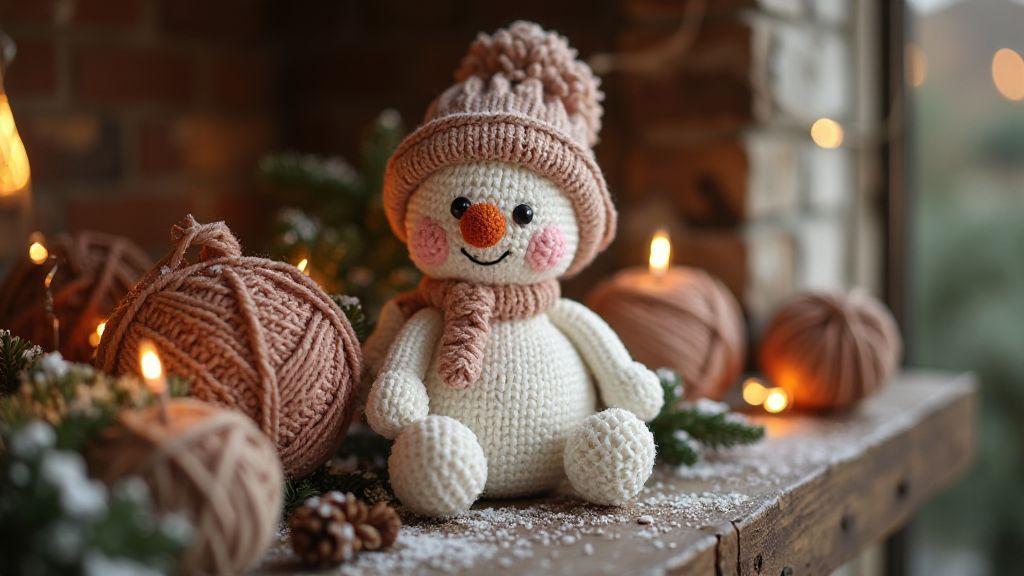
You’re about to craft a cozy amigurumi snowman that brightens winter décor. This guide walks you through simple stitches and a few sparkling details to create a cheerful figure you’ll display with pride. By the end, you’ll have a snug, handmade snowman you can customize with colors, scarves, and a tiny hat. How to Make an Amigurumi Snowman for Winter Décor is a perfect weekend project for your home.
First, gather supplies that fit your style: light worsted yarn for the body, a contrasting color for hats and scarves, and soft stuffing that holds shape without gaps. Keep a small crochet hook and stitch markers on hand. For extra charm, add a bead for eyes or embroidery for a smile. Choose colors that match your room and mood.
Plan proportions before you start: a head, a larger middle, and a round bottom. Light stuffing keeps the form plump yet soft. Consider where you’ll place the snowman—on a shelf or as a centerpiece—to determine height. With a clear plan, you can crochet and shape confidently.
Easy amigurumi snowman step by step assembly
Attach the head to the body with a snug base to keep joints from separating. Ensure the transition is smooth and rounded; avoid flat seams. Stuff lightly as you go to avoid lumps around the join.
Add the bottom half and finish the body shape. Stuff evenly so the round sits well on its base. When you close the last seam, the snowman gains character through careful shaping. A small scarf below the head adds a touch of personality.
Form the arms and any extra details. Crochet twig-like arms and position them naturally, tucked into the sides. Add a carrot nose, eyes, and mouth with small stitches or beads. This is where the snowman gains charm—take your time.
Crochet snowman tutorial for beginners: head, body, arms
Start with the head using tight, even stitches and small rounds. After stuffing and closing the head, move to the body, which should be slightly larger for balance. Attach the arms at a natural angle. Finish with facial features and optional accessories like a hat and scarf. A subtle smiling mouth made with a backstitch can add friendliness.
Close seams and stuff neatly
Finish by closing seams with tight, flat stitches to keep the snowman soft and well-shaped. After closing, gently massage the piece to even out stuffing and remove any hard spots.
Add scarf, hat, and small ornament details
Attach a cozy scarf and a cute hat, plus tiny ornaments to make the snowman feel ready for winter. Use a bright scarf to contrast the white body, and crochet a small hat with a brim and rounded crown. Secure the scarf ends to the neck, and attach the hat with hidden stitches for stability. Add small accents like a carrot nose or stitched buttons for charm. If you plan to hang it, add a loop at the top before closing.
Consider texture: a ribbed scarf or small felted dot can add interest. Practice scarf and hat on a scrap swatch first to ensure proper fit on the snowman.
Use an amigurumi snowman scarf and hat pattern
Follow a simple scarf pattern and a small hat design to ensure fit. Compare neck placement and stretch before sewing. Personalize with colors that match your décor. A tiny pom-pom on the hat or a bead as an ornament adds whimsy. Keep notes on stitch counts for future repeats.
Make a small crochet snowman ornament for trees
This quick ornament uses a head and a slightly larger body joined by a short seam. Add a mini carrot nose, small black bead eyes, and a stitched smile, plus a tiny scarf or hat. Use medium-weight yarn and a sturdy stuffing for durability, and crochet a small loop on top for hanging.
Secure joints with tight stitches and consider a dab of fabric glue for extra security. Vary sizes if you’re making a garland to keep it visually interesting.
New to small amigurumi? Practice the head and body separately, then move to the face and accessories. A little practice helps you avoid mistakes on the final piece.
Finish, display, and care your winter décor
Finish with care to keep pieces bright and cozy all season. Weave in ends, fix flaws, and choose a display method that fits your space. Create a balanced vignette with bold and quiet pieces, pairing crochet textures with wood or glass for light and touch.
Decide how you’ll present your work: a wall hanger or a shelf display works well. If gifting, include care instructions and a small handcrafted tag. Place heavier pieces toward the back and lighter ones toward the front for balance.
Care matters: use a soft brush for dust and a damp cloth for spots. Avoid harsh chemicals. Store pieces in breathable bags or boxes with silica packs to control humidity, and rotate items so your winter décor stays fresh.
Handmade winter decorations crochet display ideas
Create a cozy display with crochet pieces and everyday items. Drape a small crochet garland over a mantel with pinecones and evergreen for scent and color. Add crocheted snowflakes to shelves or racks for winter charm. A chunky scarf in white or creamy gray softens a chair and adds texture. Build a focal piece around your snowman and vary display heights with books or boxes. Rotate items every couple of weeks for a refreshed look.
Winter décor ideas for home and gifts include matching coasters in winter whites with subtle metallic threads, crocheted mug cozies, or mini pillows personalized with initials. Include care notes with gifts to make them keepers. Use natural fibers where possible for comfort and longevity.
Wash, dry, and store safely
Wash crochet pieces gently with cool water and mild detergent. Rinse until clear, then press out excess water with a towel and lay flat to dry away from direct heat. Drying flat preserves stitches and prevents distortion. When dry, fluff the piece lightly to restore loft.
Store winter décor in breathable containers to prevent mildew and yellowing. Use cotton bags or breathable boxes with silica gel packs. Label storage so you can find everything quickly next season. Rotate items when packing away to keep your collection looking fresh.
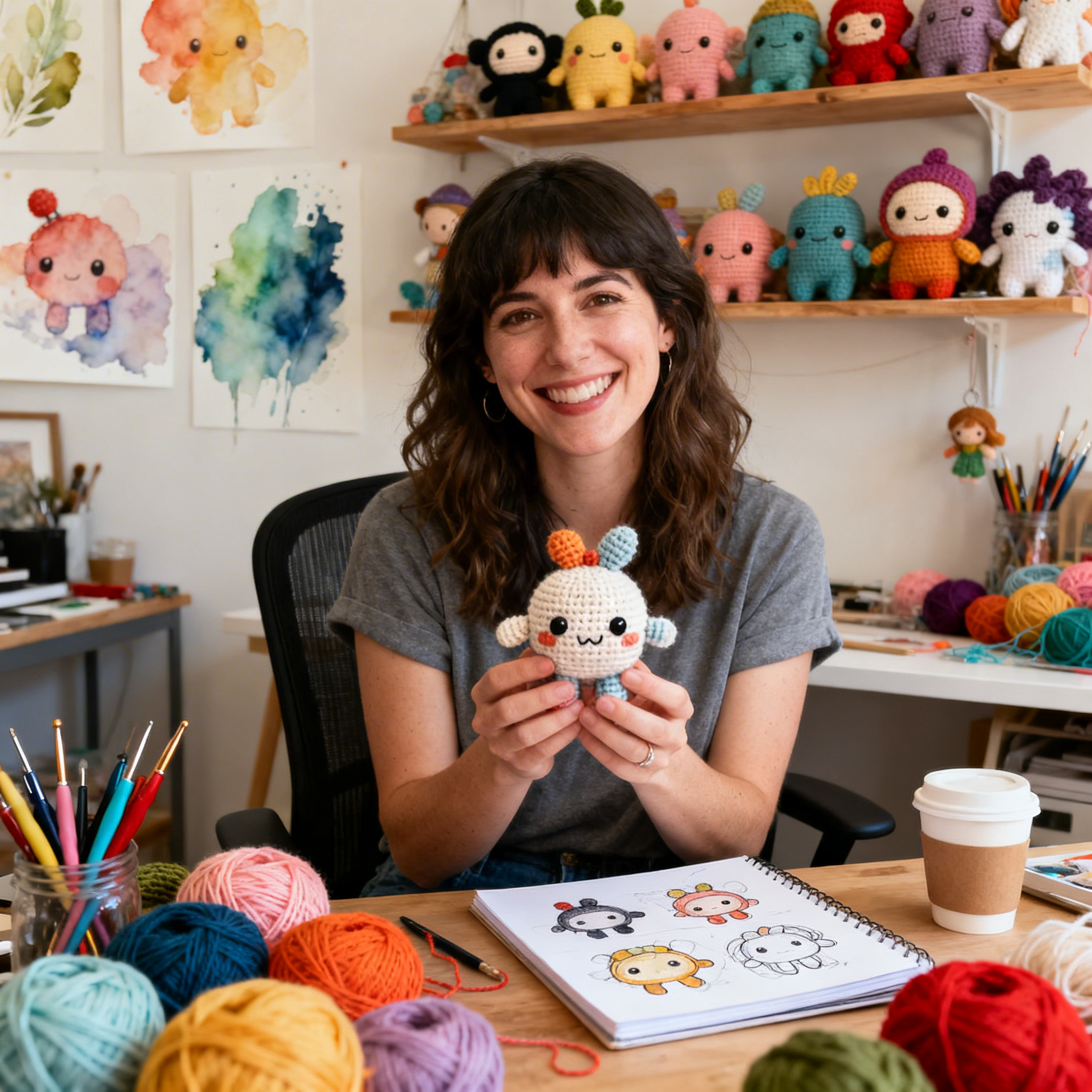
Clara Fern — Crochet Artist & Amigurumi Designer
Clara Fern is a crochet artist and amigurumi designer based in Austin, Texas. With 9 years of experience working with yarn and hook, she transformed a lifelong passion for handcraft into a creative mission: making amigurumi accessible, fun, and deeply rewarding for crafters of all levels.
Clara discovered amigurumi during a trip to Japan in 2017, where she fell in love with the art of bringing tiny characters to life through crochet. Back home in Texas, she spent years studying color theory, design principles, and advanced crochet techniques — developing her own signature style that blends kawaii aesthetics with original character design.
Through maclafersa.com, Clara shares everything she has learned — from choosing the right yarn and reading your first pattern, to designing fully original amigurumi characters from scratch. Her writing is known for being clear, detailed, and genuinely helpful, with no steps skipped and no secrets kept.
When she’s not crocheting, Clara enjoys watercolor painting, visiting local yarn shops, and drinking way too much coffee while sketching new character ideas.