How to Create Miniature Amigurumi With Correct Proportions
Head-to-body ratio amigurumi
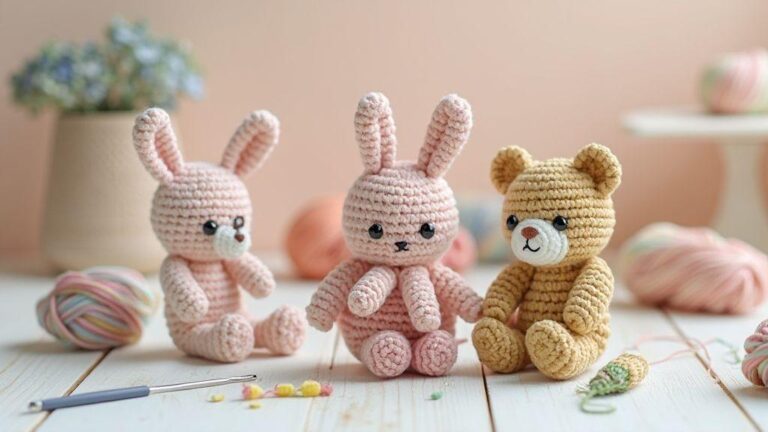
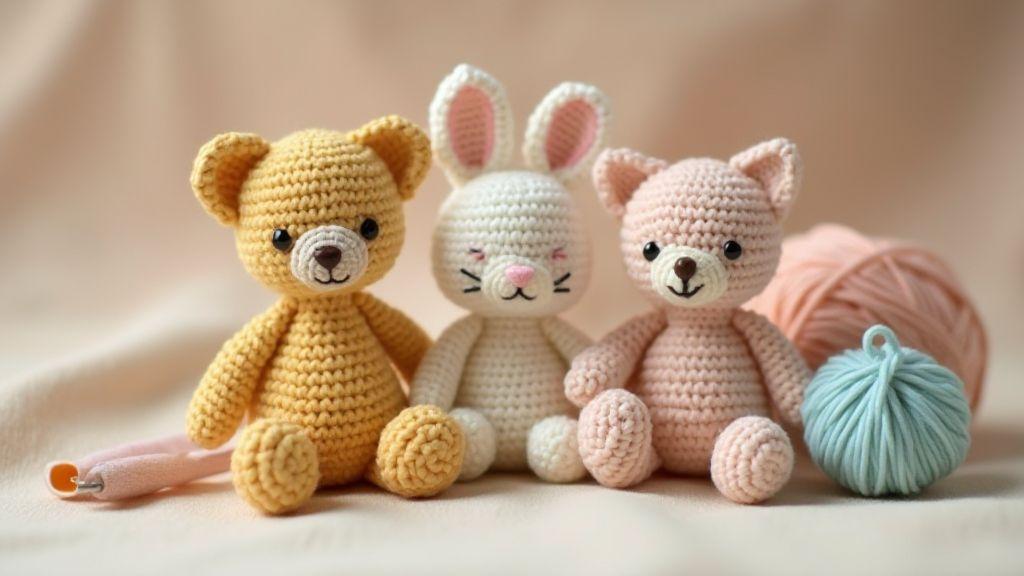
You’ll notice that the head-to-body ratio shapes your amigurumi’s look, character, and playability. A larger head reads cartoony; a smaller head reads more realistic. Choose a ratio that suits your character’s personality and the feel you want. Test a few sizes on a sample head and see how the body reads once you add limbs and a torso. With practice, you’ll know when proportions fit.
To start, measure the head and body with simple anchors. Select a base unit (the head height) and decide how many units the body will be. For a classic cute look, aim for a head roughly one-third to one-quarter of total height; for whimsy, push toward half. You can tweak as you go—blocked rounds, stitch tension, and stuffing density shift proportions subtly as you assemble. This is part of How to Create Miniature Amigurumi With Correct Proportions.
Balance visual weight too. A big head needs a sturdy neck and compact body to avoid tipping or top-heavy feel. Use chest width, shoulder slope, and hip width to keep lines harmonized. Your measurements guide you, indicating when the head dominates and when the body deserves more presence. With time, you’ll predict how a head-size change affects the silhouette.
How to measure head and body sizes
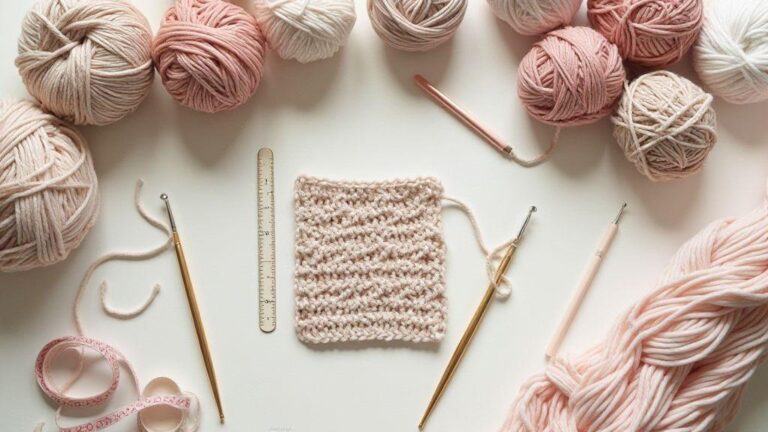
Measure with a ruler and soft tape. Head height crown-to-base where the neck would attach, and head width at the widest point. Body height from the base of the neck to the bottom, and body width at the midsection. Compare these figures to decide your ratio. A simple method is to count how many head-heights fit into the body height: three heads tall is standard; two heads tall emphasizes the head and enhances cuteness.
After you join pieces, stuffing density shifts the look, so press lightly and measure again. If the head seems oversized after stuffing, adjust by reducing initial head height or adding a tiny neck segment to pull the body forward visually. Take notes on each project—head height, head width, total height, and adjustments. Those notes become your quick-reference cheat sheet for future amigurumi.
As you practice, you’ll learn to use proportional guidelines without metal rules. Your hands will tell you when the neck looks too thin or the torso too long. Small changes in stitch count or rounding can shift the feel. The goal is to predict outcomes from a few starting measurements, so you design faster and with more confidence.
Common mini amigurumi size ratios
For minis, heads are often slightly larger to keep faces expressive. A common ratio is head height to total height around 1:3 or 1:4, meaning a 3 cm head yields a 9–12 cm toy. Some minis feature a head that’s half the total height for extra charm, with a compact body so limbs don’t overwhelm. Test both ends to fit your style. The baseline reads: head height is about one-third of total height, with a short neck and rounded torso for a friendly silhouette. For a slightly more mature mini, push toward a head height of one-quarter the total height, allowing more room for longer limbs. Keep stitches tight and edges rounded for a clean scale.
Limb proportions matter too. Tiny arms that are too long look stretched; too short they disappear. A good starting point: arms about half the head height, with a gentle elbow curve; legs can be a touch longer than arms to help stability when standing. Use these as starting points and adjust to your design’s personality.
Ratio examples
- Small head, taller body: head height 1, body height 3–4. This maintains a mini look with room for limbs.
- Head-dominant mini: head height 1, total height 2. This creates a playful, cartoonish figure.
- Balanced mini: head height 1, total height 3. A middle ground that reads well in most scenes.
Scaling amigurumi patterns
You’ll scale patterns without losing charm. Start with a target size and plan how each part grows. Scaling is about proportion as well as size, so the final piece still reads as a single character. Use a ruler to compare the original pattern’s lengths with your desired measurements. If you want a bigger head, plan the body length and arm span to balance it for a cohesive look.
Map changes in stitches and rounds. Increase main sections and adjust rounds accordingly, keeping the same stitch type (usually single crochet) for consistency. For a 50% larger piece, multiply counts by 1.5 or 2, then test a swatch to verify fabric density. The goal is to preserve the design’s cuteness while making it visibly bigger. Don’t skip the test swatch; it saves rework later.
Compare your scaled piece to a real-world reference. If the head dominates, shrink the head or lengthen limbs. If the body looks short, add rounds to the torso. This iterative check grows your eye for proportion.
Adjusting stitch counts for size
When adjusting size, tweak stitch counts to keep density and proportion. If your gauge is tight, increase stitches proportionally to avoid gaps; if you prefer a softer feel, add rounds but keep the same stitch type. Recalculate circumferences of round sections to stay proportional.
Also adjust feature placement: for larger pieces, move eyes and noses outward to keep the face readable; for smaller pieces, bring features closer but leave space for expression. Keep facial-feature ratios roughly constant to preserve character. This aligns with How to Create Miniature Amigurumi With Correct Proportions.
Test with a mini sample to verify density and proportion before applying changes to the full pattern. If not right, tweak again until balance feels natural.
Converting patterns to mini amigurumi
To convert a pattern to mini size, scale everything down by a factor below 1 (often 0.5 or 0.25). Use the same stitch type and watch tension; tiny pieces can hide skipped stitches, so slow down and check each round. The goal is to preserve the character while fitting the palm.
Next, adjust proportions for the miniature. Heads can be relatively larger, so shorten the body or lengthen limbs to keep the silhouette readable. Recheck facial feature placement; small pieces can look off if eyes are too far apart or too close. You’ll often need a touch more stuffing to keep shapes crisp, but avoid overstuffing, which makes seams bulge.
Assemble with care. Tiny joins are tricky; use small needles and secure seams firmly. If a limb looks odd after stuffing, reattach with precise placement and perhaps a bit more stitching. Your mini amigurumi should feel deliberate—portable and adorable.
Scale formula
To scale a pattern, use: new size = original size × scale factor. For example, if the head is 6 cm and you want 9 cm, scale factor is 1.5. Apply this factor to circumference, length, and round counts to maintain proportions. Start by multiplying lengths by the scale factor, then round to the nearest whole number for neat stitches.
Leave a margin for error. After applying the formula, test a gauge swatch. If density shifts too much, tweak the scale slightly. You want a cuddly feel, not a stiff result. When satisfied, apply adjusted counts consistently and re-check balance. This keeps your final piece looking like the same character at a new size.
Yarn and hook for mini amigurumi
You want yarn that keeps mini amigurumi tight and sturdy, with clean stitches for tiny eyes and noses. Start with a light, smooth yarn in a wash-friendly color. Sport or DK weight provides density without stiffness. Fiber matters: cotton or cotton blends are preferred for crisp stitches and lasting color.
Your hook sets gauge, so tune it to the yarn. For minis, start smaller than you might expect. A typical starting point is 2.0–2.75 mm with sport/DK yarn. If stitches look loose, switch down; if too stiff, go up or try a smoother fiber. The goal is a fabric dense enough to hold shape but soft to the touch.
Label swatches and note the hook used so you can reproduce proportions later when scaling characters. Practice tension by observing roundness and how well pieces sew together. The right yarn and hook are the foundation for precise shapes and proportional limbs that bring miniatures to life.
Important tip: choose yarn with minimal pilling and good washability to keep tiny creations neat.
Best yarn weight and fiber choices
For minis, smooth, non-fuzzy fibers help with clean edges. Cotton and cotton blends are top picks for crisp rounds and accurate edges. A DK or sport weight provides density without stiffness. If you prefer a softer feel for bedtime characters, acrylic blends can work, but test shine and how the fiber behaves when tightened. Always swatch first and compare fabric behavior to keep proportions steady from head to toe.
Color matters too. Choose solid colors for simple shapes and clean shading, and pick a yarn that resists bleed into adjacent stitches. When colors stay clean, features stay precise and proportions read clearly.
Key takeaway: start with cotton or a cotton blend in DK/sport weight, and maintain a small, coordinated palette to keep shapes clean and proportional.
Picking a hook for tight gauge
Lock in tight gauge by starting with a smaller hook than the yarn label suggests. For DK weight, try 2.0–2.5 mm and adjust based on fabric density. A tighter gauge helps limbs hold shape and helps your mini stand upright with clean edges around neck and head.
When testing, compare your swatch to a reference circle and look for even rows without gaps. If you see gaps, switch to a smaller hook or firmer yarn. If the fabric is too stiff, go up a size. Keep a small set of hook sizes labeled for your favorite yarns to reproduce proportions consistently.
Tip: metal hooks offer precise control on small stitches, and a cushioned handle can help during long sessions.
Tools checklist
- A few crochet hooks in your favorite sizes (start with 2.0–2.75 mm for mini work)
- Smooth cotton or cotton-blend yarns in a coordinated color palette
- A blunt tapestry needle for weaving in ends
- Stitch markers to track rounds
- A gentle fiber-safe stuffing material
- Scissors and a small ruler for measurements
Proportional shaping amigurumi
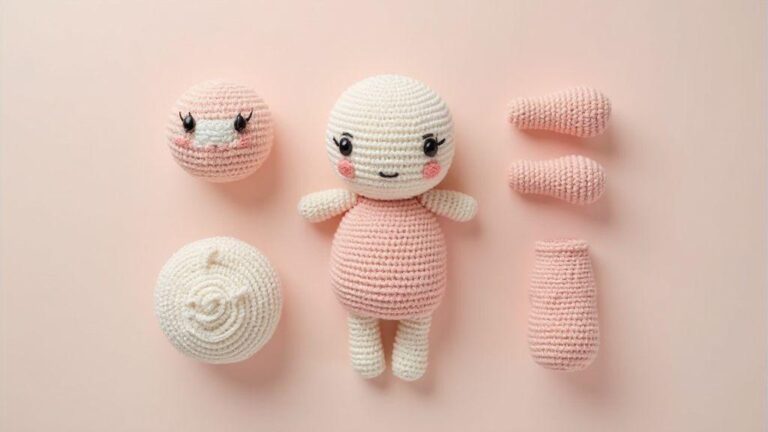
You want your amigurumi to look right, which starts with keeping proportions in check. Picture your toy as a stack of spheres: head, torso, and limbs. The head sits as a slightly larger sphere atop the torso, with limbs sized to balance the silhouette. Crochet with gradual size changes for a smooth, friendly read. Practice with small swatches to sense how stitch counts alter scale, then apply that feel to the main project. Start with proportion awareness to avoid major rework later. Mastering proportions is a core element of How to Create Miniature Amigurumi With Correct Proportions.
Measure as you go and compare head, torso, and legs. To achieve a chibi look, exaggerate the head; for a more realistic vibe, keep sizes closer. Tiny shifts in stitch count can change the overall shape. If the head is too big, reduce neck stitches or lengthen the torso a touch. Document proportions for each project (e.g., head 1.5x torso, arms 0.75x torso) so you can replicate or adjust later. With practice, you’ll know when to widen shoulders, shorten the torso, or lengthen limbs to achieve your look. This habit builds a steady rhythm for every new character you create.
Shaping head, torso, and limbs
The head should read friendly and proportional to the torso. If the head reads top-heavy, shave rounds from the crown or add rounds to the jaw for balance. The torso should taper gently so the shoulders sit naturally; if too wide, reduce stitches at the sides. Limbs should be light and movable, with a simple neck join to the torso. If arms look bulky, slim the upper arm and keep the forearm a touch leaner to preserve proportion. The goal is a soft, inviting silhouette.
Attach limbs with a visible seam or a seamless join, depending on your style. Visible seams let you place limbs precisely and adjust easily; seamless joins look clean but can hinder repositioning. If you’re new, start with visible seams, then try seamless later. Always check the pose before finishing surface details—proportions affect how the toy sits in the world.
Using increases and decreases for form
Increases add width; decreases add length. Use them to shape the head, chest, and hips. If the head looks flat, add small incs around the crown. If the jaw looks sharp, ease it with decreases near the ears. In the torso, use gradual increases to widen the shoulders and gradual decreases to taper to the waist. For limbs, a simple series of increases at the top followed by gentle decreases toward the bottom yields a natural, rounded limb. Don’t overdo it—too many increases without corresponding decreases can puff the shape.
Compare both sides often. Symmetry matters for a clear character. If one arm ends up longer, adjust the stitch count or add a few rows to the shorter limb. A small, consistent approach beats major fixes later. If unsure, crochet a test piece first, then count your increases and decreases to see how your form develops.
Shaping tips
Think in three zones: head, middle, bottom. Keep the head slightly larger than the neck join so it sits proudly on the body. In the middle, add gentle widenings for a rounded torso. At the bottom, taper the legs or feet so your amigurumi sits firmly. Measure often and compare to target proportions. A little planning now saves rework later. Remember the core idea: How to Create Miniature Amigurumi With Correct Proportions. Your practice will turn into instinct.
Facial placement sizing amigurumi
Place facial features so your amigurumi feels alive, not wonky. Think of the face as a small map on the head’s surface. A simple rule: place eyes where the head naturally pinches when you shape the yarn ball. The nose sits a touch lower, and the mouth aligns with the bottom third of the face for a friendly read. Tiny shifts have big effects, so test with a stitch or two before finalizing.
Focus on proportion, not exact measurements. If the head is round, place eyes about one-third from the top and sides; for a longer face, move eyes lower and widen spacing slightly. Aim for a cohesive face where features support each other. When unsure, compare to a familiar toy you love—if it reads cute at a glance, you’re on the right track. Use a quick thumb gauge: eyes should be big enough to read expression without dominating the head.
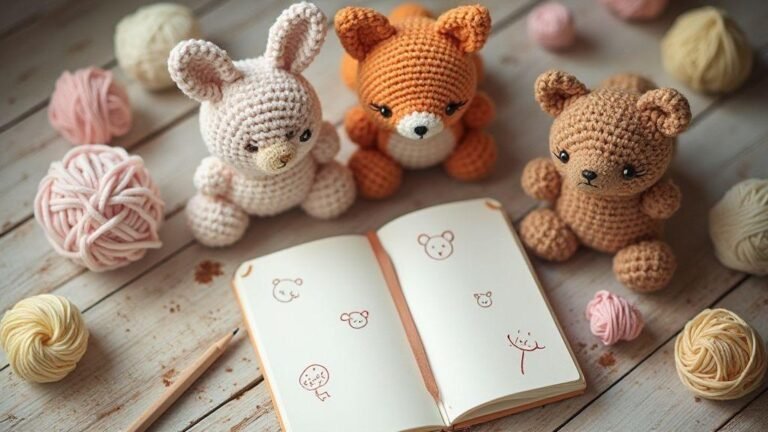
Different creatures need different scales. Bears may have wider, softer faces; cats may need sharper eye placement. Keep a notebook of distances for each character so you can reproduce successful faces or adjust confidently next time.
Measuring eye and nose positions
Eyes sit in a horizontal line roughly halfway down the head, with extra space above for the forehead. Space eyes about one eye-width apart for a friendly look; widen for cartoony charm or bring them closer for a shy vibe. If the head is a perfect circle, aim for even spacing and then nudge outward to avoid tunnel vision.
The nose sits slightly below the eyes, about a third of the face’s vertical space below them. Mark the bridge with a single row of stitches and add a small rounded tip in a color that won’t overpower the face. If you add a snout, keep it short and wide so it doesn’t steal attention from the eyes. Use a single color or a tiny stitched rectangle; keep nose size proportional to the eyes for a harmonious look.
Test placements by turning the head to check symmetry. If one eye sits higher or farther away, adjust with small increases or decreases. Use a light yarn to map positions while you work, then switch to finished thread for final touches.
Sizing tiny features for balance
Tiny features—whiskers, brows, or a mouth—should be visible but not overpowering. For the mouth, a simple curved line often suffices. If the face reads stern, lift corners; if surprised, lower them. Place brows just above the eyes and keep them thin; a small arch can change expression dramatically without stealing focus from the eyes.
Whiskers or tiny stitches near the nose add personality without crowding the face. Place whiskers at a slight outward angle—three on each side for a classic look, or two for a cleaner style. For small creatures, a dot or tiny smile can be enough charm. Balance is key: features guide the eye, not shout at it.
If you’re unsure about feature size, compare to a known proportion—hold your amigurumi up to a real animal’s face or a toy you love. If it reads well, you’re in the right zone. Practice on a few tiny heads to lock in your preferred scale.
Placement grid
Use a simple grid to keep placements precise. Draw a 3×3 grid across the face, with eyes centered on the middle row and the nose just below the center line. The mouth sits on the bottom third, aligned with the nose, creating a natural reading line. Transfer marks lightly in yarn or embroider over them later. If testing a new look, use contrasting yarn so you can erase or cover easily. The grid isn’t a prison—it’s a roadmap to faster, steadier results.
Adjust the grid for different head shapes: a round head uses the same vertical spacing, while a longer head may shift features slightly lower. Always step back to check the overall silhouette before finishing, so the grid serves your design, not constrain it.
Stitch counts for miniature amigurumi
You’re working with tiny, delicate pieces, so stitch counts matter. Start by choosing a scale for the miniature and break it into parts. Keep a simple tally for each round or row to maintain a clean, repeatable rhythm. Common patterns emerge: steady increases for the head or body, then steady decreases to close the piece. Mark key rounds boldly so you can follow where growth or taper happens. Consistency in counts underpins correct proportions.
One stitch off can throw the look. If a part is a bit big, check tension and recount—you may have skipped or added a stitch. For miniature heads, limbs, and ears, keep increases tight and decreases even. Many minis follow a repeat of 6–8 stitches per round; document deviations so your next mini matches perfectly. Finally, test-fit pieces when possible to avoid large rework and keep proportions on track.
To stay organized, create a small reference chart for each part (e.g., head rounds 1–6, body rounds 7–12, limbs rounds 2–6). This map supports How to Create Miniature Amigurumi With Correct Proportions. Bold milestones help you flip to them quickly during a session. With a clear map, you’ll stay confident that every tiny part fits just right.
Counting rounds for tiny parts
Tiny parts often require counting rounds more than rows. Mark the first round with a colored stitch marker so progress is clear. As you increase, use a steady rhythm—three increases per round is common for small heads, but adjust to yarn weight. When you switch to decreases, taper smoothly for a clean end. For ears, tiny wings, or little noses, expect shorter rounds and more frequent changes; note those in your references.
Count aloud in your head to maintain a tally. If you stumble, recount from the marker. For very small parts, half-stitches or invisible joins can keep counts neat. Jot down exact round numbers where you switch from increases to decreases so you can reproduce the same silhouette on the opposite side. Use bold milestones like Round 6: switch to decreases to guide future projects quickly.
When sharing micro patterns, include a simple equation for rounds, such as increase in rounds 1–3, maintain in rounds 4–6, decrease in rounds 7–9. This clarity helps readers maintain proportion. Precise round counting is not just math—it’s the language that shapes your mini’s form and personality.
Tips from micro amigurumi patterns
Tiny patterns favor clean tension and predictable rounding. Use a smaller hook than you’d expect for the same yarn to keep stitches snug and shapes crisper. Note gauge quickly—if it shifts, the miniature can drift out of proportion. When adding features, place eyes or noses using a consistent method (e.g., a small stitch count or a placement chart) so both sides mirror each other.
Color changes in micro pieces deserve care. Change yarn at the back to avoid bulky transitions, and weave in ends neatly to keep surfaces smooth. For tiny limbs, consider finishing with a single slip-stitch edge to keep joints neat and flexible. Test a few practice rounds with scrap yarn before committing to the final tiny piece. These micro-checks are essential for keeping proportions right.
Keep a micro tips list in your notebook: ears or paws often benefit from a slight taper in the last rounds, and a final round of slip stitches can smooth the surface. This habit saves you from reworking later and helps you deliver consistent outcomes in every project.
Final checklist
- Confirm stitch counts for each part against your reference chart.
- Mark all rounding changes (increases/decreases) with clear notes.
- Test-fit tiny parts before final assembly.
- Place features with a consistent method and measure twice.
- Document gauge and tension notes for reproducibility.
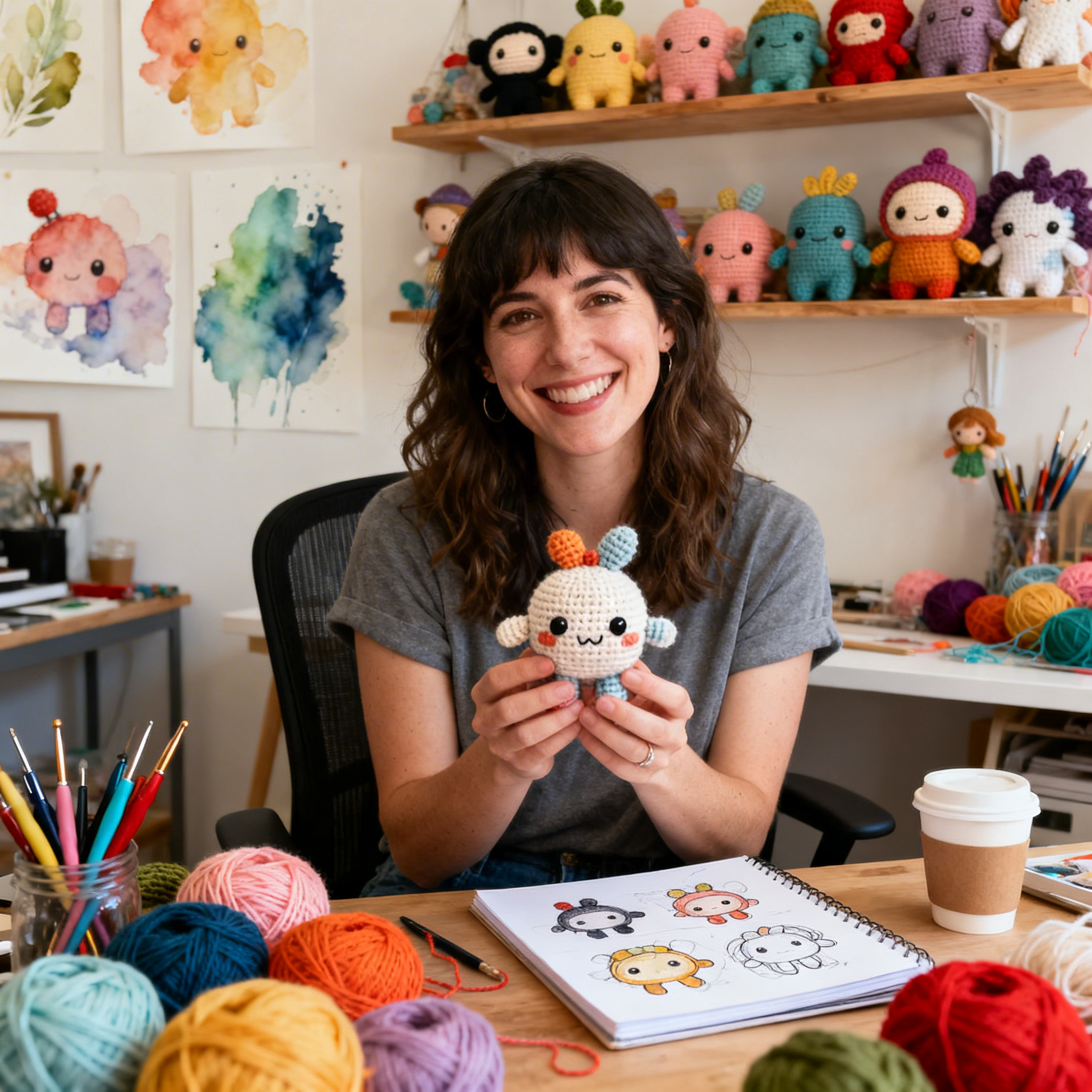
Clara Fern — Crochet Artist & Amigurumi Designer
Clara Fern is a crochet artist and amigurumi designer based in Austin, Texas. With 9 years of experience working with yarn and hook, she transformed a lifelong passion for handcraft into a creative mission: making amigurumi accessible, fun, and deeply rewarding for crafters of all levels.
Clara discovered amigurumi during a trip to Japan in 2017, where she fell in love with the art of bringing tiny characters to life through crochet. Back home in Texas, she spent years studying color theory, design principles, and advanced crochet techniques — developing her own signature style that blends kawaii aesthetics with original character design.
Through maclafersa.com, Clara shares everything she has learned — from choosing the right yarn and reading your first pattern, to designing fully original amigurumi characters from scratch. Her writing is known for being clear, detailed, and genuinely helpful, with no steps skipped and no secrets kept.
When she’s not crocheting, Clara enjoys watercolor painting, visiting local yarn shops, and drinking way too much coffee while sketching new character ideas.