How to Customize a Basic Pattern Into a Unique Character
How to Customize a Basic Pattern Into a Unique Character
You’re turning a simple idea into a living character you can paint, embroider, or customize. Visualize who your character is, their vibe, mood, and story. This plan keeps sketching and stitching intentional, guiding references, color mood, and project size. The goal is a clear direction from concept to finished piece.
Plan your character design
- Gather references, pick a color mood, and decide project scale.
- Define the character’s vibe and story to keep every stitch or brushstroke purposeful.
- Identify three core traits to guide color choices, textures, and expressions. Three traits are easier to convey than a longer list.
Pick personality and scale
Choose a bold personality that fits your project, then decide the scale that suits your technique. A cheeky sprite works in small embroidery; a brave explorer suits a larger painted canvas. Your choice affects fabric type, thread weight, and brush size. Map out three traits to guide color, texture, and facial expressions.
Sketch face, color, and texture ideas
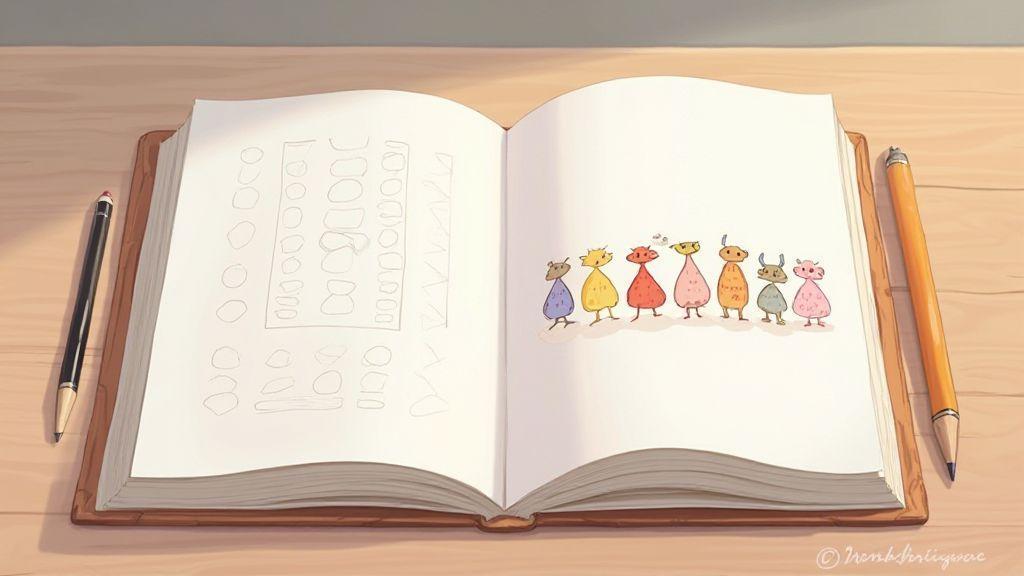
Start with a loose face sketch to lock in proportions and expression. Add color ideas for skin tones, hair, and clothing palettes that support mood. Texture matters—fringe, fur, scales, or smooth armor read differently in paint versus embroidery. Pick a primary texture and a couple of accents to keep the design cohesive. Use quick swatches or a tiny mood board to compare how textures feel on your surface.
Design checklist
- Define personality in three traits and show them in expression, pose, or color.
- Confirm project scale and best technique (paint, embroidery, or mixed).
- Decide on a limited color palette with a standout accent.
- Note key textures to emphasize and how they translate across media.
- Sketch a rough face and silhouette early, then iterate with color tests.
Modify basic pattern pieces
Think of your basic pattern as a clay form you can reshape. Identify pieces that define the silhouette and gently scale, pinch, or widen sections to fit your vision. Draw new lines with clear, smooth curves and compare them to the original to maintain proportions. Each change should support ease of movement and the look you want. After altering a piece, mark the new grain line and seam allowances so the fabric tells the same story as the pattern.
Balance edits across related pieces. If you add width at the shoulders, allow room at the chest and upper arm to avoid a stretched look. If you shorten a leg, subtract the same amount from the inseam. Lay the pieces flat to confirm the overall shape matches your intended character. Test changes with a simple muslin or solid fabric mock-up before cutting final fabric. Transfer tweaks to the final pattern and keep notes for future projects.
Change head, body, and limb shapes
Shaping the head changes personality. Start with a silhouette you love, then widen or narrow the cheeks, adjust the jawline, or alter crown height. Keep a consistent scale with the body and neck to avoid odd looks, and adjust the neck connection as needed for natural seams.
For the body, decide on stocky, slim, or exaggerated. Add or subtract width at the chest or waist and adjust armholes for free movement. If you want a dynamic pose, elongate the torso or curve the spine. Check how body pieces align with the head so the neck seam sits cleanly and the stance feels intentional.
With limbs, consider length and width. Longer limbs read as graceful or heroic; shorter limbs feel compact and cute. Taper or widen at joints for a chibi vibe. Test layering with muslin to ensure the fabric flexes without snagging.
Pattern alteration tips for characters
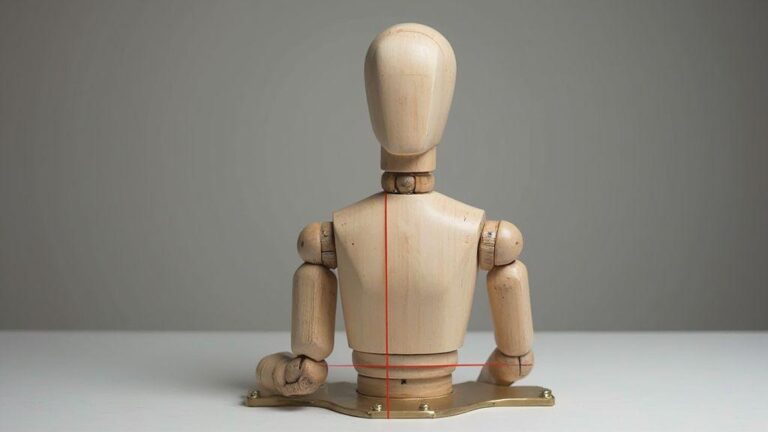
Begin with proportion checks—head-to-body ratios and limb lengths—to keep the character believable. Exaggerate one feature (a larger head or longer legs) for personality while keeping balance. Mark helpful guides on pattern tissue for shoulder slope, chest height, and hip balance. Use light pencil so you can erase and adjust easily. If uncertain, create two versions and compare on a mock-up before committing to fabric. Document every change with original measurements, adjusted lines, and reasons to make future revisions straightforward.
Test with muslin mock-up
Sew a rough version on inexpensive fabric to see how the design behaves. Check fit around the neck, shoulders, and hips, and observe drape as the character moves. If the head feels heavy or limbs pull oddly, adjust the pattern before final fabric. Use the muslin to preview embroidery or surface details. Try raised or sunken features to see how stitches sit on the surface and affect movement. Make small pattern adjustments after this test and re-check until the look and fit feel right.
Choose fabrics, texture, and filling
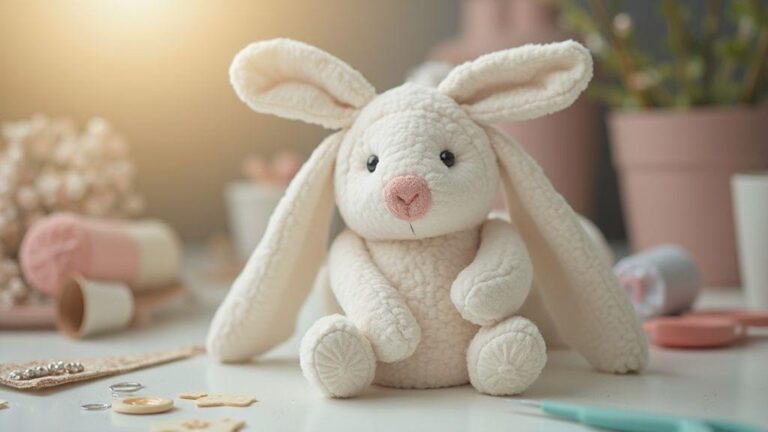
Decide how your character should feel in real life. The right fabrics set the mood, from plush fur to crisp canvas. Consider how fabric will look under paint or embroidery and how it will wear over time. Thicker textures suit warmth; smoother materials fit a sleek, modern vibe. Texture influences every stitch and stroke, so choose with your character in mind. Balance texture with filling so the piece holds shape without becoming stiff. A well-chosen filling keeps limbs flexible and the torso soft for natural posing.
Texture also affects painting or stitching: fuzzy fabrics soften edges; tight weaves hold details well. Practice painting on a swatch first to understand how dye grips the surface. Thick fabrics allow bigger stitches for bold features but can be harder to push through. Pair fabric texture with your preferred technique—hand-painting, embroidery, or a mix. Consider filling density to maintain pose without losing drape.
Plan how each fabric choice will read in the final piece. Fur should accept fur-like fibers and allow for paint layering; smooth skin benefits from a fine weave; knits create gentle curves and a cozy feel. Aim for harmony: fibers, paint, and stitches work together to tell your character’s story.
Pick fabric for fur, smooth, or knit
Choose the right fabric for the fur look: plush or faux fur dense enough to hold tufts. If real fur isn’t available, simulate fur with chenille or shaggy yarn stitched into the base. Use a sturdy backing to keep fur attached as you add color layers. For smooth skin texture, select a tight, satin-like weave or smooth cotton blend for clean edges on features and clothing lines. For a knit look, pick a medium-weight knit that won’t stretch too much—knits give gentle curves and a cozy feel.
Adapt techniques to the fabric. Fur responds to short, directional strokes or clipped stitches; smooth surfaces take paint in thin layers; knits tolerate slightly larger stitches to avoid stretching. Test a tiny fabric sample to anticipate how paint and stitches behave. Note how you’ll approach each texture in the final piece to plan color, shading, and detailing.
Adapt knitting pattern into character
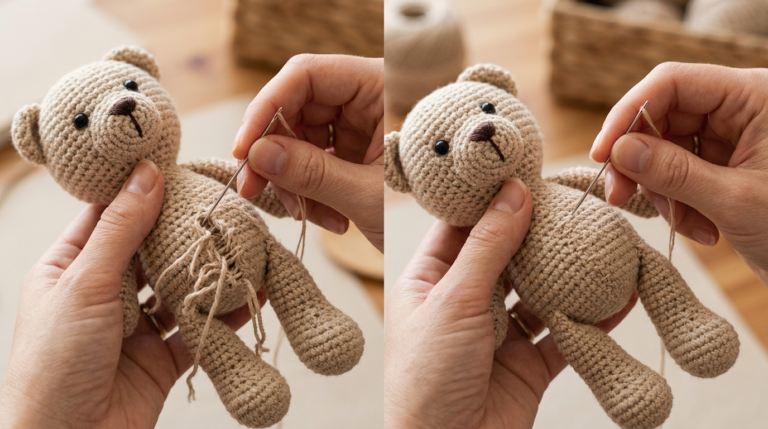
Start with a simple knitting pattern you can transform into a silhouette or clothing feature. Break the pattern into body, limbs, head, and accessories. Translate these sections into painting or embroidery details later, keeping outlines clean. Consider how knit stretch will affect pose and proportion so the character remains lifelike. Use repeating stitches to build texture—stocking stitch for smooth skin, cable for ridged armor or hair. Sketch a quick guide for texture placement and decide how the garment closes (buttons, ties, or a belt) to plan embroidery or painting around it. Test the adaptation with a small sample to ensure scale and readability.
Material list
- Fabrics: fur-like faux fur or plush, smooth woven or satin, medium-weight knit
- Filling: polyester stuffing or similar soft fill
- Paints: fabric paints or textile dyes suited to your fabric
- Threads: embroidery floss or heavy-weight thread matching your color palette
- Needles: embroidery and sewing needles sized for fabric and yarn
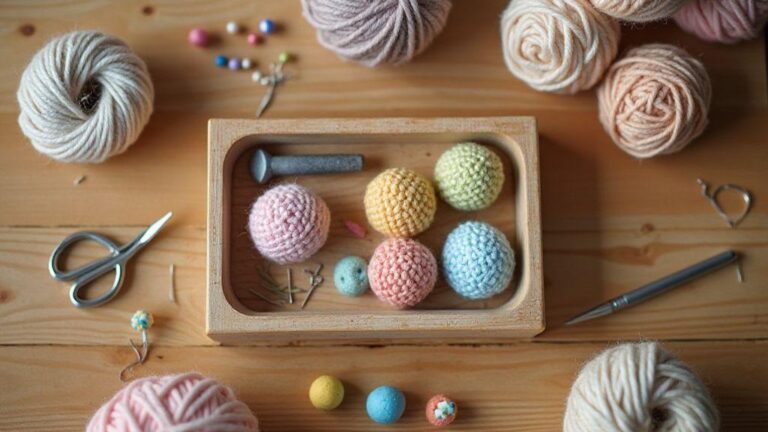
- Tools: scissors, fabric markers, small brushes, hot glue gun (optional)
- Extras: texture-making fibers (chenille, yarns), stiffener for shaping parts, pattern templates for knitting adaptation
Painting and surface decoration techniques
Explore adding color and personality to fabrics without losing material feel. Start with bold, simple strokes to build control, then layer details as confidence grows. Choose tools—brushes, sponges, stamps—that keep work clean and consistent. A few well-placed marks can transform a plain piece into something you’re proud to wear or display.
Determine your aim: subtle pattern or bold statement. For a soft look, dilute fabric paint for watercolor fades that stay flexible. For bold effects, use solid colors and stencils to keep edges crisp. Test colors on scraps first to avoid surprises when dry. You’re building a wardrobe or wall art you’ll love, not just finishing a project.
Balance color with the fabric’s texture. Smooth knits absorb paint differently than sturdy canvases. Mix mediums—acrylic for durability, dye for translucence—and seal your work to protect it. Keep layers thin and allow each to dry fully. With patience, your painted surface becomes a true extension of your style.
Use fabric paint, dyes, and airbrushing
- Fabric paint provides staying power and fiber bonding; apply with a light touch and build gradually. For softer edges, dab with a sponge or use a dry-bristle brush.
- Dyes offer broad coverage and gradients. Work in a well-ventilated space and wear gloves; test on scraps first and seal or heat-set as directed to prevent bleeding.
- Airbrushing yields smooth, even coverage. Build shade gradually, starting with light coats. Practice keeps hands steady and helps blend colors for skies, gradients, or soft shadows.
Add personality to sewing pattern with surface art
Turn a basic pattern into a unique piece by adding small surface details. Use tiny stitches or paint accents at corners and seams for signature touches. Combine techniques for texture: paint a base color, then outline with contrasting thread. Start with a small test area to see how surface reacts to both paint and needle. Layering adds depth without crowding the design, maintaining wearability.
Paint care and sealing tips
Seal your work with a fabric-safe finish or heat-set method per the paint’s instructions. Cure fully before washing, and turn the fabric inside out to minimize abrasion. Test a scrap to confirm the seal holds up. Gentle washing and avoiding harsh detergents help preserve vibrancy. If fading occurs, you can touch up with more paint or dye and reseal.
Embroidery and stitched character details
Tiny details can transform flat shapes into a lively face. Choose threads, colors, and stitch types to capture personality without clutter. Think of details as the character’s spark: a smile line, a gleam in the eye, or a subtle shadow under the nose. Plan where details go, then place eyes, eyebrows, and mouth with small, clean stitches. Use lighter threads for highlights and darker tones for shadows to ground features. Build depth with layered stitches—backstitch for crisp lines, satin stitch for filled areas, and French knots for tiny points of life.
Test and tweak by viewing from arm’s length. If a line looks crowded, lighten or remove it. If a highlight hides the eye, shift the thread slightly. A readable silhouette matters as much as facial detail.
Embroider expressions and small features
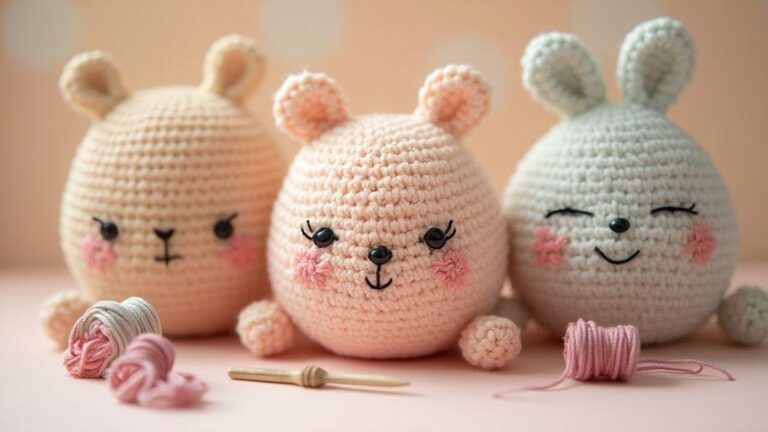
Expressions come from tiny decisions in stitch and color. Start with the eyes, then add catchlights with lighter threads and small dark dots for sparkle. Simple eyebrow lines dramatically shift mood. Subtle noses, lips, and freckles are about timing and proportion; use short satin stitches for tiny features and soft shading for lips. Keep features concise to avoid clutter.
Character design sewing techniques for faces
Balance line work with fill. Outline eyes, mouth, and brows with a light backstitch, then fill skin with satin stitches. Layer highlights and shadows along cheekbones and jawline to create depth. Expressions shift with line placement: widen eyes and lift brows for surprise; narrow eyes and tilt mouth for sly impact. Keep the nose simple unless you want extra detail.
Stitch placement guide
Plan features on a grid before stitching. Mark eye positions first, then mouth, followed by eyebrows and nose. Maintain vertical symmetry unless intentionally quirky. Use short stitches for small features and longer ones for larger shapes. Align grain and direction to prevent distortion. Test with fabric scraps to check light, color, and density read.
Accessories, costumes, and final personalization
Mix color, texture, and small details to elevate practical fabrics into show-stoppers. Accessories act as the punch line tying the look together: belts, patches, cuffs, and decorative stitching should feel cohesive with a few bold accents stealing the show. When combined with embroidery, paints, and tiny found objects, your outfit tells a story you can wear.
Plan what each accessory communicates. Playful characters benefit from bright colors and whimsical shapes; serious ones from crisp lines and restrained tones. Start with a base palette, layer textures (matte cotton with a glossy ribbon, for example), and remember that a single well-placed button or emblem can harmonize the look.
As you assemble, test fit as you go. Try the full outfit with accessories, adjust lengths, seam allowances, and placement before final stitching. Keep notes on what works for future projects to save rework later.
Sew custom costume pattern modifications
Identify features to change (elbow patches, sleeve length). Fold pattern pieces to the needed measurements, mark new seam lines, and test stitch length on scraps. If needed, mix parts from different patterns for a unique silhouette, ensuring seam lines align and extra fabric at joints is accounted for. Reinforce high-stress areas on stretch fabrics with a stretch needle and a zigzag stitch for durability without sacrificing comfort.
Personalize stuffed animal pattern with props
Add personality with tiny props like a scarf or hat that contrast with the body to draw attention. Sew everything securely and hide raw edges inside for a neat finish. Keep scale in check—tiny props on chubby heads read as cute, not cluttered. Use embroidery for facial features or small accessories at a distance to keep eyes and mouth pop. If you want extra depth, stuff props before attaching them to help them sit naturally.
Final finishing touches
Seal the look with careful finishing. Edge threads, tidy stray strands, and press gently to preserve shape. Add subtle highlights with fabric paint or metallic thread to catch light. Do a final review under different lighting to tweak shadows and contrasts. The finished piece should feel complete, with every fabric, thread, and prop earning its place. Include care instructions if gifting or selling to preserve your work.
If you’re exploring How to Customize a Basic Pattern Into a Unique Character, follow these steps for a cohesive, expressive result.
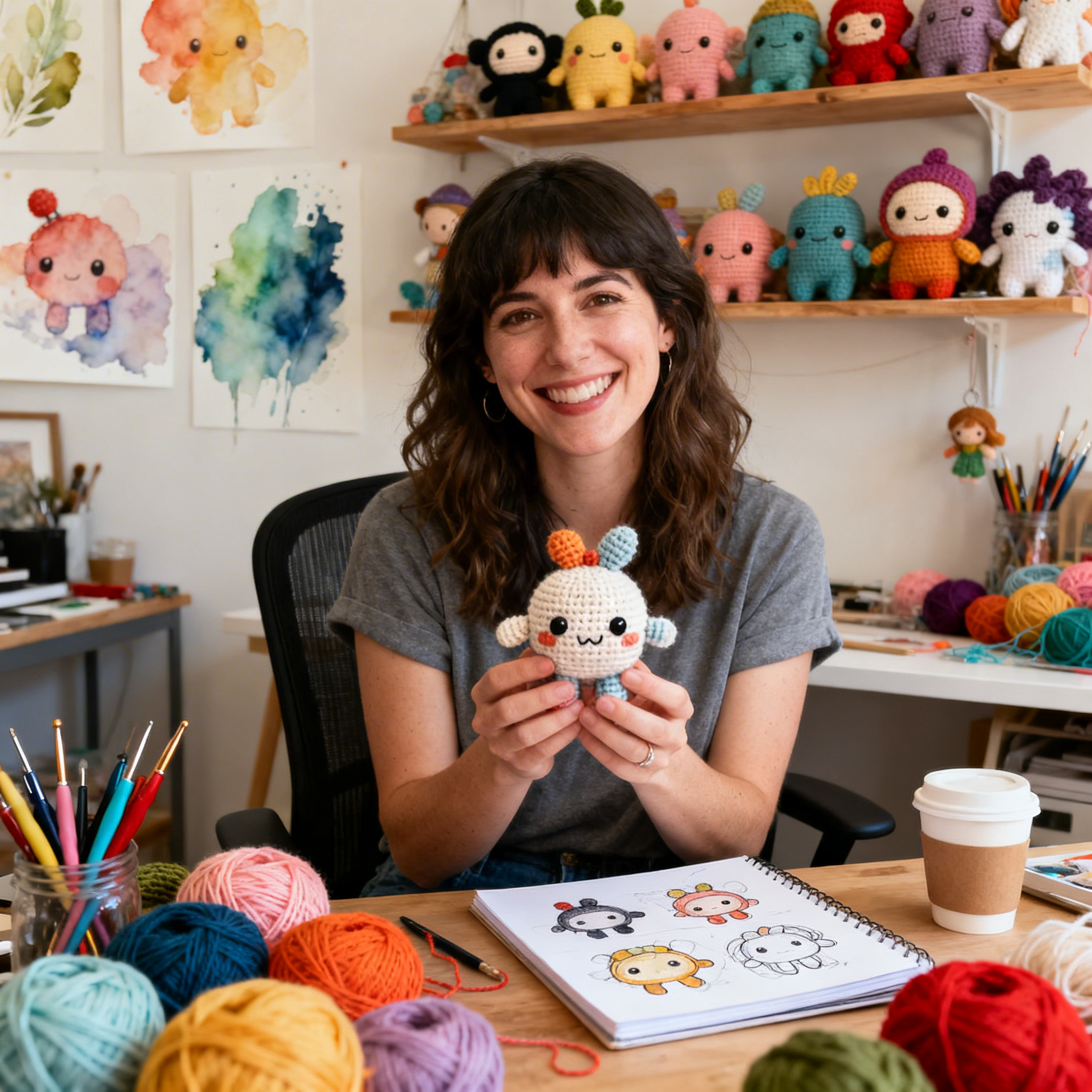
Clara Fern — Crochet Artist & Amigurumi Designer
Clara Fern is a crochet artist and amigurumi designer based in Austin, Texas. With 9 years of experience working with yarn and hook, she transformed a lifelong passion for handcraft into a creative mission: making amigurumi accessible, fun, and deeply rewarding for crafters of all levels.
Clara discovered amigurumi during a trip to Japan in 2017, where she fell in love with the art of bringing tiny characters to life through crochet. Back home in Texas, she spent years studying color theory, design principles, and advanced crochet techniques — developing her own signature style that blends kawaii aesthetics with original character design.
Through maclafersa.com, Clara shares everything she has learned — from choosing the right yarn and reading your first pattern, to designing fully original amigurumi characters from scratch. Her writing is known for being clear, detailed, and genuinely helpful, with no steps skipped and no secrets kept.
When she’s not crocheting, Clara enjoys watercolor painting, visiting local yarn shops, and drinking way too much coffee while sketching new character ideas.