How to Attach a Head to a Body Perfectly Aligned Every Time
Prepare tools for doll head attachment techniques
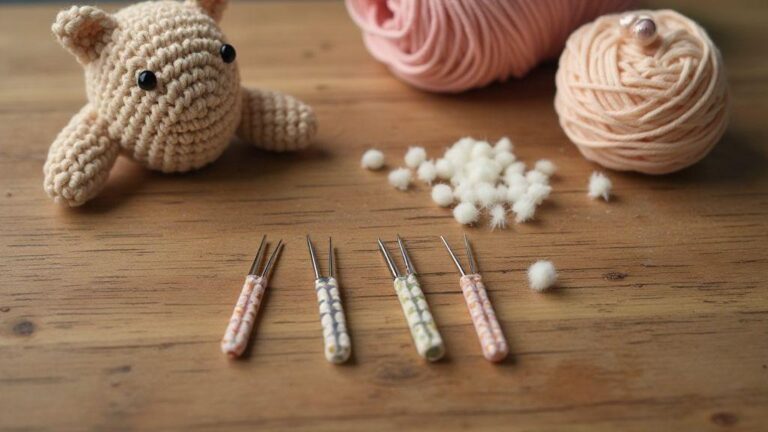
Prepare tools for doll head attachment techniques. Gather your basics and the specialty items that make alignment easier, and set up a workspace where everything is within reach for clean, secure results.
First, create a safe, well-lit space. Good lighting helps you spot tiny gaps and seams without eye strain. Use a tray or mat to keep parts from rolling away, and label containers to avoid mixing pieces. If finishes are delicate, protect surfaces with a mat or scrap cloth to prevent scratches or glue marks.
With the area ready, focus on control and precision. A stable stand or clamp holds the head or body steady. A magnifier reveals fine details that matter for alignment. Have spare batteries or a portable light for extra visibility, and keep a damp cloth handy for quick cleanups, since small glue dots wipe away before they cure.
Tools you must have
You need a clean, accurate set. A fine-tipped brush applies adhesives precisely. A precision needle nudges the head into correct alignment without scratching the surface. A micro-level or caliper gives a straight read on how the head sits relative to the body, so you can fix tilt before the glue dries.
Keep a non-slip surface and micro tweezers to handle tiny pieces. A soft cloth or lint-free wipe for quick cleanup, and a small file or nail buffer for gentle edge smoothing. Choose a precise applicator bottle for adhesives to avoid waste or nozzle clogging.
Adhesives you should use
Select adhesives that dry firm but allow a brief adjustment window. A thin, quick-dry cyanoacrylate glue (super glue) works well for most doll head-to-body joins when used sparingly. For thicker squeeze-out concerns, a thin-gap epoxy—used sparingly—offers stronger bonds with a bit more working time. For delicate finishes, silicone-based or fabric-safe adhesives reduce staining and provide a flexible seal.
Always work in a ventilated area and test on scrap first. Apply a tiny dab to the contact area, press the head in place, and hold until set. Wipe any squeeze-out with a cloth before it cures. Keep the glue cap tight when not in use, store adhesives in a cool, dry place, and label formulas for quick project reference.
Tool checklist for How to Attach a Head to a Body Perfectly Aligned Every Time
- A stable stand or clamp for immobilizing parts
- Good lighting and magnification for detail viewing
- Fine-tipped brush for controlled glue application
- Precision needle or pin to nudge alignment
- Non-slip work surface and micro tweezers
- Small applicator bottle for neat glue dosing
- Soft cloth or lint-free wipe for cleanup
- Optional: caliper or micro-level for alignment accuracy
- Optional: silicone-based or epoxy adhesive for stronger bonds
Measure and mark for head to torso alignment guide
You’ll start by choosing a calm workspace and gathering a soft ruler, chalk, and a marker. This guide helps you line up the puppet head with the torso for a natural look. The goal is a clean, repeatable process you can trust every time. Think of it like setting a picture frame: the head should sit exactly where the body expects, not a millimeter off. Mark with bold strokes that contrast with fabric and erase later if needed. By the end, you’ll have clear reference points you can reuse for future puppets.
To avoid guesswork, measure from consistent landmarks: the top edge of the torso, the shoulder line, and the body’s center vertical axis. Mark a light center line on the torso, then measure the vertical distance from this line to where the head meets the neck. Record your measurements to compare with the head’s base—this becomes your alignment backbone and helps you stay steady during attachment. If you’re working with multiple puppets, these notes become a quick setup reference.
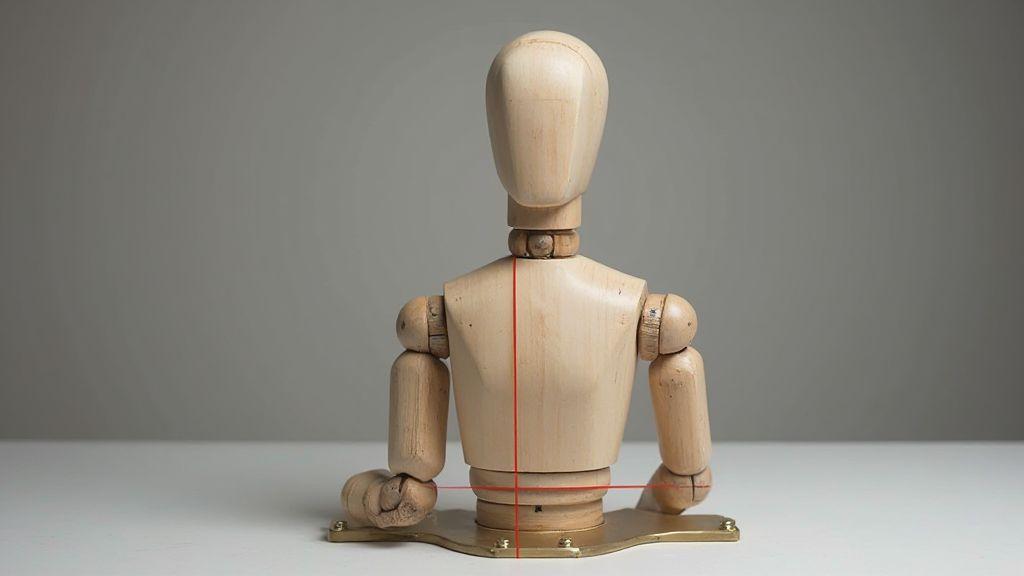
When you finish marking, you should see key reference points: the torso center axis, a head-to-torso alignment line, and the vertical distance the head should sit above the neck seam. Double-check by placing the head over the neck area to confirm evenness. If something looks off, adjust now to save headaches later.
How you find the center
Find the center by drawing a straight line from the top of the torso to the bottom and marking the midpoint. Use a slip-free ruler and press gently to avoid puckering. This center line is your true north for all measurements, ensuring symmetric head placement. If you work with a curved shoulder line, mark on the flat reference area first, then transfer to the rounded region with careful strokes.
Next, identify the shoulder midpoint by measuring from the collarbone edge to the outer shoulder edge on both sides. The average gives a reliable shoulder center. Mark it lightly and connect it to the torso center line to form a crosshair you’ll use to align the head’s pivot point. This crosshair stays in your toolkit for all attachment work.
Finally, confirm the vertical center by measuring the distance from the neck seam to a fixed mark on the head base. If the head base sits too high or too low, adjust the center line and recheck until the head sits evenly when placed on the neck. Your center work is the backbone of precision.
How you transfer marks
Transfer marks with a fabric chalk or washable marker, copying the torso’s center crosshair onto the head base. Keep lines light and straight, avoiding heavy marks that could bleed. Use a straight edge to keep transfer lines true, guiding a straight, lifelike head movement.
Start with the vertical center line, then drop horizontal marks to indicate the neck seam. If the fabric shifts, recheck the crosshair against the torso before re-transferring. After marking, gently test-fit the head to the torso in approximate position without sewing. If the head looks off-center or tilted, re-mark using the crosshair as your guide. Aim for a head that sits perfectly centered when you’re done.
Build a head mounting jig for alignment
A head mounting jig gives consistency by locking in the position every time. Begin with a simple block to hold the head in a known orientation, then add adjustable features for quick fine-tuning. Use durable material and clear scale markings so you can repeat setups on new pieces without guesswork. The goal is the head sitting the same way, every time, with minimal effort.
Choose a flat, true base plate and add clamps or quick-release pins to secure the head without marring its surface. Include a datum edge and a center line you can align to your workpiece. For multiple heads, consider interchangeable inserts to maintain the same alignment reference. The jig should be simple to assemble, easy to adjust, and robust enough to resist movement during attachment.
Keep the jig compact and portable if you travel between sites. Label adjustment screws and reference marks, and practice dry runs to reproduce exact positioning. The more you use it, the faster you’ll become at achieving repeatable, precise setups.
Jig designs you can build
You can start with several practical designs that suit different head sizes. A fixed post jig locates the head with adjustable clamps. A V-block jig cradles round features along a centerline. A dowel-pin jig uses precise stop pins to snap the head into a known position. Each design provides reliable alignment; choose the one that matches your head shape and space.
Consider a modular jig with swappable inserts for different heads. If you work with metal, use a hardened contact surface to reduce wear. For delicate parts, add soft pads to protect surfaces while clamping. Clear reference lines on the jig and fast, repeatable clamps help. A small micrometer dial or sliding scale aids micro-adjustments. Keep spare parts on hand for quick swaps.
Stops you can set for repeatability
Set tangible stops so you land on the same position every time. Use a front stop, a side stop, and a magnetic stop for quick, repeatable positioning without marring surfaces. Adjustable screws serve as fine-tuning stops to zero in on perfect alignment after rough positioning.
Mark your stops clearly and keep a ledger of head sizes and corresponding stop positions. When you attach a new head, you can set stops in seconds. If your process changes, update the stops and your notes. The aim is to minimize guesswork and maximize speed.
Use a head mounting jig for alignment to get perfectly aligned head attachment
You’ll place the head in the jig, slide it to the reference lines, and clamp it. Double-check alignment with a level or straight edge across reference points. If something looks off, loosen, adjust, and re-clamp. This method makes your attachment repeatable and reliable, saving time.
Practice with controlled tests to verify the head meets the alignment mark every time. Keep notes so you can set the jig for each head. This approach reduces errors and speeds up your workflow.
Assemble articulated neck joint assembly
Begin with planning for a clean fit. Gather bushings, micro-screws, and lay out parts in order. Check for burrs or sharp edges and deburr quickly to avoid binding. Keep the workspace dry and dust-free, as dust can throw off alignment later. When unsure about tolerances, test-fit without fastening first, then mark reference points for repeatability.
Place the mounting base on a flat, stable surface. Use a precision surface or a solid board with level feet. Position the neck pivot here and mirror the setup on the opposite side if needed for symmetry. If you use sensors or cameras on the head, ensure their line of sight won’t be blocked by neck parts as you move. Minor misalignment early becomes a bigger issue later, so take your time on the first assembly pass and confirm all motions you’ll rely on.
Do a dry run of the entire motion range. Move through angles slowly and listen for rubbing or feel for stiffness. Any snag means revisiting tolerances or slightly loosening a screw. Keep notes on changes so you can reproduce the setup on the real build. When confident, proceed with final assembly.
Joint types you pick
Ball-and-socket joints offer smooth, multi-axis movement and forgiving alignment, ideal for lighter heads. For heavier heads, reinforce with a secondary pin to prevent wobble. Choose a ball size and socket tolerance that stays snug without binding.
Hinged joints with low-friction bushings provide repeatable motion and easy maintenance. Use needle bearings or PTFE bushings to cut friction; keep lubrication accessible. For high-speed movement, add dampers to reduce chatter.
Rotary pins with shoulder screws deliver solid rotation at specific angles. Pair shoulders with a compliant washer to absorb micro-movements and protect threads. Cap screws or shield covers keep debris out of threads for a clean finish.
Slide-and-tilt joints combine linear motion with ergonomic tilt, enabling height and angle adjustment in two planes. They’re handy for different body sizes or sensor placements. Keep slides clean and apply light lubricant for smooth travel.
Balance weight, range, and maintenance when choosing. If unsure, start with a ball-and-socket for versatility and add a secondary hinge or pin as the design tightens. Always test each joint’s load and range before real use.
Range tests you run
Begin with a static check: place the head in center and measure each axis’ angle and limit. Ensure extremes don’t collide with the body or sensors. If touching, back off travel or widen clearance. Document limits for safe moves later.
Next, run a dynamic sweep: move through the full arc in small increments, listening for catches or grinding. Feel for stiffness and note where it occurs. This helps identify manufacturing quirks like misdrilled holes or misaligned bushings. If you find a stiff spot, pause and fix the culprit before continuing.
Test repeatability by cycling the motion dozens of times. Look for drift or position shifts. If drift appears, check fasteners, joint tolerances, and retighten to the correct torque. Re-run range tests after any adjustment to confirm the fix holds. Your goal is stable, predictable motion you can rely on in use.
Fit 3D printed head fitment and cosplay helmet alignment tips
Begin with a clean head-to-helmet fit. Check for rough edges and machining marks, then sand gradually: start with 120–200 grit to trim uneven spots, then move to 400–600 grit for a smooth surface. Wipe away dust after each stage. If a spot resists, use a small block or file to keep pressure even and avoid gouges. The aim is a snug, comfortable fit that still breathes and moves with you.
Align the head’s centerline with the helmet’s forward edge. With head inside (chin slightly tucked), check symmetry in a mirror. If tilt is evident, add small shims behind cheeks or at the crown. Keep shims flat and secure to prevent shifting. Attention to alignment now saves trouble later.
Test movement: head-turns and nods should occur without rubbing or hotspots. Mark any issues and sand or shim accordingly. Recheck the fit after each adjustment to ensure a natural look that stays aligned during poses or photos.
How you sand and shim plastic parts
Sanding begins with a rough pass to remove major flaws, then moves through finer grits for a smooth finish. Start 120–200 grit, advance to 400–600 grit, and wipe dust between stages. For stubborn spots, use a small block or file to keep pressure even and avoid gouges. Aim for a uniform surface that won’t snag fabric or skin.
Shims help fine-tune alignment. Use thin plastic shims or painter’s tape layers to test fit without committing. Place behind the cheeks or at the crown, re-testing after each shim. If more than a few thousandths are needed, sand and re-check. Keep shim thickness modest and removable if possible to preserve a clean look.
How you mock up fits before final fixing
Mock-ups prevent locating the wrong spot. Do a dry run: place the head inside the helmet without glue, then view from multiple angles in a mirror. Note hotspots or misalignment and mark areas with painter’s tape. Use removable tape to test fit around ears and jawline as well. This helps you find the sweet spot before committing.
Next, secure the head with temporary fasteners or double-sided tape just enough to test fit. Check comfort with breathing and speaking. If there are pressure points, adjust with targeted sanding or tiny shims. Once satisfied, move to final fixing. The result should be a clean, professional look that stays put during action and photos.
Trim and fit method for 3D printed head fitment
Trim gradually and verify often. Remove small amounts, test fit again, and sand lines or rough edges with finer grit to avoid rubbing. Keep trims smooth with a consistent sanding pattern; avoid sharp corners that snag. The goal is a seamless edge that blends with the helmet interior.
Use long, even strokes and re-test after each pass. If height or tilt needs fine-tuning, add or remove a tiny shim and re-test. Don’t rush final tightening—steady, careful work maintains symmetry and comfort. When finished, you should be able to wear the helmet with minimal effort and maximum alignment.
Test, adjust, and finish mannequin head alignment
Place the mannequin head on a stable stand. Confirm the head is level and facing forward. If it leans, gently nudge the head until ears, eyes, and nose align into a natural center line. Keep hands light and precise and avoid rushing the initial setup.
Test motion next: rotate left and right, nod up and down. If you detect looseness or wobble, tighten the mounting clamp just enough to remove play without over-tightening. Verify the neck joint seats cleanly and the torso and head move in a natural rhythm. Catch micro-wobbles now to save time later.
Finally, perform a visual check from multiple angles. Look for alignment between eyes, nose, and mouth, and ensure the head sits at the same height as the torso. Note any drift and mark it for correction. If something looks off, re-seat the head in the stand or retighten as needed. This finishing touch helps your setup hold steady during detailed work.
Checks you run for balance and motion
Confirm the horizontal centerline runs straight through the eyes and nose. If the eyes skew, adjust the head slightly in the clamp. Verify vertical alignment so the chin and neck align with the torso. If the chin looks off, re-seat the neck joint until level. When testing motion, there should be smooth, quiet movement. Any stiffness means you’re over-tensing; ease off and re-seat the joint for reliable, consistent motion.
Check balance by gently spinning the head and watching for any bias in the head-to-torso relationship. If needed, recheck the clamp and base. Tighten just enough to remove wobble, but avoid damage. Move through a full range of motion and note any resistance. This map guides your next adjustment for a solid setup across long sessions.
How you hide seams and secure hardware
Hide seams by aligning the joint line with the neck shadow and collarbone. Position visible seams low and out of front view. Use a thin filler or light putty at the seam, then smooth with a fingertip to soften the line. Keep hardware invisible from the viewer by placing screws or bolts where they won’t reflect light. If you use a cover plate, match its color to the torso and head for a seamless look. You want a clean silhouette with no hardware drawing attention.
For hiding a joint under a hairline or collar edge, use a small strip of material to bridge the gap and blend edges with putty or paint. Keep everything snug but not overtight. When you test the final look, the hardware should be barely noticeable; the natural neck and head curve should dominate.
Final inspection checklist for head to torso alignment guide
- Confirm the head’s centerline matches the torso centerline within a millimeter.
- Check that the eyes, nose, and mouth align in a straight vertical plane.
- Verify there is no tilt from front, side, and back angles.
- Ensure the neck joint is hidden and the seam minimized from typical viewing angles.
- Confirm the head moves smoothly in all directions without wobble.
- Recheck hardware placement to keep it unobtrusive and secure.
- Do a final test by gently pressing the head to ensure it holds alignment under light pressure.
How to Attach a Head to a Body Perfectly Aligned Every Time — quick overview
This quick guide summarizes the process of How to Attach a Head to a Body Perfectly Aligned Every Time: prepare the right tools, measure and mark with consistency, build and use a head mounting jig, assemble the neck joint with attention to tolerances, conduct range tests, and ensure a clean, secure finish. Following these steps helps you achieve repeatable, precise alignment in every build.

Clara Fern — Crochet Artist & Amigurumi Designer
Clara Fern is a crochet artist and amigurumi designer based in Austin, Texas. With 9 years of experience working with yarn and hook, she transformed a lifelong passion for handcraft into a creative mission: making amigurumi accessible, fun, and deeply rewarding for crafters of all levels.
Clara discovered amigurumi during a trip to Japan in 2017, where she fell in love with the art of bringing tiny characters to life through crochet. Back home in Texas, she spent years studying color theory, design principles, and advanced crochet techniques — developing her own signature style that blends kawaii aesthetics with original character design.
Through maclafersa.com, Clara shares everything she has learned — from choosing the right yarn and reading your first pattern, to designing fully original amigurumi characters from scratch. Her writing is known for being clear, detailed, and genuinely helpful, with no steps skipped and no secrets kept.
When she’s not crocheting, Clara enjoys watercolor painting, visiting local yarn shops, and drinking way too much coffee while sketching new character ideas.