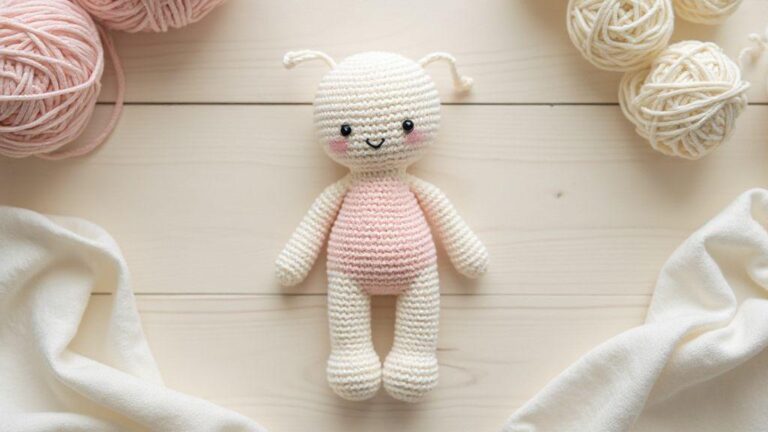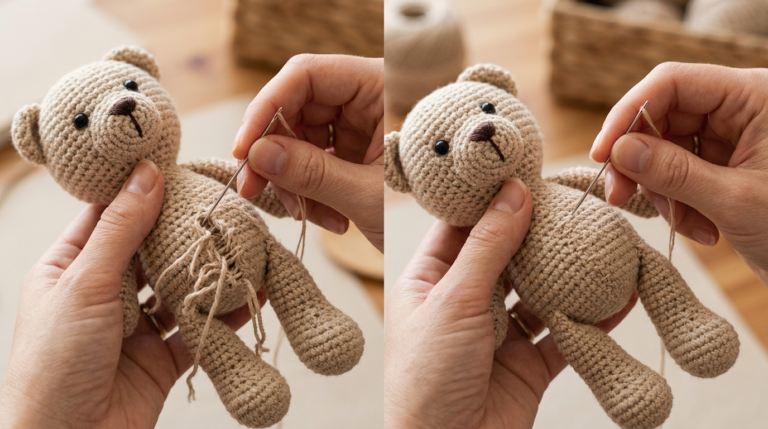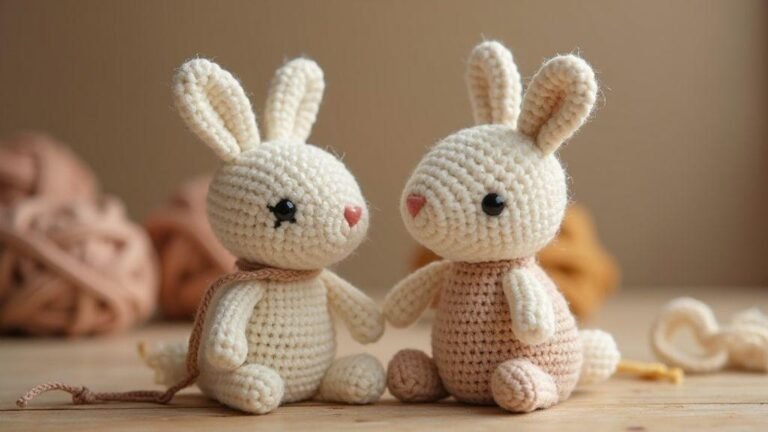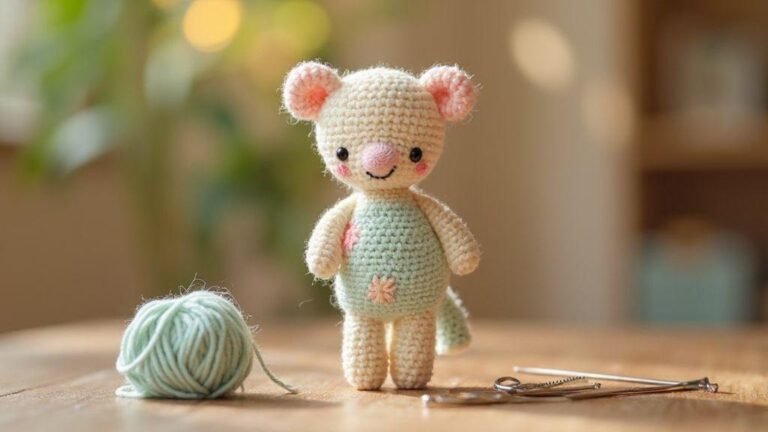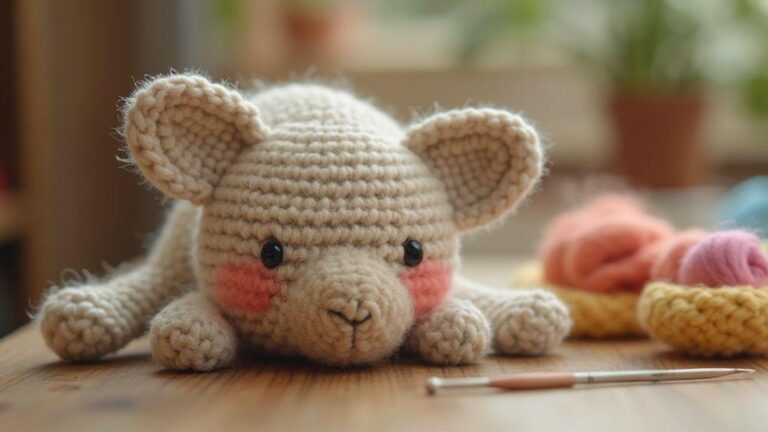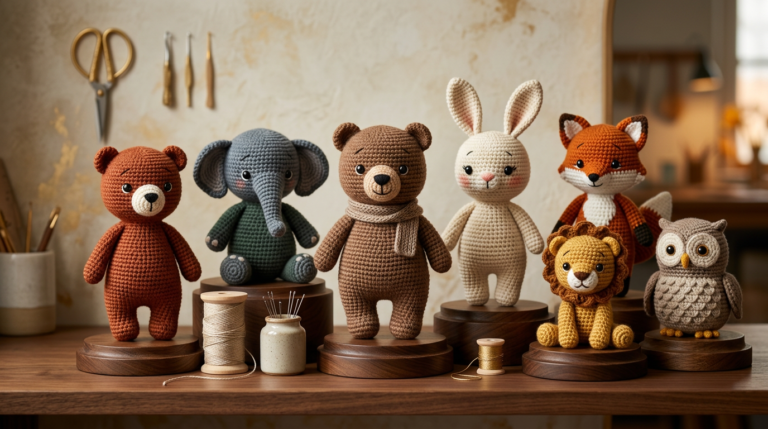
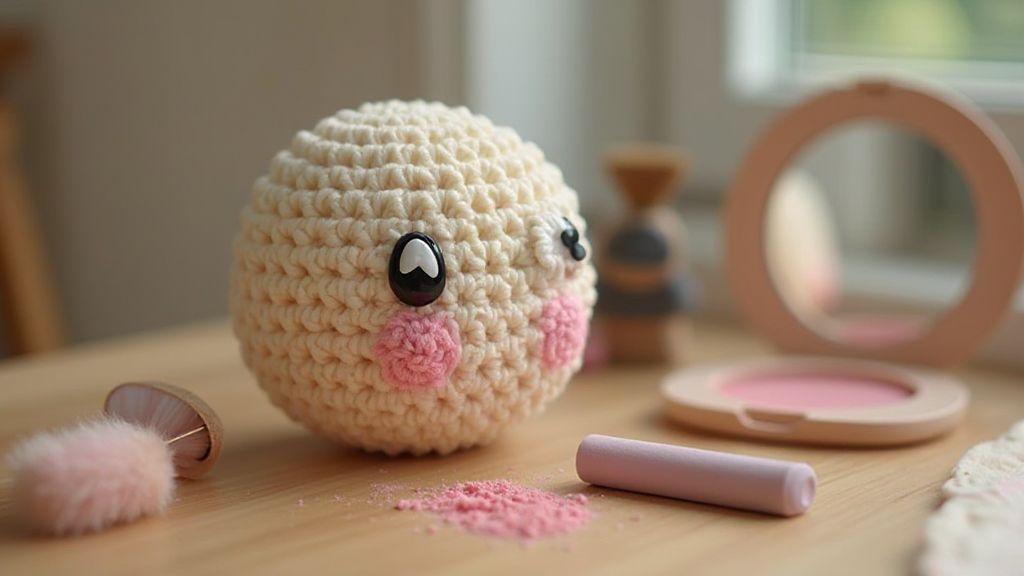
How to Add Blush to Amigurumi Using Makeup or Chalk Pastels
Materials for Your Natural-Looking Blush on Amigurumi
For a blush that reads as real skin—not a paint job—start with soft-blending materials that stay put on yarn. The key is pigments that look like skin, not craft paint. Build a gentle flush you can layer from subtle glow to healthy rosy cheeks. Choose supplies that blend easily and endure on different yarn textures, so your finished amigurumi looks naturally alive, not painted for a party.
Safe cosmetics for amigurumi
Choose cosmetics labeled non-toxic and designed for crafts, not heavy facial makeup. Look for formulas that blend softly with a brush or fingertip to keep edges feather-light. If the toy may be handled by kids, opt hypoallergenic options and avoid strong fragrances or glitter that could transfer.
Read labels: favor water-based or cream-based products over gritty powders. Formulas that set with minimal rubbing work best, so blush stays in place during cuddling and display. Always test on scrap yarn first, then on your piece to observe aging with handling.
Chalk pastel blush amigurumi supplies
Chalk pastels give a soft, powdery glow reminiscent of real skin. Choose art- or craft-labeled pastels (not oil pastels) to avoid heavy residue. Use clean, fine-blend options and neutral pinks to mix your tone. A soft makeup brush or small blending sponge helps push color into the yarn’s grain where the blush should sit.
Keep the chalk paste light and buildable. Mix a tiny amount with a drop of water or fabric-safe sealant to create a washable, flexible tint that won’t crack as you pose the amigurumi. Store pastels in a dedicated container to prevent color transfer. With the right choices, you’ll achieve a gentle, believable blush that layers well.
Choosing tools for applying blush
Use tools that offer control without harsh lines. A small, soft brush lets you sweep color onto the cheeks with a feather-light touch. A clean fingertip blends edges softly, but be mindful of oil transfer to the yarn. A cotton swab works for tiny highlights or cleanup, while a brush with a gentle tip helps you blend into stitches. Build color in shallow layers—start light and add gradually.
Prepare Your Yarn and Surface for Even Color
Aim for a smooth, even finish. Gather your yarn, a clean surface, and a dedicated towel or ironing board. Lay out the crochet piece to view every angle, keeping the area dust-free. If the yarn has wraps or manufacturer ends, comb them gently to loosen fibers. This prepares you for clean, uniform color that won’t pool or streak later.
Test the yarn color first. If it’s new to you, swatch on scrap fabric or a spare crochet piece to see how it interacts with makeup or chalk pastels. Keep a tray for loose threads and a damp cloth handy to wipe small mistakes quickly. Your goal is control for even blush application.
Plan your reach: apply makeup or pastels in light layers on a flat surface with good lighting. Organize tools in small cups—brushes on one side, pastels on another, a soft cloth within reach. A tidy workspace helps your hands stay steady and your color true.
Cleaning and lint removal before you add blush to amigurumi
Remove lint and stray fibers with a gentle brush or tape; lint can cling to pigments. Wipe surfaces with a soft cloth and check seams for fuzzies. Clean seams around the areas you’ll color; damp cloths should be used sparingly to avoid moisture near your color layer.
Do a quick color test on scrap yarn or a hidden area to confirm how blush behaves under your lighting. A tiny test saves surprises later and helps you adjust pressure and color strength.
Blocking and stuffing for applying makeup to crocheted dolls
Blocking helps yarn lie flat and color apply evenly. Lightly moisten or steam edges, then pin or press until fibers settle. Gentle shaping reveals where extra stuffing may be needed to keep color even.
Use small, even amounts of stuffing, pushing into cheeks and lips for even surfaces. If you see hollows, add a little extra to level them out. Thin color layers look more professional than thick coats that crack with handling.
When applying makeup, work in thin layers and check in good light. Build color gradually for a cohesive, natural blush that sits where intended.
Why preparation matters for professional finish
Preparation prevents texture issues, patchy color, and bleeding. It’s the foundation for a blush that blends better, lasts longer, and looks clean from every angle.
With proper prep, you avoid patchy spots and color creep into seams. Your amigurumi gains a polished, professional vibe that holds up to close inspection.
How to Add Blush to Amigurumi Using Makeup or Chalk Pastels
Apply makeup or chalk pastels in light layers with a gentle touch. Start with a tiny amount on a soft brush or cotton swab and blend outward from the cheekbone. Build color gradually, checking in natural light to avoid an intense look. For a natural flush, don’t overload on the first pass; you can always add more, but removing color is harder. Use small circular motions and blend toward temples and ears for a soft glow. Seal with a light, compatible finish for longevity if desired.
Pick the Right Brushes and Applicators
Choose tools that offer control and a soft touch to keep yarn neat and colors blending cleanly. Start with a small flat brush for color placement, then add a tiny round brush for shading. A clean sponge can help blend blush softly with a light touch. Test on scrap yarn first to understand how makeup or dye behaves on your yarn.
Keep grips comfortable and switch to lighter brushes if needed. Softer bristles pick up less product and help with subtle shading. Clean tools prevent stray specks and ensure crisp lines. Store tools in a case to protect bristles and colors for future projects.
Best brushes for applying makeup to crocheted dolls
Use a fine-tipped brush for tiny cheeks and a flat brush for larger areas. A soft round brush helps blend edges for a natural finish. If using chalk pastels, a compact soft brush prevents fraying the yarn. Small angled brushes can create delicate cheek color without touching eyes or mouth.
Not enough tools? A cotton swab and a soft sponge can supplement. Apply in light layers and test on scraps to avoid overloading. With patient layering, you’ll achieve a polished look on every crochet doll.
Simple alternatives for tips for blush on crochet toys
Gentle tools produce believable blush. A light fingertip dab of makeup or chalk pastel gives a soft glow. Test on scrap first, then transfer with a soft brush or cloth to control intensity. A cotton swab or soft sponge blends edges for a natural gradient. For larger dolls, use a light wash with chalk pastels on a tiny brush, building color in steps.
A tiny wide-tan brush can apply a base wash of color, then blend with a clean finger or cloth. Seal lightly if recommended by your medium to prevent smudging during play.
Tool care and longevity tips
Keep brushes clean after each session. Rinse, shape bristles, and lay flat to dry. Store tools in a protective case away from dust and sunlight. If bristles shed, replace the tool to avoid ruining future projects. Inspect dolls for color bleed and use light final blending to maintain crisp edges.
Place Blush Correctly for Natural Expression
Think of the face as a tiny map of emotion. Choose a soft color matching your yarn and test it on scrap first. Apply blush lightly and build slowly; too much is hard to undo. Placement should mimic natural light: near the cheekbone, slightly above the center, and toward the outer edge. Edges can be feathered with a clean brush or cotton swab. Finish with a light seal if handling is frequent, or blend edges into fabric color for a seamless look.
Correct placement enhances warmth without turning your amigurumi into a clown. You can always add more later, but excess is hard to correct.
Blush placement on amigurumi faces by face type
Round, baby-like faces: blush high on the apple and center for innocence; blend outward for a soft glow. Heart or oval faces: blush higher and toward the outer edge to mimic how real cheeks catch light when smiling. Angular, mature faces: a thinner line along the cheekbone with a soft fade toward the ear reads as contour rather than color. Keep the palette gentle and layer gradually for harmony with the yarn’s texture.
Sleepy-eyed variants benefit from a lower blush near the nose bridge for a calm vibe. For rosy-by-design characters, you can increase size or shift color toward the temple, but edges should stay feathered. The goal is to follow facial curves and avoid stiff patches on the yarn.
Natural-looking blush for amigurumi with scale tips
Scale matters: for small dolls, use pinhead-sized dabs and blend with a cotton swab or small brush. For larger heads, several pinhead dabs along the cheek line blend into cheeks and nose. If working with patterned yarn or dark shades, choose softer pigment and blend more to avoid stark spots. Light pressure yields the most realistic fade.
Use a layered approach: pale base, brighter center on each cheek, then a soft gradient toward the edges. With chalk pastels, shave a tiny amount onto a clean surface, pick up with a fine brush, and blend with a stump or finger. For makeup, dab with clean, soft bristles rather than sweeping.
Symmetry checks before fixing
Before sealing, step back and compare both sides. If one cheek reads brighter, feather the edge on that side or add color to the opposite cheek. Uneven edges can be softened with a clean brush. Symmetry isn’t perfection; it’s balanced, intentional appeal.
Fix and Seal Blush to Last Through Handling
To ensure longevity, let blush dry on a clean surface for a few hours before sealing. Choose a sealer compatible with your yarn and blush method. Test a tiny spot first to observe drying and color behavior. Apply a light, even coat and allow to dry completely before handling. A clear, matte finish often works best for playability.
After sealing, test handling to confirm the blush remains intact. If it smudges, apply a light additional coat and retest. For display-only pieces, a matte sealer offers a soft finish while preserving color depth.
Washing tests and colorfastness advice
Test on a hidden area first. Wash or gently rinse a small patch to see how blush holds up. If color runs, adjust sealing or choose a more colorfast product. For hand washing, use mild soap and cool water; pat dry and air dry completely before checking color. If it fades, reapply lightly and reseal.
If your amigurumi sees frequent handling, re-seal after the wash test. Repeated washing can shorten color life, so plan occasional touch-ups. For stubborn colors, choose a dye or makeup with strong colorfast properties and pair it with a compatible sealer.
Long-term care to keep color intact
Store away from direct sunlight, heat, and humidity to preserve color. Inspect sealed areas for tiny cracks and touch up with a fine layer of sealer as needed. Wash hands before handling and avoid rough surfaces. A quick refresh with a light reseal can restore color after extended display.
Keep a small kit with your preferred blush product and sealer for quick touch-ups. For safe, kid-friendly keepsakes, include care notes and colorfast assurances with your listing or display.
Keep Your Amigurumi Safe: Non-Toxic Choices
Non-toxic materials protect little hands and mouths. Choose yarns labeled toy-safe or food-safe, hypoallergenic fillings, and non-toxic finishes. Read labels for sealants, paints, and heat-set finishes to ensure they’re kid-safe. Document products used to reassure buyers about safety and provide guidance for spot-cleaning and maintenance.
When finishing, use lead-free findings, safety eyes meeting toy standards, and non-toxic stuffing. Inspect seams and fix any loose threads before packaging. Your attention to safety enhances trust and keeps your amigurumi desirable for all ages.
Safe cosmetics for amigurumi and baby-safe options
Water-based fabric paints labeled for toys and baby-safe pigments are good choices for cheeks. Test new cosmetics on hidden spots and wait 24 hours to check for sensitivity or colorfastness. If you prefer chalk pastels, seal lightly to prevent color transfer. For sellers, note that colors used are non-toxic and suitable for gentle skin contact, and recommend spot-cleaning rather than soaking.
Choose synthetic brushes labeled for delicate crafts to avoid shedding onto the yarn. When in doubt, test on scrap to ensure color sticks well and remains wipe-clean during play. Your careful choices keep pieces reliable and loved by safety-minded buyers.
Testing for allergies and fading before you sell
Test allergies and colorfastness before listing. Apply a tiny amount to a hidden patch and wait 24 hours for reactions. If redness or staining occurs, switch products. Test fading by washing or rubbing a small area; if color dulls, seal or switch to a more stable pigment. Document tests for buyer confidence, e.g., colorfast after three gentle washes.
Labeling and care instructions for buyers
Include a care card with hand-wash and flat-dry instructions, and note materials used—yarn type, fillings, eyes, and any paints that may require gentle handling. If chalk pastels or makeup tones are used, warn about potential color transfer and advise spot-cleaning. A clear care card improves buyer confidence and reduces returns.
Remind buyers to keep toys away from curious hands, and mention safety standards for components. A well-labeled care card communicates professionalism and care for long-lasting enjoyment.
Troubleshoot Common Blush Problems Like a Pro
If blush looks heavy or patchy, check your surface and ensure the piece is dry. Blot with a clean sponge or cotton swab to even out. For too-bright color, blend with base yarn color or a skin-toned shade and reblend. For uneven edges, switch to a smaller brush and follow cheek contours in short strokes. Lighting, humidity, and temperature affect chalk pastels and powders, so work in a steady space and recheck from multiple angles. If color transfers to nearby stitches, let dry, then carefully remove the speck with a clean brush. Seal lightly after adjustments for durable yet natural finish.
When unsure about intensity, test on a scrap toy first. Layer in small amounts and view from arm’s length. If something feels off, take a break, then revisit with fresh eyes. With practice, you’ll master blush behavior on your yarn and fabric choices.
Removing excess color and correcting mistakes
Overdone blush? Gently lift excess with a cotton swab or soft brush in small circles away from edges. For chalk pastels, dust away excess with a dry brush and re-blend. If color spills beyond cheeks, wipe the boundary with a damp cotton swab and re-shape. In some cases, repaint with a lighter skin-tone shade to soften transitions. Allow thin layers to dry before corrections.
Too-dark spots near the nose or lips can be softened by feathering a lighter tone toward the center. If yarn is stained, a light sanding or gentle erasing technique suitable for the material can help. Be mindful of pilling on some fibers from heavy rubbing. Pause and re-check with fresh eyes after a short break.
If makeup is too close to the eyes, ease back by dabbing with a clean fingertip and reblend toward the cheek. The goal is subtle, not dramatic—polished, not patchy. Practice teaches where to place blush for balance with the yarn texture.
Tips for blush on crochet toys for consistent results
Keep blush slightly lighter than the base skin tone for a gentle glow. Use the same amount of product and pressure on each cheek. Chalk pastels? Wrap a finger with tape to control dust and avoid overload. Tap off makeup powder before applying and use short strokes along the cheekbone to mimic natural contour. Regularly wipe tools to prevent color buildup and patchiness.
Choose a blending method you like and stay consistent—soft brush, cotton swab, or fingertip. A slightly damp brush at the end can give a dewy finish, but avoid saturating the yarn. For a matte look, use a light matte sealant. Always test a small area first to ensure no smudging.
To keep consistency across pieces, photograph finished blush under matching lighting and refer to a baseline shade. Planning helps maintain a cohesive collection.
Final touches for a polished amigurumi look
Add a delicate highlight on the cheekbone with a lighter shade to emphasize warmth without overdoing it. A subtle edge line around the blush helps blend into surrounding skin. A touch near the ear lobe adds depth but keep it extremely light. Finish with a light seal to protect the blush from rubbing during play. A light dusting of pigment on the brush tip can be brushed away after sealing to remove stray specks, leaving a clean, professional finish.
When you step back, ensure balance from all angles. If you’re curious, you can explore How to Add Blush to Amigurumi Using Makeup or Chalk Pastels to expand your toolkit and refine techniques.

Clara Fern — Crochet Artist & Amigurumi Designer
Clara Fern is a crochet artist and amigurumi designer based in Austin, Texas. With 9 years of experience working with yarn and hook, she transformed a lifelong passion for handcraft into a creative mission: making amigurumi accessible, fun, and deeply rewarding for crafters of all levels.
Clara discovered amigurumi during a trip to Japan in 2017, where she fell in love with the art of bringing tiny characters to life through crochet. Back home in Texas, she spent years studying color theory, design principles, and advanced crochet techniques — developing her own signature style that blends kawaii aesthetics with original character design.
Through maclafersa.com, Clara shares everything she has learned — from choosing the right yarn and reading your first pattern, to designing fully original amigurumi characters from scratch. Her writing is known for being clear, detailed, and genuinely helpful, with no steps skipped and no secrets kept.
When she’s not crocheting, Clara enjoys watercolor painting, visiting local yarn shops, and drinking way too much coffee while sketching new character ideas.