How to Crochet a Realistic Amigurumi Human Doll: Advanced Pattern
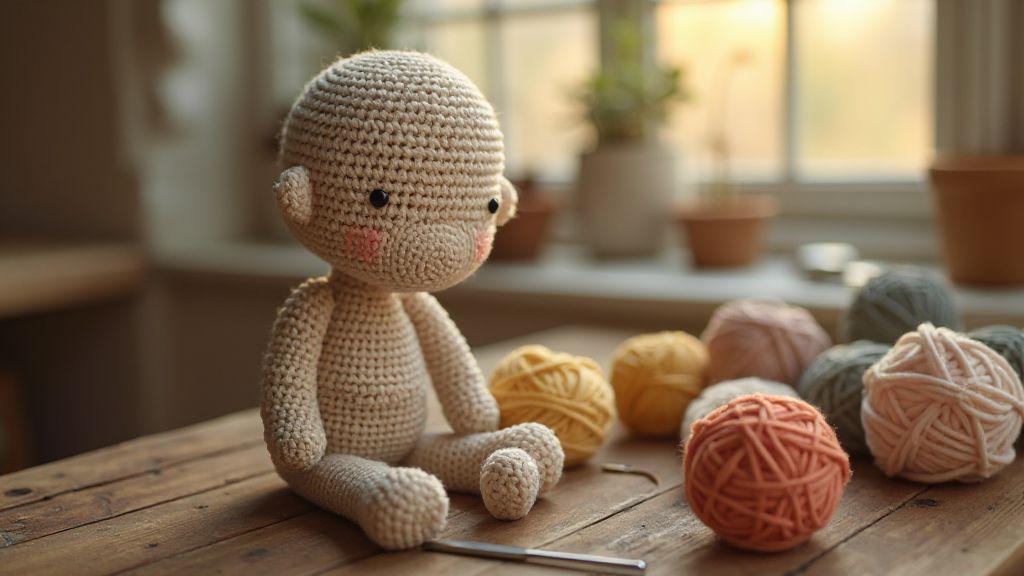
How to Crochet a Realistic Amigurumi Human Doll: Advanced Pattern is a comprehensive guide to creating lifelike, poseable dolls from fiber and yarn. This article walks you through material choices, shaping, detailing, and care to achieve a believable character.
Choose your yarn, hook, and tools
You’ll get the most realistic results when you choose materials with care. Pick a smooth, medium-weight yarn in a natural-fiber blend to create skin texture that reads as lifelike without pilling or shedding. For warmer skin tones, choose a yarn that dyes evenly and blends smoothly. Match your hook to the yarn weight and your tension; a snug gauge keeps tiny facial features sharp, while a looser grip can distort texture. Test a small swatch to confirm stitches sit tight but not crowded, and you’ll feel the difference in every row.
Next, gather tools that support clean finishing. A blunt tapestry needle helps weave in ends without snagging. A stitch marker keeps rounds straight, which matters for shaping delicate limbs. Sharp-point scissors trim tails cleanly, and a yarn conditioner can reduce fraying on rough fibers. For detailed facial work, a locking stitch marker can hold positions during assembly. Preparing these tools upfront saves interruptions and keeps your rhythm steady.
Finally, consider safety and durability for long-lasting results. Choose a fade-resistant yarn to maintain skin-tone shading across sessions and ensure shade compatibility across dye lots. Keep hooks clean to avoid transferring oils that affect tension. With the right tools, your process stays smooth, stitches stay consistent, and the finished piece remains sturdy for posing and display. Confidence grows as you see your technique sharpen.
How to Crochet a Realistic Amigurumi Human Doll: Advanced Pattern — overview
If you’re seeking a structured path to realism, this overview highlights how the steps fit together in How to Crochet a Realistic Amigurumi Human Doll: Advanced Pattern. It emphasizes careful material selection, precise shaping, and layered finishing to build a believable figure from head to toe.
Pick fibers for your realistic skin texture
Choosing fibers that mimic real skin is the secret to believability. Look for a yarn with a tight knit and a soft hand so color changes read gradually. For subtle shading, blend two or three shades in small increments. Test elasticity by pulling a few stitches; you want a yarn that returns to shape without looking stretched.
Tiny amounts of fluff or fuzz (mohair or eyelash in thin strands) can mimic hair follicles at edges like cheeks or the nose tip. If bulk worries you, work in shorter rounds with a smaller hook to keep texture refined. The fiber should respond well to layering and shading, so your final tone reads nuanced rather than flat. Test shade compatibility before committing to a full project by making a small sample in your planned color family and checking under different light.
Match hook size to your gauge for tight stitches
Hook size shapes how stitches sit. Start with the hook recommended on the yarn label, crochet a small chain and a few rounds, and test. If stitches ripple or look loose, switch to a smaller hook; if the fabric stiffens, go up a size. A steady gauge yields cleaner shading and precise limb joints, so verify before continuing a long section. Keep a simple gauge card handy: note stitch height, row count, and touch. If you blend colors, test how the new shade sits with the current gauge to avoid mismatches in tone.
Tools for advanced shaping and finishing
For advanced shaping, use blunt-tipped pins to hold form while sculpting facial contours, and clamp edges for clean seams. Light starch or fabric stiffener can help noses, ears, and fingers hold shape during assembly. When finishing, weave in ends with invisible technique and plan color transitions in advance. Practice blending on a scrap swatch to understand how fibers take shade changes. Reserve a small amount of each color for subtle highlights and shadows to dial in depth where you need it. After finishing, you’ll be able to pose the amigurumi with confidence, reading true to life.
Learn your doll’s proportions
Understanding vertical balance helps you avoid top-heavy or lanky results. The head is often about one-third of the total height, with the torso and legs making up the rest. For a chibi look, enlarge the head slightly; for realism, scale down the head in relation to the body. Plan where shoulders, elbows, hips, and knees sit to achieve natural joints. Start with standard proportions and adjust after testing a few samples. Build muscle memory with small steps to refine your eye over time.
Proportions also affect how the limbs connect. Plan where joints sit so they look natural when posed. Use a consistent gauge to keep stitches even as you scale. Measure as you go and compare to your plan to prevent missteps.
If you’re serious about realism, begin with a crochet human proportions pattern for amigurumi. This blueprint keeps sizing consistent from head to toe and helps you avoid misaligned joints. Look for clear notes on head-to-torso ratios, limb lengths, and joint placement, plus gauge suggestions and yarn weights to match the scale you want. You can adapt later, but a solid starting pattern keeps you anchored and confident as you stitch.
Measure and map your body plan before you start
Map your plan on paper or a whiteboard before stitching. Draw the head, torso, arms, and legs in rough blocks to see the silhouette, and mark key joints. Write exact measurements for head circumference, neck width, shoulder width, arm and leg lengths, and torso length. Label how pieces join to prevent mismatched seams and loose joints. A clear plan builds confidence as you crochet.
Shape your head and facial features
Shape a head that reads as real and feels balanced. Choose a yarn close to the final skin tone and work tight, smooth rounds for an even surface. Gentle temple curves read more natural, and a subtle neck join anchors the head for better posture. Plan head size to match your project: longer rounds for a taller look, earlier finishing with a slight tilt for a younger appearance. Keep stitches symmetric around both sides so features align when you add them later. Tuck in loose ends as you go to avoid bulky distortions.
If you need extra strength, reinforce the neck with a subtle strand worked through the stitches. The result should be a well-formed base that makes facial features pop when placed.
Crochet facial features — realistic eyes, nose, mouth
Create eyes that look alive with small circles or ovals in a slightly darker shade, adding a tiny highlight. Position them carefully for natural gaze; too close or too far apart disrupts expression. You can embroider tiny pupils or use safety eyes securely attached.
Nose: a few stitches in a lighter shade to outline a bridge and soft shading along the nostrils. Keep transitions smooth. Mouth: shape a gentle curve for the upper lip and a soft lower lip, with subtle shading inside the mouth or a small philtrum stitch to add realism without caricature.
Compare both sides in a mirror or photo and adjust as needed. Subtle tweaks yield lifelike expression.
Sculpt cheeks and jaw with needle shaping
Use the needle to gently push and pull yarn for defined cheekbones and a softer jawline. Start with light pressure and test texture with your finger. Blend shading around the cheeks for warmth and depth: a hollow under the cheekbone reads contour, a lighter area on the apple pushes forward. If the face looks flat, add gentle stitches along the jawline to reintroduce structure without making it rigid. Practice to achieve soft height and natural neck integration.
Place features for lifelike symmetry
Lightly map out eyes, nose, and mouth with pins or chalk before final stitching. Aim for equidistant horizontal alignment: eyes above the nose line, centered between ears, mouth below the nose. Use a mirror or photo to check proportions as you go. Secure each feature firmly; small shifts can change expression dramatically, so adjust before sewing permanently. Compare both sides for symmetry; subtle differences often hide in plain sight. A deliberate placement yields a believable head.
End with a finishing pass: tidy loose ends, check surface smoothness, and ensure features stay aligned as you pose the doll.
Create your realistic skin texture and shading
Skin texture brings life to your amigurumi. Start with a tiny base and build layers gradually, using a light touch to keep stitches neat. Shade like a whisper—layer tones softly for depth and realism. Test in different lights to identify under- or overdrawing. Match skin tones to the character’s personality, from bold to pale.
Layer micro-textures such as freckles, pores, and color shifts with short, staggered stitches. Use a small hook and tight gauge to keep texture subtle. For highlights on cheeks and lips, switch to thinner thread. Rotate the piece as you work to keep shading even around the face.
Embroidery and shading can personalize features: tiny freckles, fine lines, or subtle lip definition. Use single-thread embroidery floss in pale tones for delicate details, and blend shading with translucent layers to control depth. Seal lightly if you’ve used dye or paint to prevent bleed and maintain realism.
Realistic skin texture amigurumi crochet techniques
Blend micro-textures by layering: add light texture where light would hit, then deepen shadows along edges. Pore dots can be tiny stitches or thread dots—keep them restrained. Practice on swatches first to avoid shaping the main piece with missteps.
Rotate your work to maintain even shading. Compare to real skin references and adjust color mapping as you go. Practice makes texture feel natural over time.
Use embroidery and shading for realistic crochet dolls
Embroidery lets you add minute features without bulk. Use light stitches to dot freckles or draw fine lip lines. Satin stitch small areas for smooth skin and keep brows and lashes with fine thread. Shading with an embroidery needle lets you control depth in translucent layers. Test shades on a scrap piece first, then apply to the final piece. Keep patterns irregular to reflect real skin variation. If you’ve used dye or paint, seal lightly to prevent color bleed.
Sculpt your torso and core structure
A solid torso core supports natural posing. Build a rounded chest and a slightly narrower waist to mirror real proportions. If the doll leans forward, add a tiny stitch at the back to balance weight. Keep stitches tight but not so tight they crack the yarn. Visualize the spine as a gentle curve and shape accordingly. After finishing, squeeze the torso to check for posture and stability without wobble.
Blend subtle muscle shape without overdoing it. Use small chest increases and waist decreases to sculpt the silhouette. Compare with a simple human silhouette or your hand for scale, and maintain symmetry. The core should be sturdy yet flexible enough to adjust poses without collapsing.
Secure the core by reinforcing limb joins. A touch of polymer clay or fabric stiffener can help, but test first. If you’re making a standing doll, practice bench tests to ensure the torso stays steady. The right internal setup makes your sculpture hold its pose.
Advanced amigurumi shaping and sculpting tutorial
Dive into shaping with a plan: sketch the target pose, map curves and bulk, then translate to stitches. Start with a solid base circle for the torso, then build chest and belly curves with tiny increases and decreases. When shaping shoulders, pull the yarn to create a forward slope for realism. Maintain consistent yarn tension to avoid lumps; smooth any bumps with extra even stitches. Create a back curve by gradually increasing higher up and tapering toward the lower back for a natural bend while preserving stability. If aiming for a goddess-like posture, tilt the ribcage and hips slightly to suggest weight distribution while staying balanced.
Plan head position early for neck integration. A longer neck comes from extra stitches at the top of the torso and a small hollow under the chin. If the neck appears too thick, remove a few stitches from the back and recheck the head-to-spine line. Practice until you find clean increases that yield a sculpted look without sag.
Add internal supports for stable posture
Internal supports keep your doll upright and poseable. Use lightweight materials like craft wire or a thin plastic wand to form a spine inside the torso. Bend gently and test balance by standing the doll after placing the wire. Thread through a small hole in the torso center and anchor with extra yarn or glue at the ends. If the torso is heavier, slip a softer internal rod inside the core to prevent sagging; wrap the rod in yarn to hide it and improve seam alignment. Test posture by repositioning arms and head; add reinforcement if the doll drifts. For standing dolls, create a small internal stand (a wire-supported L-shape) to anchor the feet to the torso base.
Balance tips for standing realistic dolls
To keep a standing doll steady, align the center of gravity with the base. Place feet slightly wider than hip width with one foot forward, and lean the torso forward a bit for a relaxed pose without tipping. Distribute weight evenly between both legs; a heavier load on one leg causes a list. Check knee and ankle bends for smooth, natural movement. Nudge the doll to test balance and adjust foot position or reinforcement as needed. With practice, standing dolls gain real poise.
Make your arms and hands look real
Arms and hands determine realism. Match arm length to the torso, taper from shoulder to wrist, and keep the palm area slightly fuller to show natural mass. Crochet in continuous rounds to avoid seam lines; pull tight at the end of each round and weave ends securely.
Focus on shoulders: rounded caps or small peaks suggest muscle without bulk. For hands, shape a gentle palm curve and separate fingers with light stitching or subtle increases. If you want movable fingers, plan joints with simple hardware options like soft buttons or velcro at finger bases. Crochet finger tubes separately or attach with tiny slip stitches for slight bends. You can add tiny knuckle beads for subtle joints, then cover with yarn.
Add small details like a nail line or knuckle creases with pale embroidery floss for personality. Keep a soft, discrete look to preserve a lifelike silhouette.
Build your legs, feet, and stable base
Shape legs to stand tall and feel solid. Start with standard leg shaping, then add subtle knee and calf curves. Use tight stitches for strength and to prevent wobble. Check both legs for matching length and curve. For feet, craft a natural heel and arch with a simple base and toe shaping. Weight distribution matters; small increases shape the arch and sole, while keeping seams neat. Attach legs with even seams for a balanced base.
Refine the base for upright stability. Add light internal weighting or extra stitches at the bottom to prevent tipping. If using beads or pellets, place them toward the center and low in the feet. Test balance by nudging the doll side to side and adjust as needed. A sturdy base gives your amigurumi real presence.
Crochet human proportions pattern for amigurumi legs
Your first fully formed legs should reflect natural proportions and fit the torso. Start with a standard leg chain for correct length, then work in rounds to shape calf and thigh with subtle decreases at the knee and smooth increases afterward. Finish with ankle taper and attach to the body with firm seams, ensuring center lines stay aligned for symmetry. If you see a bulge, slow down and adjust tension.
Add foot shaping and ankle detail for realism
Foot shaping begins with a solid sole and a short flat base, then arch shaping with small increases and decreases. Add a tiny heel for stability and a gentle toe line. A subtle ankle crease between foot and leg enhances realism without bulky seams. Consider a small bracelet or anklet for extra detail if it fits the scale.
Root and style your realistic hair
Hair adds the final lifelike touch. Start with a color that matches the skin tone and select strands that balance thickness and flexibility. Plan the hairline to reflect natural parting and secure rooted strands with tight knots from the inside. If you prefer a wig, choose a cap that fits snugly to prevent sliding. Blend colors for highlights and shadows, letting longer strands frame the face for a natural look. The root line should feel organic, not uniform, as if hair grew in over time.
Realistic amigurumi hair rooting and styling techniques
Root with a sharp, thin needle, inserting loops to the desired depth. Use a staggered pattern so strands anchor from multiple scalp points, practicing on a spare piece first. For styling, wrap strands around a dowel to form waves or curls as they dry, or guide strands downward in neat rows for straight styles. Maintain tension so styling stays put without bending the head.
Choose rooted hair or a wig for your project
Rooted hair offers tactile realism and visible stitching at the scalp, while a wig provides versatility and a smoother silhouette. Choose based on patience and desired final effect. Rooted hair showcases craftsmanship; a wig offers quick changes. For durability, secure the hairline with a dab of fabric glue and optionally seal with a satin finish to reduce frizz.
Secure finishes for durable hairstyles
Seal the hairline and exposed roots with a small amount of fabric glue, then let it dry before handling. A light spray of satin finish reduces frizz and preserves shine. If styling fringe, trim precisely and check symmetry from multiple angles. The goal is a neat, lasting look that stays put.
Customize final details and care your doll
Customize tiny touches to give your doll personality. Plan poses and note adjustable details like head tilt or hand position. Use contrasting yarns or subtle shading to highlight features. Outfit options can reflect seasons or moods, so coordinate colors to keep the overall look cohesive. Document pattern modifications, color shifts, and finishes to make future recreations easier. A simple care plan helps your doll stay vibrant for years.
Customizable realistic amigurumi pattern step by step
Begin with core shape and layer features gradually, adjusting tension for a natural feel—tighter for the core, looser for limbs. Small tweaks to gauge and placement dramatically affect realism. Define facial features in stages, practicing embroidery on scrap fabric first. Add shading with light pinks on cheeks or chin shadows to build depth. If unsure, start understated and build up later.
Embroidery and shading to personalize features
Use stable, small stitches to outline eyes, nose, and mouth. Blend colors to soften edges and avoid harsh lines. A few lashes or subtle highlights can add character. Practice on scraps before applying to the final piece. Shading with an embroidery needle lets you control depth; apply translucent layers and match shading to lighting conditions for best effect.
Cleaning, safety, and long-term care
For cleaning, spot clean with mild soap and a soft cloth, then air dry away from direct heat. Avoid soaking the whole doll to protect joints and stuffing. Check joints regularly for loosening and retighten as needed. Store in a cool, dry place and handle with clean hands to protect delicate embroidery. Trim loose threads and weave ends back into fabric to prevent snags. Following these steps helps your How to Crochet a Realistic Amigurumi Human Doll: Advanced Pattern piece stay vibrant and enjoyable for years.
Clara Fern — Crochet Artist & Amigurumi Designer
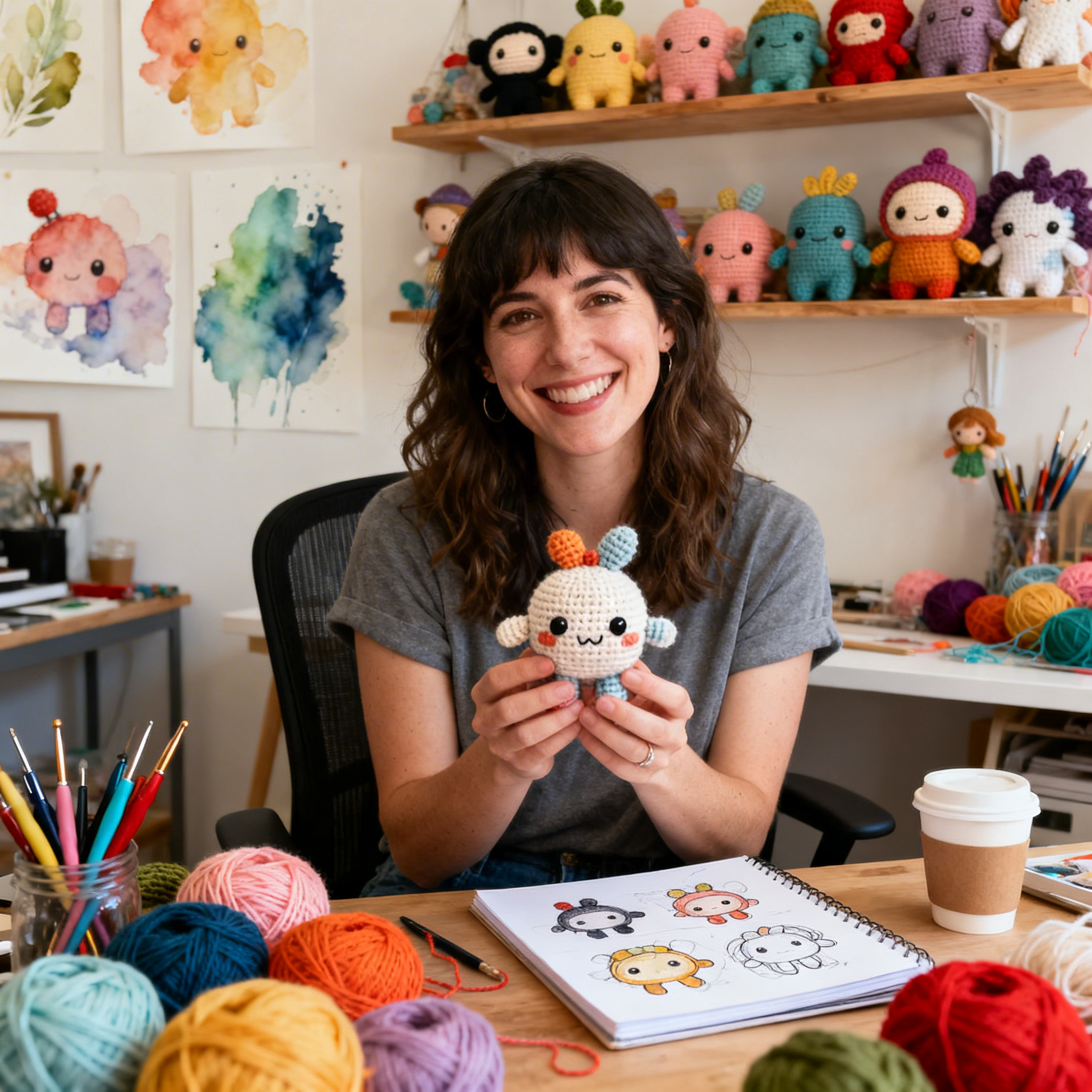
Clara Fern is a crochet artist and amigurumi designer based in Austin, Texas. With 9 years of experience working with yarn and hook, she transformed a lifelong passion for handcraft into a creative mission: making amigurumi accessible, fun, and deeply rewarding for crafters of all levels.
Clara discovered amigurumi during a trip to Japan in 2017, where she fell in love with the art of bringing tiny characters to life through crochet. Back home in Texas, she spent years studying color theory, design principles, and advanced crochet techniques — developing her own signature style that blends kawaii aesthetics with original character design.
Through maclafersa.com, Clara shares everything she has learned — from choosing the right yarn and reading your first pattern, to designing fully original amigurumi characters from scratch. Her writing is known for being clear, detailed, and genuinely helpful, with no steps skipped and no secrets kept.
When she’s not crocheting, Clara enjoys watercolor painting, visiting local yarn shops, and drinking way too much coffee while sketching new character ideas.