How to Make a Halloween Amigurumi Pumpkin Step by Step
Supplies and yarn choices
You want to finish your project with confidence, so choosing the right supplies is non-negotiable. Start with a medium-weight yarn that feels good in your hands and sits neatly on the stitches. Your color options set the pumpkin vibe—from classic orange to greens or purples. Keep a small notebook for dye lots and leftovers to stay consistent across your pumpkin family. The right supplies make every stitch feel intentional.
Keep a few extras on hand to avoid mid-project panic: stitch markers, small scissors, and a blunt yarn needle for weaving ends. If you’re using safety eyes, have a spare pair on hand in case of mischief or to switch expressions. A lightweight tape measure helps gauge height as you go. Organize a quiet workspace with clean surfaces and good lighting to keep your hands steady and your work neat. Bold colors pop; matte yarn gives a softer, traditional feel. For a standout pumpkin, add a contrasting green stem and leaf. Plan where you’ll store pieces until you sew them together; your future self will thank you.
As you gather supplies, remember how your choices affect the final look. Bold colors pop, matte yarns soften the feel, and a tiny stem in green can elevate the design.
Best yarn weight and fiber
The easiest amigurumi uses a light to medium yarn that holds its shape, like DK or worsted weight. Consistency matters—choose one brand and stick with it. A smooth fiber (cotton blends or acrylic blends) helps stitches nest tightly, keeping the pumpkin’s form. If you want a softer look, try plush or brushed yarn, but crochet a touch tighter to prevent gaps. For a glossy finish, go with smooth acrylic; for a rustic feel, cotton or cotton-blend gives a matte, homey texture. Your fiber choice affects ease of stuffing and seam neatness; choose what you enjoy working with.
Color considerations: dark colors hide detail; lighter colors reveal edges but can look crisp. Beginners often start with a bright orange in DK or worsted weight for forgiving shaping. The goal is a pumpkin that sits proudly on your shelf, not one that fights you at the end. For a standout look, add a small stem and leaf in green.
Tools: hooks, needles, safety eyes
Your hooks and needles are the handles of your craft. Pick a hook size that matches your yarn weight (DK or worsted typically pairs with a size G to I). Comfort matters more than exact size—pick a grip that feels steady. Have a crochet hook and a yarn needle ready for finishing and weaving in ends. A blunt-tipped yarn needle threads easily and glides through stitches. Keep a few stitch markers to track rounds; metal markers are reliable and easy to spot.
Safety eyes add character, but for a kid-friendly or softer look, embroidered eyes or felt buttons are great alternatives. If you use safety eyes, ensure they’re securely fastened and age-appropriate. Beginners may start with smaller eyes to avoid overpowering the face. When assembling, use sturdy seams and extra stitches to lock pieces in place.
Easy amigurumi pumpkin pattern for beginners
Begin with a tight magic ring, then crochet the first round with small, even stitches. Maintain steady tension so the rounds stay smooth. Use a stitch marker to count stitches per round. After forming the base, sew halves together, stuff gently, and close with near-perfect symmetry. A small stem adds charm.
If you want facial details, embroider a tiny smile or simple eyes with black yarn or embroidery floss. Secure ends well so nothing loosens with play. Practice builds confidence, and with this simple pattern, you’ll see the stitches round into a pumpkin quickly. If you’re unsure, pause to count and breathe—the result will feel more confident with your calm touch.
Basic stitches you will use
You’ll rely on a handful of core stitches that should feel like second nature. Practice helps tension settle and your work to become steadier. Repetition makes pattern-to-pattern transitions smooth, like having a reliable tool in your crochet toolbox.
First, get comfortable with hand position and consistent tension; accuracy matters more than speed. Some projects demand exact counts, others shape with increases and decreases. Keep track of rows or rounds and learn to read your fabric. Break patterns into simple steps: learn the stitch, then follow the sequence one line at a time. Confidence grows with every finished piece.
Magic ring and single crochet
The magic ring gives you a clean start with no center hole. Practice until you can pull the loop closed snugly and anchor your first round. Single crochet creates a tight, compact fabric that holds shape well for toys and stuffed decor. Keep stitches small, even, and counted. If tension needs adjustment, tiny changes in how firmly you pull the yarn can make a big difference.
Combining a magic ring with single crochet gives you control over the starting section, hiding the hole and giving a neat front and back. It’s a small trick with a big impact on the final feel of your amigurumi.
Increases and decreases
Increases widen, decreases taper. Plan stitch counts before you start so the shape turns out right. Some patterns call for increasing every stitch or every other stitch; learn to read your pattern and adjust. Decreases can be tricky, but with the rhythm—yarn over, pull through, repeat—you’ll shape the form faithfully. Keep tension even to avoid puckering as you taper.
Combined increases and decreases build three-dimensional forms. For a typical amigurumi head, start round, insert increases to widen, then switch to decreases to close the top. With practice, you’ll plan and execute shaping more quickly.
Crochet pumpkin amigurumi step by step guide
You’ll follow a focused set of steps: start with a magic ring and base rounds, then build the body in rounds while increasing to form a plump belly. As you add rounds, maintain steady tension so the pumpkin sits evenly. In the midsection, switch to decreases to taper toward the top, finishing with a stem and a few lines for character.
Embroider a face or sew on small eyes and mouth if you want personality. A little bow or leaf adds charm. Stuff softly to keep the pumpkin shapely and round. If you want extra detail, crochet a tiny vine or curly stem. Pause to check your work after each round to catch miscounts early. Remember, How to Make a Halloween Amigurumi Pumpkin Step by Step is within reach when you slow down, stitch steadily, and enjoy the process.
Reading patterns and checking gauge
Reading patterns and checking gauge are your first steps to success. Skim for the big picture, then dive into stitches, increases, decreases, and repeats to avoid surprises. Check gauge early—tension affects stiffness and shape. If your swatch differs, adjust needle size or yarn weight until it matches the pattern. You’ll thank yourself when your pumpkin matches the photo rather than turning into a mystery.
Note special stitches and the order of rounds. Mark the pattern to keep your place. Gauge isn’t just size; it determines fabric feel, stuffing, and shaping. Move at a calm pace to progress with confidence. Gauge is your compass. If your stitches count but texture differs, you may need a different yarn or a looser/tighter tension. Adjust by changing hook size or yarn weight and recheck with a fresh swatch.
Pattern abbreviations and symbols
Pattern abbreviations and symbols are shorthand you’ll rely on. Keep a tiny reference handy to avoid stalling mid-row. Common ones include ch, sl st, sc, inc, dec, and magic ring. Translate symbols quickly as you stitch. Abbreviations hide exceptions; watch for parenthetical notes, per-round counts, and pattern-specific stitches. Some patterns use round numbers rather than rows—stay attentive.
If a symbol seems unfamiliar, refer to the pattern glossary or a quick guide. The goal is to translate symbols into real moves so your hands fly and your pumpkin stays proportional and neat.
How to test gauge and size
Testing gauge and size is practical magic. Crochet a small swatch, measure, and compare to the pattern’s gauge. If it matches, you’re set. If not, tweak by changing your hook size or yarn weight and retest. This step saves you from guessing and ending with a pumpkin that’s too small or too large. Once gauge is right, measure stitches and rounds to confirm overall size. If the piece seems off, rework the gauge with a fresh swatch.
How to Make a Halloween Amigurumi Pumpkin Step by Step
- Gather your yarn, hook, stuffing, and a yarn needle. Start with a magic ring and crochet the base circle, then work in continuous rounds, increasing to build the body and decreasing to close the top. Stuff lightly to keep a rounded belly as you progress. Finish with a stem.
- Add details to personalize: embroider a face or sew on eyes and mouth, add a leaf or small bow, and secure all ends. A few finishing touches can make the pumpkin feel ready for display or gifting. This is the core of How to Make a Halloween Amigurumi Pumpkin Step by Step—slow, steady, and enjoyable.
Body construction step by step
Create a steady rhythm with tight, even stitches to maintain a round, plump shape. Consistency matters: skip a stitch or pull too tight, and ribs may misalign. Practice helps you tune tension and adjust for your style. Set up with a slip knot and the basic stitch you’ll reuse. Aim for a flat foundation that rounds into a classic pumpkin silhouette. Use stitch markers to keep your place and label rounds to stay organized. With practice, you’ll see each round add volume and you’ll be ready for shaping and color changes.
Working rounds and shaping ribs
As rounds progress, ribs form the pumpkin’s curved segments. Keep increases even and stitches smooth to avoid sharp edges. Read your fabric and adjust tension or marker placement to maintain symmetry. If ribs look uneven, pause and compare rounds; this awareness builds confidence for future projects.
Joining rounds and color changes
Joining rounds hides the seam and preserves a smooth outer surface. Plan color changes at deliberate points and secure with a slip stitch or light weaving to prevent loose ends from showing. A tidy join keeps the pumpkin cuddly and neat. Practice makes joining faster and more precise, especially when you add features like a stem or face.
Stuffing, shaping, and finishing
Choose fluffy, washable fiberfill and a needle for shaping. Stuff gently and periodically compare sides for smooth curves. If you see a dip, add stuffing and reshape. When closing the last round, pull the thread tight and weave the end through nearby stitches to lock it. If you’re adding a stem, keep the top tight and secure so the stem sits firmly. Trim loose ends close to the fabric.
Inspect from all angles; adjust stuffing to remove flat spots. If you want the pumpkin to sit upright, add a little weight near the bottom before sealing. Your final piece should be solid with a smooth exterior and a satisfying give when pressed.
Stuffing types and how much to use
Common stuffing options include polyester fiberfill (light and washable) or polyfill blends for denser feel. For a firmer belly, mix a little cotton fiber with polyester. Stuff gradually: the goal is a plump, squeezable pumpkin without a rigid shell. If the back looks flat, add more filling and reshape.
Making firm ribs and closing the top
Firm ribs come from leaving shallow indentations at rib points while stuffing. Gentle shaping creates natural grooves. To close the top, thread the yarn through the final round and pull tight, then weave the end back through nearby stitches. If you’re adding a stem, leave a small loop at the top to anchor it.
Stuffing and shaping amigurumi pumpkin tips
Shape by stepping back and feeling the pumpkin from multiple angles. Lightly press and turn to even out roundness. Use a contrasting yarn tail to guide shaping and weave the tail into interior stitches to avoid puckers. When making multiple pumpkins, keep sizes similar by measuring height and width as you go.
How to Make a Halloween Amigurumi Pumpkin Step by Step recap
To bring your project to life, follow core steps: choose your yarn and hook, crochet the body in continuous rounds, stuff gently, shape with careful finger pressure, close the top securely, and add the stem or facial features you love. Keep stitches tight enough to hold stuffing but loose enough to work into later. Your practice will improve with every pumpkin.
If you’re aiming for specific looks—cute, spooky, or goofy—adjust rib depth and stuffing accordingly. Smaller, tighter pumpkins have crisper ridges; larger ones feel friendlier and squishier. Check your work from multiple angles and revise shaping as needed. This is how How to Make a Halloween Amigurumi Pumpkin Step by Step yields a pumpkin you’re proud to display.
Making the stem and facial features
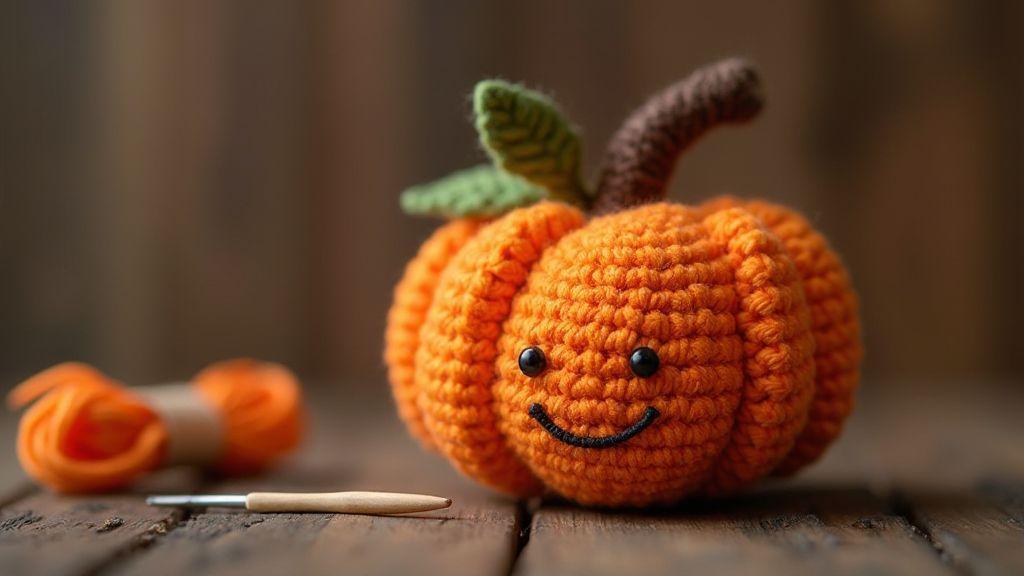
Add character by crafting the stem and facial features. Start with a short, curved stem; attach securely at the top center. You can shape the stem with a few crochet rounds to create a natural curve. Choose facial techniques that fit your project: embroidery, or safety eyes backed with washers. Space features symmetrically and adjust for a friendly or spooky vibe. Keep loops tight to avoid loosening over time.
Simple stem crochet and attachment
- Begin with a small magic circle for the stem and work in rounds.
- Attach securely by threading the yarn through the top and knotting inside.
- Shape the stem with small adjustments; a slight curve adds charm.
Embroidering or using safety eyes
- Embroider faces with contrasting floss for a soft finish.
- If using safety eyes, place and secure them before closing. Balance placement for symmetry.
Making a pumpkin stem and face for amigurumi
Create a short, curved stem; attach at the top center. Add a friendly or spooky face with embroidery or safety eyes. Final touches include root-like texture at the stem base and ensuring features sit flush with the fabric.
Mini and small pumpkin projects
Tiny pumpkins are great for practice and quick finishes. Start with a simple shape, then add a stem or playful face. They’re perfect for quick gifts or desk decor. Try sock-weight or DK yarn to see how weight changes affect the look. Mini pumpkins teach gauge and tension gently and scale well to larger projects.
Scaling a pattern for tiny pumpkins
Scale patterns by reducing starting stitches and rounds while preserving the stitch pattern. Test different yarns and use a smaller hook to maintain definition, but avoid overstraining your hands. Mastering scaling lets you create a dozen tiny pumpkins for garlands or displays with consistency.
Keychains, garlands, and small decor
Turn mini pumpkins into keychains or string them for garlands. Add small accents like beads or embroidered faces for charm. Display them on a tray with seasonal decor for warmth. These pieces are perfect for gifting or sales in batches.
mini amigurumi pumpkin tutorial
Follow a beginner path: start with a tight magic ring, use half- or single crochet, increase evenly to form a small sphere, and close neatly. Add a short stem and simple facial features. This beginner-friendly project builds tension control and sets the stage for bigger pumpkins.
Free patterns and trusted tutorials
There’s a world of free patterns and trusted tutorials that keep crocheting simple and fun. Look for clear steps, bright photos, and a materials list. Patterns should explain forming a smooth sphere, where to place stuffing, and how to close the final stitch without gaps. Bookmark patterns to compare and choose options that fit your skill and timeline.
- Seek patterns with variations: larger or smaller pumpkins, different faces, or stem styles.
- Printable abbreviations and checklists save time at your craft desk.
- Look for patterns that include troubleshooting tips for uneven stitches or imperfect roundness.
Where to find free amigurumi pumpkin crochet pattern
Free patterns are available on trusted sites with step-by-step photos and written instructions that match visuals. A good pattern lists exact materials, hook size, yarn weight, stitch abbreviations, and stuffing amount. It should guide shaping, stem attachment, and facial details, with a final photo showing a neat, well-rounded pumpkin.
Bookmark several patterns to compare shape, size, and facial options. For beginners, start with a simple body and add a face later. Pattern bundles with variations help you practice differences in shaping, color, and facial features.
How to pick a clear Halloween crochet pumpkin pattern tutorial
Choose a clear tutorial by three things: step-by-step photos, a concise materials list, and precise stitch counts. Look for close-ups of tricky parts, like top shaping or stem attachment. If a video or photos jump around, it’s easy to get lost—favor guides that stay step-by-step in order. Finishing tips should cover stuffing density, bottom closure, and assembly to retain shape. A quick troubleshooting section is a plus. If the tutorial mentions How to Make a Halloween Amigurumi Pumpkin Step by Step, read it with care.
Free amigurumi pumpkin crochet pattern
A good free pattern lists hook size, yarn weight, stitch abbreviations, and stuffing amount so you can prepare. It should show how to shape the pumpkin, attach the stem, and add a face, with a final photo proving it sits nicely and isn’t lumpy.
As you follow, you’ll see the body round into a pumpkin and the top gather neatly. Learn to tuck ends and secure the stem so it stays sturdy on display. The best patterns give a true sense of accomplishment as you finish.
Care, display, and safety tips
Keep your pumpkin clean and dry to prevent mold; store in a cool, ventilated space. Avoid direct sun to prevent fading. Handle gently to protect delicate stitches. Check for loose threads and mend promptly. Display on a stable surface away from heat; group pumpkins by size for balance. Keep small parts out of reach of children and pets, securing eyes or beads with strong stitching or glue. If your pumpkin includes lights, use LED options and never leave unattended. Store in a breathable bag or container with care notes for the next season.
Washing and storing your pumpkin
Wipe clean with a damp cloth and dry completely. For decorative pumpkins, mild soap on a cloth is okay but avoid soaking. Store in a cool, dry place with good airflow; silica gel can help control humidity. When stacking, align securely and avoid heavy pressure. Remove loose parts before storage or secure with clear-drying glue. Label the storage bag with assembly date and care notes.
Child and pet safety with small toys
Tiny toys can be tempting for kids and pets. Inspect for loose pieces before letting little ones near them. Prefer larger components or secure small parts with strong stitching or clear-drying glue. Store out of reach during play and consider a dedicated display area away from curious hands. For homes with pets, choose yarns and fabrics that resist pulling and avoid dangling strings.
If you see chewing or loosening, pause for quick repairs. Safety matters most so you can enjoy your crafting worry-free.
Small Halloween amigurumi pumpkin project
A compact pumpkin fits in your hand, with a short green stem. Embroider a tiny face or use small safety eyes. Stuff lightly for a soft, squeezable finish—perfect for a quick gift or seasonal decor. This small project is a great test run for How to Make a Halloween Amigurumi Pumpkin Step by Step and builds confidence for larger patterns. Keep it fun and celebrate tiny imperfections as part of the charm.
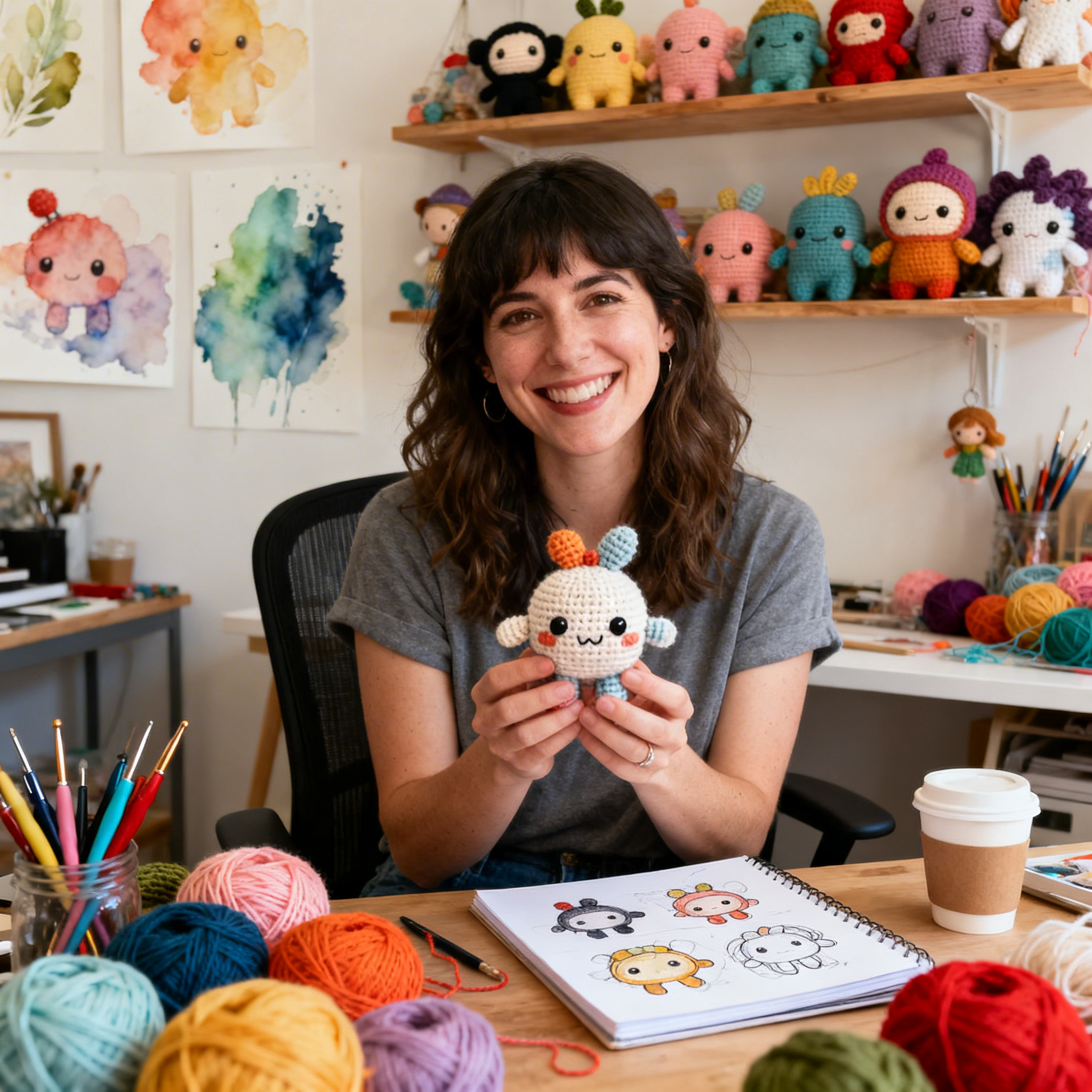
Clara Fern — Crochet Artist & Amigurumi Designer
Clara Fern is a crochet artist and amigurumi designer based in Austin, Texas. With 9 years of experience working with yarn and hook, she transformed a lifelong passion for handcraft into a creative mission: making amigurumi accessible, fun, and deeply rewarding for crafters of all levels.
Clara discovered amigurumi during a trip to Japan in 2017, where she fell in love with the art of bringing tiny characters to life through crochet. Back home in Texas, she spent years studying color theory, design principles, and advanced crochet techniques — developing her own signature style that blends kawaii aesthetics with original character design.
Through maclafersa.com, Clara shares everything she has learned — from choosing the right yarn and reading your first pattern, to designing fully original amigurumi characters from scratch. Her writing is known for being clear, detailed, and genuinely helpful, with no steps skipped and no secrets kept.
When she’s not crocheting, Clara enjoys watercolor painting, visiting local yarn shops, and drinking way too much coffee while sketching new character ideas.