Best Yarn Types for Amigurumi: Cotton vs Acrylic vs Wool
Best Yarn Types for Amigurumi: Cotton vs Acrylic vs Wool
This guide helps you choose the best yarn for amigurumi by exploring fiber feel, stitch definition, durability, washability, softness, safety, and cost. Use it to pick the yarn that suits your project and ends up with crisp stitches, cuddly shapes, and easy care.
Fiber feel and stitch definition
Your fiber choice shapes how tightly your stitches sit and how your amigurumi ends up looking. Some fibers feel silky and smooth; others feel fuzzy or springy. Texture affects how your hook bites and how your stitches read. For crisp, round shapes, smoother fibers that hold a neat, compact stitch work best; for plush, soft toys, a touch more give can help. The goal is a balance: comfortable to work with and clearly readable in the final piece. Smoother fibers tend to yield cleaner stitches, while loftier or rougher fibers can blur details a bit. Color and sheen also affect how your stitches read. Pick a fiber you enjoy handling and that suits your desired look.
Your stitch definition also comes from how the fiber behaves when you pull tight or fold over a seam. Some fibers spring back quickly, giving a tight, sculpted look. Others stay looser, softening edges for a cuddly finish. If you want strong, visible definition—like paw pads or sharp noses—lean toward fibers that hold their shape. If you want a softer silhouette, a fiber with a touch of stretch can help stitches settle in. Consistent tension helps every stitch land evenly, letting the fiber do its job.
Color and finish influence definition, too. Glossy fibers can make stitches read crisper; matte fibers read softer and more forgiving. When choosing a project, pick a fiber that suits the look you want and that you enjoy working with.
How fiber changes your stitch definition
The fiber you choose affects how each stitch sits on the fabric. A smooth fiber glides through the hook for clean, uniform stitches, making tiny details pop. A textured fiber can bite a little more, creating ridge lines that add character but may blur ultra-fine details. Loft matters: high-loft fibers create space between rows and soften edges; lower-loft fibers pack stitches tighter for sharper definition. Dark fibers with tight spins tend to show stitches more distinctly than light, fluffy ones. Test swatches to see which effect you prefer.
Why stitch definition matters for amigurumi
Stitch definition is what the eye reads first. Clear edges on ears, neat noses, and compact limbs read as polished and professional. Good definition also supports durability, helping seams stay neat after play and washing. Your choices influence the mood of your character—crisp lines read bold; soft edges read gentle.
Test yarn swatches before you start
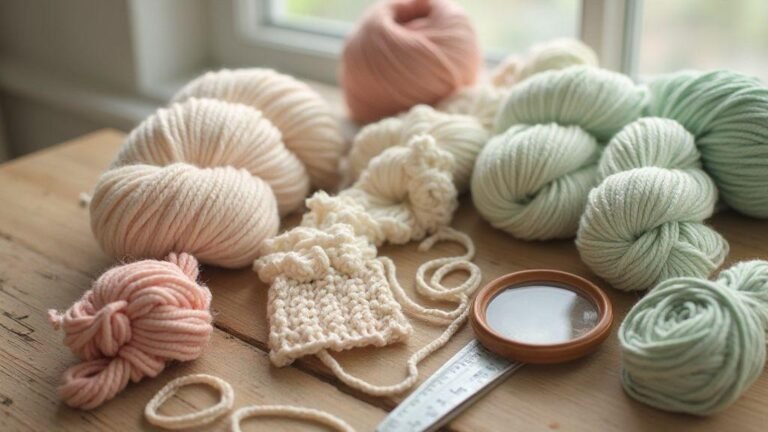
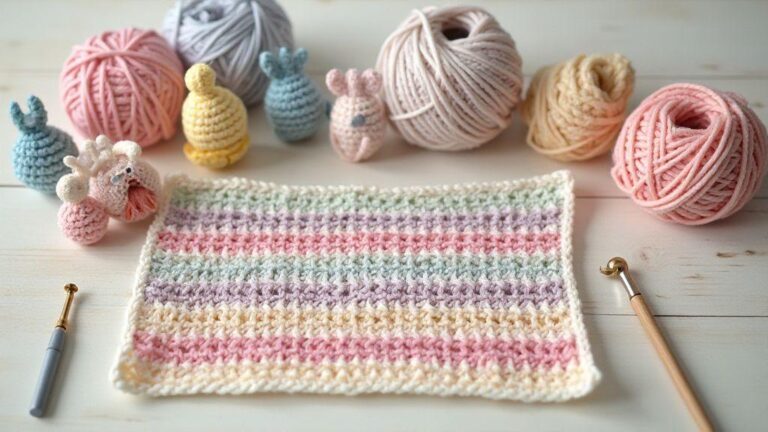
Before a full project, crochet small swatches with the planned hook size in each fiber. Note how the stitch sits, how dense the fabric feels, and how color reads. Compare how stitches hold shape and which swatch gives the crispest line or softest edge. This quick test saves surprises later and helps identify the best fiber for your design.
Durability and wear for stuffed toys
Amigurumi should withstand hugging, tossing, and washing. Durable yarn and tight stitches help stuffing stay put and shapes stay plump. Look for fibers with tight twists and smooth surfaces to minimize pilling and snagging. Secure ends well to prevent stuffing leaks and keep seams neat after repeated use.
Durable yarn for amigurumi explained
Durable yarn resists fraying and thinning with a tight twist and smooth texture. Cotton blends and high-quality acrylics often perform well for shape retention and color. Avoid highly recycled or low-twist yarns if wear is a priority. Test a small swatch by gentle tugging to gauge wear.
What makes yarn last through play
Stitch tightness is the single most important factor. Right hook size helps keep stitches uniform and prevents bulky spots that wear quickly. Finishing matters: weave in ends securely, secure stuffing, and avoid overstuffing. A well-made toy stays sturdy and cute longer.
Choose tight stitches to increase life
Tight stitches keep the toy’s shape and prevent gaps where stuffing can escape. Practice with a small swatch to ensure your fabric resists stretching under regular use. Your goal is a durable toy ready for adventures.
Washability and care for your toys
Care rules help your amigurumi stay bright and sturdy. Choose machine-friendly options when you want easy cleanup, but test first, especially with baby toys. For machine washing, use cold water and a gentle cycle; avoid fabric softeners. Bag delicate toys in a mesh bag if needed, reshape while damp, and lay flat to dry away from direct heat. Secure ends and stuffing to prevent shifting during washing.
Washable yarn options
Machine-safe options simplify cleanup. Cotton holds color well but can be stiff when wet; acrylic is forgiving, lightweight, and often machine washable; wool blends stay warm but may shrink or felt with hot water. When choosing, prefer yarn labeled machine washable with good colorfastness. For beginners, machine-washable options make post-project cleanup easier.
Softness and baby-safe yarn choices
Softness matters for hugs and comfort, and safety matters for babies. Softer yarns reduce snags and feel gentle against skin. Look for baby-safe fibers when gifting to infants, prioritizing consistent thickness, minimal pilling, and easy care. Test swatches by rubbing and tugging to ensure smoothness and absence of loose fibers.
Soft yarn for stuffed toys you can trust
Choose smooth yarns that resist splitting and shedding. A tight twist helps stitches stay neat, and colorfast fibers keep colors vibrant after washing. A soft yarn that holds its shape while remaining comfortable to touch makes toys that are loved and durable.
Hypoallergenic yarn for baby toys basics
For baby toys, hypoallergenic fibers minimize irritation. Look for fibers labeled hypoallergenic or suitable for babies. Common baby-safe options include acrylic blends, cotton, and bamboo blends. If unsure, skin-test a small swatch before committing to a project.
Pick allergy-friendly fibers for infants
Cotton and certain acrylic blends are gentle and easy to clean. Baby-specific blends are a solid cue you’re choosing wisely. The feel matters as much as the label—soft, non-irritating yarn that withstands multiple washes is ideal for baby toys.
Yarn weight and hook size for amigurumi
Yarn weight and hook size steer density, stitch definition, and final size. Heavier yarn with a larger hook grows quickly but may lose crispness; lighter yarn with a smaller hook yields finer details and tighter stitches. Use the same yarn-hook combo throughout the project for proportional shapes.
Yarn weight for amigurumi made simple
Begin with light-to-medium weight yarn (DK or worsted) to see detail clearly and prevent stuffing from showing. Cotton or cotton blends give a clean stitch line; acrylic blends can soften the feel but may reduce crispness. Thin yarns require smaller hooks; thick yarns produce chunkier shapes. Test a swatch to confirm final size matches the pattern.
How hook size changes finished size
A larger hook yields bigger stitches and a larger toy; a smaller hook tightens stitches and reduces size. If a pattern calls for 3.5 mm and you use 4.0 mm, your toy grows slightly; 3.0 mm yields a noticeably smaller finish. Test a quick sample swatch to match the pattern’s gauge.
Match hook to yarn label for best fit
Always start with the yarn label’s recommended hook size and gauge. If tension feels off, try the next closest size in small steps. Consider your tension and stuffing density; adjust accordingly and keep notes for future projects.
Compare cotton vs acrylic vs wool choices
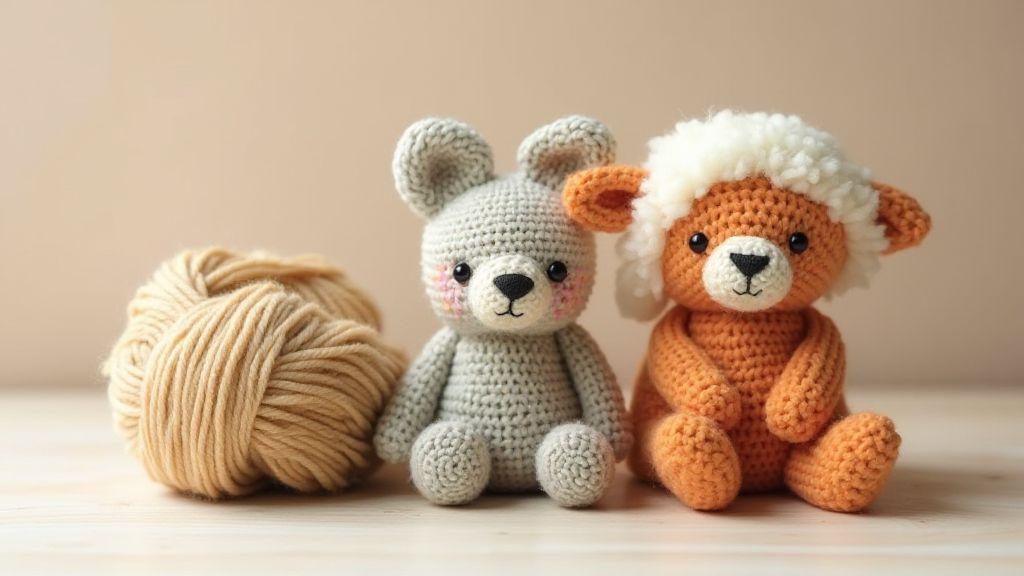
Cotton, acrylic, and wool each bring distinct qualities. You’ll feel texture as you stitch, see how color sits, and notice how each yarn behaves with stuffing and shaping. Your choice affects softness, stitch definition, and care.
- Cotton: clean, defined stitches with a sturdy feel. Crisp edges, colorfastness, but can be stiffer and show dirt more easily.
- Acrylic: budget-friendly, forgiving, bright colors, machine washable, smooth and easy for beginners. May pill and lack the natural feel of cotton.
- Wool: warm and springy with natural elasticity; plush feel and depth, but can felt if washed incorrectly and may require gentler care.
Your best bet depends on priorities: crisp detail and easy care with cotton; ease and performance with acrylic; warmth and a soft touch with wool.
Cotton vs acrylic amigurumi: pros and cons
Cotton pros: tight stitch definition, durable finish, color retention. Cons: can be stiff at small hooks, shows dirt easily.
Acrylic pros: affordable, forgiving, colorfast, machine washable. Cons: may fluff over time, slightly less crisp than cotton.
Wool adds warmth and spring but requires careful care to avoid felting. Use wool when you want a plush, cuddly feel and are comfortable with gentler methods.
Wool yarn amigurumi: warmth and spring
Wool offers a soft hand and bounce-back elasticity for round shapes. It can provide subtle depth but may require careful washing to avoid felting. Choose smooth, non-itchy wools for comfy, huggable toys.
Balance look, feel, and care when choosing
If you want a crisp, professional look with easy care, pick cotton. For a playful, budget-friendly finish that’s simple to wash, acrylic is reliable. For warmth and a soft touch, wool is ideal, with a trade-off in care.
Colorfastness and dye stability
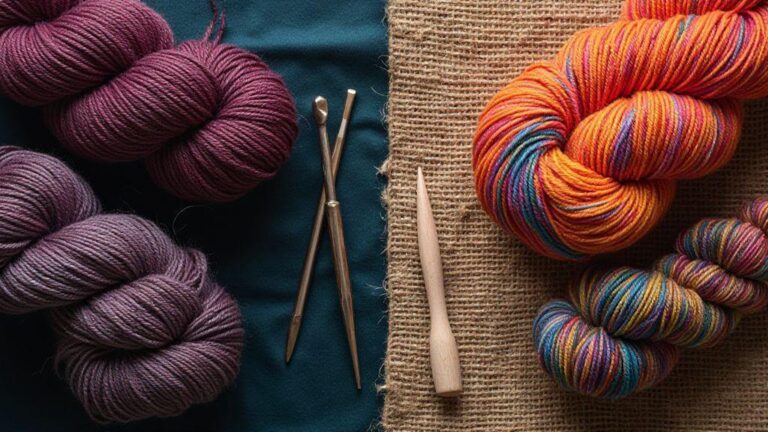
Colorfastness matters as much as stitch quality. You want colors that stay true after washing and handling. Test dyes on a small swatch first, especially when mixing yarns. Look for colorfast yarns to reduce dye transfer onto clothes or skin during play.
How dyeing affects your finished toy
Dyeing can shift shades, create subtle variations, or add character. The finish can influence feel and drape. When planning features, ensure color consistency to keep details clear.
Avoid bleeding and fading with testing
Test colorfastness by washing swatches, checking for color transfer, and exposing samples to light. Note what passes so future projects go smoothly.
Best fiber for amigurumi projects by use
Choose softness, durability, and easy care based on how the toy will be used. For everyday play, cotton and acrylic blends offer softness, durability, and washability. For babies, prioritize hypoallergenic options like cotton or safe blends. For display pieces or collectors, you might favor crisper stitches and a touch of sheen from mercerized cotton or cotton-silk blends.
If you’re unsure, test swatches and consider blends that balance softness and durability.
Best yarn by project type and blends
- For chunky, hug-able amigurumi: soft acrylic or cotton-acrylic blends for round shapes and easy maintenance.
- For small, detailed figures: smoother cotton or cotton blends to keep fine features readable.
- For display pieces: crisp stitches with mercerized cotton or cotton-silk blends for depth and sheen.
- For daily use by kids: durable yarn with resistance to pilling, like acrylic blends, for bold color and forgiving stitches.
Blends let you combine the best features. Cotton-acrylic blends give softness with easy care; cotton-bamboo blends offer softness and breathability. Test swatches to see how blends behave with washing and tension.
Cost, availability, and eco options
Balance price, access, and eco impact. Consider total cost (durability and replacements) and availability (online, local shops). Eco options, like recycled fibers or responsibly sourced natural fibers, align with sustainable craft practices. Use a mix: bulk eco-friendly yarns for main parts, premium eco-friendly yarns for accents, to balance cost and ethics.
Budget vs premium yarn for amigurumi
Budget yarns are great for practice and multiple minis; premium yarns offer smoother texture and richer color for a polished final piece. A mixed approach—premium for main bodies and budget for accents—can maximize both quality and value. Test small samples to compare feel and stitch behavior before committing.
Sustainable yarn and recycled fibers
Sustainable yarns reduce waste and support cleaner production. Swatch and compare textures and colorfastness. Natural fibers with low-impact processing are good choices for comfortable, durable toys. Recycled fibers can vary in texture, so swatching first helps you pick confidently.
Weigh cost, access, and eco impact
Choose with an eye to today and tomorrow. Easy access, long-lasting supplies, and sustainable options create a smoother crafting journey. A balanced mix of eco-friendly fibers and practical options often works best.
If you want a concise reminder: the Best Yarn Types for Amigurumi: Cotton vs Acrylic vs Wool come down to how they read on the stitch, how durable they are, and how easy they are to care for. Testing swatches, matching hook to yarn, and considering your project’s audience will help you pick the right fiber every time.
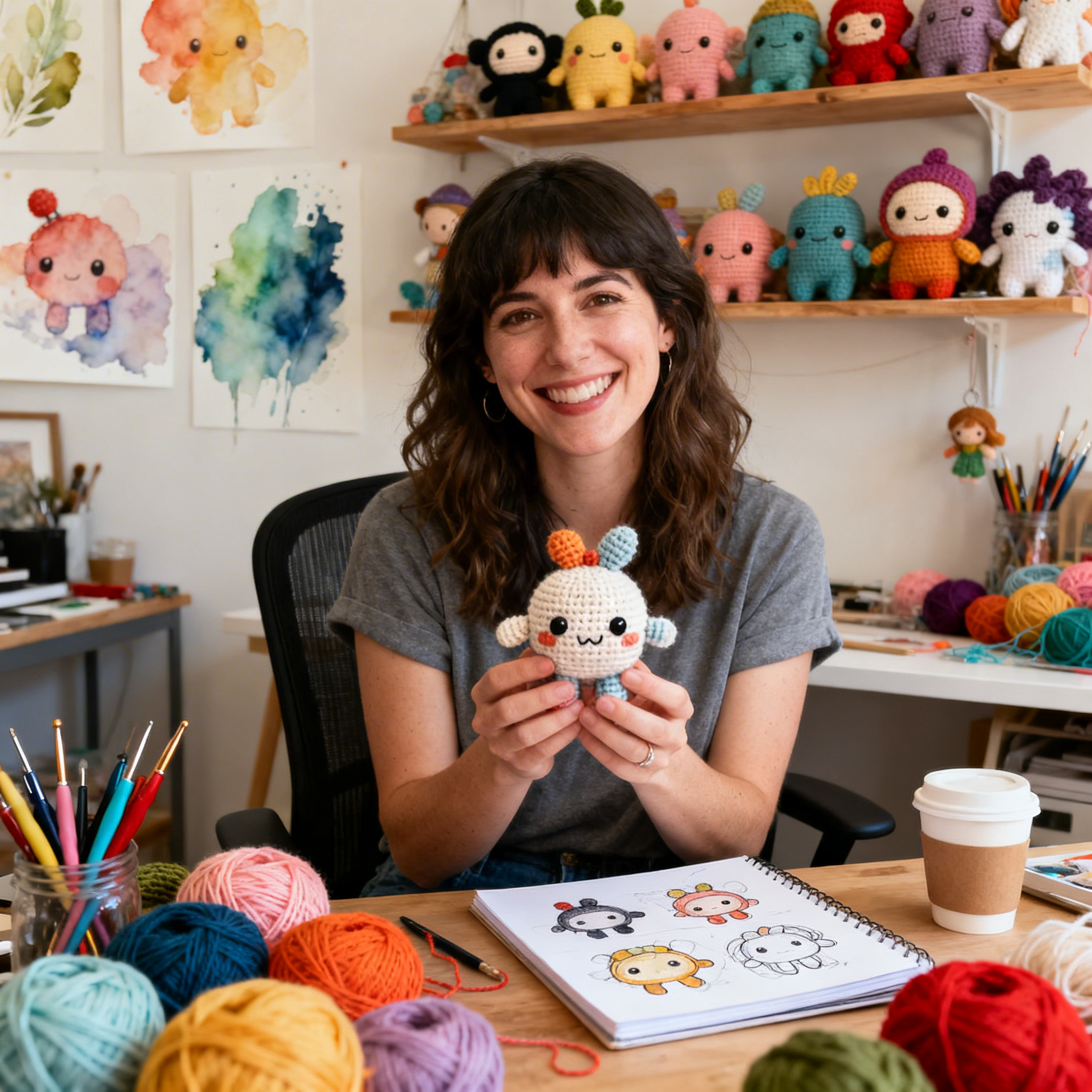
Clara Fern — Crochet Artist & Amigurumi Designer
Clara Fern is a crochet artist and amigurumi designer based in Austin, Texas. With 9 years of experience working with yarn and hook, she transformed a lifelong passion for handcraft into a creative mission: making amigurumi accessible, fun, and deeply rewarding for crafters of all levels.
Clara discovered amigurumi during a trip to Japan in 2017, where she fell in love with the art of bringing tiny characters to life through crochet. Back home in Texas, she spent years studying color theory, design principles, and advanced crochet techniques — developing her own signature style that blends kawaii aesthetics with original character design.
Through maclafersa.com, Clara shares everything she has learned — from choosing the right yarn and reading your first pattern, to designing fully original amigurumi characters from scratch. Her writing is known for being clear, detailed, and genuinely helpful, with no steps skipped and no secrets kept.
When she’s not crocheting, Clara enjoys watercolor painting, visiting local yarn shops, and drinking way too much coffee while sketching new character ideas.