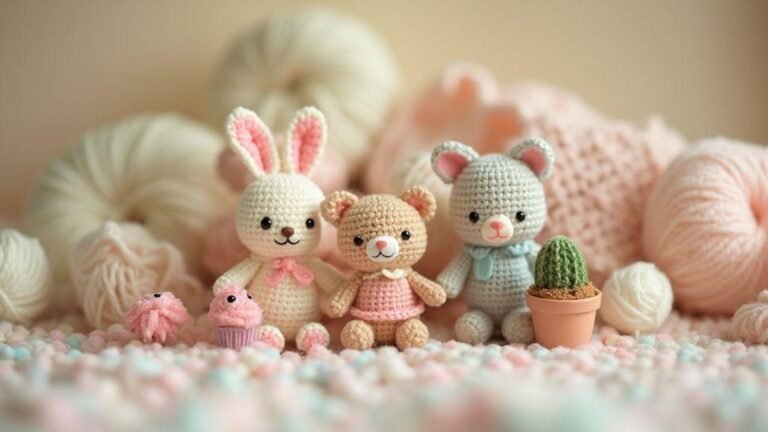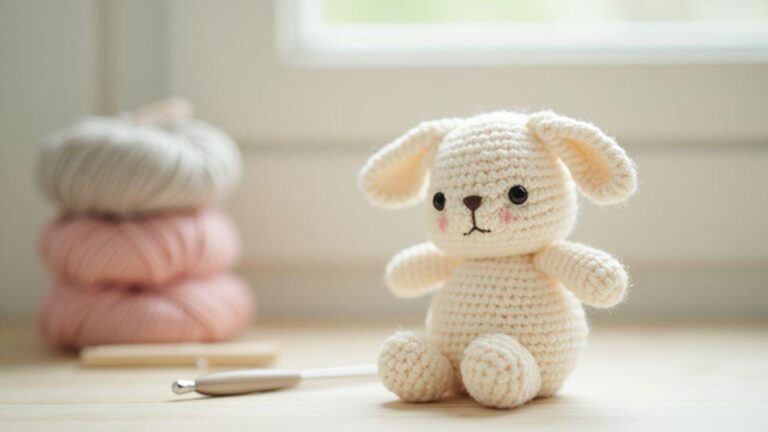
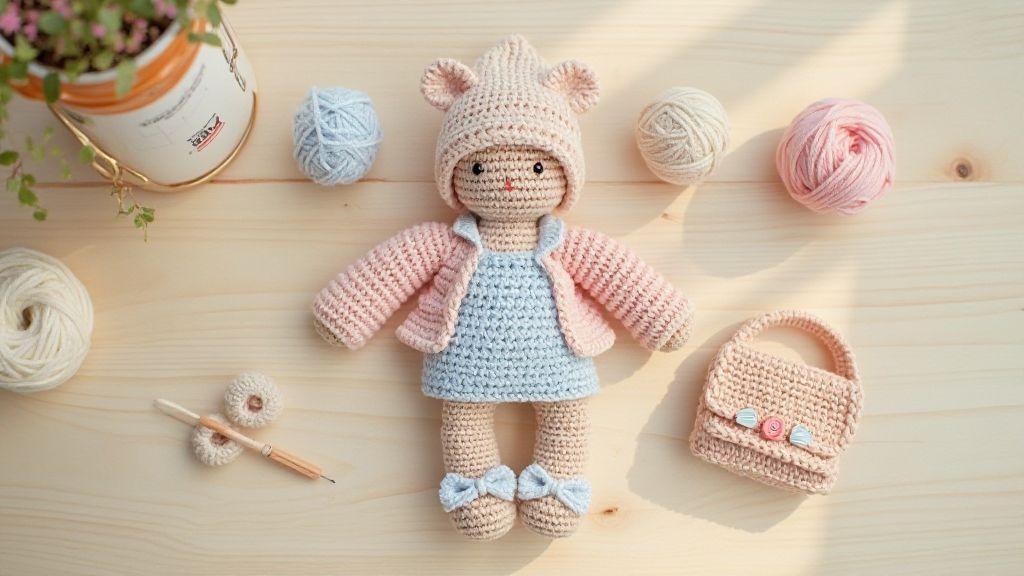
Crochet a Full Amigurumi Outfit: Clothes and Accessories Pattern
Pick yarn and hooks for amigurumi
You want your amigurumi to look neat and last long, so start with the right yarn and hook choices. Think of the yarn as the skin and color you’ll build on, and the hook as the tool that shapes every stitch. The yarn’s feel affects stitch consistency, and the hook size changes how tight your fabric becomes. For a soft toy, choose yarn that isn’t scratchy and a hook that lets you stitch evenly without straining your hands. When you pick your combination, plan for the project’s size and how you’ll pose or dress your doll. If you plan to crochet a Full Amigurumi Outfit: Clothes and Accessories Pattern later, a medium weight yarn with a small hook might help you keep scale and detail consistent.
Consider your project’s look first. For a smooth, tight fabric that hides gaps, choose yarn with good twist and a hook slightly smaller than the yarn’s recommended size. For a fuzzy or textured finish, you can go a touch looser, but balance so stitches don’t look sloppy. Don’t skimp on color variety—neutral shades for bases and bright accents for clothes help your amigurumi pop. If you’re unsure, start with a popular DK or worsted weight and a 2.0–3.0 mm hook range. You’ll gain a feel for how the yarn behaves in your hands, making future material choices quicker.
Read labels for fiber content and care instructions. Cotton gives a crisp stitch with good structure, while acrylic is forgiving and easy to wash. Acrylic blends are safe for beginners because they hold shape well after washing. Your goal is a sturdy figure that can handle a gentle wash and play. If you’re making clothing or accessories, choose fabrics that won’t snag yarn or stretch out of shape. Your final choice should support durable stitches and clean color transitions, especially for tiny outfits or accessories.
Choose yarn weight and fiber
Choose a yarn weight that matches your project’s scale, then pick a fiber that behaves well for amigurumi. For beginners, start with DK or worsted weight in a smooth acrylic or cotton blend. These fibers hold stitches firmly and wash well. For more advanced work, you might explore lighter lace weights or cotton for a crisp look. Consider how the fiber feels against skin and how easy it is to clean. If the amigurumi will be handled a lot, prioritize durable fibers and colorfast dyes.
Match your weight to your hook and gauge. If your fabric looks loose, switch to a smaller hook. If it’s too stiff, try a larger hook or a softer fiber. You want a fabric that stands up to play without gaps between stitches. If you’ll attach hair, clothes, or accessories, a steady base helps keep everything in place. Heavy yarn creates a sturdier toy; lighter yarn yields a more delicate look. Balance texture, durability, and color washability.
Match hook size to gauge
Gauge is your best friend for consistent size across pieces. Measure your stitches per inch and compare to your pattern. If your gauge is off, your amigurumi may be too small or too large for its clothing or accessories. Start with the hook size recommended by your yarn, then test a small swatch in your chosen stitch pattern. If your swatch has too many loose loops, tighten with a smaller hook. If it’s stiff, go up a hook size. The same rule applies to patterns with clothes to ensure proper fit. Aim for a snug, even fabric that holds its shape after stuffing and dressing.
Tip: keep a small notebook or marker to record hook sizes you used for different yarns. If you’re mixing yarns for hair or clothing, test the gauge with a few stitches of each yarn in the same row. The key is consistent tension across the whole figure so seams and joins stay neat. When in doubt, err on the side of a slightly smaller hook to maintain tight stitches.
Prepare needles, markers, and safety eyes
Get your tools ready before you start. Have a tapestry needle for weaving in ends, stitch markers to track rounds, and safety eyes if your design uses them. Place markers at key points, like the first stitch of every round, so you don’t lose track. If you’re concerned about small parts for kids or pets, consider embroidered eyes or felt features. Your setup should be organized and easy to reach so you stay in the flow.
Measure your doll for custom fit
When tailoring a doll outfit, accuracy matters. You want the clothes to feel snug but not tight. Measure your doll as if sizing a tiny friend, in a calm, well-lit spot. Use a soft fabric measuring tape, keeping it level and steady. Don’t pull tight; aim for true measurements. If unsure, pause and recheck.
Keep notes organized. Write every measurement in a clean spot and label what it represents. Clear records help you stay honest about fit when sharing progress or comparing outfits for the same doll. You’ll reuse these figures to create well-fitting outfits again and again.
Record head, chest, and limb measurements
Start with the head: measure around the widest part, just above the eyebrows. For the chest, measure around the torso at the fullest point, usually under the arms. If the doll wears a bulky item, measure over that layer so the garment fits over it.
Next, the limbs: measure the upper arm, thigh, and calf at their widest points. Don’t squeeze the tape tight; you want a relaxed measurement that reflects drape. Note each limb’s length from joint to end. If limbs are removable, measure from the joint closest to the torso to the tip for consistency.
Keep numbers neat and labeled with the doll’s name, date, and any quirks. These records become your quick reference when adjusting patterns or comparing outfits.
Convert measurements to stitch counts
Turn measurements into stitch counts using your gauge. Swatch in advance and find stitches per inch, then multiply inches by that number. For example, at 4 stitches per inch and a 4.5-inch chest, aim for about 18 stitches across. If a pattern uses stitch multiples, translate accordingly for shoulders, necklines, or armholes. Create a quick reference chart to consult while you crochet. When counts align with gauge, the fabric sits flat and seams stay neat.
Double-check with a tiny test row in the actual fabric. If it’s snug or loose, adjust the count slightly. Small early changes save headaches later.
Make a gauge swatch before you start
Crochet a small square in the same yarn, color, and hook you’ll use. Weave in a few rows and measure across. If you get fewer stitches per inch than expected, adjust the hook size until your gauge matches. Treat the swatch as a rehearsal: it shows how the fabric will behave and whether you’ll reach the desired size. When the swatch matches your planned counts, you’re ready to translate measurements to garment pieces confidently.
Create tops, dresses, and outerwear
You’ll learn to make wearable pieces that fit your crochet doll just right. Start with a simple silhouette—like a fitted top or a flared dress—and plan neckline and armhole shaping. Choose a light, stretchy yarn so clothes stay comfortable without stiffness. Gauge consistency is essential to keep tops, dresses, and outerwear neat on the figure you’re patterning for. Begin with clean, basic shapes you can build on, then add texture later.
Consider texture: switch to half-double or double crochet in alternating rows to create subtle stripes or ribbing. Add a simple edging around neckline or hem for a neat finish. Ensure openings are easy to slip on and off; avoid tight closures in early rows. If arms need more room, increase a stitch or two at side seams or underarm. Keep tension steady to prevent curling or stretching.
Test-fit as you go. Lay pieces on your doll to check length and width before seaming. Mark key spots for closures or decorative elements. The goal is a polished look that’s simple to crochet, with complex shapes saved for later projects. Building from a solid base helps tops, dresses, and outerwear look cohesive when you add accessories or a matching cardigan.
Follow crochet doll clothes pattern shapes
Follow pattern shapes that fit a doll’s proportions. Start with rectangles for simple cardigans or dresses, then shape side seams to mimic a tiny torso. A few increases or decreases at the waist or hip lines create a natural silhouette. If unsure, sketch a quick rough draft and compare with your doll as you go. This keeps the pattern honest and helps you spot trouble early.
As you gain confidence, move to more advanced shapes like shells, chevrons, or a fitted bodice. Use a favorite stitch motif and repeat it to keep the garment balanced. When joining pieces, add seam allowances and consider fastenings. Check your gauge and adjust to maintain consistent sizing across sections.
Finish with light pressing to smooth texture, then assess drape on the doll. If a section seems bulky, drop a row or switch to a lighter weight yarn. Patterns shapes are your backbone; they keep designs steady, clean, and interchangeable with other pattern parts.
Add closures like buttons or snaps
Add closures to keep outfits secure while remaining easy to dress. Buttons are classic; crochet tiny button tabs or sew on small buttons for flair. Snaps offer a hidden, quick-to-operate look. Align closures with matching loops or anchors so the garment stays closed as the doll moves.
Place closures at practical spots: center front for cardigans and dresses, or at the back of a cape. If using buttons, crochet extra loops or a small strap to secure the top edge. For snaps, keep halves aligned and evenly spaced. Reinforce the area around closures with extra rows or denser stitches so they endure repeated dressing. Test closures by dressing the doll several times to ensure smooth operation and proper drape. If needed, adjust placement or tension near the closure. With careful placement, closures stay durable and the garment keeps a polished look.
Shape pieces with increases and decreases
Shape pieces with increases and decreases to create a natural silhouette. Start with a rectangle and add increases at the bust or waist to widen, and decreases to taper. Mirror shaping on opposite sides to keep balance. For doll clothes, tiny adjustments matter—count stitches and mark reference points before you begin. When comfortable, add shaping at armholes or around the neckline to mimic real garment curves. A few well-placed increases can create a gentle A-line, while subtle decreases near the shoulders yield a more fitted look. If unsure, work in short rows or light increases to preview the drape.
Join pieces with clean seams and double-check symmetry. If something seems off, redo a few rounds or adjust the next section’s stitch count. Practice makes shaping precise, and your outfits will look store-bought.
Design hats, scarves, and shoes
Learn to design small, stylish crochet pieces that look polished. Start with a cohesive theme, then choose stitches and yarns that match. For hats, aim for a snug crown and gentle brim; for scarves, balanced width and length; for shoes, a tiny, secure fit with cute finishing touches. Use color blocks or subtle stripes to add personality without overpowering the set. Sketch a quick layout to visualize how hats, scarves, and shoes sit together as a mini collection.
Organize pattern choices to streamline the process. Choose dependable stitches—single crochet, half double crochet, and ribbing—to mix textures without tangling. Small cables or bobbles on a hat or scarf add interest, but keep base stitches simple for replication. Build a cohesive set where each piece complements the others, and keep color palettes tight and repeatable. Check fit often and adjust hook sizes or needle types to keep pieces soft, stretchy, and wearable.
Finally, test the looks in real life. Try on the hat, wrap the scarf, and slip on the shoes with light socks to confirm sizing. Note any looseness or stiffness and tweak in future repeats. Photograph your trio in a clean, natural setting to capture the vibe. Document patterns so you can recreate the look or share a clear, repeatable guide. Your goal is a charming, practical set that feels intentional and complete.
Use amigurumi hat and scarf pattern tips
Anchor the hat and scarf with a tight gauge so shapes hold their form. Use dense seams and reinforce edges with extra rounds in the brim or scarf ends. A simple lining in the hat adds warmth and structure. Embellish with tiny details or appliqués for cohesion with your amigurumi style.
Layer texture wisely by alternating smooth stitches with a raised stitch for character without bulk. Add small embellishments along the scarf to mirror the hat’s charm. Weave in tails neatly and choose finishing colors that pop subtly. Small, thoughtful details turn a simple hat and scarf into a signature set.
Plan for wear and care: choose soft, washable yarns and note washing instructions in your pattern. If you include a removable pom-pom, attach it securely. By the end, your amigurumi-inspired hat and scarf will feel playful yet polished, ideal for gifting or selling.
Work miniature crochet shoes pattern
Approach miniature shoes with a tight, snug stitch to keep them on. Start with a sturdy sole and build the sides with short rows or continuous rounds for a clean silhouette. Keep the opening elastic-like with a few ribbed stitches or a tiny drawstring so the shoes stay on without squeezing too hard. Add a front detail—like a tiny bow or contrasting toe cap—for character without bulk.
Finish with careful edging around the sole to hide rough edges and help shape retention. A contrasting lace or small strap can add charm, but keep it small to read as a delicate accent. Test fit on a small foot model to ensure proportions look right. Durable, easy-care yarns are ideal, and you can include a short care note if you plan to sell. With smart shaping and subtle details, your miniature crochet shoes will be charming, durable, and ready for display or play.
Scale trims and embroider details
Scale trims by matching yarn weight and hook size to the main fabric so everything sits evenly. Use a slim yarn for trim and a slightly smaller hook to keep it crisp without pulling the fabric. Plan embroidery on a flat swatch first, then transfer to the piece with a light transfer method. Embroider tiny motifs like stars or dots that echo the amigurumi theme without overpowering the main texture.
Embed details with care. Use French knots, satin stitches, or tiny backstitches for eyes, noses, or decorative stitches on hats, scarves, or shoes. Keep colors coordinated to complement the base yarn. Gentle blocking helps even edges and sets stitches so finishes stay neat over time.
Document the process for consistency. Write down stitch counts, colors, and placements so you can replicate trims on future pieces. A precise detailing plan makes your work look professional and keeps amigurumi outfits cohesive.
Assemble, seam, and finish your pieces
Bring all pieces together with sturdy seams and clean finishes. Lay pieces in pattern order and check that stitches sit evenly on both sides. Use a comfortable needle and smooth-moving yarn. Some fabrics need a firmer seam; others benefit from a gentler pass to avoid puckering. Take your time—the way you assemble now sets the stage for fit and look later.
Keep tension even and edges aligned. If a shift occurs, realign before continuing. When a seam finishes, press lightly with a dry iron or gentle steam. Ensure seams lie inside the fabric and don’t show on the outside. Replace weak stitches and reinforce high-stress corners. A neat finish makes your final piece look professional and stronger.
Finish edges with careful trimming and secure knots. Clip threads close so they don’t poke through. Weave ends into the fabric so they disappear. If making a garment, slip-stitch the inside hem to prevent rolling. For amigurumi, weave in every end for a durable toy. Neat edges and secure ends are the backbone of a polished project.
Use mattress stitch and whipstitch seams
Mattress stitch creates a seamless outside appearance. Pick up a stitch from each edge to form a hidden seam that stays flat and neat. If you see a gap, adjust the next few stitches like placing puzzle pieces.
Whipstitch seams are your go-to for secure yet flexible joins. Work from the inside, catching only a few fibers so the outside edge stays tidy. After finishing, snug the seam and hide the tail with a couple of forward stitches. This seam is great for closing openings on amigurumi or garments.
Hide tails and weave in ends neatly
Leave no tails to poke through. Clip and tuck tails inside the stitch pattern. Weave ends in straight lines or along the fabric texture to hide them. For rib textures, weave into the rib so ends blend in. Consistent weaving keeps your finish clean and durable.
Block and press small pieces for fit
Blocking helps pieces line up perfectly before assembly. Wet or steam-block to set shape, then lay flat to dry with pins if needed. A properly blocked piece sits well during stitching, reducing puckers and misalignment. Check your pattern’s guidance for humid or dry blocks. When dry, you’ll see how well pieces fit together and gain confidence in the final assembly.
Write and format PDF crochet amigurumi patterns
Craft PDFs that are easy to read and follow. Start with a clean title, a short overview, and a clear supplies list. Organize steps with numbered bullets and bold key actions. Use consistent headings, margins, and a simple color scheme to keep readers focused. Include a quick checklist at the end for stitch counts, gauge, and photos. Save as a printable PDF that you can share with others who love to Crochet a Full Amigurumi Outfit: Clothes and Accessories Pattern. Your goal is a pattern that beginners can follow.
Include a short glossary of stitches and abbreviations. Bold the stitches you use most and put special techniques in their own section. Make it easy to print and reference while crocheting. For intermediate and advanced patterns, note substitutions (like yarn weight or hook changes) and how they affect size. Keep the layout tidy so readers can scan for steps, gauges, and measurements quickly.
Embed photos and schematics that clearly show the final amigurumi, the outfit pieces, and tricky assembly. Label captions clearly and bold them to guide readers. Use simple schematics for where each piece fits. Keep image sizes reasonable and use vector-based schematics for clean edges. Add a legend for stitches and colors. End with a recap and a reminder to save the file as a final PDF.
Create step by step amigurumi outfit instructions
Write step-by-step outfit instructions that pair with the main amigurumi body. Start with the body size and proportions, then break the outfit into parts: hat, top, bottom, shoes, and accessories. For each part, provide a clear sequence: pick up stitches, shape, seam, and final fit. Use short, direct sentences and bold key actions. When you reach tricky bits—like shaping sleeves or a tiny waistband—add a quick tip in parentheses. Include gauge guidance and note how yarn weight changes affect fit. Weave in the exact phrase Crochet a Full Amigurumi Outfit: Clothes and Accessories Pattern naturally, so readers see it as a complete project.
As you guide each piece, include a quick check after finishing that part: Measure the piece against the body where it fits. Finish with finishing touches like tiny buttons, ribbons, or appliqués that suit the small scale. When the last piece is complete, show how to try the outfit on the amigurumi and adjust if needed. Keep a light, practical tone that’s precise for intermediate crafters.
Offer customizable amigurumi clothing sizes
Present size customization in two methods: by height and by girth. Start with a simple size range (e.g., small, medium, large) and show how to derive measurements from the body pattern. Give math-friendly tips: multiply gauge stitches by inches to get stitch counts, and explain how to adjust sleeves and openings without distorting proportions. Bold the key numbers like gauge and finished measurements so readers can skim.
Show examples: a base pattern for a standard doll height, with adjustments for 2 cm or -1 cm. Explain how to rework stitch counts for each size, always tying back to the silhouette. Remind readers to re-check fit on the amigurumi as they go, since small changes in yarn thickness can throw off the outfit. This approach gives readers confidence to Crochet a Full Amigurumi Outfit: Clothes and Accessories Pattern in multiple sizes.
Save clear PDFs with photos and schematics
Save PDFs with well-labeled photos and simple schematics. Place the main photo of the completed outfit at the top, followed by close-ups of key details (seams, edges, fastenings). Include a basic schematic mapping where each piece goes on the body. Label images clearly and bold captions for quick reference. Ensure captions use practical terms like waistband seam or sleeve cap. The schematic should be a tiny map beginners can follow as they assemble each part.
Keep file sizes reasonable by image compression and vector schematics for clean edges. Add a small legend for stitches and colors used in the photos so someone can recreate the exact look. Finish with a quick recap that points back to the pattern steps and a reminder to save the file as a final PDF. This helps you preserve a crisp, professional document you can share as you Crochet a Full Amigurumi Outfit: Clothes and Accessories Pattern.
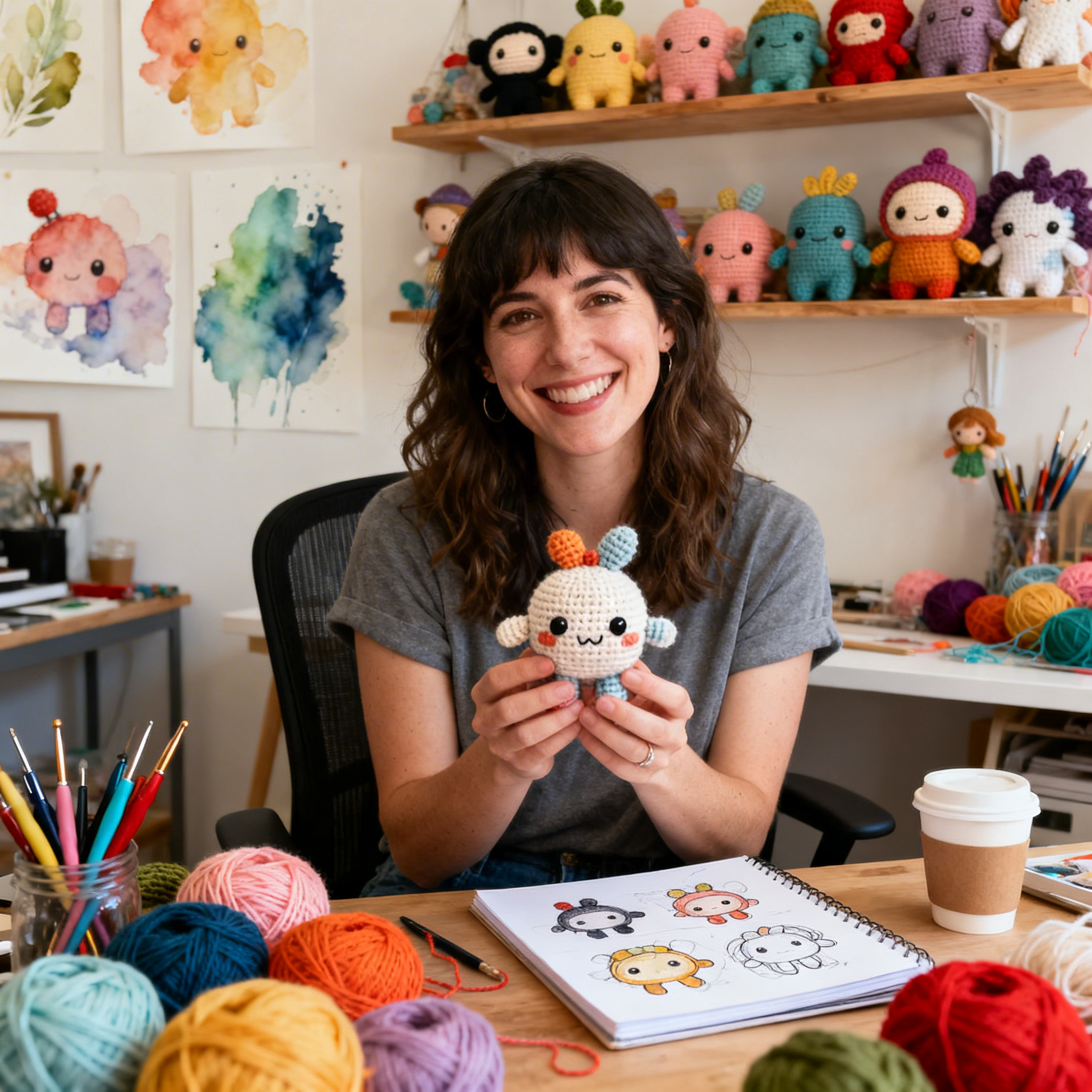
Clara Fern — Crochet Artist & Amigurumi Designer
Clara Fern is a crochet artist and amigurumi designer based in Austin, Texas. With 9 years of experience working with yarn and hook, she transformed a lifelong passion for handcraft into a creative mission: making amigurumi accessible, fun, and deeply rewarding for crafters of all levels.
Clara discovered amigurumi during a trip to Japan in 2017, where she fell in love with the art of bringing tiny characters to life through crochet. Back home in Texas, she spent years studying color theory, design principles, and advanced crochet techniques — developing her own signature style that blends kawaii aesthetics with original character design.
Through maclafersa.com, Clara shares everything she has learned — from choosing the right yarn and reading your first pattern, to designing fully original amigurumi characters from scratch. Her writing is known for being clear, detailed, and genuinely helpful, with no steps skipped and no secrets kept.
When she’s not crocheting, Clara enjoys watercolor painting, visiting local yarn shops, and drinking way too much coffee while sketching new character ideas.