How to Use Pins to Plan Placement Before Final Assembly
How to Use Pins to Plan Placement Before Final Assembly
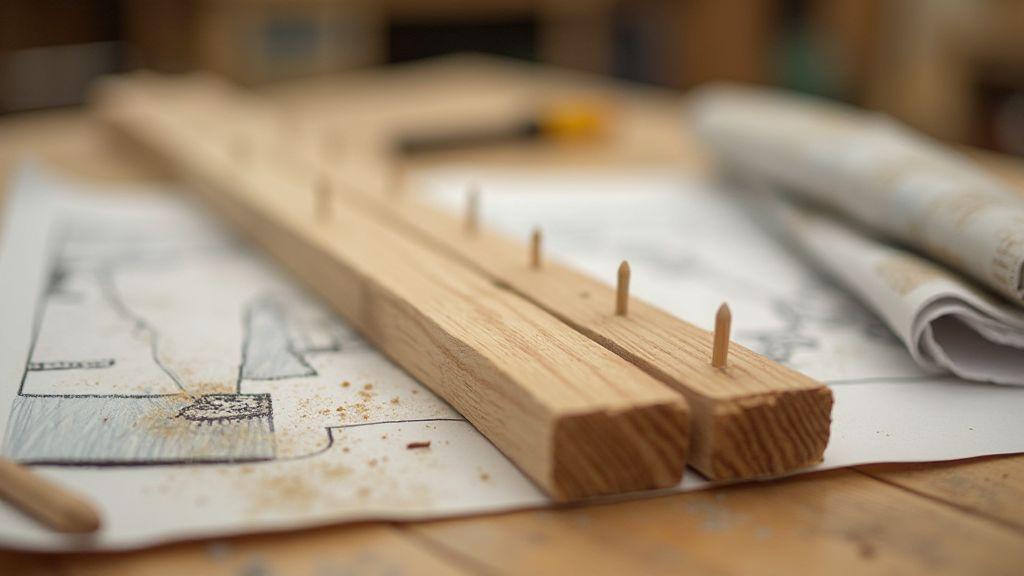
You’ll get clearer results when you map things out first. By using pins to plan placement before final assembly, you can test fit and balance on the work surface and save time, reduce mistakes, and communicate your plan clearly. Think of pins as a lightweight, movable blueprint that helps you test layout in real life before committing to permanent fasteners.
Mark rough positions on your material sheet as a guide, noting ends, centers, and key reference points. Create a visual map to compare with actual parts, refining as you go. Your hands‑on notes become a quick reference for the final build, keeping you aligned with your design intent.
As you gain confidence, refine the plan with greater precision. Pins help double‑check clearances, alignment, and overall proportion, so you feel comfortable with the layout before you fasten anything permanently. This approach minimizes surprises later.
Mark reference lines
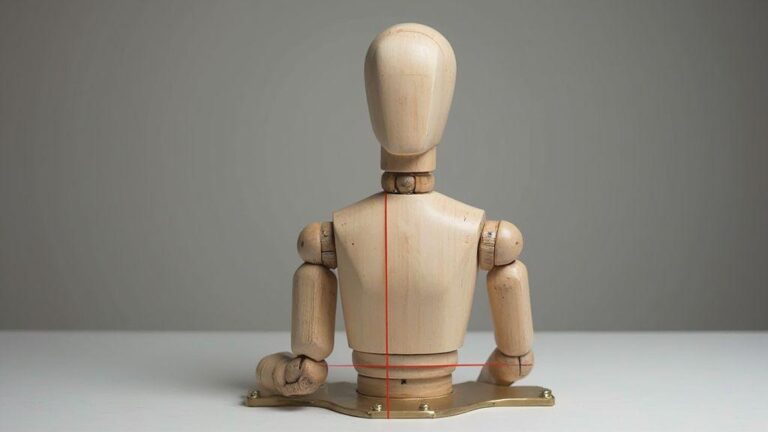
Begin by marking clear, persistent reference lines that won’t be erased. Use pencil or chalk to draw lines showing edge placement and piece alignment. Keep lines concise—centerlines, seam lines, or bottom edges. When you place a pin, it should sit on or beside the line to confirm the spot. If a line clashes with a feature, tweak it until the pin sits perfectly aligned. These lines are guide rails, not final marks.
Next, mark small pockets or notches to hold components in place during final fitting. These checkpoints help verify each part will sit where expected and prevent drift from planning to assembly. Keep references simple and persistent for a clean, reliable guide.
Compare reference lines to your actual parts. If a line interferes with a feature, adjust the line or pin position so every piece belongs in its tested spot. This reduces guesswork and keeps your project sharp.
Choose pin locations
Choose pin locations that are minimally invasive to the final look and provide strong hold. Place pins near corners or along straight edges where removal is easy and the risk of splitting is low. For delicate surfaces, use small, shallow pins or masking to protect the finish. Pins should guide placement without leaving noticeable marks after screws or glue.
Consider final assembly: will a pin block a seam or interfere with a hinge or fastener? If so, relocate it to a spot that stays accessible and clean. Look for locations that offer stable hold during mock‑up while still allowing easy pin removal when you’re ready to fasten. If you’ll tweak the layout later, choose removable or reusable markers to preserve the surface.
Pre‑assembly checklist
Before moving from planning to assembly, run a simple checklist to lock in your plan. Confirm all reference lines are visible and aligned. Ensure pins are at the chosen locations and removable without harming the surface. Dry‑fit the parts with pins in place to recheck clearances and fit. If anything looks off, adjust pins and lines before cutting or fastening. Then take a final look at balance, symmetry, and function—verify hinges, edges, and any hardware routing for interference. A tight checklist helps your final assembly go smoothly and look professional.
Pin placement techniques for assembly planning
Pin placement is your roadmap for a smooth build. Start with a simple layout that shows each pin’s position relative to moving parts. This reduces backtracking and material waste and supports a clean transition from dry run to final build.
Set clear goals for the pin pattern: are the pins only for alignment, or do they guide fasteners or carry load? Plot a grid or staggered pattern to keep pieces square and avoid interference with moving parts. Test‑fit with dummy pins to spot clashes early and adjust before you drill or nail for real. Document pin positions, sizes, and tolerances so the plan is reproducible.
Pin spacing rules
A reliable spacing rule keeps parts aligned from draft to final assembly. Start with a base distance that suits your material’s thickness and grain, then adjust for clearance. Use even spacing for consistency unless a joint requires irregular spacing for movement or stress distribution. When test‑fitting, measure twice and drill once. Consider expansion and contraction in your design; some projects need a bit more space, others less. Note any exceptions clearly in your plan for future reference.
Use alignment pins for layout
Alignment pins act as built‑in guide rails to lock parts into exact positions. Drill alignment holes in the same locations on all parts that must line up, creating a common reference that speeds assembly and improves repeatability. Use a snug fit—tight enough to hold during handling but not so tight that parts won’t slide when needed. Start with a small pilot hole to prevent splitting, and verify tolerances against the finish. Keep alignment pins consistent across assemblies that share the same design to speed production and reduce misalignment.
Tool and pin types
Choose pins and tools that fit the job. For most woodworking layouts, straight or dowel pins in a wood‑friendly size work well. For metal or high‑stress parts, consider hardened alignment pins and appropriate bushings. Mark centers with a center punch before drilling, and use calipers or a ruler to check tolerances. If assembling solo, use self‑centering guides or jigs; for teams, color‑coded or labeled pins help everyone follow the same plan.
Temporary pinning for dry fit assembly
Temporary pins hold pieces in place to test fit without committing to glue or screws. They let you see how parts align and where gaps might appear. Pins should be easy to remove and not mar surfaces—enough hold to test, but not so tight you can’t adjust. Use this stage to identify misalignments and note them for refinement.
Dry‑fit steps with pins
Position pieces on a bench and align major edges. Start with pins at strong, least visible spots. Lightly tap pins in so they hold but remain removable. Check lines along edges for straight, uninterrupted runs with minimal gaps.
Test the assembly from multiple angles, looking for gaps or twists. If a joint shows uneven behavior, adjust and reseat pins to recheck. The goal is a snug, even look around the whole assembly.
Run a quick functional check by simulating movement. If anything binds, recheck alignment and plan.
Check joint gaps and fit
Inspect every joint for consistent gaps that are easy to fill with glue. Edges should align squarely; use a straightedge or square to verify true alignment across large surfaces. If you see daylight or a misfit, mark it and adjust before gluing. Small deviations can be corrected with subtle re‑pinning; don’t rush—small fixes now save headaches later.
Adjust before final glue
Before applying glue, recheck joints and remove any pins that could interfere with the glue line. Rework any marginal gaps until you’re satisfied. Document which joints needed shims or pressure to close up for future projects.
Set datum points and centerlines
Choose a datum point as your zero reference, clearly marked and drift‑proofed. Centerlines run across parts to keep geometry honest as you add pieces. Use the Datum as an anchor to transfer offsets and maintain symmetry. After positioning, recheck marks to prevent shifting during the project.
Use pin jig setup for pre‑assembly planning
A pin jig speeds planning and protects accuracy. Position the jig, drop in pins to lock down critical locations, and test fit multiple configurations quickly. Use the jig to illuminate problem spots early, move parts, re‑pin, and compare outcomes side by side. Keep the jig clean and labeled for reproducibility on future projects.
Lock parts for layout
Lock in the layout by clamping or taping pieces once the spot is right. This helps you verify alignment from multiple angles and ensures the frame sits flat, reducing surprises at final assembly.
Strategic pinning methods for accurate placement
You’ll line up faster with a simple pinning plan. Start with a dry fit to determine pin positions, then adjust for clean edge meets. Use consistent spacing, depth, and orientation across parts for a smooth final build. Create a checklist: align, clamp, pin, verify. For example, pin near the center of a joint first, then add a second pin toward the end to lock alignment without warping.
Practice consistent technique: hold parts firmly, drill at a steady pace, and keep your work true to avoid drift. If one pin sits high, fix it before moving on. A disciplined order of pinning keeps the project clean and repeatable.
Pin order and sequence
Begin with the most critical joints, then add secondary pins to lock alignment without forcing parts out of parallel. Pin long edges before short ones if that suits the design, and use a consistent spacing pattern (e.g., every 6–8 inches on long joints) to build a stable frame. Leave one or two holdback pins to permit adjustments without restarting the layout.
Pinning parts to check fit before final assembly
Pin just enough to hold parts for a fit test, identifying high spots or misaligned edges without committing to final pins. Start with sensitive joints, re‑align and re‑pin as needed, and ensure scale and orientation are correct before final assembly.
Accuracy checks and measures
Take precise measurements at key joints, note tolerances, and verify pin hole alignment. Record deviations and adjust before proceeding. End with a visual check of uniform gaps and straight lines; recheck with calipers or a square if necessary.
Dry fitting with pins tips and best practices
Dry fitting is a test run before glue or fasteners. Use clean, dry parts on a flat surface. Consider grain direction and warping; if something won’t sit flat, re‑evaluate pin placement, hole size, or orientation. Mark reference edges and pin lines to guide final drilling. For wood, brass pins reduce friction with hardwoods; for metal, ensure holes are clean and fit remains precise.
Take a final look at balance and flatness before locking in the plan. Document changes to reproduce the result later. Dry fitting saves time and material by preventing misfits.
Alignment pin tips for woodworking and metalwork
Wood: pins should resist bending but not split stock. Start with pilot holes smaller than the pin diameter for a clean bite. Metal: precision matters more; use center punches and sharp drills to avoid runout. Use staggered patterns (triangles or similar) to prevent rotation and skew. Keep holes clean and free of debris.
Pin finishes matter too: a chamfer on the pin helps insertion, and a slightly eccentric pin can accommodate tiny misalignments when understood in the overall layout. Always ensure pins won’t interfere with mating surfaces or fasteners.
Pre‑assembly pin layout checklist
Before fastening, confirm reference edges are visible and pins match the mating piece alignment. Verify hole size and pin diameter for a secure but removable fit. Check grain, warp risk, and moisture or temperature effects that could shift once clamped. Ensure clamps or jigs have a clear path during final assembly. Do a dry run of the full sequence, note sticking points, adjust hole positions or pin lengths, and keep a final pin map with project notes to reproduce the layout precisely.
Ask yourself if the layout can fit squarely without forcing anything. If not, rethink alignment plans for a smooth, repeatable process.
Safe pin handling
Maintain a tidy workspace and organize pins by size and material. Wear safety glasses when working with metal, clamp the workpiece securely to prevent shifting, and store used pins separately from new ones. Use a clean, dry tool for insertion; don’t force tight pins. If a pin feels tight, back it out and inspect the hole for burrs. Do not reuse damaged pins. Handling pins with care preserves accuracy and keeps the project moving forward.

Clara Fern — Crochet Artist & Amigurumi Designer
Clara Fern is a crochet artist and amigurumi designer based in Austin, Texas. With 9 years of experience working with yarn and hook, she transformed a lifelong passion for handcraft into a creative mission: making amigurumi accessible, fun, and deeply rewarding for crafters of all levels.
Clara discovered amigurumi during a trip to Japan in 2017, where she fell in love with the art of bringing tiny characters to life through crochet. Back home in Texas, she spent years studying color theory, design principles, and advanced crochet techniques — developing her own signature style that blends kawaii aesthetics with original character design.
Through maclafersa.com, Clara shares everything she has learned — from choosing the right yarn and reading your first pattern, to designing fully original amigurumi characters from scratch. Her writing is known for being clear, detailed, and genuinely helpful, with no steps skipped and no secrets kept.
When she’s not crocheting, Clara enjoys watercolor painting, visiting local yarn shops, and drinking way too much coffee while sketching new character ideas.