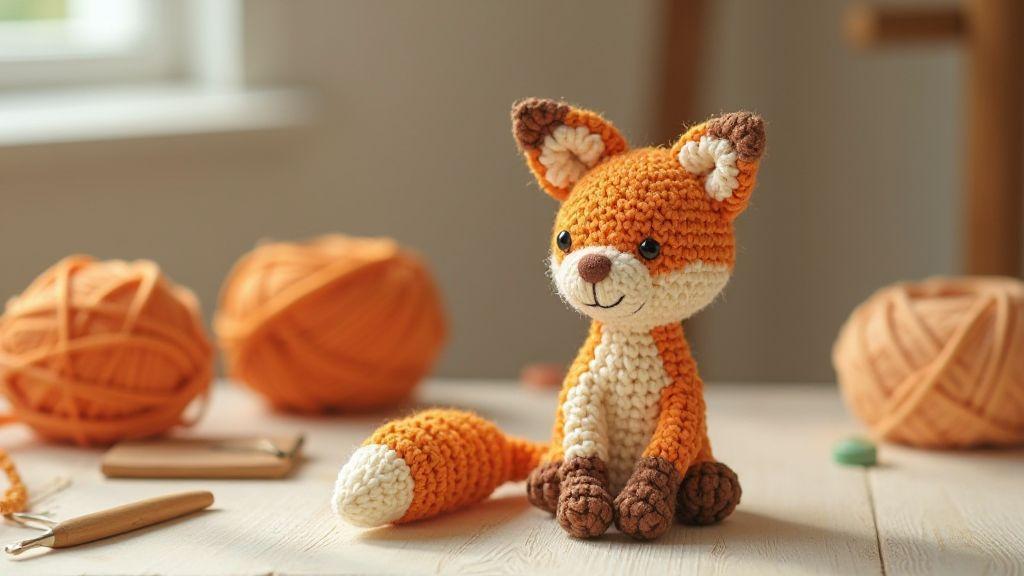
Intermediate Amigurumi Fox Pattern with Detailed Shaping Techniques
Why choose an Intermediate Amigurumi Fox Pattern
You’re ready to level up, and this pattern is your doorway. The Intermediate Amigurumi Fox Pattern with Detailed Shaping Techniques offers a perfect balance of challenge and reward. It lets you push your skills without feeling overwhelmed, thanks to a forgiving fox shape with clear milestones. With each round you’ll see progress in texture, seam placement, and details like ears and a fluffy tail. This is a real project you can finish with confidence and pride.
This pattern helps you practice steady increases, careful color changes, and precise shaping that makes the fox feel alive, not blocky. You’ll learn to read shaping guides, pin pieces neatly before sewing, and use simple reinforcing stitches to keep limbs solid. The fox’s face is where your technique shines, so you’ll master eye placement, muzzle shaping, and how to create a curious, friendly look. By the end, you’ll have a completed fox that sits naturally on a shelf or makes a thoughtful gift.
Choosing this intermediate route means you’re investing in reusable skills. The techniques you learn here build a strong foundation for future projects, from other animals to more complex characters. You’ll walk away with a toolkit: precise increases, better colorwork, and cleaner joins, making your next project faster and more enjoyable because you’ve already done the hard parts once.
What skills you’ll gain
You’ll gain practical, repeatable skills: pattern reading, tension control, and even stitch density across larger pieces. You’ll master shaping techniques that yield a lifelike silhouette, careful embroidery for eyes and nose, and secure ear placement. You’ll refine joining methods to hide seams and keep the finish seamless.
This pattern also hones color handling and fade techniques. You’ll learn when to switch yarns, how to carry colors without tangling, and how to avoid visible floats. Finishing touches—framing the muzzle, adding a soft tail, and achieving the right firmness—result in a polished piece you’ll be proud to display or gift. The Intermediate Amigurumi Fox Pattern with Detailed Shaping Techniques helps you achieve a professional, cuddly result.
When this pattern fits your level
If you’ve completed a few amigurumi projects and can read a pattern without getting tangled in terms like invisible join or magic ring, you’re in the right zone. This pattern expects you to manage more complex shaping and color changes with steady tension. If your last project felt smooth but left you wanting more detail, you’re the target. You’ll move from basic spheres to a defined fox form with a charming face.
If you’re comfortable with basic increases, decreases, and a couple of color transitions, you’ll progress quickly through the early sections. The later parts demand patience, with careful ear shaping and tail fluff, but those moments showcase your growth. Each milestone—the muzzle, the expressive face, cleaner seams—will feel tangible.
Quick shaping wins
Focus on three fast wins to boost confidence:
- Keep a consistent tension to avoid gaps or puckered seams.
- Pin pieces thoroughly before sewing to save time later.
- Practice a small, tight single crochet around the muzzle to define it without crowding the eyes.
These small tweaks dramatically elevate the final look and keep you motivated as you progress.
Essential tools for intermediate amigurumi fox pattern shaping
You’re aiming for a fox that looks alive, not flat. The right tools matter when shaping an Intermediate Amigurumi Fox Pattern with Detailed Shaping Techniques. Start with a tidy workspace, familiar hooks, and steady hands. Think of tools as partners in crafting a character: helping you pin, smooth, and sculpt with confidence. A small container of organized supplies saves time when you’re mid-ear shaping.
Grip matters as much as the tool. A comfortable crochet hook gives you better control over tight stitches and fine shaping. A light, wooden hook helps you feel the stitch, while a cushioned handle reduces hand fatigue. For felting or texture after stitching, a blunt-tipped needle or seam ripper can fix mistakes without tearing the work. If you’re counting stitches, a stitch marker is essential to avoid losing place during shaping rounds.
Stock up on quality compact scissors, a sharp tapestry needle, and a fine tape measure. For expressive features, safety pins or small stitch pins help hold pieces before sewing. A magnetic pin cushion keeps needles tidy, letting you focus on shaping challenges ahead. With these tools ready, you’ll feel confident steering the project.
Hooks, yarn weight, and needles
Choosing the right hook, yarn weight, and needles sets your fox on the best track for smooth shaping. A hook that matches your yarn weight yields cleaner stitches and more precise curves, especially around the snout and ears. For bulky yarns, use a larger hook to avoid stiff shaping; for lighter yarns, a smaller hook maintains a firm fabric that holds form.
Knitting needles can help block and flatten small shaping areas, such as cheeks or brow ridges, to preserve curves. An interchangeable needle set assists with quick size changes when shading with multiple yarns. Remember: consistent tension matters more than exact stitch counts, especially when refining shaping lines along ears and muzzle.
A well-matched hook and yarn weight makes the fox’s silhouette deliberate. If a section looks too rounded or too sharp, tweak the needle size slightly and test a swatch. Trust your hands to tell you when the fit feels right.
Safety eyes, stuffing, and pins
Safety eyes add instant character, but place them carefully for balance. Measure from the center of the face and test alignment with pins before committing. Fabric eyes or embroidered features are good substitutes for a softer look, but safety eyes give a crisp, professional finish. Keep spare eyes on hand for quick swaps if a spot is off.
Stuffing determines the fox’s sit and feel. Use medium-firm stuffing to hold shaping without creating rigid bumps. Add stuffing gradually, especially around cheeks and muzzle, to preserve curves. When attaching limbs and the tail, use a light hand with stuffing to keep proportions.
Pins are your steady crew during assembly. They help align ears, muzzle, and limbs while you sew. A magnetic pin cushion helps keep pins tidy and ready for the next shaping step.
Gauge and hook size guide
Gauge matters: if it’s off, shaping skews. Check your gauge with a swatch before starting. A firm gauge helps facial features stay in place and ears hold angles. If your swatch is looser than the pattern, switch to a smaller hook; if tighter, move to a larger one. The goal is to keep a fabric dense enough to hold curves but flexible enough to shape.
Hook size should align with yarn weight and your tension. Default to the pattern’s suggestion, then adjust in small increments after testing a few rounds. This ensures the Intermediate Amigurumi Fox Pattern with Detailed Shaping Techniques lands with proper volume, dimension, and life.
Master amigurumi increases and decreases techniques
You’ll master shaping with careful increases and decreases. Treat stitches as tiny building blocks telling a yarn story. Adding stitches widens the piece; removing them contours and shapes. The aim is a smooth, even fabric so the amigurumi looks polished rather than lumpy. Practice on a simple sphere first, then apply the same principles to the fox.
Balance speed with precision. Rushing causes skipped stitches and uneven curves. If the project feels tight, pause and check tension. If loose, tighten slightly. Shaping is a dialogue between hands and yarn, rewarding mindful repetition. Keep notes on increases and decreases to guide future patterns.
When to use invisible decreases
Invisible decreases are your secret weapon for clean surfaces. Use them where shaping should disappear into the fabric, such as faces, tails, and other features where seams would break the line. Start on a flat swatch to learn the technique, then apply to curved shapes. With practice, invisible decreases save time and improve the look of ears and tiny limbs.
Consistent increases for smooth shaping
Consistent increases create predictable curves. Space increases evenly around the next round to keep the shape centered and proportional. Use stitch markers to track where increases occur. If the piece skews, slow down, re-check counts, and adjust spacing. Note the fabric’s feel—if it’s stiff or bumpy, loosen your grip a bit and place increases between core stitches for a smoother finish.
Stitch count tracking
Keep a simple tally of stitch counts after each round. A notebook or sticky note nearby helps you spot mistakes early and adjust shaping as needed. Consistent tracking keeps the pattern faithful and the end result tidy.
Crochet fox head shaping step-by-step
You’ll follow a clear, hands-on approach: shape the skull, form the snout, and tune the curves. This is where the Intermediate Amigurumi Fox Pattern with Detailed Shaping Techniques guides your hands as you turn simple stitches into a recognizable face.
Building a rounded skull and snout
Create a rounded skull that sits securely on the neck, then extend the muzzle with a few extra rounds and taper toward the nose. Balance length and width for a natural look. If stitches feel loose, tighten tension slightly. Blend skull and snout with careful joins for a confident profile.
Adding facial curves with short rows
Use short rows to carve cheek contour, brow arcs, and under-eye shading. Adjust curves if they feel sharp or flat, keeping features soft and natural. When finished, you’ll place eyes with confidence.
Positioning safety eyes
Measure from head center to each eye for even placement. If alignment shifts after attaching, nudge gently with a crochet hook and resecure. Once satisfied, secure the backs and proceed.
Shaping ears, paws, tail amigurumi with precision
Shape each part with care for lifelike results. Plan the scale of ears, paws, and tail in relation to the head, and test early to avoid rework. A tiny sampler of the ear base helps you judge height and tilt. If ears misbehave, adjust base stitches and keep silhouettes clean and even.
Assemble with care to preserve shaping. Use small, tight whip stitches that hide in the seams. If stuffing causes an area to look off, tweak density or reshape with a crochet hook. This patience yields a polished fox from every angle.
Making pointed fox ears that stand
Secure the base where ears join the head for firmness. Keep increases even to maintain a sharp point. If one ear flops, compare tension and adjust the final rounds to match. Consider inner ear color details and minimal stuffing. For extra stand, a hidden core can be added if the pattern allows it.
Sculpting paws and the tapered tail
Paws should be compact with a subtle toe taper. A tiny seam at the bottom helps ground them. The tail should taper smoothly from base to tip; balance its length with the head for a natural look. Use a tail gauge swatch if needed.
Attaching tail securely
Anchor the tail base with multiple tight passes and neat stitches. Reinforce with glue or extra stitches if the toy will be played with, ensuring the pose remains natural.
Achieve seamless shaping amigurumi fox joins
Plan joins around natural fur lines and use slip stitch or mattress stitch to pull fibers snugly without distorting shape. Keep tension even and test symmetry from all angles. If you see gaps, close them with a final pass of single crochet or a whip stitch.
Join techniques for invisible seams
Choose joins that breathe life into the silhouette. Practice on scraps to learn how a tiny tug changes outcomes. Place major joins along natural lines and stitch along dense ridges to hide seams. The result should read as continuous, as if the fox grew together rather than being sewn.
Use continuous rounds for smooth curves
Work in continuous rounds to avoid sharp corners at joins. Practice on circles first, then apply to ears, muzzle, and tail. Maintain a steady rhythm and careful counting for balanced curves.
Avoiding gaps at joins
Pin edges while sewing and tighten stitches before finishing. If a small gap appears, fill with a tiny amount of yarn and secure. Small, deliberate motions keep the fox neat and seams hidden.
Stuffed animal crochet shaping techniques for even form
Shaping is the heartbeat of a good amigurumi. Focus on molding each piece as you work to prevent lumps and maintain symmetry. Apply increases, decreases, and subtle contouring to achieve a natural pose. Start with simple shapes to build confidence, then apply the same principles to the Intermediate Amigurumi Fox Pattern with Detailed Shaping Techniques.
Gradually adjust as you go to avoid heavy stuffing later. Map where curves should be rounded and where a flat base works best. With deliberate shaping, your stuffed animal will hold its form through play and display.
Stuffing methods to hold 3D shape
Stuff in stages to control firmness, especially in the head and snout. Use stuffing with a touch of resilience—soft enough to compress but firm enough to hold shape. Double-check symmetry as you go, using pins to hold positions during assembly.
Tools to help you stuff small parts
Use a blunt tool to push stuffing into ears, paws, and tails without poking through stitches. Tweezers help reach tight spaces. A small scoop assists with measuring stuffing. Keep releasing pins or stitch markers handy to hold positions as you work.
Firmness levels for parts
Ears and noses are usually firmer to hold shape; cheeks and tails can be softer for a cuddly feel. Test as you go to balance the fox’s features and overall posture.
Fix common shaping errors in intermediate crochet fox pattern shaping
Shaping mistakes often come from stitch counts or how you increase/decrease. Start by counting stitches at the end of each row and comparing to the target. If counts drift, re-check last few rows and adjust tension. Symmetry is key—compare both sides and rework if needed.
Blocking and reshaping tips
Blocking tightens and refines shaping. Lightly dampen and pin the fox to its final shape, then allow it to dry fully. Re-pin and reshape as needed for roundness or straight edges. A good block greatly improves the final look.
Finishing touches to elevate your 3D shaping amigurumi fox
Finishing touches bring personality to your fox. Balance snug seams with soft fur for a plush feel. Use a brush to lift fibers and create gentle texture; trim sparingly to maintain fluff and smooth color transitions. Check from multiple angles and test color patches before final sewing. A well-groomed fox invites a second look and a warm hug.
Keep a grooming kit handy: sharp scissors, yarn needle, and a gentle brush. If any line looks too sharp, soften with a smoothing stitch or light brushing. When you’re happy with the silhouette, perform final safety checks and a photo to showcase your expert-level craft.
Embroidery and color placement tips
Color placement makes the fox feel alive. Start with a base body color, then plan accents for eyes, nose, inner ears, and cheek patches. Use small stitches for crisp edges and test shades on scraps before committing. For embroidery, keep stitches tight and flat to avoid puckering. Layer color with base, shading, then highlights for depth.
Position eyes carefully—about two-thirds down the head, evenly spaced. For color transitions, blend softly with darker edges fading into the base color. Label your work with notes on color choices for future projects.
Brushing and trimming for fur texture
Gently brush fibers in the desired direction, allowing slight variation for a natural look. A soft brush or delicate comb maintains fluff without fraying stitches. Trim only sparingly to keep edges clean while preserving softness. Step back to assess symmetry; minor adjustments to the tail and knees help balance the silhouette.
Final safety and durability checks
Do a quick pull test on all seams. Ensure stuffing is evenly distributed and compatible with safe handling, especially for children. Trim stray threads and secure stitches to prevent unraveling. Lightly glue seams if needed for durability, but avoid stiff spots. Inspect the face and limbs for sharp edges and smooth them for a safe finish.
If you’re seeking a thorough, practice-focused project, this Intermediate Amigurumi Fox Pattern with Detailed Shaping Techniques is designed to elevate your skills while delivering a charming, well-crafted fox you’ll be proud to display or gift.

Clara Fern — Crochet Artist & Amigurumi Designer
Clara Fern is a crochet artist and amigurumi designer based in Austin, Texas. With 9 years of experience working with yarn and hook, she transformed a lifelong passion for handcraft into a creative mission: making amigurumi accessible, fun, and deeply rewarding for crafters of all levels.
Clara discovered amigurumi during a trip to Japan in 2017, where she fell in love with the art of bringing tiny characters to life through crochet. Back home in Texas, she spent years studying color theory, design principles, and advanced crochet techniques — developing her own signature style that blends kawaii aesthetics with original character design.
Through maclafersa.com, Clara shares everything she has learned — from choosing the right yarn and reading your first pattern, to designing fully original amigurumi characters from scratch. Her writing is known for being clear, detailed, and genuinely helpful, with no steps skipped and no secrets kept.
When she’s not crocheting, Clara enjoys watercolor painting, visiting local yarn shops, and drinking way too much coffee while sketching new character ideas.