Single Crochet vs Half Double Crochet: Which is Best for Amigurumi?
Single Crochet vs Half Double Crochet: Which is Best for Amigurumi?
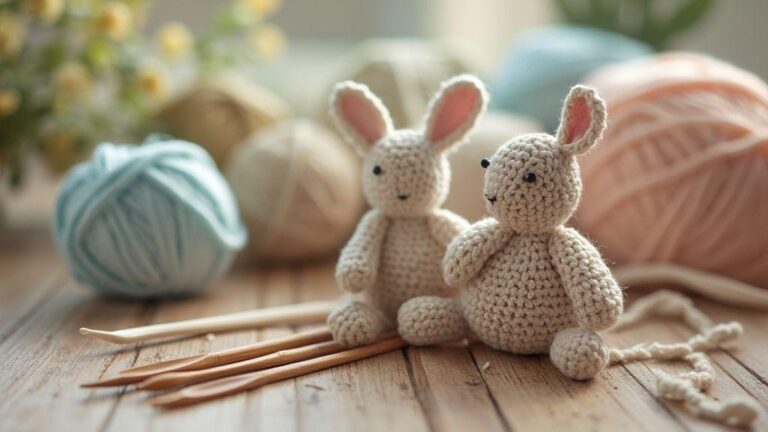
Amigurumi relies on tight stitches and clean shapes. Choosing between Single Crochet (SC) and Half Double Crochet (HDC) determines how your stuffed toy will feel and hold its form. SC yields a crisp, dense fabric that hides stuffing well, while HDC creates a looser, softer fabric with a bit more give. Your choice affects how easy it is to seam pieces and how well details stay sharp. This comparison emphasizes practical differences so you can pick confidently for your project.
Think about whether you want a firm toy that keeps its shape around bold features, or a plush toy that feels snug and cuddly. The right stitch depends on your goal: a sturdy, compact surface or a bit more squish and visible texture. You’ll learn how each stitch behaves on common amigurumi parts like noses, ears, and limbs, and how yarn weight and hook size influence the result. Here’s the concise guide to help you decide quickly.
To make this easy, use a simple gut check: if you want crisp, compact shapes, SC; if you want softer texture with faster rounds, choose HDC. For most small amigurumi parts like ears, noses, and limbs, SC offers the best control. For larger, plush bodies where perfection isn’t critical, HDC saves time and adds squish.
What each stitch gives your toy
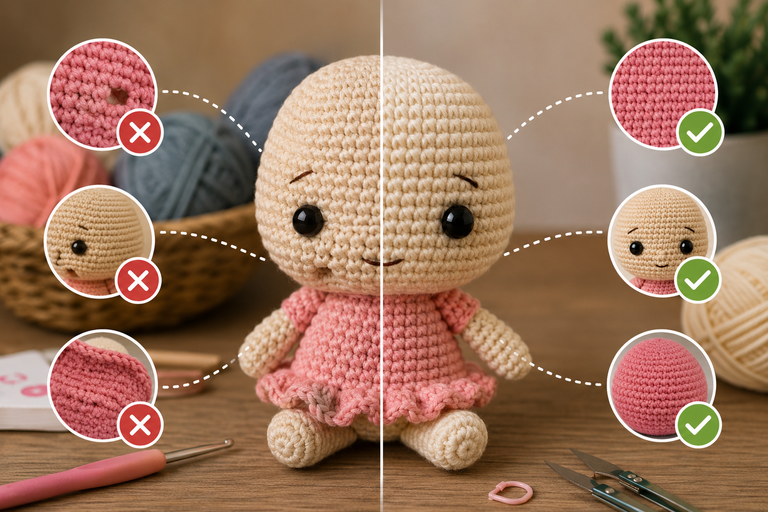
- Single Crochet: A tight, dense fabric that minimizes gaps and pucker on the surface. Edges stay crisp, shaping remains precise, and tiny details like eyes stay sharp. It also reduces holes if stuffing shifts.
- Half Double Crochet: A bit looser with more texture and a softer touch. Fewer rows can build larger shapes more quickly, and edges are less bulky, offering a plush feel without sacrificing too much firmness.
Your yarn and hook choice should align with your goal. For a very soft toy, consider thicker yarn with HDC; for crisp features, SC with a tight gauge works better. Maintain steady tension for uniform stitches and clean pattern reads.
Which stitch matches your goal
- If you want a sculpted figure with defined shapes and tight seams, SC is usually your best ally—control density, reduce gaps, and keep stuffing where you want it. Tiny details pop with SC.
- If you’re aiming for a soft, cuddly toy with a forgiving feel, consider HDC. It offers more stretch and a smoother surface, especially useful for larger pieces. Note that HDC can blur sharp borders compared to SC.
Skill level and project size matter. Beginners often benefit from SC for predictable results, while more experienced crafters might enjoy HDC for faster builds and a plush finish.
Simple decision rule
If you want crisp, compact shapes and tight edges, choose Single Crochet. If you want softer texture with faster rounds and a gentler feel, choose Half Double Crochet. For small parts like ears, noses, and limbs, SC provides better control. For larger, plush bodies, HDC can save time while delivering a cuddly look. When unsure, swatch both stitches on the same yarn and hook to see which result aligns with your vision.
How stitch height shapes your amigurumi
Stitch height affects feel and shaping. Shorter stitches create a firmer fabric, helping you lock in curves and minimize gaps. Taller stitches yield a looser fabric that can smooth transitions on rounded parts. You’ll often switch between stitch heights as you shape different features to balance firmness and softness.
- Lower stitches: firmer curves, crisper edges.
- Taller stitches: softer surfaces, quicker coverage on large areas.
Tip: mark turning points and keep tension steady to avoid wobbly edges. When shaping rounded parts, a blend of taller stitches early on with tighter stitches near the edge can create natural transitions.
Keep your stitches tight: tension tips for amigurumi
Mastering tension is key to a neat amigurumi. Too loose and stuffing leaks; too tight and pulling through becomes hard. Keep a consistent, comfortable tension you can trust round after round. Use slow, steady movements and practice gauge checks to ensure your fabric stays sturdy but not stiff.
- Practice a quick gauge check by comparing rows per inch.
- If you’re unsure, pause and recheck your tension before turning.
- Mark turning points to keep edges even.
How to hold yarn for consistent tension
- Right-handed: loop the yarn over your pinky and guide with your fingers; left-handed: mirror the motion.
- Hold the yarn lightly between your index finger and thumb, letting the feed glide smoothly.
- Avoid gripping too tightly; a relaxed posture keeps stitches even and consistent.
When to tighten or loosen for fit
Tension changes as you move across different parts. Tighten slightly for areas that should hug the form (e.g., head, arms) and loosen a touch for flat sections (e.g., bellies) to keep surfaces even. Preview the next few stitches and adjust grip as needed. Practice counting stitches to maintain uniform density.
Quick rule: tighten just enough to seal edges without distorting shape.
Quick tightening fix
If a row is too loose, snug the last few stitches gently. If over-tightened, loosen guiding fingers slightly and resume with a lighter touch. Small adjustments now save bigger fixes later.
SC amigurumi advantages for your toys
- SC creates a neat, tight weave that holds stuffing securely and resists pilling during washing or gentle play.
- Crisp edges and defined features (noses, mouths, tiny toes) come through clearly.
- Easier for beginners to learn with predictable results and consistent gauge.
- Quick to build, making it ideal for finishing a character in a weekend.
How SC creates dense, durable fabric
SC stitches pull tight, filling gaps and producing a compact, smooth fabric. This keeps shapes stable, makes seams easier to join, and helps stuffing stay put. Dense fabric resists wear and washing, delivering a professional, long-lasting toy.
When SC hides stuffing best
Dense SC fabric hides stuffing and closes seams cleanly, especially on small parts. It helps you control stuffing distribution and achieve a polished finish with fewer visible gaps.
SC advantage note
Maintain even tension and avoid closing gaps with overly tight stitches to preserve a uniform look. The Single Crochet vs Half Double Crochet: Which is Best for Amigurumi? perspective is best learned by hands-on practice with your chosen yarn and hook.
Half double crochet amigurumi pros and cons for your projects
- HdC speeds up larger pieces because each row covers more height, reducing rounds and turning, and creates a smoother surface.
- The stitch sits between tight and flexible, offering a plush feel with less bulk than SC.
Cons:
- Looser appearance can blur tiny features and sharp borders.
- Small gaps may appear if tension shifts or gauge differs from the pattern.
- New crocheters may see less compact surfaces than with SC, affecting stuffing and shaping.
Why hdC speeds up larger pieces
HdC covers more height per stitch, so you reach target size faster, especially on shoulders, heads, and bodies. It reduces counting and turning on big sections, helping maintain momentum and consistent stuffing. Gauge checks are important to avoid a piece that’s off-size.
How hdC can create small gaps
Tension fluctuations or color changes can reveal vertical gaps. Minimize by keeping consistent tension and, if needed, adjust hook size. Yarns with different textures (bulky or fuzzy) can hide gaps better than smooth yarns. Gaps can also be used intentionally for texture or tiny seam details.
Weigh pros and cons
HdC is great for speed and a plush feel, provided you manage small gaps and looser edges. If you need tight edges and precise features, test tension and potentially adjust hook size to keep things neat.
Measure sc vs hdc tension for your gauge
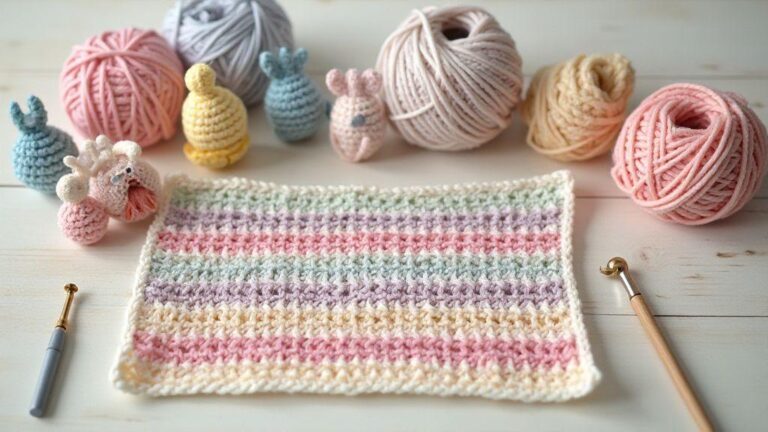
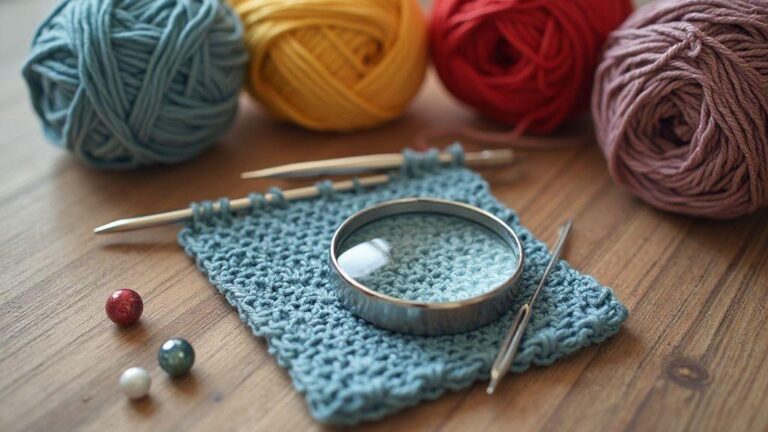
Gauge tells you how many stitches fit in 1 inch. Test both SC and HDC with the same yarn and hook to decide if you need to adjust hook size or tension. Aim for a consistent stitch count per inch across both stitches so your amigurumi maintains shape when assembled.
- Make swatches with the same yarn and hook as your project.
- Compare counts per inch; if needed, adjust hook size or tension.
- Record your results for future projects.
How to swatch sc and hdc for comparison
Create swatches at least 2 inches square for accuracy. Count stitches per inch for both SC and HDC. If SC has more stitches per inch, you may need a larger hook for SC; if HDC is looser, try a smaller hook for HDC. Keep notes on hook size, yarn, and stitch counts to guide future projects.
Easy rule: swatch, compare, adjust, and re-swatch until both gauges are close to pattern requirements.
Adjusting hook size to match your tension
If your swatch shows too many stitches per inch, go up one hook size; if too few, go down. Do the same for HDC. Maintain consistent gauge across both stitches to avoid mismatches during assembly. If issues persist, check yarn thickness or batch variation and retest with a different fiber.
Tip: keep a small notebook of hook sizes that bring SC and HDC to the right counts and settle on a compromise if you’re balancing both stitches.
Easy swatch rule
Make a 2-inch swatch for both stitches. If counts are within 1–2 stitches per inch of the pattern gauge, you’re ready. If not, adjust hook size and re-swatch until in range. This saves you from surprises later.
Pick yarn and hook size for your amigurumi
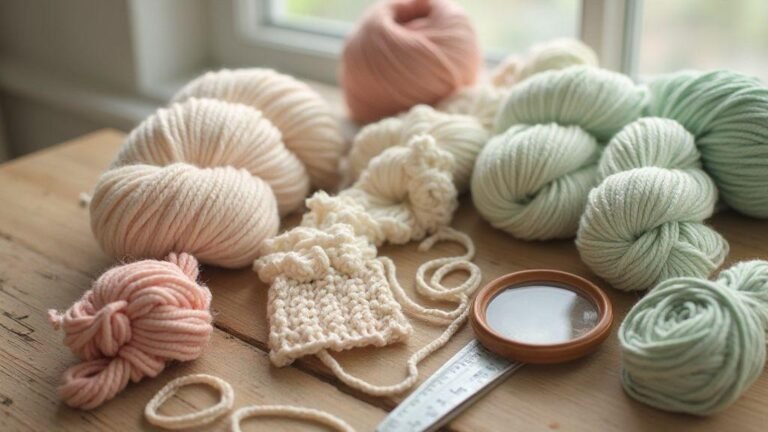
For beginners, start with 4 weight (medium) or lighter yarn and use the hook size recommended on the label. For a stiffer fabric, use a smaller hook; for a softer feel, use a larger one. Consistency matters: use the same yarn and hook throughout for even stitches.
- Cotton blends offer crisp shaping; acrylic is affordable and easy to care for.
- A basic worsted weight with a 4.0–4.5 mm hook is a great starting point.
- Gather a yarn needle, seam ripper, and stitch markers to repair mistakes and secure joints.
Gauge check: make a tiny swatch, count stitches, and compare to the pattern gauge. If needed, adjust hook size to achieve a uniform fabric.
How yarn weight changes stitch density
Heavier yarns create denser fabric with fewer gaps; lighter yarns yield a delicate texture with more visibility of stitches. Density affects stuffing visibility and how many rounds you need to reach a given height. Maintain even tension for consistent density across the whole piece.
When to use a smaller hook for tighter fabric
Switch to a smaller hook when stitches are too loose or you need a snug finish for small parts like noses or ears. For larger parts, your regular hook size usually works to keep a soft feel. Start with one size smaller than pattern suggests and adjust as you shape the toy.
Sizing shortcut
Compare your gauge to the pattern gauge. If your swatch is 4×4 inches with 24 stitches and 28 rows and yours shows 22 stitches per 4 inches, adjust by one hook size up or down. Use this quick check to avoid size surprises during assembly.
Increase amigurumi stitch density for durability
Dense stitches improve durability and reduce gaps. Maintain steady tension, match hook size to yarn, and reinforce seams at joins. Weave in ends securely and test high-wear spots after finishing. Consistent density helps your amigurumi hold its shape through play and washing.
- Density matters for wash and play: a tight fabric resists stuffing shifting and seam gaps.
- Reinforce seams and high-wear spots with extra stitches and passes.
- Weave in ends securely to prevent snagging.
Durability quick checklist:
- Maintain steady, even tension
- Match hook size to yarn
- Reinforce seams with extra stitches
- Add passes at high-wear spots
- Weave in ends securely
Beginner amigurumi stitch choice to speed your learning
Start with stitches that are forgiving, easy to see, and quick to work. SC is ideal for beginners: simple, tight, and easy to count rows. If you’re curious about texture, you can explore HDC later, but begin with SC to build confidence and consistent edges.
- SC is easiest for new crocheters due to fewer moving parts and predictable tension.
- Practice SC in rounds; it hides gaps well and makes stuffing easier.
Simple projects to practice SC or HDC
- Begin with small circles or amigurumi balls to learn increasing and decreasing with SC.
- Build a basic animal head or crochet heart to focus on even stitches and clean joins.
- Add a tiny scarf or hat to test transitioning between stitches without breaking rhythm.
Bonus: If you’re feeling brave, switch to HDC for a bit more height and texture on accessories, while keeping SC for the main body to maintain crisp definition.
FAQ: Single Crochet vs Half Double Crochet: Which is Best for Amigurumi?
- The best choice depends on your goal: SC for crisp, compact shapes and strong stuffing containment; HDC for faster builds and a plush, forgiving surface. Start with SC for beginners and experiment with HDC on larger sections to balance speed and texture.
Endnotes: Your journey with amigurumi stitching is personal. Use this guide to compare SC and HDC, test gauges, and find the method that fits your style, patience, and project goals. The right stitch for your amigurumi is the one that makes your process enjoyable and your finished toy delightful.
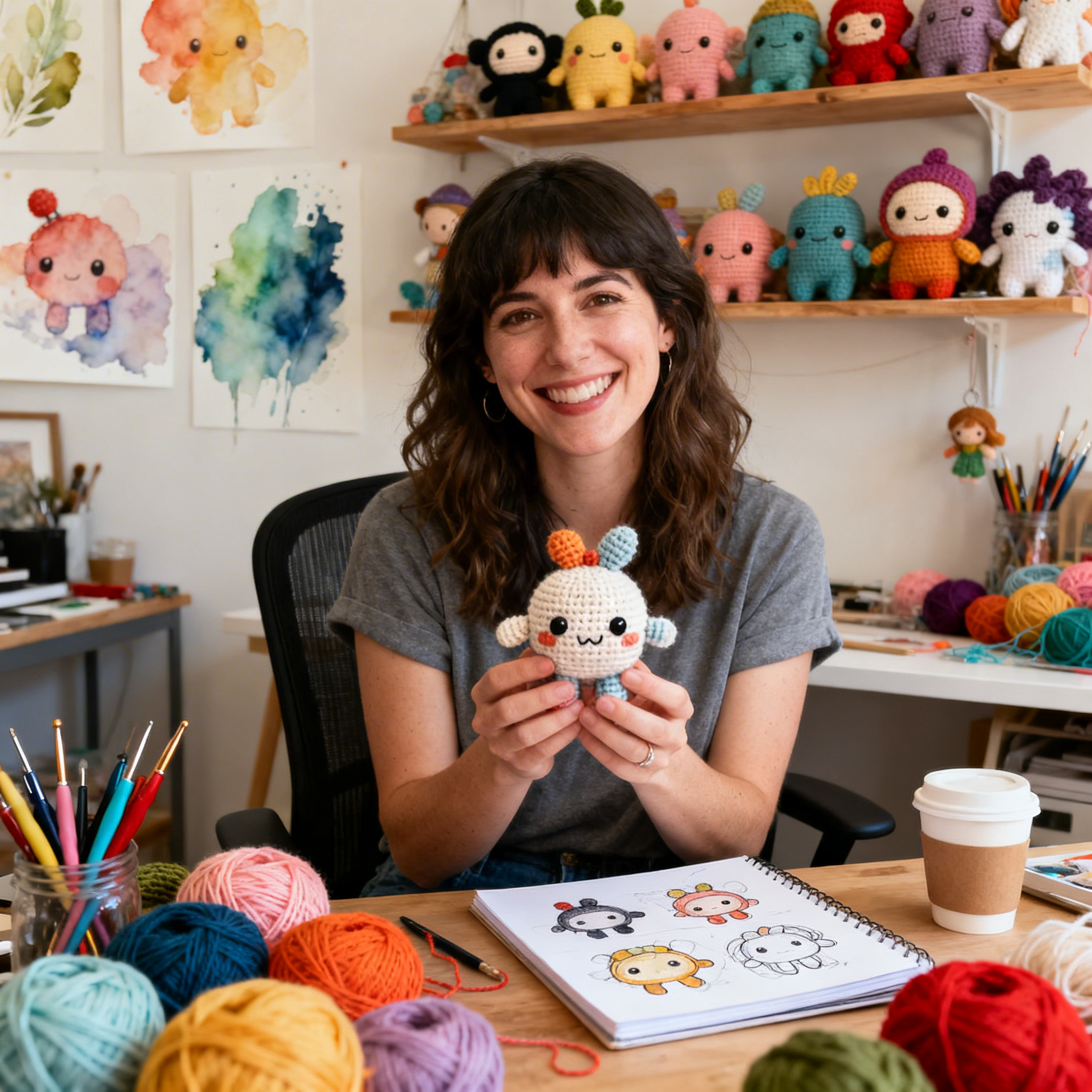
Clara Fern — Crochet Artist & Amigurumi Designer
Clara Fern is a crochet artist and amigurumi designer based in Austin, Texas. With 9 years of experience working with yarn and hook, she transformed a lifelong passion for handcraft into a creative mission: making amigurumi accessible, fun, and deeply rewarding for crafters of all levels.
Clara discovered amigurumi during a trip to Japan in 2017, where she fell in love with the art of bringing tiny characters to life through crochet. Back home in Texas, she spent years studying color theory, design principles, and advanced crochet techniques — developing her own signature style that blends kawaii aesthetics with original character design.
Through maclafersa.com, Clara shares everything she has learned — from choosing the right yarn and reading your first pattern, to designing fully original amigurumi characters from scratch. Her writing is known for being clear, detailed, and genuinely helpful, with no steps skipped and no secrets kept.
When she’s not crocheting, Clara enjoys watercolor painting, visiting local yarn shops, and drinking way too much coffee while sketching new character ideas.