How to Use Acrylic Paint to Add Details to Amigurumi
Materials and Prep for Painting Crochet Toys
Pick the right acrylic paint for crochet toys
Choose soft, safe, durable acrylics that stay flexible and won’t stiffen amigurumi. Look for non-toxic, water-based paints labeled for fabric or textile use so they move with the yarn. Start with a small color set and add a clear sealant. If washing is likely later, pick paints labeled machine-washable after sealing. Test on a scrap swatch to see how paint sits on the yarn and how it feels when dry.
Consider the finish: matte for realistic eyes and features; satin or gloss can highlight tiny details like whiskers or cheek highlights. Use thinned paints for shading and thicker mixes for crisp lines. Keep pigments clean and labeled to avoid color bleed and save time during the project.
For brushes and tools: fine-tipped brushes nail small details; larger soft brushes cover broader areas. A toothpick or fine cotton swab works for tiny highlights or dots. A tiny makeup sponge helps blend edges without harsh lines. With the right paints and tools, you can add real personality to your crochet toys.
Clean and test yarn first
Before coloring, clean your yarn to remove oils and dust that affect paint adhesion. Hand-wash skeins with a gentle detergent, rinse well, and dry completely. Test on a spare piece to see how it holds paint and how fibers react to water or heat. This step prevents surprises after you finish your toy.
Testing isn’t just for color—it’s about texture. The paint can stiffen the surface, especially on tightly crocheted pieces. If stiffness is a concern, test different thinners or water ratios on a swatch. Some yarns absorb paint more than others, so adjust technique accordingly. Knowing how your yarn behaves helps you plan light layers and avoid cracking later.
Create a small swatch
Crochet a tiny square in the same yarn you’ll use. Paint it as you plan to paint the final piece, then seal it to test durability. This swatch helps you decide whether to thicken lines, soften edges, or adjust color depth. It’s a dry run to save costly mistakes on the real project.
During swatch testing, experiment with thin washes for shading, solid fills for facial features, and dry brushing for texture. Note drying times and whether you need heat-setting or air-drying. A well-made swatch gives you a playbook for finishing the toy confidently. Keep the swatch handy as a reference for a cohesive final piece.
How to Use Acrylic Paint to Add Details to Amigurumi
Plan your details before painting. Start with light washes for subtle shading, then build fine lines for eyes, mouths, and tiny accents. Use a steady hand and a fine brush; keeping your elbow steady helps you avoid wobbly features. If you slip, have a damp cotton swab ready to clean up quickly. Layer slowly to create depth without stiffening the yarn. Always test color choices on your swatch first to ensure the final look pops.
When sealing, choose a finish that matches how you’ll use the toy. Matte seals soften eyes; gloss seals add sparkle to pupils or cheek highlights. Apply thin coats and let each layer dry completely to prevent peeling. The result should be a professional finish that lasts through play and gentle washing. The goal is to enhance personality without overpowering the yarn’s natural texture.
Best Brushes for Amigurumi Painting
Choosing the right brushes makes color precision easier and tiny details possible. Think of brushes as extensions of your hands. A mix of brushes works best:
- Fine detail round brushes for tiny pupils, cheeks, or stitched-looking features. They hold sharp lines for whiskers and seams.
- A flat brush for smoothing edges and blending shading into broader areas.
Keep both types on hand so you can switch between precision and blending quickly. With practice, colors nestle into every nook of your yarn work.
Care for longevity: store brushes clean and dry, avoid bending bristles when rinsing, rinse between colors, and reshape bristles. Clean brushes yield crisper edges and better color separation. A small jar of water handy keeps colors from crossing on your palette or yarn.
Use fine detail round brushes
Fine detail rounds are your go-to for eyelashes, freckles, and tiny pupils. They allow precise control and clean strokes. Rest your elbow on the table to steady your hand. Practice on a scrap piece to visualize how you’ll read different eye shapes and mouth curves on your piece.
Keep a flat brush for blending
A flat brush covers wider areas and helps soften edges between colors. It’s ideal for smooth transitions on rounded shapes like cheeks or ears. Angle the brush to control paint flow and build color in thin layers, allowing each pass to dry. Flat blending creates a soft gradation that contrasts nicely with the crisp lines from fine detail brushes.
Clean brushes between colors
Between colors, rinse thoroughly and wipe dry. Use gentle soap for acrylics to lift paint without drying bristles. Reshape and dry bristles with brush tips pointing up. Clean brushes prevent muddy edges and ensure accurate color separation. A small jar of water keeps colors from drifting across your palette or yarn during detail work.
Use fine detail round brushes
Fine detail brushes let you sketch eyelashes, tiny freckles, or small pupils with precision. Keep your hand steady with a rested elbow and test strokes on scrap fabric to avoid surprises on the final piece. A steady hand yields natural, lifelike features.
Keep a flat brush for blending
A flat brush is your blending workhorse for smooth transitions. Use light, even strokes to avoid harsh borders and layer colors gradually for a natural look. Blending with a flat brush helps shape cheeks and ears with soft shading.
Clean brushes between colors
Between colors, clean thoroughly and re-shape bristles. This prevents color bleed and ensures crisp lines and clean highlights in your amigurumi.
How to Use Acrylic Paint to Add Details to Amigurumi (continued)
You’ll often start with fine detail round brushes for eyes and mouths, then switch to the flat brush for shading on curves. Test tiny strokes on a scrap piece before applying to the project. Mix a hint of white into base colors for subtle highlights on raised areas like cheeks or noses, then blend with a clean flat brush for a natural look. Clean brushes between color runs to preserve the intended palette.
Techniques for adding blush and subtle shading
- Begin with a light, warm pink on scrap fabric to see how it glows on your yarn. Build in thin layers to keep the flush soft and natural.
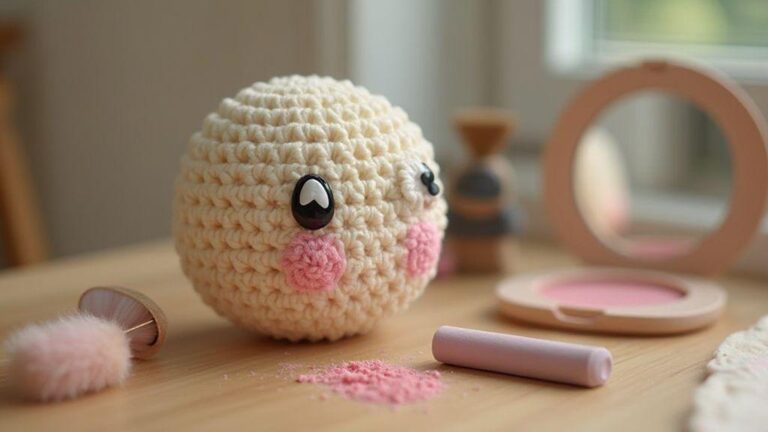
- For precision, use a fine brush to dot and fade along the cheekbone. A damp sponge can diffuse color for a gentle wash.
- Layer washes with dry brushing or a light sponge to create depth without overpowering the yarn.
Layer light washes for a natural look
Thin washes built in layers allow the color to deepen gradually. Keep edges soft and avoid over-saturating. Change wash intensity with light, measured applications to reflect light from the intended direction.
Safety eyes and small parts
Secure every small part before painting and use paints that won’t rub off or flake with handling. Test on a scrap area first, then seal with a compatible topcoat. For eye shading, apply color in very light layers so the contour remains readable from a distance.
Seal Paint on Yarn for Durability
Sealing protects painted yarn and helps resist wear. Choose water-based sealers that dry clear and flexible. Satin or matte finishes often look more natural on yarn than gloss, which can feel slick. Test the sealer on a scrap area to ensure it doesn’t alter color or texture.
Choose the right sealer for crocheted toys
- Water-based sealers are safer and dry faster.
- Satin or matte finishes hide brush strokes, while gloss adds pop but can look plastic on plush toys.
- Test on a scrap to confirm compatibility with acrylics and yarn.
Test sealing acrylic paint on yarn first
Seal a small painted swatch to check for tackiness, color shifts, or stiffness. If all looks good, seal the toy in thin, even layers. Avoid humid or dusty environments during sealing.
Step by Step Amigurumi Painting Tutorial
Gather your tools: a small palette, brushes, and a few acrylics. Begin with a base flesh tone, a darker shadow, and a light highlight. Set up a clean workspace and test colors on a scrap amigurumi or fabric swatch. Work in thin layers for crisp, clean results. A satin finish often provides a gentle glow without excessive shine.
Prep, sketch, paint, and seal
- Wash hands, lay out paints, and wipe the piece clean.
- Lightly sketch design as a guide for shadows and highlights.
- Paint in thin layers; build color gradually.
- Seal with a clear coat; satin finishes tend to look best on amigurumi.
Drying times and repeat steps
Allow each layer to dry completely (roughly 15–20 minutes for thin layers). If colors bleed or smudge, let it dry and adjust with a fresh layer. Repetition of layering tightens lines, deepens shadows, and refines highlights.
Follow a simple order for best results
Base color, shading, mid-tones, highlights, then tiny details. This order helps you avoid reworking large areas and keeps the piece cohesive.
Safety, Cleaning, and Care for Painted Toys
Choose non-toxic materials and keep maintenance simple. Apply thin layers and let each dry fully. If a chip or scratch appears, touch up after cleaning the area. Use a gentle cleaning kit for painted toys.
Use non-toxic paint for child toys
Opt for non-toxic, water-based acrylics that dry to a flexible film. Apply light, even strokes and let each layer dry. Seal with a non-toxic finish to protect your work. Ventilate your workspace to reduce fumes and set up a drying area for multiple pieces.
Wash and spot clean painted amigurumi
Clean gently with mild soap and a soft cloth; avoid soaking. Spot-clean from the outside in with small circular motions. Dry completely before play. If colors wear, touch up after cleaning.
How to Use Acrylic Paint to Add Details to Amigurumi: Quick Reference
- Plan features first; test on swatch.
- Use fine detail brushes for eyes and mouth; flat brush for blending.
- Apply thin layers; build color gradually.
- Seal with non-toxic topcoat; test first on scrap.
- Maintain brushes, workspace, and ventilation for safety.
Safety, Cleaning, and Care for Painted Toys: Quick Tips
- Use non-toxic paints and sealants; ensure proper curing.
- Inspect seams and joints regularly; test a small area before full touch-ups.
- Clean with mild soap; avoid soaking. Dry thoroughly and store in a dry place.
- For kids’ toys, keep parts secured and use safe finishes.
Quick Start Checklist for How to Use Acrylic Paint to Add Details to Amigurumi
- Gather safe, water-based acrylics and a clear sealer.
- Test on a swatch; practice shading, eyes, and tiny features.
- Choose a satin or matte sealant for a natural finish.
- Use fine detail brushes for precision; a flat brush for blending.
- Seal in thin layers; allow ample drying time.
- Clean and store brushes properly; ventilate your workspace.
If you’re learning How to Use Acrylic Paint to Add Details to Amigurumi, this streamlined approach helps you build confidence, layer with control, and finish with durable, cuddly results.

Clara Fern — Crochet Artist & Amigurumi Designer
Clara Fern is a crochet artist and amigurumi designer based in Austin, Texas. With 9 years of experience working with yarn and hook, she transformed a lifelong passion for handcraft into a creative mission: making amigurumi accessible, fun, and deeply rewarding for crafters of all levels.
Clara discovered amigurumi during a trip to Japan in 2017, where she fell in love with the art of bringing tiny characters to life through crochet. Back home in Texas, she spent years studying color theory, design principles, and advanced crochet techniques — developing her own signature style that blends kawaii aesthetics with original character design.
Through maclafersa.com, Clara shares everything she has learned — from choosing the right yarn and reading your first pattern, to designing fully original amigurumi characters from scratch. Her writing is known for being clear, detailed, and genuinely helpful, with no steps skipped and no secrets kept.
When she’s not crocheting, Clara enjoys watercolor painting, visiting local yarn shops, and drinking way too much coffee while sketching new character ideas.