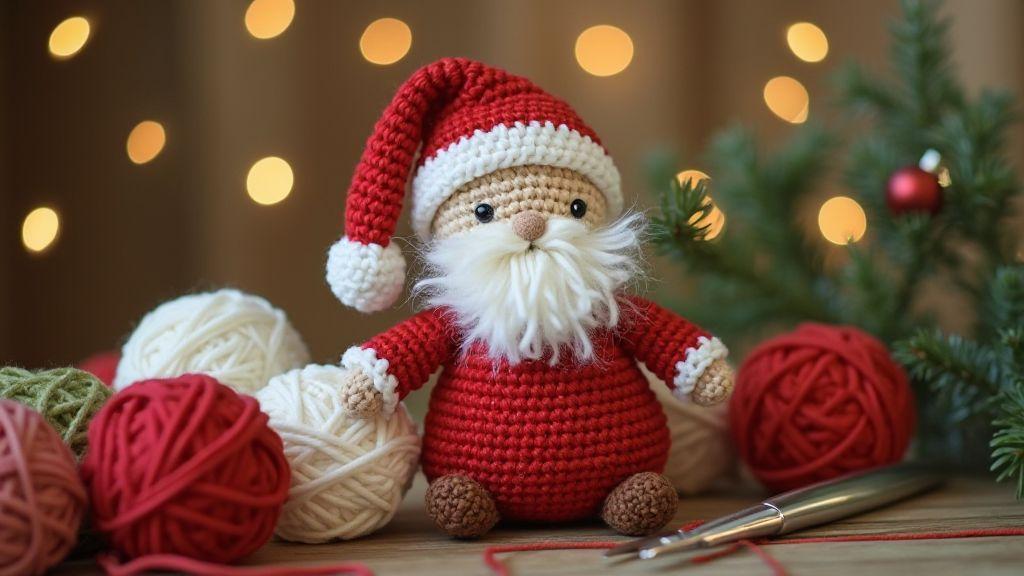
Free Christmas Amigurumi Santa Claus Pattern for Beginners
Essential tools and yarn for your free amigurumi santa pattern
You’re about to bring a cozy Santa to life, and the right tools make every stitch feel effortless. Start with a comfortable crochet hook that fits your hand, and choose yarn that’s soft and forgiving for beginners. Pick a hook size that matches your yarn label’s guidance, but test a round or two to check your tension. The goal is a smooth, consistent stitch that doesn’t tug or slip. For Santa, opt for soft, washable fibers so your creation can be loved and handled without worry. Your setup should feel calm and simple, not crowded or confusing. This Free Christmas Amigurumi Santa Claus Pattern for Beginners guides you through beginner-friendly choices.
Choosing yarn weight and fiber for beginners
Lightweight yarns are great for learning because mistakes show clearly but are easy to manage. If you’re new, start with DK or worsted weight in a natural fiber blend that’s gentle on the hands. For Santa’s skin tones and features, choose a soft acrylic or cotton blend that washes well and holds shape. You want yarn that glides smoothly through your hook and doesn’t split easily. Aim for consistent color and stitch size; if your yarn feels stiff or split-y, swap it. Always test a few stitches with your chosen yarn to confirm you’re happy with how the fabric looks and feels.
Picking the right hook and supplies you need
The hook sets the pace of your project. A common beginner setup is a G/6 (4.0 mm) or F/3.75 (3.75 mm) hook, depending on your yarn weight. Look for a grip that’s comfortable and non-slip, and a smooth shaft to keep stitches tidy. Besides the hook, you’ll want stitch markers to track rounds, small scissors for clean cuts, a yarn needle for weaving in ends, and a tape measure to check proportions. A well-lit workspace helps you see stitches clearly. With these basics, you’re ready to stitch your Santa without hunting through a crowded toolbox.
Must-have supplies checklist
- Crochet hook(s) in sizes that match your yarn (commonly G and F)
- Soft, washable yarn in colors for Santa’s hat, face, and suit
- Stitch markers or removable stitch markers
- Scissors and a yarn needle for finishing
- Tapestry needle for weaving in ends
- Small stuffing material
- Measuring tape or ruler
- Comfy workspace and good lighting
Basic stitches you’ll use for beginner amigurumi santa pattern
You’ll build Santa step by step, focusing on consistency, not speed. When your stitches are even, Santa will sit up nicely and hold its shape. Each small stitch is a building block for Santa’s hat, beard, and buttons. Practice builds confidence, and confidence shows in the final Santa you gift yourself.
Single crochet and magic ring basics you should master
The single crochet gives you a tight, clean fabric that’s easy to count in rounds. Use a comfortable grip, relax your shoulders, and pull snugly but not too tight. If your fabric looks loose, tighten slightly and ensure the starting loop isn’t twisted. If it’s too tight, ease up a touch.
The magic ring starts in-the-round pieces like Santa’s head or hat base. Form a loop, insert your hook, and pull the first stitches through to create a tight center. Practice a few times: tighten the ring enough to hold shape, then add stitches. Once mastered, you’ll breeze through a ring of stitches.
Rhythm: insert, yarn over, pull through, pull through two, and repeat. Count stitches in each round to stay symmetric. When you finish a round, slip stitch to the first stitch to close neatly for a clean, professional look.
Increase, decrease, and slip stitch made simple
Increases let Santa expand in the right places—belly and cheeks—without lumpy edges. Start with two stitches in one stitch. Decreases pull fabric together for shaping the head or hat brim. Practice alternating a single stitch with a decrease to smooth shapes. Slip stitches finish sections neatly without bulk and give you clean seams.
Keep tension steady when you alternate increases and decreases. Uneven increases can tilt your Santa. Don’t rush; deliberate, small adjustments now save reworks later. These techniques carry through Santa’s face, hat, and body, helping you achieve round cheeks, a snug hat cuff, and tidy seam lines.
Stitches to practice before you start
Warm up with a few rounds of single crochet in the round using a magic ring. Practice increasing in every stitch for a few rounds, then straight rounds. This helps you feel how the fabric wants to move and how increases affect shape. End with a check: count stitches each round, keep tension even, and ensure the magic ring center is snug. These habits keep Santa balanced from hat to boot.
Step-by-step amigurumi santa construction
Follow these steps to see how the pieces come together. Planning ahead makes every stitch count, and your Santa will assemble smoothly. Keep things tidy and organized to save time and get cleaner results.
How to make the head and body in rounds
Form the head in tight, even rounds with consistent stitches so the face looks friendly. Move to the body, adding rounds to create a gentle, round silhouette. Seal ends securely and press gently for a smooth surface. Shape the neck and torso so the head sits atop the body with light stuffing to keep the neck neat and the head secure.
Assembling arms, legs, and hat the right way
Attach arms and legs so they sit naturally and don’t pull the body out of shape. Center them slightly below the shoulders and hips for balance. Pin pieces in place before stitching to prevent shifting. Add the hat with a gentle tilt and light stuffing for shape. A fluffy pom-pom and small brim add charm without complicating the build. Secure all attachments inside to keep the exterior neat.
Easy tips for a beginner amigurumi santa pattern
Gather tools and yarn in one place, use light-colored yarn for visibility, and practice a tight but flexible gauge. Count stitches aloud or tap the table to keep rhythm. If the hat bill won’t lie flat, adjust with a few gentle decreases and check stitching by flipping inside out. Switch to a smaller hook for finishing details like face embroidery or a tiny pom-pom, and weave in ends securely. If you hit a snag, re-check gauge and patterns. Keep notes on tweaks you try for future projects. Finish with a light steam to smooth bumps. For reference, you can compare your work to a Free Christmas Amigurumi Santa Claus Pattern for Beginners to see how shapes come together.
Reading pattern abbreviations with confidence
Abbreviations may feel like a code at first, but they become friendly with practice. Start with the basics: sl st, sc, inc, dec, rnd. If you see a number in parentheses after a stitch count, that’s how many stitches to place before moving on. Translate each abbreviation into action: sc = single crochet, inc = increase (two stitches in one base), dec = decrease (two stitches become one). Keep a tiny cheat sheet nearby.
If you encounter unfamiliar stitches, practice on a trial swatch or the scrap section of your Santa. When you see sp (space) or blo (back loops only), picture the work in layers and follow with your hook. Don’t rush—count aloud. If a line is confusing, highlight it and come back later. A steady pace makes these abbreviations feel like puzzles you can solve.
Working continuous rounds without gaps
Continuous rounds yield a smooth, seamless shape. Use a stitch marker to mark the first stitch of each round, then slip stitch to join and pull snug to avoid a creased seam. If a gap forms, insert a quick single crochet at the join. If rounds drift, gently pull back a few stitches and rework until the join sits cleanly. Twist your work slightly to maintain shape, especially around the head and hat. When you reach beard or cheek areas, tighten those rounds to maintain a tight core. Count stitches at the end of each round; if short, add a stitch in the next round and adjust as needed. With calm pacing and careful counting, you’ll crochet continuous rounds every time.
Simple color and yarn choices for a crochet santa amigurumi
Choosing colors is part of the fun. Start with vibrant reds for the hat and coat, white for beard and trim, and one accent color for eyes or belt buckle. A single red, white, and accent color keeps things cheerful and straightforward. Consider yarn bases: cotton or acrylic blends for crisp stitches, plush acrylic for a cuddly finish, or a cotton blend for sharp definition. You don’t need perfect color-matching across projects; keep one reliable red, one bright white, and an accent color handy.
Classic red, white, and accent color ideas
Classic red and white read as Santa in any style. For a warmer look, try a pink-tinged red or creamy white. An accent like black for eyes or belt buckles adds character. You can switch accents between Santas for variety. Test colors by swatching and checking in different lighting to ensure the contrast reads well in photos and in hand.
Picking yarn that gives good stitch definition
Choose yarn that’s smooth and not too fluffy. A plied yarn helps stitches hold shape, making beard curls and hat ribbing pop. For tiny rounds or belt details, a tight twist prevents gaps. Medium-weight (4-weight) yarn is forgiving for beginners and shows texture clearly. If crocheting tight, select a yarn that softens with washing. Test swatches in your hook size to confirm arms, hat, and beard look defined. Check wash instructions and colorfastness to keep Santa bright after multiple uses.
Colorfastness and washing tips for your toy
Test colorfastness by rubbing a small yarn swatch with a damp cloth. If color transfers, choose a different shade or use a fiber-safe dye fixative. For washing, use mild detergent on a gentle cycle, place the toy in a mesh bag, and lay flat to dry. Wash separately the first few times if colors might bleed. Proper care keeps the beard fluffy and the hat brim crisp.
Sizing and scaling your beginner friendly crochet christmas toy
You can resize Santa by adjusting materials and stitch choices. Start with the standard pattern, then test one size up or down to see if proportions stay balanced. To make a chunkier Santa, use thicker yarn and a larger hook; for a sleeker version, use finer yarn and a smaller hook. Keep the same stitch count and shaping to preserve proportionality. Crochet a quick gauge swatch before you begin to predict final size. Track hook size, yarn, and final measurements so you can recreate a similar size for gifts.
Change hook or yarn to make larger or smaller Santas
If you want a bigger Santa, move up one hook size for each weight increase, while checking your gauge. For smaller Santas, switch to a lighter yarn and smaller hook, rechecking gauge to keep round shapes.
Estimating yarn amounts before you start
Estimate yarn needs by reviewing the pattern’s color lengths and multiplying by the number of pieces. Keep a notebook with color, weight, size, and approximate yardage. If making multiples, multiply the estimate accordingly. This helps you budget materials and finish with a uniform set of Santas.
Safe ways to scale patterns without distorting shape
Maintain proportional increases and decreases, and avoid stretching text or blindly adding rows. If you need more height, add rounds evenly to the torso while preserving head roundness and hat curve. Test with a mini version first, and consider blocking to settle shapes. Adjust stuffing to prevent lumps, ensuring a sturdy yet soft Santa.
Finishing touches for a cute amigurumi santa pattern free
You’ve stitched a solid Santa; now add tiny details that pop. Choose beard color that contrasts enough with the red to read texture clearly. Keep stitches neat and balanced, because small additions—eyes, cheeks, and buttons—affect silhouette and charm.
Plan finishing around proportion: beard texture adds fluff without overpowering the face. Tiny buttons should align with coat fronts without crowding the belly. Eyes should be safe for all ages if this is a child’s toy. Your choices in yarn weight, stitch density, and color guide the final feel of the Free Christmas Amigurumi Santa Claus Pattern for Beginners.
Label seams so you know where to sew on beard or attach buttons. A steady rhythm—eyes first, then beard texture, then buttons—keeps you on track. When finished, give a gentle pass to catch loose ends. A tidy finish makes your Santa sturdy and ready for hugs.
Adding eyes, beard texture, and tiny buttons
Place eyes with care using contrasting yarn or safe-ready options. Embroider or stitch tiny eyes for a soft look. Add beard texture with subtle loops or light purl to simulate fluff. Attach tiny buttons along the coat with even spacing. Keep tension consistent to avoid puckering. Weave in ends neatly for a polished finish.
Embroidering a friendly face for charm
A friendly face reads warmth without heavy detail. Use small stitches for a gentle smile and rosy cheeks. A tiny blush or satin stitch around the cheeks adds warmth. Simple eyes or a bead can work if well-secured. The aim is a soft, approachable Santa that appeals to kids and adults alike.
Secure sewing and tidy joins for durability
Double-knot seams and secure all ends inside. Weave ends back into the body for a concealed finish. Reinforce any seam with a small backstitch if needed. A durable Santa handles hugs and play without coming apart.
Child-safe choices for a free crochet santa claus pattern
Choose safe, soft materials for kids. Use yarn labeled soft-touch to minimize itching, and pick a lightweight hook for comfortable handling. For beginners, a tight stitch like single crochet prevents stuffing from peeking through. Keep colors simple—two or three shades—to avoid overwhelming a young maker. Maintain a calm, clear workspace and explain steps step by step.
Ensure the finished Santa sits stably and won’t tip easily. Involve kids in simple tasks like counting stitches or color choices to boost confidence. Prioritize soft textures and sturdy construction for a cozy keepsake.
Using safety-tested materials and soft stuffing
Safety-tested yarn matters for skin sensitivity. Choose stuffing that compresses gently to hold shape without becoming lumpy. If unsure, test a small swatch and a pinch of stuffing against skin. Use safety-tested notions for face and details; ensure any small noses or pom-poms are firmly attached with reinforced stitches.
Alternatives to plastic eyes for young children
Avoid plastic eyes for very young children. Embroidered eyes or satin stitches offer a soft, safe look. If you want a hint of shine, a tiny securely sewn bead can work, but only if it stays put. The goal is flush, secure facial features that are safe for little ones.
Where to find a free santa amigurumi tutorial for beginners
Look for tutorials that break steps into small, clear moves. A good free Santa amigurumi tutorial for beginners should cover chaining, single crochet, and shaping the hat without rushing. Bright photos, numbered steps, and a clear materials list help you plan. Video links can be helpful if the written steps match. Tutorials that warn about common pitfalls and include finishing tips keep you on track. A pattern that builds confidence with a small, achievable Santa—no giant pieces—helps you feel successful and motivated.
If you want a welcoming resource, choose a tutorial with friendly language and a quick practice piece, like a tiny round head or hat brim. Look for a short tips roundup at the end that promises more patterns you can try next.
Trusted sites offering free crochet santa claus pattern downloads
You’ll find free crochet Santa patterns on reputable sites, especially craft hubs with user-submitted patterns. Look for patterns labeled beginner or easy with a clear materials list, hook sizes, and stitch counts. Step-by-step photos showing rounds are a big plus. A site with comments or ratings gives practical tips from other crafters and shows patterns that have been tested.
Patterns that clearly name yarn weight and hook size, plus straightforward assembly steps, are the most helpful. A downloadable PDF or printable page is ideal, rather than a long blog post. If a site offers a simple stitch glossary on the same page, you’ll learn quickly without bouncing around.
How to pick a clear step by step amigurumi santa pattern
Choose a pattern that lists every step in order—from base to head, body, arms, hat, and beard. It should specify rounds, color changes, where to stuff, and how firm to pack for a cute shape. Look for notes on tricky transitions, like joining limbs or sewing the hat, in plain language. A solid pattern includes a materials list at the top, exact yarn types, hook sizes, and a guide to finishing touches. If safety eyes or embroidered features are used, you’ll know what to prepare from the start.
A well-structured pattern often includes a designer note with quick tips to verify gauge and a short play-tested hint. If the steps feel logical and calm, you’ll stay confident from round one to the last red button on the hat. A clear pattern keeps the process enjoyable.
Tips to verify pattern quality before you start
- Read the materials list and confirm you have all supplies.
- Check that stitches are clearly named and round numbers match.
- Look for a gauge note or a recommendation.
- Scan finishing instructions to know how to attach parts cleanly.
Free Christmas Amigurumi Santa Claus Pattern for Beginners
This phrase is woven throughout this guide to help you find beginner-friendly Santa patterns. If you’re starting out, seek patterns and tutorials that align with this phrase and emphasize simple stitches, manageable sizing, and clear assembly steps. The Free Christmas Amigurumi Santa Claus Pattern for Beginners is a friendly doorway into crochet Santa, encouraging steady progress, safe materials, and joyful, huggable results.
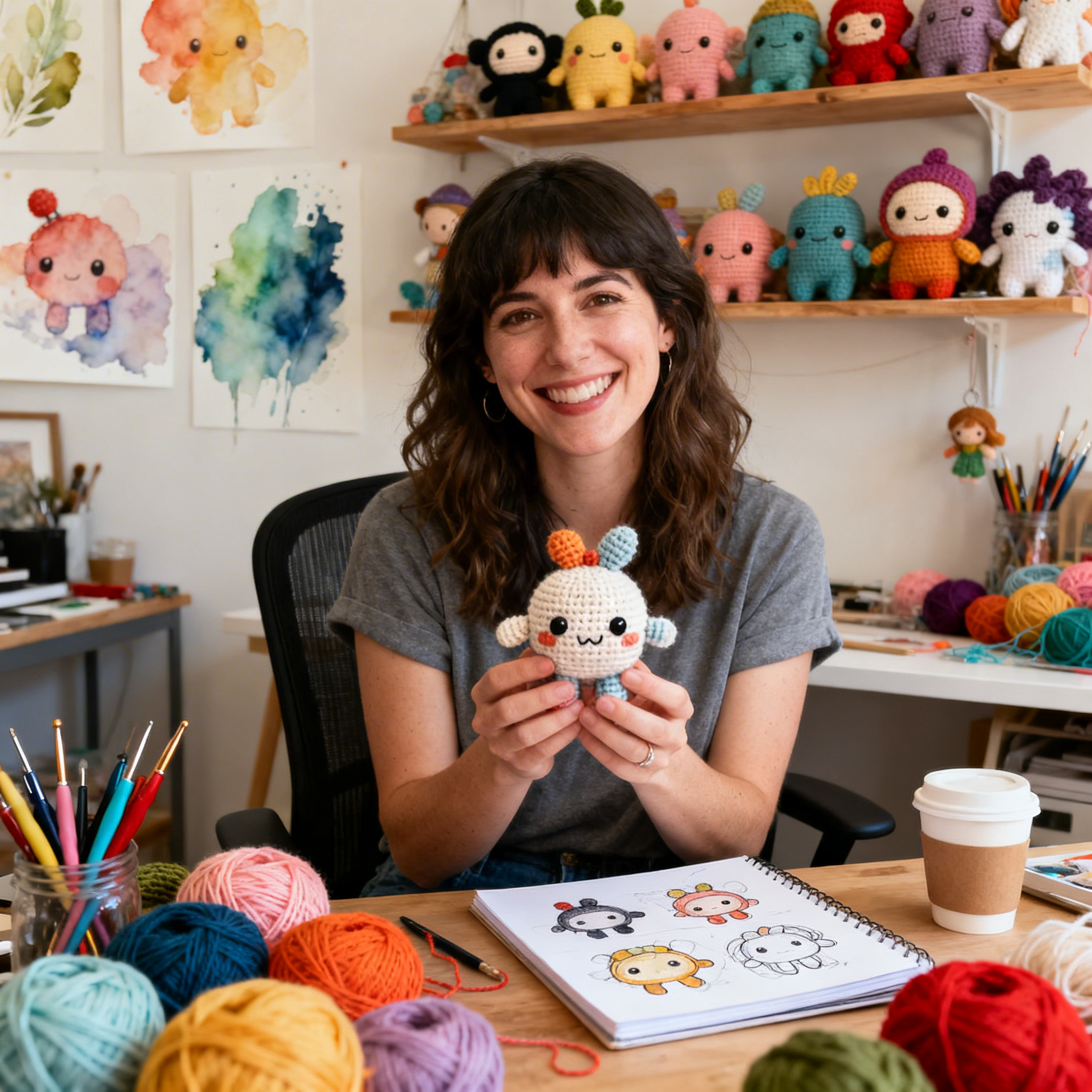
Clara Fern — Crochet Artist & Amigurumi Designer
Clara Fern is a crochet artist and amigurumi designer based in Austin, Texas. With 9 years of experience working with yarn and hook, she transformed a lifelong passion for handcraft into a creative mission: making amigurumi accessible, fun, and deeply rewarding for crafters of all levels.
Clara discovered amigurumi during a trip to Japan in 2017, where she fell in love with the art of bringing tiny characters to life through crochet. Back home in Texas, she spent years studying color theory, design principles, and advanced crochet techniques — developing her own signature style that blends kawaii aesthetics with original character design.
Through maclafersa.com, Clara shares everything she has learned — from choosing the right yarn and reading your first pattern, to designing fully original amigurumi characters from scratch. Her writing is known for being clear, detailed, and genuinely helpful, with no steps skipped and no secrets kept.
When she’s not crocheting, Clara enjoys watercolor painting, visiting local yarn shops, and drinking way too much coffee while sketching new character ideas.