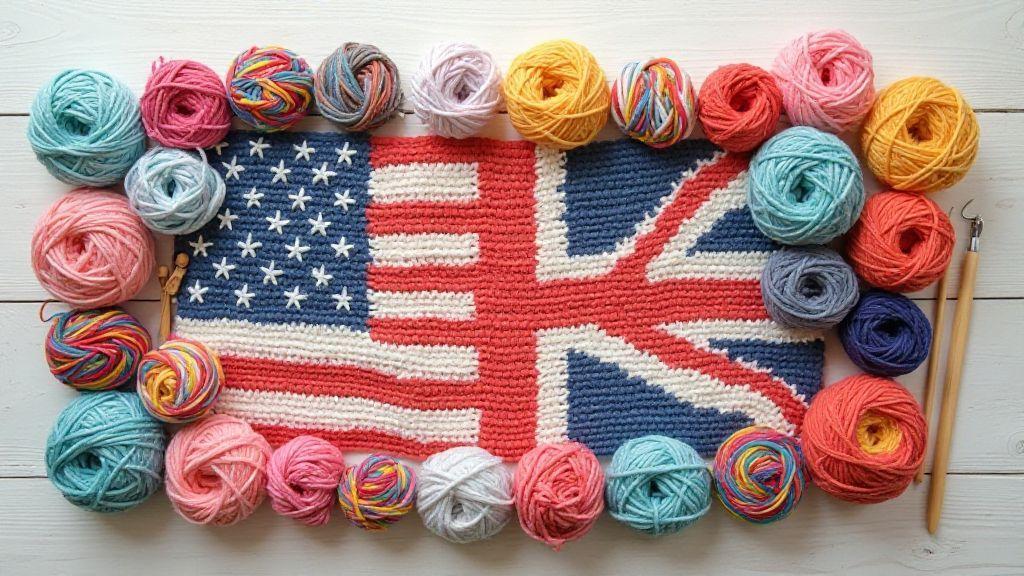
US vs UK Crochet Terms: Key Differences You Need to Know
How US vs UK crochet terms affect your amigurumi
Your amigurumi craft relies on the words you read as much as the yarn you choose. When you switch between US and UK crochet terms, you’re translating patterns in your hands as you go. If you don’t know the difference, you can end up with pieces that don’t fit or look right. Understanding the terms matters for your finished toys. Small changes in stitch names add up to big differences in size and texture, especially for beginners who want a smooth first project.
Knowing the terms helps you pick patterns confidently. If a pattern uses US terms, you’ll follow stitches that might feel different from what you learned in class. The same pattern could look different with UK terms. Your gauge, seam lines, and how you close the toy can shift. Learn the differences to avoid surprises and keep your amigurumi consistent from head to toe.
When shopping for patterns, you’ll see both term styles. Check the terminology list at the start of each pattern. Some designers list both terms side by side, so you can follow along without guessing. US terms are common in American pattern books, UK terms in patterns from the UK and Commonwealth countries. Choose patterns that match the terms you’re comfortable with, or be ready to translate as you go.
Why US vs UK crochet terms differ
The two systems grew from different teaching traditions, which shows in stitch names. The same action on the hook can have a different label depending on the pattern’s country. This isn’t just about names—it changes how you perform the stitch and how many you place in a row. Switch patterns and you might notice a change in height, width, or how tight your fabric feels.
A single stitch like a double crochet can be a bit easier or bigger depending on the system. Your amigurumi could end up lighter or denser if you mix terms without adapting. Learn the equivalents and keep your tension steady. A quick reference in a notebook or on your phone helps you translate on the fly and stay on track.
Which patterns use US or UK terms
Pattern writers usually state the term system at the top. If in doubt, scan the abbreviations chart. Some designers include both terms side by side. US terms appear in American pattern books; UK terms in patterns from the UK and Commonwealth countries. Pick patterns matching your comfort level, or be ready to translate as you go.
If you’re buying a pattern from abroad, do a quick check first. A misread stitch name can derail a project. Look for a US-to-UK conversion guide, or patterns that include both terms to save time and frustration.
Spot the term before you start
Before you begin, look for the abbreviation list in the pattern. If you see ch, sc, dc, or sl st, you’re likely in US territory. If you spot ch, ss, tr, or dtr, you’re in UK territory. A quick reference cheat sheet with common US-to-UK equivalents is handy in your project bag.
Key stitch name conversions for amigurumi
When you start amigurumi, stitch names can be confusing. Stitches may be called one thing in one pattern and another in another. This section helps you map those names so your crochet stays on track. You’ll see two common systems: American terms and British terms. The difference is usually one or two stitch names, but the swap can throw you off if you don’t expect it. Learn the conversions to read any pattern without guesswork.
Recognize that the patterning of stitches matters more than the exact word. This keeps your rhythm and tension steady, crucial for evenly shaped amigurumi. Once you see the core stitches behind the names, you’ll crochet faster and with more confidence.
Common crochet stitch name conversions
In American terms, a double crochet is taller than a single crochet. In British terms, that same height might be a treble stitch. A slip stitch is a quick, small join; a chain stitch starts a foundation or a gap filler. The half double crochet sits between a single and a double in US terms; in UK terms, it’s called half treble. See a dc for US and a tr for UK in shorthand; several stitches in a row can create shaping for a head or limbs. Read the pattern’s height and wraps, not just the label. The phrase US vs UK Crochet Terms: Key Differences You Need to Know appears often online as a reminder to check the glossary in your pattern.
How to match stitch names to stitches
Translate the pattern’s glossary or abbreviations list as your anchor. If you see dc in a US pattern, it’s a Double Crochet. If you see tr, that’s a Treble Crochet in UK terms. Look at stitch height: a taller stitch means US DC or UK TR. If unsure, count wraps left on the hook after pulling through—more wraps mean a taller stitch.
Practice by making a few stitches side by side with the two naming systems. You’ll feel the height and tension differences. Note how many stitches per round and how rounds tighten around the body. Create a mini cheat sheet with US terms on one side and UK equivalents on the other. This keeps your hands moving and your brain focused on shaping your stuffed friends. US vs UK Crochet Terms: Key Differences You Need to Know will feel less daunting with a quick reference.
Quick stitch conversion tip
When a stitch name doesn’t ring a bell, check the stitch height first. Tall usually means US Double Crochet or UK Treble. Medium is US Half Double or UK Half Treble. Short is US Single Crochet or UK Double Crochet. Pair this with the row instructions to confirm the right stitch.
Single crochet vs double crochet: US vs UK explained
Know this before you stitch your amigurumi. In US terms, single crochet and double crochet are common; in UK terms, those stitches are often labeled as double crochet and treble crochet. This difference affects hook size, stitch height, and overall shape. A US single crochet is shorter than a US double crochet or UK treble. Gauge can shift if you mix terms, so you may need to adjust tension or hook size. Practice with sample swatches to compare fabrics.
If you swap patterns from different regions, check the stitch height and finished size. When a row says SC in US terms or DC in UK terms, use it as a cue for the depth you’re building. Keep a small cheat sheet handy with US terms on one side and UK terms on the other to save time and avoid mistakes.
Recognize single crochet US vs UK in patterns
In US patterns, single crochet is the compact basic stitch, creating a dense fabric ideal for stuffing and shaping small parts. In UK terminology, the concept is similar, but verify abbreviations in the pattern. Look for sc in US patterns or the UK equivalent. The stitch height is similar, but pattern counts and notes can differ. Keep references handy and compare rows to understand the difference.
Recognize double crochet US vs UK in patterns
The double crochet stitch is taller than the single crochet and creates a looser fabric. In US patterns, it’s often abbreviated as dc. In UK patterns, you may see it as double crochet or sometimes labeled differently (e.g., treble in certain eras). Expect size differences if you swap terms without adjusting. Measure stitch height with a swatch to translate correctly and maintain consistency.
Measure stitch height before converting
Before converting a pattern, measure the height of a single stitch. Compare it to a swatch in the other terminology. Use this as a guide to adjust hook size or tension. This saves you from guessing and helps keep your amigurumi compact and evenly shaped.
Translating pattern abbreviations US to UK
Pattern abbreviations vary across regions. Translating US terms to UK terms saves mis-stitches and angst. Compare how a single stitch is named or counted in the US pattern to its UK equivalent. Keep tension steady while swapping terms to avoid lopsided toys.
Create a quick cheat list: US term, UK term, and the actual stitch counts per repeat. For example, US single crochet becomes UK double crochet, with the same stitch count. Keep this cheat sheet handy as you work through every pattern. As you translate more, you’ll stitch with confidence.
Watch for optional or special stitches that differ in name. Short rows and long rows may appear in both systems, with different names. Pause and check your cheat sheet if you’re unsure. Test a small swatch first to ensure the body’s shape is correct.
Crochet abbreviation differences US UK to watch for
In US terms, you’ll see sc (single crochet) and dc (double crochet). In UK terms, these become dc and tr, respectively. The starting chain can also differ in interpretation. A US ch 1 foundation may be counted differently in UK terms, affecting gauge. Sl st and finishing actions can be labeled differently in some patterns. For rounds, a US phrase like Rnd 1: 6 sc in magic ring might read Rnd 1: 6 dc in magic ring in UK patterns. Always cross-check each round or row for the correct stitch count.
How to read pattern abbreviations safely
Translate each US abbreviation to its UK equivalent before you begin. Verify by counting stitches per round and comparing to gauge. Keep a marker to track rounds; amigurumi relies on rounds, and losing count can ruin shape. If the round count doesn’t match, you’ve likely swapped terms incorrectly. Fix it early.
Double-check US/UK note
Always double-check abbreviation against your cheat sheet. If unsure whether a term is US or UK, assume UK meaning and re-check. A calm, methodical approach saves you from pulling apart stitches you’ve just made.
How to read pattern abbreviations safely
Translate, verify, stitch. Translate the abbreviation, verify by counting stitches per round, then stitch. This habit keeps your amigurumi pieces evenly sized and adorable.
If a pattern lists several abbreviations in one line, read the line aloud in your head to translate each term. This pause helps prevent misreads and ensures you’re not skipping or duplicating stitches.
When you reach a stitch you don’t use often, pause and look it up or compare with a similar project. The extra minutes now pay off with a clean finish and fewer froggings.
Use a crochet conversion chart US UK for amigurumi
A crochet conversion chart saves you when stitching amigurumi. With a quick glance, you’ll see how many stitches to swap from US to UK terms (and vice versa). Keep it handy to double-check abbreviations without losing your flow. A chart acts as your quick coach, reducing counting mistakes and ripped rows, and boosting confidence as you see how small term changes affect stitches, rounds, and gauge.
Think of the chart as a bridge between two worlds. UK-born patterns feel familiar, and US patterns won’t trip you up. It’s especially helpful for techniques like magic ring or closing off parts. With a printed chart, you’ll stay organized and in control.
What a crochet conversion chart US UK shows
A chart lists US stitches and their UK equivalents side by side, plus notes on differences in abbreviations. It may include tension and gauge tips to adjust hook sizes. A chart helps you stay steady from start to finish and trains your eye to spot a US term and convert quickly. Patterns often present sections with mixed abbreviations; seeing them together speeds reading and improves accuracy.
How to use a chart with amigurumi patterns
Find the US or UK term in your pattern and flip to the chart for the match. Keep the chart nearby to avoid hunting while you work. When you see an unfamiliar stitch abbreviation, read across to its matching term and apply the same stitch count. Annotate your pattern lightly with notes like US dec = UK dec 1 to save time later.
Keep a printed chart handy
A printed chart keeps you on track even without a screen. Tape a page to your worktable for quick reference, and you’ll reduce interruptions. Printed charts help you recognize patterns that use both systems, building muscle memory for faster swaps.
Adjusting hook size and gauge when converting
Switching yarn weight or hook size can change your amigurumi’s size quickly. Start by noting your current gauge, then adjust hook size or tension if the fabric is too loose or too tight. Aim to match the pattern’s target dimensions so parts fit together neatly. Gauge is a practical tool, not a judgment.
When converting between hook systems or yarns, tweak hook size and tension as needed. A smaller hook or tighter grip can yield a smaller toy; a larger hook or looser tension can make it bigger. Swatch to confirm and adjust before moving to the main project.
Keep a swatch ritual: a 2×2 inch sample using the planned yarn and hook. If the swatch matches the target gauge, you’re good to go; if not, adjust. Recheck gauge at key landmarks to maintain proportions.
US to UK crochet conversion for hook numbers
Hook sizes don’t align perfectly between systems. Use the UK size that yields the same fabric feel as your US size. Compare with a swatch and adjust as needed. Record your conversions in a notebook or project file to stay consistent when switching patterns or teaching others. Swatching reveals whether the UK hook changes fabric density, especially in small amigurumi parts like hands and ears.
Swatch and measure gauge for amigurumi
Swatching is essential. Crochet a neat 2×2 inch square with the exact yarn and hook you plan to use. Count stitches and rows to determine stitches per inch and rows per inch. If gauge is off, adjust by changing the hook size by 0.25–1 mm or tweaking tension. Note everything you tried for future projects. Recheck gauge after major sections to keep proportions on track.
Adjust hook by 0.25–1 mm as needed
If your swatch is off, adjust in 0.25 mm increments. Small tweaks can align your gauge with the pattern without overhauling it. Log the exact adjustment and result for future reference.
Avoiding common crochet terminology mistakes
Sticking to standard terms keeps your amigurumi consistent. If you’re unsure, slow down and check the pattern notes. Misreading terms leads to size and shape shifts, so keep a small glossary handy. Align your terms with the pattern’s origin when swapping yarns or hooks. Clear terms mean clear results and a neater finish.
Mistakes that change amigurumi size
Miscounting stitches in a round can cause size shifts. Always count after each round and keep a tally in your notes. A missed stitch misaligns circumference, affecting head, belly, or limb proportions. The cure is consistent counting and checking before moving on.
Using the wrong hook size also alters size. A too-big hook loosens stitches; a too-small hook tightens them. Swatch quickly to compare with the pattern’s gauge and adjust accordingly. Always match yarn weight to the pattern’s recommendation.
Yarn weight and stitch tension matter as well. Switching weights without gauge adjustments can wobble proportions. Recheck gauge after major changes to keep seams neat.
Mistakes that change amigurumi shape
Shape slips happen with inconsistent stitch height or altered increases/decreases. Follow the pattern’s rhythm and compare with a reference image or diagram. If you switch stitch types mid-pattern, keep the texture changes deliberate and note where each texture should appear.
Always test one piece first
Before starting the full project, crochet a test piece to lock in size, shape, and tension. Compare with the pattern’s gauge and silhouette. If anything looks off, adjust before committing to the main piece.
Amigurumi fundamentals: smooth UK to US crochet conversion
Converting between UK and US terms is like translating a recipe. The mechanics stay the same; only the abbreviations and stitch counts shift. Always verify round counts after swapping definitions. If a pattern says 12 sc in a round, aim for 12 stitches, not just a renamed stitch. Keep counts exact to preserve size and texture.
Convert abbreviations before you start to prevent mid-project slips. Create a quick reference of UK-to-US terms and keep it handy. Check increases, decreases, and special stitches to avoid common errors.
US vs UK Crochet Terms: Key Differences You Need to Know should appear naturally as you work, especially when explaining conversions to someone else or noting your own pattern notes. A clear cadence of counts and rounds keeps your amigurumi consistent.
Best resources for crochet pattern translation US UK
You’ll stitch faster with reliable converters, side-by-side term mappings, and quick examples. Save common swaps for future projects to avoid hunting for the same page. Books, printable charts, and supportive communities provide practical tips and troubleshooting. They help you learn the lingo and translate patterns confidently.
Trusted online US vs UK crochet terms converters
Choose converters that show exact side-by-side mappings and note any metric differences. Test the converter with small swatches before tackling a big project. If available, try mini-patterns with the same yarn and hook to confirm the numbers won’t mislead you later. Save conversions as favorites for quick lookup and steady workflow.
Books, charts, and community help for conversion
Printables and laminated charts offer durable references you can pin near your workspace. Visuals that map US to UK stitches are especially helpful. Communities—online or in-person—provide real-life fixes, tips, and reassurance as you learn the two-term crochet language.
Save links and notes for future projects
Maintain a dedicated notebook or digital notes for US vs UK crochet terms. List your go-to converters, common swaps, and pattern quirks. Tag notes by yarn weight or project type to retrieve them quickly next time. This habit makes pattern reading feel natural and speeds up your workflow.
US vs UK Crochet Terms: Key Differences You Need to Know is your ongoing guide as you stitch across patterns from both sides of the pond.
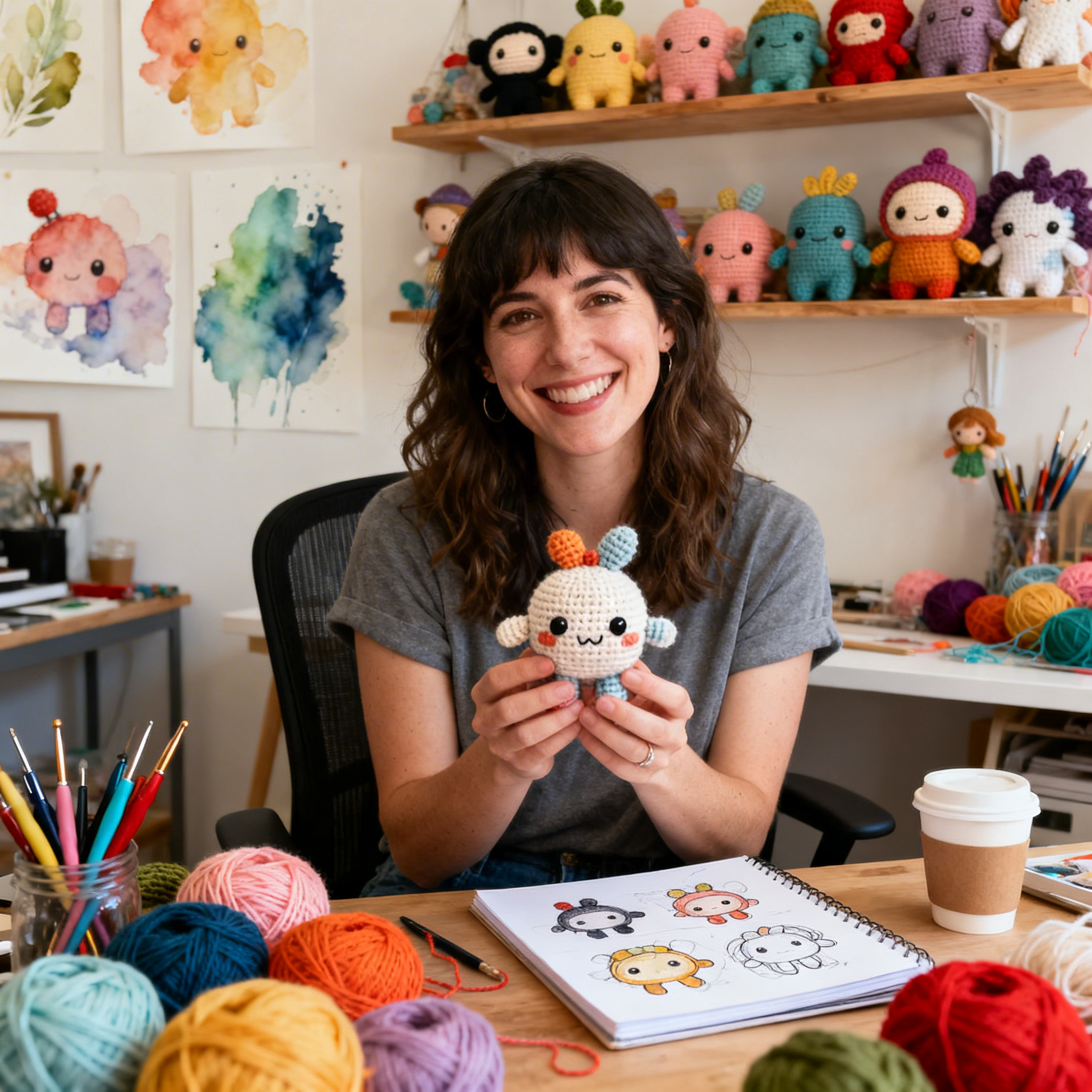
Clara Fern — Crochet Artist & Amigurumi Designer
Clara Fern is a crochet artist and amigurumi designer based in Austin, Texas. With 9 years of experience working with yarn and hook, she transformed a lifelong passion for handcraft into a creative mission: making amigurumi accessible, fun, and deeply rewarding for crafters of all levels.
Clara discovered amigurumi during a trip to Japan in 2017, where she fell in love with the art of bringing tiny characters to life through crochet. Back home in Texas, she spent years studying color theory, design principles, and advanced crochet techniques — developing her own signature style that blends kawaii aesthetics with original character design.
Through maclafersa.com, Clara shares everything she has learned — from choosing the right yarn and reading your first pattern, to designing fully original amigurumi characters from scratch. Her writing is known for being clear, detailed, and genuinely helpful, with no steps skipped and no secrets kept.
When she’s not crocheting, Clara enjoys watercolor painting, visiting local yarn shops, and drinking way too much coffee while sketching new character ideas.