How to Count Stitches Without Losing Your Place
Using stitch markers to keep your place
Stitch markers are your best friend when you’re crocheting or knitting Amigurumi. You’ll stay organized, avoid counting errors, and keep tricky patterns moving smoothly. When you learn to use markers well, you’ll finish projects faster and feel more confident with every round. You’ll notice your work stay neat, and your stitches stay in the right spots, even after you set the project down for a break.
Think of markers as little signposts on your yarn road. They tell your hands where to go next so you don’t have to re-check the pattern every few seconds. They’re especially handy in amigurumi, where keeping track of rounds and increases can get confusing. With markers in place, you can focus on the feel of the stitch instead of math and position. The end result is a smoother, steadier rhythm—and fewer frogging moments.
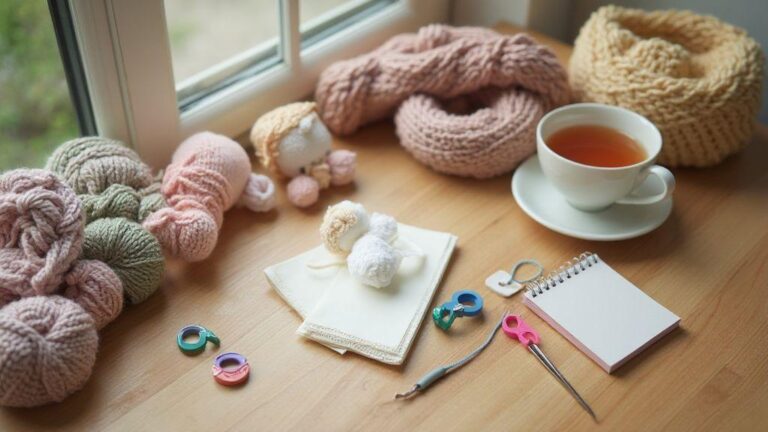
If you’re new to markers, start simple. Use a bright color or a small ring that fits snugly around a single stitch. Place markers at key points like the end of a round, the beginning of a new increase, or where you need to switch between increasing and remaining stitches. As you get more comfortable, you’ll learn which spots to mark for your favorite patterns, and you’ll almost never lose your place again.
Where you should put markers
Markers go at the beginning of each round so you can see where the round starts. If you’re working in continuous rounds, place a marker at the first stitch after finishing a round. For projects with color changes or special shapes, add markers at the corners or where you notice increases or decreases. If you’re counting stitches within a row, place markers around the first and last stitches of that row to keep track. Clear, visible placement is key—choose markers that stay put and don’t slip.
You’ll also want markers to mark pattern repeats. If a pattern repeats every 6 stitches, put markers at every 6th stitch. This makes it easy to see your progress without counting from the start each time. For amigurumi, place markers at the start of each new round and at any place you need to pause to check stitch count. This helps you maintain the toy’s round, even shape as you build it up.
Beyond rounds, consider markers for shaping. Put a marker at the row or round where you’ll begin shaping the ears, arms, or snout. It’s a simple cue to remind you to slow down and follow the shaping instructions exactly. With markers in the right spots, you’ll feel sure about where you are in the pattern, and you’ll sew with more confidence later on.
How you add markers
To add a marker, slip it onto your working yarn before you begin the next stitch or place it around the next stitch after you finish a stitch. If you’re using a locking or safety pin marker, just thread it through the stitch’s loop and let it sit there. If you prefer plastic stitch markers, push the marker through the loop or clip it onto the fabric just behind the stitch so it stays in place. Choose a color that stands out against your yarn, so you can spot it at a glance.
When you’re starting a new round, drop a marker into the first stitch after you slip the last stitch of the previous round. This marks the round’s beginning so you can count accurately without re-ripping. If you’re counting stitches in a row, place markers at your key points and keep them there as you work the row. It’s a small step, but it saves you from big counting errors later.
If you’re switching marker styles, you can remove a marker carefully after you finish the round and replace it with another type. Just be gentle with the yarn to avoid snagging. The goal is stable markers that stay in place and help you stay on track, not markers that wiggle free every few stitches.
Quick marker tips
- Keep markers visible and out of the way of your hook. Bright colors or metal markers work best. If you drop one, reinsert it where you left off and continue.
- For tight amigurumi stitches, locking markers can prevent them from sliding off. You can also use a bit of scrap yarn to tie a small, removable marker in place for quick visibility.
- Since you’ll be using markers across many rounds, choose a system you understand and stick with it so you never confuse where you started.
- Avoid overloading a single marker. Too many markers can clutter your palm and slow you down. Use just enough to mark the essential points: round starts, pattern repeats, and shaping. With practice, you’ll recognize the moments to add or remove markers quickly, almost without thinking.
Lifelines to prevent losing stitches
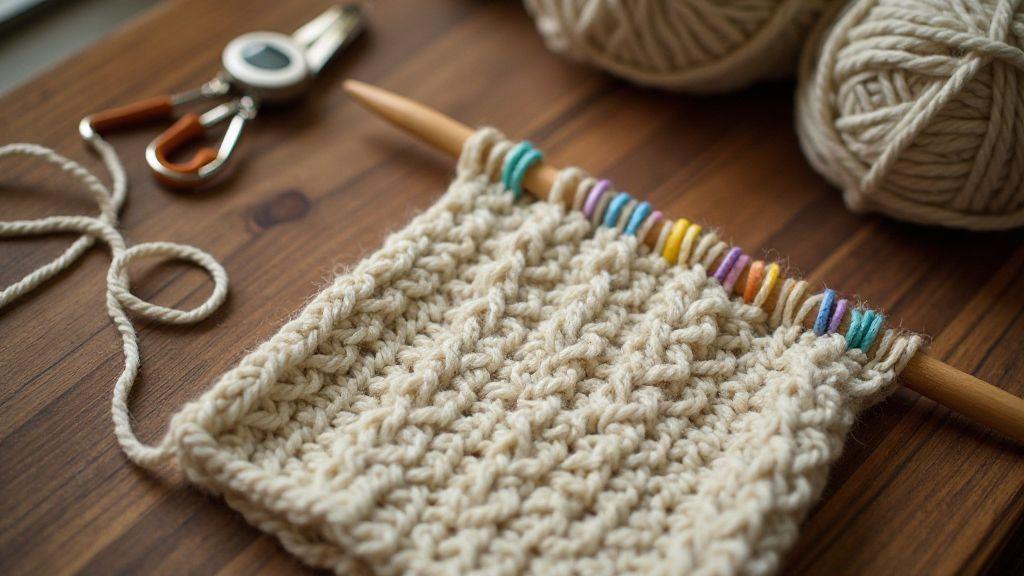
You’ll love how a lifeline saves you when your project starts to slip. A lifeline is a length of yarn left in place so you can rip back to a known good row without reworking every stitch. Think of it as a safety net for your knitting, catching you before you lose hours of work. When you place a lifeline, you keep your stitches intact and you can fix mistakes in minutes instead of hours. Using lifelines also helps you stay calm, especially on tricky patterns or large swatches where one dropped stitch can ripple into a whole mess. You’ll build trust in your technique as you watch your fabric stay steady, row after row, even if you need to undo a little later.
A lifeline works with your yarn and needle setup. You’ll thread a length of the same yarn through every stitch of a row and secure it at the ends. When you realize a stitch is off, you simply pull out the rows above the lifeline and your stitches stay safe below. This method is quick, repeatable, and you can reuse the same lifeline for rows that follow. Your confidence grows as you learn to rely on this simple trick, especially when you’re learning How to Count Stitches Without Losing Your Place and realize every stitch line has a checkpoint you can trust.
In practice, you’ll find lifelines most useful in colorwork, cables, or rows with pattern changes. You’ll often place them after finishing a full row that contains a repeat or a tricky section. If your project is big, you might set a lifeline every few rows for extra insurance. The key is to keep the lifeline snug but not tight, and to secure the ends so it won’t snag on your needle. With that setup, you’ll knit with less fear of a dropped stitch turning into a disaster.
When you should insert a lifeline
You should insert a lifeline before you start a tricky section, like colorwork, cables, or pattern repeats that you’re still learning. If you’re about to embark on a long, uninterrupted stretch of stitches, a lifeline gives you an instant reset point. You’ll also want one after you finish a row that contains a lot of changed stitches or a tricky decrease, so you have a clean checkpoint to drop back to if needed. Think of it as marking your map before you hike into unfamiliar terrain.
You’ll insert lifelines after completing a row that you’re confident about, especially if you’re going to work beyond it with a complex chart. If you’re tackling a project with frequent repeats, place a lifeline at the end of each repeat. That way, when a mistake sneaks in, you only redo a handful of stitches rather than the whole row. You’ll find this approach makes spotting errors easier and keeps your progress steady rather than chaotic.
If you’re new to lifelines, start with simple sections and place your lifeline every 6–8 inches or after every repeat, whichever feels more comfortable. As you gain experience, you’ll decide how often you want the safety net. The goal is to prevent you from having to frog large chunks—saving you time and frustration. You’ll see your rhythm improve when you treat lifelines as a normal part of your workflow.
Tools you need for a lifeline
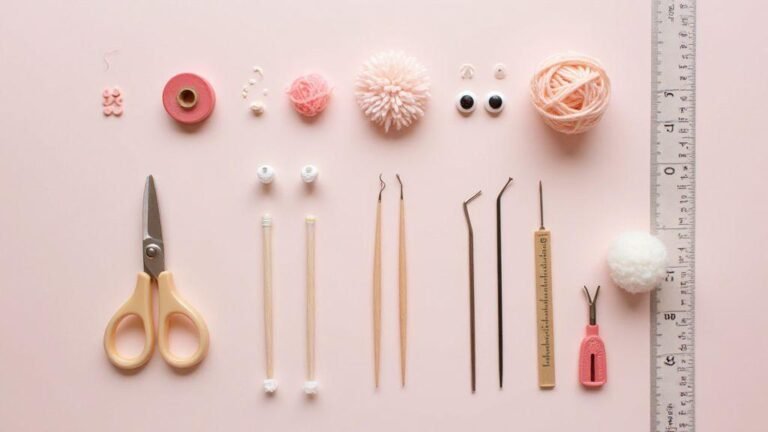
You need a few simple tools to set up a lifeline. A length of smooth, strong yarn in a color that contrasts with your project helps you see it clearly. You’ll thread this yarn through every stitch of the target row, so choose a needle or crochet hook that fits smoothly through your stitches without catching. A tapestry needle is handy for securing the ends once you’ve anchored the lifeline. You’ll also want small scissors to trim ends cleanly.
Keep in mind that your lifeline yarn should be the same weight category as your project or slightly lighter so it glides through stitches. If you’re knitting with sock yarn, don’t grab a bulky yarn for the lifeline. You’ll thank yourself when you don’t fight with a stiff thread while pulling your stitches back. For quick setup, pre-cut several lengths and store them with your project so you’re ready to place a lifeline the moment you sense a challenging section coming.
With the right tools in hand, you’ll place lifelines in minutes and keep your work safe from row to row. It’s a small habit that pays off big—allowing you to experiment with new stitches or colorwork without the fear of losing your place.
Lifeline safety tips
- Use a smooth yarn and avoid knots that snag your stitches. Keep your lifeline tidy and parallel to your knitting.
- Thread through every stitch of the target row, then secure both ends firmly so the line stays in place as you work.
- Do not pull the lifeline tight enough to distort your fabric; it should sit snugly without pulling on your stitches.
- Leave enough length at the start and end to remove or reinsert without snagging your needle.
How to Count Stitches Without Losing Your Place
Keeping track of stitches is easier when you use lifelines as checkpoints. You’ll count from a known good row, using the lifeline as a safety boundary. If you realize you’ve miscounted, you simply drop back to the lifeline and re-begin from a known correct point. This approach helps you stay organized and reduces the anxiety of getting lost in a pattern. You’ll find that counting stitches becomes almost automatic after you’ve practiced with lifelines, especially in sections with repeats or color changes.
In practice, you’ll count stitches by measuring the number per row and cross-checking with your pattern. If you’re unsure, you pause, place a lifeline, and continue from the last good row. The habit of counting this way makes mistakes less scary and keeps your progress consistent. You’ll also notice fewer dropped stitches because you have a clear boundary to return to. This mindset shift makes your Amigurumi journey smoother and more enjoyable.
Tips for counting stitches while knitting
You want to stay in control of your stitches, not lose track, and keep your Amigurumi neat. In this section, you’ll learn practical ways to count without slowing you down. You’ll discover how to count in chunks you can manage, how to check pattern repeats, and quick rules that fit into your knitting flow. By the end, you’ll feel confident counting as you go, so your amigurumi keeps its shape and size.
Count in groups you can handle
When you knit, you don’t have to count every single stitch at once. Instead, count in small, memorable groups. For example, if a row has 12 stitches, break it into three groups of four. You can say to yourself, four, four, four as you work. This makes errors easier to spot because a miscount will stand out against the familiar rhythm you’ve trained. If you’re new to this, start with even groups like two or three stitches per count. Your hands will feel the rhythm, and your mind won’t wander as much. Highlight this method in your routine whenever you pick up the hook or needle to keep your amigurumi proportions on track. Remember, your goal is steady counting, not perfect math in the middle of a project.
How you choose groups matters. If a pattern shows a tricky sequence (like a cluster or increase), you can regroup to fit the pattern’s flow. Write a quick note in your pattern or small sticky flag on your project sheet. This helps you remember, Okay, I’ll count in four-stitch groups here, then switch to six-stitch groups after the repeat. Keeping the grouping consistent across rounds reduces mistakes and keeps your stitches aligned with the design.
How you check pattern repeats
Pattern repeats are your friend when you knit amigurumi. They tell you when you’ve finished a segment and should start again. To check repeats, count stitches up to the end of one cycle, then compare your count to the expected number. If the repeat is 8 stitches, you’ll count 8, then 8 again, and so on. If you notice a mismatch, stop and re-count from a known good point, such as a stitch you marked at the start of the repeat. This practice catches errors early before they snowball.
Another trick is to place a small marker at the start of each repeat. Move the marker if you’re working in rounds or changing row directions. When you reach the marker, you know you’ve completed a full cycle. This makes it easier to stay in rhythm with the pattern and reduces the stress of counting mid-row. If you’re ever unsure, slower counting at the moment you hit the marker will save you from ripping out later. You’re building consistency, one repeat at a time.
Quick counting rules
- Break big counts into smaller, consistent chunks you can say aloud or group mentally.
- Use markers to mark the start and end of repeats.
- Double-check the end of a repeat before moving on. If a count seems off, stop and recount from a reliable point.
- When you add or remove stitches, re-check the surrounding repeats to ensure the overall piece stays balanced.
- Trust your hands as your guide; the feel of the stitch rhythm is a clue you can rely on.
By sticking to these quick rules, you’ll keep your project moving smoothly. Your crochet or knitting session will feel less error-prone and more like a steady craft rather than a puzzle you’re solving in a flare of panic. The result is a cleaner, more reliable amigurumi that looks just the way you imagined.
Marking rows and stitch counts
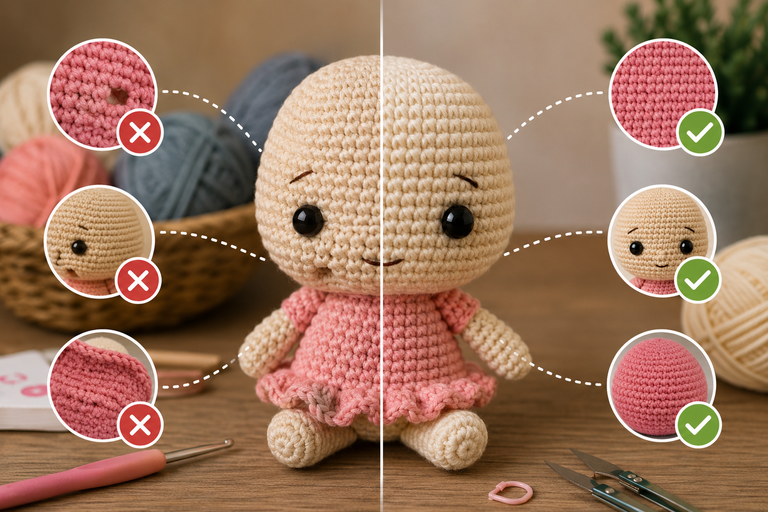
When you crochet amigurumi, keeping track of rows and stitches is your safety net. You’ll avoid a lobstered mismatch when you know exactly where you are in the pattern. Use a simple system: mark each completed row and write down the stitch count at the end of that row. This isn’t just bookkeeping—it’s your map. With consistent marking, you won’t have to pause and guess if you’re on row 7 or row 9. You’ll feel confident, and your amigurumi will come out the same every time you use the pattern. The more you mark, the less you panic when you put your work down and come back later. Remember, accuracy here is the difference between a cute toy and a toy with wonky limbs.
Stitch counts tell you when to increase, decrease, or stay the same. After each row, you’ll check the pattern for the next move and compare it to your count. If you’re off by one stitch, you might end up with a fat head or a lop-sided ear. So, keep a running tally in a way that feels natural to you. Some people prefer tally marks, others like a quick note on the page. The key is consistency. When you see your marks, your brain can forecast what comes next, and you won’t squander minutes recalculating. Your goal is a smooth workflow, not stress.
Let’s make marking rows a habit. You’ll train your eyes to spot a discrepancy early, catching mistakes before they multiply. This practice saves you time and frustration, letting you finish projects faster and with more pride. Each row mark should be visible and easy to read, so you don’t have to squint or flip back and forth. Your future self will thank you for the clarity you build today.
How you use row counters and sticky notes
Row counters and sticky notes are your two best friends. You’ll slip a row counter on your hook like a tiny referee, clearly signaling, Row complete. This keeps your hands free and your mind focused on the stitches you’re making, not the count you’re fighting to remember. Sticky notes give you a quick, flexible way to jot down the count at the end of each row. Use a color for next row or for increase/decrease now, and your brain will click into place faster. The trick is to keep the system simple: one counter, one color, one place for your notes.
When you finish a row, snap your row counter to that row’s number and place a sticky note with the count right beside your work. If you’re using numbers on sticky notes, write the exact stitch count you ended with. If you prefer a shorthand, tag the row with inc for increases or dec for decreases. Whatever system you choose, keep it consistent. You’ll develop a rhythm: stitch, count, mark, repeat. And every time you pick up your project, you’ll immediately know where you stand.
Sticky notes aren’t just for counts. You can write reminders like check gauge, arm next, or join head to body. Place them where you’ll see them as you crochet. This avoids stray interruptions when you reach a tricky part. Your notes become a tiny, personal coach, nudging you toward the pattern’s next move. If a note falls off, replace it right away so you never lose your place.
How you update counts after each row
After you finish a row, you’ll update the count right away. Don’t wait—your brain can forget, and you’ll lose momentum. Update by writing the new total on your sticky note or adjusting the row counter. If you had increases or decreases, note that too. This tells you exactly how many stitches you should have and whether the pattern is behaving correctly. Your confidence grows with every accurate update, and you’ll move through the pattern without second-guessing yourself.
If you’re ever unsure, recount the last row before you move on. A quick check keeps you aligned with the pattern’s rhythm and prevents a cascade of errors. When you’re updating, keep the language clear in your notes: row 5 = 24 stitches, inc to 28, or dec to 22. Plain language sticks better than vague symbols. You’ll learn the pattern’s heartbeat faster, and your amigurumi will keep its shape.
A simple end-of-row ritual helps a lot: look at your last row’s count, compare to the next row’s instruction, then update. This tiny routine saves big headaches and helps you finish with exact seams and even stuffing. You’ll be proud of how clean your rows look and how tight your stitches stay, all because you kept your counts precise.
Tools and apps to track stitch counts
Tracking stitch counts is easier when you have the right setup. You’ll want a mix of digital tools and simple paper options so you can switch as your project changes. Whether you’re counting rows or stitches, keeping your place matters. The right system saves you time and prevents dropped stitches or misreads. Think of it as your personal helper, keeping your project neat and moving forward.
Consistency matters here. Pick a method you enjoy and stick with it. If you love your phone, you’ll use apps; if you value a tangible feel, you’ll reach for paper trackers. Either way, you’ll avoid the chaos of losing count mid-row. Your goal is to make counting feel automatic so you can focus on your Amigurumi’s shape and texture.
Your tools should be simple, reliable, and quick to consult. No one wants to fiddle with complicated menus while you’re mid-stitch. The best setup is one you can glance at in a second and confirm you’re on the right row or stitch count.
Apps you can use for rows
Apps make counting rows fast and accurate. You can start a project, add your row counts, and have a quick history if you need to backtrack. Look for features like a clear counter, easy editing, and a clean export option if you ever want to share progress with a friend or pattern designer. If you’ve ever lost your way in the middle of a row, you’ll appreciate an app that shows your current row, total rows, and remaining stitches in real time. The key is a simple interface that doesn’t pull you away from your yarn.
Many apps let you customize row increments. If your pattern uses rare repeats, you can add notes for each row so you always know what to crochet next. When you’re deciding, test a few with a quick, first-project count to see which feels most natural. You want something that reads your finger taps quickly and updates your count instantly. A reliable app is like a trusted gauge—always accurate and never judgmental about your pace.
If you’re starting, look for an app with offline mode. You don’t want to depend on Wi-Fi when you’re in a cozy craft corner. Naming clarity helps too: use a contrasty number display and big buttons so you don’t misread a row. In the end, you’ll save minutes per project and reduce the risk of dropping your stitch journey.
Paper trackers you can print
Paper trackers give you a tactile, fast way to count. You can print templates and choose one that fits your pattern. Paper is great because you can write notes, mark increases or decreases, and quickly flip to review. If you like to keep a physical record, this is your most reliable backup. It’s also useful when you don’t want to pull out a device and breaks in your momentum.
Choose a tracker that clearly marks rows and stitches, with generous space for notes. You can color-code sections for different parts of the pattern or for different yarn colors. Print a single-page row counter you can punch holes into and flip, or use a compact spread you can keep in a notebook. The goal is to make counting effortless, so you’re less likely to lose your place mid-project. Your hands will thank you for a design that invites you to write legibly and skim quickly.
Paper trackers are great for sharing with a friend or teacher who wants to review your work. You can scan a page later if you need to revisit a row, but you still have a reliable, quick reference at your table. Use a ruler for neat lines and bold highlights for important notes. A good paper tracker feels like a small map to your finished amigurumi.
Best tool setup
Your best setup blends digital and paper: keep an app for quick counting and a printable tracker in your project bag. Use a high-contrast display in the app and a clean, bold layout on your printouts. Mark your current row with a big check or circle so you can glance and go. Keep spare sheets in a folder labeled by project name, so you never scramble to find yesterday’s counts. With this setup, you’ll know How to Count Stitches Without Losing Your Place every time, no matter the pattern. Your workflow will feel smooth, and you’ll finish projects with confidence.
Methods to avoid losing your place when knitting
Knitting can feel like a dance with yarn and needles, but you can stay in step if you use the right moves. You’ll keep your rhythm by marking your progress and planning ahead. You’ll feel confident when you know exactly where you left off, even if you put your project down for a moment. This is about keeping your place so you don’t drop a stitch or lose track of your chart.
First, you’ll want a simple system that works every time. Think of it like a bookmark for your knitting. A quick marker, a note in your pattern, or a tiny tag on your work acts like a cue: “Resume here.” Keeping your place matters for both comfort and accuracy, especially when you’re juggling multiple color changes or a long chart. With the right habit, you’ll finish more projects and freak fewer moments when you pause.
How you pause and mark your spot
When you finish a row, pause by placing a visible marker on the needle that sits just after your last stitch. This is your cue to resume. You can also place a small piece of scrap yarn in the same spot to act as a temporary flag. The key is consistency: always use the same kind of marker and put it in the same place. If you’re using a chart, keep your chart right side up and note where you paused in the margins so you can scan quickly next time.
Another solid tactic is to jot a tiny note in your project log. A simple line like Row 12, color A helps you pick up without staring at the screen or chart for minutes. Remember to keep the log nearby and be brief. The goal is a quick mental reset so you can dive back in without re-reading every row.
Lastly, treat your pause like a reset button for your hands. Slip your marker in place as soon as you finish, then slide your hands back to their starting position. A few seconds of ritual now saves you minutes later and protects your stitches from slipping out of place.
How you read ahead in the chart
Reading ahead means you know what’s coming before you slide your next stitch. Look two rows forward on the chart to anticipate increases, decreases, or color changes. This helps you keep tension steady and avoids surprises that might throw you off balance. You’ll feel calmer because you’re not guessing when you reach a tricky section.
Another trick is to narrate what you’re about to do in your head. For example, “Next I will purl two, then knit one.” It’s like a tiny mental warm-up, so when you reach the actual row, your hands move with confidence. If you use color changes, note where the next color will appear and how many stitches sit before it. This keeps you from scrambling mid-row.
If you’re working with a chart, develop a habit of rotating the chart so you’re always reading from the top of your page. This reduces mistakes and makes it easier to see where you left off. The consistent view helps you stay in flow.
Method comparison tip
Try two quick methods to see which fits you best: a dedicated row counter vs. a simple marker-and-note system. A row counter gives you an external cue every time you finish a row. A marker-and-note system puts the reset in your hands and in your project log. If you knit colorwork or small Amigurumi pieces, you might prefer the tactile cue of a marker plus a brief note. If you’re juggling many rows, a row counter can be faster. Pick the method that saves you time and reduces hesitation.
Easy stitch counting techniques
Counting stitches in Amigurumi is a skill you’ll use every time you crochet. You’ll feel the difference when you can read your work instead of guessing. Lighten up the load here by sticking to steady counts rather than rushing. If you’re ever unsure, pause and re-check; solid counts save hours later. You’ll notice your tension stays even and your shapes come out more accurate. When you practice these techniques, you’ll find it becomes almost automatic, and you’ll enjoy making your next critter even more.
With practice, you’ll start to recognize patterns in your counts. You’ll learn to count not just stitches, but rows and rounds, too. Think of it like a map: you know where you are on the page, so you don’t wander off. Consistency is your best friend, and counting becomes a quick, almost musical part of your workflow. You’ll feel confident moving through repeats and finishing your toy with clean seams and exact shapes. Keep your eyes on the work, not on the numbers you’re not sure about.
As you grow your counting habits, you’ll also build a toolkit of quick checks. Those small habits—cross-checking, tallying as you go, and using markers—make a big difference. You’ll save time by not ripping back stitches as much. When you know how to count stitches without losing your place, you keep your project moving forward and your mood up. Your Amigurumi will thank you with neat edges and a crisp finish.
How you use math for repeats
Math helps you handle repeats without getting lost. You’ll notice most patterns have a set number of stitches per round or row; multiply or divide that number to predict what comes next. When you keep a simple tally, you see if your project matches the pattern’s rhythm. This is where you’ll feel your confidence grow, because you’re actively checking the math as you go, not after you’ve finished.
You’ll also learn to keep track of stitch groups like shells or trebles within the repeat. By labeling sections in your head (or with a tiny sticky note on your hook), you won’t confuse the start of the next repeat. If your count seems off, you can quickly locate a problem area—often just one stitch off in a repeat. That small insight saves you from ripping back big sections. Remember, the goal is steady, repeatable progress, not perfection on the first try.
How you tally and check as you go
Tally as you go by marking each completed stitch or small group. A simple method is to use a removable stitch marker at the end of each repeat. This gives you a quick visual cue that you’ve finished a section and are ready for the next. If you’re working in rounds, you can also count the total stitches in a round and compare it to the pattern’s instruction. Keeping a light, steady pace helps you avoid double-counting or skipping stitches.
A practical habit is to pause briefly at the end of each repeat to confirm the total. Say the pattern calls for 12 stitches per repeat; you should be at 12, 24, 36, and so on as you complete each section. If you see a stray stitch or a missing one, you know exactly where to check. This routine minimizes errors and keeps your project moving smoothly to the finish. Your hands will thank you for the clarity, and your Amigurumi will look more proportional.
Simple technique list
- Use a removable marker at the end of each repeat to track progress. Boldly place it where you know you’ve finished.
Marking rows and stitch counts
When you crochet amigurumi, keeping track of rows and stitches is your safety net. You’ll avoid a lobstered mismatch when you know exactly where you are in the pattern. Use a simple system: mark each completed row and write down the stitch count at the end of that row. This isn’t just bookkeeping—it’s your map. With consistent marking, you won’t have to pause and guess if you’re on row 7 or row 9. You’ll feel confident, and your amigurumi will come out the same every time you use the pattern. The more you mark, the less you panic when you put your work down and come back later. Remember, accuracy here is the difference between a cute toy and a toy with wonky limbs.
Stitch counts tell you when to increase, decrease, or stay the same. After each row, you’ll check the pattern for the next move and compare it to your count. If you’re off by one stitch, you might end up with a fat head or a lop-sided ear. So, keep a running tally in a way that feels natural to you. Some people prefer tally marks, others like a quick note on the page. The key is consistency. When you see your marks, your brain can forecast what comes next, and you won’t squander minutes recalculating. Your goal is a smooth workflow, not stress.
Let’s make marking rows a habit. You’ll train your eyes to spot a discrepancy early, catching mistakes before they multiply. This practice saves you time and frustration, letting you finish projects faster and with more pride. Each row mark should be visible and easy to read, so you don’t have to squint or flip back and forth. Your future self will thank you for the clarity you build today.
How you use row counters and sticky notes
Row counters and sticky notes are your two best friends. You’ll slip a row counter on your hook like a tiny referee, clearly signaling, Row complete. This keeps your hands free and your mind focused on the stitches you’re making, not the count you’re fighting to remember. Sticky notes give you a quick, flexible way to jot down the count at the end of each row. Use a color for next row or for increase/decrease now, and your brain will click into place faster. The trick is to keep the system simple: one counter, one color, one place for your notes.
When you finish a row, snap your row counter to that row’s number and place a sticky note with the count right beside your work. If you’re using numbers on sticky notes, write the exact stitch count you ended with. If you prefer a shorthand, tag the row with inc for increases or dec for decreases. Whatever system you choose, keep it consistent. You’ll develop a rhythm: stitch, count, mark, repeat. And every time you pick up your project, you’ll immediately know where you stand.
Sticky notes aren’t just for counts. You can write reminders like check gauge, arm next, or join head to body. Place them where you’ll see them as you crochet. This avoids stray interruptions when you reach a tricky part. Your notes become a tiny, personal coach, nudging you toward the pattern’s next move. If a note falls off, replace it right away so you never lose your place.
How to update counts after each row
After you finish a row, you’ll update the count right away. Don’t wait—your brain can forget, and you’ll lose momentum. Update by writing the new total on your sticky note or adjusting the row counter. If you had increases or decreases, note that too. This tells you exactly how many stitches you should have and whether the pattern is behaving correctly. Your confidence grows with every accurate update, and you’ll move through the pattern without second-guessing yourself.
If you’re ever unsure, recount the last row before you move on. A quick check keeps you aligned with the pattern’s rhythm and prevents a cascade of errors. When you’re updating, keep the language clear in your notes: row 5 = 24 stitches, inc to 28, or dec to 22. Plain language sticks better than vague symbols. You’ll learn the pattern’s heartbeat faster, and your amigurumi will keep its shape.
A simple end-of-row ritual helps a lot: look at your last row’s count, compare to the next row’s instruction, then update. This tiny routine saves big headaches and helps you finish with exact seams and even stuffing. You’ll be proud of how clean your rows look and how tight your stitches stay, all because you kept your counts precise.
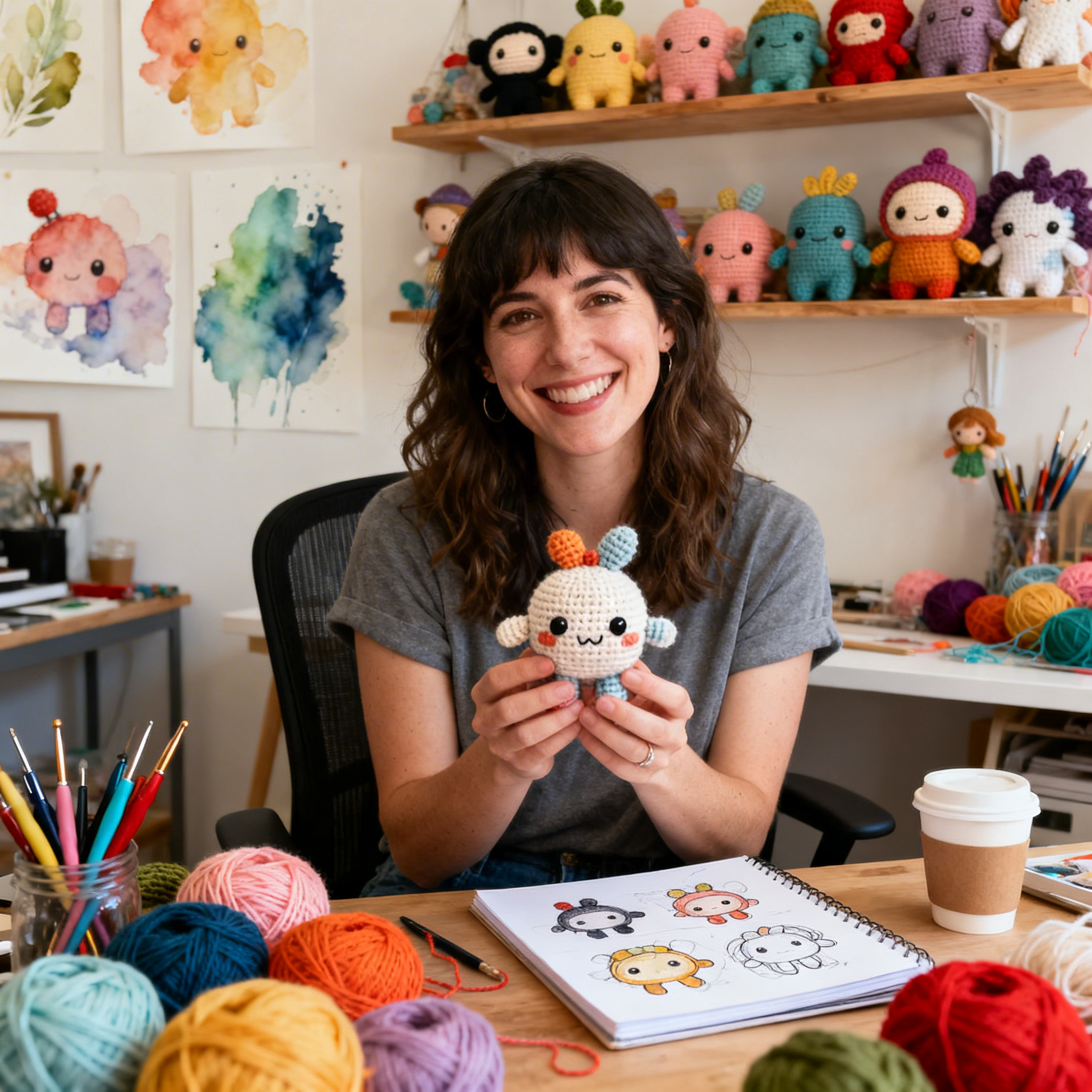
Clara Fern — Crochet Artist & Amigurumi Designer
Clara Fern is a crochet artist and amigurumi designer based in Austin, Texas. With 9 years of experience working with yarn and hook, she transformed a lifelong passion for handcraft into a creative mission: making amigurumi accessible, fun, and deeply rewarding for crafters of all levels.
Clara discovered amigurumi during a trip to Japan in 2017, where she fell in love with the art of bringing tiny characters to life through crochet. Back home in Texas, she spent years studying color theory, design principles, and advanced crochet techniques — developing her own signature style that blends kawaii aesthetics with original character design.
Through maclafersa.com, Clara shares everything she has learned — from choosing the right yarn and reading your first pattern, to designing fully original amigurumi characters from scratch. Her writing is known for being clear, detailed, and genuinely helpful, with no steps skipped and no secrets kept.
When she’s not crocheting, Clara enjoys watercolor painting, visiting local yarn shops, and drinking way too much coffee while sketching new character ideas.