How to Crochet in Continuous Rounds Without Getting Lost
How to Crochet in Continuous Rounds Without Getting Lost: A streamlined guide to staying on track, with practical tools, markers, and techniques for clean, consistent Amigurumi.
Intro
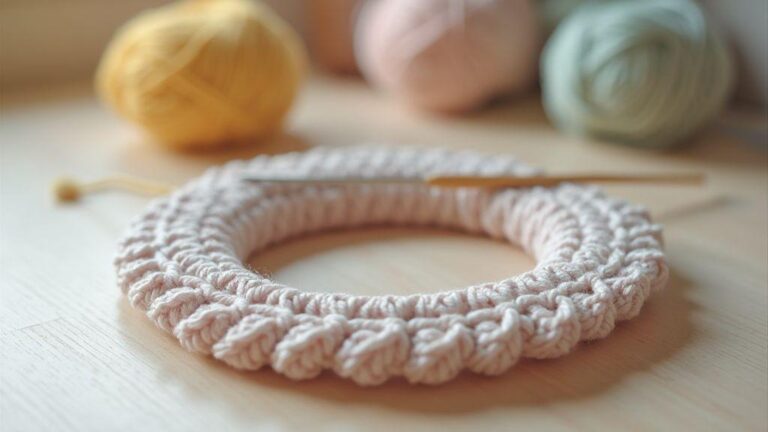
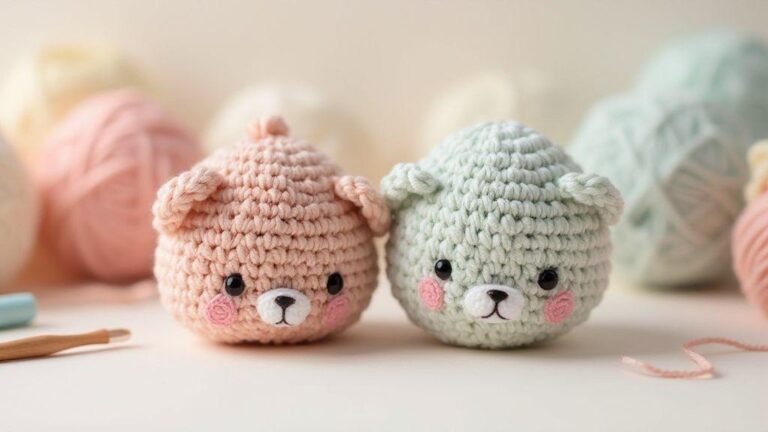
If you’re learning How to Crochet in Continuous Rounds Without Getting Lost, this guide covers the essential tools, markers, and methods to keep your place, maintain even stitch counts, and finish with invisible seams. With the right setup and a steady rhythm, you’ll crochet seamless rounds and bring your amigurumi ideas to life.
Pick tools that help you crochet continuous rounds
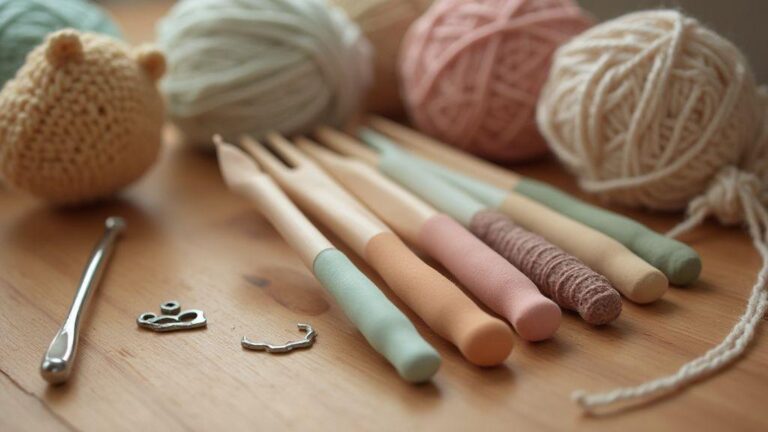
Choose a comfortable, balanced crochet hook that matches your yarn weight. A hook that feels good in your hand helps you stay in the rhythm of continuous rounds. Pick yarn that slides smoothly through the hook and shows your stitches clearly; a soft, even fiber helps you see where you are. Have scissors and a yarn needle handy for quick finishing. Avoid very slippery or snag-prone yarn, and keep a simple stitch marker nearby to count rounds without rereading notes.
Set up a small, dedicated session space: table, good light, and tools within reach. Extra stitch markers give you room if one drops or you need to mark a special stitch. For tight spaces, a magnetic chart or tiny notebook can help you keep notes and minimize interruptions. Your environment should feel calm so you can focus on each round.
Your setup should grow with you. If your project scales up, your tools should still fit and feel comfortable for long sessions. Your toolkit is your safety net, keeping you moving forward round after round.
Why using stitch markers helps you stay on track
Stitch markers are memory aids for continuous rounds. They mark where a round starts and ends, helping you avoid adding or missing stitches. Place a marker in the first stitch of the round and move it to the first stitch of the new round when you complete a round. They’re especially helpful during color changes or shaping—place markers before decreases to know where to begin the next round.
Markers also help with counting stitches if you pause. The marker shows you where to check your work, keeping your mind on the craft rather than on memory alone. A couple of spare markers ensure you won’t lose your place if one pops off. For longer rounds, using a second marker during color changes can be a lifesaver.
Best hook and yarn choices for amigurumi
For amigurumi, use a hook that produces tight, crisp stitches. A smaller hook than you’d use for a loose fabric helps the toy hold its shape. Look for a comfortable handle and a head that glides through yarn without catching. The yarn choice should be smooth (acrylic or cotton blends are common) with consistent twist to avoid splitting. Start with a medium weight (DK or 4-ply) in a bright color so you can clearly see your stitches and count rounds.
Swatch to confirm gauge before starting. If you’re doing fine details like scales, you may switch to thinner yarn but adjust your hook size to maintain the same tight fabric. Choose high-contrast colors for eyes and features to see details clearly. Keep a couple of extra skeins on hand to avoid running out mid-round.
Quick tools checklist
- Comfortable hook in the right size for your yarn
- A few stitch markers (plus spares)
- Scissors that cut cleanly
- Yarn needle for weaving ends
- Smooth yarn in main color and a contrasting color for details
- Adequate lighting or magnification if needed
Use stitch markers to never lose your start
Markers help you avoid losing your starting stitch when crocheting amigurumi. They act as road signs for round beginnings and endings, helping you stay on track and maintain tension. Start every round with a marker on the first stitch; move it to the first stitch of the new round when you finish the round. For color changes, place a marker at the point of color shift. If a marker slips, pause, fix it, and continue.
Markers aren’t just for beginners: they improve accuracy and consistency, especially in tight rounds or complex sections. A bright or larger marker can be easier to grab when you’re in a hurry.
How to use stitch markers crochet rounds
Start a round by placing a marker in the first stitch. If your round is joined, keep the marker at the starting point and crochet around until you return there. Move the marker to the first stitch of the next round after you finish. Use markers for color changes to pinpoint where the new color begins. If you’re in a color-changing section, a second marker can help you track the middle of the transition. Choose markers that are easy to move in tight spaces.
Move markers after every round to keep the starting point visible. If a marker is misplaced, pause to count stitches and relocate it. Having markers on every project builds a reliable routine you can trust, even with multiple amigurumi ideas.
Move markers each round like a pro
After finishing a round, shift the marker to the first stitch of the next round. If you’re joining rounds, place the marker just before you join and crochet to the marker to ensure you’ve completed the round. Confirm the marker is at the starting point at the beginning of each round; if not, pause, count, and reposition. If a marker slips, fix it right away to prevent derailment later. Consistent use of markers helps your stitches stay even and your rounds neat.
Keep your stitch count accurate every round
Accurate stitch counts are the backbone of clean amigurumi. Choose a comfortable hook and yarn that let you see stitches clearly. Pause at the end of each round to count aloud or tap with your fingers. Off counts can distort the shape, so verify the round’s total and adjust as needed. Keep working yarn snug but not tight, and use a removable marker for the first stitch if you’re changing colors.
A quick visual check helps: count stitches in the round and compare to the pattern target. As you gain experience, you’ll spot off counts faster and correct them before they affect the shape.
Simple ways to maintain stitch count continuous rounds
- Use a row counter at the edge of your work to track rounds.
- Place a simple marker at the start of each round.
- If using a magic circle, tighten the center carefully to avoid affecting the first round.
- In continuous rounds, occasionally count stitches in a few places to catch mistakes early.
How to fix added or missing stitches quickly
If you notice an extra stitch, crochet into the next round around the added stitch and adjust by reducing one stitch in that round. If you’re short, frog back to the last known-good round and rework carefully. For small early-round errors, split the round at the marker and adjust counts within that segment. When unsure, revert to the last correct round and rework with extra attention.
Simple count tracking methods
- Bright stitch markers to mark round starts
- A small sticky-note tally for quick checks
- A row counter or counting app for a digital log
- Tally marks or notebook records for a written trail
Which method suits you best
The best counting method depends on your routine and preference: tactile (row counters or tally marks), digital (apps), or written (notebook). Try a week with each approach to see which helps you stay relaxed and consistent. The aim is reliability, not perfection on day one.
Stop common errors so your rounds stay tidy
Tidiness comes from consistent counting and tension. Mark the first stitch of each round, check your round’s total, and monitor tension to avoid puckers. Keep yarn and hook control steady; adjust if your rounds curl or drift. Don’t mix stitch counts mid-round—finish the round correctly before moving on. If you spot an error, count back and fix before proceeding to keep seams clean.
How to spot and prevent a spiral seam crochet
A spiral seam appears when rounds don’t align into a straight line. Use a marker for the first stitch and verify rounds are flat. If you see twist, re-count from the marker. An invisible join or a seamless spiral keeps the surface smooth, especially around heads and limbs. Maintain steady tension when transitioning rounds, and consider carrying the color under the stitches for tidy color changes.
If a spiral appears despite care, add a few tight stitches to realign the last rounds and continue. A straight, clean seam lets you showcase stitch texture.
Troubleshoot increases and decreases in rounds
Increases or decreases that misalign cause bulges or gaps. Re-check the round counts in your pattern and ensure you’ve added or decreased where required. If a round looks thin, add an increase in the next stitch to restore shape. Tighten your decreases to close holes cleanly. Mark key rounds and count twice before continuing. Slower, careful counting pays off in a stable form.
For tight spots like ears or snouts, count carefully and slow down. Small discrepancies here become visible quickly.
Fast fixes when you get lost
If you get lost mid-round, pause, locate your marker, and count from the round’s start to find where you drifted. If off by a few stitches, frog back to the last correct round and rework forward. Reset from a known-good round if needed, re-mark the start, and continue. Practice with a comfortable piece to rebuild rhythm: count, mark, then stitch. Keep a quick note of stitch counts per round when you change direction or add increases to help future projects.
Control tension to shape amigurumi correctly
Consistent tension is key to a smooth shape. If the yarn pulls too tight, the form kinks; if too loose, it sags. Find a steady pull that feels natural in your hand. Check for uniform stitches and a flat surface as you go, adjusting your grip if you notice taller or shorter stitches. Tension also includes how you release the loop and how you finish each stitch. Practice helps you find the balance between firmness and flexibility needed for amigurumi.
Techniques to keep stitches tight for amigurumi
- Wraps and careful insertion to keep stitches tight
- Work from the back loop for raised textures
- Ensure the slip knot sits snug at the start
- If a stitch seems loose, reinsert the hook and tighten without pulling finished rounds
When increasing, place two stitches into one carefully; when decreasing, snug the final yarn path so the hole closes cleanly. These details create a tight, professional finish.
Stuffing and shaping tips for continuous rounds
Pack stuffing gradually with a gentle hand to avoid lumps. Aim for steady density to support the round without bulging. Use a stuffing tool to push into edges and maintain smooth curves. Turn and rotate the piece while filling to preserve symmetry. For heads, necks, or limbs, test-fit against a reference shape and adjust early to save rework later. The goal is a rounded, proportional silhouette.
Tension checks to do each round
Do a quick visual and tactile check after every round. Look for uniform stitch size and an even surface; feel for pinching or loose spots. If a round feels hard to pull through, loosen slightly; if it feels slack, tighten a touch. A simple rhythm like Same pull, same round, clean and sound can help you stay consistent.
Finish invisibly so seams don’t show
Finish with invisibility by choosing matching yarn and a small hook. Weave ends inside the fabric to hide seams and avoid puckering. Plan your finish before cutting; leave a long tail to weave through several stitches, then secure. Weave with a blunt needle in multiple directions to lock the end. Test seam invisibility by gently tugging; if you see a lump, adjust by reweaving. With practice, invisibility becomes second nature and your amigurumi looks seamless.
Invisible join spiral crochet methods you can use
- Invisible slip stitch join: slip into the hidden side of the previous round, then into the first stitch of the new round.
- Invisible single crochet join: slip stitch under the back loop only as you close a round, continue into the first stitch of the new round.
- Continuous spiral with a tiny drag method: treat the piece as a single spiral and weave the end along the inside after a few rounds for a seamless look.
Weaving ends and closing openings cleanly
Weave ends from the inside with a long tail, crossing the path to lock the end. Close openings from the inside, weaving the tail through several stitches and then trimming close but not flush. Tuck the tail behind nearby stitches to prevent snagging. Practice weaving on scrap to learn the right tension.
Finishing checklist
- Matching yarn and small hook for invisibility
- Long enough tails to weave securely
- Blunt needle for weaving ends
- Weave ends in multiple directions
- Close openings from the inside
- Test seam invisibility with a gentle tug
- Trim tails close but not flush
- Practice invisible join methods on scrap first
Practice drills that build your spiral skills fast
Regular practice improves spiral consistency. Start with small controlled rounds, maintaining a steady rhythm and even tension. Use a marker to track your rounds and move it forward as you complete rounds. A simple notebook can help you log stitch counts and turning methods to spot patterns slowing you down.
Your eyes should scan the whole round; if you lose your place, pause, count to locate the issue, and resume. Practice with a mix of small and longer pieces to build control and endurance. You’ll notice spirals becoming more natural and your confidence growing with every completed round.
Short crochet continuous rounds tutorial exercises
- Six-stitch magic ring growing by two stitches per round to keep the spiral tight; verify counts at the end of each round.
- Keep one color for several rounds, then switch to another to study tension changes during color shifts.
- Try one turning method then switch to a no-turn method on the next round to train your eye for fabric behavior.
Simple amigurumi drills to master counting
Counting drills train accuracy and speed:
- Count every stitch for every round and use a stitch marker to track the first stitch.
- Count by groups: increases, stitches between increases, and total stitches per round to reinforce pattern recognition.
- Use a tiny chart to visualize counts per round and practice following it at a relaxed pace, then speed up while keeping exact counts.
Practice schedule for steady progress
Plan a weekly routine: 15–20 minutes of spiral drills on three days, plus a longer 30-minute session once a week. Track rounds completed, counts checked, and mistakes fixed. Include a couple of fun projects for payoff and motivation. End each week with a quick review and re-run the drills that challenged you. Your steady progress will show in neater spirals and faster crochet.
If you found this guide helpful for How to Crochet in Continuous Rounds Without Getting Lost, you’ll find that practicing with purpose—using proper tools, markers, and a solid counting routine—turns rounds into a smooth, continuous journey from start to finish.

Clara Fern — Crochet Artist & Amigurumi Designer
Clara Fern is a crochet artist and amigurumi designer based in Austin, Texas. With 9 years of experience working with yarn and hook, she transformed a lifelong passion for handcraft into a creative mission: making amigurumi accessible, fun, and deeply rewarding for crafters of all levels.
Clara discovered amigurumi during a trip to Japan in 2017, where she fell in love with the art of bringing tiny characters to life through crochet. Back home in Texas, she spent years studying color theory, design principles, and advanced crochet techniques — developing her own signature style that blends kawaii aesthetics with original character design.
Through maclafersa.com, Clara shares everything she has learned — from choosing the right yarn and reading your first pattern, to designing fully original amigurumi characters from scratch. Her writing is known for being clear, detailed, and genuinely helpful, with no steps skipped and no secrets kept.
When she’s not crocheting, Clara enjoys watercolor painting, visiting local yarn shops, and drinking way too much coffee while sketching new character ideas.