
How to Close the Final Round Neatly and Invisibly
Gather tools for a neat invisible close
Start with a clean workspace and a plan. Use simple tools that hide the stitches and keep the shape, like tucking a crease in a stuffed toy so it looks smooth from every angle. With the right setup, the final round becomes repeatable and the project sits flat and neat, with no hard bits showing.
Move at a steady pace. Good light, a sharp pair of scissors, and a small pair of needle-nose pliers help. A tidy tray keeps pins, needles, and scraps in place so you don’t search for a stray thread or button in the last steps. With the right tools laid out, you’ll finish with fewer slips and less tugging.
Line up your materials on a soft, smooth surface to avoid snagging yarn or fabric. If you’re using delicate yarns, a blunt-tipped needle helps prevent fiber damage. When you’re ready, you can close the final round neatly and invisibly, without fighting the fabric.
Pick the right needle and thread
Choose a needle that fits the yarn and won’t punch through the walls of your seam. A sharp needle can leave a mark; a blunt needle helps hide the seam. For dense yarns, use a slightly larger needle so stitches don’t pull. Pair it with thread that matches the yarn color to keep the seam subtle, and consider a stretchy thread for round shapes to settle evenly. Smooth, even pulls keep the final circle clean and sturdy.
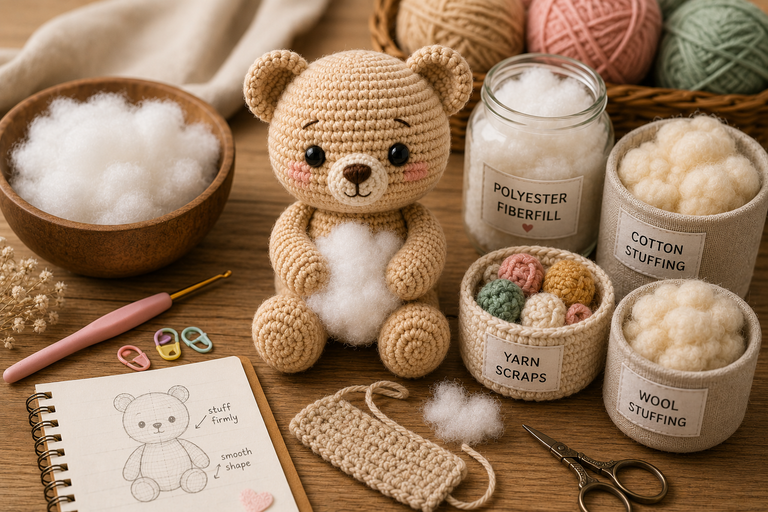
Choose stuffing and safety eyes
Use light, even stuffing in small portions to shape curves without lumps. Test firmness by pressing lightly; the goal is a barely perceptible shape for a neat close.
Safety eyes add character but require careful placement. Mark spots first, then anchor from the inside and secure the backing. If you skip safety eyes, you’ll still achieve a soft, polished finish with careful inner stitching.
Tool checklist for How to Close the Final Round Neatly and Invisibly
- A sharp, appropriate needle
- Matching thread or strong invisible thread
- Soft stuffing in small, even portions
- Safety eyes or preferred facial features
- Scissors, a small pair of needle-nose pliers (optional)
- A light marking tool for precise placement
Learn the invisible ladder stitch
Practice a stitch that disappears under even stuffing and detail work. The invisible ladder stitch brings edges together without puckering, like a zipper that wasn’t there. Start simple, then move to curved edges to see how gaps close up.
Keep eye and hand coordination close to the surface. The goal is threads that vanish into the body of the piece. The rhythm eases with time, giving a quiet, professional finish that feels complete.
Small, even bites are key. If you go too wide, a seam appears; too tight distorts the fabric. Maintain a steady rhythm for a polished, clean result.
Practice stitch spacing for invisible sales closing methods
Space stitches evenly along the seam. Start on a scrap to learn how the fabric behaves when pulled tight. The aim is a tiny, nearly invisible line of thread that keeps the edge snug without drawing attention.
Adjust spacing for fabric type. Thick material uses slightly wider bites; light fabric needs tighter spacing. Balance tension so the thread lies flat and doesn’t poke through. Consistent spacing is the secret to a professional, invisible finish.
Compare stitches: evenly spaced ones form a neat edge; irregular gaps stand out. Maintain a calm pace to build muscle memory for effortless closings.
Keep even tension to use subtle closing tactics for final round
Even tension is the secret to a quiet closing. Pull too hard and the fabric distorts; too little and the edge stays loose. Aim for a gentle, firm pull that seats the edge without compressing the fabric.
Practice on a simple curve, then move to a rounded edge. Notice the thread relaxing as the fabric settles. Stop just before the fabric shows any tug, achieving a calm, professional finish that stays discreet.
The moment you hit perfect tension is satisfying. The last stitch should disappear into the weave; a light final tug sets the thread neatly, then a close trim keeps nothing bulging. This ensures a discreet, clean final look.
Invisible stitch tips for final round closing techniques
Keep thread snug but not tight, and maintain a steady needle angle. Small, careful ticks help stay invisible while finishing. Picture tucking the edge into place, not delivering a loud finale.
Plan your path, keep tension even, and trim threads close. The final round will look seamless with no stray threads or lumps.
Fill and shape before the last round
Fill and shape ahead of the final round to avoid hard spots. Place stuffing in small amounts where curves form, then press gently to spread. Shape like molding clay—add a little, check from different angles, and adjust for symmetry. If you notice a flat area, add a touch more stuffing and smooth. Keep movements deliberate to maintain the silhouette.
Balance size and symmetry by comparing sides as you go. For faces or heads, test against a reference. If an edge catches, re-place the stuffing and smooth again. The goal is a smooth, even surface with the exact curvature before the last round.
Pause to check texture: aim for a uniform surface that reads as natural under light. Gently roll fibers to distribute them and blend seams. When satisfied, proceed to add tiny details and set up the final round.
Add small bits of stuffing until firm
Gradually add stuffing until the piece feels firm but pliable. Aim for a springy hold that maintains shape without being rigid. If you sense a soft pocket, add a bit there and blend. Avoid overfilling to preserve flexibility for the last round.
Test with light pressure along edges and center. If you see a hollow, add stuffing and blend. Small, steady additions save effort later and keep shape intact as you finish.
When the surface feels firm and responsive, you’re close to the final round. It should resist gentle pokes yet yield to soft curves, allowing steady hands to control the form through closing stitches.
Smooth and test for lumps with silent deal closing tips
Flatten the surface with light, even strokes and feel for hidden bumps. Address bumps with a tiny push of stuffing or a soft bead near the edge. If a lump sits along a seam, press from the inside to spread stuffing, then recheck from the outside.
Test the piece by tugging gently on corners or edges that will bear weight at closing. If you find soft spots or misaligned edges, tweak with stuffing or smoothing strokes. This quiet technique yields a clean finish without dramatics.
Run your fingers along the surface and bend the piece slightly to confirm smoothness. Any unevenness gets careful smoothing and precise adjustments. A quiet, invisible base helps the final round close neatly and cleanly.
Stuffing rules to close final round discreetly
Maintain the same density you’ve built so far. Distribute stuffing evenly around the last opening and use tiny fills, testing after each addition to avoid overpacking. This keeps the seam flush and the closing invisible.
As you close, tuck a final pinch of stuffing into the edge and blend with a gentle inside press. Sew with small, tight stitches at the edge, letting the thread sink into the stuffing so the line disappears. Check for bulges or gaps, keeping the finish neat and discreet.
Position and lock safety eyes and details
Position each safety eye or detail so it sits snug and centered. Line up the spot, insert the post, and add the backing washer on the inside to secure. Push the post gently if needed so the eye sits flat and doesn’t wobble. The look should be clean and secure.
Test alignment by viewing from multiple angles. If one eye looks off, nudge the post and re-seat. For features like noses or mouths, center them and adjust before final sewing or gluing. Symmetry should feel deliberate and balanced.
Lock each part with a light press and a small, flat tool if available. Weave extra threads behind the eye to prevent shifting and keep the surface neat. Secure, clean, and ready to move on.
Mark eye spots and check symmetry
Mark spots for the eyes with fabric chalk or contrasting thread. Stand back, then compare from different angles. If spots are misaligned, erase and re-mark until they match. When placing the first eye, hold steady and verify from multiple angles. If the distance feels off, re-mark both spots and start again for balance.
After setting both marks, drop a tiny dab of fabric glue or a few stitches to hold them. Recheck symmetry and overall look before proceeding.
Secure washers or extra knots for strength and understated negotiation closing
If washers are used, snap them on the inside and press flat so the edge remains flush. Knots should be tied with extra, small rounds on the inside to lock the post. Test by gently pulling the eye or detail; tighten if needed and trim excess tails close.
If looseness appears, re-secure with an extra washer or a tightened knot to keep the finish neat and sturdy.
Safety eye steps for neat invisible deal closure
Close the deal invisibly from the inside with a tiny stitch around the base to anchor the washer or post. Use a single thread, pull snug but not tight enough to deform the fabric, and hide with a diagonal stitch. Trim loose threads close to the fabric and turn the piece to inspect from the front for a seamless finish.
Hide knots and weave in tails cleanly
Keep knots hidden by threading through the inside near the last stitch line. Use a tight motion to flatten threads against the fabric and weave the end through at least two adjacent stitches to anchor it. Align tails with the body’s grain to avoid poking ends. The result is a seamless interior and a polished exterior.
Check for loose spots along the edge where a knot could show. If found, re-enter the nearby loop and pull snug. For plush fur, brush fibers so knots blend. Run your fingers over the surface to confirm there are no lumps, and ensure interior knots are secure for a confident finish.
If reworking a plush piece, consider a second shallow pass to secure knots deeper, creating a tiny fabric pocket to hold them in place. The cleaner the knot hiding, the more professional the final piece feels.
Use a long tail to weave through inner stitches
Weave with a long tail for a smooth surface. Start long enough to avoid snagging, push the thread through inner stitches near the backing, cross to the opposite side, and back again to create an invisible path that tucks the end away. Pull gently to maintain even tension and prevent puckering.
Keep the weave tight but not so tight it distorts stuffing or shape. If you feel resistance, rework the path. For curved areas, follow the contour with small, gradual crossings to avoid visible lines and maintain the integrity of safety eyes and details.
Pull tight and bury ends using invisible sales closing methods
When closing, pull the thread tight enough to anchor but not distort stuffing. Then bury the ends by returning the thread into inner stitches and exiting nearby, away from the edge. This hides the start and end on the surface. Test with light tugs to ensure the closure holds.
A finishing knot buried under fabric, sometimes called an invisible sales closing, keeps ends secure without bulk. If possible, place the final knot under a seam or fold to stay out of sight and prevent snagging on play surfaces.
Once done, check that there are no loose threads or visible knots. The piece should look clean from all angles.
Finishing knot method for stealth closing strategies
Choose a low-profile finishing knot that lies flat. An overhand knot secured against the fabric with a final pass through nearby stitches works well. Clip tails close to the knot, leaving a tiny tail to prevent unraveling, and weave the tail into surrounding stitches to hide it.
Lock the knot into the fabric’s grain by guiding the needle near the knot and pulling so the knot sits without creating a bump. This method works across textures and keeps the piece seamless from every angle.
When finished, your project should show a neat surface with no exposed knots or stray fibers and no obvious seam lines.
Inspect seams and fix gaps before display
In the final stretch, feel for soft spots or gaps along seams. Re-stitch with small, tight stitches and a thread that blends with the fabric to remain discreet. Pull evenly to keep surfaces smooth and rounded, not bulging or puckered.
Check joints where pieces meet. Trim loose threads and reseal edges with tiny stitches to read as one continuous form. For fraying fabrics, add a light backstitch or tiny zigzag to lock edges without bulk. The goal is a clean surface seen as one complete piece from a short distance.
Look for visible stuffing bulges or misaligned shapes. If you feel a lump, reshape with your fingers and smooth the seam line after adjusting stuffing. A quick finger sweep confirms nothing catches or pulls, saving you from redoing work later.
Test seam strength and tug gently
Test seams with a gentle tug to ensure they hold under play. If you detect give, re-stitch with slightly tighter tension using the same stitch pattern. Avoid over-tightening, which can distort fabric. Listen for any sounds indicating loose stuffing near a seam and address the area with extra stitches and trimmed ends. Re-test to confirm resilience before the final wrap.
If safety eyes or other hard components are present, ensure they’re secure before testing and that surrounding stitches will hold them in place. Secure the area with extra stitches if needed while keeping the finish neat.
Patch holes and re-stitch with discreet contract finalization steps
Patch holes by placing a small patch behind the hole and top-stitching around the edges. Use backstitch or tiny overcast stitches to lock the patch and keep the surface smooth. If near a seam, stitch along the original line to preserve contour and avoid bulk.
Re-stitch surrounding areas with a quiet seam to secure the patch and blend it. Gently press to set stitches and smooth fabric so the patch is nearly invisible from the outside. If you used safety eyes, ensure they remain secure after patching.
Finish with a final pass along repaired sections using a fine needle and matching thread. Check for loose ends and trim tails close. This final quality step confirms the repair and display readiness.
Final quality checklist for smooth final round wrap-up
- Verify seams are closed and flat with no gaps or bulges.
- Test seam strength with a gentle tug and reinforce as needed.
- Patch holes invisibly; edges lie flat and stitching is neat.
- Ensure stuffing is evenly distributed and contours are smooth.
- Check safety eyes or attachments are secure and properly positioned.
- Trim loose threads and remove stray fibers around repairs.
- Give the piece a light, even press to settle the shape.
How to Close the Final Round Neatly and Invisibly in Practice
A quick recap for the practical end: gather the right tools, use the invisible ladder stitch for a seamless edge, keep tension even, and stitch in small, controlled steps. Shape and stuff gradually to avoid bumps, then secure eyes and details with careful alignment. Finally, inspect seams and trim any loose ends for a discreet, professional finish that truly lives up to the idea of How to Close the Final Round Neatly and Invisibly.
Finish and final quality check for How to Close the Final Round Neatly and Invisibly
Run a final pass around the piece to confirm all seams lie flat, stuffing sits evenly, and attachments are secure. Look from multiple angles, test surface softness, and ensure no stray threads remain. A smooth final round relies on meticulous attention to detail and the same quiet technique you practiced from the start of How to Close the Final Round Neatly and Invisibly.

Clara Fern — Crochet Artist & Amigurumi Designer
Clara Fern is a crochet artist and amigurumi designer based in Austin, Texas. With 9 years of experience working with yarn and hook, she transformed a lifelong passion for handcraft into a creative mission: making amigurumi accessible, fun, and deeply rewarding for crafters of all levels.
Clara discovered amigurumi during a trip to Japan in 2017, where she fell in love with the art of bringing tiny characters to life through crochet. Back home in Texas, she spent years studying color theory, design principles, and advanced crochet techniques — developing her own signature style that blends kawaii aesthetics with original character design.
Through maclafersa.com, Clara shares everything she has learned — from choosing the right yarn and reading your first pattern, to designing fully original amigurumi characters from scratch. Her writing is known for being clear, detailed, and genuinely helpful, with no steps skipped and no secrets kept.
When she’s not crocheting, Clara enjoys watercolor painting, visiting local yarn shops, and drinking way too much coffee while sketching new character ideas.