How to Position Limbs Symmetrically on Your Amigurumi
Plan Your Limb Layout
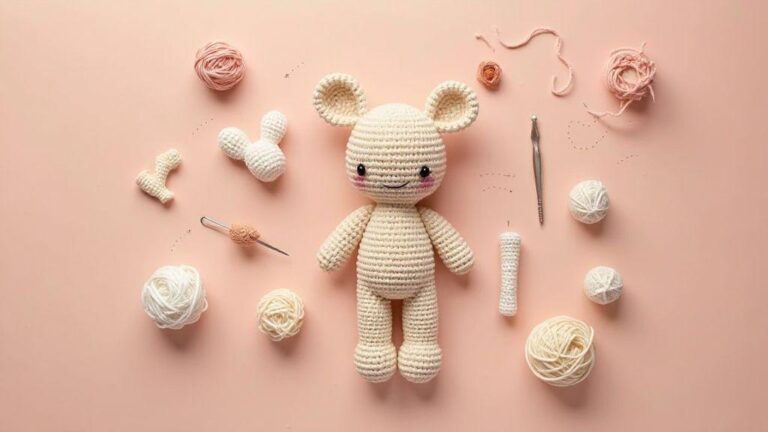
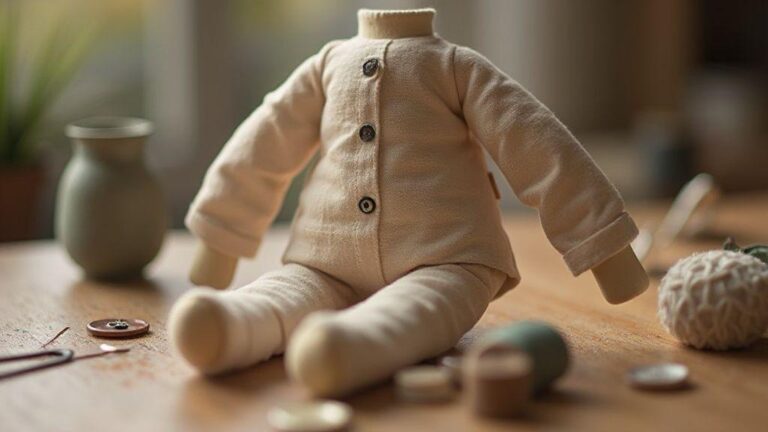
You’ll start by thinking ahead about how your limbs sit on your amigurumi. Planning saves you from redoing stitches later and helps your toy look balanced from every angle. You want the limbs to feel natural and proportional, not stuck on like afterthoughts. Consider how the head, torso, and limbs relate in size and position so your final piece reads as cohesive and cute rather than off-kilter.
Use an amigurumi limb placement guide
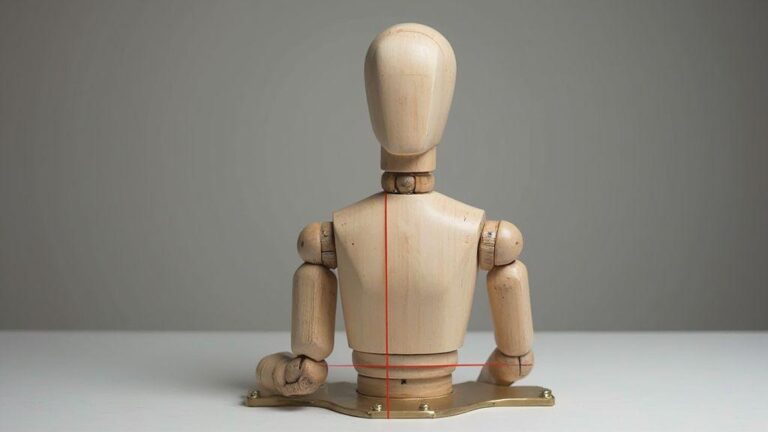
Consult an amigurumi limb placement guide. This small map shows typical angles, distances, and alignments. Use it to decide where the arms and legs attach based on your pattern’s proportions. Following it helps you imagine space: where a leg should bend, where an arm should tuck, and how much curved shape you’ll need. It keeps your limbs from colliding with seams or poking out awkwardly.
Mark key reference points on your pattern
Mark key reference points on your pattern—the spots you’ll sew or crochet to, not guesses under tension. Put tiny marks at shoulder lines, hip lines, and knee bends. These become your guideposts when attaching, aligning with the creature’s silhouette so limbs sit where your eyes expect them. You’ll finish with a clean roadmap for smoother assembly.
Sketch placement on paper
Sketch placement on paper to visualize before you hook a stitch. A quick drawing lets you test limb angles and distances without risking yarn. Draw the head, torso, and limbs in several configurations; pick the one that gives the most even silhouette and best expression. This helps anticipate tension while sewing and where to reinforce seams for durability.
How to Position Limbs Symmetrically on Your Amigurumi
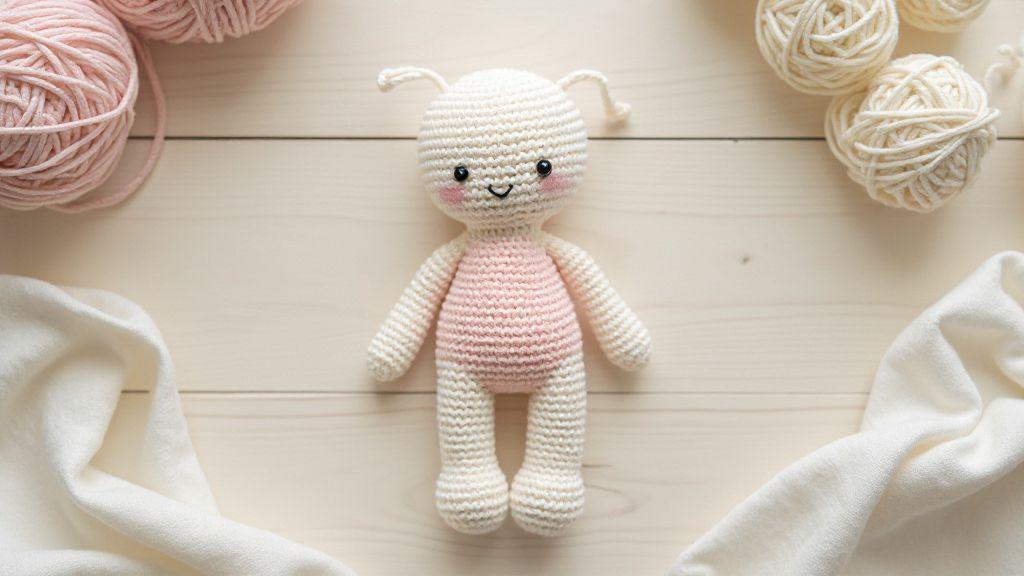
You’ll want your amigurumi to look balanced from all angles. A symmetric layout preserves the character feel and prevents one side from reading heavier. Use equal spacing from the center line, and mirror each limb’s placement on the opposite side. Check your work left-to-right, head-on, and in profile. If one arm sits a tad higher, adjust before you finish so the final figure sits calmly on a shelf or in your hands.
Measure Twice, Place Once
Slow down at the start. Measure twice and place once becomes your rhythm for shaping amigurumi limbs. You’ll feel in control when you know exactly where each limb goes before you sew.
- Think of the whole body as a map. Check symmetry as you go, from top to bottom and side to side.
- If a limb is off by a small amount, recheck and adjust before stitching.
Use measuring placement amigurumi limbs with a ruler
Grab a ruler and align the first limb with a clear reference line. A precise start keeps both sides matching and reduces guesswork.
Note distances from top and side seams
Record vertical and horizontal distances from top and side seams. A simple note system helps you reproduce the same pose on the opposite side.
Note measurements on pattern
Copy exact numbers from measurements to the pattern and annotate where each limb should land. Color-coded markers can help you clearly see top and side distances.
Count Stitches for Exact Placement
Label key points as you go. Counting stitches gives you a reliable map for limb landing and helps you compare sides easily.
Start by counting stitches for limb alignment
Set a baseline from a reference row and keep it consistent.
Find the center stitch and mirror counts
Locate the center stitch as an anchor and mirror counts to the opposite side.
Mark stitch counts with pins
Pins mark precise stitch counts so you don’t lose track across rounds.
Pin Limbs to Check Symmetry
Pinning the limbs is your quick symmetry check before sewing. Keep pins loose enough to adjust but firm enough to hold position.
Practice pinning limbs for symmetry amigurumi
Pin each limb in a basic position, test different angles, and compare shoulders and base alignment. Use a simple checklist: height, angle, distance.
Compare left and right before sewing
Do a deliberate left-vs-right check. Stand back and compare overall stance, limb angles, and where joints meet. If something seems off, trust that feeling and adjust.
Pin through fabric to test placement
Thread pins through fabric to test real placement before committing to a seam line. This live preview helps you lock in alignment.
Align Legs Evenly for Stable Stance
Lay the toy flat and position legs so they point in the same direction. Check the angle relative to the body and measure from hip joints down to the toes on both sides. Tighten or adjust as needed to keep a stable, straight stance.
Use aligning amigurumi legs evenly tips
- Pre-measure legs against a reference line before sewing.
- Work in pairs: compare legs side by side as you crochet.
- Pin legs temporarily while you stitch final joints.
- Document your method for future projects.
Test balance by standing the toy
Stand the amigurumi on a flat surface and observe its balance. If it wobbles, adjust stuffing or hip joints. Test from multiple angles to catch subtle imbalances.
Test with light pressure
Gently press the toy to confirm it returns upright. If needed, redistribute stuffing or adjust seams to equalize pressure.
Set Your Arm Height Consistently
Decide on a fixed starting point for every arm and maintain it. Keep a ruler handy to mark a baseline so you don’t drift. This baseline guides every stitch after and makes the finished toy feel intentional.
Follow how to position amigurumi arms by row counts
Count rows and align each arm to the same row on both sides. Map out shoulder positioning first, then pin to the same horizontal line. Maintain a row-based rhythm for repeatable results.
Measure distance from shoulder to wrist for both sides
Measure shoulder-to-wrist on each arm with the same method. If one arm is longer, standardize stitch count or finishing technique to bring them into line.
Double-check arms sweep
Test the arc of each arm to ensure a smooth, even sweep that doesn’t collide with the torso. Revisit row placement or seam alignment if needed.
Sew Limbs with Even Tension
Sew with even tension from start to finish. Prepare your thread and needle, keep hands relaxed, and avoid snagging or puckering. Secure ends with a few tiny stitches, and test tension on scraps if using different yarns.
Apply sewing limbs symmetrically amigurumi techniques
Mark placement with light pins or chalk, then align each limb to mirror the other side. Start with one limb, stitch a few passes, and test the mirror limb. Use consistent stitch length on both sides and avoid pulling too hard; the goal is a snug but smooth seam.
Keep stitch size and pull uniform while you sew
Uniform stitch size and pulling keep seams flat and invisible. If a stitch feels tight or loose, adjust gradually. Consistency protects the shape and durability.
Secure with hidden knots
Finish securely with hidden knots. Weave tails back into stitches and trim close to the surface to avoid showing ends.
Place Joints for Movement and Balance
Plan joints to allow natural movement without wobble. Choose joint types that suit your yarn and desired pose, and mark joints clearly before sewing to ensure symmetry.
Use amigurumi joint placement tips for rotation and strength
Aim for smooth rotation without stressing fabric. Reinforce joints with extra stitches or a touch of stiffener inside the limb. Thread through the same stitch lines to lock joints in place.
Balance limb positioning to avoid tipping or sagging
Keep limbs placed using the same reference points on both sides. If weight or length differs, counterbalance with stuffing in the opposite limb or torso.
Test range of motion
Move each joint through its planned range. If you feel resistance, loosen slightly or trim stray thread. Confirm bends return to a natural resting position.
Finish Neatly for Symmetrical Limbs
When you finish, align each limb to the body and count stitches to ensure both sides match. If one limb is a touch longer, adjust with light tugging and resew small sections as needed. Focus on smooth transitions at joints and maintain consistent tension.
Trim and weave ends for symmetrical limbs amigurumi
Trim tails, weave ends back through the limb, and keep weaving counts uniform on both sides. Use a blunt needle and match yarn color for a cohesive finish.
Block and shape limbs to even out curves
Gently block limbs or use a damp cloth to relax stitches and refine curves. Compare limbs from multiple angles and adjust gradually for mirrored shapes.
Use steam or a damp cloth to refine lines
Light steam or a barely damp cloth helps settle stitches, crisping lines and defining shapes. Let limbs cool in their final shape.
Finish and Final Checks
Finish neatly by rechecking symmetry across all limbs, joints, and transitions. A balanced silhouette from multiple angles is the mark of a professional amigurumi.
- Stand back and assess the overall pose.
- Do a quick shadow sew to preview final alignment before permanent stitching.
- Verify that the final posture reads cohesive and charming from every side.
If you’re looking for a concise guide, remember: How to Position Limbs Symmetrically on Your Amigurumi is a process of planning, measuring, pinning, and sewing with consistent tension. By following these steps, you’ll achieve a well-balanced, display-worthy amigurumi every time.
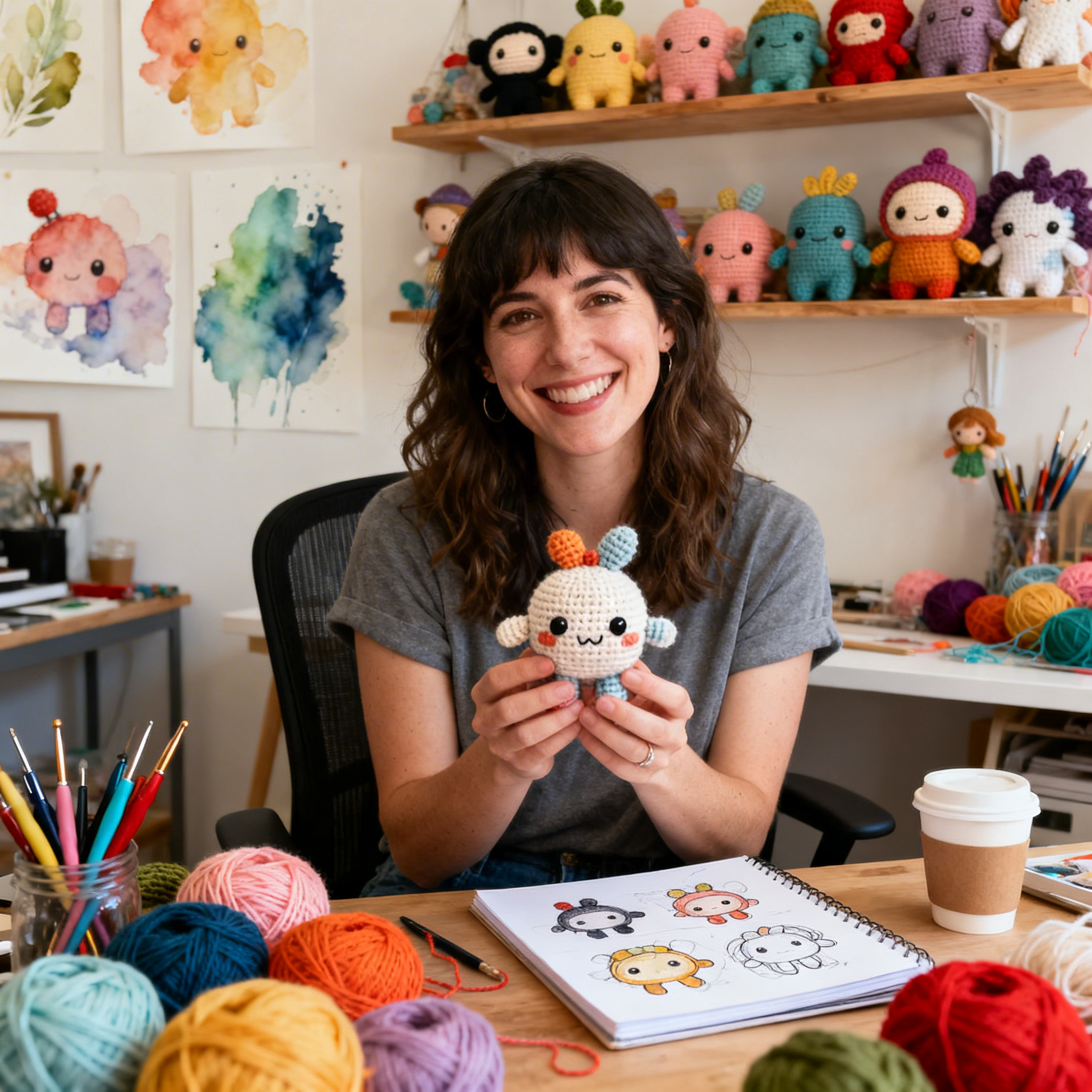
Clara Fern — Crochet Artist & Amigurumi Designer
Clara Fern is a crochet artist and amigurumi designer based in Austin, Texas. With 9 years of experience working with yarn and hook, she transformed a lifelong passion for handcraft into a creative mission: making amigurumi accessible, fun, and deeply rewarding for crafters of all levels.
Clara discovered amigurumi during a trip to Japan in 2017, where she fell in love with the art of bringing tiny characters to life through crochet. Back home in Texas, she spent years studying color theory, design principles, and advanced crochet techniques — developing her own signature style that blends kawaii aesthetics with original character design.
Through maclafersa.com, Clara shares everything she has learned — from choosing the right yarn and reading your first pattern, to designing fully original amigurumi characters from scratch. Her writing is known for being clear, detailed, and genuinely helpful, with no steps skipped and no secrets kept.
When she’s not crocheting, Clara enjoys watercolor painting, visiting local yarn shops, and drinking way too much coffee while sketching new character ideas.