Premium vs Affordable Yarns: Is It Worth Spending More?
Premium vs Affordable Yarns: Is It Worth Spending More? This article helps you weigh cost per project, fiber quality, durability, and care so you can choose yarns that match your budget and craft goals.
Premium yarn vs affordable yarn: cost per project
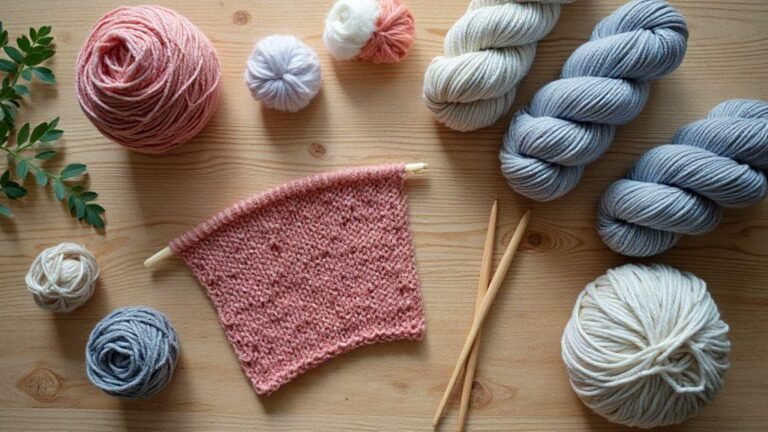
When you pick yarn, you’re balancing price, durability, and how the final piece looks. Premium yarn often feels smoother, holds shape better, and shows stitches crisply, which can reduce the amount of yarn you need for the same project. But cheaper yarns can surprise you with how far a skein goes. Focus on value, not just sticker price.
You may finish faster with premium yarn since stitches glide smoothly and fewer drops occur. That speed can raise the value per hour you spend crafting. Conversely, affordable yarns offer more practice with color changes and tension, which helps you grow your technique. The key is to pick a yarn that fits both your budget and your project goals, not just what sounds fancy.
For a small amigurumi, premium yarn can yield a cleaner finish with tighter stitches, potentially needing fewer tweaks or extra materials. For larger pieces, affordability may win out if you’re making multiple items or teaching a class. Your best choice depends on whether you value finish quality, speed, or total cost.
How you calculate cost per yard and skein
Start by looking at how many yards (or meters) are in each skein. Multiply the price by how many skeins you need, then divide by total yards to get price per yard. This reveals true value: a 200-yard skein for $7 vs. a 100-yard skein for $5 can mean higher cost per yard in the latter case.
Next, account for waste. In amigurumi, you won’t use every yard exactly as planned. If your pattern uses 180 yards but you buy a 200-yard skein, you’re buying extra. If you grab a 100-yard skein for a large project, you’ll need more skeins, altering the math. Add a cushion for mistakes or color changes; that cushion is part of your cost per project.
Finally, weigh yarn performance. Premium yarn might feel pricier per yard, but it can reduce frogging and reworking, lowering your effective cost in time and frustration. When you total yarn cost plus saved effort, you get a clearer picture of true value.
Compare cost for small amigurumi vs big pieces
For a tiny amigurumi, you’ll likely use less yarn and finish quickly. A premium yarn can yield a crisp texture, but you may not need it for a cute result. In this case, affordable yarn often offers the best balance: adequate look and feel without breaking the budget. Your cost per project stays modest, and the piece remains charming.
For big pieces, the math shifts. You’ll burn through more yarn, so per-yard price matters more. A premium yarn that’s slightly pricier per yard can still save you money if it reduces frogging and tightens stitches, cutting waste. If your big project uses color blocks or chunky stitches, affordable yarns let you experiment without overspending.
If you’re making several big pieces for a gift series, total cost per project hinges on quantity and reliability. Premium yarns may cut rework, saving time and money in the long run. If you’re short on time or teaching a workshop, a faster finish can be worth the extra cost per yard.
Quick cost-per-project checklist
- Calculate total yardage you need for the project.
- Compare price per yard across your chosen yarns.
- Include a small cushion for waste and mistakes.
- Factor in potential time saved by smoother yarns.
- Decide if a faster finish or lower yarn cost fits your goal.
Yarn fiber quality differences that matter
You’ll notice big differences in how your AmiGurumi feels and lasts depending on the fiber you pick. The most important factors are softness, strength when pulled tight, and care after finishing. If you want your amigurumi to stay cuddly and hold its shape, fiber quality matters more than you might think. When you choose wisely, your toy resists pilling, stays bright, and endures playtime without shedding fibers.
The fiber sets the tone for your finished piece. A higher-quality fiber can mean smoother stitches, fewer splits, and a more even look. You don’t need to overspend, but you should balance price with durability and feel. Think of it like buying a good shirt: a solid fabric lasts longer and feels better after lots of wear. Your choice should align with how often you crochet, how durable you want the toy, and how much you care about texture.
Understanding fiber quality helps you avoid surprises. Cheaper yarns can snag, fade after washing, or felt in undesirable ways. Others stay soft, resist pilling, and keep their color. By knowing what to feel for—twist, loft, and fiber blend—you’ll pick yarns that give you great results on the first try. Your amigurumi ends up neater and longer-lasting.
What you should know about cotton, wool, and acrylic
Cotton feels crisp and sturdy. It’s great for a clean, matte look and a toy that holds its shape. It can be a bit stiff at first, but with gentle washing, it softens and stays durable. For little ones or collectors who prefer a simple style, cotton is a solid pick. It resists pilling and keeps color well, though it can stretch if crocheted loosely.
Wool brings warmth and elasticity. It has natural bounce, so stitches pop and the toy is a touch springy. Wool can felt if agitated or washed hot, so hand washing or delicate cycles are best. Some wools have natural oils that make fibers feel soft and plush. If you love fluffy textures or want a cuddly toy, wool is a go-to.
Acrylic is the budget-friendly standard. It’s easy to find, usually machine washable, and comes in bright colors that resist fading. Acrylic is typically soft enough for amigurumi, though some blends feel slick or fuzzy. For practice or gifts for kids who wash frequently, acrylic is a smart choice and beginner-friendly because it doesn’t split as easily as some natural fibers.
How fiber affects feel, strength, and care
The feel of your yarn changes how you work. Softer fibers glide through your hook, reducing hand fatigue and producing neater stitches. Stronger fibers resist breaking when you pull tight, keeping seams intact through play. Easy-care fibers let you wash without worry, a big plus for toys that see daily use.
Strength comes from the fiber’s twist and resilience. Good elasticity helps stitches snap back after stuffing. Poor elasticity can leave you with saggy seams. Care instructions matter: some fibers tolerate warm water and agitation, others do not. Choose fibers that fit how you plan to clean and wear your toy.
Color and texture also matter. Cotton tends to define stitches crisply, wool can feel softer and fuzzier, and acrylic often holds bright colors well and reduces wear from handling. For a toy that stays colorfast after washes, pick fibers that are easy to care for. Your final piece should feel right in your hands and endure daily love.
Fiber-choice quick guide
- Cotton: crisp, sturdy, colorfast, easy to clean; great for durable toys that hold shape. Expect a bit more stiffness at first.
- Wool: plump, elastic, cozy; ideal for soft, cuddly pieces with stretch. Handle washing with care.
- Acrylic: affordable, bright colors, machine-wash friendly; good for beginners and frequently handled gifts. Softer varieties exist, but cheaper blends can pill.
Yarn durability and longevity for toys
In Amigurumi, the yarn you choose shapes how long toys stay looking great. Durable yarn reduces pilling and keeps stitches neat, so your creations withstand hugs and play. Choosing the right yarn from the start saves time later because you’re less likely to redo parts.
Your yarn’s longevity also depends on care. Some tolerate machine washing; others require gentle hand-washing. For kids or pets, durability becomes even more important because toys face more wear. Consider the toy’s purpose—bright colors, soft texture, and sturdy seams help it last longer.
Storage matters too. Keep skeins clean, dry, and away from direct sunlight. Sunlight can fade colors and weaken fibers over time. Proper storage helps amigurumi stay bright and stitches firm for months or years.
How twist and ply affect wear and pilling
The twist and ply influence wear. Single-ply yarns feel soft but pill and snag more easily. Tightly plied or twisted yarns resist wear better, making them good for toys that see frequent handling. A tighter twist also helps stitches stay neat longer.
If choosing between yarns, aim for a balance: not too soft to pill quickly, not so tight that it feels stiff. A quick test: run your fingers along the yarn after a few stitches to see if fibers slip or stay anchored. Blends matter too: wool-acrylic blends can be durable and easy to care for, cotton blends may wear well and keep a crisp stitch. Test a small swatch before big projects.
Simple tests to check yarn strength
Try the pull test: twist a length and gently pull opposite directions. If fibers fray or snap easily, it may not hold up to frequent handling. The snag test: drag the yarn over a rough edge—if it snags, you’ll want a tougher yarn. The stretch test: gently tug to see how much it stretches; excessive stretch can loosen stitches over time. Look for even color, tight stitches, and no loose fibers. If you see uneven spinning or shedding, pass on that yarn for toys with lots of play.
Durability signs to look for
Choose yarns that don’t shed or fray easily. Durable yarns stay cohesive with smooth, even fibers and a steady spin. If your swatch holds its shape with gentle pulls and shows no shedding, you’re in a good zone for long-lasting amigurumi.
Stitch definition and texture for amigurumi detail
Stitch definition is how evenly you place each loop to create a tight fabric. For amigurumi, stitches should be uniform and compact to preserve shape. Texture depends on yarn, hook size, and tension. A dense, crisp fabric differs from a plush finish. Consistency is key; small tension or hook changes can shift the entire texture.
Texture comes from basic stitches. Single crochet is standard for amigurumi, creating a compact fabric that resists stuffing distortions. If stitches are loose, gaps and a baggy finish can occur. A slip stitch at the end of a round keeps edges neat. Match texture to character: smooth surfaces for cute, rounded toys or fuzzy yarns for a plush feel.
Handle the yarn with a steady grip to keep stitches uniform. If the yarn is slippery or variegated, stitches may wander. Pause, adjust your hand, and test a few stitches on scrap. Aim for a steady rhythm that yields a predictable texture you can replicate.
Why yarn twist and smoothness change stitch look
Twist affects how tightly fibers grip. High-twist yarns lock into stitches for crisper fabric; low-twist yarns may relax between stitches, creating a softer look. If yarn splits, you’ll see fuzz and uneven edges. A consistent twist helps colorwork stay neat.
Smoothness also changes appearance: a super-smooth yarn slides through the hook for even stitches, while a rougher yarn can bulk stitches. Your final look shifts from clean to cozy depending on yarn texture.
When you want crisp stitches vs fluffy texture
Crisp stitches shine for small, tidy amigurumi with precise shaping. Use a smaller hook relative to yarn and maintain steady tension. Fluffy texture comes from fuzzier or bulkier yarn and looser tension, great for cuddly characters. Balance grip to let the yarn’s natural character show.
Choose texture for clean stitches
For clean stitches, pick a smooth, tightly spun yarn and a matching hook. Ensure even tension and a steady rhythm to make color changes sharp. A forgiving yarn and calm hands yield a neat silhouette.
For a soft, cuddly finish, choose a yarn with loft and a gentle weave. Let the yarn contribute to the finish; you may trade some sharpness for warmth and touchability. Adjust tension and pairing to achieve your desired feel.
Washability and care you must consider
Washability matters to keep Amigurumi cute and sturdy over time. Fibers behave differently in water and soap, so plan care methods before stitching. The goal is color, shape, and tight stitches that survive real-life play and occasional washing. Consider how often you’ll wash, who will play with it, and the finishes added, as these choices affect durability.
Washability isn’t just about cleaning; it’s about preserving details like tiny eyes. Some fibers resist pilling and fuzzing, others soften or fade with washing. Align care with practical needs—kids’ toys, displaying, or frequent handling—so your piece lasts longer.
Clear care steps fit into daily life. A simple routine like spot-cleaning for small messes and a gentle wash for bigger dirt helps extend the amigurumi’s life. Test a small swatch or hidden area when using a new yarn or dye to prevent surprises and keep your project in top shape for years.
Machine-washable vs hand-wash fibers explained
Machine-washable fibers are convenient: they withstand a cycle, stay fluffy, and tolerate a gentle wash with mild detergent. Some machine-washable yarns may shrink or fuzz over time, so if you need a precise shape, choose fibers that stay stable after a gentle tumble in the laundry.
Hand-wash fibers give you control. Treat each stitch with care, avoid agitation, and wash cool to keep color bright. Hand washing preserves delicate details but requires more effort. If your amigurumi has glued features or small parts, moisture can loosen them. With patience, hand washing helps you keep the exact look you drafted, especially for colorwork or complex shapes.
Think about daily life when deciding. If you wash regularly in a machine, you might prefer machine-washable yarns for convenience. If you want museum-grade detail or have sensitive embellishments, hand-wash fibers could be worth the extra care. Either path can yield great results—balance time, effort, and outcome.
How dyes and finishes affect colorfastness
Dyes and finishes influence color retention. Some dyes cling tightly and resist fading in washing or sun, while others fade gradually with use. Finishes—like anti-pilling coatings or softeners—can alter texture and color. Test colorfastness on a small sample or hidden edge if unsure. A quick check avoids surprises.
If colorfastness matters, choose dyes known for staying true. Labels often mention colorfast or fade-resistant, but washes can still affect pigments. Avoid prolonged sun exposure after finishing. Sealing with a gentle finish can help (if supported by the yarn). The goal is vibrant colors after many play sessions.
Care labels and washing tips
Care labels guide machine washing, water temperature, and special instructions like lay-flat drying. If a label is missing, err on the side of caution: cold water, mild detergent, gentle hand-wash or delicate cycle. Reshape damp and lay flat to dry to prevent stretching.
Practical tips to keep amigurumi fresh: skip hot water, avoid bleach, and don’t wring; instead, squeeze gently. If you add embellishments, remove or secure them before washing. Drying flat preserves shape and keeps stitches even. With these steps, your handmade toy stays cuddly and neat for years.
Safety and hypoallergenic factors for kids’ toys
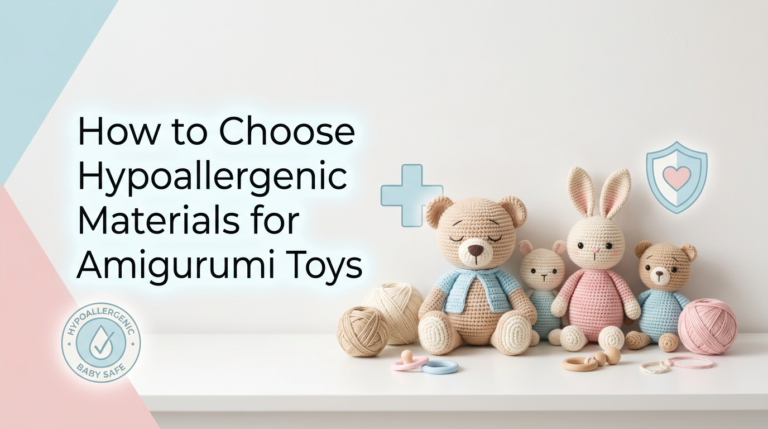
You want safe, comfy toys for children. Start with yarns and fillings that are gentle, breathable, and easy to clean. Look for hypoallergenic options and avoid small parts that could pose a risk if chewed. Choose tightly stitched pieces to prevent threads from coming loose and avoid shiny embellishments that might irritate or detach. Consider how the toy will be used—tossing, squeezing, or rubbing—to guide yarn choices.
Soft textures matter on skin. If a child has allergies or very sensitive skin, prioritize fibers that are non-irritating and shed less. Easy-to-clean surfaces reduce grime buildup and keep skin happier after play. Safety also means sturdy seams and no loose threads that could snag fingers or mouths. Tailor your yarn choice to the intended age range and durability needs.
For sensitive skin, natural fibers like cotton blends or bamboo blends tend to feel gentler, while high-quality acrylics can offer a soft, skin-friendly option with good washability. Test a small swatch on skin if unsure. Premium yarns can provide better texture and less pilling, though mid-range options also offer a strong balance of softness, durability, and colorfastness. Your child’s comfort is worth a little extra care.
Which fibers are better for sensitive skin
Soft, breathable fibers are best for sensitive skin. Natural blends such as cotton or bamboo tend to be gentler and shed less than some synthetics. If you choose acrylics, select premium options with smooth textures and consistent loops to minimize itchiness. Check dye safety and colorfastness to avoid color bleeding on skin. Your goal is a cuddly friend, not a scratchy reminder of the day.
When comparing Premium vs Affordable Yarns: Is It Worth Spending More? you’ll often find higher-quality fibers deliver better texture and less pilling, reducing itchiness after many hugs. You don’t have to overspend; mid-range yarns can balance softness, durability, and colorfastness. Test a small swatch on skin and launder it a few times to see how it behaves. Your child’s comfort matters most.
Check for loose fuzz, shedding, and choking risk
Before gifting or handing over a handmade treasure, run a quick safety check. Feel seams for loose fuzz or threads that could unravel with a tug. If found, finish the stitch or weave extra passes. Loose fibers can irritate skin or eyes or pose a choking risk if chewed. Secure and trim any loose elements.
Examine embellishments like beads or buttons. For kids who mouth objects, use fewer small parts or securely embed them. Test with gentle tugging to ensure nothing loosens. The aim is a cozy toy that withstands play without shedding or hazards.
Safety checks before gifting toys
Complete a safety checklist: solid seams, tucked yarn ends, and resilience to gentle squeezing, pulling, and washing. If you find anything loose, fix it and recheck. Ensure the yarn is colorfast and won’t bleed onto skin or clothing during cuddles. A quick wash cycle can reveal colorfastness and help identify weak stitching.
Gauge consistency and tension control benefits
You’ll notice cleaner shapes when gauge stays steady and tension is even. Consistent gauge reduces odd bumps and creates a uniform fabric. Even tension keeps stuffing centered and minimizes surprises, saving time and reducing frustration.
Steady gauge helps projects look professional from start to finish. If you swing between tight and loose stitches, pieces can twist or misalign, forcing rework. Maintaining gauge yields neater seams and better proportions, improving the final silhouette and structure.
Maintaining tension control reduces the need to frog and redo. Recognize shifts early and adjust before they snowball, saving yarn and unfinished projects. You’ll complete more amigurumi with less stress.
How premium yarn can give steadier gauge
Premium yarns often have fewer irregularities, so stitches sit evenly. Smooth, consistent spinning translates to predictable size and fewer gauge surprises. Clear yardage in premium yarns makes planning easier, and less fuzzing means stitches stay visible and even, helping you catch gauge drift early.
Using premium yarn can also reduce pilling and snagging, supporting steadier tension and neater results throughout the project.
How you match gauge with affordable yarn
Good gauge with affordable yarn is achievable. Swatch with your final hook and yarn, measure stitches per inch, and adjust hook size or tension until you hit the target gauge. Keep notes on the swatch—hook size, yarn brand, tension hints—so you can replicate the result. Pair affordable yarn with simple, reliable stitches to maintain gauge stability. Beginners may start with single crochet in the round to observe gauge trends without wrestling with complex stitches.
Swatch rules for reliable size
Make a 4×4 inch swatch with your final hook and yarn, then wash as you will the finished piece. Measure stitches and rounds per inch and compare to the pattern’s gauge. If off, adjust hook size or tension until within a tolerance of 2 stitches per inch. Label each swatch with yarn name, brand, weight, hook size, and gauge result. Swatches guide reliable final size and help you replicate success in future builds.
Affordable yarn brands review and best value picks
You can stitch beautiful Amigurumi without breaking the bank. This section breaks down brands that offer good quality at friendly prices, with fibers that hold shape, colors that pop, and skeins that stretch your dollars. The best value picks balance softness, durability, and price so projects stay enjoyable from start to finish.
Explore options you can buy at big-box stores or online. Some brands offer amigurumi-friendly acrylics, while others mix cotton blends for a softer hand on smaller toys. Look for predictable weights, consistent dye lots, and easy care. Durable yarns that withstand regular handling and quick washes are worth the investment.
For beginners, budget acrylic is a reliable ally—easy joins, forgiving fibers, sturdy stitches. For experienced crocheters seeking a touch more shine or texture, budget-friendly cotton blends can offer a softer feel without a steep price tag. The goal is dependable results, not frustration from splitting or limp stitches.
What to expect from budget yarn labels
Budget yarns provide affordability, a decent color range, and ready-to-use ease. Expect medium thickness, smooth texture, and clear care instructions. Some labels may warn about colorfastness or slight pilling, but that’s not a deal-breaker for simple amigurumi focused on shape and character. Budget lines are often machine-washable and quick-drying, making makes kid-friendly and practical.
Expect consistency skein to skein, but minor shade variation across batches is common. This can add charm when making a small herd. Look for clear color numbers, gauge recommendations, and yarns that don’t split easily. If you want a pristine, professional look, swatching first and picking batches that match helps.
Check fiber content: acrylics are reliable, easy to wash, and forgiving—great for beginners. Cotton blends offer more texture and softness but may cost a bit more or be stiffer. Compare skein size too; bigger skeins provide more value per project, important when making several amigurumi at once.
Tricks to get the best yarn value for money
Buy in bundles or value packs when available to save per skein and avoid shade mismatches. Look for sales and coupons—budget yarns frequently feature promos around holidays or craft events. Don’t overlook older stock with matching needs; you’ll still get performance at lower prices. Check washability and care labels for easy cleaning after a cuddle-worthy finish.
Swatch before committing to see how a budget yarn behaves with your hook size, blocking, and stitch texture. If shedding concerns you, test a small piece on a rough surface. For kids or pets, opt for machine-washable options so pieces stay vibrant after washing. Consider blending: a budget base with a touch of nicer yarn for accents can elevate your project without breaking the bank.
Top affordable brands to try
Some brands consistently deliver solid value without sacrificing basic quality. Look for broad color ranges, batch-to-batch consistency, and easy care. For amigurumi, prioritize tight stitches, minimal shedding, and a sturdy feel. Start with classic acrylics and then explore cotton blends for a softer finish on smaller toys or delicate features. The goal is balancing cost with the results you want from your creations.
When to splurge and when to save on yarn
Not every project needs premium skeins. For small or personal pieces, cheaper yarns help you save while you practice tension, gauge, and finishing. For a polished, durable finish, spending a bit more can pay off. Think of yarn like a wardrobe: a few high-quality staples make a big difference in how you feel wearing them. For Amigurumi, the right yarn influences stitch definition, durability, and how well the toy holds its shape over time. If you’re gifting or keeping the piece for years, consider investing in yarn with better consistency and washability. Premium vs Affordable Yarns: Is It Worth Spending More? — yes, in the right moments, for the right results.
Projects where expensive yarn benefits you most
High-detail, showpiece Amigurumi with fine features benefit from premium yarn. Better yarn yields crisper stitches and smoother color transitions, which helps shape tiny ears, noses, and facial features. If you want a toy that looks polished on display, you’ll notice the difference during shaping and stuffing, plus fewer frays and tangles for easier assembly and sturdier final pieces.
Special finishes and textures shine with luxury yarn. For a plush, velvety feel or a soft halo, premium fibers can deliver that extra tactile wow. For characters needing gloss, sheen, or a specific fiber blend, spending more can provide durability that cheaper yarns struggle to match. Time and handling deserve a yarn that holds up to regular use.
If gifting or selling, premium yarn can justify a higher perceived quality. Buyers notice uniform skeins, dependable colorfastness, and nicer hand-feel, leading to repeat customers and fewer returns due to wear or fading. Consider premium yarn for pieces you want to stand out or keep in your collection for years.
When cheap yarn vs luxury yarn is fine to use
For practice, affordable yarn is fine. It helps you nail tension, gauge, and finishing without a hefty budget. Budget yarn is a great teacher for learning stuffing, seaming, and edge finishing. If you’re testing a new idea or tackling a tricky pattern, start with budget yarn to understand how the piece should come together before committing to premium fibers.
Everyday, low-stress projects tolerate cheaper yarn well. If you’re making quick gifts or plush textures that aren’t constantly handled, budget yarn can still deliver soft results with some care. Just remember colorfastness and washability may vary, so plan for gentle handling and occasional handwashing when needed. Cute toys can come from budget yarn too, with a little mindful technique.
Decision checklist for splurge vs save
- Will this be kept or gifted for long-term use? If yes, lean toward premium yarn.
- Will the toy be washed or handled a lot? If yes, pick a durable yarn with good colorfastness.
- Is the project high detail or face-focused? Premium yarn helps stitches stay crisp.
- Is this your first try or a test knit? Start with affordable yarn to build skill, then decide.
- Do you need a specific texture or sheen? If yes, premium yarn can deliver that look.
- How big is your budget? If tight, reserve premium yarn for key parts or final touches.
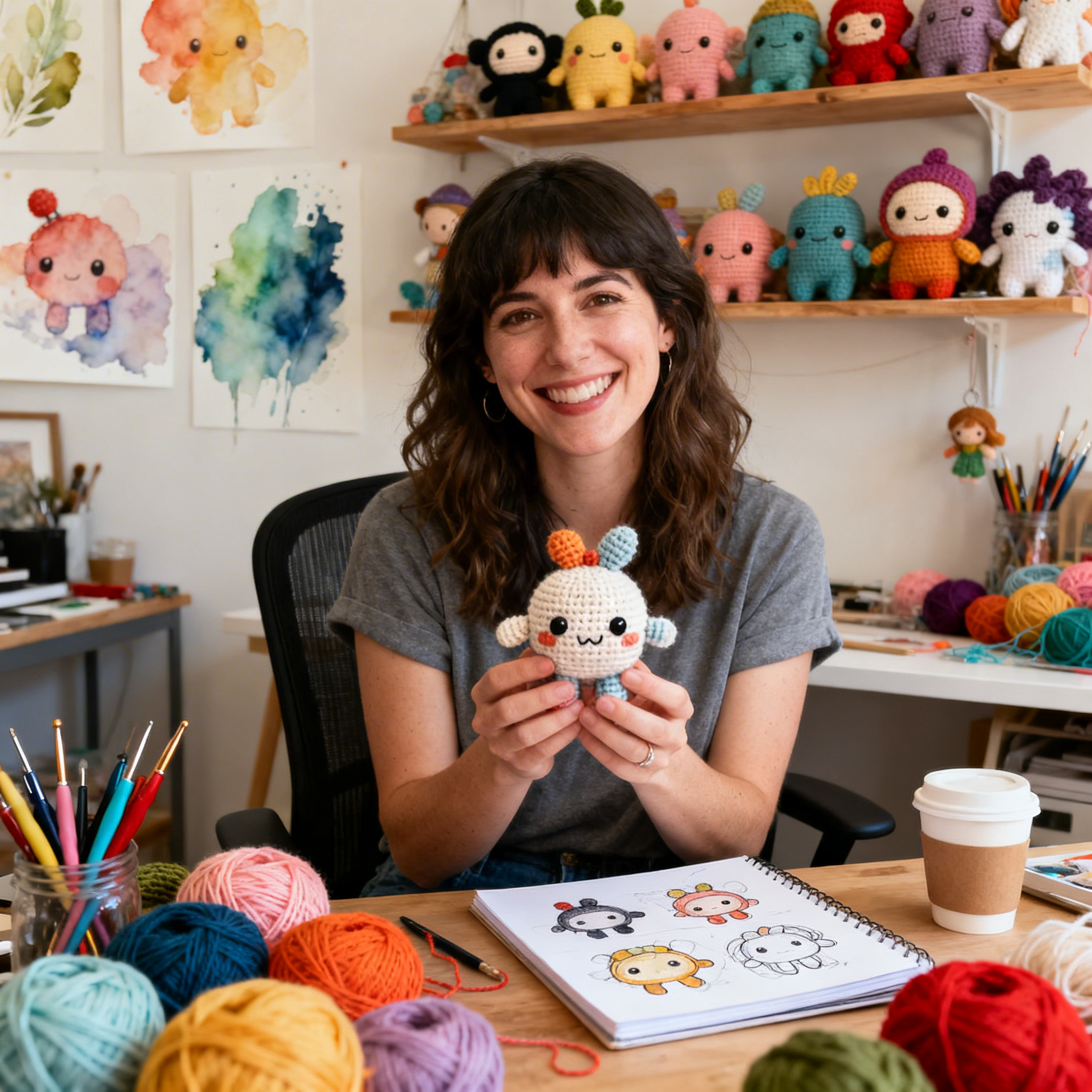
Clara Fern — Crochet Artist & Amigurumi Designer
Clara Fern is a crochet artist and amigurumi designer based in Austin, Texas. With 9 years of experience working with yarn and hook, she transformed a lifelong passion for handcraft into a creative mission: making amigurumi accessible, fun, and deeply rewarding for crafters of all levels.
Clara discovered amigurumi during a trip to Japan in 2017, where she fell in love with the art of bringing tiny characters to life through crochet. Back home in Texas, she spent years studying color theory, design principles, and advanced crochet techniques — developing her own signature style that blends kawaii aesthetics with original character design.
Through maclafersa.com, Clara shares everything she has learned — from choosing the right yarn and reading your first pattern, to designing fully original amigurumi characters from scratch. Her writing is known for being clear, detailed, and genuinely helpful, with no steps skipped and no secrets kept.
When she’s not crocheting, Clara enjoys watercolor painting, visiting local yarn shops, and drinking way too much coffee while sketching new character ideas.