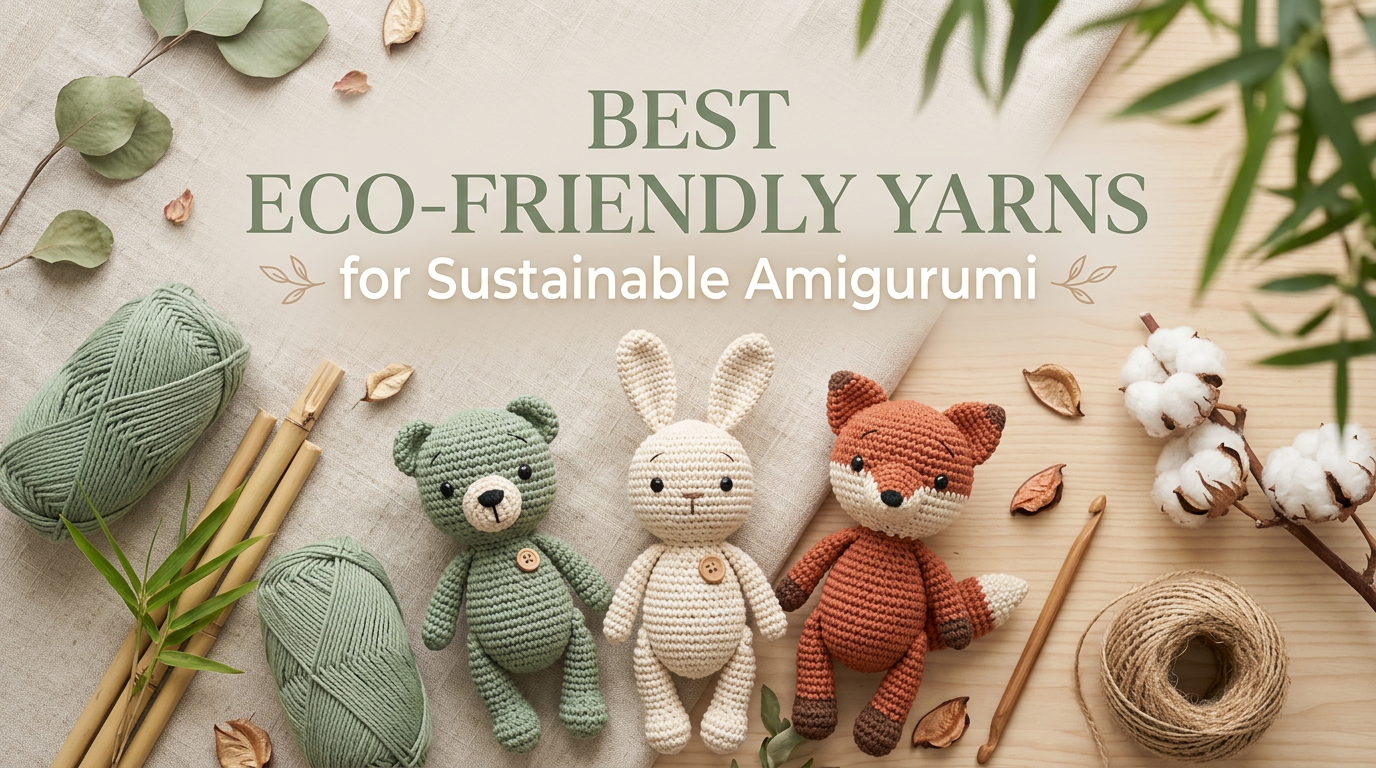
Best Eco-Friendly Yarns for Sustainable Amigurumi
Introduction
The global craft community has increasingly turned its attention toward sustainability, and amigurumi is no exception. As makers who create cherished toys that often end up in children’s hands or as long-lasting keepsakes, the choice of yarn carries both environmental and ethical significance. Conventional acrylic yarns, while affordable and widely available, are derived from petroleum-based polymers that take centuries to decompose and release microplastics during washing. For the conscientious crocheter, transitioning to eco-friendly yarns is a meaningful step toward reducing the ecological footprint of each adorable creature that emerges from the hook. This article explores the best sustainable yarn options for amigurumi, examining their properties, environmental benefits, and practical considerations for everyday use.
Types of Eco-Friendly Yarns
Organic Cotton stands as the most popular sustainable choice for amigurumi. Grown without synthetic pesticides or fertilizers, organic cotton yarn offers a soft, breathable texture with excellent stitch definition. Its lack of chemical treatments makes it ideal for baby toys and items intended for sensitive skin. Organic cotton also holds its shape well after stuffing, a critical property for amigurumi that must maintain structural integrity through years of hugging and play. The fiber absorbs dye beautifully, producing vibrant, long-lasting colors without the environmental damage associated with conventional cotton farming.
Merino Wool from ethically raised sheep provides another excellent option, particularly for amigurumi intended as decorative pieces or gifts for adults. Merino fibers are exceptionally fine and soft, eliminating the itchiness commonly associated with wool. The natural crimp of merino wool gives it remarkable elasticity, which helps amigurumi pieces hold their shape while remaining squeezable. When sourced from farms practicing regenerative grazing, merino wool can even be carbon-negative, actively sequestering carbon in the soil through well-managed rotational grazing systems.
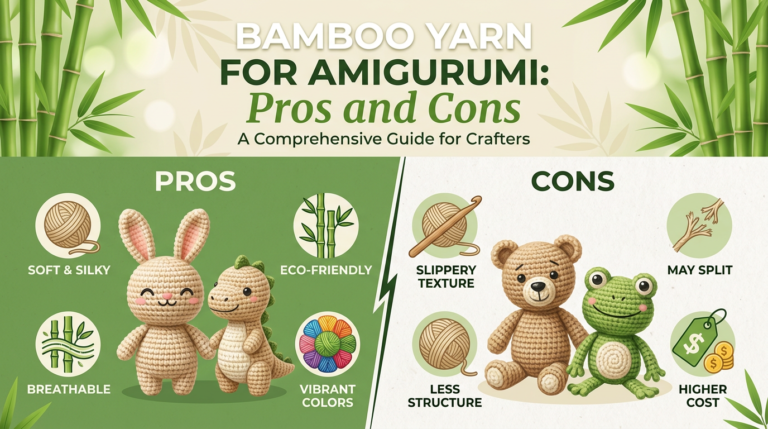
Bamboo Yarn has gained significant popularity in recent years, manufactured from rapidly renewable bamboo grass. The plant grows without irrigation or pesticides and regenerates from its own roots after harvesting, making it one of the most sustainable fiber sources available. Bamboo yarn has a distinctive sheen and drape that gives amigurumi a polished, almost silk-like finish. Its natural antibacterial and moisture-wicking properties add value for toys that may encounter drool or frequent handling.
Hemp and Linen Blends represent an emerging category in eco-friendly crafting. Both fibers require minimal water and no pesticides to grow, and they produce exceptionally durable yarns that withstand repeated washing and wear. While pure hemp can be stiff for amigurumi work, blends with organic cotton or bamboo create a more pliable yarn suitable for three-dimensional projects. The resulting fabric has a slightly rustic texture that lends itself well to amigurumi with a natural or vintage aesthetic.
Recycled Yarns offer a creative solution to textile waste. Several manufacturers now produce yarn from post-consumer garment scraps or industrial fabric remnants. These recycled cotton and wool blends reduce landfill waste while requiring significantly less energy and water to produce than virgin fibers. The color palettes often feature unique, heathered tones that result from the blending of different recycled sources, giving each project a one-of-a-kind appearance.
Environmental Benefits
Choosing eco-friendly yarns for amigurumi produces measurable environmental advantages. Organic cotton farming uses 91% less water than conventional methods and eliminates the 16% of global insecticides typically applied to cotton crops. Ethically sourced wool supports biodiversity by maintaining grazing landscapes that would otherwise convert to monoculture crop production. Bamboo cultivation sequesters approximately 1.5 tons of CO₂ per acre per year while the plants are actively growing. When considering the full lifecycle of a crocheted toy, the choice of biodegradable natural fibers over synthetic alternatives means that even at the end of its useful life, the toy will decompose harmlessly rather than persisting in the environment for generations.
Recommended Brands
Hobbii’s Rainbow Organic Cotton offers an extensive color range with excellent stitch definition at a mid-range price point. Lion Brand’s 24/7 Cotton provides a mercerized organic option that produces a subtle sheen and holds up well to machine washing. Knit Picks’ Comfy Worsted blends organic cotton with a small percentage of elastic fiber for enhanced stretch recovery in amigurumi shapes. For wool enthusiasts, Valley Yarns’ Northampton sources from farms certified for humane animal treatment and sustainable land management. Cascade Yarns’s Ecological Wool offers a minimally processed option that retains the natural lanolin and character of the raw fiber.
Practical Tips for Working with Eco-Friendly Yarns
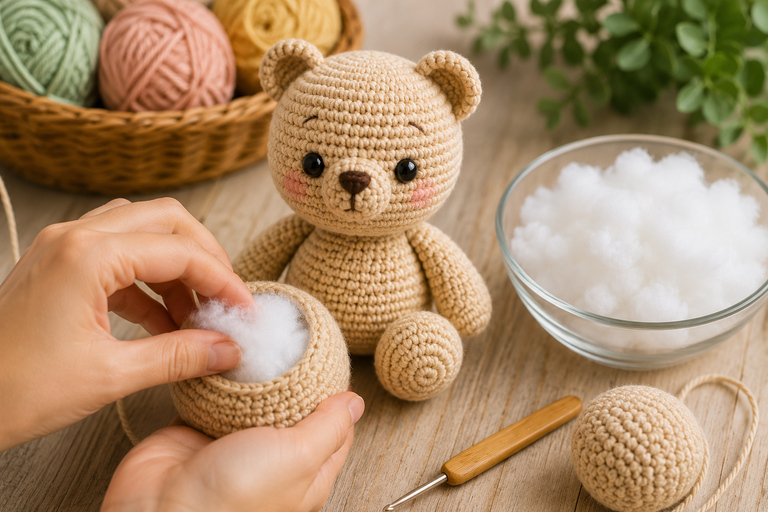
Natural fibers behave differently than acrylics during crochet, and adjusting technique can dramatically improve results. Eco-friendly yarns typically have less stretch than synthetics, so maintaining consistent tension requires deliberate practice. Using a hook one size smaller than recommended for the yarn weight produces tighter stitches that prevent stuffing from poking through, a common concern with bamboo and cotton fibers. Blocking natural fiber amigurumi pieces by lightly steaming them before assembly helps the stitches settle into place and creates a more uniform final appearance.
Conclusion
Transitioning to eco-friendly yarns for amigurumi does not require sacrificing quality or aesthetic appeal. Organic cotton, bamboo, ethically sourced merino, and recycled blends each offer distinct advantages that enhance both the crafting experience and the finished product. While the initial cost of sustainable yarns may exceed that of conventional acrylics, the superior durability, tactile pleasure, and environmental responsibility make the investment worthwhile. Every amigurumi maker who chooses sustainable materials contributes to a craft culture that values the planet as much as the finished piece, ensuring that future generations can continue enjoying the art of crochet.
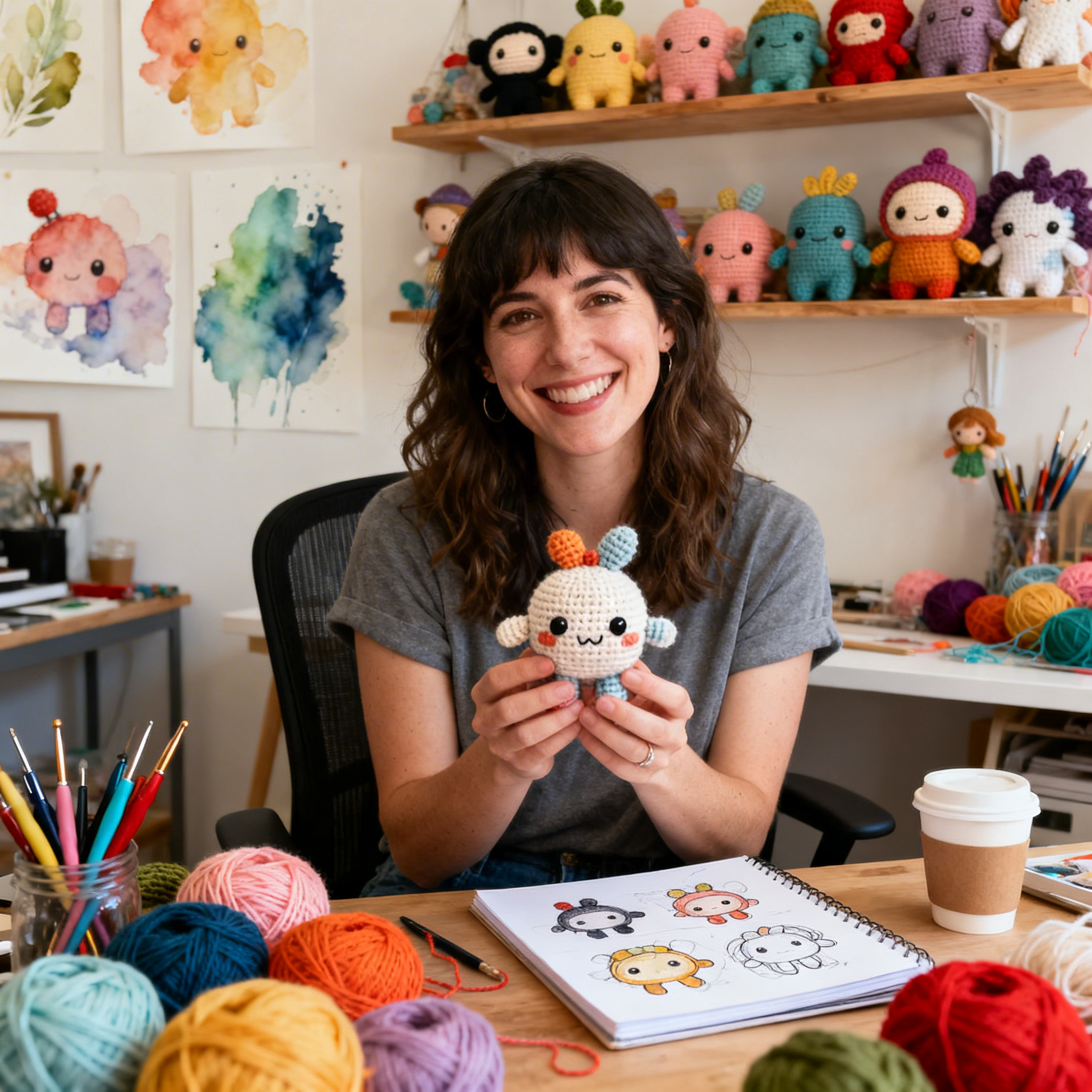
Clara Fern — Crochet Artist & Amigurumi Designer
Clara Fern is a crochet artist and amigurumi designer based in Austin, Texas. With 9 years of experience working with yarn and hook, she transformed a lifelong passion for handcraft into a creative mission: making amigurumi accessible, fun, and deeply rewarding for crafters of all levels.
Clara discovered amigurumi during a trip to Japan in 2017, where she fell in love with the art of bringing tiny characters to life through crochet. Back home in Texas, she spent years studying color theory, design principles, and advanced crochet techniques — developing her own signature style that blends kawaii aesthetics with original character design.
Through maclafersa.com, Clara shares everything she has learned — from choosing the right yarn and reading your first pattern, to designing fully original amigurumi characters from scratch. Her writing is known for being clear, detailed, and genuinely helpful, with no steps skipped and no secrets kept.
When she’s not crocheting, Clara enjoys watercolor painting, visiting local yarn shops, and drinking way too much coffee while sketching new character ideas.