Bamboo Yarn for Amigurumi: Pros and Cons
Introduction
Bamboo yarn has emerged as a favored alternative among crocheters seeking natural fibers with unique performance characteristics. Made from the pulp of bamboo grass through a mechanical or chemical process, this yarn offers a combination of softness, drape, and environmental appeal that distinguishes it from both traditional cotton and synthetic options. For amigurumi makers, bamboo yarn presents intriguing possibilities alongside specific challenges that deserve careful consideration. Understanding the full spectrum of bamboo yarn’s properties ensures that crafters can make informed decisions about when and how to incorporate it into their projects.
What Is Bamboo Yarn?
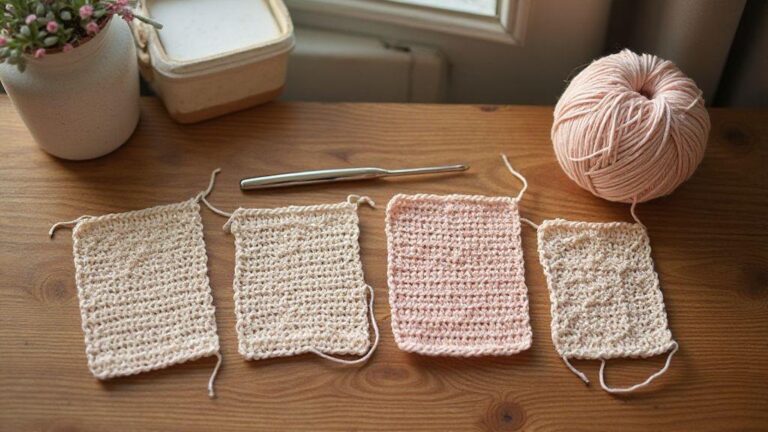
Bamboo yarn is manufactured from bamboo cellulose, extracted either through mechanical crushing and natural enzyme retting or through a chemical process similar to rayon production. The mechanically processed version, often labeled as bamboo linen, maintains more of the plant’s natural structure and requires no chemical solvents. The more common chemically processed variety, while still derived from a renewable source, undergoes significant transformation that alters the fiber’s crystalline structure and produces a smooth, uniform filament. Both varieties result in a yarn with exceptional softness and a characteristic sheen reminiscent of silk or mercerized cotton.
Advantages of Bamboo Yarn for Amigurumi
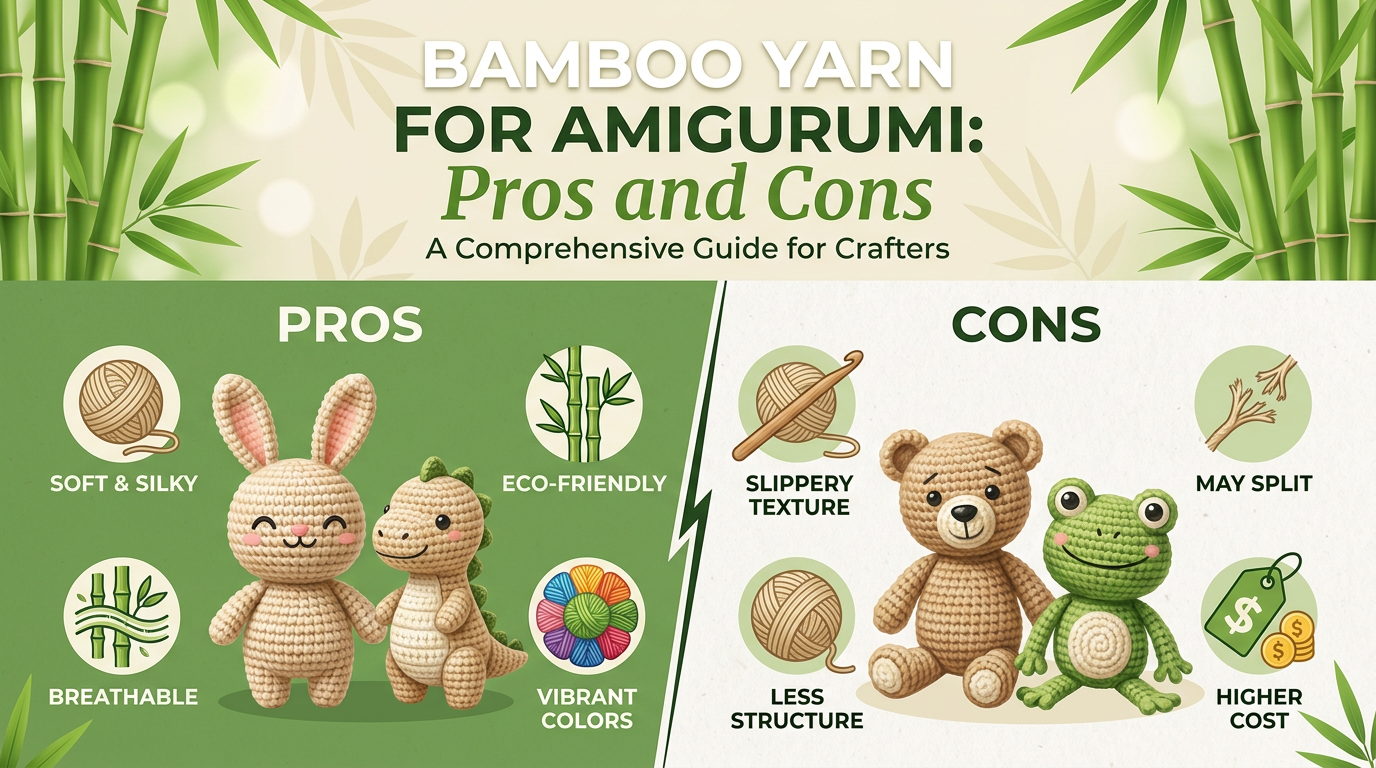
Exceptional Softness ranks as bamboo yarn’s most celebrated quality. The finished fabric has a buttery feel against the skin, making it ideal for amigurumi intended as comfort objects or gifts for individuals with textile sensitivities. This softness does not diminish with washing, and bamboo yarns often become even more supple over time.
Natural Sheen gives bamboo amigurumi a polished, luxurious appearance that photographs beautifully. The subtle luster catches light without appearing shiny or artificial, lending a sophisticated finish to decorative pieces and display amigurumi.
Sustainability Credentials appeal to environmentally conscious makers. Bamboo grows rapidly without irrigation, fertilizers, or pesticides, reaching maturity in three to five years compared to decades for timber. The plant’s extensive root system prevents soil erosion and improves water retention in agricultural areas.
Thermal Regulation makes bamboo yarn comfortable to work with in warm climates. The fiber remains cool to the touch and wicks moisture away from the skin, preventing the sweaty hands that can make crocheting with acrylic or wool uncomfortable during summer months.
Antibacterial Properties persist in bamboo fiber even after processing, offering natural resistance to odor-causing bacteria. This quality adds practical value for toys that children may carry everywhere or gnaw on during teething.
Disadvantages of Bamboo Yarn for Amigurumi
Higher Cost represents the most immediate barrier. Bamboo yarn typically costs 30% to 50% more than comparable cotton or acrylic options, making large projects significantly more expensive. For amigurumi requiring multiple skeins, the price difference can be substantial.
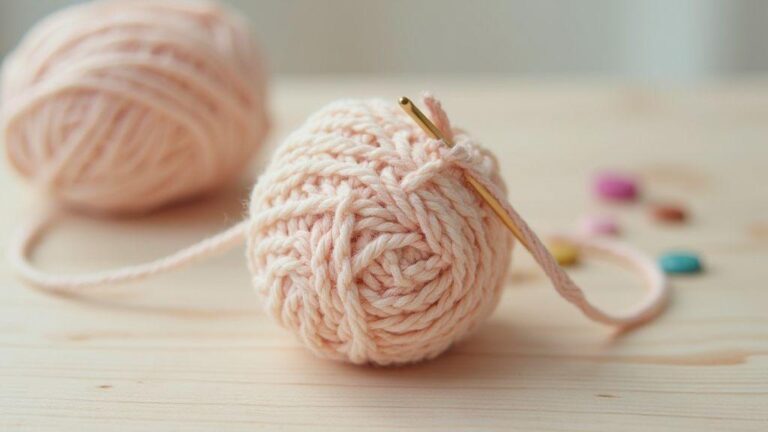
Slippery Texture challenges crocheters accustomed to cotton or wool. Bamboo fibers lack the natural grip of wool scales or the matte friction of cotton, causing stitches to slide more easily on the hook. Beginners may find tension control frustrating until they adapt their technique.
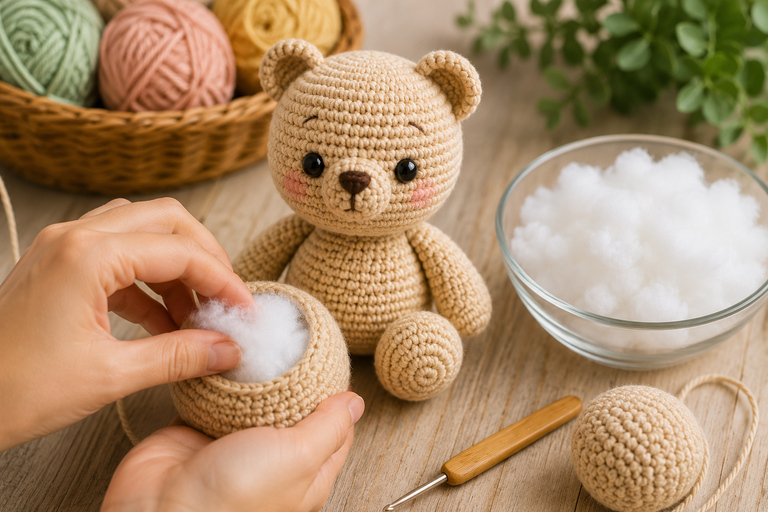
Poor Elasticity affects how bamboo yarn behaves in amigurumi construction. The fiber has minimal stretch recovery, meaning that pieces worked with tight tension may not relax into shape, while loose tension can result in floppy, unstructured toys. Overstuffed bamboo amigurumi may show gaps between stitches because the yarn cannot stretch to accommodate the filling.
Splitting Tendency frustrates many crocheters. The smooth, multiple-ply structure of bamboo yarn separates easily, particularly when using pointed hooks or working with complex stitch patterns. This splitting slows crochet speed and can create uneven stitch appearances.
Washing Sensitivity requires careful attention. Bamboo yarn weakens when wet and can lose shape if machine washed or dried. Hand washing and flat drying are essential for preserving the integrity of bamboo amigurumi, which may be impractical for toys intended for young children.
When to Use Bamboo Yarn
Bamboo yarn excels in amigurumi projects where aesthetics and tactile experience take priority over structural rigidity. Decorative pieces, display dolls, and adult-oriented amigurumi benefit from the fiber’s elegant drape and sheen. Small projects such as keychains, ornaments, and miniature animals require less yarn, mitigating the cost disadvantage. Bamboo also works beautifully for clothing and accessories on larger amigurumi dolls, where the fabric needs to drape naturally rather than stand stiffly away from the body.
Special Care Instructions
Amigurumi made with bamboo yarn demands gentler treatment than their cotton counterparts. Hand washing in cool water with mild detergent, followed by rolling in a towel to remove excess moisture and air drying away from direct sunlight, preserves the fiber’s appearance and structural integrity. Avoid wringing or twisting wet bamboo yarn, as the fiber weakens significantly when saturated. If gifting bamboo amigurumi, include a care card explaining these requirements to prevent accidental damage.
Conclusion
Bamboo yarn offers amigurumi makers a distinctive material with exceptional softness, beautiful sheen, and genuine environmental benefits. However, its higher cost, slippery texture, limited elasticity, and washing sensitivity make it a specialized choice rather than a universal replacement for cotton or acrylic. The crafters who achieve the best results with bamboo yarn are those who select projects aligned with its properties, adapt their tension and hook technique accordingly, and accept the learning curve that comes with mastering a unique fiber. For the right project and the right maker, bamboo yarn elevates amigurumi into something truly special.
Clara Fern — Crochet Artist & Amigurumi Designer
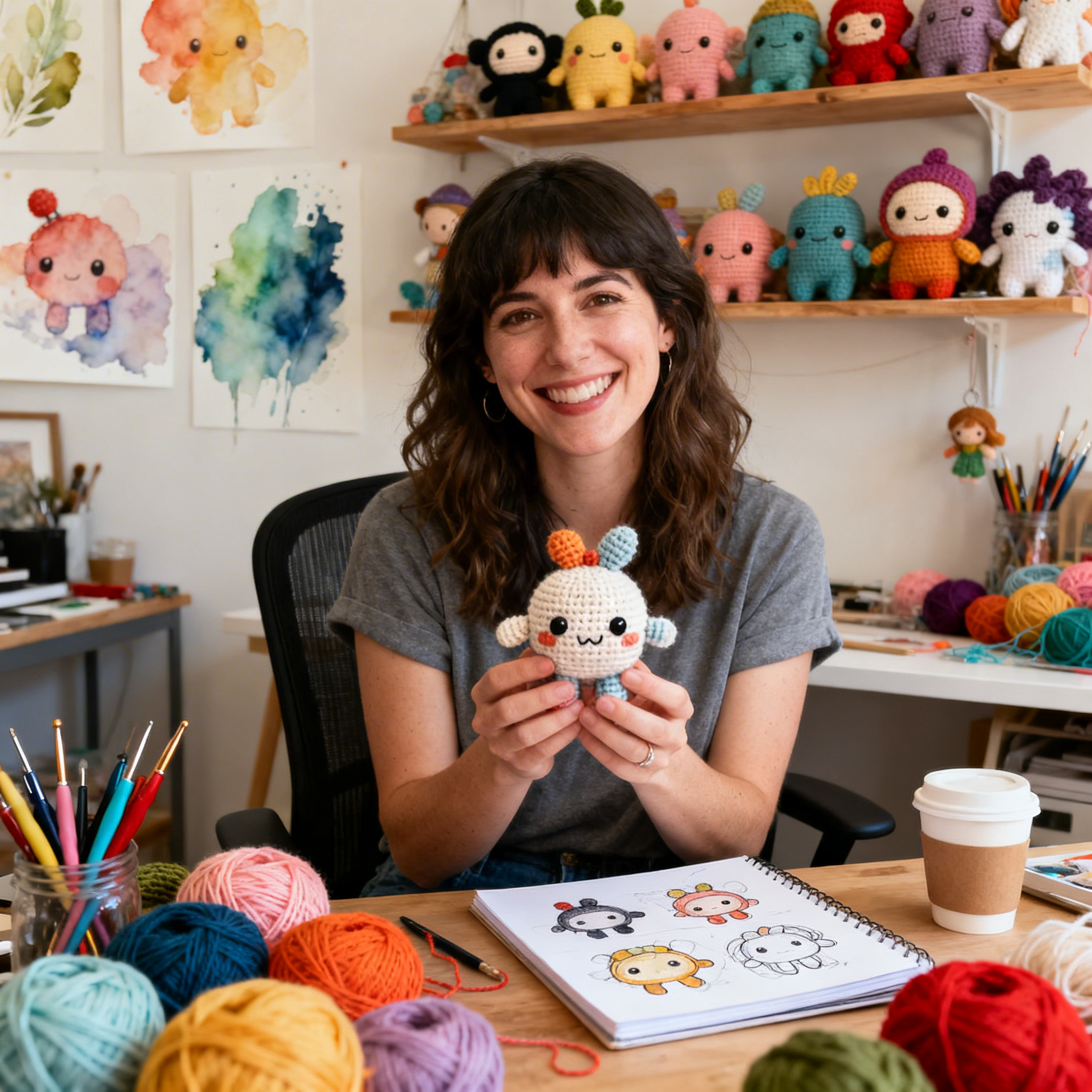
Clara Fern is a crochet artist and amigurumi designer based in Austin, Texas. With 9 years of experience working with yarn and hook, she transformed a lifelong passion for handcraft into a creative mission: making amigurumi accessible, fun, and deeply rewarding for crafters of all levels.
Clara discovered amigurumi during a trip to Japan in 2017, where she fell in love with the art of bringing tiny characters to life through crochet. Back home in Texas, she spent years studying color theory, design principles, and advanced crochet techniques — developing her own signature style that blends kawaii aesthetics with original character design.
Through maclafersa.com, Clara shares everything she has learned — from choosing the right yarn and reading your first pattern, to designing fully original amigurumi characters from scratch. Her writing is known for being clear, detailed, and genuinely helpful, with no steps skipped and no secrets kept.
When she’s not crocheting, Clara enjoys watercolor painting, visiting local yarn shops, and drinking way too much coffee while sketching new character ideas.