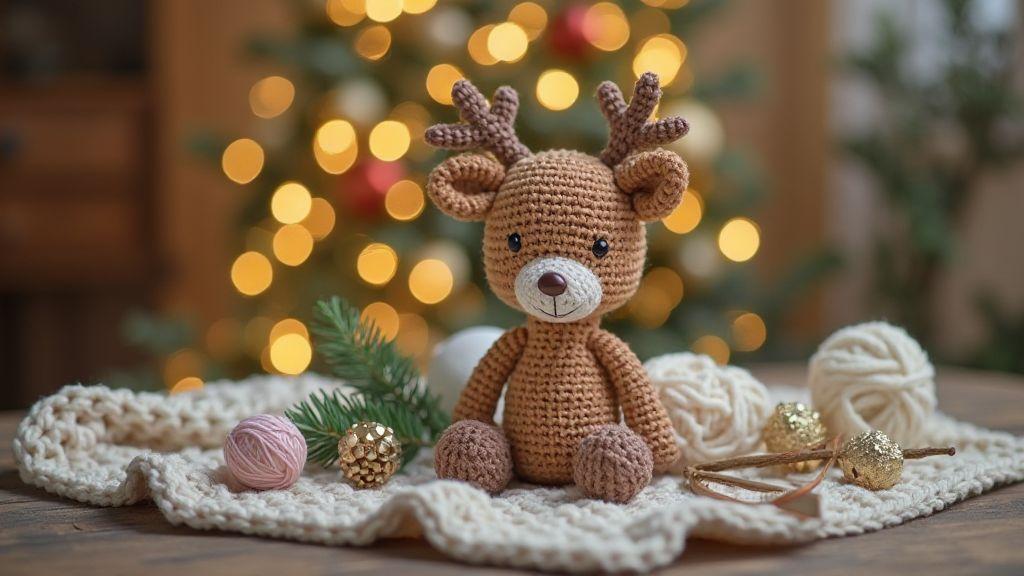
Free Amigurumi Reindeer Pattern for the Holiday Season
Materials you need for a free amigurumi reindeer pattern
You’ll gather a few essentials to bring your little reindeer to life. Start with yarn that’s soft and easy to stitch into tight rounds, one that holds shape without fuzzing. Choose a feel-good yarn that stitches smoothly to create a cuddly toy with clean lines. Pick a crochet hook that fits your yarn snugly, with a couple of backup sizes to tweak tension as you go. Have a small amount of stuffing, a darning needle, and sharp scissors ready for neat finishes. Also needed are markers to track rounds, a stitch counter, and a thin tapestry needle for weaving in ends. Accent colors for details like a nose or ears can help, plus fabric glue to secure small accessories when you’re happy with the look. A tidy workspace keeps you on track and speeds finishing.
Next, you’ll want a few basic notions that keep your project on track. Markers help you see rounds clearly as your reindeer grows from head to body. A stitch counter saves you from counting mistakes, which is a real time-saver when the pattern repeats. If your pattern includes contrasting details like a nose or tiny ears, grab a few accent colors and a thin tapestry needle for weaving in ends. A fabric or craft glue can be handy for securing small accessories once you’re happy with the look. Keeping a small, organized workspace ensures you aren’t chasing loose pieces mid-project, which can be frustrating and slow you down.
Finally, think safety and comfort. You’ll want a bright light so you aren’t straining your eyes, and a comfortable chair that supports your back for longer sessions. If yarn allergies exist around you, consider a hypoallergenic option. A simple storage bag or box helps you keep everything tidy between sessions so you’re not hunting for tools when you’re ready to sew finishing touches. With these basics in place, you can dive into the Free Amigurumi Reindeer Pattern for the Holiday Season with confidence.
Best yarn weights and fibers to choose
The right yarn makes all the difference in how your reindeer looks and feels. For a cuddly, durable toy, worsted weight yarn is a solid choice. It stitches up quickly, creates a nice chunky texture, and holds its shape well as you stuff and close the pieces. If you prefer a lighter feel, DK weight works, though you’ll need more rounds. Either way, choose something soft and gentle on little fingers so playtime stays comfy. Selecting the Free Amigurumi Reindeer Pattern for the Holiday Season as your guide helps you pick the right weight and fiber.
Fibers matter, too. 100% cotton offers a crisp stitch and easy cleaning, but can be stiff for very young kids. If you want softness and forgiving texture, try acrylic blends for cushion without washing fear. For a premium cozy look, consider a superwash wool blend; it’s warm and washable, handy for a holiday toy. Avoid very fuzzy or halo-y fibers if you want sharp, defined features like tiny ears and a small nose. A fiber that blooms with gentle blocking can still look neat, but you don’t want fuzz to blur the details.
Color choices can elevate your reindeer. Use a medium brown or tan for the body, a lighter shade for the belly or snout, and a darker shade for hooves and antlers. A speckled or heather yarn can add vintage character. Test a small swatch to see how color translates in stitches, especially when pairing body colors with a contrasting nose or eyes. The right combination shines in the final piece, and you’ll be proud showing off your pattern-finished work.
Tools and safety items to have on hand
Your tools should stay tidy to keep momentum. Keep sharp scissors ready, a blunt yarn needle for weaving in ends, and a smaller tapestry needle for tight spots around the nose or ears. A stitch marker helps you track rounds, especially if you’re new to amigurumi. You’ll also want the crochet hook size recommended by your yarn label, plus a backup in case it wears out. Having these on hand keeps you moving smoothly between steps.
Safety matters, too. Choose stuffing that’s not too firm or too soft so the reindeer holds its shape while staying safe for kids. For babies, avoid buttons or small pieces that could come loose; use embroidery for eyes or securely sewn features. Keep a small pair of safety scissors handy for trimming loose threads, and store sharp tools out of reach when you’re not actively sewing. A tidy workspace reduces the chance of losing pieces and helps you finish with confidence.
Quick shopping checklist
- Worsted or DK weight yarn (colors: body, belly, nose, eyes, hooves, and antlers)
- Crochet hooks in the size recommended on the yarn label, plus one backup
- Stuffing material (polyfill or similar)
- Darning needle and a small tapestry needle
- Stitch markers and a stitch counter
- Scissors and a small, clean storage bag or box
- Optional: fabric glue for securing small accessories, and a contrasting embroidery thread for simple facial features
Easy amigurumi reindeer pattern for beginners you can follow
You’ll love how simple this pattern is when you’re just starting out. It’s forgiving, builds confidence fast, and yields a cuddly reindeer you can be proud of. Start with a small, friendly project that fits into a quiet evening, and you’ll see how easy it is to turn yarn into a charming friend. As you crochet, you’ll notice how each stitch builds skill, one round at a time.
This pattern is forgiving if you miss a stitch—recount and adjust. The key is steady tension and using your favorite hook size for a soft, squeezable finish. You’ll get plenty of practice with basic shapes, color changes, and tiny features, which helps with future projects. By the end, you’ll want to share your little reindeer with family and friends, already thinking about new color ideas for next season. This Free Amigurumi Reindeer Pattern for the Holiday Season is beginner-friendly and aims to boost your confidence from start to finish.
If you’re short on time, this project scales easily for a quick holiday gift or a longer, cozy companion. Your hands will loosen up with practice, and the rhythmic rounds will calm your mind. This craft grows with you, starting from a simple pattern you can finish with pride.
Basic crochet stitches used in amigurumi
You’ll need the basics: chain, slip stitch, single crochet, plus a few increases and decreases. Mastering these stitches unlocks a world of tiny toys. When you whip through a few rounds, you’ll see how simple forms become a friendly reindeer shape. Keep tension even and count stitches to keep rounds neat and avoid gaps. If you get stuck, frog back to the last counted stitch and try again—practice makes precise. This approach is part of the Free Amigurumi Reindeer Pattern for the Holiday Season and helps you build confidence as you go.
Use color changes for ears and antlers, and keep tails tidy for a clean look. Weaving ends is tiny but mighty; neat tails prevent unraveling and keep your amigurumi sturdy for hugs. As you gain confidence, you’ll notice your stitches become more even and your reindeer sits up with a proud wobble. These basics are the backbone of every cute creature you’ll crochet next.
Simple row and round structure explained
You’ll work in tight rounds for the head and body, and in rows for limbs and antlers. Start with a magic ring or a few chain stitches to begin the first round, then work increases to shape. If a round looks off, count again and adjust the next round to land on the target stitch count. This creates the smooth, compact look that makes amigurumi so cuddly.
For the body, tighten slightly on the increases to keep the form snug. For ears and antlers, follow rows with small increases to shape curves without bulk. By the end, your reindeer will have a clean silhouette with features in the right spots. The rhythm of rounds and rows becomes your pattern heartbeat, speeding up future projects.
First-step practice tip
Warm up with a tiny practice swatch using one color to master the stitches you’ll use in the pattern. It helps you keep tension steady before you tackle the real work. When you’re ready, grab your hook and yarn and start—the very first amigurumi reindeer will thank you for the practice. This is a great way to approach the Free Amigurumi Reindeer Pattern for the Holiday Season.
Crochet antler amigurumi reindeer pattern tips for strong antlers
You’ll love how sturdy your reindeer’s antlers can be when you follow these tips. Start with light, durable yarn and a hook that gives you tight stitches. Practice a few small antlers first to dial in tension, then scale up. Use firmer stuffing and reinforce the base as you learn; you’ll notice the difference in strength when you switch to a sturdier core.
For a clean look, use tight single crochet stitches and plan increases to keep the antlers balanced. Keep increases near the center spine so outer branches stay even. If the antlers soften after stuffing, add a light wire core or a sturdy pipe cleaner inside the shaft to provide backbone for posing. Test bendability gently to maintain a natural look.
When finished, label each antler with a small stitch marker to ensure the same orientation each time. A dab of fabric glue on the base can add security after stitching, but only if the join is solid. Write a note for yourself: Free Amigurumi Reindeer Pattern for the Holiday Season so you remember the source for future projects.
Stitches and shaping for small antlers
Your small antlers begin with a tight i-cord spine. Crochet a short tube and add side branches off the center, keeping the spine straight. Use thinner yarn for delicate branches and shape by increasing toward the tip with small, even stitches. If a branch curls, gently straighten it as you close off the end. Weave in ends neatly to prevent poking and maintain a polished finish.
Start with a short spine and two tiny branches to practice balance before attempting longer shapes. Count your stitches to keep each antler symmetric, helping your reindeer look lively rather than off-balance.
How to sew antlers to the head securely
Line up the base of each antler with the correct side of the head for a natural look. Thread a long embroidery needle with matching yarn and weave it through multiple base stitches to anchor the antlers deeply. Use crisscross passes to lock them in and check alignment before final stitching. A snug fit won’t loosen with play or hugs.
After securing the base, add a few passes through nearby stitches for friction. A tiny dab of fabric glue at the very base can help, but only after stitching firmly. Gently tug to test; if there’s give, reinforce with another pass or a small stitch near the base. You’ll have a reindeer that stands tall and steady for holiday photos.
Before finishing, weave in all loose ends inside the head to keep the surface smooth. If extra strength is needed, you can sew a small felt circle at the base before attaching the antlers. That backing distributes pressure and keeps the base from fraying.
Antler reinforcement trick
Try a tiny felt backing where the antlers attach. Cut a small circle or oval of felt in the head color and stitch it on first. Then sew the antler bases to this backing for a firmer anchor and better weight distribution, especially if the reindeer will be played with. This simple step makes the finish look more polished and durable.
Mini amigurumi reindeer ornament pattern for your tree
You’ll love crafting a tiny reindeer that fits right on a branch. This mini pattern is quick and uses scraps of yarn and a bit of stuffing for a charming decoration that reads festive without taking all day. As you crochet, imagine your tree lighting up with these little faces, year after year.
This pattern is designed for speed and sweetness. Shape the head, ears, and antlers in a few tiny rounds, then sew neatly. When you’re finished, you’ll have a portable treasure you can clip to a ribbon, tuck into a gift bag, or hang from a mug tree. If you’ve never made an amigurumi reindeer before, this is the perfect starter project that still looks polished. Feel free to customize colors to match decor or the recipient’s favorite palette.
By the end, you’ll have a complete ornament ready to hang. The process is straightforward, and the result is sturdy enough for several holiday seasons. Keep yarn scraps handy and you’ll breeze through finishing touches in no time. This is about joy, not perfection, so enjoy each small step toward your finished ornament.
Size, stuffing, and weight tips for ornaments
Your mini reindeer should fit in the palm of your hand, about 2 to 3 inches tall. Use light stuffing to keep shape clean and avoid lumps, and don’t overfill—soft edges help when you sew. If you’re using tight single crochet, the ornament will stay firmer and hang nicely on the tree.
A little stuffing goes a long way. Add gradually, smoothing as you go so rounds sit evenly. If stitches skew, wet fingers and reshape before finishing. To add weight, consider a tiny bell or bead inside before closing. If not, the ornament will still hang nicely with a lighter feel.
Color choices matter for visibility. Use a contrasting color for the nose and antlers so they pop. Matte yarns read softer on the tree, while a touch of sparkle adds whimsy. When done, ensure the surface is smooth with no loose ends showing.
Making a neat hanging loop and placement
Create a sturdy hanging loop with about 6 inches of yarn. Fold it, insert the folded end between stitches at the top, and pull the ends through to form a secure loop. Tie a small knot inside to lock it. If you plan to store the ornament flat, sew the loop at the back for photos or gifting.
Placement matters for display. Hang near a light or on a branch that won’t be overwhelmed by larger ornaments. If you have multiple minis, group them to create a cozy woodland corner. For added durability, sew the loop to a reinforced area so it won’t pull through. If gifting, add a tiny year tag or message tied to the loop for a personal touch.
Fast ornament assembly
To speed up assembly, crochet the head, body, and ears in quick succession, then sew together in a single pass. Use a simple color for the body and a contrasting color for the nose to keep steps clear. Attach ears early so you can shape them as you sew the head to the body. A dab of fabric glue on the inside seam can help keep pieces aligned if you’re short on time, but consider drying time.
Stay organized during assembly. Clip a small felt patch or yarn to the seam as you pull tight to smooth the finish. If you’re incorporating a loop, finish that step before closing the final seam. With a few deliberate moves, you’ll have a neat ornament ready to hang and enjoy.
Free PDF amigurumi reindeer pattern download and print advice
You’re probably excited to try a new amigurumi project, and a Free Amigurumi Reindeer Pattern for the Holiday Season is a great starting point. This section helps you prep a printable PDF that’s easy to use and store. You’ll learn what to look for in a pattern file, print settings, and how to save your progress so you can resume later. Keeping these steps simple helps you avoid surprises at the craft table and keeps your project on track.
First, check that the PDF is complete and accessible. Look for a clear title, date, and page count so you know you’re using the latest version. Make sure charts, stitch guides, and color codes are legible, even in grayscale. If anything looks blurry, try re-downloading or opening the file in a different viewer. A well-structured file saves time and prevents guesswork when crocheting your reindeer.
Next, verify the instructions are easy to follow. Check that stitch abbreviations are defined in plain language and that gauge information matches your usual tool sizes. If there are row-by-row instructions, skim a few pages to ensure the language is friendly. A good PDF balances diagrams with written steps, making it easier to translate into stitches and shapes. This approach suits the Free Amigurumi Reindeer Pattern for the Holiday Season nicely.
What to check in a PDF pattern file
Open the PDF and ensure all pages load without error. Look for a clean layout, consistent fonts, numbered pages, and a visible key for colors and stitches. If pages are missing or text garbled, contact the author or re-download. Your time is precious, so don’t wrestle with a broken file.
Also check for extras like a troubleshooting section, finishing tips, and a materials list suitable for common yarn weights. If templates print, ensure they are actual size to scale your reindeer correctly. These checks prevent mismatched pieces and frustration later.
Best print settings and paper choices
Set print to Actual Size and 100% scale to preserve gauge. Use high-quality print mode; color print if the pattern uses color-coded stitches. For most printers, 20–24 lb (75–90 gsm) paper works well, though heavier paper can help with templates. Print a test page to verify margins and readability.
Ensure good contrast. If the PDF uses light colors, print in color and adjust brightness so symbols don’t fade. Leave a clean margin around pages to avoid clipping instructions. Print pages sequentially (1–n) to avoid shuffling. A smooth print job means you can start stitching without delays.
Save and back up the PDF
Save the PDF in a labeled folder and back it up to the cloud or an external drive. Name the file with the project and date for quick access later. Regular backups prevent data loss if your computer crashes or devices change. You’ll appreciate the security when you’re mid-project.
Cute amigurumi reindeer crochet tutorial you can watch and follow
You’ve got a soft spot for cozy crafts, and this little amigurumi reindeer is perfect for quick, satisfying results. You’ll see how shapes come together with simple rounds and easy color changes, so you can finish in an afternoon or two. As you crochet along, you’ll notice the charm of the tiny nose and the wobble of the antlers that make your reindeer feel alive. If you’re new to amigurumi, this tutorial breaks down each step with clear visuals and friendly pacing, so you stay confident from start to finish. And yes, you can pause, rewind, and keep your own rhythm—this pattern is built for hands-on learning, and it showcases the Free Amigurumi Reindeer Pattern for the Holiday Season in action.
The best part is you can watch once and recreate from memory, or keep the video handy as a reference. You’ll appreciate concise demonstrations that show where to place each stitch and how to switch colors without tangling. By the end, you’ll have a cute reindeer you’re proud to gift or display. If you want more practice, repeat the steps with different sizes or add tiny accessories to make it uniquely yours.
If you’re chasing quick wins, this tutorial fits the bill. It delivers a complete project with a satisfying result you can show off to friends and family. You’ll feel accomplished knowing you followed along, paused when needed, and kept stitching neat and even. Your finished reindeer will look adorable on a mantel, a tree, or a desk, and you’ll have earned momentum to crochet more.
What a good video tutorial shows step by step
A good video tutorial guides you through each stitch and color change in a calm, easy-to-follow flow. You’ll see the exact number of rounds, where to insert your hook, and how tight or loose to make your stitches. It should pause briefly after key moves for accurate copying and show the finished shape from multiple angles. It should also point out common mistakes so you learn to avoid them from the start. This is where learning becomes muscle memory, not just watching a pattern.
Look for clean lighting and close-ups on tricky parts like antlers and muzzle. A good tutorial includes commentary explaining why each step matters, not just what to do. When color changes occur, you’ll appreciate tips for carrying yarn neatly and changing colors without a visible seam. If the video offers a printable pattern or on-screen recap, you’ve got a handy backup to check against your notes. A solid walkthrough keeps you moving with slower pacing for tricky twists.
If you’re color-challenged, a strong tutorial will demonstrate colorwork techniques clearly, perhaps with a close-up on yarn management. You’ll value a creator who speaks directly and offers encouragement. A quick recap at the end helps you confirm your reindeer matches the sample before final assembly. When you finish, replay the closing shots to compare your piece with the video.
How to use photos and timestamps to learn
Photos in a tutorial act as your visual map. Pause on close-ups of antler shaping or color changes and replay as needed. Timestamps act as signposts: jump back to review a tricky step or skip forward to finishing touches. Visual learners can line up progress with stills and match stitches to the image. This method builds confidence without rushing, because you can stop exactly where you need more clarity.
Use photos alongside the video to build a quick reference cheatsheet for your pattern. Snapshots of the head, body, and limbs let you study proportions at a glance. If you’re stuck, compare your current shot to the corresponding photo from the tutorial to spot where stitches diverge. Timestamps create your own mini timeline: Round 3, color change, pause. This keeps momentum without losing pace or interest.
To maximize learning, keep a small notebook or notes on your device. Jot down exact stitch counts, color orders, and tips you found helpful from the photos. Your notes become a personal guide you can reference anytime, even away from the screen. For a quick win, memorize the core sequence—body, head, ears, antlers—and use timestamps as a cue sheet when you crochet again later.
Customize your holiday amigurumi reindeer pattern with color and flair
You can make this holiday reindeer truly yours by choosing colors that pop and feel cozy. Start with a classic brown base, adding cream or white for the tummy, snout, or inner ears for contrast that reads well in photos. A touch of red or green in details like the nose or bows signals the season. For whimsy, try dusty blue or emerald green as accents to keep the look festive without clashing with decorations. Aim for a balanced palette that reads as a cohesive whole.
When choosing yarn, consider how the color will look in stitches. Lighter colors show every bump, while darker shades hide small mistakes. If shading is subtle, test color changes side by side before committing. Swap a lighter shade for the chest for warmth, or go bold with a red scarf against a brown body for a focal point. Color choices set the mood, so lean into a cozy, festive vibe.
Consider lighting where your amigurumi will live. A bright shelf may handle bold color combos; a dim corner might benefit from brighter accents. If gifting, tailor hues to the recipient’s decor—rustic, modern, or playful—and feel free to experiment with color blocks: a dark head, lighter body, and a contrasting muzzle can look striking. Your reindeer should wear your style with pride.
Color pairings that look festive and clear
Pair colors that contrast enough to define features but stay harmonious. Try a medium brown body with a cream belly and muzzle; the light color highlights the face while the dark body grounds the figure. A red nose or scarf instantly cues the holidays, with metallics like gold or silver for a sparkly touch. For softer looks, try taupe with a peach muzzle and mint scarf.
Use the same color for small parts to guide the eye, such as ears and cheeks, so the reindeer reads as a single character. A white or cream inner ear against a darker head helps the ears pop without busy patterns. If using multi-color yarns, crochet tightly to prevent color bleed and finish with an invisible seam where parts meet. Your color strategy should tell a cohesive story.
Easy accessories like scarves, bows, and bells
Scarves are a quick win: pick a bold color that contrasts with the body and tie or crochet a mini scarf around the neck. A tiny bow sits above the shoulder or behind the ear for a playful touch, using a color echoed elsewhere in the palette. A small bell or bead adds instant holiday cheer; sew it securely so it dangles softly. These accents are quick, visual upgrades readers will notice in photos.
If you want something a bit more polished, weave a tiny garland with beads or crocheted loops around the neck. A small chest button can mimic a decorative harness or sweater, provided it’s securely attached. Accessories should be simple yet eye-catching, enhancing the main figure without overpowering it.
Quick personalization ideas
Add a name tag or a tiny handwritten note tucked under the scarf to make your reindeer feel special. Match the tag color to your palette for a cohesive look. Create a mini sweater with a different stitch for texture, color-blocking sleeves to mirror the scarf or bow. For gifts, a short note elevates the present beyond a cute ornament. Remember the keyword: Free Amigurumi Reindeer Pattern for the Holiday Season can be a great lead-in for your project posts or tutorials, and you can mention it when you share your finished piece.
Turn a Free Amigurumi Reindeer Pattern into a toy or holiday gift
You’ve found a Free Amigurumi Reindeer Pattern for the Holiday Season and you’re ready to turn it into a heartfelt gift. Start with cozy yarn in a color that matches your vision. Choose medium-weight yarn for neat stitches and sturdy feel for little hands. As you crochet, picture the smile it will bring and tailor details to the recipient’s tastes—glittery nose for a sparkle fan or a soft belly for a cuddle buddy. The stuffing matters: firmer for a toy, softer for a plush hug.
Plan small, thoughtful touches like a scarf, a jingle bell, or a stitched-on bow to elevate the piece without adding bulk. Check tension as you go; if stitches loosen, switch to a smaller hook to keep the toy sturdy. When finished, sew limbs securely and tuck loose ends away. Test the toy by lifting by the head to ensure durability. Your completed reindeer should feel solid and safe for play.
Finally, think presentation. Include a simple care note with the gift and a short card describing the pattern you used and care tips. A tiny tag with the maker’s name adds a personal touch. If gifting to a child, include safety notes for supervising adults. Your care shows you’ve put thought into the gift, not just the craft.
Safety checks for toys and gifts for kids
Before gifting, perform a quick safety check. Inspect seams and knots to ensure no gaps where stuffing can escape. Ensure eyes or noses are securely attached; switch to embroidered eyes for added safety. For babies, keep embellishments minimal—no loose buttons or beads. If adding a scarf, sew it firmly so it cannot be pulled off. Choose machine-washable yarn and a simple design for easy cleaning. Test durability with gentle squeezes to ensure nothing detaches during normal play.
Document care and cleaning needs on the gift tag or card. Note washing method, whether hand wash or gentle machine wash, and drying guidance. Clear safety notes reassure caregivers and reflect thoughtful craftsmanship.
Simple gift wrapping and labeling ideas
A simple wrap elevates the gift: use a small fabric square or kraft paper tied with natural twine. Add a sprig of evergreen or a tiny pinecone for a holiday scent and vibe. Include a handwritten tag with the pattern name and your name, plus a note referencing the Free Amigurumi Reindeer Pattern for the Holiday Season so the recipient understands the story behind the gift. A neat wrap protects the toy during the holiday rush and looks charming in photos.
For a child recipient, attach a mini care card with washing instructions. If you have a photo of you making the reindeer, tuck it in the gift for a personal touch. Your packaging can be as thoughtful as the toy itself.
Care and washing tips
Keep the reindeer cute for years with gentle care. Hand wash in cool water with a mild detergent, rinse well, and press out excess water with a towel (avoid wringing). Lay flat to air dry, reshaping limbs as needed. If colors vary, air drying helps prevent color bleed. A quick fluff after drying restores the plush feel; reshape any squished areas and fix loose stitches promptly for a lasting finish.
If you notice any loose ends, tuck them away and repair when damp or after drying for a clean look. With proper care, your reindeer stays soft, neat, and ready for another holiday season.
Troubleshooting common issues in christmas amigurumi reindeer pattern free projects
Common issues often come from stuffing, stitch counts, or frog-and-start decisions. This guide offers practical fixes to keep your project cute and professional, whether you’re new or refreshing skills. With the Free Amigurumi Reindeer Pattern for the Holiday Season, these fixes apply to that free project as well as any reindeer you’re making.
Start with fresh eyes to spot gaps, uneven curves, or loose strands. Maintain comfortable tension to keep stitches even as the size grows. Quick checks save bigger fixes later, and practicing the Free Amigurumi Reindeer Pattern for the Holiday Season helps you anticipate common pitfalls.
If you’re using soft yarn, beware of too-tight joins that puckers and too-loose joins that create gaps. A snug transition between parts is the goal, with consistent grip on your hook and steady rhythm. If you need to frog, do so to the point just before the mistake and redo with careful counting. You’ll gain accuracy and save time later by double-checking counts before moving on, especially when following the Free Amigurumi Reindeer Pattern for the Holiday Season.
How to fix uneven stuffing and gaps
Uneven stuffing shows first in flat spots or bulges. Gently pinch and adjust, adding stuffing in small increments to balance. If a muzzle dips or a back looks hollow, fill more at the base and tighten seams. Don’t overstuff; aim for smooth curves rather than a rigid ball. If you can’t reach a gap, add a pinch and stitch firmly to trap the filling. The result should be a round, even form that feels solid in your hands.
If you worry about visible stuffing, consider adding an extra round with light tension to seal edges as you close seams. Practice makes a smoother shape over time, particularly when using the Free Amigurumi Reindeer Pattern for the Holiday Season.
Finding and fixing stitch count mistakes
A stitch count mistake can throw off symmetry fast. If a round ends early or a shape shifts, compare your counts to the pattern. Often the issue is an extra increase or a missed stitch. Frogging back to the last correct count and resuming with the right increments is usually the fastest fix.
Count aloud to stay on track through tricky sections like ears or antlers. If you lose count, revert to the last confirmed stitch count and restart the section. When following the Free Amigurumi Reindeer Pattern for the Holiday Season, mark counts and use stitch markers to stay aligned and catch mistakes early.
When to frog and restart
If a major mismatch or stubborn gap persists, frog and restart. Frogging isn’t failure; it saves time and nerves later. Recheck gauge and tension, and ensure you’re using the correct hook size. If stitches tighten or loosen, adjust tension or try a different hook or yarn weight on the retry. A clean restart often yields a smoother final piece that stays cute and sturdy for the holidays.
If you’re reworking sections like the head, body, or legs, frog to just before the mistake and redo with careful counting. The right approach after a reset can lead to a confident, steady finish you’ll reach with the help of the Free Amigurumi Reindeer Pattern for the Holiday Season.

Clara Fern — Crochet Artist & Amigurumi Designer
Clara Fern is a crochet artist and amigurumi designer based in Austin, Texas. With 9 years of experience working with yarn and hook, she transformed a lifelong passion for handcraft into a creative mission: making amigurumi accessible, fun, and deeply rewarding for crafters of all levels.
Clara discovered amigurumi during a trip to Japan in 2017, where she fell in love with the art of bringing tiny characters to life through crochet. Back home in Texas, she spent years studying color theory, design principles, and advanced crochet techniques — developing her own signature style that blends kawaii aesthetics with original character design.
Through maclafersa.com, Clara shares everything she has learned — from choosing the right yarn and reading your first pattern, to designing fully original amigurumi characters from scratch. Her writing is known for being clear, detailed, and genuinely helpful, with no steps skipped and no secrets kept.
When she’s not crocheting, Clara enjoys watercolor painting, visiting local yarn shops, and drinking way too much coffee while sketching new character ideas.