Free Amigurumi Bee Pattern With Simple Shapes
Introduction
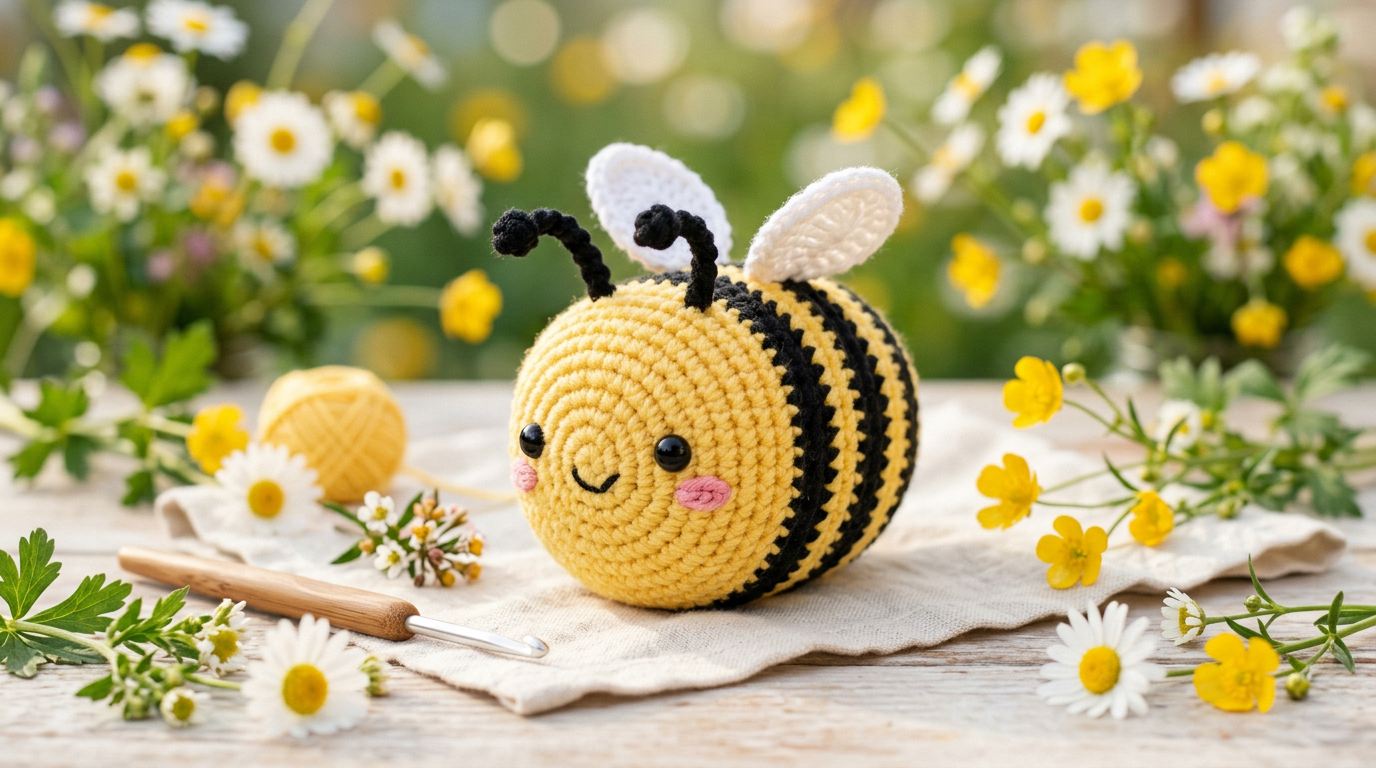
The bee is a delightful amigurumi project that combines simple shapes with charming character. Its round body, small wings, and expressive face make it instantly recognizable and endearing. The bee pattern teaches essential amigurumi techniques—increasing, decreasing, and basic assembly—while remaining accessible to beginners. This article provides a complete, easy-to-follow bee pattern with detailed instructions, helpful tips, and creative variations to personalize your creation.
Materials Needed
Yarn: Worsted-weight yarn in yellow (body), black (stripes), white (wings), and a small amount of black or dark gray (eyes and antennae). Approximately 80-120 yards total.
Hook: Size 5.5mm (I/9) crochet hook for worsted-weight yarn.
Notions: Polyester fiberfill for stuffing, tapestry needle for weaving in ends and sewing pieces together, stitch markers, scissors.
Optional: Safety eyes (6mm) for a finished look, or embroidery floss for embroidered eyes.
Pattern: Bee Body
Rnd 1: 6 sc in magic ring (6) Rnd 2: inc in each st around (12) Rnd 3: sc 1, inc repeat around (18) Rnd 4-6: sc in each st around (18) — 3 rounds total
Change to black yarn.
Rnd 7: sc in each st around (18)
Change to yellow yarn.
Rnd 8: sc in each st around (18)
Change to black yarn.
Rnd 9: sc in each st around (18)
Change to yellow yarn.
Rnd 10: sc 1, dec repeat around (12) Rnd 11: dec around (6)
Stuff firmly. Cut yarn and pull through last stitch to close. Weave in ends.
Pattern: Bee Head
Rnd 1: 6 sc in magic ring (6) Rnd 2: inc in each st around (12) Rnd 3-4: sc in each st around (12) — 2 rounds total Rnd 5: dec around (6)
Stuff lightly. Cut yarn and pull through last stitch to close. Weave in ends.
Pattern: Bee Wings (Make 2)
Using white yarn:
Rnd 1: 6 sc in magic ring (6) Rnd 2: inc in each st around (12) Rnd 3: sc in each st around (12)
Cut yarn and pull through last stitch to close. Weave in ends. Do not stuff.
Pattern: Bee Antennae (Make 2)
Using black yarn:
Ch 8: Chain 8 stitches.
Cut yarn and pull through last stitch to close. Weave in ends.
Assembly Instructions
Attaching the Head: Position the head on the front of the body. Using a tapestry needle and matching yarn, sew the head to the body using a ladder stitch, making stitches every quarter-inch around the entire circumference.
Attaching the Wings: Position the two wings on the back of the body, one on each side. Sew each wing to the body using a ladder stitch around the outer edge of each wing.
Attaching the Antennae: Position the two antennae on top of the head. Sew each antenna to the head using a ladder stitch, ensuring they’re positioned symmetrically.
Adding Eyes: If using safety eyes, insert them into the head before stuffing. If embroidering eyes, use black embroidery floss to make two small dots on the front of the head, positioned slightly above the center.
Adding a Smile: Using black embroidery floss, embroider a simple curved line below the eyes to create a smile.
Beginner Tips for Success
Color Changes: When changing yarn colors, cut the old yarn leaving a 6-inch tail, and tie on the new yarn using a square knot. Weave in the tails after completing the project.
Stripe Consistency: To create even stripes, change colors at the same point in each round. This creates a uniform striped pattern.
Wing Placement: Position the wings slightly toward the back of the body for a more realistic appearance. Wings should be symmetrical on both sides.
Antennae Positioning: Bend the antennae slightly after assembly to create a more natural, expressive appearance.
Troubleshooting Common Problems
Stripes Look Uneven: If stripes appear uneven or misaligned, ensure you’re changing colors at the same point in each round. Mark the color-change point with a stitch marker.
Wings Won’t Stay Attached: If wings seem loose, reinforce the attachment by making additional stitches around the wing edges.
Antennae Too Stiff: If antennae feel too rigid, gently bend them into a more natural curve. They should be flexible enough to move slightly.
Variations and Customization
Bumblebee Version: Use fuzzy yarn for a bumblebee appearance, or add embroidered fuzz using short stitches.
Different Stripe Patterns: Experiment with different stripe widths or patterns—thick stripes, thin stripes, or diagonal stripes.
Accessory Additions: Add a tiny flower in the bee’s hands or a small honey pot accessory for extra charm.
Conclusion
The beginner bee pattern teaches color-change techniques while producing an adorable, recognizable amigurumi. By following these instructions and practicing color changes and assembly techniques, you’ll create a charming bee that showcases your growing crochet skills. This bee makes an excellent second or third project and a wonderful gift for nature lovers.
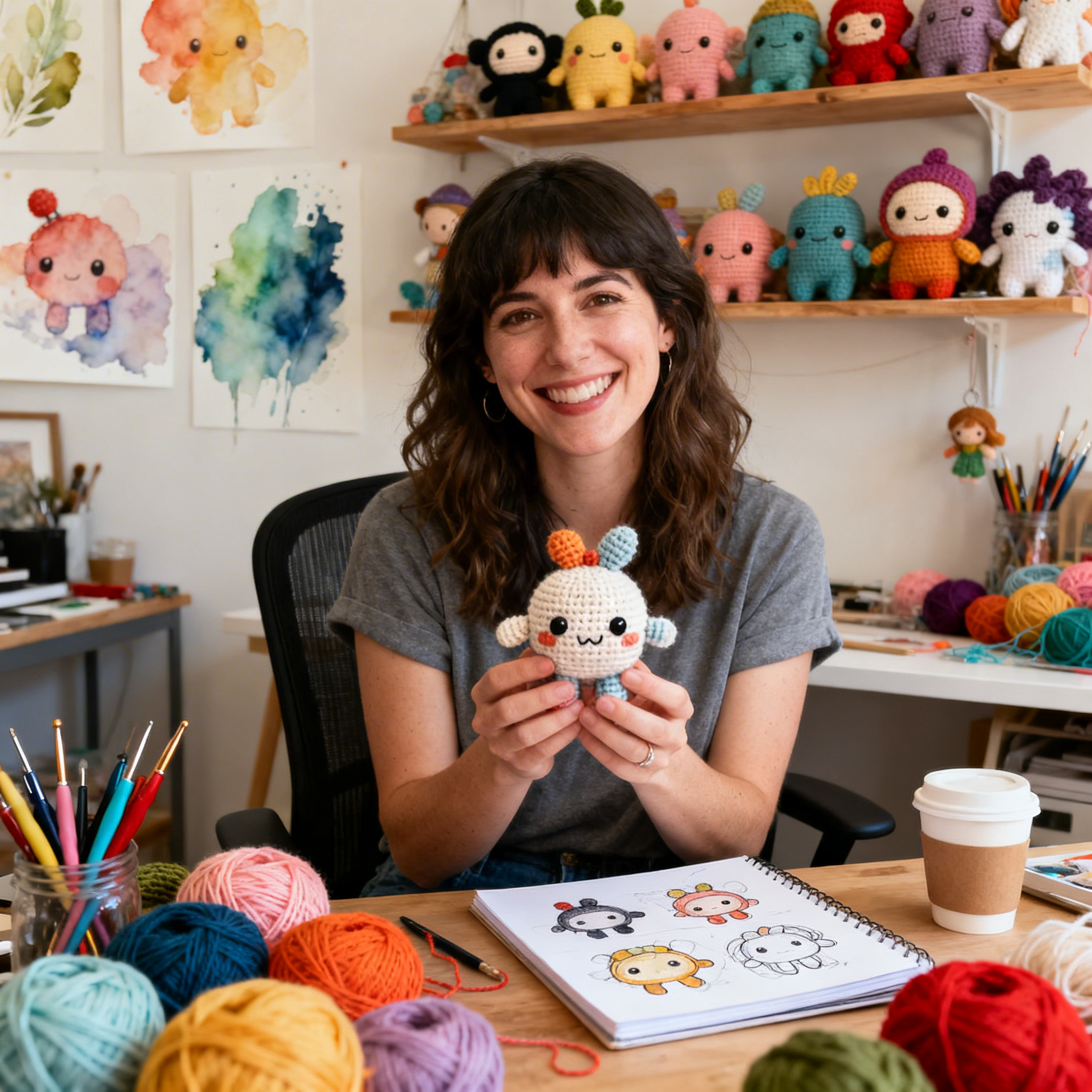
Clara Fern — Crochet Artist & Amigurumi Designer
Clara Fern is a crochet artist and amigurumi designer based in Austin, Texas. With 9 years of experience working with yarn and hook, she transformed a lifelong passion for handcraft into a creative mission: making amigurumi accessible, fun, and deeply rewarding for crafters of all levels.
Clara discovered amigurumi during a trip to Japan in 2017, where she fell in love with the art of bringing tiny characters to life through crochet. Back home in Texas, she spent years studying color theory, design principles, and advanced crochet techniques — developing her own signature style that blends kawaii aesthetics with original character design.
Through maclafersa.com, Clara shares everything she has learned — from choosing the right yarn and reading your first pattern, to designing fully original amigurumi characters from scratch. Her writing is known for being clear, detailed, and genuinely helpful, with no steps skipped and no secrets kept.
When she’s not crocheting, Clara enjoys watercolor painting, visiting local yarn shops, and drinking way too much coffee while sketching new character ideas.